Houseplant Leaf Drop: Causes and Recovery
Leaf drop is a stress response where plants shed foliage to conserve resources under unfavorable conditions. A few lower leaves dropping occasionally is normal, especially during seasonal shifts. Problematic leaf drop is continuous, rapid, or includes otherwise healthy leaves. Indoors, the most common triggers are watering inconsistency, low light, sudden relocation, draft exposure, and root stress from poor drainage. Plants often drop leaves after a major environmental change even when care is mostly correct. The key is to stabilize conditions rather than making frequent drastic adjustments. Check root-zone moisture, light duration, temperature swings, and recent repotting or movement. If root damage is present, treating roots takes priority over cosmetic pruning. Recovery is gradual: leaf drop should slow first, then new growth should resume over subsequent weeks.
Leaf Drop on Houseplants
Still unsure?Match your symptoms to the most likely problems in under a minute.Run diagnosis →Understand and fix leaf drop
Sudden or repeated leaf fall usually follows abrupt stress changes in water, light, temperature, or root health rather than a single isolated leaf issue.
Overview
Leaf drop is a stress response where plants shed foliage to conserve resources under unfavorable conditions. A few lower leaves dropping occasionally is normal, especially during seasonal shifts. Problematic leaf drop is continuous, rapid, or includes otherwise healthy leaves. Indoors, the most common triggers are watering inconsistency, low light, sudden relocation, draft exposure, and root stress from poor drainage.
Plants often drop leaves after a major environmental change even when care is mostly correct. The key is to stabilize conditions rather than making frequent drastic adjustments. Check root-zone moisture, light duration, temperature swings, and recent repotting or movement. If root damage is present, treating roots takes priority over cosmetic pruning. Recovery is gradual: leaf drop should slow first, then new growth should resume over subsequent weeks.
Leaf Drop patterns: what you see vs. likely cause
Match your plant to the closest pattern, then start with the first step before trying other fixes.
| What you see | Likely cause | First step |
|---|---|---|
| Drop after moving or repotting | Transplant or relocation shock | Stabilize light and water; wait 2–4 weeks before further changes |
| Drop with yellowing lower leaves | Watering imbalance or root stress | Check soil moisture depth and root health |
| Sudden mass drop near a draft or AC vent | Cold or dry airflow stress | Move away from vents; keep temperature steady |
| Drop with sticky residue on new growth | Sap-sucking pests (aphids, scale) | Inspect stems and treat pests before adjusting watering |
How to identify it
- Leaves detach easily with little resistance.
- Drop may include yellow, brown, or still-green leaves.
- Plant experienced recent move, draft, or care routine shift.
- Soil moisture history shows extremes or prolonged wetness.
- No significant chewing marks in most cases.
- Canopy thins from lower and inner sections first.
When to worry
Prioritize diagnosis if active leaf drop continues for more than 1-2 weeks, includes healthy green leaves, or is paired with stem softening.
Common causes
Watering inconsistency
Alternating drought and saturation stresses roots and triggers defensive leaf shedding.
Low or abrupt light change
Reduced light lowers energy production, so plants shed leaves they cannot sustain.
Temperature and draft stress
Cold drafts and heat blasts disrupt transpiration balance, promoting sudden foliage loss.
Root stress or rot
Damaged roots cannot support full canopy demand, causing progressive drop even with wet soil.
Acclimation after relocation
Plants moved between environments may shed leaves while adapting to new humidity and light conditions.
Step-by-step fix
Stabilize watering immediately
Switch to moisture-based watering and avoid both extreme dryness and persistent saturation.
Provide consistent bright indirect light
Avoid frequent repositioning; steady light conditions reduce adaptation stress and support recovery.
Protect from drafts and heat vents
Keep plants away from AC/heater airflow and cold windows to reduce sudden transpiration shocks.
Inspect roots if drop persists
Check for rot, compaction, or severe root binding when leaf fall continues despite environmental corrections.
Remove only spent leaves
Clear fallen debris and prune detached foliage while preserving healthy leaves for photosynthesis.
Track weekly trend
Improvement means fewer leaves dropping each week and visible new growth over 3-6 weeks.
Prevention tips
- Avoid abrupt location changes unless necessary.
- Maintain stable watering and light routines year-round.
- Buffer plants from HVAC drafts and temperature spikes.
- Use well-draining mix to protect root function.
- Increase humidity for tropical species during dry seasons.
Common mistakes
- Changing multiple variables at once during stress.
- Heavy fertilizing to force quick regrowth.
- Ignoring root inspection when drop continues.
- Assuming all leaf drop is normal aging.
Related care topics
These care guides help prevent repeat issues once you have treated the immediate problem.
When leaves begin collecting beneath a houseplant, the temptation is to water, feed, move, and repot it all at once. That response destroys useful evidence and can add four new stresses before the original one is understood.
Leaf drop is a plant response, not a disease name. Plants shed leaves during normal aging, after abrupt environmental change, when roots cannot meet canopy demand, and in response to certain pests, diseases, temperatures, or chemicals. The pattern and timeline matter more than the number of leaves on the floor at one moment.
This guide synthesizes extension and integrated pest-management guidance reviewed in July 2026 into a conservative diagnostic method. It cannot determine a cause from one photograph, and its two Adenium images are visual references rather than confirmed case studies or proof of the author’s firsthand diagnosis. Use the plant’s moisture history, roots, placement, leaf condition, and recent changes to decide what to do.
Quick Diagnosis: Why Houseplants Drop Leaves
Houseplant leaf drop usually reflects normal senescence, drought, prolonged wetness, inadequate light, abrupt relocation, temperature stress, root disturbance, or pests. The University of Maryland Extension notes that prolonged drought can cause yellowing, scorch, browning, leaf drop, and stunted growth, while its overwatering guidance describes lower or inner leaf yellowing and later leaf drop under continuing excess moisture.
Those overlapping symptoms make one observation insufficient. A wilted plant with falling leaves may be bone dry, or it may have wet mix and damaged roots that no longer move water effectively. Check the root zone before adding water.
Use a quick evidence table:
| Pattern | More likely explanations | Check next | Response level |
|---|---|---|---|
| One oldest lower leaf drops occasionally | Normal senescence | New growth and overall vigor | Monitor |
| Limp, crisp leaves; very light pot | Drought or poor rewetting | Moisture through full root ball | Rehydrate if dryness is confirmed |
| Soft yellow lower leaves; heavy wet pot | Excess water or poor drainage | Cachepot, drainage, roots | Stabilize drainage now |
| Green leaves drop after a move | Acclimation, cold, heat, or light change | Timeline and placement | Stabilize conditions |
| Inner canopy thins in dim room | Inadequate light | Species need, window, season | Improve light gradually |
| Drop plus webbing, scale, or sticky residue | Pest pressure | Leaf undersides and stems | Isolate and identify |
| Drop plus soft stem base or dark roots | Root or crown rot | Root texture, odor, drainage | Inspect urgently; escalate if spreading |
Rapid loss is more concerning when new leaves are involved, stems soften, the root ball smells sour, or the plant cannot stay upright. Those findings justify same-day root and crown inspection; collapse, rapidly blackening tissue, or spread across several plants justifies extension or professional diagnosis. A few old leaves on an otherwise growing plant deserve observation before intervention.
Read the Fallen Leaves and the Remaining Canopy
Look at color and texture before disposal. Uniformly yellow old leaves can accompany aging, root stress, or nutrient remobilization. Crisp leaves with dry mix support drought; soft yellow tissue with saturated mix supports excess moisture, although neither pattern is exclusive.
Green leaf drop often follows abrupt change, but “shock” is only a category. Identify the actual change: colder glass, hotter afternoon sun, reduced winter light, an HVAC vent, a dry root ball during transport, root disturbance, or a newly sealed decorative cachepot.
Then inspect what remains. Firm stems and healthy buds suggest a plant that can stabilize. Progressive wilting, lesions, pests, blackened tissue, or a soft crown requires faster investigation.
Reconstruct What Changed Before the Drop
Build a two-to-six-week timeline. Plants often respond after a delay, so today’s apparently correct moisture does not erase last week’s drought or saturation. Note watering dates, moves, repotting, fertilizer, pest treatments, heat or air-conditioning use, outdoor exposure, and major seasonal light change.
Avoid relying on remembered averages such as “I water weekly.” Record actual conditions: whether water drained freely, whether the saucer was emptied, how long the mix stayed wet, and whether a dry peat-based root ball accepted water or shed it down the pot wall.
This timeline separates cause from reaction. If leaf drop started before repotting, the repot may not be the original cause; if it accelerated afterward, root disturbance may now be contributing. Multiple stressors can overlap, but changing one justified factor at a time makes progress interpretable.
Normal Aging, Seasonal Adjustment, or Active Decline?
Normal senescence is usually gradual and concentrated in the oldest leaves. The plant continues producing or maintaining healthy foliage, stems stay firm, and the shedding rate does not accelerate. Some deciduous or seasonally dormant plants naturally shed far more than evergreen tropical foliage plants, so species identification is essential; this general houseplant framework should not override a verified species-specific dormancy or deciduous cycle.
Indoor seasonal adjustment is not quite the same as dormancy. Shorter days reduce available light, and plants often use water more slowly. The University of Minnesota Extension notes that insufficient light can cause plants to drop leaves, especially older ones.
Active decline is more likely when leaf fall increases week to week, reaches young foliage, accompanies root or stem damage, or persists after the environment is stabilized. Count fallen leaves for seven days rather than using a vague impression of “a lot.”
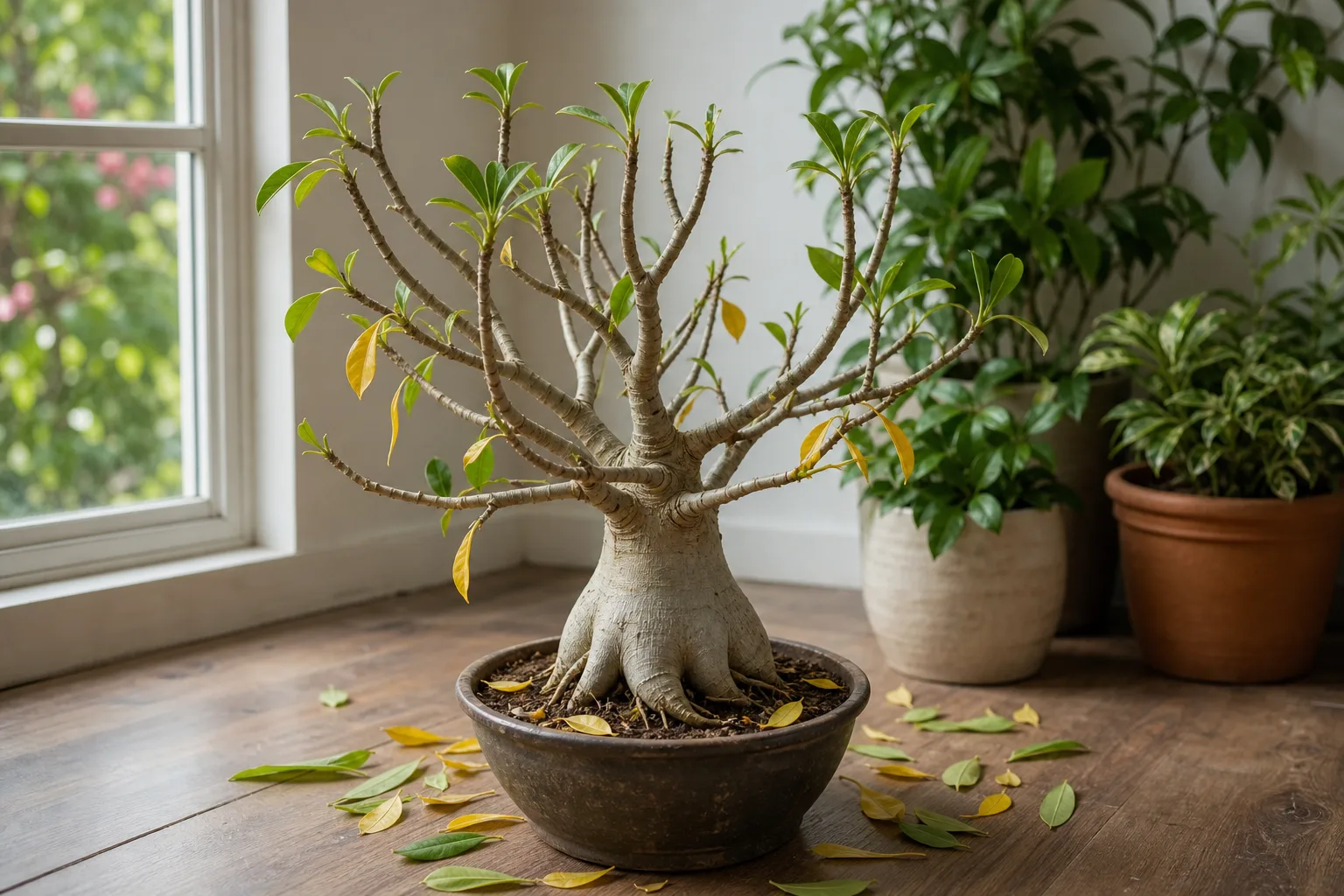
Use the wider view to compare distribution. Lower-only thinning, one-sided loss, and whole-canopy collapse suggest different investigations, but the image cannot establish the causal history.
Root-Zone Moisture: Too Dry Versus Too Wet
Watering diagnosis begins below the surface. Push a wooden skewer into the root ball, feel through a drainage hole when safe, and lift the pot. Surface mix can be dry while the center remains saturated, especially in a large container, or wet while a compacted inner root ball stays dry.
Drainage is a system, not merely a hole. A nursery pot can drain correctly and then sit in runoff inside a cachepot. A pot that is too large for the root mass may retain moisture longer; a small root-bound pot may dry extremely fast.
Water only when the species and actual root-zone condition justify it. Fixed schedules ignore changing light, temperature, airflow, pot material, and root mass. Moisture meters can supplement observation but should not overrule plant, pot weight, and physical mix checks.
Drought and Irregular Watering
Drought reduces the water available to maintain cells and transport resources. Leaves may wilt, curl, crisp, yellow, or drop. A pot that feels unusually light, mix pulled from the sides, and water that runs straight through without wetting the core support this diagnosis.
Rehydrate thoroughly but safely. Apply water slowly across the surface until the mix is evenly moist and excess drains; a severely hydrophobic nursery pot may benefit from a short soak followed by complete drainage. Do not leave it standing indefinitely in water.
After rewetting, do not keep the mix constantly saturated to “make up” for drought. Return to a moisture-based routine. Severely damaged leaves may still fall even after roots regain access to water, so judge the treatment by stabilization and future growth.
Excess Water, Poor Drainage, and Root Rot
Excess watering means the root zone remains too wet for too long, not simply that a generous volume was applied once. Thorough watering can be correct when the mix drains and then dries appropriately. Chronic saturation reduces root-zone aeration and creates conditions favorable to some root diseases.
Evidence includes a persistently heavy pot, standing runoff, a blocked drainage path, soft yellow lower leaves, edema-like tissue, or decline despite wet mix. Root rot becomes more likely when roots are dark, soft, sloughing, or foul-smelling, though healthy root color varies by species and potting material.
If the plant is stable, first empty standing water and allow appropriate drying. If it is collapsing or roots are clearly rotten, remove compromised material with clean tools and repot into a correctly sized draining container and fresh suitable mix. Discard severely affected plants when saving them would threaten a larger collection.
Light Loss and Sudden Relocation
Light supplies the energy that supports leaves, and a plant in lower light often cannot maintain the same canopy or water use. Moving a plant farther from a window can sharply reduce usable light even when the room still looks bright to human eyes.
Do not respond by placing a stressed shade-adapted plant into intense direct sun. Increase light within the species’ tolerance, acclimate gradually, clean dusty foliage, and consider a suitable grow light when natural exposure is inadequate. Light duration, intensity, distance, and heat all matter.
A relocation combines several variables: light angle, day length, temperature, humidity, airflow, and watering behavior. Stabilize the new position for long enough to observe unless it is clearly hazardous. Repeated moves can prevent acclimation.
Temperature, Drafts, and Heat Stress
Cold windows, open doors, air-conditioning, radiators, and heating vents create local conditions that a room thermostat may miss. Sudden cold can damage tropical foliage; hot dry airflow can accelerate water loss. Either can trigger leaf drop without a visible pest.
Measure temperature at leaf height if the pattern is location-specific. Move foliage away from glass and direct HVAC flow while preserving appropriate light. Avoid placing the plant into an opposite extreme.
Cold injury may not appear immediately and damaged leaves may blacken or drop later. Preserve healthy tissue, maintain stable species-appropriate conditions, and wait for viable buds rather than pruning all stems before the extent of injury is clear.
Repotting, Root Disturbance, and Pot Size
Repotting can correct degraded mix, root disease, or an unsuitable container, but it also disturbs roots. Leaf drop soon after repotting can reflect broken fine roots, a dramatic change in moisture behavior, a much larger pot, or simultaneous relocation.
Do not repeatedly unpot a plant just to check it. If the stem is firm, drainage works, and drop is slowing, stable aftercare may be less damaging than another intervention. Resume fertilizer only after the plant is establishing active growth; fertilizer does not repair injured roots.
When repotting was necessary, keep the crown at its previous depth and use a pot only modestly larger unless disease removal reduced the root system. Match mix structure to the plant rather than using “well-draining” as a vague universal recipe.
Pests, Disease, and Chemical Injury
Spider mites, scale, mealybugs, aphids, whiteflies, and thrips can weaken foliage and contribute to drop. Penn State’s indoor-plant pest guide documents premature leaf drop with spider mites and mealybugs and recommends routine foliage, stem, and soil inspection. Search leaf undersides, veins, petiole joints, stems, and growing points with a hand lens. Webbing, insects, cast skins, stippling, black specks, or sticky residue justify isolation.
The UC IPM houseplant problem guide includes pests, pathogens, light, temperature, water, and drainage among overlapping indoor-plant problems. Identify the pest before treatment because insecticidal soap, horticultural oil, and other products differ in target, contact requirements, plant safety, and permitted site.
Spreading leaf spots, stem lesions, or crown softness warrant disease-focused sanitation and diagnosis. Chemical injury is possible after excessive fertilizer, pesticide concentration, household cleaner, oil applied in heat, or contaminated water. Preserve labels and dates so a diagnostic service can reconstruct exposure.
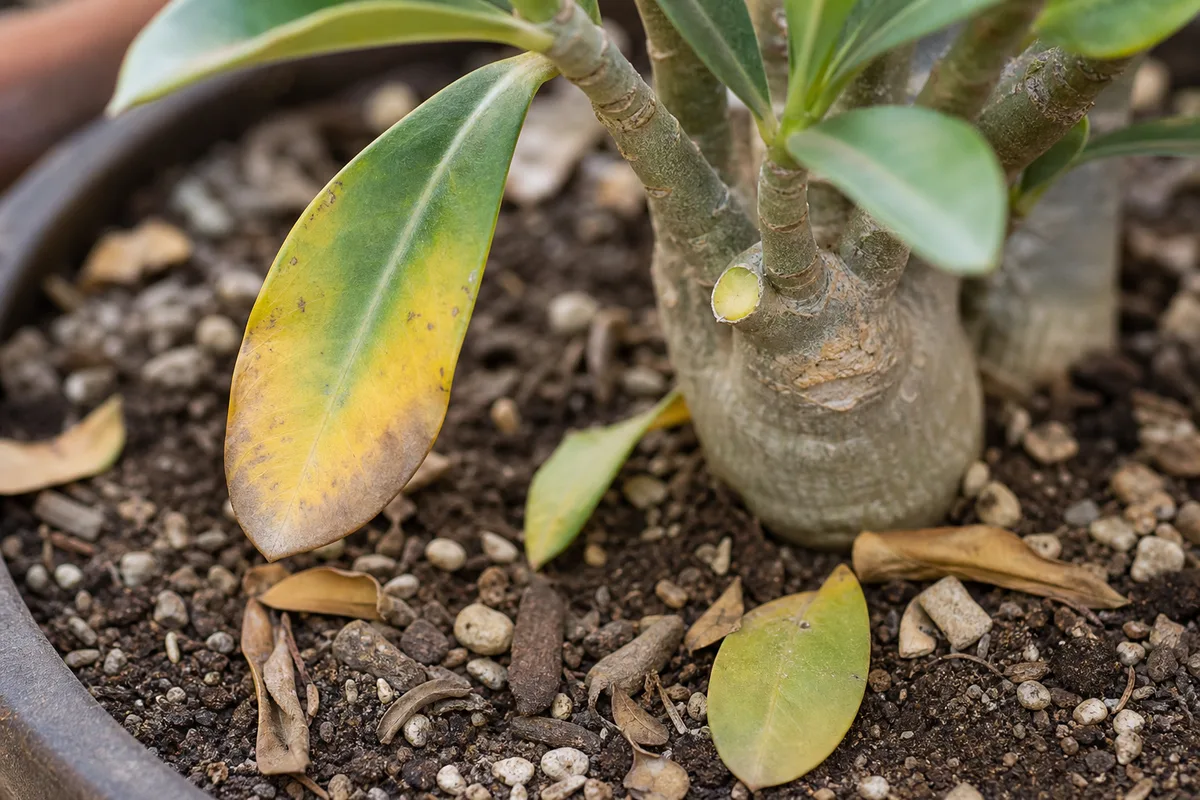
A close view helps evaluate the abscission area and remaining leaf condition. It still cannot show root-zone history, airflow, or delayed exposure, which must come from your records.
A First-72-Hours Stabilization Plan
First, remove fallen debris and inspect it before disposal. Isolate the plant if pests or spreading lesions are plausible. Photograph roots only if other evidence justifies unpotting; otherwise document the canopy and pot.
Second, check root-zone moisture, drainage, light, and temperature. Correct immediate hazards such as standing water, a bone-dry root ball, cold glass, or direct heater airflow. Avoid fertilizer, routine misting, and preventive pesticide while the cause remains uncertain.
Third, record the action and wait for trend information. The plant may continue shedding leaves already committed to abscission, so a few additional drops do not automatically mean the correction failed. Count new losses and watch stem firmness and buds.
Keep the intervention proportionate to the evidence. If the pot is slightly dry but the plant is not wilted, ordinary watering may be enough; if the root ball is hydrophobic and leaves are collapsing, careful rewetting deserves priority. Likewise, one old leaf does not justify root surgery, while a soft crown and foul roots should not be managed by waiting alone.
Consider canopy size when watering after heavy drop. A plant with far fewer leaves may transpire less water than it did before, so its root ball can dry more slowly even in the same room. Repeating the old schedule can turn an initial drought or relocation problem into prolonged wetness.
Avoid misting as a general treatment for leaf drop. Briefly wetting foliage does not reliably correct room humidity or root-zone drought, and persistently wet leaves can be undesirable when disease is possible. If a species benefits from higher humidity, use a measured room humidifier with cleaning and ventilation practices appropriate to the device.
When to Repot—and When to Wait
Repot promptly when roots are demonstrably rotten, drainage cannot function, the container has no usable outlet, or the potting medium has collapsed into an unhealthy root environment. Choose a pot proportional to the remaining healthy roots and remove only clearly dead tissue.
Wait when roots have no supporting signs of failure, the plant has just been moved or repotted, and the shedding rate is already slowing. Unnecessary repotting adds root injury and changes moisture behavior at the exact time stability is needed.
If uncertain, slide out only an intact, reasonably dry root ball when this can be done without tearing roots. A local extension office or qualified horticulturist can assess photos and samples when the plant is valuable or deterioration is rapid.
The Iowa State University Extension explanation of houseplant yellowing and drop also treats shedding as a symptom with multiple potential causes. That supports a threshold-based repotting decision: roots and drainage should provide the evidence, not the understandable desire to “do something” immediately.
Measure Recovery Without Chasing Old Damage
Recovery begins when leaf loss slows, stems remain firm, buds remain viable, and root-zone moisture becomes predictable. New growth may take weeks or longer depending on species, season, light, and severity. A bare stem is not automatically dead; lightly scratch an inconspicuous spot only when species-appropriate to check for living tissue.
Use weekly photographs and a leaf-drop count. Track watering dates and pot weight. Do not change a stable plan because the canopy still looks thin; lost leaves will not reattach.
When new growth appears, maintain the corrected environment. Resume feeding only if the species is actively growing, roots are healthy, and the product label supports the application. More fertilizer does not accelerate recovery in proportion to dose.
Distinguish viable buds from cosmetic appearance. Some bare nodes remain capable of growth even when the plant looks sparse, while a stem that is dry and dead through its full cross-section will not regenerate. Because pruning response varies widely among species, confirm where that plant can resprout before cutting back a leafless stem.
Flower and bud loss may accompany leaf drop, particularly after a move or water stress. Prioritize survival and root recovery rather than trying to preserve every bloom. Once vegetative growth is stable, normal flowering care can resume according to the species.
Separate recovery from replacement. A plant may be physiologically stable even while its silhouette remains sparse, because producing leaves requires stored resources and suitable growing conditions. Keep the environment consistent long enough for buds to respond instead of forcing growth with extra heat, water, or fertilizer.
Watch the root ball’s drying interval as a secondary recovery measure. A steadily growing plant often develops more predictable water use, while a pot that remains wet far longer than expected may still have limited roots or insufficient light. Interpret this trend alongside temperature and season rather than as a standalone test.
Prevent Recurrent Leaf Drop
Learn the plant’s species-level requirements and adjust watering to root-zone dryness rather than the calendar. Empty cachepots, maintain drainage, and reduce watering frequency when light and growth slow. Inspect roots before moving into a much larger container.
Acclimate plants gradually when changing light or moving them between indoors and outdoors. Keep foliage away from drafts and heat vents. Quarantine new plants and inspect the collection regularly for pests.
Most importantly, keep simple records. A dated note about moves, repotting, watering, treatment, and leaf loss turns future diagnosis from guesswork into pattern recognition.
When to Seek Expert Help
Seek help when the plant loses leaves rapidly across the whole canopy, new growth dies, stems or crowns soften, roots are extensively decayed, or a confirmed pest persists after correctly applied treatment. A local extension diagnostic service can help distinguish disease from abiotic stress.
Escalate sooner for rare, valuable, or regulated plants and when multiple plants show the same sudden symptoms. Uniform symptoms across several species may indicate a shared environmental or chemical exposure rather than a contagious disease, but that inference still needs evidence.
If people or pets may have ingested foliage or contacted pesticide, use medical, veterinary, or poison-control guidance. Do not rely on general plant-care content for exposure decisions.
Conclusion
Houseplant leaf drop is best solved by reconstructing what changed and checking the root zone before reacting. Leaf position, color, texture, remaining canopy, soil moisture, drainage, light, temperature, pests, and the two-to-six-week timeline together produce a useful diagnosis.
Correct immediate hazards, make one evidence-based change at a time, and measure the rate of new loss. The first sign of success is usually stability; fuller foliage comes later, on the plant’s own schedule.
Plants commonly affected
These houseplants often struggle with leaf drop. Open a care guide or plant-specific troubleshooting page for tailored fixes.
 Medium
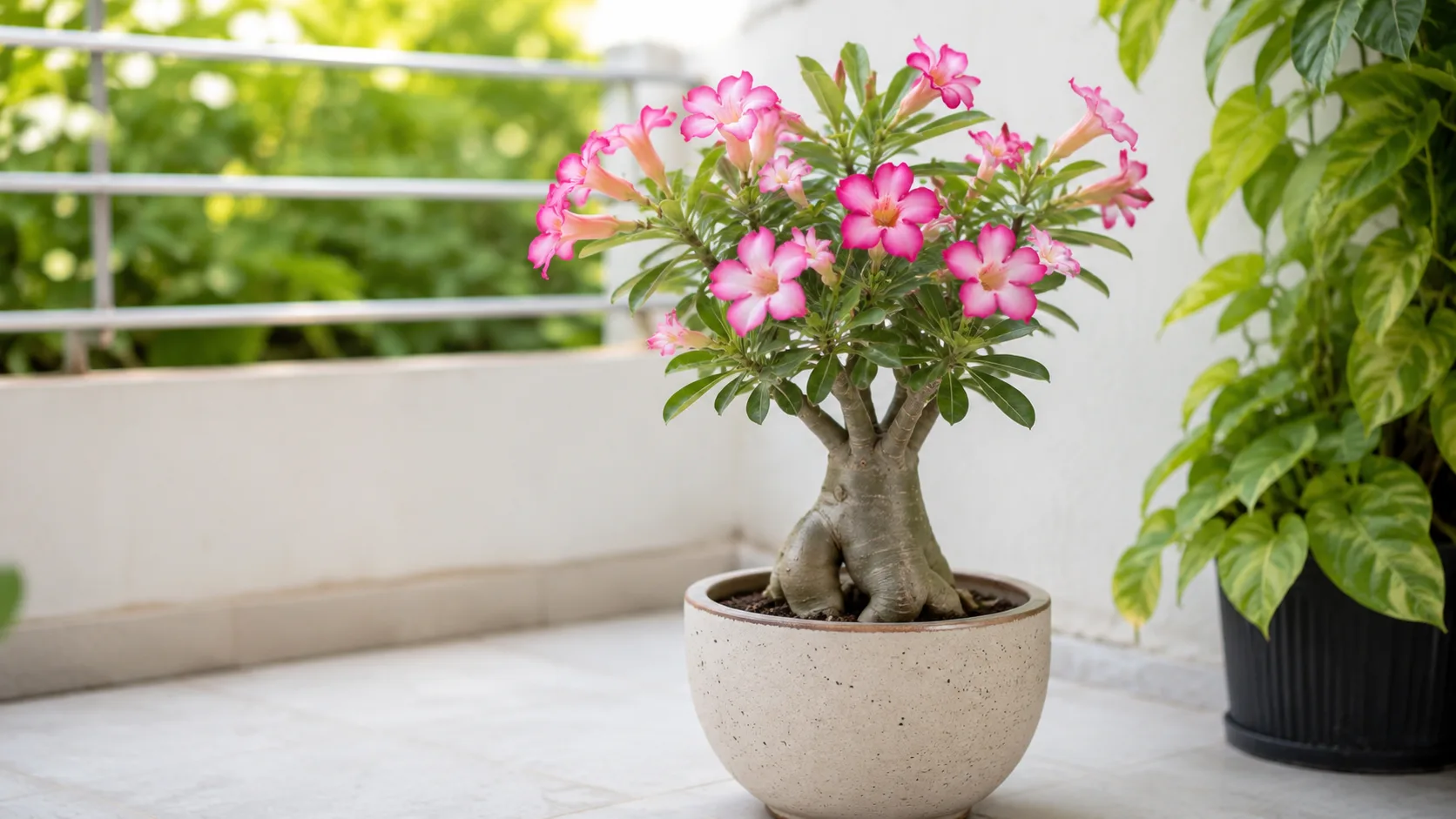
Adenium
Likely causeLeaves drop in cool dormancy, or from overwatering, cold drafts, and sudden environment changes.
Quick fixIf caudex is firm and season is cool, reduce water; if soft or soil is wet, check for rot.
 Medium
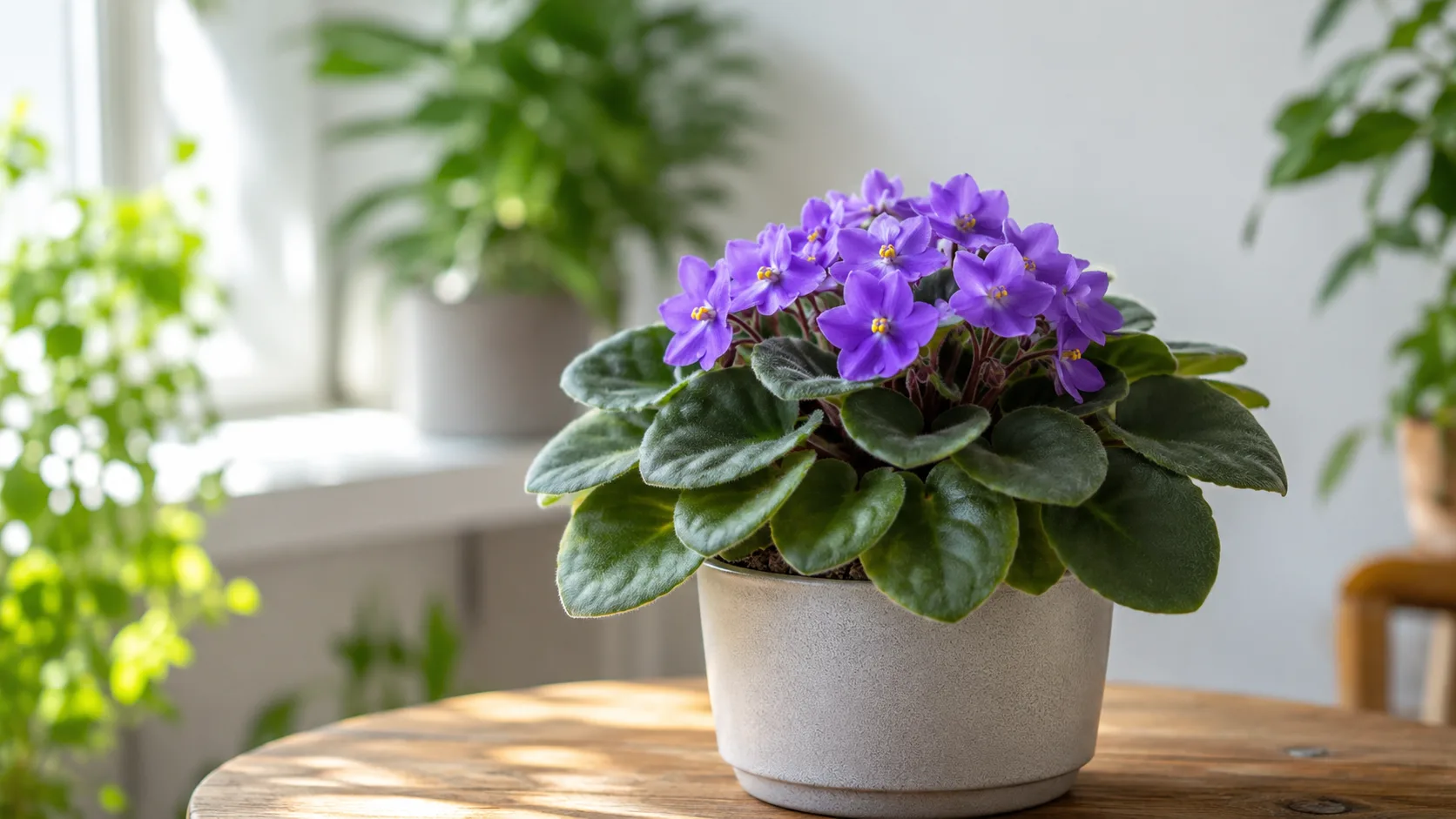
African Violet
Likely causeLeaf Drop on African Violet: 10 Causes of African Violet Leaves Falling Off Overwatering Overwatering is a common mistake that can lead to African violet leaf loss. When the soil is excessively wet, the roots can become waterlogg
Quick fixInspect African Violet, confirm leaf drop matches your symptoms, then adjust care or treat per authoritative guides.
 Easy
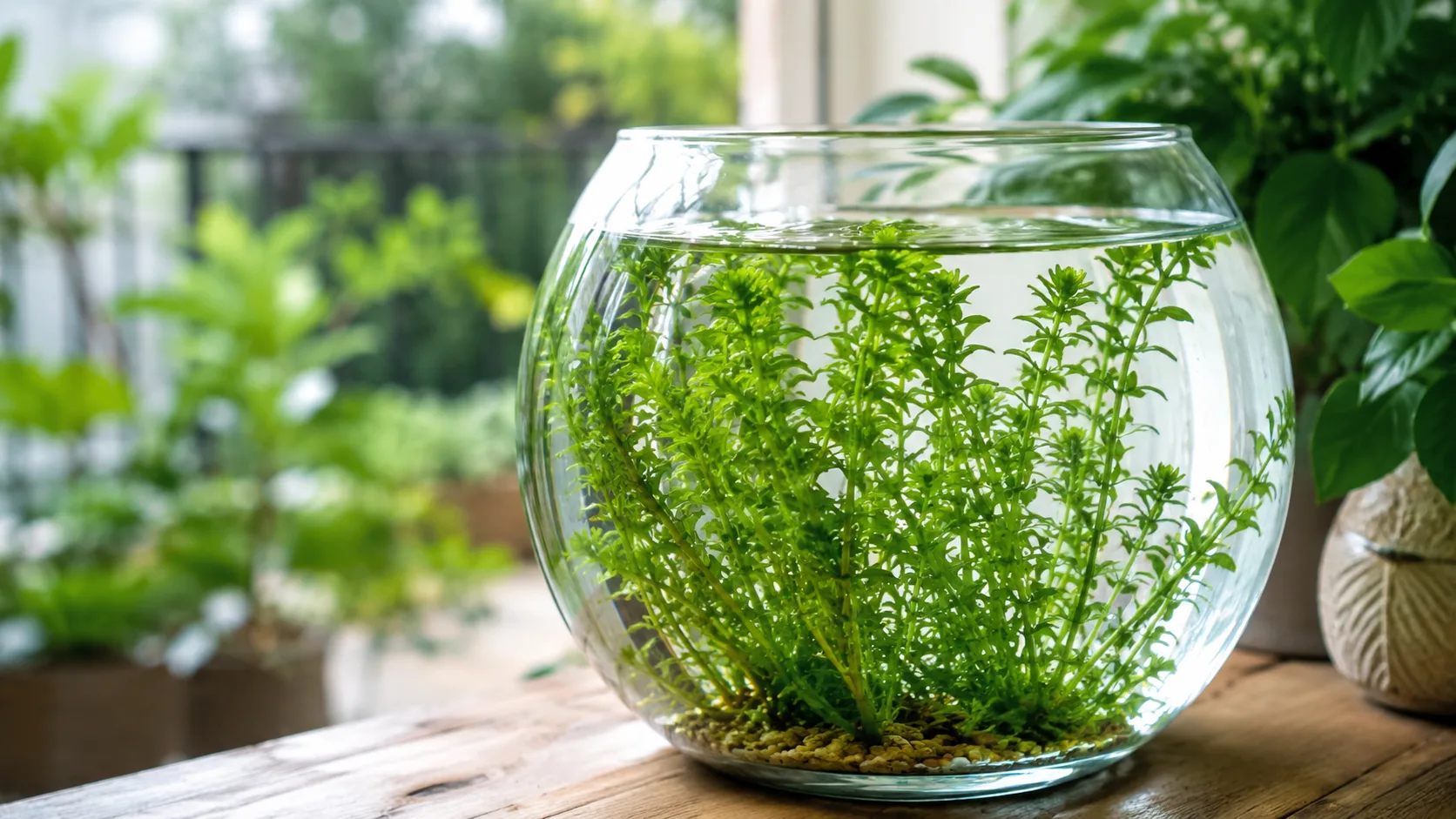
EasyAnacharis / Elodea
Likely causeNormal acclimation melt after shipping or moving tanks; old leaves not adapted to submerged growth.
Quick fixSiphon fallen leaves during water changes and leave firm stems in place for new submerged growth.
 Medium
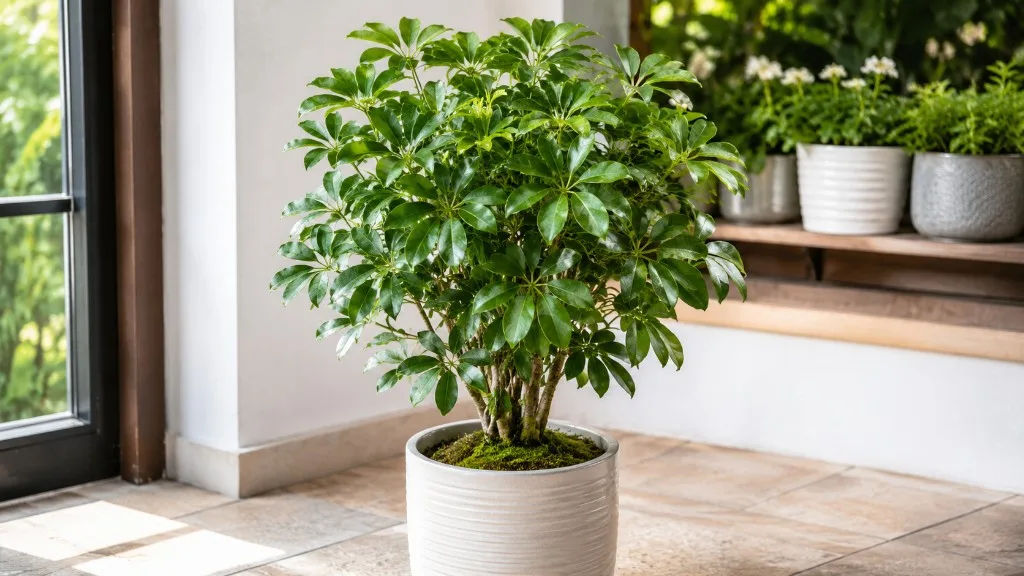
Dwarf Umbrella Tree
Likely causeSudden leaf drop follows environmental stress - being moved, cold drafts, or dramatic light change
Quick fixStabilise position; avoid cold air; increase light if possible
 Medium
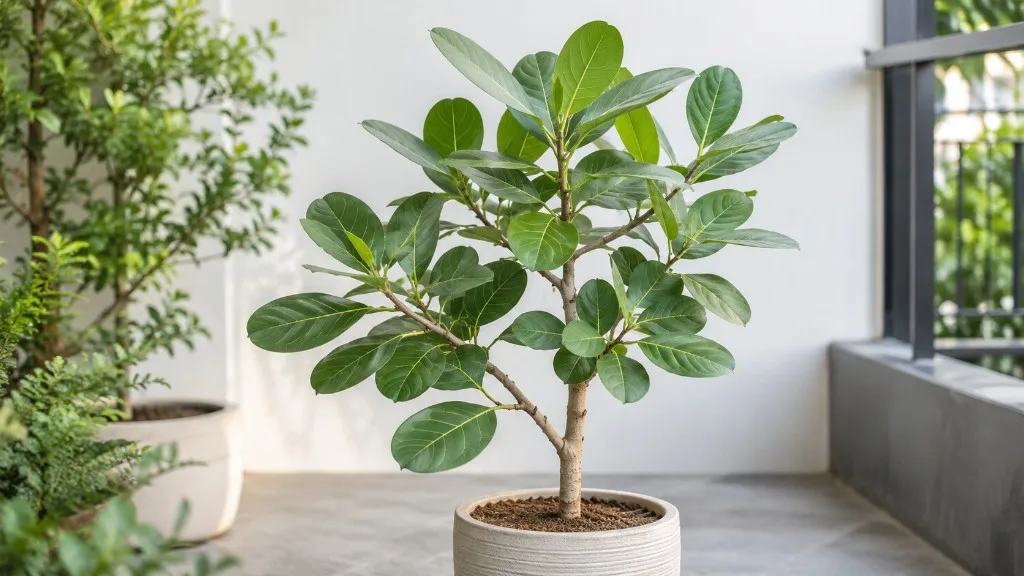
Ficus Audrey
Likely causeFicus audrey drops leaves when stressed by being moved or cold drafts but recovers more readily than fiddle leaf fig
Quick fixStabilise position; avoid cold air; maintain consistent watering
 Medium
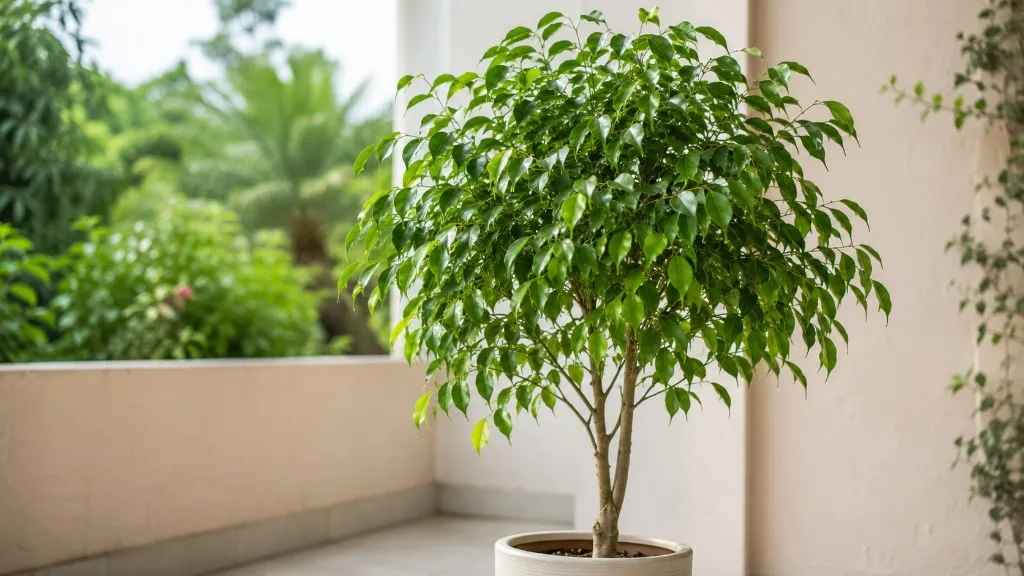
Ficus Benjamina
Likely causeAny environmental change - moving, cold draft, watering change - triggers mass leaf drop in this highly sensitive species
Quick fixIdentify and remove the stressor; stabilise position; maintain consistent watering; new growth in 6–12 weeks
 Medium
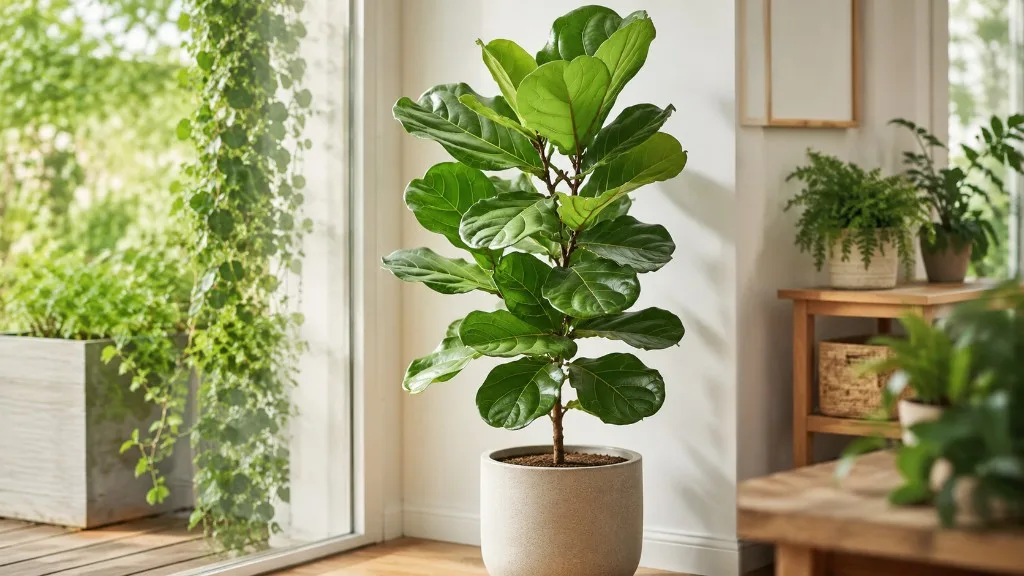
Fiddle Leaf Fig
Likely causeEnvironmental change - being moved, cold drafts, watering change - triggers leaf drop in this stability-dependent species
Quick fixRemove stressor; stabilise all conditions; do not move; new growth returns in 6–12 weeks
 Medium
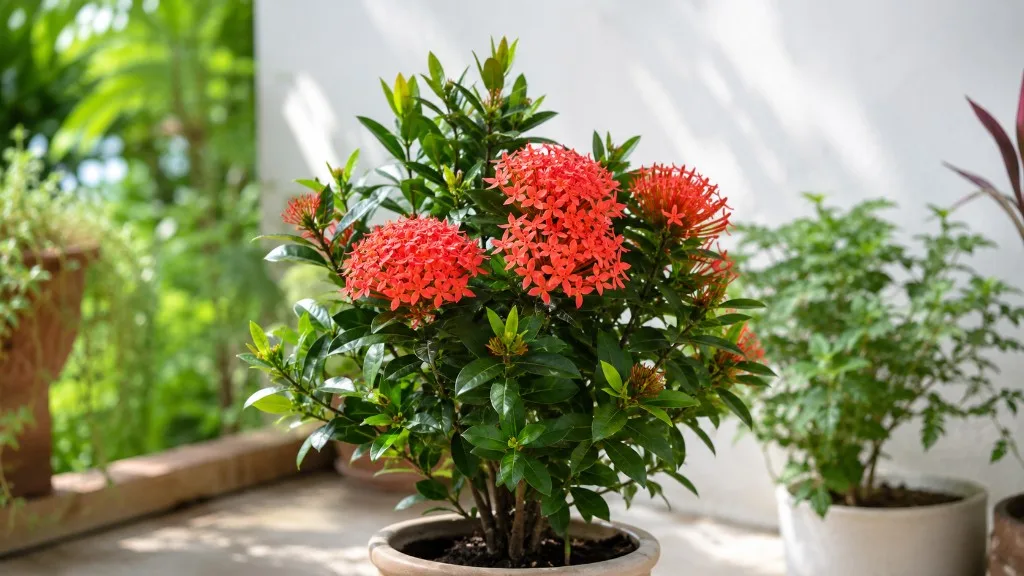
Ixora
Likely causeCold temperatures, sudden temperature change, or very dry air cause leaf drop in this tropical shrub
Quick fixMaintain warmth above 15°C; increase humidity; avoid cold drafts
 Medium
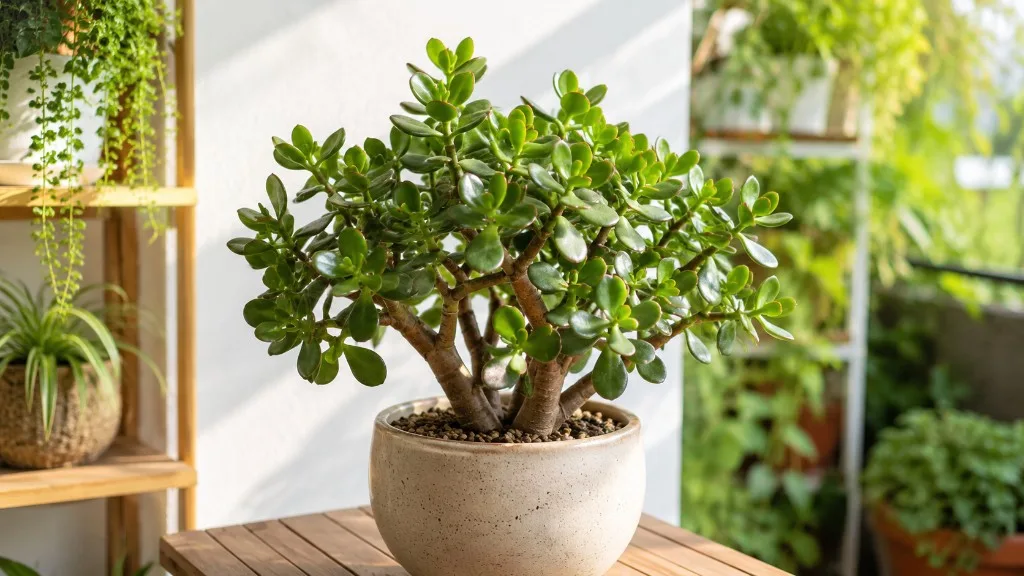
Jade Plant
Likely causeJan 29, 2026 · Is your jade plant losing leaves ? Learn the common causes—from watering mistakes to light issues—and the proven fixes that restore healthy, full growth.
Quick fixConfirm diagnosis on your Jade Plant, then address the most likely care or pest factor described in current extension guidance.
 Medium
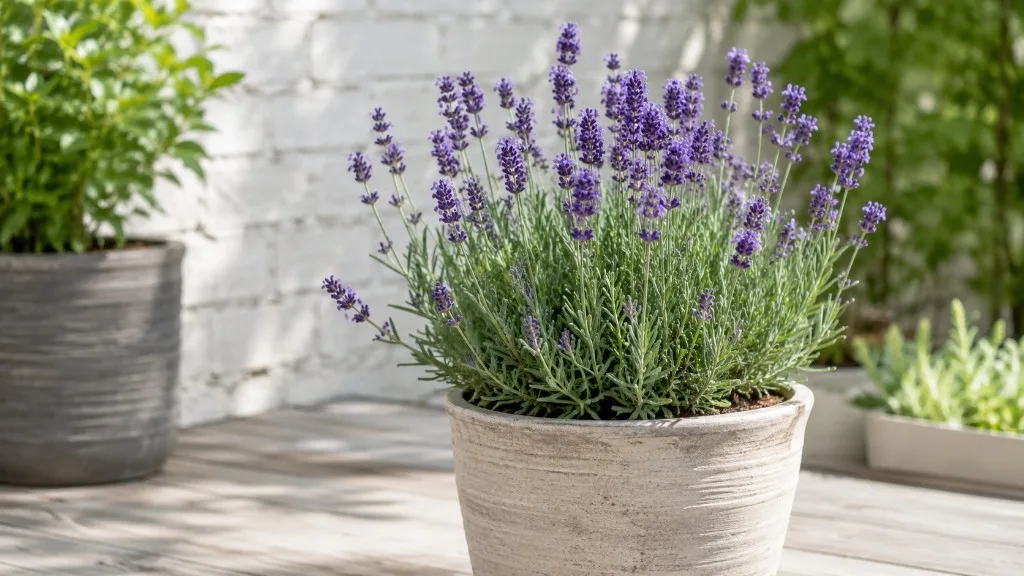
Lavender
Likely causeApr 7, 2026 · Lavender dropping leaves ? Diagnose the exact cause by timing, leaf color, and soil moisture with this 7-cause triage guide and proven fixes.
Quick fixConfirm diagnosis on your Lavender, then address the most likely care or pest factor described in current extension guidance.
 Medium
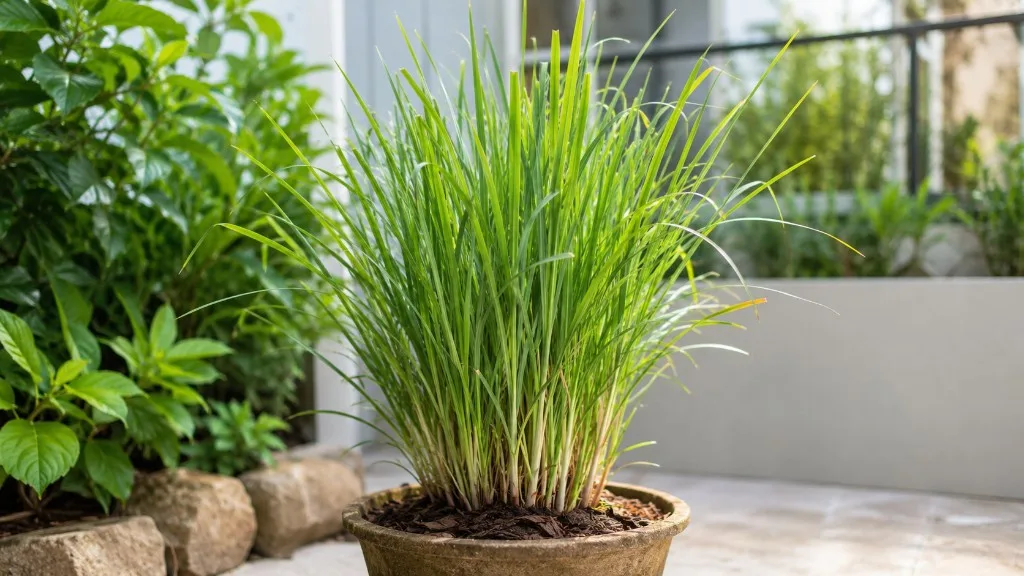
Lemongrass
Likely causeJul 22, 2024 · Lemongrass , like any plant, communicates through its leaves . Yellowing leaves often signal a cry for help, possibly due to overwatering or nutrient deficiencies.
Quick fixConfirm diagnosis on your Lemongrass, then address the most likely care or pest factor described in current extension guidance.
 Medium
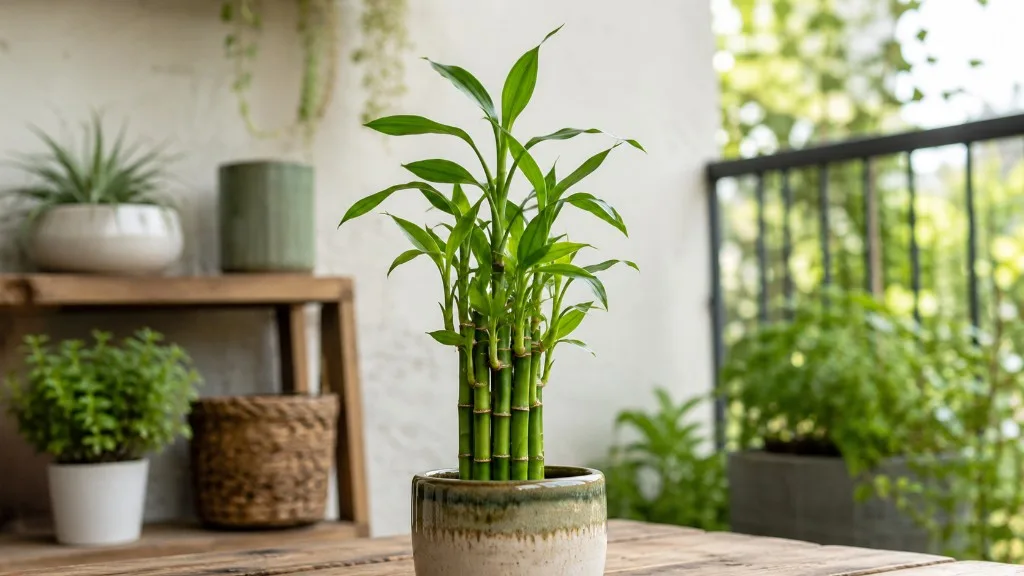
Lucky Bamboo
Likely causeJun 8, 2024 · Lucky Bamboo craves light like a cat craves a sunbeam but doesn't want to get sunburned. Inadequate light makes for a leggy and lethargic plant, while leaves drop like flies.
Quick fixConfirm diagnosis on your Lucky Bamboo, then address the most likely care or pest factor described in current extension guidance.