Weak Stems on Houseplants: Causes and Solutions
Weak stems are structural failures, not just slow growth. Stems bend, lean, or flop when the plant builds tissue that is too soft, too elongated, or poorly supported for the leaves, flowers, or canopy above it. Low light is the classic reason because it drives stretch and thinner growth, but weak stems can also come from overfertilizing in dim conditions, crowding, drought setbacks, or root problems that reduce overall vigor. The diagnosis depends on the whole plant. A stem that is long, pale, and leaning toward a window points in a different direction than a stem that suddenly softens near the base. One is usually a light-quality problem. The other may be water stress or rot. The fix works best when you separate chronic weak growth from acute collapse.
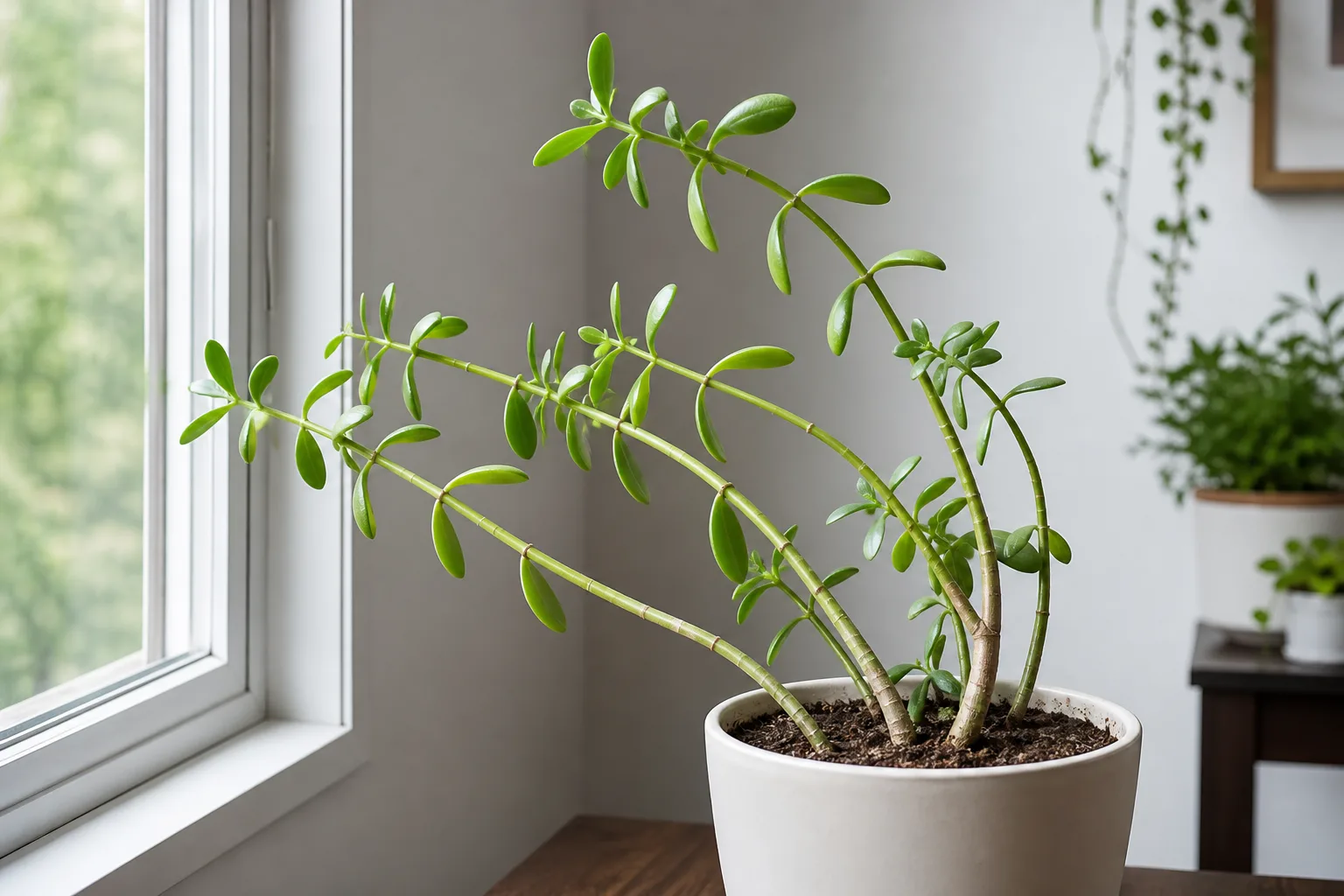
Weak Stems on Houseplants
Still unsure?Match your symptoms to the most likely problems in under a minute.Run diagnosis →Understand and fix weak stems
Weak stems are structural failures, not just slow growth. Stems bend, lean, or flop when the plant builds tissue that is too soft, too elongated, or poorly supported for the leaves, flowers, or canopy above it. Low light is the classic reason because it drives stretch and thinner growth, but weak stems can also come from overfertilizing in dim conditions, crowding, drought setbacks, or root problems that reduce overall vigor. The diagnosis depends on the whole plant. A stem that is long, pale, and leaning toward a window points in a different direction than a stem that suddenly softens near the base. One is usually a light-quality problem. The other may be water stress or rot. The fix works best when you separate chronic weak growth from acute collapse.
Overview
Weak stems are structural failures, not just slow growth. Stems bend, lean, or flop when the plant builds tissue that is too soft, too elongated, or poorly supported for the leaves, flowers, or canopy above it. Low light is the classic reason because it drives stretch and thinner growth, but weak stems can also come from overfertilizing in dim conditions, crowding, drought setbacks, or root problems that reduce overall vigor.
The diagnosis depends on the whole plant. A stem that is long, pale, and leaning toward a window points in a different direction than a stem that suddenly softens near the base. One is usually a light-quality problem. The other may be water stress or rot. The fix works best when you separate chronic weak growth from acute collapse.
How to identify it
- Stems elongate with wide gaps between leaves
- Stems lean strongly toward one light source or require staking to stay upright.
- New growth looks thinner or softer than older growth.
- Leaves may be smaller and farther apart on the weak sections.
- Flowering plants may drop or bow because stems cannot support buds.
- Base softening, blackening, or sudden wilt suggests a more urgent root or stem problem.
When to worry
Treat urgently if stems soften at the base, collapse suddenly, or weaken alongside wet soil, rot smell, or dark lesions.
Common causes
Insufficient light for growth
Low light produces thin, stretched stems with less strength. This is the most common reason indoor stems become weak and floppy over time.
Root-bound container
Tight roots restrict water and nutrient buffering, which can leave new stems undersupplied and weak.
Excess fertilizer in dim light
Rich feeding without enough light can push fast, soft extension that lacks strength.
Water or stem stress
Drought setbacks, rot, or repeated moisture swings weaken the entire plant and can leave stems unable to support normal growth.
Step-by-step fix
Confirm the season and recent care changes
Note whether the weakness developed gradually in shade or suddenly after a watering or root issue. That distinction tells you whether this is structural stretch or acute damage.
Increase light if stems are stretching
Move the plant closer to brighter light or add a grow light so future stems develop shorter, stronger internodes.
Check if the plant is root-bound
If roots circle tightly or the mix is exhausted, repot before expecting the plant to build stronger stems.
Prune or pinch stretched growth
Once light is corrected, cut back the weakest stretched stems to encourage shorter, better-placed regrowth.
Ease up on fertilizer if growth is soft
Reduce feeding until light and structure improve. Soft overfed growth rarely firms up without better conditions.
Support only as a temporary bridge
Stakes can prevent breakage, but they do not solve the reason stems became weak. Watch the next flush of growth for real improvement.
Prevention tips
- Match plant species to available light
- Repot before roots circle tightly
- Feed in proportion to light and active growth
- Rotate plants for even light exposure
Common mistakes
- Treating weak stems as a fertilizer problem before fixing light.
- Staking permanently instead of correcting the growth conditions.
- Confusing base rot with harmless legginess.
A weak houseplant stem may lean gradually, bow under a heavy canopy, crease at one point, or collapse at the soil line. Those patterns do not mean the same thing. Gradual, firm, elongated growth commonly reflects inadequate light or a lack of suitable support; sudden softening, darkening, or collapse demands a prompt check for water, roots, injury, and stem disease.
Begin by supporting the plant with your hand and examining it from the pot upward. Find the exact point where support fails, then inspect the tissue above and below it. That one habit is more useful than immediately staking the whole plant, because it distinguishes a structural problem from damaged tissue that a stake would merely conceal.
This guide combines current extension guidance with a conservative triage sequence. It cannot confirm stem disease from a photograph or one symptom. Isolate a plant and seek a plant-clinic diagnosis when softness or discoloration is spreading, several stems fail at the soil line, or decline continues after root-zone conditions are corrected.
Decide whether weakness is gradual or sudden
Timing is the first diagnostic filter. A plant that has leaned a little more with every new leaf is responding to growth conditions, direction of light, canopy weight, or its natural habit. A plant that was upright and becomes limp over hours or days may have lost water pressure, suffered a break, or developed failing roots or stem tissue.
Write down the first date you noticed the change and any recent move, heat event, missed watering, repot, fertilizer application, or physical accident. Then compare photographs if you have them. The goal is not perfect history; it is to separate a slow architecture problem from an active decline.
Chronic bending and stretched growth
Low-light weakness typically develops in the newest sections first. Internodes lengthen, leaves may become smaller or paler, and the stem leans toward the strongest light. Maryland Extension explains that too little indoor light can make plants spindly or “leggy”, with poor growth and a directional lean when illumination comes mainly from one side.
The stem usually remains firm. It may be flexible and inadequate for the top growth, but it does not feel slimy or show an expanding dark boundary. The same plant’s older growth often has shorter spacing and better self-support because it formed under brighter conditions.
Canopy load matters too. A healthy climbing plant may produce large leaves that its unsupported vine was never designed to hold upright. In that case, the missing component is a trellis, pole, or other species-appropriate support—not an attempt to make the vine behave like a freestanding shrub.
Acute collapse and emergency clues
Sudden weakness near wet soil deserves priority. Long-saturated media displace air from pore spaces, and Virginia Cooperative Extension notes that reduced root oxygen can stop root growth and eventually cause roots to die, with soft stems and stunted top growth among the associated signs.
Feel for mushiness, a pinched section, translucence, blackening, or a foul odor. Check whether the pot is unexpectedly heavy and whether water is trapped in a saucer or decorative cachepot. Yellow leaves, leaf drop, fungus gnats, and soil that remains wet much longer than usual strengthen the case for root-zone trouble.
A dry plant can collapse too. If the mix is pulling from the pot, the container is very light, and foliage is dry or crisp, drought is more likely. Maryland Extension states that plants wilt when roots cannot supply enough moisture and that prolonged drought can cause yellowing, scorch, leaf drop, and stunting.
Understand how a stem supports the plant
Stem strength is not controlled by one “strength nutrient.” It reflects species genetics, tissue maturity, water status, light during development, stem diameter, internode length, attachment to a support, and the load carried above. Young green tissue is naturally softer than an older woody stem, while a vine may depend on external support throughout its life.
Temporary limpness can result from loss of turgor—the water pressure within living cells. A dry plant may regain firmness after correct rehydration if tissue is still alive. That recovery is different from repairing a crease, rotted section, or severely stretched internode; physical architecture does not reset when the plant is watered.
Light affects both energy and form. A dim, warm environment may allow continued extension but produce long distances between nodes. The Royal Horticultural Society lists weak, spindly growth and pale leaves among signs of inadequate light, reinforcing why light should be assessed before fertilizer.
Diagnose weak stems by pattern
Use four questions: Where is the weak point? Is it firm or soft? Did the change happen gradually or suddenly? What other symptom appeared at the same time? These questions narrow the cause without relying on one ambiguous sign such as wilting.
A useful comparison is:
| Pattern | More consistent with | Next check |
|---|---|---|
| Long, firm, pale growth leaning toward light | Insufficient light | Compare internodes and leaf size |
| Firm vine flopping away from a pole | Missing support | Confirm natural climbing habit |
| Entire plant limp in very dry mix | Underwatering | Test moisture throughout root ball |
| Soft base in persistently wet mix | Root or stem decay | Inspect roots and damaged tissue |
| One sharply creased section | Mechanical injury | Look for a break or constricting tie |
| Heavy flowering shoot bows but stays firm | Canopy load | Support and review normal habit |
Treat the table as a triage guide, not a diagnosis by itself. More than one stress can occur together, especially when a low-light plant is also watered too frequently.
Act on the highest-risk evidence first. A firm leaning stem can usually be stabilized while you improve the growing system. A sharply broken stem should be protected from further tearing and pruned if the vascular connection is lost. A soft base in wet mix should not be hidden behind a stake; inspect the root zone and damaged tissue before adding water, fertilizer, or a larger pot.
Check the weak point and surrounding tissue
Remove decorative coverings that block your view, but do not peel healthy epidermis. Use bright light and, if needed, a hand lens to inspect the transition between sound and weak tissue. A clean crease, gnaw mark, or tie indentation supports physical damage; a spreading lesion, ooze, or mushiness supports a biological or moisture-related problem.
Check leaf nodes and undersides for scale, mealybugs, mites, and thrips. Heavy infestations can reduce vigor, but do not blame a minor pest sighting for a rotting base. If disease is possible, isolate the plant and disinfect cutting tools between cuts and plants.
Trace the stem into the soil. Crowns buried too deeply, constantly wet sheaths, and dense mix against a susceptible stem can promote failure. Avoid digging repeatedly around healthy roots; inspect only as far as evidence justifies.
Map the failure point before choosing a treatment. If every stem bends at the same height, look for a shared environmental boundary such as the point where growth began after a move to lower light. If only the heaviest branch bows, redistribute or reduce canopy load. If several unrelated stems soften at the soil line, shared root-zone moisture is more plausible than an isolated break.
A simple support-and-release test can clarify whether the issue is turgor or structure. Hold a wilted but unbroken shoot upright while checking the medium; after correct rehydration, viable dry-stressed tissue may regain firmness. A creased stem will still hinge at the damaged point, while a rotting area may become progressively softer. Do not repeatedly flex tissue to test it.
Compare light, moisture, roots, and canopy load
Assess light at leaf level over a representative day. A bright-looking room may still deliver little usable light several meters from a window. The University of Maryland notes that intensity falls quickly with distance and that indoor plant light needs differ by species, from low-tolerant foliage plants to high-light succulents and flowering plants.
Check moisture below the surface and learn the container’s weight. Do not assume a dry crust means the root ball is dry, or that a wilted plant needs water. Clemson Extension emphasizes that overwatering and underwatering can look similar and that roots require both water and oxygen.
Finally, consider load and leverage. A tall stem with foliage concentrated at its tip experiences more bending force than a compact one. If the plant is healthy but inherently top-heavy, pruning, a broader support, or a more stable pot may be appropriate after you rule out root and stem damage.
Common causes of weak stems
Weakness often has a primary cause and a contributing condition. Low light may create long stems; one-sided light adds a lean; heavy leaves increase the load. Treating only the last factor leaves the plant vulnerable.
Insufficient light and long internodes
Low light is the leading cause when stems are firm but elongated. A plant placed farther from a window, shaded by another plant, or growing through winter may extend toward available light. The resulting structure cannot be compressed later, so the objective is to make subsequent growth more compact.
Light has intensity, duration, and spectral quality. Extending a very weak source for hours is not always equivalent to supplying adequate intensity, and continuous light denies the plant a normal dark period. If using artificial light, follow the fixture’s coverage guidance and observe plant response rather than assuming wattage alone predicts success.
Crowding can recreate the problem even under a good fixture. Leaves above intercept light before it reaches lower shoots. Space plants and prune dense canopies selectively so the developing stem, not merely the top leaf, receives appropriate illumination.
Water stress and poor root function
Underwatering removes turgor and can make stems temporarily limp. Rehydrate thoroughly and slowly if the mix has become hydrophobic, then allow excess water to drain. Repeated surface sips may bypass dry areas and do not reliably restore an entire root ball.
Overwatering means the root zone stays wet too often or too long, not that one thorough watering was automatically excessive. Persistently saturated mix limits aeration. When roots decline, the canopy may wilt despite abundant water because damaged roots cannot function normally.
Inspect roots only when signs justify it: persistent wetness, odor, a soft base, rapid yellowing, or failure to recover. Healthy roots should remain firm, though color varies. Remove clearly dead tissue with clean tools and use a pot and mix appropriate to the remaining roots rather than automatically choosing a larger container.
Physical load, crowding, and damage
Plants can be weak because they are unsupported, not unhealthy. Climbers use trees, rocks, or other structures in nature; indoors they may need a trellis or pole. Flower spikes may also need discreet support when blooms create temporary load.
Mechanical injury can come from pets, transport, fan airflow, tight ties, or a heavy stem pulled off-center. If tissue is bruised but connected, support may prevent further tearing while you watch it. A fully severed vascular connection will not be restored by tape; prune cleanly where appropriate and propagate healthy material if the species allows.
An unstable pot can mimic stem weakness. A light nursery pot, tall canopy, or off-center support may tilt as one unit. Stabilize the container without burying the stem deeper or moving the plant into a drastically oversized pot.
Make the first correction
Address urgent threats first: standing water, severe drought, active breakage, or decaying tissue. For a stable plant with firm stretched growth, improve light before pruning or feeding. Record the change and avoid stacking several unneeded interventions.
Improve light and watering safely
Move a shade-grown plant toward brighter light gradually. Direct sun through glass can scorch foliage that developed in dim conditions. Increase exposure in steps and use the species’ known tolerance, not a universal window rule.
Where windows are insufficient, install a plant light on a timer at the manufacturer’s recommended distance. Maryland Extension recommends preserving a dark period and generally limiting combined natural and artificial illumination to no more than 16 hours. Adjust by watching new internodes, leaf size, color, and heat at the canopy.
Water based on the root zone and plant type. Apply enough to moisten the mix evenly, let it drain, and empty collected water. If the plant stays wet too long, investigate light, pot size, blocked holes, dense media, and seasonal slowdown before imposing an arbitrary schedule.
Choose support, pruning, or propagation
Choose support when tissue is healthy and the plant’s habit or temporary load requires it. Choose pruning when stretched or damaged growth compromises form and the species can regrow from nodes. Choose propagation when healthy upper tissue can be saved but the base is badly damaged.
These options are not interchangeable. Staking rot delays action, while severe pruning of a root-stressed plant can compound stress. Make the decision from tissue health, root condition, species response, and the amount of viable foliage.
Stake without injuring the stem
Use a support tall and strong enough for the mature load, not just today’s bend. Insert it carefully to minimize root injury. Attach stems with soft, broad ties in a loose figure-eight, leaving room for diameter growth.
Never cinch wire, fishing line, or a narrow tie directly against living tissue. Check ties monthly and after rapid growth. For climbers, attach the support securely so the pole and pot cannot topple together.
A stake should reduce strain while improved conditions produce stronger growth. If a normally upright plant still needs escalating support for every new stem, revisit light, roots, and canopy balance.
Prune for structurally better regrowth
Improve the environment before cutting a stable leggy plant. Then prune above a healthy node with clean, sharp tools, following the species’ growth habit. Some plants branch readily; palms and other single-growing-point plants may be permanently disfigured by an uninformed cut.
Avoid removing excessive foliage from a plant with limited roots, because leaves power recovery. Spread a major reshaping over time when possible. Healthy cuttings may be propagated, but discard material with soft rot, suspicious lesions, or heavy infestation.
Pruning changes shape; it does not directly “strengthen” roots or remaining stems. The structural improvement comes when new shoots form under adequate light with balanced water and nutrition.
Monitor recovery
Mark the newest healthy node and take a dated photograph. Evaluate the next flush for shorter internodes, normal-size leaves, upright orientation, and firm texture. Old bends and stretched sections may remain, so using them as the only measure can make a successful correction look ineffective.
Recovery speed varies widely. Fast vines respond sooner than slow woody plants, and winter growth may be limited even after conditions improve. Do not intensify fertilizer merely because visible change is slow.
Escalate if softness expands, lesions spread, odor develops, or additional stems collapse. A local extension plant clinic or qualified horticulturist can help distinguish an environmental disorder from an infectious disease when signs are unclear.
Track structural recovery with three observations: the distance between new nodes, the size of the new leaf, and whether the shoot can support that leaf without a progressively tighter tie. Record these at the same stage of leaf development. An immature leaf can temporarily make a shoot look out of balance, so compare equivalent stages rather than a newly unfurled leaf with mature growth.
If the plant is supported, loosen one tie at a time during assessment instead of removing the entire system. A healthy climber may always need support, but a normally upright plant should show improving self-support in new sections. If it does not, recheck light at the lower canopy and whether roots are cycling from wet to dry appropriately.
Species exceptions, prevention, and mistakes
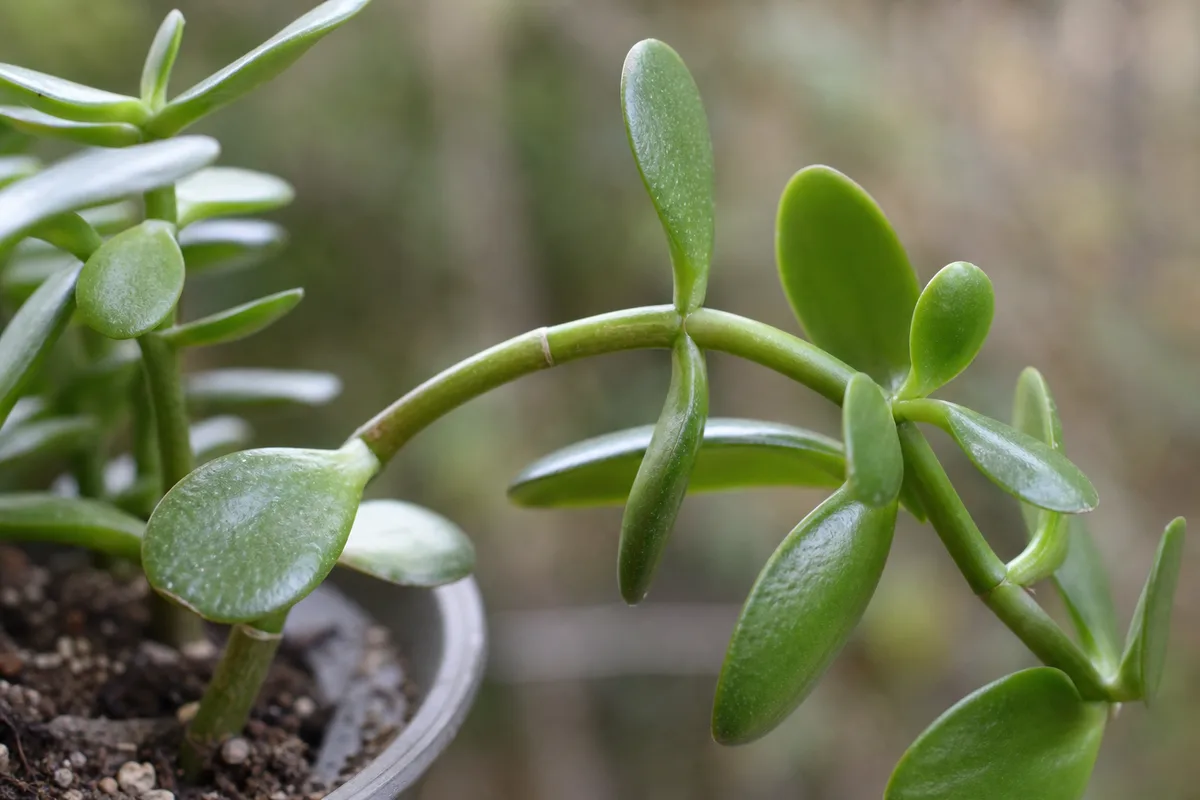
Vines, climbers, arching plants, and plants with long petioles may look floppy by design. Confirm which structure you are observing and how the species normally grows. A monstera seeking a pole and a jade plant collapsing at a blackened base need completely different care.
Common mistakes include watering without checking soil, feeding a low-light plant heavily, moving it abruptly into intense sun, tying stems too tightly, and repotting into a much larger pot for “stability.” Another is pruning before fixing the condition that produced weak growth.
Avoid rotating a climbing plant away from its established support simply for symmetry. Rotation can help a freestanding foliage plant receive more even light, but growth habit should guide the choice.
Prevention begins by matching the plant to the available light and support. Reassess window exposure with the seasons, keep foliage from crowding developing shoots, and provide a trellis early for species that climb. A support installed after a vine has folded under its own weight cannot undo the crease.
Water from evidence rather than the calendar. Use a drained container and a mix that balances air and moisture for that plant. Feed only during healthy active growth and in proportion to available light; routinely inspect the stem base, ties, and newest nodes while you check moisture.
Consider the mature size before selecting a shelf or pot. A small nursery plant may soon create a canopy whose center of gravity sits beyond the container. A wider stable cover pot, correctly anchored support, or planned pruning can prevent tipping without burying the crown or surrounding roots with an unnecessary volume of wet mix.
Conclusion
Weak stems on houseplants are best diagnosed by onset, texture, location, and associated symptoms. Firm, gradual, stretched growth usually directs attention to light and structure; sudden softness or collapse directs attention to water, roots, injury, and possible decay.
Correct the growing condition before reshaping the plant. Use support for healthy tissue and natural climbers, prune only with species-appropriate knowledge, and judge progress by the next growth. Stronger stems are the result of a better growing system, not a single stake, watering, or dose of fertilizer.
Plants commonly affected
These houseplants often struggle with weak stems. Open a care guide or plant-specific troubleshooting page for tailored fixes.
 Medium
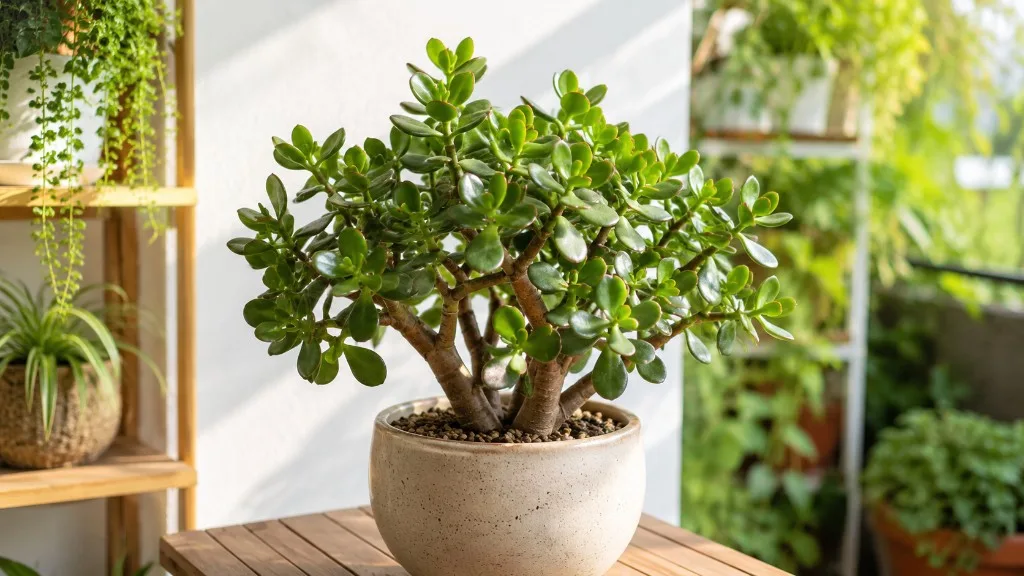
Jade Plant
Likely causeSep 25, 2024 · Jade plants can lose aesthetic value if their stems and leaves start to droop, often signaling plant stress. This article will explore the reasons behind this issue and provide actionable solutions. Jade plants (Crassula ovat
Quick fixConfirm diagnosis on your Jade Plant, then address the most likely care or pest factor described in current extension guidance.
 Medium
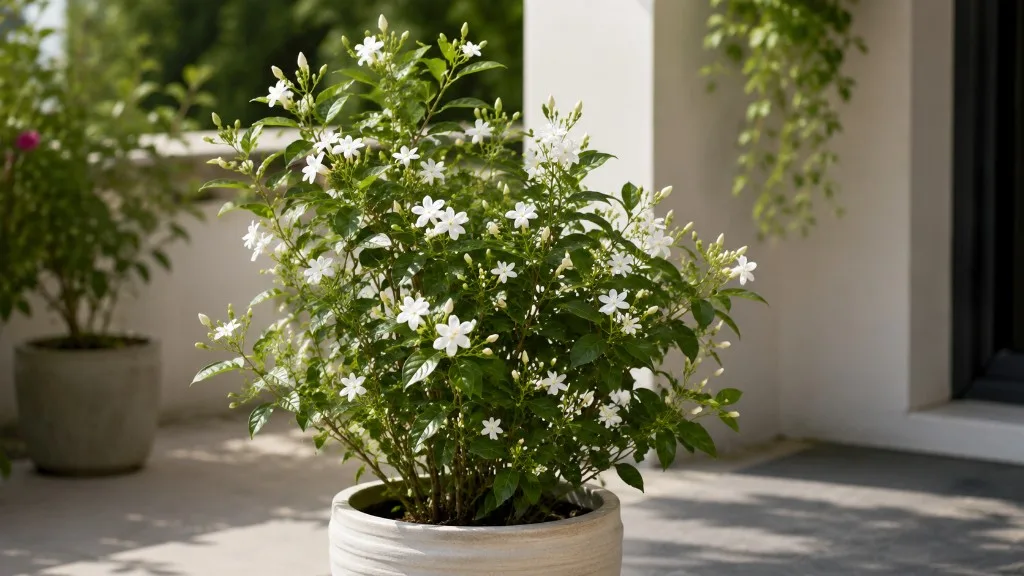
Jasmine
Likely causeJul 21, 2023 · The stems of jasmine plants are equally important as the roots. They provide support to the plant and serve as a conduit for the transportation of water, nutrients, and sugars throughout the plant.
Quick fixConfirm diagnosis on your Jasmine, then address the most likely care or pest factor described in current extension guidance.
 Medium
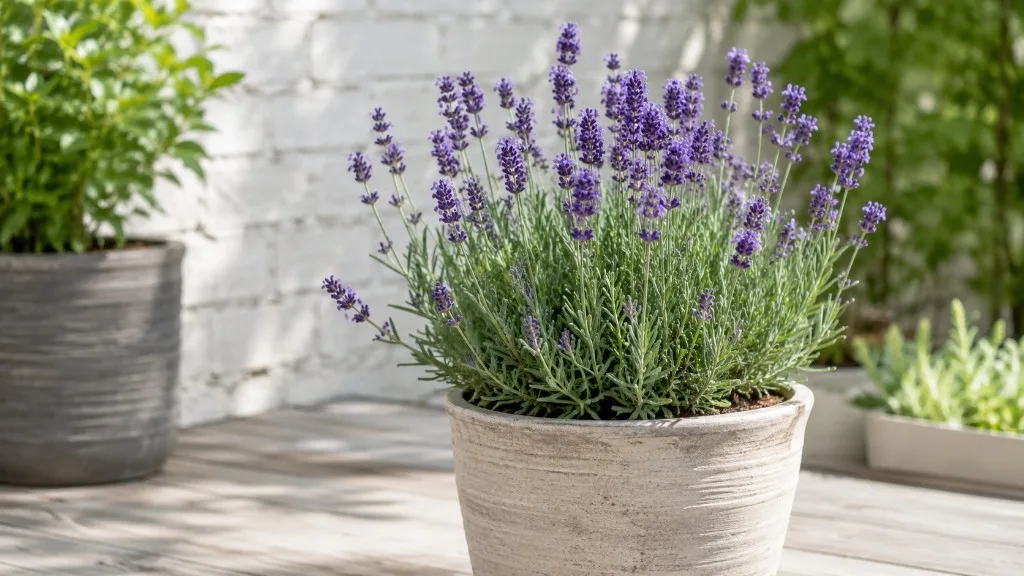
Lavender
Likely causeOct 6, 2023 · In fact, excessive amounts of plant nutrients can lead to an overgrowth of foliage and weak or limp stems . This can be a real bummer for anyone who wants to harvest their lavender flowers for bouquets or dried herb wands.
Quick fixFollow extension or botanical guidance for Lavender weak stems; adjust care before applying broad treatments.
 Medium
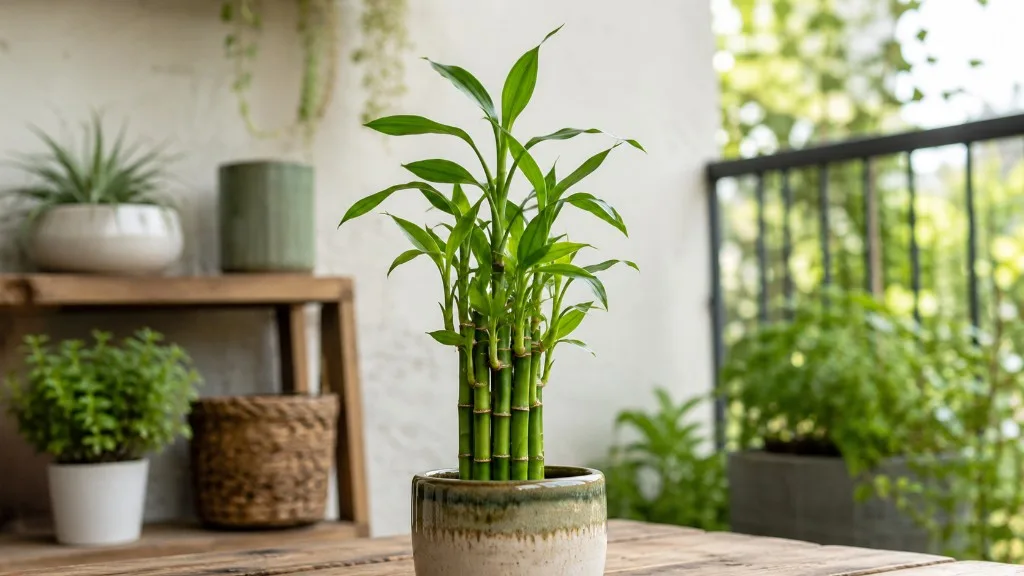
Lucky Bamboo
Likely causeJan 13, 2025 · Bent stems can occur if your lucky bamboo isn’t getting enough light, causing it to stretch towards a light source. Solution: Rotate the plant regularly and ensure it has access to even, indirect light.
Quick fixConfirm diagnosis on your Lucky Bamboo, then address the most likely care or pest factor described in current extension guidance.
 Medium
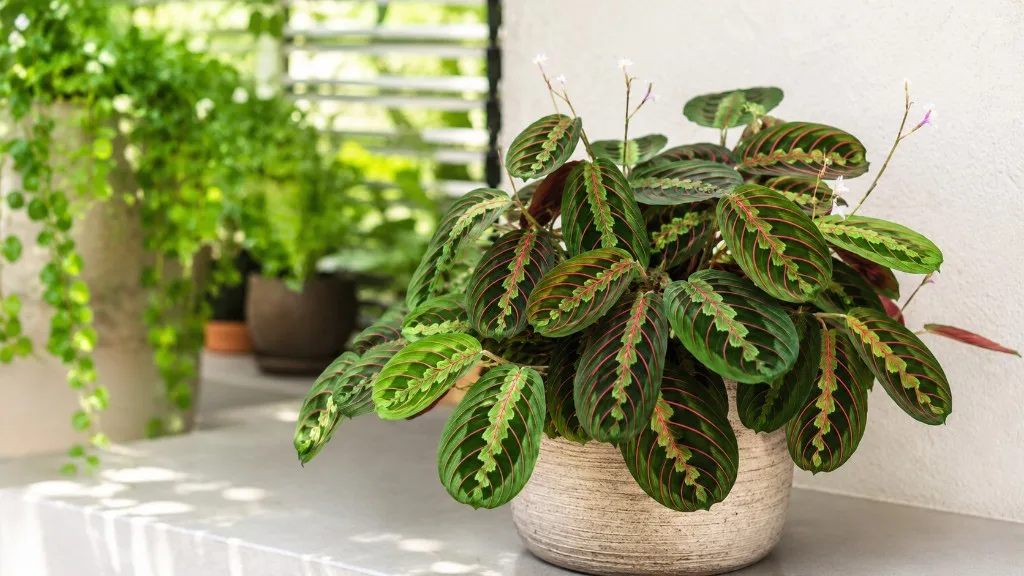
Maranta Leuconeura
Likely causePresent a bright, indirect location, avoiding prolonged exposure to the sun, especially in the summer. A setting that's either too bright or dark will cause the variegations (foliar patterns) to weaken . Maintain evenly moist soil, allowing
Quick fixConfirm diagnosis on your Maranta Leuconeura, then address the most likely care or pest factor described in current extension guidance.
 Medium
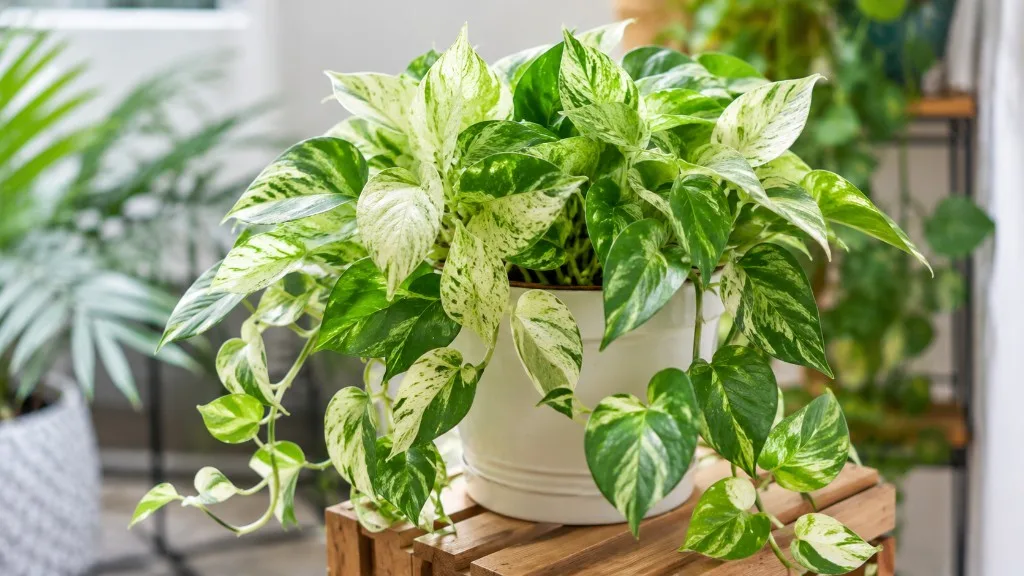
Marble Queen Pothos
Likely causeFeb 7, 2026 · Marble queen pothos (Epipremnum aureum ' Marble Queen ') is a low-maintenance pothos characterized by marbled white and green variegation. View all Mar 21, 2025 · Marble Queen Pothos is a stunning, low-maintenance houseplant w
Quick fixFollow extension or botanical guidance for Marble Queen Pothos weak stems; adjust care before applying broad treatments.
 Medium
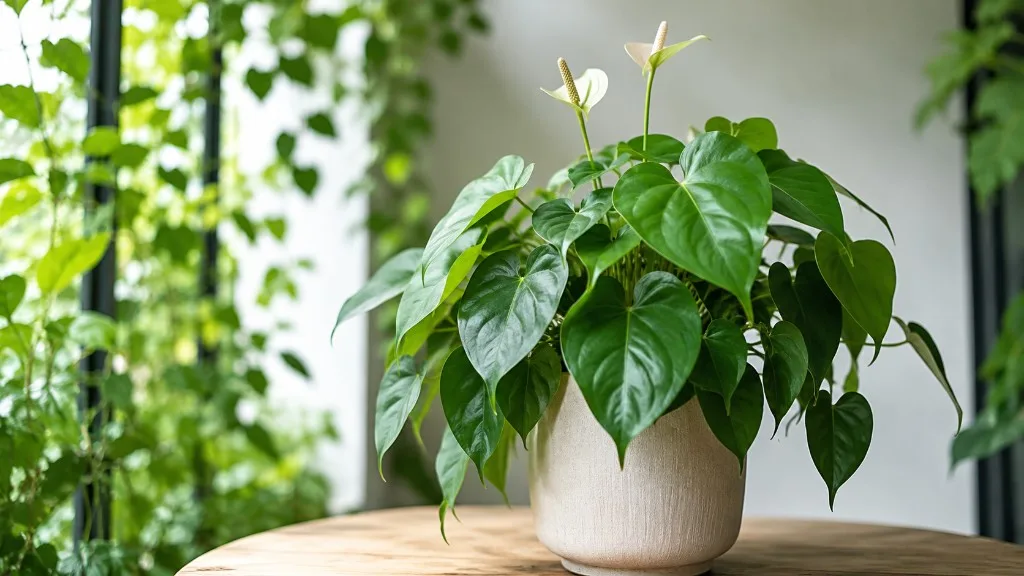
Heartleaf Philodendron
Likely causeJan 7, 2025 · Caused primarily by overwatering, this issue can be a death sentence for your Heartleaf Philodendron if not caught early. Signs: Yellowing leaves, mushy stems , and a foul smell from the soil are common indicators.
Quick fixConfirm diagnosis on your Heartleaf Philodendron, then address the most likely care or pest factor described in current extension guidance.
 Medium
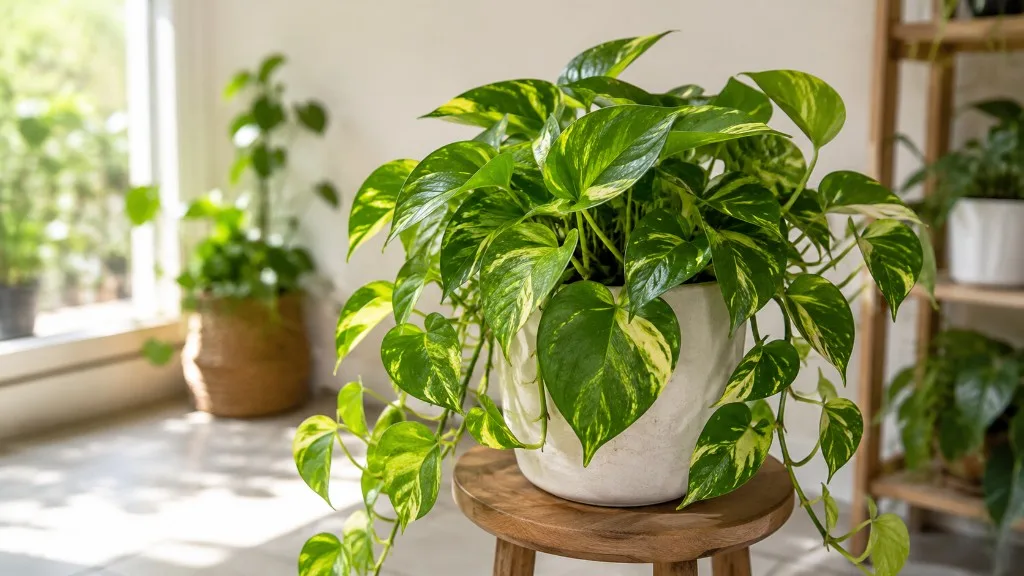
Pothos
Likely causeMar 1, 2026 · Healthy Pothos vines should be firm and strong, supporting steady leaf growth. When stems become thin or weak, the plant often lacks light, nutrients, or stable care conditions . This guide explains why Pothos stems become wea
Quick fixConfirm diagnosis on your Pothos, then address the most likely care or pest factor described in current extension guidance.