Draft Stress in Houseplants: Signs and Solutions
Homes are not greenhouses. Draft Stress appears when humidity, temperature, or air movement falls outside what your plant tolerates. Sudden leaf drop or curling near windows, fans, or AC after a move, heat wave, or dry winter often points to environment-not necessarily wrong watering. Track weekly progress after you change care, and note watering, light, and repotting dates so you can tell whether the symptom is improving or returning. Compare upper versus lower leaves, new versus old growth, and soil moisture at root depth before you treat, because the same visible symptom can come from watering, light, pests, or normal aging on different plants.
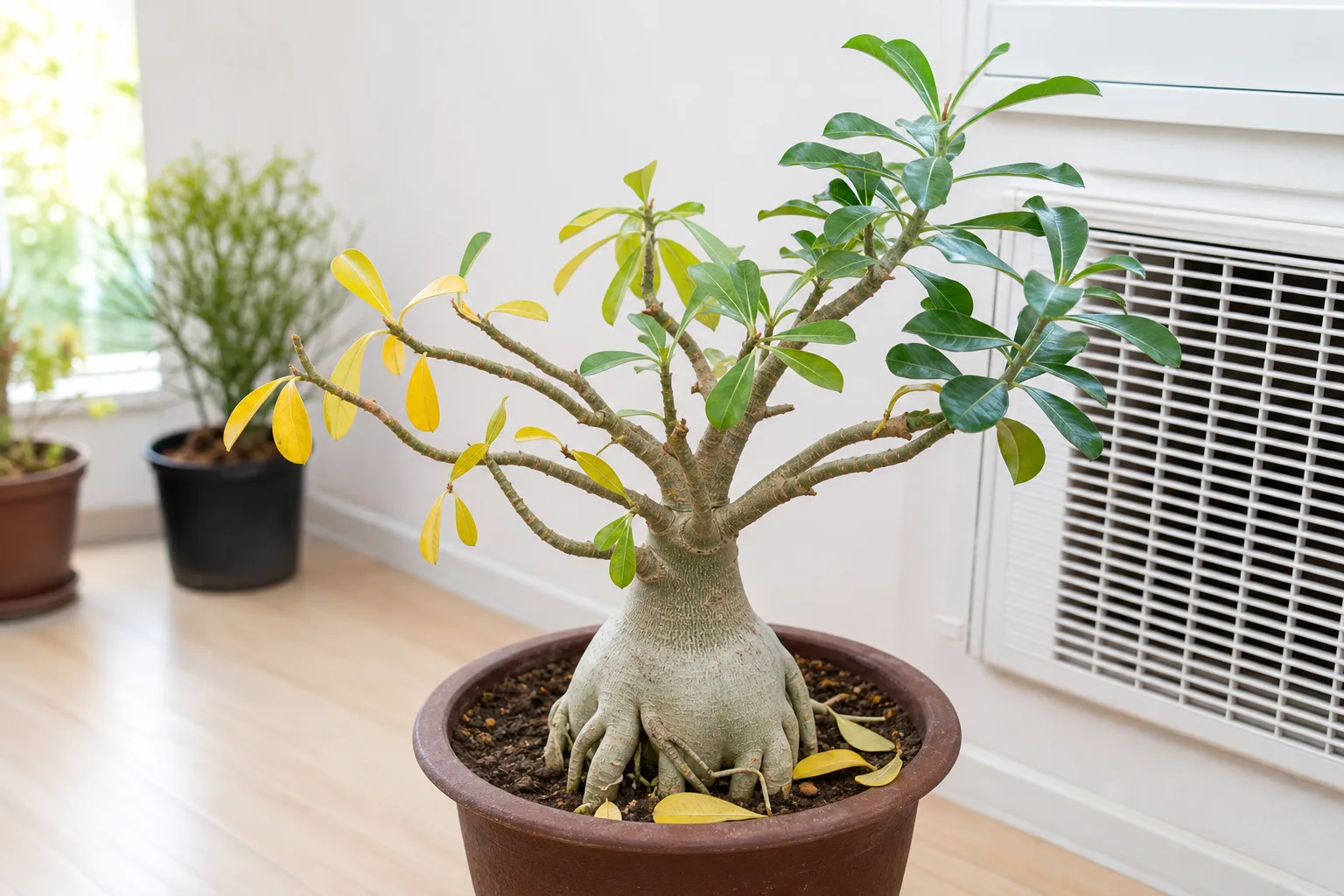
Draft Stress on Houseplants
Still unsure?Match your symptoms to the most likely problems in under a minute.Run diagnosis →Understand and fix draft stress
Homes are not greenhouses. Draft Stress appears when humidity, temperature, or air movement falls outside what your plant tolerates. Sudden leaf drop or curling near windows, fans, or AC after a move, heat wave, or dry winter often points to environment-not necessarily wrong watering. Track weekly progress after you change care, and note watering, light, and repotting dates so you can tell whether the symptom is improving or returning. Compare upper versus lower leaves, new versus old growth, and soil moisture at root depth before you treat, because the same visible symptom can come from watering, light, pests, or normal aging on different plants.
Overview
Homes are not greenhouses. Draft Stress appears when humidity, temperature, or air movement falls outside what your plant tolerates. Sudden leaf drop or curling near windows, fans, or AC after a move, heat wave, or dry winter often points to environment-not necessarily wrong watering. Track weekly progress after you change care, and note watering, light, and repotting dates so you can tell whether the symptom is improving or returning. Compare upper versus lower leaves, new versus old growth, and soil moisture at root depth before you treat, because the same visible symptom can come from watering, light, pests, or normal aging on different plants.
How to identify it
- Symptoms started after AC, heat, or window season change
- Crispy leaf edges in winter near radiators
- Wilting during a heat spell despite moist soil
- Leaf drop within days of bringing plant home or repotting
- Only plants near one vent or draft show damage
When to worry
Blackened tissue after frost exposure, or widespread collapse after heat above 95°F, may leave permanent damage-trim and stabilize fast.
Common causes
Low indoor humidity
Winter heating drops humidity below what tropical plants prefer, causing brown tips and curl.
Temperature extremes
Cold window glass, hot afternoon sun through glass, and heat vents create localized Draft Stress.
Transplant or relocation shock
Roots and leaves need time to adjust after repotting or room changes-temporary drop is common.
Sudden environmental flip
Moving from greenhouse to home, or outdoor to indoor, shocks plants before they acclimate.
Step-by-step fix
Identify the environmental trigger
Note heat vents, drafty windows, and recent moves. Fix placement before heavy pruning.
Stabilize temperature and humidity
Group plants, use humidifiers, or pebble trays. Keep foliage away from hot and cold glass.
Reduce additional stress
Hold repotting and fertilizer until the plant looks stable for 2–3 weeks.
Trim permanently damaged tissue
Remove leaves that are fully brown or black. Partial tip damage can wait until conditions improve.
Acclimate gradually next time
Move plants in steps over a week when changing rooms or bringing them indoors for winter.
Prevention tips
- Keep tropical plants away from heating vents and cold drafts
- Run a humidifier in dry winter rooms
- Acclimate new plants slowly to your home
- Repot during active growth, not during stress
Common mistakes
- Misting once daily instead of raising ambient humidity
- Placing plants touching cold window glass in winter
- Repotting immediately when a plant arrives stressed
A houseplant may curl, wilt, brown at the edges, or drop leaves near an air-conditioning vent, heater, exterior door, fan, or leaky window. Those symptoms are often described as “draft stress,” but moving air alone is not a complete diagnosis. The plant responds to the temperature, dryness, speed, duration, and direction of that air, plus the moisture and health of its roots.
A gentle fan in a warm, adequately humid growing space can improve circulation without causing injury. The same fan aimed continuously at delicate foliage may accelerate water loss. A winter leak may chill one side of a tropical plant, while a heating vent may deliver warm but extremely dry air. These different exposures need different corrections.
The useful task is to map the plant’s microclimate rather than guess. Compare affected and protected sides, measure temperature near the leaves, check root-zone moisture, and reconstruct when the HVAC system, door, or seasonal weather changed.
What Draft Stress Actually Means
“Draft stress” is a practical description, not a specific disease. It refers to plant stress associated with localized moving air and the conditions carried by that air. Airflow can exchange heat with leaves, thin the still boundary layer around them, alter transpiration, and change how quickly foliage and potting mix lose water.
Temperature matters. A cold draft can cool tissues below a tropical plant’s tolerance without freezing them. Hot airflow can increase evaporative demand and directly heat leaf surfaces. Even air at a reasonable temperature may be stressful when it is much drier than the surrounding microclimate and hits the same leaves for hours.
NC State Extension’s winter care guidance for houseplants recommends keeping plants away from drafts and heat sources while adjusting care for slower winter growth. That recommendation is sound, but exact safe distances and temperatures depend on the vent, room, plant, and duration. Measure conditions at the leaves rather than applying one distance to every home.
Cold Drafts, Hot Air, and Ordinary Circulation
A cold draft often comes from an exterior door, damaged seal, open window, air conditioner, unheated corridor, or cold return-air path. Symptoms may concentrate on the exposed side and worsen during specific weather or HVAC cycles. Tender foliage can become limp, curled, discolored, or shed.
A hot draft comes from a forced-air register, radiator plume, heater, fireplace, or hot appliance. It can dry leaf margins, desiccate buds, and make a pot lose moisture unevenly. Direct radiant heat may accompany airflow, so simply measuring room air can understate the leaf’s exposure.
Ordinary circulation is not inherently harmful. Greenhouses and indoor growing areas use fans to reduce stagnant air and improve environmental uniformity. Problems arise when airflow is excessive, continuous, too hot or cold, or mismatched with the plant’s water supply. Leaves moving gently at intervals are different from foliage bent constantly in a focused stream.
Why Moving Air Changes Water Loss
Leaves are surrounded by a thin layer of relatively still air called the boundary layer. Moving air reduces that layer, which can increase exchange of water vapor and heat. The effect depends on leaf size, texture, stomatal behavior, humidity, temperature, and air speed.
When roots can replace the lost water, moderate airflow may cause no visible stress. When the root ball is dry, roots are damaged, humidity is low, or leaves are tender, the same air movement can outpace supply. The result may be wilt, curling, crisp margins, or aborted buds.
Do not respond automatically by watering more. A plant beside a cold draft may use water slowly because low temperature and low light reduce growth. Its foliage can look wilted while the root ball remains wet. The correct watering decision comes from the substrate and roots, not airflow alone.
Symptoms That Fit Draft Stress
Draft stress becomes plausible when symptoms have a directional or location-based pattern:
- leaves facing a vent curl or develop dry edges first;
- foliage near a door drops after repeated cold openings;
- one side touching cold window air becomes limp or discolored;
- buds or flowers nearest a heater dry and abort;
- the pot dries faster on the airflow side;
- symptoms coincide with the start of heating or cooling season.
The pattern can be subtle. A plant may rotate during cleaning, moving symptoms around the canopy. HVAC cycles may run only at night. A ceiling fan can redirect warm air without pointing directly at the plant. Keep a short log of when systems run and when symptoms worsen.
The Cornell Cooperative Extension houseplant resource discusses the importance of matching indoor plants with suitable light, temperature, humidity, and water. Draft diagnosis should be embedded in that whole-environment assessment rather than treated as a standalone label.
Map the Airflow Before Moving the Plant
Stand at plant height while the relevant system is running. Feel for moving air with the back of your hand without touching hot equipment. Suspend a lightweight strip of tissue or thread safely near the canopy to show direction. Do not use a candle, incense, smoke, powder, or aerosol around foliage, pets, alarms, or HVAC intakes.
Place a minimum-maximum thermometer at leaf level for several days. A hygrometer can add useful context, but inexpensive sensors vary; focus on repeated differences between locations rather than false precision. Compare the exposed side, protected side, and a point away from the suspected source.
Repeat measurements during the actual event—when the furnace starts, the exterior door opens, or the air conditioner cycles. A single calm daytime reading can miss an overnight minimum or a short, forceful stream. Record the device location and time so the observation can be repeated; treat consumer sensor readings as comparative evidence unless the instrument has been checked against a reliable reference.
Make a room sketch showing vents, radiators, doors, windows, fans, and sunlight. Note which tissues are affected. Turn or move nothing until you have captured the original pattern. Then make one small placement change and observe whether new injury stops.
Use this evidence table:
| Observation | Interpretation |
|---|---|
| Symptoms face one operating vent | Direct airflow is plausible |
| Entire plant wilts with wet mix | Check roots; draft alone is insufficient |
| Leaf drop started after heating season | Hot dry air or lower seasonal light may contribute |
| Sharp dark patches where leaves touch glass | Contact chilling is more likely |
| Fine stippling and webbing | Inspect for spider mites |
| Damage follows watering neglect throughout pot | Underwatering is more likely |
What the Images Can—and Cannot—Show
The adenium image can help you compare the distribution of curl, wilt, or discoloration. It cannot show air speed, nighttime temperature, root moisture, or when the HVAC system changed. Adeniums also respond strongly to low light, cold roots, and excess moisture, so no image feature proves a draft.
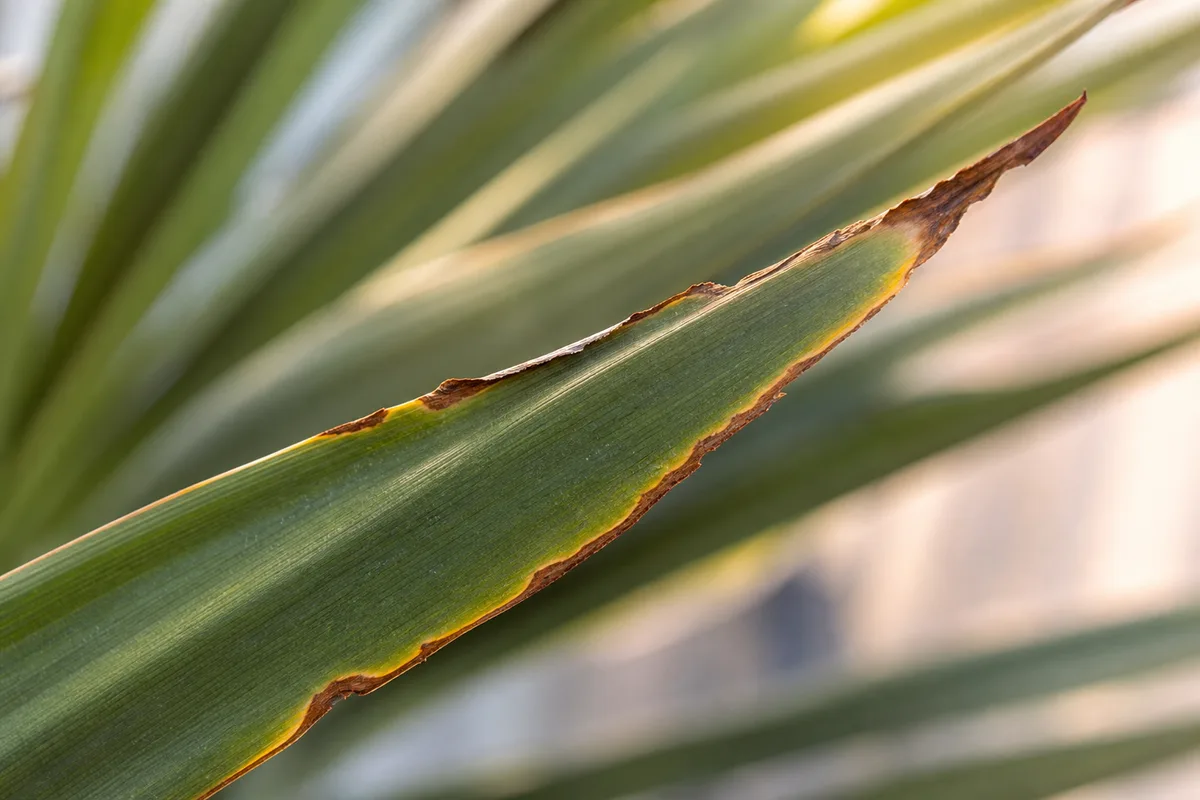
The yucca close-up is useful for inspecting edges and exposed surfaces. Yucca leaf damage can also reflect drought, salt accumulation, physical abrasion, low light, pests, or normal aging. Use the photographs as visual references only, then confirm with placement and timing evidence.
Draft Stress Look-Alikes
Draft symptoms overlap with water stress, low humidity, cold injury, heat stress, root rot, soluble salts, pests, and acclimation after a move. A plant near a vent may be declining for an unrelated reason; visible proximity is not proof.
Iowa State University Extension lists improper environmental conditions among common causes of houseplant problems and emphasizes checking water, light, temperature, and humidity. Apply that sequence:
- Check root-zone moisture and drainage.
- Inspect both leaf surfaces for pests.
- Review light intensity and recent moves.
- Measure temperature and airflow at leaf level.
- Check fertilizer and water-quality history.
If the plant is rootbound or the mix has become hydrophobic, a draft may reveal the water-supply problem faster but not be its only cause. Correct both the airflow and the root-zone limitation.
Draft Stress Versus Cold Damage
Cold damage is tissue injury caused by low temperature; a draft is one way low temperature reaches the plant. A cold draft can therefore cause cold injury, but not all draft stress is cold. Hot, dry moving air can produce a different dehydration pattern.
Cold injury may create water-soaked, translucent, dark, or rapidly collapsed tissue after a distinct event. Routine draft stress more often produces gradual one-sided curl, browning, or leaf drop tied to repeated cycles. The boundary is not always clear, especially after an overnight window leak.
Measure the minimum temperature and inspect tissue firmness. If leaves are black, mushy, or translucent after a severe cold event, follow cold-damage triage and watch for secondary decay rather than treating it as a simple humidity issue.
Draft Stress Versus Underwatering and Low Humidity
Underwatering affects the whole root system, although the most exposed leaves may show first. The pot is light, the root ball is dry at depth, and leaves may regain some firmness after correct rehydration if cells are still alive. Draft stress may occur even when the mix is moist, particularly with damaged roots or extreme airflow.
Low relative humidity and moving air interact, but they are not identical. Humidity describes water vapor in the air; airflow changes the leaf’s local boundary layer and heat exchange. A room can have moderate average humidity while one plant experiences a drying vent stream.
University of Maryland Extension’s temperature and humidity guidance for indoor plants links indoor plant performance to species-appropriate environmental conditions. Rather than chasing one universal humidity percentage, compare the affected plant’s needs, leaf-level measurements, and response after direct airflow is corrected.
The University of Illinois Extension houseplant troubleshooting resource likewise frames leaf drop, browning, and wilt as symptoms with multiple cultural and environmental causes. That is the correct level of caution here: a humidity reading or nearby fan is one clue, while root moisture, temperature, light, and pests complete the diagnosis.
A Five-Step Correction Plan
1. Stop the direct stream. Redirect the vent vane, change fan angle or speed, repair a seal, or move the plant just outside the focused airflow. Do not block HVAC equipment in a way that creates a fire, moisture, or system hazard.
2. Preserve adequate light. A dark corner may stop a draft but create low-light stress and slower drying. Choose a location that improves airflow exposure without sacrificing the plant’s core light needs.
3. Check the root ball. Water only when moisture and species requirements indicate. Empty standing runoff and verify that the mix is not compacted or hydrophobic.
4. Stabilize care. Pause fertilizer, repotting, and discretionary sprays until new injury stops. Keep temperature and light consistent.
5. Monitor new growth. Photograph weekly, record affected leaves, and look for normal later leaves or buds. If symptoms continue, reopen the differential diagnosis.
Do not change five variables at once. A single measured placement correction yields evidence and reduces the chance of an overreaction.
Use a simple before-and-after test: document the affected side, redirect only the suspected stream, and keep light and watering decisions otherwise stable for one or two growth cycles. If new injury stops only after that change, the draft hypothesis gains support. If symptoms continue equally on every side, reopen the root, pest, salt, light, and disease checks rather than moving the plant repeatedly.
Watering in a Draft-Prone Location
Check moisture more often, but do not necessarily water more often. Hot dry airflow can shorten the drying interval; cold airflow and winter low light can lengthen it. The same plant may need opposite adjustments in different seasons.
Test the root zone rather than only the surface. Lift the pot to learn its weight when evenly watered and when ready for water. A wooden skewer or finger can help where appropriate, while a moisture meter provides only an estimate and can be misleading in chunky or salty mixes.
Water evenly until the root ball is wetted and excess drains, unless the species or growing system requires a different method. Discard runoff. If water races down gaps while the center stays dry, rehydrate the mix gradually or correct its structure instead of increasing frequency blindly.
After substantial leaf drop, water use may decline because there is less foliage. Reassess rather than preserving the old schedule. Overwatering a defoliated plant is a common secondary problem.
Choosing a Better Position
The best position combines suitable light with stable temperature, manageable humidity, and air circulation that is not forceful. Often a move of 30–60 centimeters or a change in height removes a plant from the direct stream. Treat any distance as an experiment, not a universal rule.
Avoid foliage contact with window glass. Keep plants clear of exterior-door swing paths and radiator surfaces. Use a stable stand rather than balancing pots on HVAC equipment or unsafe shelves. Ensure that redirecting air does not cause condensation, mold, or system obstruction.
Check the new location during the conditions that caused the problem: at night, during strong wind, when the furnace runs, or when air conditioning cycles. A comfortable daytime spot may be cold before sunrise.
Balancing Light With Protection
Light is frequently sacrificed when a draft-stressed plant is moved. Lower light reduces photosynthesis and water use, which can lead to yellowing and prolonged wetness. Before choosing a distant interior corner, consider moving laterally along the window, adding a sheer barrier that does not trap the plant against glass, or using a properly positioned grow light.
Measure or compare light over the day, not at one moment. Maintain the photoperiod suitable for the species and provide darkness at night. Keep grow-light equipment dry, ventilated, and installed according to manufacturer safety directions.
Acclimate a plant gradually if the new site is much brighter. Draft correction followed by sunburn is not progress. Watch new leaves and pot-drying time for several weeks.
Fans, Air Conditioners, Heaters, and Open Windows
Fans: Use a broad, gentle, indirect flow. Leaves should not be whipped or held continuously sideways. Clean fan blades so dust is not blown onto foliage, and adjust speed as plants grow closer.
Air conditioners: Keep sensitive plants outside the cold jet and away from condensate. Window units can create sharp temperature gradients. Summer cold injury is possible even when outdoor weather is hot.
Heaters and radiators: Maintain clearance required by the appliance manufacturer. Never drape plants, trays, fabric, or humidifiers over electrical or heating equipment. Hot dry air can brown margins; radiant heat can damage tissue without an obvious breeze.
Open windows and doors: Ventilation may benefit a room, but monitor outdoor temperature and wind. Move sensitive plants before prolonged airing in winter. Screens do not stop cold airflow.
Humidifiers: They may improve humidity but should not wet electrical equipment, walls, or leaves continuously. Clean them according to instructions to limit mineral dust and microbial growth. A humidifier does not neutralize a cold jet.
How to Track Recovery
Existing brown edges and dead patches will not turn green. Curled leaves may relax if dehydration was mild, but distorted or abscised tissue may remain lost. Recovery is shown by the end of new damage, stable moisture use, and healthy later growth.
Mark the date the airflow was corrected. Photograph the same sides of the plant weekly. Count new yellow, curled, or dropped leaves rather than repeatedly judging old damage. Record minimum temperature and how long the pot takes to approach its next watering point.
Also note HVAC run times and outdoor weather. A symptom that returns only during long heating cycles or windy nights can reveal an intermittent exposure missed during daytime checks.
Allow time appropriate to the plant. Fast vines may reveal improvement within a few weeks; slow woody plants, succulents, palms, and winter-dormant species may take longer. Do not fertilize solely to force a faster answer.
Preventing Seasonal Draft Stress
Audit plant locations before heating and cooling seasons. Run each vent and fan, inspect window seals, and check door pathways. Plants grow toward light and can enter an airflow stream that was previously out of reach, so repeat the audit after growth or rearrangement.
Use a minimum-maximum thermometer at sensitive shelves. Review irrigation when daylight and HVAC use change. Clean foliage gently so pests and damage patterns remain visible. Quarantine new plants, because spider mites and other pests can also cause curl and leaf drop and may flourish in warm, dry rooms.
Create a brief care record for high-risk plants: preferred location, seasonal drying interval, known sensitivity, and previous symptoms. Consistency is more protective than chasing daily fluctuations.
When to Investigate Another Cause
Reopen the diagnosis if damage continues for more than one or two growth cycles after airflow correction, affects all sides equally, appears as discrete spreading lesions, includes webbing or insects, or comes with soft roots and persistently wet mix. The draft may have been incidental or only one part of the problem.
Seek local extension or diagnostic help for valuable plants, rapid unexplained collapse, recurring symptoms across several rooms, or suspected building contamination. Provide species, photos, temperature and humidity records, watering history, and all products used.
If blackened or mushy tissue follows a severe cold event, treat it as cold injury. If chemical exposure is plausible, preserve product information and follow label safety guidance. Accurate escalation starts with a precise history.
Conclusion
Draft stress in houseplants is a microclimate problem, not a diagnosis based on one curled leaf. The strongest evidence is a symptom pattern aligned with a measured or observed stream from a vent, heater, fan, door, or window—and improvement after that exposure is corrected.
Move the plant out of direct airflow while protecting its light, water according to the root ball, and stabilize care. Track new symptoms rather than expecting damaged leaves to heal. If the pattern persists, investigate roots, pests, light, salts, cold injury, and disease instead of blaming an invisible draft indefinitely.
Plants commonly affected
These houseplants often struggle with draft stress. Open a care guide or plant-specific troubleshooting page for tailored fixes.
 Medium
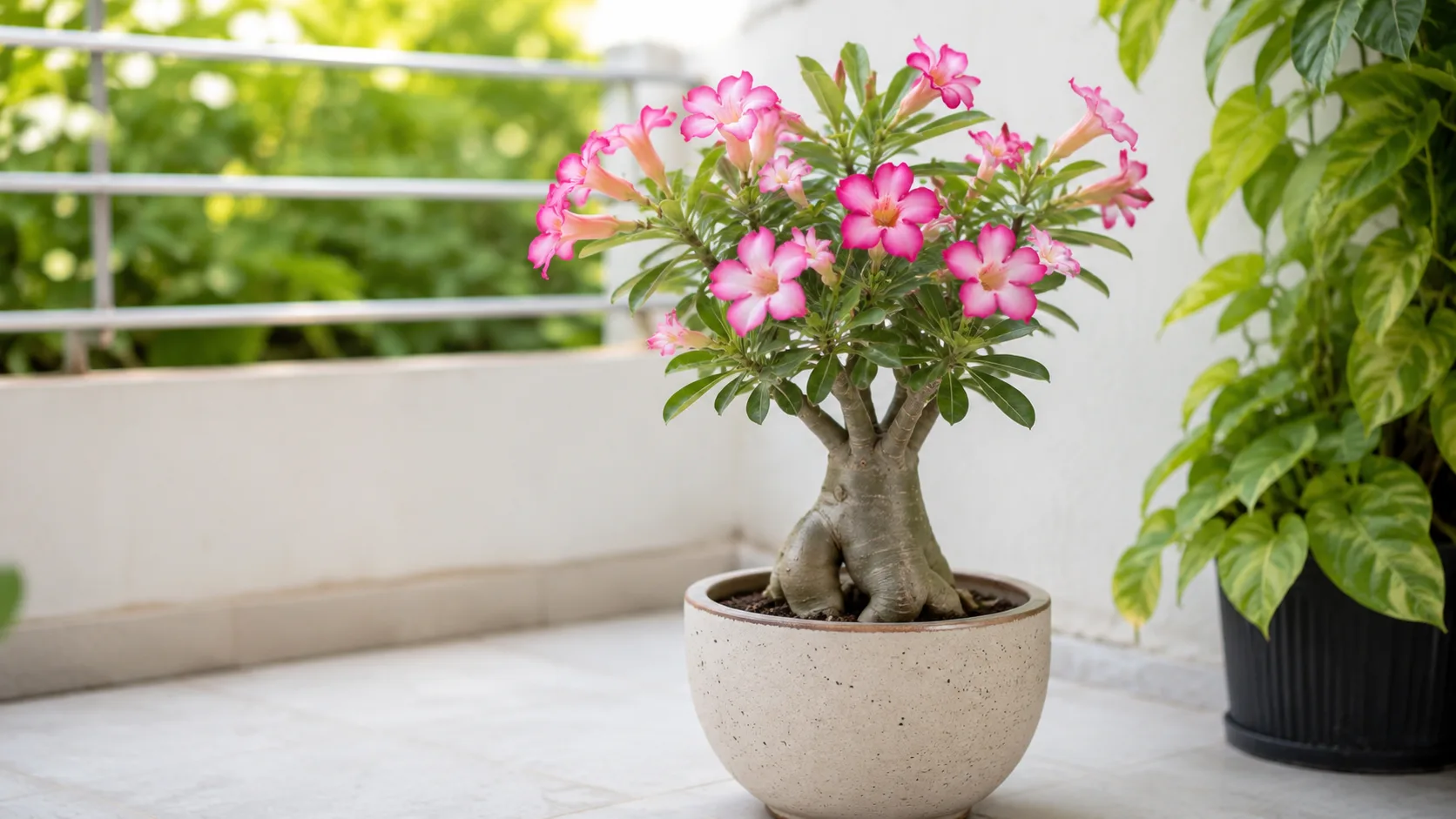
Adenium
Likely causeCold or dry drafts near windows and vents shock Adenium, causing leaf drop outside normal dormancy.
Quick fixMove to a stable warm bright location away from AC, heaters, and drafty doors.
 Medium
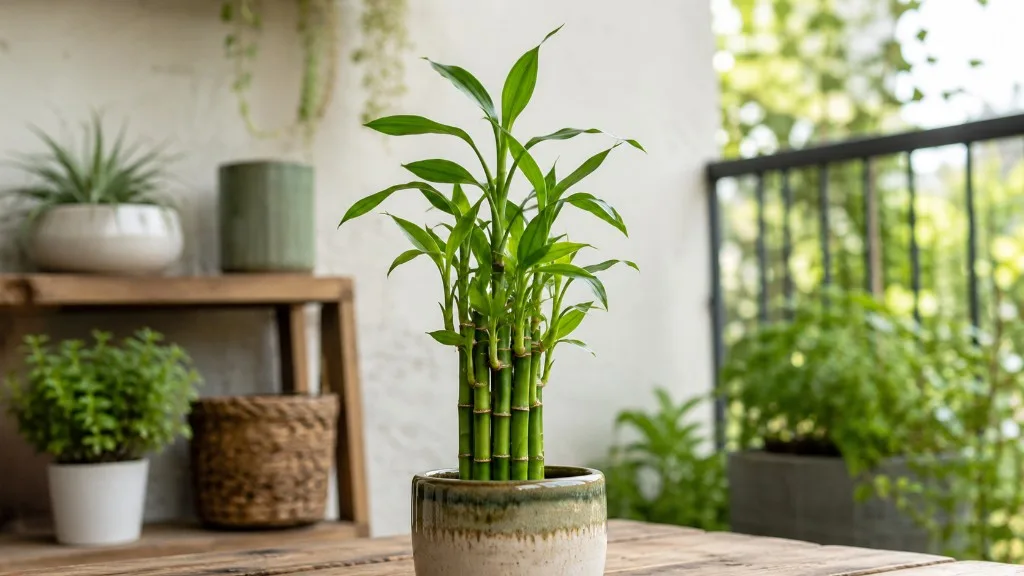
Lucky Bamboo
Likely cause1 day ago · Does the water temperature matter for Lucky Bamboo? Yes, it is best to use room-temperature water. Using water that is icy cold can shock the roots and cause the plant to go into a state of stress . By letting your water sit out
Quick fixConfirm diagnosis on your Lucky Bamboo, then address the most likely care or pest factor described in current extension guidance.
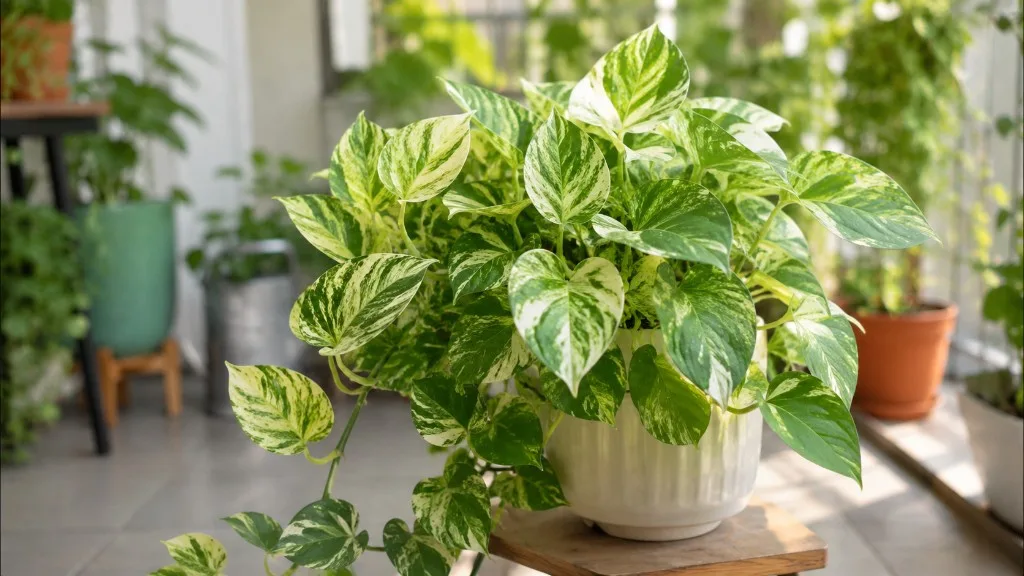 Medium
Manjula Pothos
Likely causeThe Manjula pothosplant is a cultivated variety of the Epipremnum pinnatum that originated in India. Its scientific name is Epipremnum aureum, and people also refer to it as the happy leaf pothos . It was created by natural selection of ove
Quick fixConfirm diagnosis on your Manjula Pothos, then address the most likely care or pest factor described in current extension guidance.
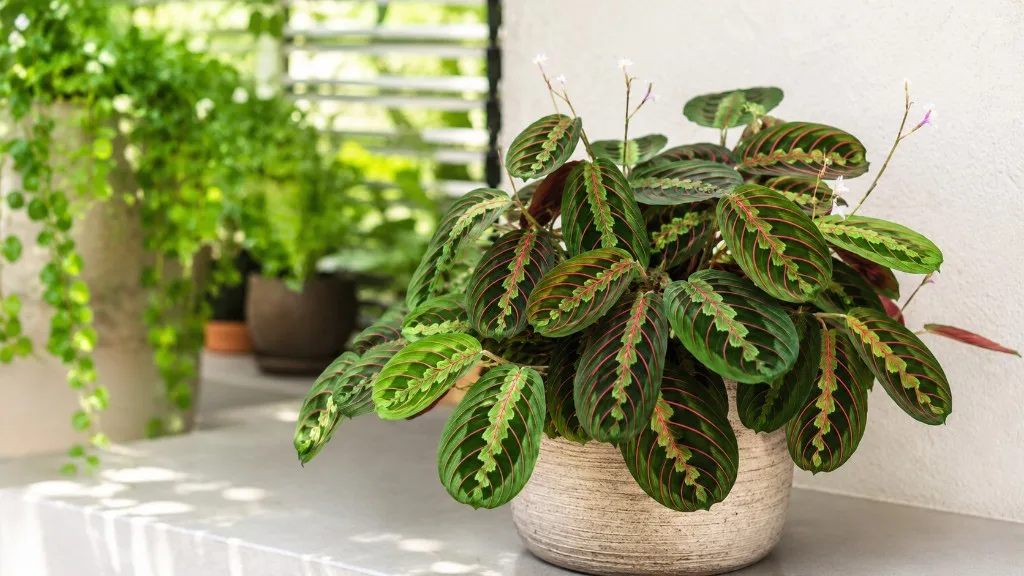 Medium
Maranta Leuconeura
Likely causeMar 3, 2024 · Avoid exposing to cold drafts or sudden temperature fluctuations, as this can cause stress and damage to the plant. They thrive in high humidity environments, mimicking their native tropical habitat.
Quick fixConfirm diagnosis on your Maranta Leuconeura, then address the most likely care or pest factor described in current extension guidance.
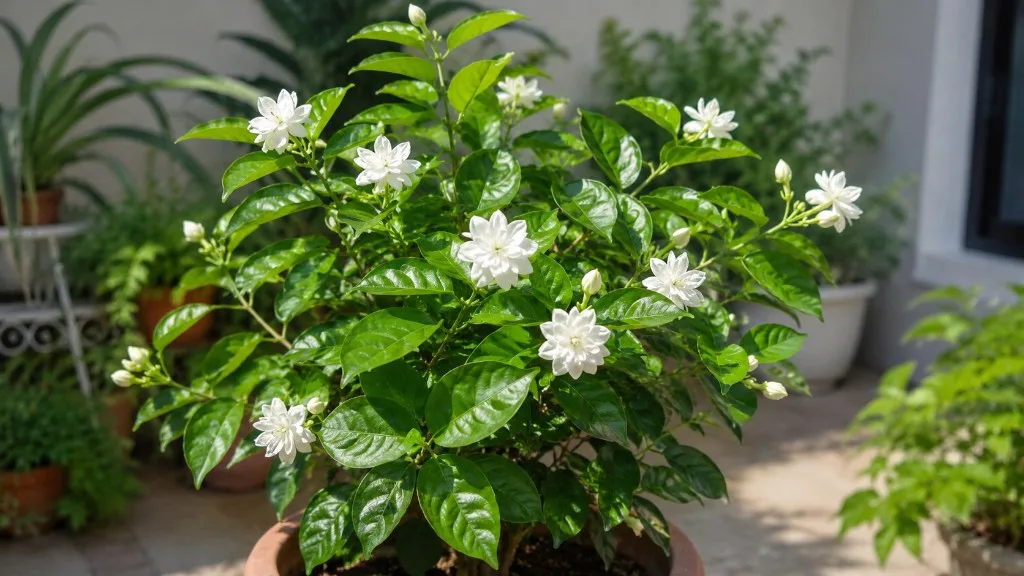 Medium
Mogra
Likely causeMay 24, 2026 · Mogra : Stress relief || Jasmine || white flowers || Arabian Jasmine @Sunshine Naturelove 319 subscribers Subscribe Oct 27, 2025 · 8 likes, 0 comments - priyawmusic on October 27, 2025: "Best vatevari mogra draft clear🤭🤗 ️##p
Quick fixConfirm diagnosis on your Mogra, then address the most likely care or pest factor described in current extension guidance.
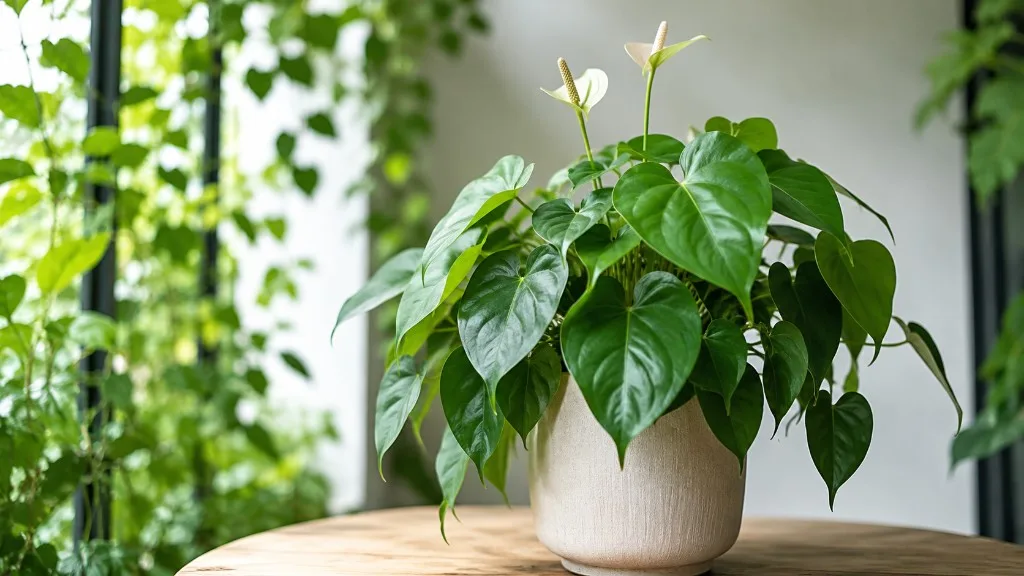 Medium
Heartleaf Philodendron
Likely causeAug 24, 2025 · In this complete guide, we’ll dive deep into philodendron cold tolerance, exploring the ideal temperature range, how to spot the first signs of cold stress , and most importantly, the actionable steps you can take to keep the
Quick fixConfirm diagnosis on your Heartleaf Philodendron, then address the most likely care or pest factor described in current extension guidance.
 Medium
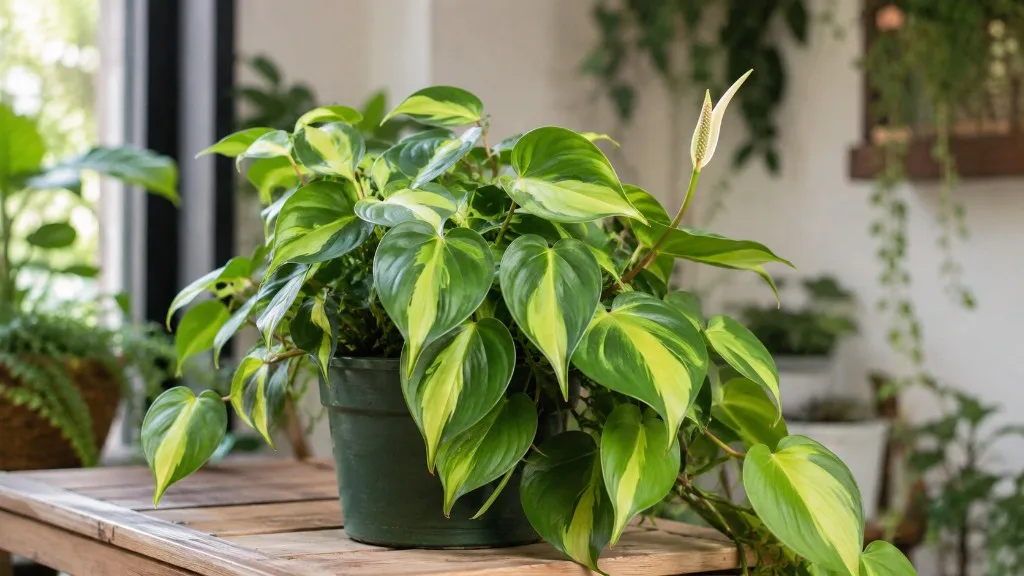
Philodendron Brasil
Likely causeIn fall and winter, reduce both watering and feeding as growth slows. Keep the plant in a warm, stable environment away from cold windows or drafts . With just a little seasonal attention, your Philodendron Brasil will continue to trail bea
Quick fixConfirm diagnosis on your Philodendron Brasil, then address the most likely care or pest factor described in current extension guidance.
 Medium
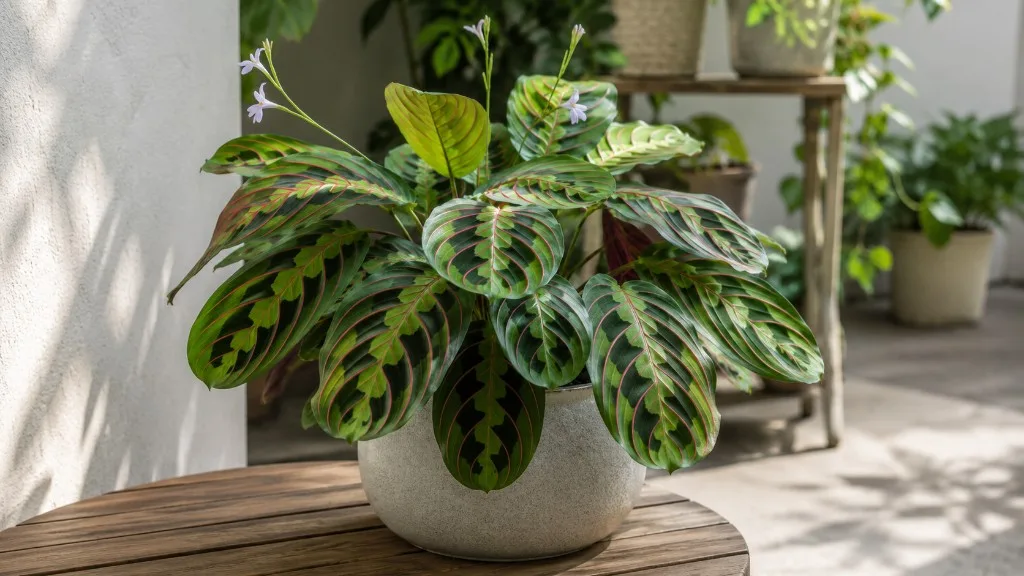
Prayer Plant
Likely causeIt is essential to keep your plant away from cold drafts , heating vents, or air conditioning units, which can cause temperature fluctuations that stress the plant. Maintaining a stable environment will allow your Maranta leuconeura to thri
Quick fixConfirm diagnosis on your Prayer Plant, then address the most likely care or pest factor described in current extension guidance.
 Medium
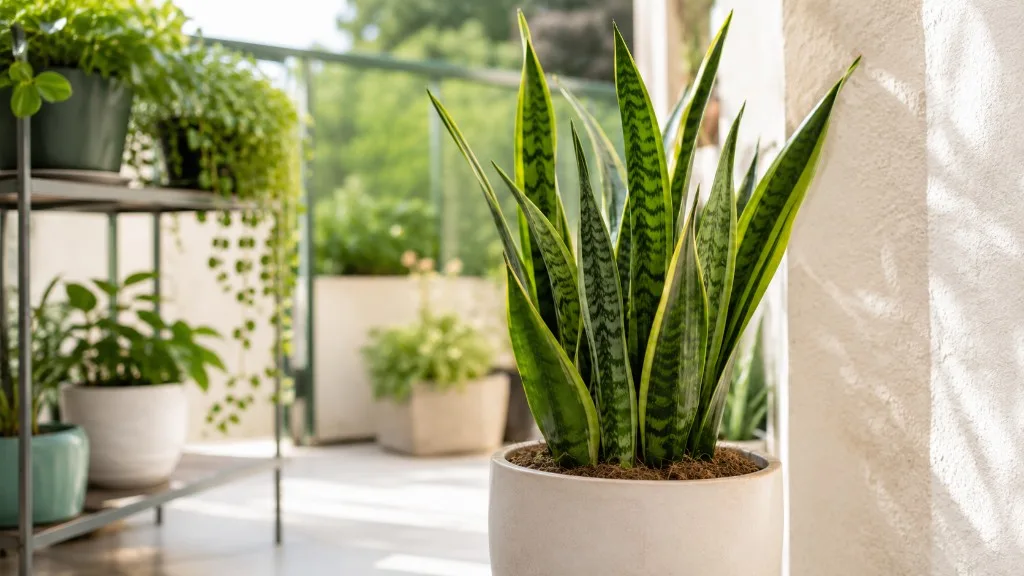
Snake Plant
Likely causeCold drafts from winter windows or AC vents chill Sansevieria leaves and roots, slowing uptake and inviting rot in wet soil.
Quick fixPull plant 30–90 cm back from leaky windows and vents; maintain stable 16–27°C with gentle airflow, not cold blasts.
 Medium
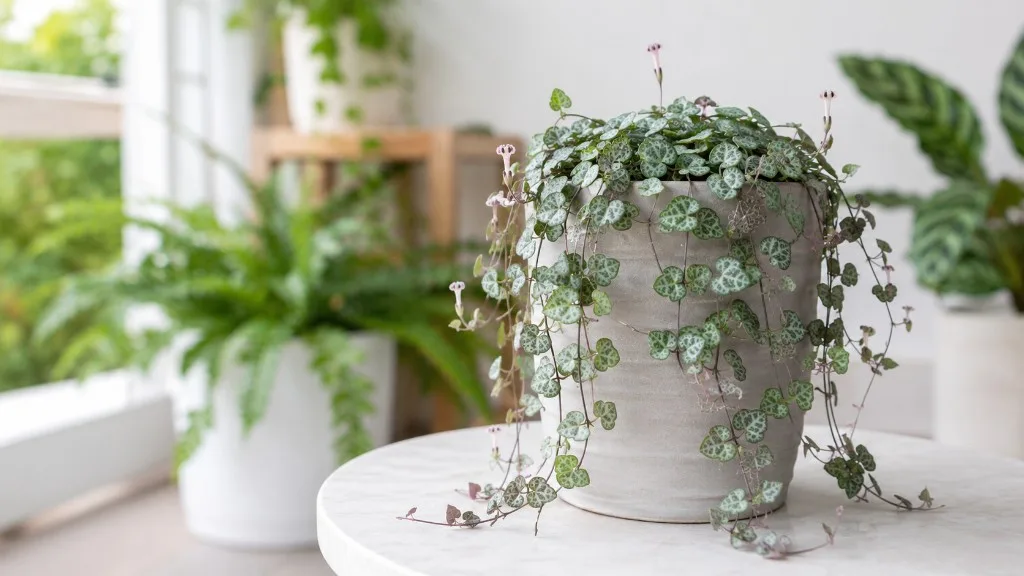
String of Hearts
Likely causeApr 24, 2026 · String of hearts (Ceropegia woodii ) is a charming houseplant known for its trailing, evergreen succulent vines that make an eye-catching display in hanging baskets or on shelves. Mar 10, 2024 · In this article we will have a
Quick fixFollow extension or botanical guidance for String of Hearts draft stress; adjust care before applying broad treatments.
 Medium
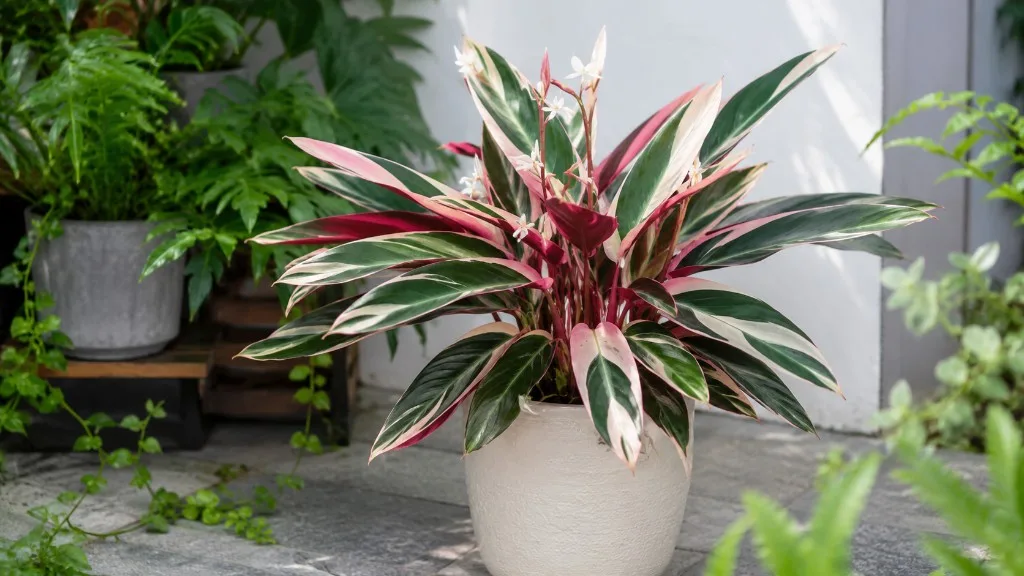
Stromanthe Triostar
Likely cause1 day ago · Humidity, Temperature, and Draft Damage Stromanthe Triostar is native to the rainforest understory of Brazil, where humidity rarely drops below 70%. As a houseplant it tolerates lower levels, but below 50% relative humidity, edg
Quick fixConfirm diagnosis on your Stromanthe Triostar, then address the most likely care or pest factor described in current extension guidance.
 Medium
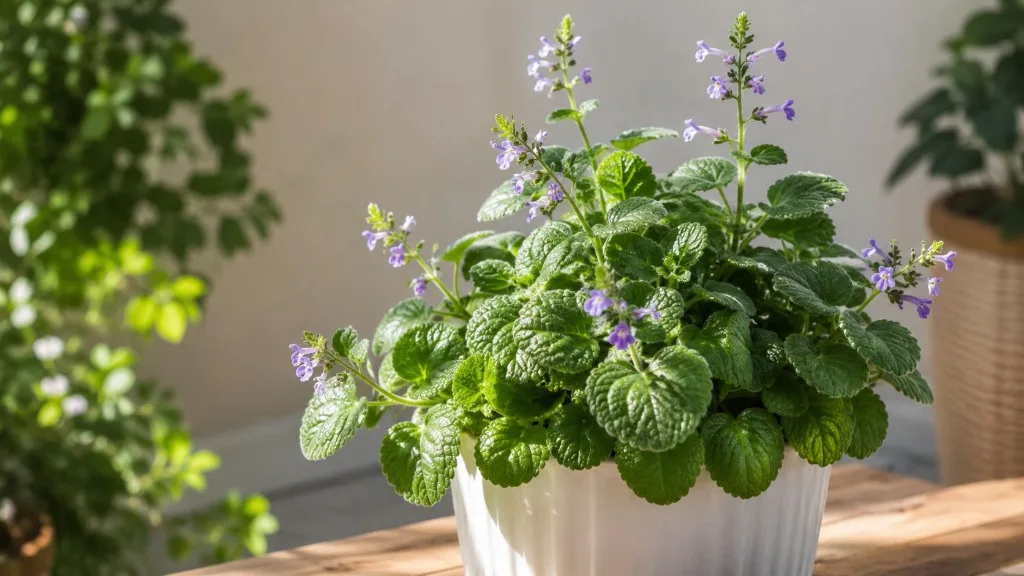
Swedish Ivy
Likely causeJan 17, 2026 · Temperatures below 50°F (10°C) can cause stress or damage, so keep the plant away from cold drafts or exterior doors. While the Swedish Ivy tolerates typical indoor humidity, it benefits from moderate levels, especially in dr
Quick fixConfirm diagnosis on your Swedish Ivy, then address the most likely care or pest factor described in current extension guidance.