Swedish Ivy Care: Light, Water & Propagation
Plectranthus australis
Swedish Ivy is an easy, fast-growing trailing plant that likes bright indirect light and moderate watering. Pinch tips to keep it bushy.
Swedish Ivy Care: Light, Water & Propagation
Start with wateringThe most common care mistake for Swedish IvyWatering guide →Swedish Ivy care essentials
Light
bright indirect light, medium indirect light
Water
Water when the top inch of soil dries; allows moderate drying between waterings.
Soil
Standard well-draining potting mix.
Humidity
Average household humidity (40–60%)
Temperature
16°C to 24°C (60–75°F)
Fertilizer
Feed lightly during active growth. Use monthly during spring and summer..
About Swedish Ivy
Swedish Ivy has a upright growth habit.
| Detail | Information |
|---|---|
| Growth habit | Upright |
| Scientific name | Plectranthus australis |
Swedish Ivy Care: Light, Water & Propagation
What Is Swedish Ivy?
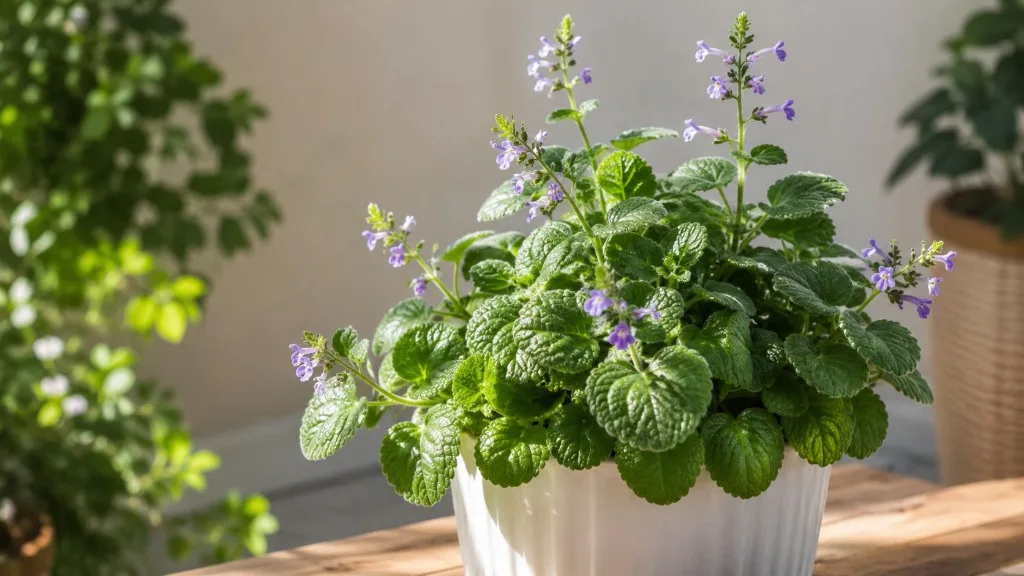
Swedish ivy is a fast-growing, trailing houseplant grown for glossy, scalloped leaves on long cascading stems - not for showy flowers, though it does produce small pale blooms under good conditions. The accepted scientific name for the plant most commonly sold under this label is Plectranthus verticillatus, a member of the Lamiaceae (mint) family. You will also see pots tagged Plectranthus australis, and the ASPCA lists Swedish ivy under that older synonym. For practical home care, both names refer to the same easy trailing subject in most garden centers, though serious collectors should keep the tag because other Plectranthus species exist with different tolerances.
Despite the name, Swedish ivy is not from Sweden and not a true ivy (Hedera). It is a semi-succulent perennial groundcover native to southern and southeastern Africa, where SANBI’s PlantZAfrica describes it growing along forest margins, woodland edges, and scrub forest in frost-free zones from Knysna through KwaZulu-Natal to Limpopo, and into parts of Mozambique and Eswatini. That native habitat - shaded, moist but well-drained, warm year-round - is the template for indoor success. Indoors, mature plants typically spread roughly 20 cm tall by 50 cm wide (8 inches by 20 inches) in a hanging basket, though vigorous specimens in bright light can exceed that footprint within a single growing season.
If you are deciding whether Swedish ivy fits your home, the honest summary is this: it rewards Swedish Ivy light guide, a steady moisture rhythm, and occasional pinching - and it tolerates more neglect than its lush appearance suggests. The semi-succulent leaves hold up for weeks when conditions slip, then recover quickly once light and water align. It is easier than a finicky calathea, comparable to pothos in propagation simplicity, and especially well suited to hanging baskets, high shelves, and beginners who want a trailing plant without constant drama. The main caveats are frost intolerance, overwatering in dim corners, and the need to confirm you have a Plectranthus rather than a similarly named but unrelated “creeping charlie” sold under overlapping common names in some regions.
Botanical Background and Naming History
Swedish ivy belongs to Lamiaceae, the mint family, which explains several traits you will notice in cultivation. Many Plectranthus species have square stems, faint aromatic foliage when crushed, and a preference for well-drained soil with moderate moisture rather than constant saturation or bone-dry neglect. Problems often begin at the roots - compacted, sour mix in a hanging basket is a faster path to decline than a missed watering on an otherwise healthy plant.
The species is a semi-succulent groundcover in its native range, carpeting moist, stony, partially shaded ground beneath trees and along stream margins. PlantZAfrica notes it is not threatened in the wild and has naturalized in warmer parts of the world, from the United States and Caribbean to parts of Australia, which speaks to how adaptable it is when frost is not a factor. Outdoors it survives as a perennial in USDA Hardiness Zones 10 and 11; everywhere else it is grown as a container or indoor plant brought inside before frost.
Naming in commerce is messy, and that matters for identification more than most care articles admit. “Creeping Charlie” is applied to Swedish ivy, to unrelated lawn weeds (Glechoma hederacea), and even to other houseplants such as Pilea nummulariifolia on some ASPCA pages. “Swedish begonia” is another misleading label - it is not a begonia either. The Swedish connection is horticultural folklore, not botany. When you buy a plant, photograph the tag, note the botanical name, and compare leaf shape: P. verticillatus has rounded, glossy, scalloped leaves on trailing stems, often with a slightly succulent thickness that distinguishes it from thinner true ivies.
Why the Trailing Habit Matters for Care
Swedish ivy earns its popularity on cascade and coverage, not on a single sculptural trunk. Long stems root easily at nodes when they touch moist soil, which is why the plant works as a spiller in mixed containers and as a solo star in hanging baskets. That growth style changes how you water, feed, and diagnose problems. A trailing plant can look healthy at the tips while the interior crown weakens from low light or uneven moisture, so judge care by newest growth and the soil mass in the pot, not only by how long the vines have become.
The trailing habit also makes Swedish ivy one of the simplest plants to propagate and share. A single parent basket can supply dozens of cuttings in a season, which is part of why it has remained a staple houseplant since the mid-twentieth century even as trendier trailing species rotate through social media. Compared with pothos, Swedish ivy often has slightly thicker, more succulent leaves that telegraph thirst clearly - a useful trait for growers still learning to read soil moisture by touch alone.
Display choices affect outcomes too. Hanging baskets dry faster than floor pots; shelf placements keep soil wet longer. Each demands a slightly different watering interval and occasional rotation so growth stays even.
Best Growing Conditions for Swedish Ivy
Swedish ivy does best when your space approximates the warm, bright, sheltered rhythm of its African forest-margin habitat. The four variables that decide almost every outcome are light, water, soil, and temperature. Align those and feeding, Swedish Ivy repotting guide, pinching, and propagation become routine. Misalign one - especially water in low light or cold drafts near a winter window - and the plant declines in ways that look mysterious until you inspect the roots.
Light Requirements
Swedish ivy needs bright, indirect light for compact growth and glossy foliage. A practical starting point is strong ambient daylight without harsh midday sun on the leaves for hours at a stretch. East-facing windows are often ideal: gentle morning direct sun, then bright indirect exposure the rest of the day. North windows work in genuinely bright rooms. West- and south-facing exposures can succeed too, but filter afternoon sun with a sheer curtain unless the plant was grown in high light and acclimated gradually.
The fastest diagnostic for incorrect light is new growth, not old damage. Firm, closely spaced leaves on actively extending stems mean the plant is probably happy. Long internodes, smaller pale leaves, and thin stems reaching toward the window mean it wants more light. Bleached patches, reddish or vein-heavy discoloration, brown scorch, or midday curling mean it wants less direct exposure or slower acclimation. The Spruce emphasizes avoiding direct sun from hot west- or south-facing windows that can scorch leaves - a common failure when a lush basket is moved from a shaded shop shelf straight onto a summer sill.
Swedish ivy tolerates medium light longer than many succulents, which is why it survives dim offices temporarily. It does not thrive there. In lower light, growth slows, internodes stretch, and the soil stays wet longer - a combination that invites root problems if you keep a summer Swedish Ivy watering guide year-round. If natural light is weak in winter, a full-spectrum grow light on a 10–12 hour timer prevents the thin, sparse look that appears on otherwise healthy baskets between November and February.
Temperature and Humidity
Swedish ivy prefers stable indoor temperatures between 60 and 75°F (16 and 24°C) during active growth. It handles typical home heat reasonably well and slows cleanly when temperatures drift cooler, but it does not tolerate frost - PlantZAfrica notes the species does not survive freezing conditions in its native range. Treat 50°F (10°C) as a practical stress floor for indoor specimens: below that, expect leaf drop, stalled growth, and a sharply reduced need for water. Outdoor hanging baskets belong on patios only in frost-free climates (USDA zones 10–11) and should move indoors before nights approach 55°F (13°C) in borderline regions.
Watch problem microclimates: directly under an air-conditioning vent, on a cold winter windowsill touching glass, or above a radiator can damage leaves within hours even when the room thermostat reads comfortable. Swedish ivy lacks the thick water storage of a true succulent, but its leaves are succulent enough to show cold and heat stress quickly as wilting or edge burn.
Humidity is helpful but secondary compared with light and water. Average household humidity in the 40–60% range suits most plants well. Very dry winter air - below about 30% - can encourage spider mites on indoor specimens, especially if airflow is poor and dust accumulates on leaf undersides. Grouping plants, using a pebble tray with the pot elevated above the water line, or running a small humidifier near the basket helps more than occasional misting, which raises humidity briefly and can leave wet foliage that invites fungal spotting when air circulation is weak.
Soil and Drainage
Use a light, well-draining potting mix that holds moisture without staying waterlogged for days. The principle matters more than a single branded recipe: the mix should drain freely, retain enough air around the roots, and not compact into a dense plug within one season in a hanging basket. A workable home blend is roughly two parts quality peat-free or peat-based houseplant mix and one part perlite or coarse sand - add extra perlite if your home runs hot and bright, or if the basket dries very slowly in a humid room.
Swedish ivy dislikes compacted, soggy soil, which matches its native preference for moist but aerated forest-floor conditions with organic matter. In containers, that translates to fresh mix, a drainage hole, and no rocks-at-the-bottom gimmicks that shorten the effective root zone without improving drainage the way perlite does. Target a slightly acidic to neutral pH near 6.0–7.0; hobbyists rarely need to meter pH for Swedish Ivy overview, but they should repot on a schedule because broken-down peat-heavy mix is a more common silent killer than incorrect pH.
Always plant in a container with a drainage hole. Decorative cachepots are fine only if you empty runoff after every watering. For hanging baskets, line the bottom sparingly with moss or a coffee filter to prevent mix washout, but never block drainage - a basket that holds stale water at the base will rot roots even when the top inch feels dry.
How to Water Swedish Ivy
The general rule for Swedish ivy is water when the top inch (2.5 cm) of soil feels dry, then soak thoroughly until a small amount runs from the drainage hole. The plant prefers consistently moist, well-draining soil during active growth, but it is more forgiving of brief dryness than of chronic sogginess. Its semi-succulent leaves offer a useful secondary cue: when thirsty, they soften and droop noticeably; after a thorough drink, they regain thickness and lift within hours. Learn to read both the soil and the leaves, and you will rarely guess wrong.
Use your finger, a wooden skewer, or pot weight to confirm moisture before watering. A light pot with droopy leaves means water now. A heavy pot with droopy leaves means investigate roots before adding more water - that pattern often signals rot stress, not drought. Always empty the saucer or basket reservoir so roots are not standing in stale water overnight.
Watering Rhythm During Active Growth
During the warm, bright months when stems are extending and new leaves are unfolding, Swedish ivy uses water steadily. In many homes that works out to roughly once a week for a medium hanging basket, but fast-draining mix in a hot south-facing room may need checks every few days, while a large floor pot in a cool north room may go ten days or longer between soaks. Your calendar should remind you to check, not command you to pour.
For hanging baskets, carry the pot to a sink or shower, soak until the mix is fully saturated, drain completely, then return it to its hook. That prevents surface-only watering that weakens fine roots over time. Swedish ivy bounces back dramatically from thirst, but repeated severe wilting reduces leaf size and invites pests. If you just bought the plant, stabilize light first before increasing water - nursery peat-heavy mix dries on a different rhythm than your home.
Seasonal Adjustments
In cooler, dimmer months, growth slows and the pot dries more slowly. Stretch the interval between waterings and reduce or pause fertilizer until new growth resumes in spring. The most common winter failure mode is continuing a midsummer watering schedule in lower light, which keeps the mix waterlogged and leads to yellow lower leaves, fungus gnats, and root rot. When in doubt in winter, wait an extra day and check again - Swedish ivy survives slight dryness far better than it survives a wet, cold root zone.
Outdoor baskets in autumn need the same shift. As nights cool and day length shortens, the plant drinks less even in frost-free climates. Move containers to sheltered spots before temperatures become stressful, and check moisture before each watering rather than assuming the summer rhythm still applies.
Common Watering Mistakes
The single most damaging mistake is watering on a fixed schedule without checking the pot. The second is letting the plant sit in a full saucer or unemptied basket liner, which suffocates roots within days even if the surface looks fine. The third is responding to every droop with water without verifying soil moisture at depth - a rotting plant can wilt while the mix stays wet and then decline despite your efforts.
People also underwater inconsistently in bright light, then flood the pot to compensate. That alternation stresses roots more than a steady rhythm of thorough soaks when the top inch is dry. If stems are mushy at the base and the mix smells sour, stop watering, inspect roots, trim any brown soft tissue, and repot into fresh mix before resuming a conservative schedule.
How to Feed Swedish Ivy
Swedish ivy is a light to moderate feeder during active growth. A balanced water-soluble houseplant fertilizer - for example 10-10-10 or 20-20-20 - diluted to one-quarter to one-half of the label rate is sufficient for most indoor baskets. Apply to already-moist soil every four to six weeks from spring through early fall, or monthly if your potting mix already contains a slow-release starter charge. The Spruce notes that regulating light, moisture, and a modest balanced fertilizer easily revives plants that have gone pale from neglect - a fair description of how forgiving Plectranthus is when the basics return.
Hold fertilizer entirely during the cool, low-light months, after a major repot until new growth appears, and while the plant is recovering from root rot or pest damage. Overfeeding produces salt buildup and brown leaf margins that look like drought stress but persist even when watering is correct. If margins crisp despite good moisture, flush the pot with plain water at two to three times the pot volume and pause feeding for six to eight weeks.
Swedish ivy produces small tubular white to pale mauve flowers in spring or summer on mature plants. They are short-lived and not the main reason to grow the species. Snip spent flower stems after blooms fade to encourage branching and keep the basket looking full, especially if leggy vines are starting to dominate the silhouette. Pinching stem tips during active growth has a similar effect, forcing side shoots and a denser crown without heavy feeding.
Repotting and Root Health
Repot Swedish ivy roughly every one to two years, or whenever roots circle drainage holes, the basket dries out within a day of watering, or water runs straight through without soaking in. The best timing is early spring as active growth resumes, which gives the plant a full warm season to fill the new root zone. Young plants started from cuttings may need repotting sooner in their first year if they are growing vigorously in bright light.
Choose a pot or basket only one size larger than the current root ball - typically 1 to 2 inches (2.5 to 5 cm) wider. Oversized containers hold excess wet mix around roots that cannot use it, which is the most common trigger for rot after repotting. Use fresh, well-draining mix, plant at the same depth as before, and water lightly for the first week while cut roots heal. Keep the plant in bright indirect light and avoid fertilizer until you see new tip growth.
Signs It Is Time to Repot
Physical signs include roots emerging from drainage holes, a top-heavy basket that wilts despite recent watering, or mix that has broken down into fine, water-retentive mud. Performance signs include stalled growth for weeks during warm weather despite adequate light, or chronic leaf drop from the interior crown while tips still extend - sometimes indicating the root mass has outgrown available oxygen in old, compacted soil.
Do not repot a plant that is actively collapsing from overwatering until you have inspected roots and trimmed rot. Moving a failing root ball into fresh mix without fixing the underlying moisture problem rarely saves Swedish ivy, though healthy cuttings from above the damage are an excellent backup plan because they root quickly.
Propagation Methods for Swedish Ivy
The standard home propagation method for Swedish ivy is stem cuttings - among the easiest in the houseplant world, comparable to pothos. The plant roots readily in water or moist soil, which is why it has been passed between gardeners for generations without specialized equipment.
Take a 4- to 6-inch (10 to 15 cm) cutting just below a leaf node using clean, sharp shears. Remove leaves from the lower half of the stem, leaving one or two leaf pairs at the top. For water propagation, place the cutting in a clear glass with the lower nodes submerged, keep it in bright indirect light, and change the water every few days to limit algae and bacteria. Roots typically appear within one to two weeks at warm room temperatures near 70°F (21°C). Transplant into potting mix once roots reach 1 to 2 inches (2.5 to 5 cm) long, then keep the soil evenly moist for the first week while the plant adjusts from water to soil roots.
For soil propagation, insert the cutting into moist, well-draining mix so at least one node is buried. Cover with a clear plastic bag or dome to raise humidity, keeping plastic off the leaves, and ventilate briefly every few days to prevent mold. Roots form in two to three weeks; tug gently on the stem to feel resistance before treating the plant as established. Pinch the tip once roots set to encourage branching.
The best season is late spring through summer when the parent plant is actively growing, though indoor propagation succeeds year-round if temperatures stay warm and light is adequate. Do not propagate stressed, diseased, or heavily pest-infested plants - cuttings inherit the parent’s problems. Division is possible on large, multi-stemmed specimens with rooted layers, but stem cuttings are simpler for most growers and produce more plants per parent in less space.
Common Swedish Ivy Problems
Most Swedish ivy problems are environmental, not mysterious diseases. The plant communicates through leaf texture, stem length, and droop timing long before the entire basket collapses. The useful habit is to check light, moisture, and temperature in that order before reaching for pesticide or extra fertilizer.
Yellow Leaves, Brown Tips, and Pests
Yellow leaves can mean overwatering, underwatering, low light, natural aging of older leaves, sudden temperature drop, or nutrient issues. If yellow leaves are soft and the mix is wet, suspect overwatering and inspect roots for brown mushy tissue. If yellow leaves are crisp and the pot is light, drought stress is more likely. A single yellow lower leaf on an otherwise vigorous vine is often normal senescence - remove it and watch new growth rather than overcorrecting every variable at once.
Brown leaf tips and margins usually point to salt buildup from over-fertilizing, drought stress, or very dry indoor air in winter. Flush the pot with plain water if salts are suspected, and review whether the watering rhythm matches how fast the plant actually dries in its current light. Tips that are already brown will not turn green again; judge success by undamaged new leaves.
Leggy growth is almost always insufficient light, especially on plants kept in the same dim corner for months. Move the basket closer to a bright window or add a grow light, then pinch back long stems to reset shape. Bleached or reddish leaves often mean too much direct sun - soften exposure or acclimate more slowly.
Watch for spider mites in dry indoor air - fine webbing and stippled leaves are the tell. Mealybugs hide in leaf axils as white cottony clusters. Scale appears as immobile bumps along stems. Fungus gnats indicate overly wet surface mix; let the top layer dry slightly between waterings. Catch pests early with weekly inspection of leaf undersides and stem joints. A strong shower, manual removal, and insecticidal soap applied per label directions handle most infestations if you act before the population spreads.
Sudden leaf drop after a move usually traces to light or temperature shock, not disease. Stabilize placement, avoid drafts, and resist overwatering while the plant rebalances. Stem rot at the base combined with foul-smelling mix is advanced overwatering damage. Trim healthy cuttings above the rot and restart propagation rather than trying to save a mushy crown.
Is Swedish Ivy Safe for Pets?
Swedish ivy is listed as non-toxic to cats, dogs, and horses on the ASPCA’s Swedish ivy page, which uses the scientific name Plectranthus australis for the entry. That is good news for pet households seeking a trailing plant that is not in the same risk category as pothos or many true ivies. Non-toxic, however, does not mean edible or consequence-free.
The ASPCA notes that ingestion of any plant material may cause vomiting or gastrointestinal upset in pets, and Swedish ivy is no exception when a dog or cat consumes a large quantity of fibrous leaves. You should still discourage regular chewing - not because the plant is poisonous, but because upset stomachs are unpleasant for your pet and destructive to the basket you are trying to grow. Keep hanging baskets out of jump range for athletic cats if you care about aesthetics, even though toxicity is not the primary concern.
Confirm the botanical name on the tag (Plectranthus verticillatus or P. australis) if pet safety is a deciding factor, because “creeping charlie” labels appear on more than one species in commerce. If your pet shows persistent vomiting, diarrhea, or lethargy after eating plant material, contact your veterinarian or the ASPCA Animal Poison Control Center at (888) 426-4435 (a consultation fee may apply).
Conclusion
Swedish ivy (Plectranthus verticillatus) is a trailing semi-succulent groundcover from southern Africa that has earned its place as a forgiving, fast-growing houseplant. Give it bright indirect light, well-draining soil kept moist but never soggy, stable temperatures above about 60°F, and occasional light feeding during active growth, and it will cascade vigorously from a hanging basket with minimal fuss. Its thick leaves tell you when to water, its stems root readily in water or soil, and it recovers well from the benign neglect that turns fussier plants into compost.
When something looks wrong, read the plant in context: leggy pale stems mean more light; bleached or scorched leaves mean less direct sun; dramatic droop on a light, dry pot means water; wilt on a wet pot means roots. Yellow leaves usually trace to moisture imbalance, cold, or natural aging - not a missing magic nutrient. Repot when roots outpace the basket, pinch after flowering to keep the crown full, and take cuttings freely because propagation is the easiest insurance policy against overwatering mistakes or winter stress.
Respect its frost limits if you garden outdoors, confirm the botanical name if pets chew plants habitually, and avoid letting compacted soil lurk in an old hanging basket. Do that, and Swedish ivy becomes one of the highest-return trailing plants you can grow - lush, shareable, pet-friendlier than many classics, and honest about what it needs.
When to use this page vs other Swedish Ivy guides
- Swedish Ivy overview - Canonical hub for this species - care topics and problems branch from here.
- Swedish Ivy problems - Symptom-first path when you already know something is wrong.
Related Swedish Ivy guides
How to care for Swedish Ivy?
How much light does Swedish Ivy need?
bright indirect light, medium indirect light
- bright indirect light, medium indirect light - bright indirect light, medium indirect light.
When should you water Swedish Ivy?
Water when the top inch of soil dries; allows moderate drying between waterings.
- Check top 2 inches - Water when the top inch of soil dries; allows moderate drying between waterings.
- Drain excess water - Water when the top inch of soil dries; allows moderate drying between waterings.
What soil works best for Swedish Ivy?
Standard well-draining potting mix.
- Well-draining mix - Standard well-draining potting mix.
Grower notes for Swedish Ivy
What matters most with Swedish Ivy
Swedish Ivy is easiest to grow when you judge the whole plant: new growth, root-zone moisture, light exposure, and how quickly the pot dries after watering. In practice, the care checkpoint is simple: bright indirect light, medium indirect light. Pair that with standard well-draining potting mix, and avoid changing water, pot size, and placement all at once.
Best placement in a real home
Swedish Ivy belongs where bright indirect light, medium indirect light is realistic for most of the day, not only where the pot looks good. Water when the top inch of soil dries; allows moderate drying between waterings. If the pot stays wet longer than expected, move the plant into better light or reassess the mix before watering again. Humidity target: Average household humidity (40–60%).. Temperature comfort zone: 16°C to 24°C (60–75°F).
Before you buy this plant
Choose Swedish Ivy with firm new growth, clean leaf undersides, and soil that does not smell sour or feel compacted. Be cautious if you see leggy-growth, sticky residue, collapsed crowns, or a pot that is wet in poor light. Cosmetic old-leaf damage is less worrying than weak roots or active pests.
First month after bringing it home
Do not repot Swedish Ivy on day one unless the mix is failing or pests are obvious. Quarantine it, learn how fast the pot dries, and keep care boring while it adjusts. Watch especially for leggy-growth and yellow-leaves. If problems appear, correct the condition first rather than stacking fertilizer, repotting, and pruning together.
Safety note for Swedish Ivy
Swedish Ivy is not a plant to keep within reach of pets or children. Treat it as an inaccessible display plant. Use gloves if sap or plant tissue is irritating, and pick a pet-safe alternative for floor pots or low shelves.
How to tell Swedish Ivy is settling in
If you plan to multiply it later, common methods include Stem cuttings. If yellow-leaves shows up early, inspect light, watering, and roots before assuming the plant is permanently weak.
Is it pet safe?
Swedish Ivy is generally considered pet safe.
Watering Swedish Ivy
Water when the top inch of soil dries; allows moderate drying between waterings.
Soil & potting for Swedish Ivy
Standard well-draining potting mix.
Humidity & temperature for Swedish Ivy
Swedish Ivy prefers average household humidity (40–60%), though normal home humidity is usually fine. Keep temperatures around 16°C to 24°C (60–75°F).
| Detail | Information |
|---|---|
| Humidity | Average household humidity (40–60%) - normal home humidity is fine. |
| Ideal temperature | 16°C to 24°C (60–75°F) |
Fertilizer & pruning for Swedish Ivy
Use feed lightly during active growth. Use monthly during spring and summer.. for Swedish Ivy.
| Detail | Information |
|---|---|
| Fertilizer type | Feed lightly during active growth. Use monthly during spring and summer.. |
Common problems on Swedish Ivy
Brown Leaves
MediumLikely cause: Mar 1, 2026 · If you’re reading this, chances are you’re facing the same issue with your beloved Swedish Ivy . Don’t worry; it happens to the best of us! Let’s explore the common reasons why your Swedish Ivy ’ s leaves might be turning brow
Quick fix: Confirm diagnosis on your Swedish Ivy, then address the most likely care or pest factor described in current extension guidance.
Full fix guide →Black Spots
MediumLikely cause: Aug 8, 2025 · Swedish Ivy thrives in bright, indirect light. Too much direct sunlight can scorch leaves, causing them to bleach or develop brown spots . Insufficient light often results in leggy growth and pale foliage. Move the plant to a
Quick fix: Confirm diagnosis on your Swedish Ivy, then address the most likely care or pest factor described in current extension guidance.
Full fix guide →Caterpillars
MediumLikely cause: Jul 25, 2023 · If you notice caterpillars on your Swedish Ivy plant, it is essential to take immediate action to prevent further damage. Here are some natural methods you can employ to get rid of these pests:
Quick fix: Confirm diagnosis on your Swedish Ivy, then address the most likely care or pest factor described in current extension guidance.
Full fix guide →Aphids
MediumLikely cause: Pests: * Plectranthus australis * can be susceptible to pests such as spider mites, mealybugs, and aphids . Inspect the plant regularly for signs of infestation, such as webbing, sticky residue, or visible insects.
Quick fix: Confirm diagnosis on your Swedish Ivy, then address the most likely care or pest factor described in current extension guidance.
Full fix guide →Cold Damage
MediumLikely cause: Aug 13, 2025 · Swedish Ivy is sensitive to cold, and prolonged exposure to low temperatures can cause significant damage . While it can tolerate brief periods as low as 50°F (10°C), temperatures consistently below this threshold will stress
Quick fix: Confirm diagnosis on your Swedish Ivy, then address the most likely care or pest factor described in current extension guidance.
Full fix guide →Deformed New Growth
MediumLikely cause: Aug 8, 2025 · When Swedish Ivy leaves lose turgidity, they may hang limply. Stems might also appear soft and unable to support the foliage. This drooping can affect individual leaves or the entire plant. A lack of new growth or unusually sm
Quick fix: Confirm diagnosis on your Swedish Ivy, then address the most likely care or pest factor described in current extension guidance.
Full fix guide →Distorted Leaves
MediumLikely cause: Sep 29, 2024 · Watering issues are common with Plectranthus, and identifying them is crucial. Overwatered plants show yellowing leaves , mushy stems, and may develop root rot, while underwatered plants exhibit wilting leaves , dry soil, and
Quick fix: Confirm diagnosis on your Swedish Ivy, then address the most likely care or pest factor described in current extension guidance.
Full fix guide →Crispy Leaves
MediumLikely cause: Aug 8, 2025 · Overwatering is a common problem for Swedish Ivy , often leading to yellowing leaves and a mushy stem base, indicating root rot. Conversely, underwatering causes leaves to crisp at the edges and eventually droop.
Quick fix: Confirm diagnosis on your Swedish Ivy, then address the most likely care or pest factor described in current extension guidance.
Full fix guide →Damaged Roots
MediumLikely cause: Jun 17, 2024 · Root rot in Swedish Ivy doesn't have to be a death sentence. First step: suit up with sterilized scissors. Snip away the mushy, discolored roots with the precision of a bonsai master. Remember, healthy roots are your allies,
Quick fix: Confirm diagnosis on your Swedish Ivy, then address the most likely care or pest factor described in current extension guidance.
Full fix guide →Draft Stress
MediumLikely cause: Jan 17, 2026 · Temperatures below 50°F (10°C) can cause stress or damage, so keep the plant away from cold drafts or exterior doors. While the Swedish Ivy tolerates typical indoor humidity, it benefits from moderate levels, especially in dr
Quick fix: Confirm diagnosis on your Swedish Ivy, then address the most likely care or pest factor described in current extension guidance.
Full fix guide →Exposed Roots
MediumLikely cause: Jun 8, 2022 · They are shallow- rooted plants, appreciating adequate water but can tolerate short periods of drought since they store water in their stems. They are easily propagated and only require pruning for cosmetic reasons. Some Plect
Quick fix: Follow extension or botanical guidance for Swedish Ivy exposed roots; adjust care before applying broad treatments.
Full fix guide →Faded Leaves
MediumLikely cause: Aug 8, 2025 · The most common disease affecting Swedish Ivy is root rot, caused by overwatering. Symptoms include wilting, yellowing leaves , and a soft, mushy stem at the soil line.
Quick fix: Confirm diagnosis on your Swedish Ivy, then address the most likely care or pest factor described in current extension guidance.
Full fix guide →Likely cause: May 11, 2025 · Swedish ivy produces small, tubular, pale purple or white flowers in the spring or summer. However, they are short-lived and should be pruned away after the blooms fade to encourage the plant stems to branch out and keep the
Quick fix: Follow extension or botanical guidance for Swedish Ivy faded flowers; adjust care before applying broad treatments.
Full fix guide →Dry Hydrophobic Soil
MediumLikely cause: May 11, 2025 · While Swedish ivy can survive neglect and tolerate drought , it will look its healthiest with consistently moist, well-draining soil . Overwatering can cause root rot. A constant room temperature between 60°F and 75°F is idea
Quick fix: Follow extension or botanical guidance for Swedish Ivy dry hydrophobic soil; adjust care before applying broad treatments.
Full fix guide →Drooping Leaves
MediumLikely cause: Sep 29, 2024 · By following these steps, you can effectively treat droopy leaves and restore your Plectranthus to its vibrant self. Next, let’s explore how to prevent droopy leaves from becoming a recurring issue.
Quick fix: Confirm diagnosis on your Swedish Ivy, then address the most likely care or pest factor described in current extension guidance.
Full fix guide →Leaf Drop
MediumLikely cause: Leaf Drop : Sudden changes in temperature or light can cause leaf drop . Avoid placing the plant in drafty areas or exposing it to extreme temperature fluctuations.
Quick fix: Confirm diagnosis on your Swedish Ivy, then address the most likely care or pest factor described in current extension guidance.
Full fix guide →Leggy Growth
MediumLikely cause: Insufficient light or lack of pruning.
Quick fix: Move to brighter light and pinch tips regularly.
Full fix guide →Likely cause: Overwatering.
Quick fix: Allow soil to dry slightly between waterings.
Full fix guide →Brown Tips
MediumLikely cause: Brown tips on Swedish Ivy are usually environmental-tap-water minerals, salt buildup from fertilizer, or uneven watering-not a disease. First step: switch to filtered or rested tap water and water onl
Quick fix: See plant-specific guide for step-by-step fixes.
Full fix guide →Fungus Gnats
MediumLikely cause: Fungus gnats on Swedish Ivy almost always mean the top of the potting mix stays wet too long-often from watering before the top inch dries. First step: stop watering until the top 1–2 inches of mix ar
Quick fix: See plant-specific guide for step-by-step fixes.
Full fix guide →Low Humidity
MediumLikely cause: Low humidity rarely hurts Swedish Ivy-it grows well at average household humidity. If leaf edges crisp in dry winter heat, check watering rhythm and tap-water salts before trying to raise humidity.
Quick fix: See plant-specific guide for step-by-step fixes.
Full fix guide →Mealybugs
MediumLikely cause: Mealybugs on Swedish Ivy show up as white cottony masses in leaf axils and along trailing stems-UF/IFAS notes this species is often the first plant in a room to attract them. First step: isolate the p
Quick fix: See plant-specific guide for step-by-step fixes.
Full fix guide →Mold on Soil
MediumLikely cause: White or gray fuzz on Swedish Ivy soil usually means the surface stays wet too long-not a disease attacking the leaves. Scrape off the mold, let the top inch of mix dry completely, and adjust watering
Quick fix: See plant-specific guide for step-by-step fixes.
Full fix guide →Not Enough Light
MediumLikely cause: Swedish Ivy needs bright indirect light year-round-not a dim hallway or north-facing corner far from the glass. When light is too weak, stems stretch, leaves pale, and soil stays wet longer. First ste
Quick fix: See plant-specific guide for step-by-step fixes.
Full fix guide →Overwatering
MediumLikely cause: Overwatering on Swedish Ivy usually shows as yellowing leaves, limp vines, and wilting even while the mix is wet. First, stop watering and empty any standing water, then confirm with pot weight, top-i
Quick fix: See plant-specific guide for step-by-step fixes.
Full fix guide →Root Rot
MediumLikely cause: Root rot on Swedish Ivy starts when trailing stems sit on wet mix or the basket stays saturated too long. Stop watering, check stem bases for softness, unpot if the mix smells sour, and trim mushy roo
Quick fix: See plant-specific guide for step-by-step fixes.
Full fix guide →Slow Growth
MediumLikely cause: Slow growth on Swedish Ivy is usually too little light, a root-bound pot, or normal winter quiet-not disease. Move to bright indirect light first. Resume spring watering and light feeding only after n
Quick fix: See plant-specific guide for step-by-step fixes.
Full fix guide →Spider Mites
MediumLikely cause: Spider mites on Swedish Ivy show as pale stippling and fine silk on glossy trailing stems, especially in hot dry window air. First step: move the plant away from neighbors and rinse leaf undersides th
Quick fix: See plant-specific guide for step-by-step fixes.
Full fix guide →Underwatering
MediumLikely cause: Swedish Ivy underwatering shows as limp, thin leaves and a very light pot when the top inch of mix has been dry too long-especially in bright hanging baskets. First step: water deeply until excess dra
Quick fix: See plant-specific guide for step-by-step fixes.
Full fix guide →Wilting
MediumLikely cause: Wilting on Swedish Ivy is acute collapse-whole runners hang limp when roots cannot keep fleshy leaves firm. Lift the pot and check the top inch of mix before you water: light and dry means rehydrate;
Quick fix: See plant-specific guide for step-by-step fixes.
Full fix guide →