Watering Swedish Ivy: Schedule, Soil Checks & Mistakes
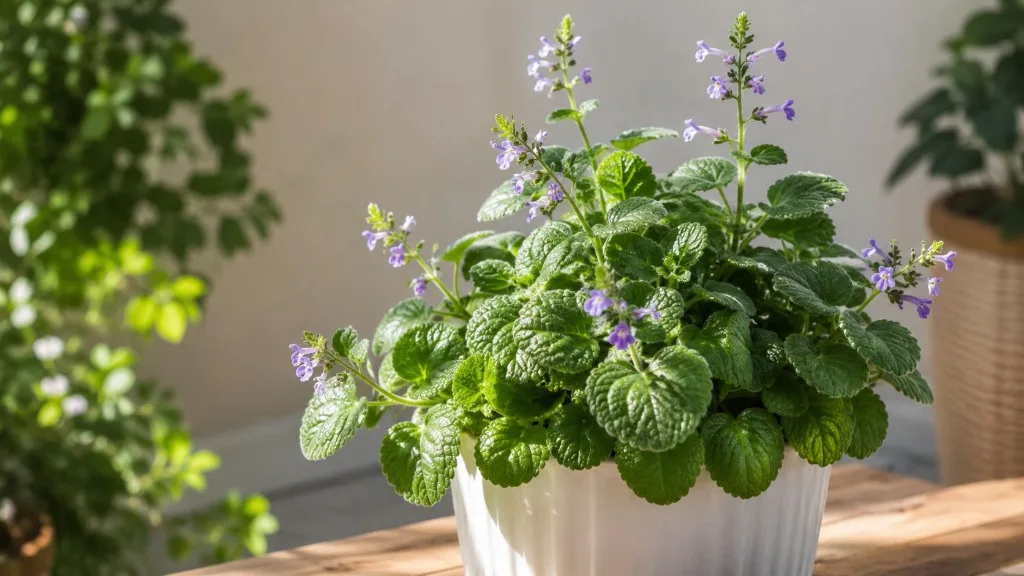
Watering Swedish Ivy: Schedule, Soil Checks & Mistakes
Watering Swedish Ivy: Schedule, Soil Checks & Mistakes
Swedish ivy looks like a soft, thirsty trailer that wants a drink every time you walk past it. The rounded, slightly succulent leaves suggest a plant that drinks on demand. In reality, most Swedish ivy sold as houseplants - usually Plectranthus verticillatus, though often mislabeled Plectranthus australis - comes from southern and southeastern Africa, where it grows in bright, airy conditions with moisture that arrives in bursts and drains away quickly. Your job indoors is not to keep the soil damp. Your job is to run a wet-dry cycle: let the mix dry down, soak thoroughly, drain completely, then let it dry again. Watering Swedish ivy well means reading the pot, the leaves, and the season - not obeying a calendar that says “water every Sunday.” This guide gives you the logic behind that cycle, the moisture checks that actually work, realistic frequency ranges, and the mistakes that turn an easy beginner plant into a yellow-leafed, leggy mess with sour soil at the base.
Why Swedish Ivy Needs Dry-Down Between Waterings
Swedish ivy belongs to Lamiaceae, the mint family, but its care rhythm is closer to a semi-succulent trailer than to a moisture-loving fern. The leaves are thick, slightly fleshy, and capable of storing water - which is why experienced growers describe the plant as “vocal” about thirst. When moisture drops, leaves soften, pale slightly, and droop in a way that is easy to read. That same leaf storage also means the plant tolerates dry intervals better than it tolerates soggy roots.
PlantZAfrica warns plainly that waterlogged plants develop root rot - the primary indoor failure mode for Plectranthus verticillatus. Missouri Botanical Garden notes that P. australis is often a misapplied synonym in commerce - most “Swedish ivy” on shelves is P. verticillatus, the whorled plectranthus native to woodland and forest margins in southeastern Africa. The naming confusion matters less for daily care than the growth habit: trailing stems, a crown that can stay shaded by its own foliage, and roots that need oxygen between drinks.
That background changes how you read drooping. Soft, pale Swedish ivy leaves may mean the plant has used stored moisture and is ready for water - or they may mean roots in stale, airless mix can no longer move water upward. A heavy, cool pot with drooping foliage is not a thirst signal. It is a stress signal. The practical rule most credible sources converge on: water when the top 1 to 2 inches of soil feel dry, allow moderate drying between waterings, and never let the pot sit in standing water. In winter, let the mix dry deeper before you soak again.
How Much Water Swedish Ivy Actually Needs
Swedish ivy does not need a small daily sip. It needs an occasional deep soak that rewets the full root ball, followed by days or weeks of drying. Missouri Botanical Garden recommends medium moisture in well-drained soils - fully saturated after a watering event, then allowed to dry before the next one, not permanently damp. The amount per session matters less than completeness. Water until excess drains freely from the bottom, then stop until your checks confirm readiness.
Because the leaves store water, the plant tolerates dry intervals that would stress thinner-leaved tropicals. Frequent light top waterings often cause more damage than an occasional late drink - they keep the surface damp while the center stays unevenly wet or the crown rots in a hanging basket where drainage is slow. Both a small tabletop pot and a large hanging planter need the same principle: saturate once, drain completely, then wait. Typical starting ranges are every 7 to 10 days in spring and summer and every 14 to 21 days in fall and winter, always adjusted for light, pot size, and material.
Missouri Botanical Garden notes that Swedish ivy tolerates drought but looks its healthiest with even moisture in well-drained soil - again, the wet-dry cycle, not constant sogginess. PlantZAfrica likewise warns that overwatering leads to root rot and that it is better to let the surface dry between drinks than to keep mix waterlogged. That asymmetry should guide your instincts when you are unsure - wait another day rather than pour.
How Often to Water Swedish Ivy Indoors
Indoor Swedish ivy usually needs watering roughly every 7 to 10 days during active growth and every 14 to 21 days during winter slowdown, but the honest answer is always “when the mix and leaves say so.” A plant in a bright east window above a warm radiator may dry in five days. The same specimen in a north-facing room during a cool February may hold moisture for three weeks without harm. Treat published intervals as hypotheses you test against your pot, not commandments carved into a watering app.
Build a check habit before you build a schedule. During spring and summer, inspect your Swedish ivy every few days - not to water by default, but to run the moisture checks and notice how fast your specific container dries. After two weeks in the same spot, you will know whether your plant behaves like a seven-day Swedish ivy or a twelve-day Swedish ivy. That personal baseline beats any generic chart because it accounts for your mix, your pot material, your light, and your humidity.
Average household humidity in the 40–60% range suits Swedish ivy well. Missouri Botanical Garden lists drought tolerance among its traits, so do not compensate for dry winter air by keeping the mix constantly wet - fungus gnats thrive in persistently damp organic soil, and wet crowns in low airflow invite leaf spotting. Do not compensate for dry winter air by keeping the mix constantly wet - fungus gnats thrive in persistently damp organic soil, and wet crowns in low airflow invite leaf spotting.
Finger Test, Skewer Probe, and Pot Weight
The finger test is the fastest daily check. Press your finger into the mix one to two inches deep near the pot edge, away from the densest stem cluster. If the soil feels cool and clings slightly at depth, wait. If the top 1 to 2 inches feel dry and crumbly with no coolness below your first knuckle, consider watering. For Swedish ivy, surface color lies more often than you expect - peat-based mixes can look dry on top while the center still holds moisture, especially in plastic pots.
The pot weight test is the most reliable signal once you learn your container. Lift the pot immediately after a thorough watering and notice the heft. Lift it every few days. A pot that feels dramatically lighter has lost most of its available moisture. Clemson Extension recommends checking soil moisture before watering when leaves wilt, in case someone else in the household already watered - pot weight catches those hidden soakings that the finger test misses. Combine weight with the finger test when unsure: light pot plus dry top inch equals water; heavy pot plus soft leaves equals trouble, not thirst.
A wooden skewer, chopstick, or bamboo probe works as a low-tech depth check. Insert it to mid-pot depth, wait thirty to sixty seconds, pull it out. Damp particles clinging to the wood mean wait. Clean, dry wood with a light pot means water. In winter, push deeper - Clemson Extension advises allowing the mix to dry further between waterings when growth slows.
The Leaf Softness Test for Swedish Ivy
Swedish ivy stores water in its thick, semi-succulent leaves, which makes leaf texture one of the most useful watering signals available - and one of the most misread. The leaf softness test is simple: gently pinch a mature leaf between your fingers. Normally, Swedish ivy leaves feel firm and slightly thick, with a crisp snap when you bend them slightly. When the plant has drawn down its internal reserves, leaves become soft, pale, and rubbery, and the whole trailer may droop even though it still looks green.
This vocal quality is why growers love Swedish ivy for learning watering timing. PlantZAfrica describes checking pot-grown P. verticillatus for drooping as a reliable thirst signal, with leaves perking back up after a thorough soak. That recovery speed is real for mild thirst - but only when the pot is actually dry. Leaf texture confirms what soil probes miss, especially when roots are recovering and the mix dries unevenly. Soft leaves on a heavy, wet pot signal root damage or crown rot, not drought. Soft leaves on a light, dry pot signal thirst. Test mature foliage along established stems, not the tiny new tips at the growing ends. Yellowing lower leaves on wet soil usually point to excess moisture or natural aging, not underwatering.
Seasonal Watering Schedule for Swedish Ivy
Seasonal adjustment is not a refinement for advanced growers. It is core care. The same Swedish ivy that dries in seven days during a bright June may take twenty-one days or longer during a dim December without any change to how much you enjoy the plant. Growth speed, transpiration rate, and day length all shift the dry-down window. Your job is to match watering to the plant’s current metabolism, not to the month on the calendar alone.
Spring Summer Growth and Winter Slowdown
During spring and summer active growth, Swedish ivy extends trailing stems, fills out crown density, and may produce small white or pale purple tubular flowers if light is adequate. Water demand rises. Allow the top 1 to 2 inches of mix to dry between waterings, then soak thoroughly. Typical indoor frequency lands in the 7 to 10 day range, but bright light and warm temperatures push toward the shorter end. If new growth is firm, internodes are reasonably tight, and vines are extending steadily, your wet-dry cycle is probably working.
During autumn, begin stretching intervals slightly. The plant slows even before you notice it visually. Continue the top-inch dry check, but expect the pot to hold moisture longer as temperatures drop and light weakens. This transitional period is where calendar waterers get caught - still watering every seven days because “that is what I did all summer.”
During winter slowdown, reduce frequency deliberately. Swedish ivy does not go fully dormant indoors, but growth pauses in cool, low-light conditions. Water use drops sharply. Allow a deeper dry-down before watering again - PlantZAfrica notes that surface soil should dry for a few days between waterings in cooler months, which often translates to every two to three weeks indoors. The pot weight test becomes your primary signal because surface soil checks can mislead when the plant is barely drinking. Yellowing leaves during winter on a constantly damp mix are a clear sign to stretch the interval further.
Resume your summer rhythm only when you see consistent new growth and the pot dries on a faster, predictable pattern again - usually as light strengthens in late winter or early spring. Do not ramp up watering because the calendar says March. Ramp up because the plant’s checks say it is ready.
Watering Swedish Ivy by Pot Size and Placement
Pot size and placement change the watering schedule the moment you repot or move the hanger - sometimes overnight. A larger pot holds more mix and more unused volume around a modest root ball. That extra mix stays wet longer, which means fewer waterings but a higher rot risk if you keep pouring on the old summer schedule. After Swedish Ivy repotting guide, expect the mix to dry more slowly until roots explore the new space. Check weight weekly and resist the urge to water on habit.
A smaller pot or a root-filled container dries faster. Mature Swedish ivy in tight pots may need water on the shorter end of summer ranges. Newly propagated cuttings in small cups dry quickly but have limited root mass to handle large drinks - keep the cycle gentle until roots establish and new growth firms up.
Terracotta dries faster and forgives slight overwatering by wicking moisture through the walls. Plastic and glazed ceramic retain moisture longer - excellent for forgetful waterers in bright light, risky in dim corners. Hanging baskets dry faster at the edges but can stay wet at the center where stems crowd the soil surface. Lift the trailer gently and check the crown zone separately from the pot rim.
Placement matters as much as pot material. Swedish ivy in Swedish Ivy light guide uses water predictably and dries at a steady rate. The same plant moved to a low-light shelf transpires less but also photosynthesizes less - and the number one trap is continuing the old watering rhythm while roots sit in wet mix for weeks. If you must keep Swedish ivy in lower light, stretch intervals and prioritize drainage over sympathy watering.
The Right Way to Water Swedish Ivy
The soak and drain method is the standard technique for Swedish ivy and most trailing houseplants. Water evenly across the soil surface until water runs steadily from the drainage holes. That single session should wet the entire root zone - think of it as mimicking a thorough rain event followed by free drainage. Stop when drainage flows clear, not when the surface looks shiny for a moment.
Never let the pot sit in standing water. Empty saucers, cachepots, and sink basins immediately after watering. Swedish ivy roots need oxygen between soaks; they did not evolve to sit in a saucer puddle for forty-eight hours. PlantZAfrica identifies overwatering and poor drainage as the primary cause of root rot, with drooping foliage and a failing crown as key symptoms.
Water at the soil level rather than overhead when possible. Lift trailing stems gently and direct water at the mix edge. Swedish ivy foliage can spot if water sits on leaves in cool, low-airflow rooms. For hanging plants, water until you see drainage, pause, then water once more to ensure the upper mix - which dries first - gets fully rewetted. Some growers bring the entire hanging basket into the shower for a thorough soak, let it drip dry, then rehang - a practical approach for crowded crowns that are hard to reach with a narrow spout.
After watering, note the pot weight or date as a reference, then wait for the dry-down. The next watering comes only when checks confirm readiness, not when you happen to walk past with a watering can. This discipline is the entire game. Everything else - mix recipe, light levels, humidity - modifies how long the wait lasts.
Signs You Are Overwatering Swedish Ivy
Overwatering is the primary killer of Swedish ivy indoors, and it often looks like the plant needs more care, not less. Watch for these patterns together rather than in isolation.
Yellowing leaves - especially lower or inner leaves that turn soft and drop easily - often signal excess moisture and declining root function. PlantZAfrica links chronic overwatering to root rot and recommends watering less frequently when foliage yellows on wet mix. A single yellow leaf may be natural aging, but multiple yellow leaves appearing while the mix stays damp is a warning.
Soft, mushy stems near the soil line suggest rot advancing from the root zone upward. Inspect immediately by gently checking whether the mix smells sour or whether fungus gnats hover constantly around the pot surface.
Leggy, weak new growth in low light combined with constantly damp soil is an under-discussed overwatering pattern. The plant stretches toward light while roots suffocate - you see long internodes and think it needs fertilizer or more water, when it needs less moisture and better light.
Fungus gnats hovering around the pot surface indicate persistently damp organic mix. The adults are annoying; the larvae in wet soil feed on roots and organic matter. Drying the cycle fixes the habitat gnats need.
Wilting on a heavy, wet pot means damaged roots cannot move water. Pause watering and assess root health. Mild cases resolve with longer dry-down cycles; advanced rot requires unpotting and trimming dead roots.
Signs Swedish Ivy Is Thirsty or Underwatered
Underwatering Swedish ivy is usually less dangerous than overwatering, but repeated drought still stresses fine roots and can leave the plant sparse at the crown while tips keep growing. The signs are distinct once you know what to look for.
Soft, rubbery, pale leaves on an otherwise healthy vine are the hallmark thirst signal. The plant has drawn down stored leaf moisture because roots cannot supply enough water. Leaves that were thick and firm become pliable and may droop dramatically - then perk up within hours of a thorough soak if roots are healthy.
Dry, crispy leaf edges on older foliage point to chronic underwatering or very dry air. Check whether the issue is soil dryness or humidity below thirty percent before you change your watering rhythm. Check whether the issue is soil dryness or humidity below thirty percent before you change your watering rhythm.
A dramatically light pot combined with dry soil at one to two inches depth means the mix has lost most available moisture. Weight plus soil checks together are more reliable than either alone.
Slow or stalled growth during the active season, with firm but unchanging vine length, can mean the plant is surviving on leaf reserves rather than actively pulling water. Confirm dryness at depth before soaking.
Recovery for mild underwatering: water thoroughly until drainage flows, empty the saucer, and resume the dry-between cycle. One full soak, then wait - not a week of daily sips. If the plant wilted severely, expect some lower leaf drop as it reallocates energy; new growth after recovery is the signal that your rhythm is back on track.
Soil Mix and Drainage as Hidden Watering Factors
You cannot separate watering from soil. The best soak-and-drain technique fails in a mix that holds water like a sponge. Swedish ivy needs a well-draining potting mix with enough organic matter to retain some moisture between soaks but enough porosity to dry within days, not weeks. Missouri Botanical Garden recommends humusy, medium moisture, well-drained soils for container culture.
A practical home approach: use a quality all-purpose potting mix amended with perlite until water drains in seconds rather than pooling on top. If your mix compacts after six months and the dry-down window shrinks from ten days to four without any change in light, the soil - not your technique - is the problem. Repot into fresh, airy mix rather than compensating with rarer waterings in concrete-like peat.
Drainage holes are non-negotiable. Decorative pots without holes are display sleeves, not growing homes - use a nursery pot inside and always drain after watering. Stones at the pot bottom do not fix bad mix; texture throughout the container does.
Heavy, water-retentive mixes paired with low light and plastic pots are the trifecta that kills Swedish ivy slowly. You will not fix that with a better calendar. Fix the mix, the light, or the pot - ideally all three before you declare the plant difficult.
Water Quality, Temperature, and Timing
Water quality matters more for Swedish ivy than beginners expect, though the plant is less fussy than some finicky tropicals. Tap water is fine in most areas; Clemson Extension notes that most houseplants tolerate municipal water, though hard or heavily chlorinated water may warrant filtered or rainwater if leaf edges brown chronically.
Temperature should be close to room comfort. Cold tap water on warm roots can shock the plant and slow growth. Fill your watering can after the last session and let it sit until it matches room temperature - typically 16–24°C (60–75°F), the comfort zone Missouri Botanical Garden recommends for container Swedish ivy.
Timing is flexible. Morning watering lets incidental splash dry during the day. Evening watering is fine if drainage is thorough and foliage is not left soaking overnight in a cool room. What matters is the dry-down after the soak, not the clock on the wall.
If you fertilize during active growth, water first when the mix is due - never feed drought-stressed or bone-dry soil. Swedish ivy is a moderate feeder, but fertilizer is not a substitute for correct moisture.
Watering Swedish Ivy in Hanging Baskets
Most Swedish ivy lives in hanging baskets, and hanging changes the physics of watering. Heat and airflow at elevation often dry the outer mix faster than the center, where trailing stems shade the soil surface. The crown can stay damp for days while the pot rim looks dusty and dry. Always check mid-pot depth, not just the edge.
When you water a hanger, rotate the pot slowly and water all sides until drainage runs. Pause, then add a second short pass - the first soak often channels down the sides and misses the center in root-bound baskets. If water runs straight through without moistening, the mix may be hydrophobic from chronic dryness; bottom-soak the nursery pot in a basin for twenty minutes, then drain fully.
Weight is especially useful for hangers because you cannot easily finger-test the center. Learn the heft after a full soak and compare every few days. A hanger that feels feather-light in mid-winter still should not be watered until you confirm dryness at depth - but a hanger that feels light in July with soft leaves is almost certainly ready.
After shower-soaking a hanging Swedish ivy, let it drip until water stops running before rehanging over furniture or carpets. A few minutes of dripping prevents the slow saucer effect that forms when runoff collects in a macramé hanger bottom or decorative bowl.
Common Swedish Ivy Watering Mistakes and Quick Fixes
Most Swedish ivy watering failures repeat the same few patterns. Recognizing them early saves roots.
Mistake: watering on a fixed weekly schedule without checking. Fix: use the calendar as a reminder to inspect, not as permission to pour. Run finger, weight, and leaf checks first.
Mistake: light daily sips to “keep it moist.” Fix: switch to full soak-and-drain cycles. Shallow watering trains surface roots and leaves the center dry or chronically damp at the bottom.
Mistake: assuming wilting always means thirst. Fix: lift the pot. Heavy and wet plus soft leaves equals root stress; light and dry plus rubbery leaves equals water.
Mistake: keeping Swedish ivy in low light and compensating with more water. Fix: move to brighter indirect light or stretch intervals dramatically. Wet soil in dim corners is the common path to yellow leaves and leggy stems.
Mistake: misting leaves instead of fixing soil moisture. Fix: misting raises humidity briefly but does not hydrate roots and can encourage spotting. Water the mix when dry; use a pebble tray or humidifier if air is desert-dry.
Mistake: ignoring the seasonal shift. Fix: track dry-down days across a month. When the pot starts holding moisture twice as long, you are entering winter rhythm whether the calendar agrees or not.
Standing Water, Cachepots, and Root Rot
Standing water in saucers and cachepots is the most preventable cause of Swedish ivy root rot. After every watering, empty runoff within minutes. If your decorative pot has no drainage and you cannot lift the inner container, change the setup - no care trick compensates for a sealed bottom.
Root rot from chronic overwatering may present as yellow leaves, mushy stems, sour-smelling mix, and a plant that wilts in wet soil. PlantZAfrica describes root rot from overwatering and recommends allowing soil to dry slightly between waterings with good drainage. If rot is advanced, unpot, trim blackened roots with clean shears, let cuts air-dry briefly, and repot into fresh airy mix in a smaller container if needed. Reduce watering frequency while the plant re-establishes. Mild cases sometimes recover with a strict dry-down; advanced cases may require propagation from healthy stem tips as insurance.
Fungus gnats signal wet organic surface soil - dry the cycle, not just trap the adults.
Watering After Repotting and Propagation
Freshly repotted Swedish ivy needs a adjusted rhythm from day one. New mix surrounds roots with more moisture-retentive volume than the old root ball occupied. Water thoroughly once after repotting if the mix is dry, then wait longer than usual before the next soak - often an extra three to five days beyond your normal interval while roots explore. Do not water on the old schedule out of habit.
Newly propagated cuttings in small cups or propagation boxes need a gentler cycle. Cuttings without established roots cannot use a full soak the way a mature plant does. Keep the medium lightly moist - not wet - until roots form and new growth firms. Once a cutting is rooted and transferred to a proper pot with drainage, transition to the adult soak-and-drain rhythm gradually.
If you take cuttings because the parent plant suffered rot, propagate only from firm, green stems above any mushy tissue. Rot travels upward slowly but surely - a healthy-looking tip on a failing base is still worth saving.
After any repot or propagation move, keep light stable and avoid stacking fertilizer, pruning, and relocation on the same week. Let the plant tell you when it is drinking normally again by returning to a predictable dry-down speed.
Building a Simple Weekly Watering Routine
You do not need expensive tools to water Swedish ivy well. You need a consistent rhythm of checking.
Twice weekly (spring through fall): Lift the pot or hanger, check soil at one to two inches, pinch a mature leaf for firmness. If the top inch is dry, the pot is light, and leaves feel slightly soft, soak until drainage flows and empty the saucer or drip tray.
Weekly (winter): Rely on pot weight and a deep skewer probe. Do not water on elapsed time alone. Expect fourteen to twenty-one days between soaks in cool, dim rooms.
Monthly: Assess whether drainage has slowed - compacted mix approaches faster than most growers expect. If dry-down windows shrink without environmental changes, plan a repot into fresh mix.
When you travel: Swedish ivy’s leaf storage buys you more time than thin-leaf tropicals. A thorough soak and drain two days before departure, moved slightly back from the brightest window, often holds for ten to fourteen days in moderate temperatures. Do not leave the pot in a filled saucer “for safety.”
Within a month of consistent checks, you will water from observation rather than anxiety - one good drink when the plant is ready, not a hundred nervous sips because the leaves looked dramatic at noon.
Conclusion
Watering Swedish ivy comes down to one practical truth: trailing, semi-succulent leaves store water and forgive missed drinks far more willingly than they forgive soggy, airless mix. Check the top 1 to 2 inches of soil for dryness - deeper in winter - lift the pot for weight, and use the leaf softness test before every watering. Soak thoroughly when the plant is ready, drain completely, and stretch your intervals when growth slows or light drops. Match your rhythm to a well-draining mix in a pot with real drainage holes, use room-temperature water at soil level, and treat yellow leaves on wet soil as a stop sign - not a request for more. Swedish ivy is one of the most forgiving houseplants when you respect the dry-down cycle. Get that cycle right and it rewards you with firm, glossy trails that recover from mistakes quickly and tell you plainly when they want the next drink. The calendar is a reminder to look at your plant. The plant is the schedule.
When to use this page vs other Swedish Ivy guides
- Swedish Ivy overview - Start here for whole-plant context before deep-diving this topic.
- Swedish Ivy problems hub - Jump to symptom-specific fix guides when this care topic does not resolve the issue.
- Drooping Leaves on Swedish Ivy - Escalate here when watering adjustments are not enough.
Related Swedish Ivy guides
- Swedish Ivy overview
- Swedish Ivy light
- Swedish Ivy soil
- Swedish Ivy propagation
- Swedish Ivy fertilizer
- Swedish Ivy repotting
- Drooping Leaves on Swedish Ivy
- Swedish Ivy problems
Related tool
Try the Plant Watering Calculator with swedish-ivy pre-selected to estimate needs for your setup.