Best Soil for Swedish Ivy: Mix, Drainage & Repotting
Best Soil for Swedish Ivy: Mix, Drainage & Repotting
Best Soil for Swedish Ivy: Mix, Drainage & Repotting
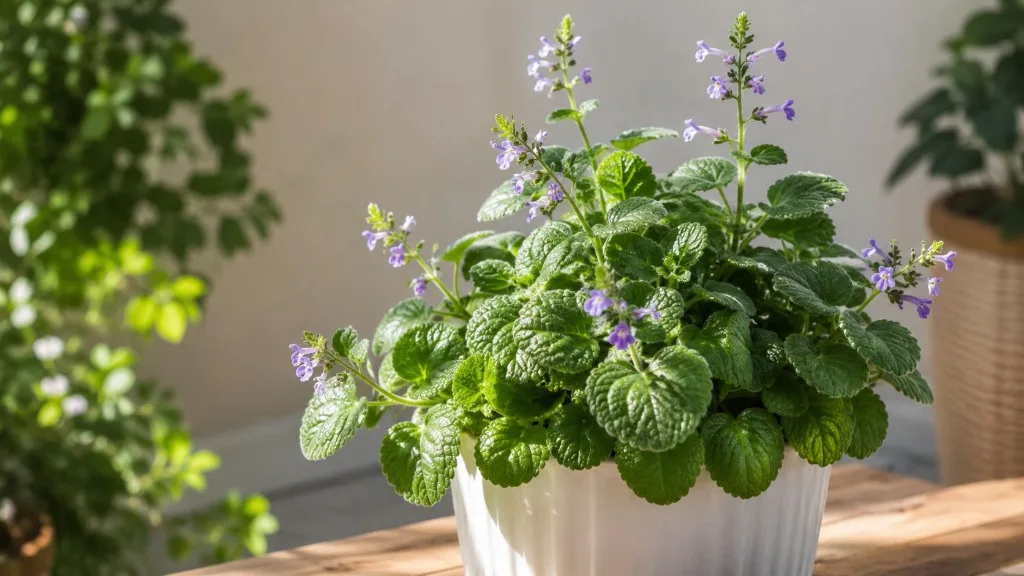
Best soil for Swedish ivy is not a mystery formula locked behind horticultural credentials. It is a well-aerated, slightly acidic peat-based mix that drains fast enough to keep roots breathing yet holds enough moisture that fine feeder roots do not dry out between waterings. Plectranthus australis - the species most often sold as Swedish ivy, though many nurseries label the closely related Plectranthus verticillatus (creeping Charlie) the same way - is a trailing member of the Lamiaceae family native to southern Africa. Despite the common name, it is neither Swedish nor a true ivy. What it shares with ivy is a cascading growth habit that makes it a favorite for hanging baskets and elevated shelves, and what it shares with many mint-family houseplants is a low tolerance for stagnant, oxygen-poor root zones.
The practical starting point for most indoor growers is straightforward: use a peat-based potting mix amended with perlite so roughly one-third of the volume is coarse, non-compacting material. Target a pH between 5.5 and 6.5, keep the plant in a pot with functional drainage holes, and repot every one to three years when roots circle the container or the mix breaks down. Swedish ivy prefers consistently moist soil, but “moist” and “wet” are not the same thing. Moist means the mix holds water in the pore spaces roots can reach; wet means excess water sits in the lower profile with nowhere to go, and that is where root rot begins.
This guide covers what Swedish ivy needs from its root zone, how to build or buy the right mix, how to match your pot to the soil system, when to repot, and how to fix the soil problems that show up as yellow leaves, leggy stems, or a sour smell long before the plant looks obviously sick.
If symptoms persist, see the Brown Leaves on Swedish Ivy guide.
Why Soil Is the Foundation of Healthy Swedish Ivy
Soil is the operating system for everything else you do with Swedish ivy. Light determines how fast the plant photosynthesizes; water delivers dissolved minerals; temperature sets metabolic speed. But soil controls how much air reaches the roots, how quickly water moves through the pot after a thorough drink, and how long nutrients remain available before leaching or salt buildup makes the root zone hostile. A Swedish ivy in the wrong mix can receive perfect light and a careful Swedish Ivy watering guide and still decline, because the roots are either suffocating in saturated peat or desiccating in a mix that dries into a hard puck between waterings.
Swedish ivy is often marketed as an easy, forgiving beginner plant, and that reputation is mostly deserved - but “forgiving” does not mean “indifferent to drainage.” Missouri Botanical Garden notes that Swedish ivy looks its healthiest with medium moisture in well-drained soils, and that overwatering in a container with poor drainage is a primary cause of root rot. PlantZAfrica similarly emphasizes rich, well-drained soil and warns that waterlogged plants develop root rot. The pattern across credible sources is consistent: drainage is non-negotiable, moisture retention is desirable, and the balance between the two is what separates a lush trailing plant from one that yellows at the base while the tips still look green.
The trailing growth habit adds a layer of practical complexity. In a hanging basket, gravity pulls water through the mix faster than in a squat tabletop pot. A shelf plant in a glazed ceramic container may hold moisture two or three days longer than the same plant in terracotta. Soil recommendations that ignore pot type and placement are incomplete. The best soil for your Swedish ivy is the mix that produces a predictable dry-down rhythm in your specific setup - not an abstract recipe copied from a label.
What Swedish Ivy Needs from Its Root Zone
Swedish ivy roots are relatively fine and fibrous, spreading through the upper and middle profile of the container rather than driving deep like a tree root. They need three things from the mix: oxygen, available water, and accessible minerals in a pH range the plant can actually use. When any one of those fails, symptoms show up in the foliage - but the damage starts underground days or weeks earlier.
In its native southern African range, Swedish ivy grows in loose, organic-rich soils that drain freely during seasonal rains and dry moderately between events. Indoors, you are compressing that natural cycle into a small pot that gets watered on a human schedule rather than a weather pattern. The mix has to compensate for the artificial environment by staying structurally open: plenty of pore space for air even after the mix has been watered, and enough organic matter to buffer moisture so a missed watering does not instantly stress the plant.
Drainage and Aeration
Drainage is how fast excess water exits the pot after a thorough watering. Aeration is how much air remains in the pore spaces once the free water has drained. They are related but not identical. A mix can drain quickly yet still compact over time, squeezing out the air channels roots depend on. Perlite, coarse sand, and chunky coco coir fragments maintain open structure because they do not break down quickly. Peat moss and compost contribute organic matter and moisture retention, but peat compacts as it decomposes - which is why refreshing soil at Swedish Ivy repotting guide matters even when the plant is not yet root-bound.
For Swedish ivy, aim for a mix where water moves through the full profile within seconds of watering, not one where water pools on the surface or runs down the gap between soil and pot wall. A simple test: water until runoff appears, then lift the pot. It should feel noticeably heavier, but if water still sits in the saucer an hour later in a room-temperature environment, either the mix is too dense, the drainage hole is blocked, or the pot is oversized relative to the root mass.
Moisture Retention Without Waterlogging
Swedish ivy is not a succulent. It does not want to sit in bone-dry soil for a week, nor does it want its roots submerged in a wet sponge. The ideal state is what growers call even moisture: the mix is damp throughout the root zone, the surface dries slightly between waterings, and the lower profile never stays saturated for more than a few hours after irrigation. Peat moss and coco coir excel at holding water in thin films on their particle surfaces - water that roots can extract without drowning. Perlite holds almost no water but keeps the structure open so those films do not merge into a single waterlogged mass.
The tension between drainage and retention is why the equal-parts recipe works so well for Swedish Ivy overview. One-third peat (or peat-coir blend) provides acidity and moisture buffering. One-third quality potting soil contributes structure and starter nutrients. One-third perlite provides the air channels that keep the other two-thirds from compacting into a brick. Adjust the ratio if your home runs humid and cool (add perlite) or hot and dry (slightly more peat or coir).
The Ideal Swedish Ivy Soil Mix Recipe
The best soil for Swedish ivy is a light, fertile, well-draining peat-based mix with a slightly acidic to neutral pH. PlantZAfrica recommends a rich, well-drained soil mix with peat and sand for container culture - a blend most quality indoor potting mixes approximate out of the bag. If you are mixing from scratch or amending a store-bought product, think in terms of structure first and fertility second. Swedish ivy is not a heavy feeder, and most problems attributed to “bad soil” are actually drainage and compaction problems that no amount of fertilizer will fix.
DIY Blend: Peat, Perlite, and Potting Soil
The most reliable DIY recipe uses equal parts of three components:
- All-purpose or indoor potting soil - provides base structure and moderate nutrients
- Sphagnum peat moss or coco coir - adds acidity and moisture retention (coir is the more sustainable alternative with similar behavior)
- Perlite - supplies permanent aeration; do not substitute vermiculite one-for-one if your goal is maximum drainage, since vermiculite holds more water
Mix thoroughly in a clean tub or wheelbarrow until the perlite is distributed evenly - streaky perlite means streaky drainage. For a single 6-inch pot, a few cups of finished mix is enough. For repotting a mature hanging basket, scale up proportionally.
An alternative ratio favored by some growers - two parts potting soil, one part perlite, one part peat - produces a slightly denser mix that retains moisture longer. Use this in hot, dry rooms or for plants in small pots that dry out in two days. In a cool, low-light office or a cachepot setup, stick with the equal-parts blend or push perlite closer to 40 percent of total volume.
Optional amendments worth adding in small amounts: worm castings or compost (no more than 10 percent of total volume) for slow-release organic nutrition; coarse sand (horticultural grade, not beach sand) if you want even faster drainage in a very large hanging basket. Skip water-retention crystals unless you travel frequently and understand they can hold excess moisture in a already-peaty mix.
Commercial Mixes Worth Using
Not everyone wants to mix soil on the patio. A quality indoor or all-purpose peat-based potting mix works as a base if you amend it. Look for a product listing peat moss or coco coir, perlite, and a wetting agent on the label. Gardener’s Path recommends indoor mixes that include coconut coir, perlite, and sphagnum peat - the combination mirrors what you would build by hand.
Amend store-bought mix at roughly one part perlite to three or four parts bagged soil for Swedish ivy in standard containers. For hanging baskets in bright light, go to one part perlite to two parts soil. Cactus or succulent mix alone is usually too lean and fast-draining for Swedish ivy unless you blend it 50/50 with peat-based potting soil - straight cactus mix dries too aggressively and forces you into daily watering that stresses roots through constant wet-dry swings.
Brands matter less than ingredients. A cheap, fine-textured mix heavy on composted bark fines and short on perlite will compact within months. When in doubt, open the bag: you should see visible white perlite particles throughout, not a uniform dark mush.
Soil pH and Mineral Balance
Swedish ivy prefers slightly acidic to neutral soil - typical of peat-based indoor mixes. Missouri Botanical Garden recommends humusy, well-drained soils for container culture. In that range, essential nutrients like nitrogen, iron, and manganese remain soluble and available to roots. Push too alkaline (above 7.0) and iron chlorosis - yellowing between leaf veins on new growth - becomes more likely even when fertilizer is present. Push too acidic (below 5.0) and aluminum and manganese toxicity can interfere with phosphorus uptake. Most peat-based potting mixes land in the right zone without amendment.
Over time, salt buildup from tap water minerals and fertilizer residue raises the electrical conductivity of the mix and can burn leaf margins even when pH is fine. If you see a white crust on the soil surface, leaf tips browning despite adequate moisture, or slowed growth after months of regular feeding, flush the soil: water slowly with several pot-volumes of water until runoff runs clear, let drain fully, and empty the saucer. Do this every few months in hard-water areas or after any fertilizer overdose.
Peat-based mixes also decompose. As organic matter breaks down, particle size shrinks, pore space collapses, and drainage slows. This is normal and is one of the main reasons to refresh soil at repotting even if the plant still fits its pot. A Swedish ivy that needed watering every five days in fresh mix but now needs it every ten in the same pot and light is not “getting easier to care for” - the soil is holding water differently, and root health may be declining in the anaerobic lower profile.
Matching Your Pot to the Mix
Soil and pot are a single system. The same mix behaves differently in terracotta, glazed ceramic, plastic, and woven hanging-basket liners. Terracotta wicks moisture through its porous walls, speeding dry-down - useful in cool rooms or for growers who tend to overwater. Glazed ceramic and plastic retain moisture longer, which can be an advantage in hot, bright conditions or a liability in dim corners. Hanging baskets with coconut coir or sphagnum liners add another layer of evaporation on the sides.
Choose a pot only one size larger than the current root ball when repotting - typically 1 to 2 inches (2.5 to 5 cm) wider in diameter. Oversized pots surround a small root mass with a large volume of mix that stays wet for days after each watering. Swedish ivy is not a fast enough root colonizer to use up that excess moisture before anaerobic conditions develop. Depth matters less than width for this trailing plant, but avoid absurdly shallow containers that force roots into a pancake shape with minimal vertical drainage path.
Drainage Holes, Saucers, and Cachepots
Drainage holes are mandatory for long-term Swedish ivy health. No layer of gravel at the bottom compensates for a sealed pot base - the water table still rises to saturate the lowest soil layer, and roots grow into that zone because that is where moisture concentrates. If you want a decorative outer pot, use it as a cachepot: grow the plant in a plain nursery pot with holes, water at the sink, let drain completely, then set it inside the decorative shell. Empty any accumulated runoff within 30 minutes.
Saucers protect furniture but become reservoirs if left full. A Swedish ivy sitting in a saucer of stale water for two days is functionally being bottom-watered into saturation. After every watering, check the saucer. In hanging baskets, ensure the liner has drainage and that water does not pool in the basket bottom - a few holes punched through a plastic liner cost nothing and prevent a surprising amount of root rot.
Signs Your Swedish Ivy Soil Needs Attention
Soil problems announce themselves indirectly. Learn to read these signals before repotting on impulse:
- Persistent wilting despite wet surface soil - often indicates compaction or root damage; water is not reaching functional roots
- Yellowing lower leaves with soggy mix - classic overwatering in dense soil or a pot without drainage
- Crispy leaf edges with fast dry-down - mix may be too lean, pot too small, or roots so root-bound that water channels out without soaking the mass
- Sour, swampy, or musty smell from the pot - anaerobic bacteria in waterlogged soil; roots are losing oxygen
- White mineral crust on soil surface - salt accumulation; flush or refresh mix
- Water runs straight down the pot sides - hydrophobic, decomposed peat or shrinkage gap; mix needs refresh or thorough rehydration
- Slowed growth in good light with regular feeding - may indicate pH drift, salt toxicity, or nutrient lockout in exhausted soil
One useful diagnostic: compare your Swedish ivy to its dry-down speed three months ago. If everything else - light, pot size, room temperature - is stable but the watering interval has changed dramatically, suspect soil structure before reaching for fertilizer or moving the plant.
When and How to Repot
Repot Swedish ivy when roots circle the bottom, emerge from drainage holes, or the plant dries out abnormally fast despite a previously workable schedule. Also repot when the mix has clearly broken down - dense, shrunken away from pot walls, or smelling off. Timing is best in spring or early summer when active growth can help the plant recover quickly, though urgent root-rot situations override seasonal preference.
Most Swedish ivy in typical indoor conditions needs repotting every one to three years. Fast-growing specimens in bright light and large baskets may need it annually; slow growers in moderate light may go three years. Do not repot a newly purchased plant on day one unless the soil is visibly failing or pests are present. Let it acclimate two to four weeks, observe dry-down, then intervene if needed.
Step-by-Step Repotting Process
- Water lightly one day before if the mix is bone dry - working with slightly moist soil reduces root breakage
- Choose a pot one size up with drainage holes; rinse if reusing old pots
- Mix fresh soil using the recipe above; do not reuse old peat that smells sour
- Gently remove the plant - tip and squeeze plastic pots, run a knife around rigid pots
- Inspect roots - trim black, mushy sections with clean scissors; tease apart circling roots gently
- Fill the new pot one-third to half full with fresh mix, set the plant so the crown sits at the same depth as before (never bury stems deeper than they were growing)
- Backfill and firm lightly - do not pack; tap the pot sides to settle mix
- Water thoroughly, drain fully, and keep in Swedish Ivy light guide without direct sun stress for one to two weeks
- Hold fertilizer until you see new growth - fresh mix usually contains enough nutrients for the first month
Soil for Hanging Baskets and Trailing Growth
Hanging baskets present the highest drainage demand in Swedish ivy care. Heat rises, air circulates on all sides, and water exits from the bottom with the full force of gravity. A mix that works on a coffee table may dry too slowly in a basket - or, if the basket is in a hot window, too fast. For hanging specimens, lean toward 40 percent perlite in the blend and consider terracotta or breathable liners over solid plastic.
Weight is a practical concern. A 12-inch basket filled with waterlogged peat is heavy enough to stress hooks and brackets. Lighter, airier mix reduces load and drying time simultaneously. Top-dressing with a thin layer of perlite on the soil surface is optional but can slow algae growth on perpetually damp peat in bright light.
Because trailing stems hide the soil surface, make a habit of lifting the basket to check weight rather than relying on visual surface cues alone. A light basket in summer afternoon sun means water today; a heavy basket three days after watering in a cool room means wait.
Propagation Mix for Stem Cuttings
Swedish ivy propagates easily from stem cuttings with at least one node. The propagation mix should be lighter and faster-draining than the mother plant’s established mix, because young roots are fragile and rot quickly in saturated peat. Use equal parts perlite and peat, or perlite blended with a small amount of potting soil - roughly one part soil to two parts perlite.
Moisten the mix before inserting cuttings so it is damp but not dripping. Poke holes with a pencil rather than pushing cuttings into compacted mix, which can bruise the stem. Keep humidity high with a loose plastic bag or dome, but ensure the medium itself is airy. Once roots form and new growth appears - usually two to four weeks in warm, bright conditions - transplant into the standard Swedish ivy soil recipe rather than leaving cuttings in the lean propagation mix long term.
Seasonal Soil Adjustments
Soil behavior changes with season even when the recipe stays the same. In winter, shorter days and cooler room temperatures slow evaporation and root activity. A mix that dried in four days in July may take ten in January. That is not a signal to add water-retention amendments - it is a signal to check moisture before watering, not follow a summer schedule.
In summer, bright light and air conditioning create split environments: hot near a window, cool elsewhere. Swedish ivy in a south-facing basket may need the airier mix; the same cultivar on an interior shelf may do fine with slightly more peat. If you move plants between rooms seasonally, expect the dry-down rhythm to shift and adjust watering before adjusting soil.
Outdoor summering in USDA Zones 10–11 (or temporary patio placement in warm months) increases irrigation frequency and salt accumulation from rain and fertilizer. Flush soil before bringing plants back indoors in fall to avoid carrying pests and mineral buildup into the dry winter environment.
Common Soil Mistakes to Avoid
Adding gravel to the pot bottom is the most persistent myth in houseplant care. Water does not “drain through gravel into air” - it drains until the entire soil profile is saturated, then stops. The gravel simply reduces the volume of functional soil and raises the wet zone closer to the roots. Skip it.
Using garden soil or topsoil indoors introduces compaction, pests, and pathogens. Outdoor soil lacks the pore structure small containers need and often drains poorly in a pot.
Oversizing the pot at repotting is tempting when you want a bigger plant faster. Swedish ivy will not reward the gesture. Excess wet mix causes more problems than a slightly root-bound plant in appropriately sized soil.
Reusing decomposed peat from an old pot because “it looks fine” - sour smell, fine texture, and hydrophobic dry patches are your warnings. Fresh mix at repot is cheap insurance.
Ignoring the cachepot - watering directly into a decorative pot with no exit hole is one of the fastest routes to root rot. Always verify where water goes after it leaves the soil surface.
Matching soil to watering habits instead of fixing the habit - if you chronically overwater, switching to cactus mix alone will starve the plant while you still water too often. Fix the schedule and use an appropriately draining but moisture-buffered mix.
Troubleshooting Root-Zone Problems
When soil-related trouble appears, work through causes in order rather than changing everything at once.
Soggy mix, yellow leaves, soft stems: Stop watering. Move to brighter indirect light if the plant was in shade (slow evaporation compounds the problem). Check drainage holes. If smell is sour, remove the plant, trim rotten roots, and repot into fresh airy mix in a clean pot. Discard the old soil.
Dry mix, wilting, brown leaf edges: Water thoroughly until runoff, ensure the mix rehydrates evenly (sometimes dry peat repels water - soak the pot bottom-up for 20 minutes if needed). If roots are circling and water runs through instantly, repot with fresh mix.
Salt crust, tip burn, no new growth: Flush with several volumes of plain water over an hour. Pause fertilizer for four to six weeks. If symptoms persist, repot into fresh mix without adding slow-release fertilizer immediately.
Pests after soil stays wet too long: Fungus gnats breed in perpetually damp organic matter. Let the top inch dry between waterings, add a perlite top-dress, and consider a yellow sticky trap while correcting the moisture balance. Pesticides without fixing soggy soil treat symptoms only.
The recovery timeline after a soil correction is measured in weeks, not days. New root growth and fresh leaves tell you the fix worked; a single green leaf after repot does not mean the crisis is over. Patience and consistent moisture checks beat repeated repotting.
Conclusion
The best soil for Swedish ivy is a balanced peat-based mix - equal parts potting soil, peat or coco coir, and perlite - that drains within minutes, holds even moisture for several days, and stays in the pH 5.5–6.5 range. Pair it with a pot that has real drainage holes, size the container to the root mass rather than the trailing stems, and refresh the mix every one to three years before decomposition and salt buildup turn a good system into a slow decline.
Soil is not a set-and-forget ingredient. It is the medium through which every watering, feeding, and seasonal shift passes. When your Swedish ivy looks off and you have ruled out obvious pests, check the root zone first: smell the mix, lift the pot, water and watch how runoff behaves. Those three checks take less than a minute and diagnose more accurately than swapping fertilizer or moving the plant room to room. Get the soil right, and the trailing glossy foliage that makes Swedish ivy worth growing largely takes care of itself.
When to use this page vs other Swedish Ivy guides
- Swedish Ivy overview - Start here for whole-plant context before deep-diving this topic.
- Swedish Ivy problems hub - Jump to symptom-specific fix guides when this care topic does not resolve the issue.
Related Swedish Ivy guides
- Swedish Ivy overview
- Swedish Ivy watering
- Swedish Ivy light
- Swedish Ivy propagation
- Swedish Ivy fertilizer
- Swedish Ivy repotting
- Swedish Ivy problems
Related tool
Try the Soil Mix Calculator with swedish-ivy pre-selected to estimate needs for your setup.