Faded Flowers on Swedish Ivy: Causes, Checks & Fixes
Quick answer
Faded flowers on Swedish Ivy are usually normal-its small white to pale purple blooms are short-lived. First step: pinch or snip spent flower spikes just above a leaf node to keep the trailer bushy.
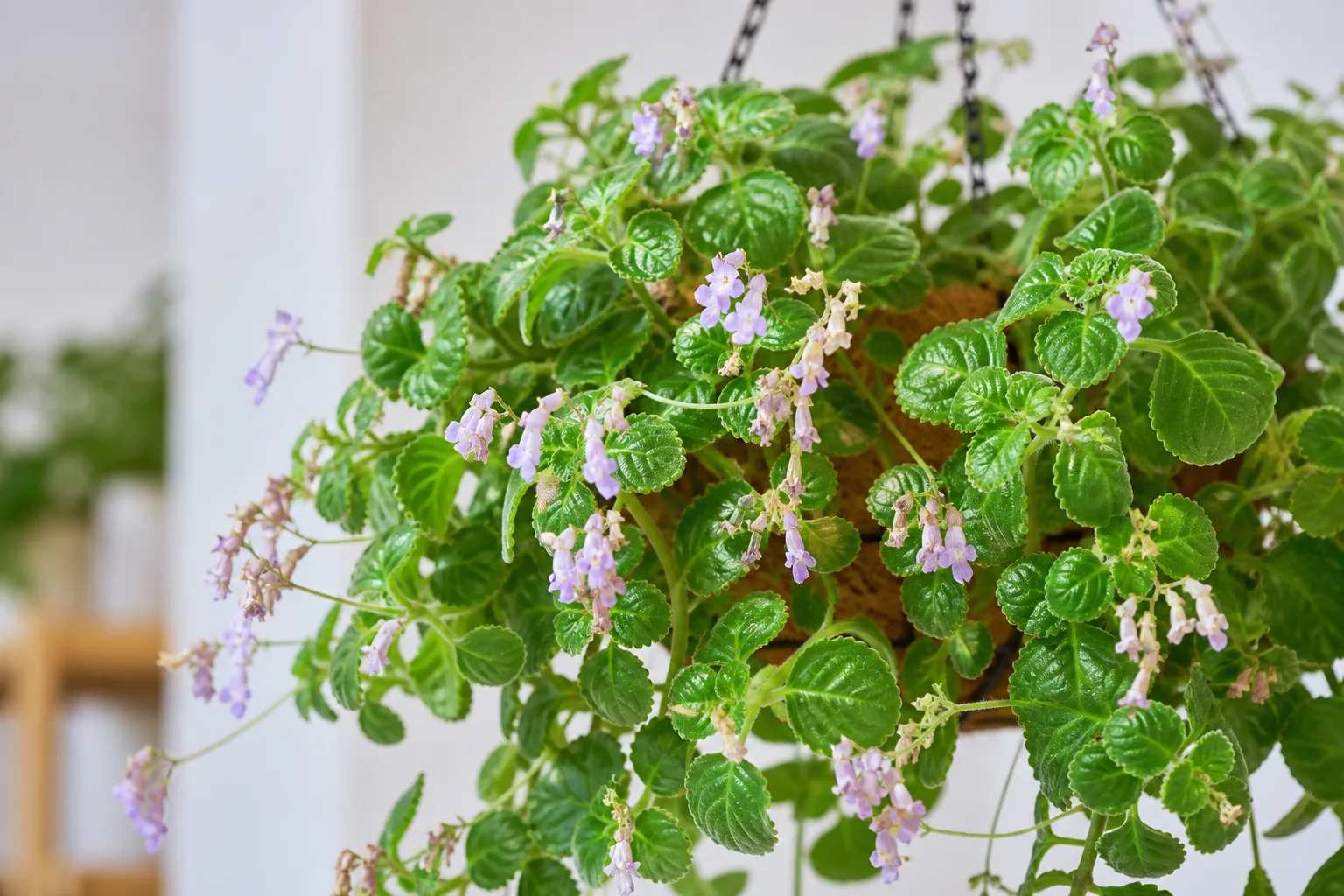
Faded Flowers on Swedish Ivy: Causes, Checks & Fixes
This guide covers faded flowers on Swedish Ivy. See also the general Faded Flowers guide, watering, and light pages for this plant.
Faded Flowers on Swedish Ivy: Causes, Checks & Fixes
Quick answer
Faded flowers on Swedish Ivy (Plectranthus australis, often sold under that name though RHS lists it as a misapplied synonym of P. verticillatus) are usually normal, not a crisis. This trailing mint-family plant produces small tubular white to pale purple flowers on upright racemes-and individual spikes are short-lived by nature. First step: once color dulls, pinch or snip spent flower spikes just above a leaf node to redirect energy into branching and keep the basket full.
Scope check: If you meant washed-out or bleached foliage with no flower spike present, use the faded leaves guide instead. This page covers spent tubular blooms on upright racemes only.
Normal fade vs stress fade - quick reference
| Signal | Normal bloom aging | Stress-related premature fade |
|---|---|---|
| Timeline | Tubes dull gradually over several days on a firm plant | Spike collapses within a day or two of a move, repot, or draft |
| Recent disruption | Basket stayed in the same spot | Repotting, shipping, or rotation away from usual window during bloom |
| Soil moisture | Top inch dries on schedule; runners firm | Mix swung soggy-to-dry or stayed wet while spike was open |
| Overall plant health | Glossy leaves, active tips, firm stems | Wilting runners, sour soil, or cottony pest patches |
| First fix | Pinch spent spike above a leaf node | Stabilize light and watering; deadhead after shock passes |
In March I tracked a four-runner east-window basket: the first upright spike opened with crisp white tubes on day 1, shifted to tan by day 5, and I pinched it just above the second leaf pair on day 6. Two side shoots broke from that node by week 3; a second spike appeared on a different runner in week 7-not the same stalk. That pattern-brief color on each spike, recovery judged by branching-matches what most indoor growers see on foliage-first Swedish Ivy.
What faded flowers look like on Swedish Ivy
Swedish Ivy blooms are modest compared with its glossy scalloped leaves. You will see slender upright racemes carrying tiny tubular florets white to pale purple-rather than large showy petals. Fresh spikes look crisp; fading shows as:
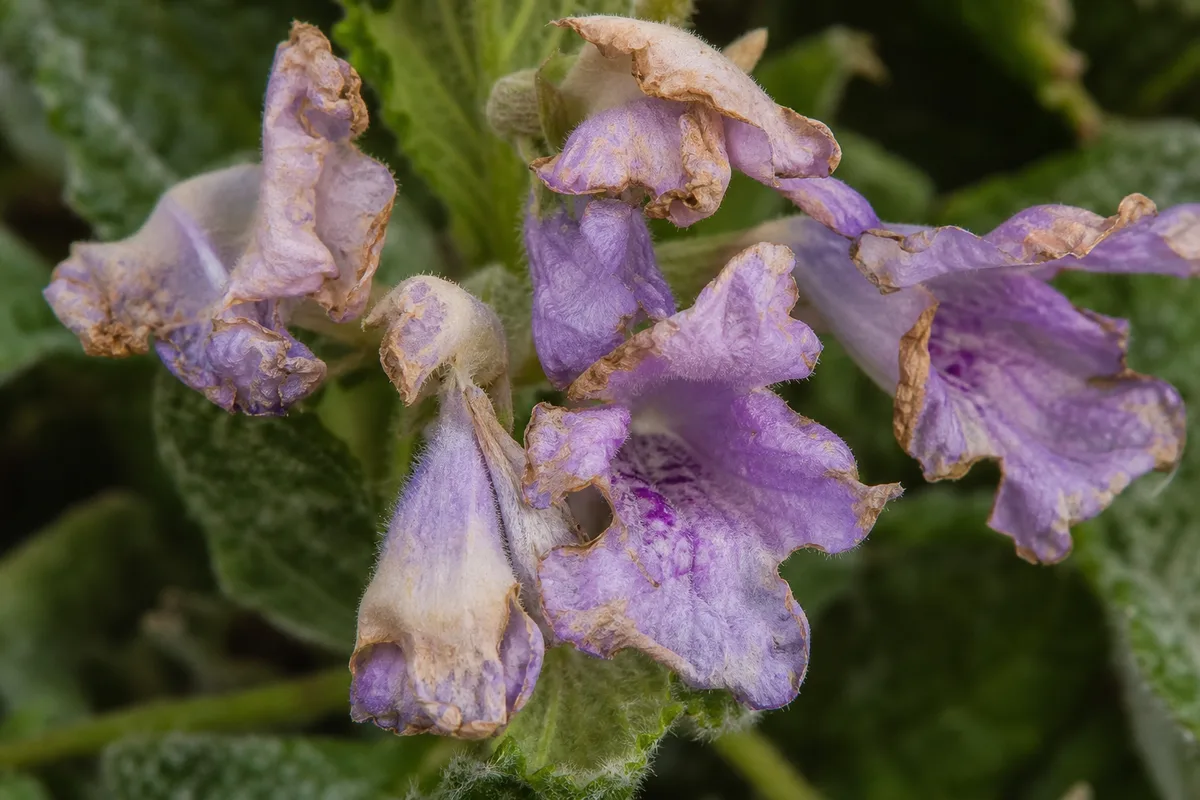
Faded Flowers symptoms on Swedish Ivy - compare with healthy tissue on the same plant.
- Tubes turning tan, brown, or papery while the spike stays attached
- Color washing from pale lavender to dull beige over a few days (grower observation-not a published species-specific day count)
- Dry, brittle flower stalks left on otherwise healthy runners
- No fragrance loss to track-blooms are not grown for scent
Tubular florets vs leaf pairs at nodes
Distinguish from new growth: leaf pairs emerge directly from nodes along trailing stems. Flower spikes rise on their own short stalks and never unfurl into the rounded glossy leaves Swedish Ivy is known for. If every tip shows only scalloped blades with no upright tube cluster, you are not dealing with bloom fade-check leggy growth or faded leaves instead.
What to photograph for your own records: one fresh raceme with white tubular florets; the same spike once tubes turn tan; the node immediately after pinch showing clean cut above a leaf pair. Comparing those three shots week to week builds confidence faster than text alone.
Why Swedish Ivy gets faded flowers
Normal bloom aging. Missouri Botanical Garden describes white to pale purple flowers in racemes on and off throughout the year when culture is adequate. Each spike runs a brief cycle; fading after several days is expected senescence, not a care failure. Swedish Ivy is a foliage-first houseplant-modest racemes are a bonus, not the main show.
Environmental stress during bloom. Heat vents, air conditioning, and cold drafts dry small tubular flowers quickly on a plant that prefers average temperatures and moderate light. Letting soil swing from soggy to bone dry while a spike is open can shorten bloom life. Review draft stress if the basket hangs near exterior doors or winter glass.
Recent disruption. Moving a hanging basket, repotting, or shipping shock while spikes are forming often aborts or prematurely fades flowers-even when long-term placement would have been fine.
Low light or heavy nitrogen feed. Insufficient light and too much nitrogen fertilizer can reduce blooming. Plants in dim corners may never flower; overfed trailers push leaves instead of spikes. If blooms stopped entirely, cross-check Swedish ivy light placement before adding fertilizer.
Warning: Heavy nitrogen during an open bloom window often favors leaf flush over spike formation. Hold high-nitrogen feeds until you have stable light, even moisture, and no active stress fade.
Misidentified symptom. Searchers sometimes mean pale or yellowing foliage-not blooms. Too little light fades leaf color while no flower spike is present. If runners look leggy or leaves washed out, read faded leaves on Swedish Ivy before deadheading nonexistent spikes.
How to confirm the cause
Work through these checks in order:
- Identify the structure - Tubular florets on an upright spike confirm bloom fade. New leaf pairs at a node mean foliage growth, not flowers.
- Timeline - Gradual dulling over several days on a firm plant suggests normal end of cycle. Collapse within a day or two of a move or repot suggests stress.
- Environment snapshot - Note draft paths, heat registers, and whether the basket was rotated away from its usual bright window during bloom.
- Watering pattern - Water when the top inch of soil feels dry; heavy wet mix or prolonged drought during bloom stresses this moisture-sensitive trailer. See the watering guide for basket rhythm.
- Overall plant health - Firm stems, glossy leaves, and active new tips support cosmetic fade. Wilting runners, cottony mealybug patches, or sour soil point to broader problems-see mealybugs or root rot before bloom-only fixes.
First fix for Swedish Ivy
Pinch or cut spent flower spikes once color fades. Remove flower spikes after bloom by snipping just above a leaf node with clean scissors or pinching with your fingers-the same technique covered in the pruning guide. This is the single best action: it tidies the trailer and encourages new growth without repotting or fertilizing on day one.
Step-by-step recovery
- Deadhead all dried spikes on the same day so energy goes to branching, not holding brittle stalks.
- Return the basket to bright indirect light if it drifted into a dim corner-blooms need more light than foliage-only survival. Use the light guide to place within about 60–90 cm of an east or filtered west window.
- Water when the top inch dries; discard saucer water so trailing stems do not sit in wet mix.
- If blooms stopped entirely for months, switch to a higher-phosphorus, lower-nitrogen fertilizer during spring active growth-only after watering and light are stable. Details sit in the fertilizer guide.
- Wait several weeks before expecting new spikes; rebloom is intermittent, not monthly. UF/IFAS notes blooms off and on throughout the year indoors when culture is right-timing between flushes varies by basket.
Recovery timeline
Normal post-bloom fade typically finishes within roughly three to seven days as tubes dry on the spike-a common indoor grower heuristic, not a published species-specific lifespan. New side shoots from pinched nodes often appear within two to four weeks in bright light during active growth. Judge success by bushier runners and glossy new leaves-not by immediate repeat flowers. Swedish Ivy may go seasons between bloom flushes indoors and still be healthy.
Lookalike symptoms
| What you see | Likely cause | Not faded flowers |
|---|---|---|
| Pale or yellow leaves on long bare stems | Too little light | Leggy growth, not bloom fade |
| Brown crispy leaf edges | Underwatering or direct sun scorch | Crispy leaves - foliage stress |
| Yellow leaves with heavy wet pot | Overwatering | Root rot - not inflorescence |
| White cottony clumps on stems | Mealybugs | Mealybugs - pest issue |
Mistakes to avoid
- Leaving brittle spent spikes on the plant for weeks-they look messy and block pinching sites
- Repotting when a spike appears hoping to “boost” bloom energy
- Fertilizing heavily on a stressed trailer right after bloom collapse
- Expecting long-lasting showy flowers-Swedish Ivy is a foliage-first houseplant
- Cutting healthy runners instead of only the dried flower stalk
How to prevent premature fading next time
Keep bright indirect light year-round, stable watering, and avoid moving or repotting while spikes are open. Trim off new stem tips regularly between bloom cycles to retain a compact trailing shape per the pruning guide. If blooms stop entirely, increase light and use a phosphorus-forward feed in spring-Swedish Ivy is non-toxic to cats and dogs, so brighter hanging placement is safe in pet homes.
When to worry
Normal tan, dry flower spikes on firm glossy foliage are not an emergency. Worry when fading coincides with whole-plant wilting, sour-smelling mix, mealybug cotton, or rapid yellowing of multiple leaves-those patterns need root, pest, or watering diagnosis, not bloom-focused fixes.
Closing checklist - what to do next
Use this instead of re-reading the introduction:
- Confirmed upright raceme with tubular florets-not new leaf pairs or faded foliage
- Ruled out recent repot, draft, or light move during open bloom
- Pinched or snipped every spent spike above a leaf node
- Returned basket to stable bright indirect light and top-inch-dry watering
- Held fertilizer until runners look firm for one to two weeks
- Watching for new side shoots at pinched nodes-not expecting the same spike to reopen
- If no blooms for months after culture is stable, review fertilizer timing in spring
Related tool
Use the Plant Problem Diagnosis Tool to narrow causes for faded flowers on this plant before changing multiple variables at once.