Draft Stress on Swedish Ivy: Causes, Checks & Fixes
Quick answer
Draft stress on Swedish Ivy shows up as sudden leaf drop, limp trailing stems, or curled foliage on the side facing a vent, window, or door-often within days of a seasonal change. First step: move the hanging basket to a stable bright indirect spot away from cold blasts and heat registers; hold watering steady until new tips stay firm.
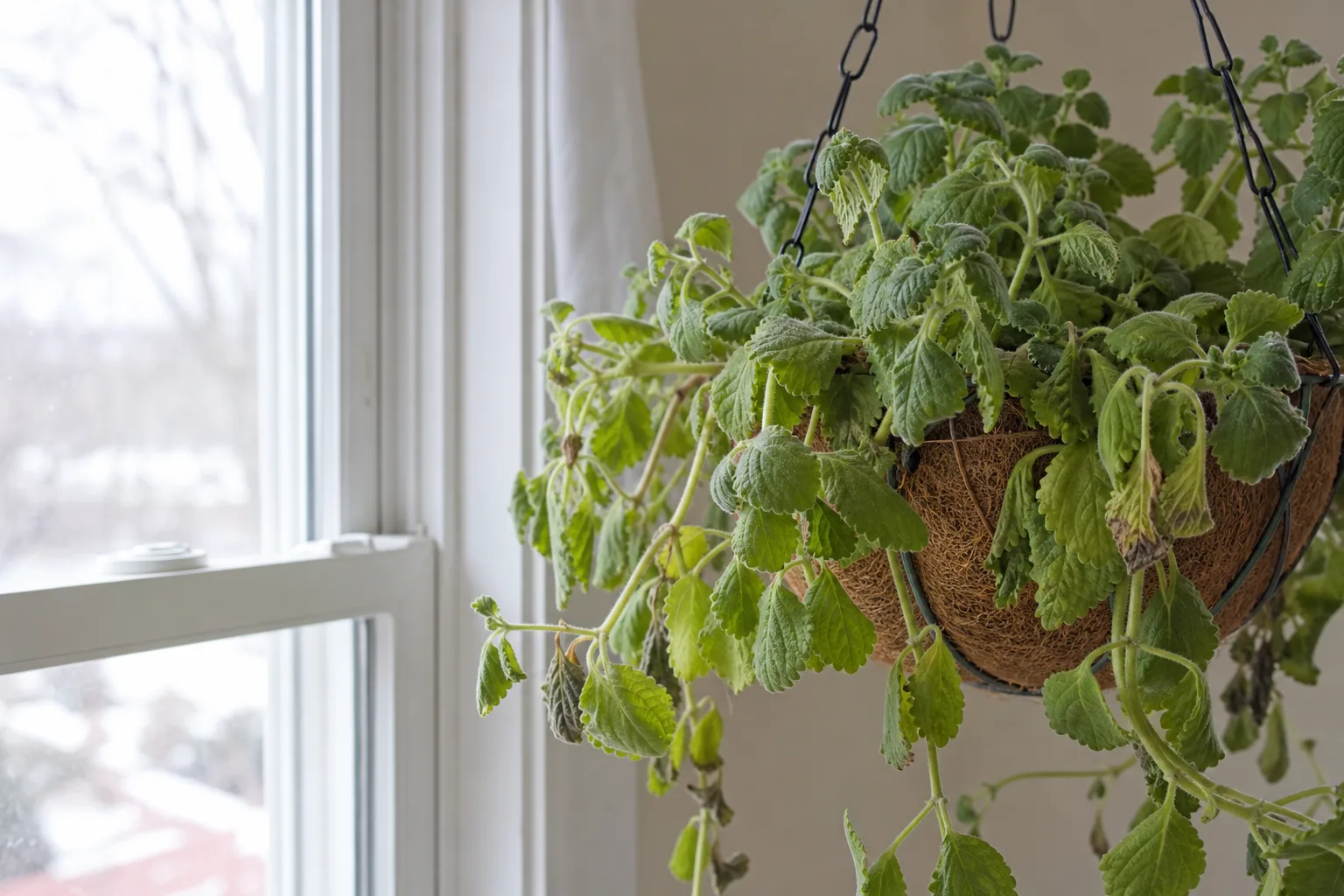
Draft Stress on Swedish Ivy: Causes, Checks & Fixes
This guide covers draft stress on Swedish Ivy. See also the general Draft Stress guide, watering, and light pages for this plant.
Draft Stress on Swedish Ivy: Causes, Checks & Fixes
Quick answer
Draft stress on Swedish Ivy (Plectranthus australis) appears when cold air from winter windows, AC vents, heat registers, or frequently opened doors hits trailing stems and fleshy leaves faster than roots can compensate. Symptoms often show up as sudden leaf drop, limp runners, or curled foliage on one side of the basket-sometimes within days of the first cold snap or HVAC season change.
The first fix is not more water or fertilizer. Move the hanging basket to a stable bright indirect spot away from draft sources, then hold your normal dry-down rhythm until new growth looks firm. Swedish Ivy recovers quickly from brief chill when stems stay solid-but repeated cold blasts on wet mix can trigger the root problems Swedish Ivy overview is prone to.
Why Swedish Ivy gets draft stress
Swedish Ivy (Plectranthus australis) is a fast-growing trailing herb with semi-succulent leaves and square stems that store some water. It prefers average temperatures and moderate light year-round-typically 60–75°F (16–24°C) in home care guides. That comfort zone matters because the plant’s shallow roots and exposed hanging stems sit in microclimates the room thermostat never records.
Several draft patterns fit Swedish Ivy’s real-world placement:
Cold winter windows. Hanging baskets are often mounted near glass for light. At night, single-pane or poorly insulated windows drop surface temperature sharply. Leaves touching cold glass can chill within hours, and the pot itself loses heat from the outside in. Clemson HGIC notes that chilling the plant can cause leaf drop on houseplants generally-and trailing foliage near glass is first to show it.
AC vents and summer door drafts. Rapid cold blasts from air conditioning or frequently opened exterior doors stress tropical foliage adapted to stable woodland margins. Swedish Ivy can tolerate brief dips to about 40°F in winter, but repeated exposure below 50°F (10°C) slows growth and triggers defensive leaf shed on exposed runners.
Heat registers and radiators. Hot dry drafts scorch leaf edges on the side facing the vent while the rest of the basket looks fine. Heat also accelerates transpiration from fleshy leaves-if cold-damaged roots cannot keep pace, stems go limp even when soil feels moist.
Relocation shock overlapping drafts. Moving a new basket straight from a greenhouse bench to a drafty sill combines environmental flip with cold exposure. Clemson HGIC reports that some leaf drop after a significant environment change is normal and should last about three weeks-draft stress makes that window longer if the new spot still blasts the plant nightly.
Cold wet roots. Draft-chilled pots dry slowly in winter. Shallow roots sitting in cool damp mix lose function-a setup where limp leaves mimic underwatering while the pot actually stays wet too long.
What draft stress looks like on Swedish Ivy
Healthy Swedish Ivy holds plump, glossy green leaves on stiff arching stems. Variegated forms show crisp white margins when well hydrated. Draft stress changes the silhouette before color always shifts.
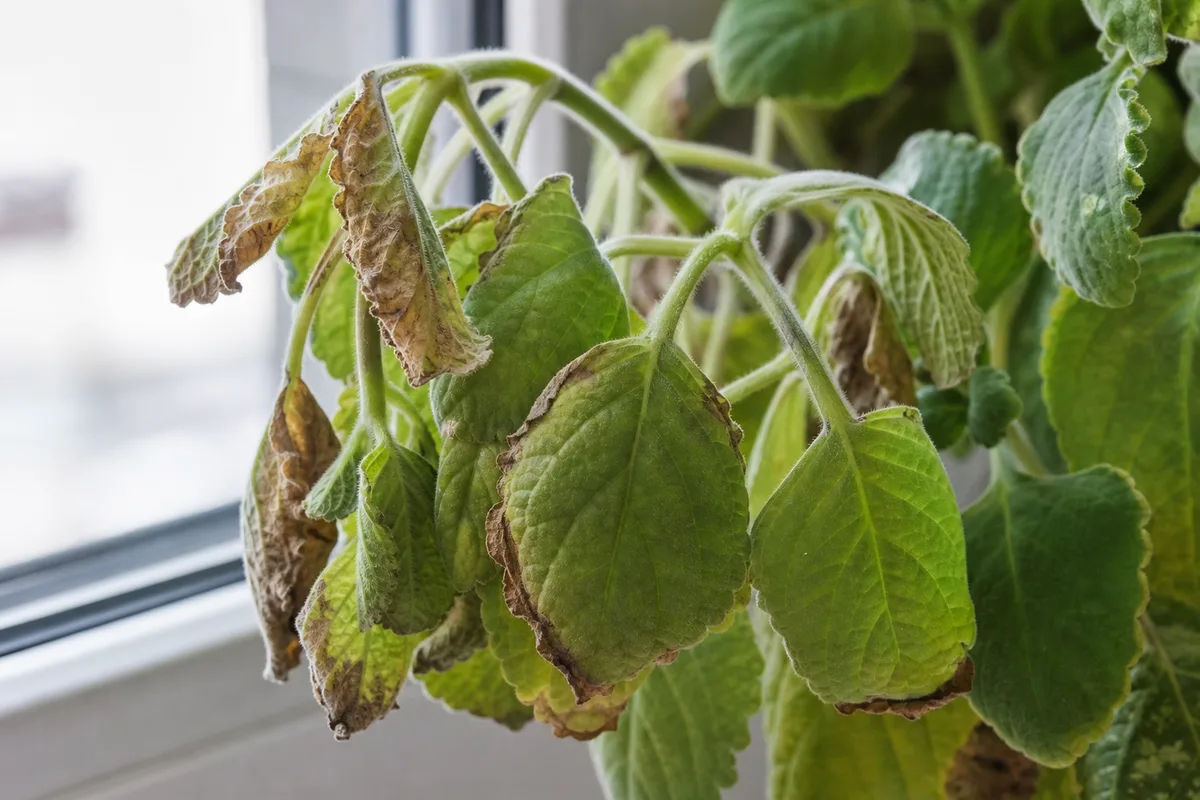
Draft Stress symptoms on Swedish Ivy - compare with healthy tissue on the same plant.
Cold-draft symptoms:
- Leaves curl inward or droop on the side facing the window, vent, or door
- Sudden leaf drop from outer trailing stems while inner growth still looks green
- Semi-translucent or water-soaked patches on chilled leaves that later brown
- Slowed new tip growth in a drafty corner despite adequate room light
- Soil that stays wet longer than another Swedish Ivy in a warmer spot with similar watering
Heat-draft symptoms:
- Crispy brown margins on the runner nearest a heat register
- Dull, limp foliage on one side of the basket after the heating season starts
- Accelerated surface drying on the exposed face while mix below stays damp
Timing clues:
- Symptoms appear within days of first frost, AC season, or moving the basket
- Overnight damage on leaves that brushed cold glass by morning
- Multiple stems affected at once after a recent repot or room change
One or two older leaves dropping slowly on an otherwise firm cascade may be normal aging-not draft emergency.
How to confirm the cause
Work through these checks before Swedish Ivy repotting guide or watering heavily.
- Airflow mapping - Hold your hand at basket level at night near windows, vents, and doors. Feel for cold or hot streams the thermostat misses.
- Asymmetric pattern - Compare exposed versus sheltered sides of the trailing stems. Draft injury favors one face; uniform droop across the whole basket points to water mismatch.
- Glass contact - Check whether runners or leaves touch window panes. Cold glass burn is localized and seasonal.
- Soil probe - Insert a finger one inch into the mix. Draft-stressed plants in cold wet pots feel heavy with slow dry-down; thirsty plants feel light with dry top inch.
- Stem squeeze - Pinch stems at the soil line. Firm bases with recent leaf drop support draft shock. Soft mushy bases with sour smell suggest rot triggered by cold wet conditions-not drafts alone.
- Seasonal timing - Link symptom start to HVAC changes, moves, or first cold nights.
- Pest scan - Inspect undersides for mealybug cotton or stippling if airflow checks do not explain one-sided damage.
If asymmetric leaf drop follows a clear draft source and stems stay firm, you have a draft-stress diagnosis. If wet soil, soft bases, and sour odor align, treat root stress first.
First fix for Swedish Ivy
Move the hanging basket 30–90 cm (1–3 feet) away from cold windows, AC vents, heat registers, and frequently opened exterior doors into a spot with Swedish Ivy light guide and stable room temperature.
That single relocation is the correct first action for draft-driven leaf drop on Swedish Ivy. Do not compensate with extra water-hold the normal rhythm of watering when the top inch of mix dries. Do not fertilize, heavily prune, or repot on day one unless stems are clearly rotting.
If leaves were touching glass, gently redirect trailing stems inward so no foliage rests against the pane. Wait one to two weeks and watch whether new tips emerge firm and green.
Step-by-step recovery
After moving the basket:
For cold-draft damage without rot:
- Keep the plant in the new stable location-avoid bouncing it between rooms daily.
- Maintain bright indirect light; avoid hot direct sun on already stressed foliage.
- Water when the top inch dries, not on a calendar. Cold pots use moisture slowly.
- Remove fully brown or black leaves once they are dry and brittle-leave partially damaged tissue until the plant stabilizes.
- Pinch healthy tips lightly after recovery to encourage bushier growth if long bare runners resulted from leaf shed.
For heat-draft scorch:
- Move away from the heat source and increase distance from the register.
- Do not mist once and assume humidity is fixed-stable placement matters more.
- Trim fully crispy leaves; partial tip scorch can wait until new growth appears.
For shock after a move or repot:
- Hold all care steady for two to three weeks in the corrected spot.
- Expect temporary leaf drop to taper within about three weeks per extension guidance on environmental change.
- Avoid stacking repotting, fertilizer, and relocation again during recovery.
If cold wet mix triggered root decline:
- Stop watering until the top inch is dry.
- If stem bases stay soft after dry-down, unpot and trim mushy roots.
- Repot into fresh well-drained mix only when rot is confirmed.
- Take stem tip cuttings from healthy branches if the parent base keeps softening-Swedish Ivy roots easily from cuttings.
Recovery timeline
Minor draft leaf drop on firm stems often stabilizes within one to two weeks after relocation. New tips should look plump and green-not pale or limp.
Environmental-change leaf drop may continue up to three weeks while the plant acclimates, provided the new spot has no ongoing blast.
Heat-scorched leaf margins do not revert to green-judge recovery by clean new leaves on trailing stems over the next month.
Cold damage combined with root rot is measured in weeks. Firm new growth at tips and normal dry-down rhythm mean the basket is winning. Continued base softening despite dry soil means propagate cuttings before healthy tissue runs out.
Lookalike symptoms to rule out
Thirst droop on a light dry pot perks within hours after one thorough watering-SANBI notes drooping is a sure sign of under-watering in pot-grown Plectranthus. Draft limpness persists despite reasonable moisture and follows airflow patterns.
Overwatering wilt hits the whole basket with wet heavy soil and yellow lower leaves-not one-sided shed near a vent.
Low humidity brown tips often appear evenly across many leaves, not only on the side facing a register or window.
Mealybugs or spider mites leave cottony masses, stippling, or webbing-UF/IFAS lists these as common Swedish Ivy pests. Inspect before assuming temperature alone.
Too much direct light makes leaves dull and droopy on the sun-exposed side-different from cold curl, though both may involve a window. Move to bright indirect light rather than deeper shade unless sun scorch is confirmed.
Mistakes to avoid
Do not water heavily because leaves dropped-cold wet roots need dry-down, not rescue flooding.
Do not leave the basket on a cold windowsill hoping winter sun compensates. Night chill at the glass exceeds room averages.
Do not mist once instead of fixing placement. Draft stress is a temperature and airflow problem first.
Do not repot or fertilize during acute shock unless mix is failing or rot is confirmed.
Do not prune all trailing stems at once-Swedish Ivy needs remaining foliage to photosynthesize during recovery.
Do not assume every dropped leaf will grow back on the same stem. New branching from pinch points replaces lost runners over time.
How to prevent draft stress next time
Hang Swedish Ivy where it gets bright light indoors but stays 30–90 cm away from cold glass, AC vents, and heat registers. Trailing stems drift-check monthly that no leaves rest against panes.
Maintain stable 60–75°F (16–24°C) conditions. In winter, brief tolerance down to about 40°F does not mean nightly cold exposure is safe for a hanging basket.
Reduce watering slightly in cool months when growth slows-cold pots hold moisture longer and shallow roots stay vulnerable in soggy mix.
Acclimate new plants gradually when changing rooms. Move in steps over a week rather than from shop bench to drafty sill in one jump.
Use well-drained potting media with open drainage holes. Never let the basket sit in a full saucer after watering.
Because Swedish Ivy is non-toxic to cats and dogs, it often lives on reachable hooks-still keep it out of door-swing zones where cold blasts hit every time someone enters.
When to worry
Treat as urgent when heavy leaf drop continues more than 48 hours after relocation, stem bases soften at the soil line, or foliage regularly experiences temperatures below 50°F (10°C) overnight near exterior glass.
Also escalate when limp collapse spreads despite firm stems and corrected placement-inspect roots for cold-triggered rot.
Lower urgency fits temporary asymmetric drop after a first cold night that stops once the basket is moved, or minor shed during the first two weeks after bringing a new plant home with no soft stems.
If symptoms persist more than three weeks in a stable spot, look beyond drafts-pests, chronic overwatering, or insufficient light may be the real driver.
Conclusion
Draft stress on Swedish Ivy is an airflow and temperature problem, not a mystery disease. Map where cold or hot blasts hit your hanging basket, move it to stable bright indirect light, and hold watering steady until new tips stay firm. Semi-succulent trailing stems recover fast when stems remain solid-but repeated winter chill on wet mix can slide into root failure. Correct placement once, then let clean new growth tell you the basket is back on track.
When to use this page vs other Swedish Ivy guides
- Swedish Ivy watering guide - Use for routine moisture checks before assuming draft stress is the main issue.
- Swedish Ivy problems hub - Browse all 18 common issues on this species.