Repotting Stress in Plants: Signs and Recovery
Homes are not greenhouses. Repotting Stress appears when humidity, temperature, or air movement falls outside what your plant tolerates. Drooping or slowed growth after moving to a new pot after a move, heat wave, or dry winter often points to environment-not necessarily wrong watering. Track weekly progress after you change care, and note watering, light, and repotting dates so you can tell whether the symptom is improving or returning. Compare upper versus lower leaves, new versus old growth, and soil moisture at root depth before you treat, because the same visible symptom can come from watering, light, pests, or normal aging on different plants.
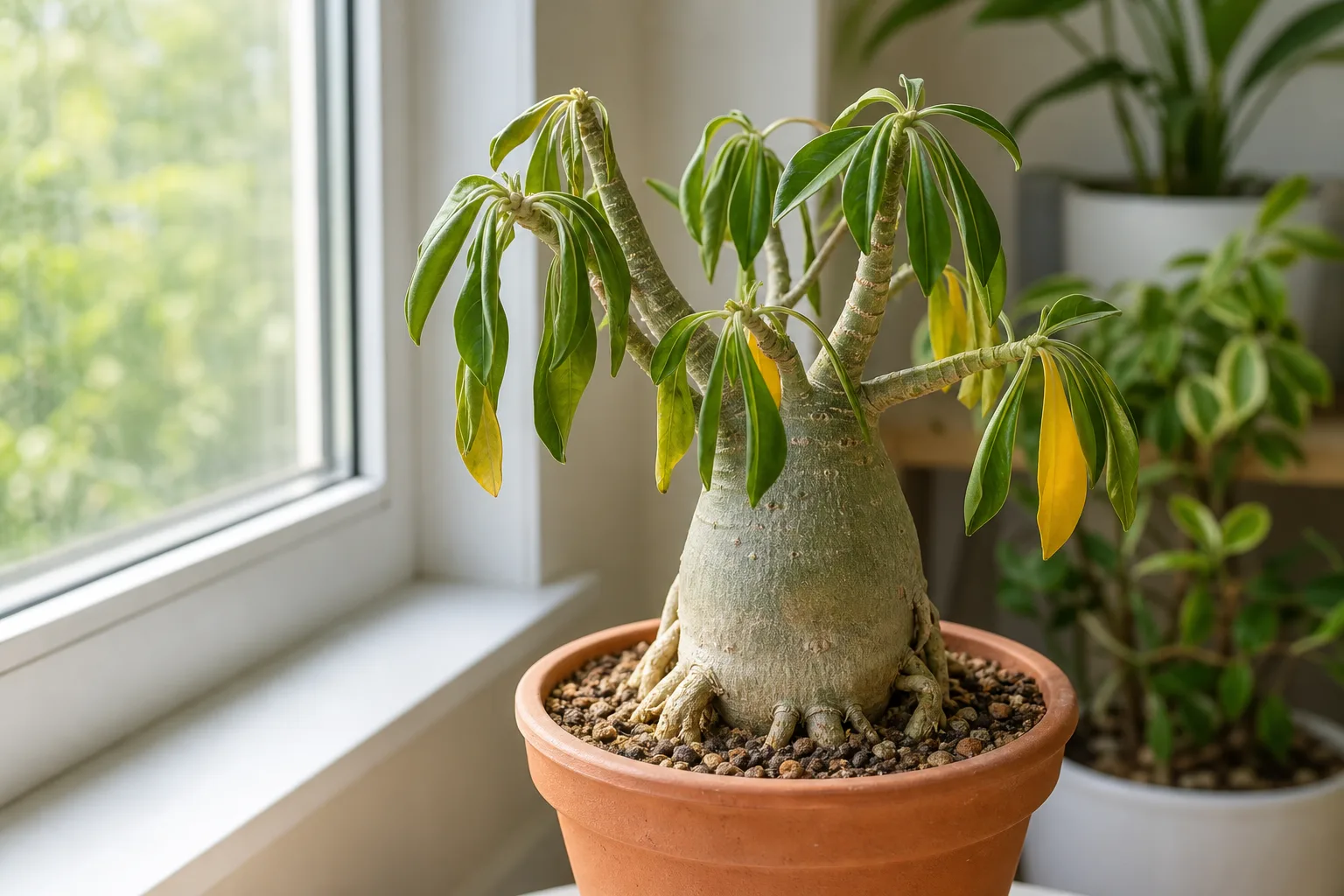
Repotting Stress on Houseplants
Still unsure?Match your symptoms to the most likely problems in under a minute.Run diagnosis →Understand and fix repotting stress
Homes are not greenhouses. Repotting Stress appears when humidity, temperature, or air movement falls outside what your plant tolerates. Drooping or slowed growth after moving to a new pot after a move, heat wave, or dry winter often points to environment-not necessarily wrong watering. Track weekly progress after you change care, and note watering, light, and repotting dates so you can tell whether the symptom is improving or returning. Compare upper versus lower leaves, new versus old growth, and soil moisture at root depth before you treat, because the same visible symptom can come from watering, light, pests, or normal aging on different plants.
Overview
Homes are not greenhouses. Repotting Stress appears when humidity, temperature, or air movement falls outside what your plant tolerates. Drooping or slowed growth after moving to a new pot after a move, heat wave, or dry winter often points to environment-not necessarily wrong watering. Track weekly progress after you change care, and note watering, light, and repotting dates so you can tell whether the symptom is improving or returning. Compare upper versus lower leaves, new versus old growth, and soil moisture at root depth before you treat, because the same visible symptom can come from watering, light, pests, or normal aging on different plants.
How to identify it
- Symptoms started after AC, heat, or window season change
- Crispy leaf edges in winter near radiators
- Wilting during a heat spell despite moist soil
- Leaf drop within days of bringing plant home or repotting
- Only plants near one vent or draft show damage
When to worry
Blackened tissue after frost exposure, or widespread collapse after heat above 95°F, may leave permanent damage-trim and stabilize fast.
Common causes
Low indoor humidity
Winter heating drops humidity below what tropical plants prefer, causing brown tips and curl.
Temperature extremes
Cold window glass, hot afternoon sun through glass, and heat vents create localized Repotting Stress.
Transplant or relocation shock
Roots and leaves need time to adjust after repotting or room changes-temporary drop is common.
Sudden environmental flip
Moving from greenhouse to home, or outdoor to indoor, shocks plants before they acclimate.
Step-by-step fix
Identify the environmental trigger
Note heat vents, drafty windows, and recent moves. Fix placement before heavy pruning.
Stabilize temperature and humidity
Group plants, use humidifiers, or pebble trays. Keep foliage away from hot and cold glass.
Reduce additional stress
Hold repotting and fertilizer until the plant looks stable for 2–3 weeks.
Trim permanently damaged tissue
Remove leaves that are fully brown or black. Partial tip damage can wait until conditions improve.
Acclimate gradually next time
Move plants in steps over a week when changing rooms or bringing them indoors for winter.
Prevention tips
- Keep tropical plants away from heating vents and cold drafts
- Run a humidifier in dry winter rooms
- Acclimate new plants slowly to your home
- Repot during active growth, not during stress
Common mistakes
- Misting once daily instead of raising ambient humidity
- Placing plants touching cold window glass in winter
- Repotting immediately when a plant arrives stressed
Repotting stress is the decline that follows disruption of a plant’s root environment. Leaves may droop, curl, yellow, or fall; growth may pause; the new mix may remain wet or dry unpredictably. Timing makes repotting a strong suspect, but “shock” is a description, not a complete diagnosis. The actual cause may be torn fine roots, a dry inner root ball, an oversized pot, incompatible mix, buried stems, poor drainage, abrupt light change, or disease that was already present.
The first principle is restraint. A plant that has just been lifted, untangled, divided, or root-pruned needs stable conditions. Repeatedly unpotting it, feeding it, moving it between extremes, and watering on sight can turn manageable adjustment into lasting root loss.
Use the plant’s history, root-zone behavior, and symptom pattern to find the smallest corrective action. Old damaged leaves may never look perfect; sound new growth and a workable moisture cycle are the real recovery goals.
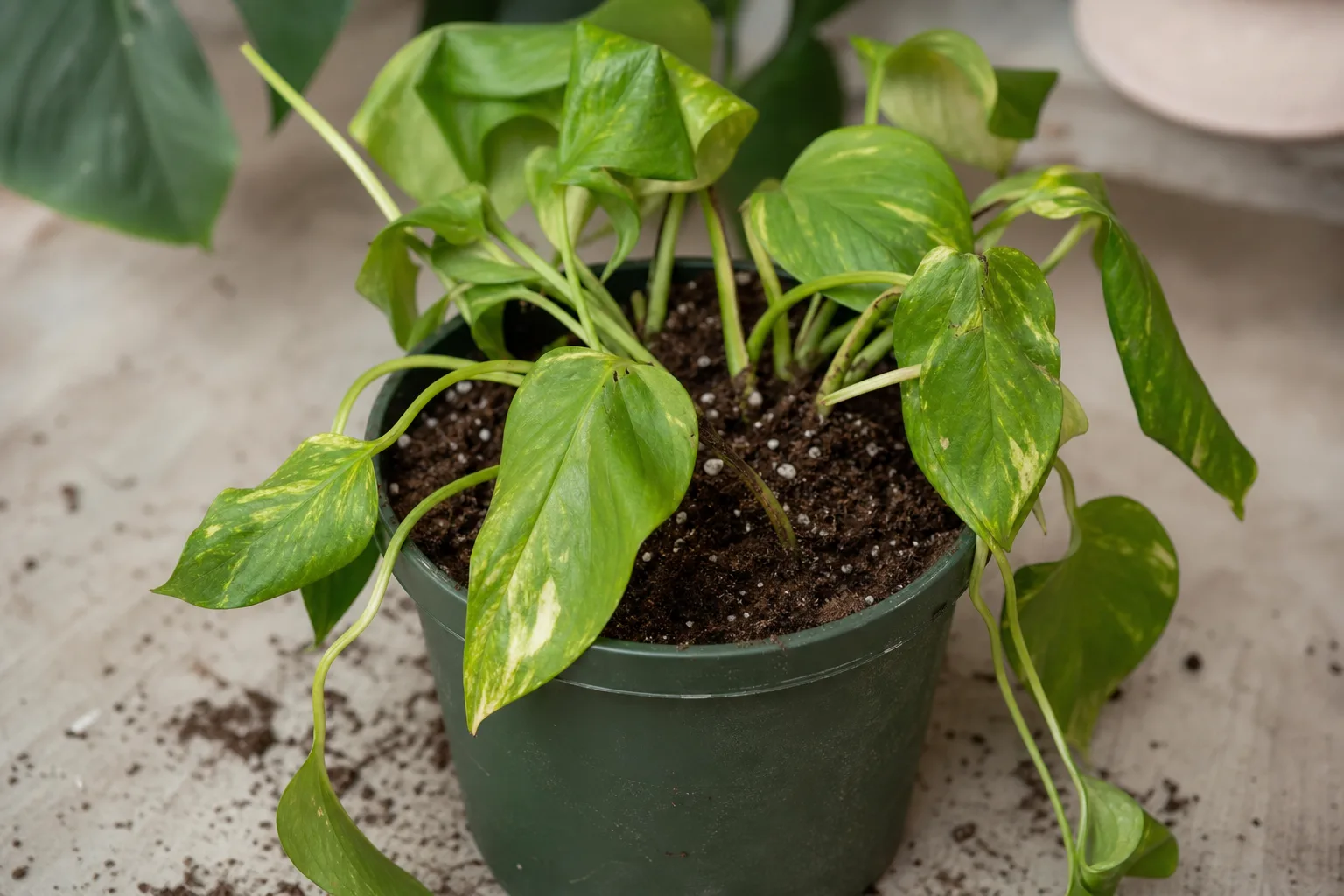
What repotting stress actually is
Fine roots and root hairs provide much of the surface involved in water and nutrient uptake. Even careful handling can break some of them. Fresh medium also has different pore space, water retention, drainage, and salt content from the old root ball. Until roots extend into it, the plant is managing two moisture zones.
Repotting can change plant depth, stability, temperature, and oxygen around roots. A plant moved at the same time to a new window experiences environmental acclimation as well. That combined change explains why apparently correct repotting can still cause a temporary pause.
The term transplant shock is more commonly used for landscape transplants, where root loss and establishment are major concerns, but the underlying water-balance issue applies to containers. Reduced roots may be temporarily unable to support the same canopy demand.
Normal adjustment or serious decline
Mild droop for a short period, one or two older leaves yellowing, or a pause in growth can accompany adjustment. It should stabilize rather than progress. Firm stems, roots without odor, and a pot that begins a plausible wet-to-dry cycle support careful observation.
Concerning signs include rapid collapse, a black or soft stem base, foul odor, expanding water-soaked lesions, potting mix that remains saturated, or extensive roots that are brown and mushy. Penn State Extension associates root rot with wilting and blackened, mushy roots. Those signs require diagnosis rather than passive waiting.
Severe drought can also be urgent. If the old root ball is hard and dry while water runs through loose new mix, the plant may be surrounded by moisture yet unable to access it. Check both zones.
Diagnose the cause before treating it
Reconstruct the repot. This chronology-and-root-zone check is a practical decision method rather than a laboratory diagnosis, and the images on this page are representative examples:
- Was the plant healthy before the work?
- How much of the root ball was removed or loosened?
- Were roots pale and firm, dry and brittle, or brown and soft?
- How much larger is the new pot?
- Does it have an open drainage hole?
- Is the new medium appropriate for the species?
- Was the crown or stem planted deeper?
- Was the plant moved to different light, heat, humidity, or airflow?
- Was fertilizer added?
Inspect without immediately unpotting. Check pot weight, moisture at several points, drainage, planting depth, stem firmness, and whether the root ball rocks in the mix. Unpot only when evidence suggests a correctable structural problem.
Compare the old and new media. Fine peat surrounded by coarse bark can remain wet or dry on a different schedule from its surroundings. A nursery plug hidden inside a larger root ball can create a third zone. Probe carefully at more than one radius and learn which portion contains most roots.
Check whether the plant was divided. A division has both root disturbance and a smaller stored-energy system. It may require temporary support and closer moisture observation than a root ball transferred intact. A severed rhizome or cane must also be assessed for clean, viable tissue rather than assumed to be ordinary shock.
| Current evidence | Wait and stabilize | Intervene |
|---|---|---|
| Mild droop, firm stems, workable drainage, and no expanding damage | Keep light and temperature stable; monitor moisture | No second repot |
| Old root ball is dry while new mix is damp | Rehydrate the old ball carefully | Correct soil contact only if water still bypasses it |
| Mix remains saturated, runoff is trapped, or the pot lacks drainage | Empty runoff and stop automatic watering | Correct the container or mix if roots cannot regain aeration |
| Foul odor, soft stem base, or widespread mushy roots | Isolation and diagnosis take priority | Remove clearly rotten tissue and use a clean, draining setup |
| Stable plant with one or two aging leaves | Track new growth | Prune only dead or diseased tissue |
Dry root ball and poor soil contact
Old peat-based medium may shrink and resist wetting. New mix can become moist around a dry central core. Roots then remain thirsty despite a wet-looking surface. Slow irrigation in several passes can help; a brief soak may be appropriate for an ordinary drainage pot, followed by complete draining.
Large air gaps around roots reduce contact and create uneven moisture. Gently firm medium during potting, but do not compress it into a dense block. Watering settles particles around roots and reveals where more mix is needed.
If a dry central root ball is the issue, do not repot again merely to inspect it. Correct hydration, confirm drainage, and monitor posture over the next day.
Wet mix, overpotting, and damaged roots
A large jump in container size leaves a volume of mix with few roots to use its water. The center may remain saturated long after the surface feels dry. The RHS cautions that excess medium in an oversized container can stay too wet and cause rot, particularly for succulents. Penn State likewise recommends choosing a slightly larger container and checking for drainage rather than making an unnecessarily large jump.
Dense mix, blocked drainage, a buried crown, and a decorative pot holding runoff create similar risk. Stop adding water, empty standing runoff, and improve the external environment while assessing severity. Do not try to “dry” saturated roots with a heater or intense sun.
If roots were aggressively cut, the reduced system may not use water at the old rate. That is another reason to check rather than follow the previous schedule.
Overpotting is relative to the viable root system, not the canopy. A tall plant with few remaining roots may need a smaller container than its foliage suggests. The pot must still provide stability, so an outer weighted cachepot can support a correctly sized draining inner pot without surrounding the roots with excessive wet medium.
Compacted medium creates the opposite structural problem: too few large pores for air and drainage. Pressing mix firmly enough to eliminate huge gaps is useful, but compressing it with force can destroy the intended structure. Match particle size and water retention to the species and your growing environment.
First aid during the first 48 hours
Place the plant in stable, species-appropriate light away from harsh midday sun, heaters, cold panes, and strong drafts. Keep it in one location. Photograph the canopy, stem base, pot, and surface so you can compare changes.
Verify drainage and assess moisture in both old and new mix. Water only according to the evidence. Support a loose plant with a stake if necessary, but avoid tightening ties around stems.
Do not fertilize, apply a pesticide without a target, prune heavily, or use improvised sugar, vitamin, peroxide, alcohol, or detergent solutions. These do not rebuild root hairs and may injure roots or microbes.
If leaves are dusty after the job, wipe sturdy foliage gently with plain water and support each leaf. Avoid showering a plant whose crown or wounds must stay dry. Clean spilled medium from leaf axils so organic debris does not remain wet against tender tissue.
Quarantine is sensible if the root inspection uncovered pests, rot, or suspicious lesions. Repotting itself is not contagious, so an otherwise healthy adjusted plant can remain in its normal safe location. Keep it separated only when diagnosis or treatment warrants that disruption.
Watering after repotting
Many ordinary foliage plants are watered thoroughly after repotting to settle mix around roots. The RHS repotting process recommends soaking until water emerges from the drainage holes. This assumes a suitable medium, viable roots, and a draining container.
Exceptions matter. Some succulent and cactus growers delay watering after significant root injury to let wounds dry; orchids and specialized epiphytes use different media and routines. Follow species-specific guidance rather than applying one rule.
After the first irrigation, abandon the old calendar. Check the new pot. It may dry faster because the mix is coarse, or slower because the container is larger and roots are reduced. Watering frequency is an outcome of conditions, not a fixed instruction.
Use pot weight as a trend, not an exact threshold. Record the weight by feel or with a scale after complete drainage, then compare it over several days. A wooden skewer can reveal moisture deeper down, while a finger check assesses only the reachable zone. Electronic meters can misread salts and mix composition, so corroborate them.
Water distribution matters. Apply slowly across the surface rather than pouring in one channel. If the plant has a compact old root core, ensure that core receives water. If the new mix is saturated while the core stays wet for many days, pause and reassess aeration rather than adding another small amount.
Light, temperature, and humidity aftercare
Recovery needs light, but recently disturbed plants can be less able to meet the water demand of intense exposure. Provide the species’ normal bright, indirect or filtered setting, then reacclimate to stronger sun if appropriate. Do not place the plant in darkness as a universal treatment.
Moderate, stable temperature reduces demand. Avoid heating and air-conditioning jets. Maintain humidity appropriate to the species without sealing a wet plant into stagnant air.
If the plant was repotted after purchase, it may be responding to transport, a new home, and new roots simultaneously. Limit further changes and document which variable changed when.
Humidity should be supportive, not sealed. A temporary clear enclosure can reduce water loss for certain cuttings or delicate divisions, but ordinary rooted plants may overheat or develop disease inside a bag. If specialized propagation guidance recommends enclosure, vent it and acclimate the plant gradually.
Avoid rotating the plant repeatedly during the first days. Leaves oriented toward a light source may need time to adjust, and frequent turns can expose formerly shaded tissue. Once stable, resume the rotation practice suitable for the species.
Why fertilizer and tonics can wait
Fresh commercial mix may already contain nutrients, and injured roots are not repaired by a stronger solution. Fertilizer salts raise the concentration around roots and can worsen water stress if overapplied.
Wait for active, healthy growth before resuming a dilute, species-appropriate feeding program. The exact interval depends on plant, medium, season, and product. Do not use a calendar number detached from those conditions.
Root stimulants and vitamins are often marketed broadly. Unless a product has credible evidence for the species and is labeled for the intended use, stable culture is a safer default.
Should you repot the plant again?
Repot again only when leaving the current setup is more dangerous than another disturbance. Strong reasons include a container with no usable drainage, an extreme size mismatch, a deeply buried crown, severely inappropriate medium, extensive rot requiring removal, or a chemical contamination.
Do not repot again because a leaf drooped for one day. Each intervention breaks more fine roots and resets the moisture environment. When correction is necessary, prepare the right pot and medium first so the plant undergoes one efficient procedure.
The RHS notes that lifting a plant from its container is the best way to assess root congestion, but this is a diagnostic step to use purposefully, not daily.
If correction is mandatory, minimize exposure time. Prepare clean tools, the accurately sized pot, drainage mesh if appropriate, and pre-mixed medium. Photograph roots once, remove only clearly dead tissue, plant at the correct depth, and return the specimen to stable aftercare.
When the only issue is a decorative outer pot retaining water, the inner nursery pot may not need repotting at all. Remove it, drain it, clean the cachepot, and keep a routine for emptying runoff. Solving the container system is less disruptive than replacing healthy medium.
Root pruning and root loosening
Root systems differ. Some dense circling root balls benefit from gentle teasing so roots enter new mix. Others, especially plants with delicate or fleshy roots, resent aggressive untangling. Remove roots only when they are dead, rotten, or when species-appropriate root pruning is part of a deliberate same-pot strategy.
Use clean, sharp tools. Healthy roots are often firm and pale, though natural color varies by species and medium. Rotten roots commonly lose firmness and their outer tissue may slip away. Color alone is insufficient.
RHS guidance allows a limited outer-root trim in appropriate established container plants and emphasizes that staggering root reduction limits stress. It is not permission to remove a fixed percentage from every houseplant.
Leaf drop, yellowing, and pruning
An older leaf that yellows after repotting may reflect resource reallocation or root stress. Several rapidly yellowing leaves, especially with wet mix, demand root-zone review. Crisp leaves with a dry core suggest insufficient hydration.
Remove leaves that are fully dead, diseased, mushy, or broken. Keep functional green tissue when possible because it supports photosynthesis. A yellowing leaf can usually be removed cleanly once it releases easily or is mostly nonfunctional.
Never defoliate a stressed plant simply to balance an assumed root-to-shoot ratio unless reliable guidance for that species and situation supports it. Large pruning wounds create another demand.
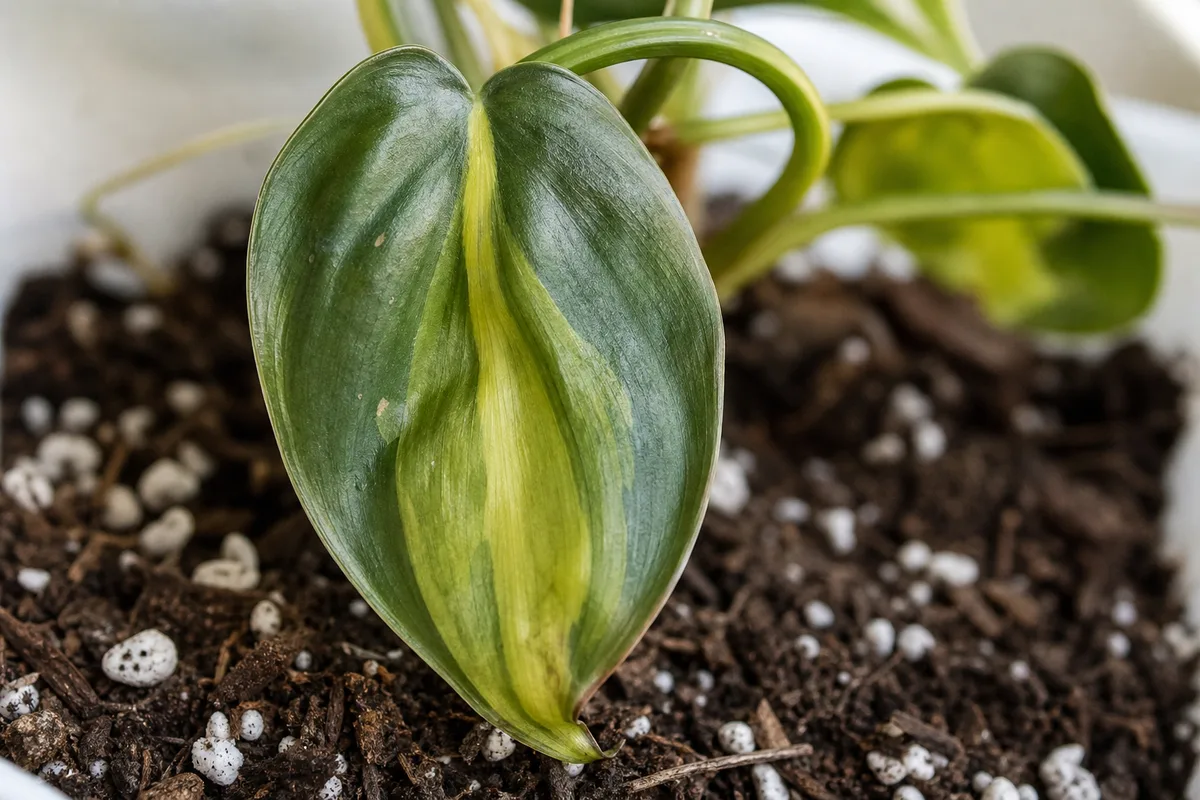
A two-to-six-week recovery plan
During week one, look for stable posture, no new soft tissue, and a predictable moisture change. Do not dig for roots. Rotate only if the plant normally benefits and the damaged side is not being newly exposed to harsh light.
During weeks two to four, viable roots may begin exploring the mix. Healthy buds, stable older leaves, and normal water use are positive signs. Some slow-growing plants show little visible change, especially in winter.
By weeks four to six, continuing decline deserves renewed diagnosis. Check light, temperature, pests, planting depth, salts, and roots. There is no universal deadline: season, species, root loss, and growth rate control recovery.
Keep dated photographs and moisture notes. “It looks worse” becomes actionable when you can see whether yellowing is spreading, the pot remains wet longer, or the stem base changed.
Do not expect a winter plant to replace foliage at its summer speed. Stable stems and no new decline may be success until active growth returns. Conversely, a fast-growing tropical plant under warm bright conditions should show a clearer trajectory; ongoing loss needs investigation.
Inspect new growth for size, color, and shape. Very small pale leaves may point to insufficient light, root function, or nutrition after recovery, but feeding should still wait until roots are functioning. Resume normal care in stages rather than switching instantly from “recovery mode” to maximum sun and full fertilizer.
Preventing stress before the next repot
Repot for evidence: severe congestion, degraded mix, impractical drying, unstable top growth, or root disease—not merely because a date arrived. Spring or early active growth is commonly suitable because plants can replace roots, though emergencies override ideal timing.
Choose a container only modestly larger unless species practice indicates otherwise. Confirm unobstructed container drainage. Penn State specifically notes that drainage holes let excess water escape and reduce waterlogged-mix disease risk. Prepare a compatible mix and tools before removing the plant. Water or dry the root ball to the handling condition recommended for that plant.
Handle the root mass, not fragile stems. Preserve healthy roots. Maintain the original crown depth. Backfill evenly, settle the mix, and record the date and method.
Clean reused containers before planting and ensure drainage holes are not blocked by roots, compacted debris, or an unperforated liner. Select media by function—air, water retention, stability, and species requirements—rather than by marketing terms alone.
Schedule elective work when you have time to monitor the plant for several days. Avoid repotting immediately before travel, a heat wave, or a major relocation. Water and acclimation mistakes are easier to catch early when the plant remains observable.
Species and situation exceptions
Succulents and cacti need free-draining media and are vulnerable to overpotting. Orchids may be repotted into bark or other airy media when decomposed material or root condition warrants it. Carnivorous plants can require low-mineral media and water. Seedlings and cuttings have small root reserves.
Some species flower best slightly pot-bound; others make stronger growth when roots have room. Large woody tubs may be root-pruned and returned to the same pot under expert guidance. A generic two-inch-up rule is a starting point, not a law.
Plants already suffering severe pests, disease, drought, or heat may recover better before elective repotting. Penn State recommends beginning propagation with plants free of disease, insects, and stress; the same logic supports avoiding optional root disturbance during crisis.
When propagation or expert help is wiser
If the stem base is rotten, most roots are gone, or an irreplaceable plant continues collapsing, healthy cuttings may preserve viable material. Use a propagation method appropriate to the species and clean tools. Do not propagate visibly diseased tissue.
Seek extension or professional diagnosis when decay spreads, the plant has high value, a pathogen is suspected, or pesticide selection depends on identification. Provide photos before repotting if possible, then photograph roots, medium, and container.
Discarding a severely diseased common plant can protect a larger collection. Bag suspect material and sanitize reusable pots according to authoritative local guidance.
Conclusion
Repotting stress in plants is not one disease and has no single cure. It is a signal that root disturbance, moisture, container design, medium, or an environmental change has exceeded the plant’s current capacity. Timing points you toward the repot; root-zone evidence identifies what actually needs correction.
Stabilize light and temperature, water from direct moisture checks, keep drainage open, and postpone fertilizer and repeated handling. Repot again only for a serious structural problem. Then judge recovery by stable stems, a normal wet-to-dry cycle, viable roots, and healthy new growth—not by whether every old leaf returns to its former position.
Plants commonly affected
These houseplants often struggle with repotting stress. Open a care guide or plant-specific troubleshooting page for tailored fixes.
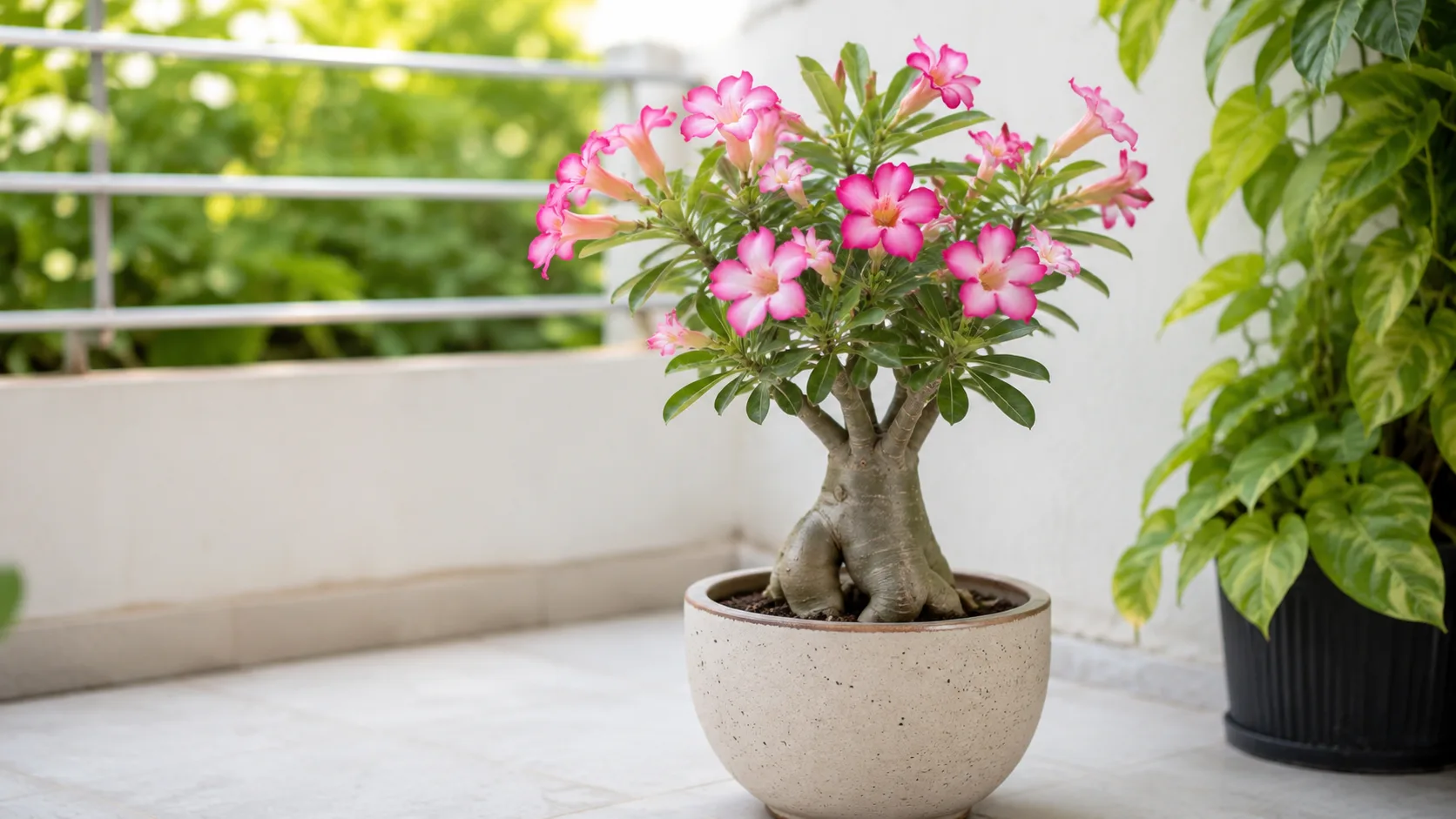 Medium
Adenium
Likely causeRoot disturbance during repotting temporarily limits water uptake, causing wilt and leaf loss.
Quick fixRepot only in spring, avoid watering for several days, and keep in bright stable warmth.
 Medium
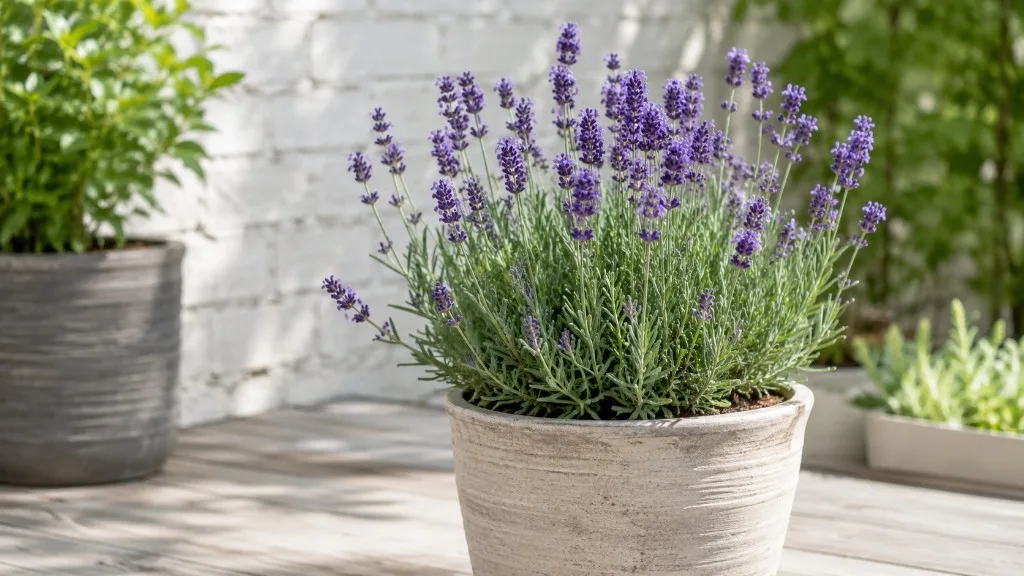
Lavender
Likely causeJun 26, 2025 · Most repotting guides tell you to watch for roots poking through the drainage holes. By the time that happens, your lavender has been rootbound for months — silently losing flower production and building root stress that chip
Quick fixConfirm diagnosis on your Lavender, then address the most likely care or pest factor described in current extension guidance.
 Medium
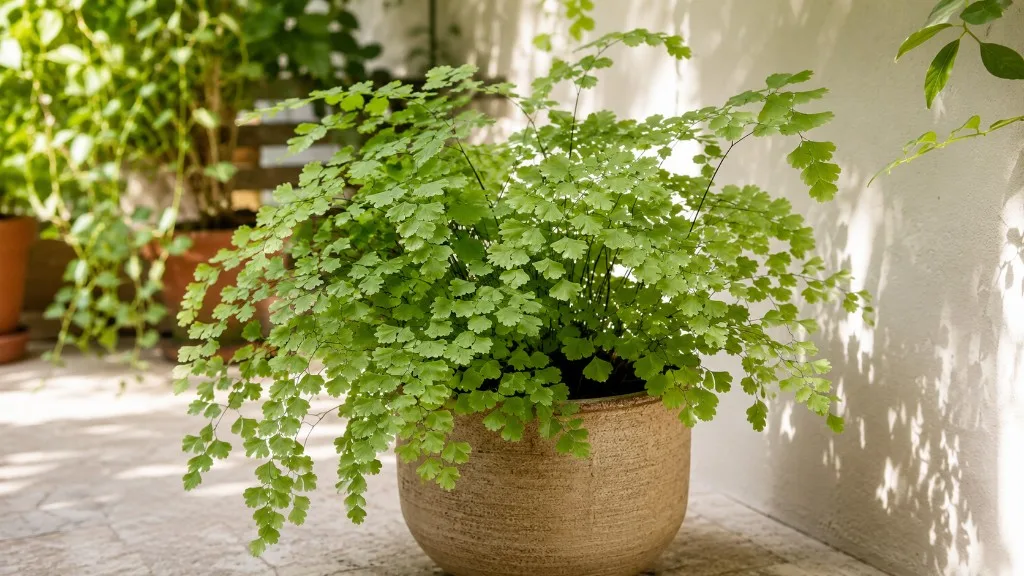
Maidenhair Fern
Likely causeAug 7, 2025 · Watering the fern thoroughly a day or two before repotting can help ease the plant’s removal from its old pot and minimize stress on the roots during the process. Begin the repotting process by gently removing the maidenhair f
Quick fixConfirm diagnosis on your Maidenhair Fern, then address the most likely care or pest factor described in current extension guidance.
 Medium
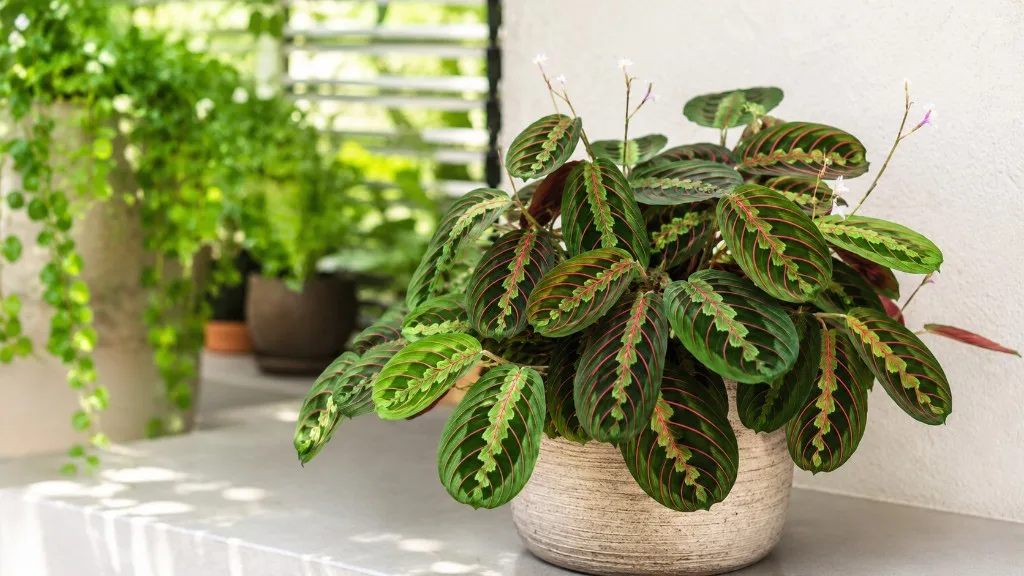
Maranta Leuconeura
Likely causeNov 16, 2025 · The most favorable time to repot a Maranta leuconeura is during the late winter or early spring , just before its active growing season begins. Repotting during this period allows the plant to quickly recover from the stress
Quick fixConfirm diagnosis on your Maranta Leuconeura, then address the most likely care or pest factor described in current extension guidance.
 Medium
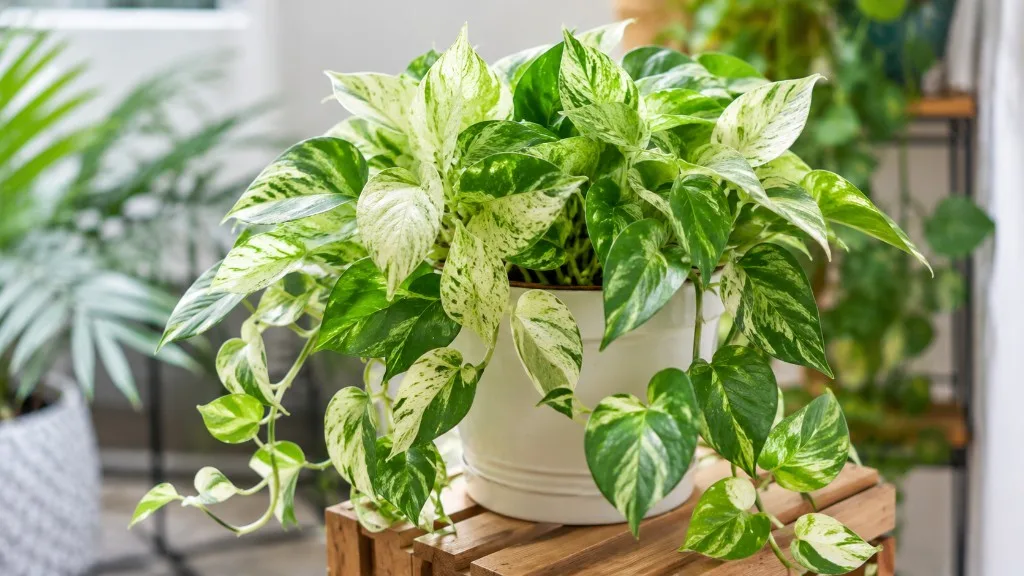
Marble Queen Pothos
Likely causeAug 29, 2022 · However, like all plants, the Marble Queen Pothos occasionally needs a little extra care, including repotting . In this blog post, we'll walk you through the process of repotting your Marble Queen Pothos in five straightforwa
Quick fixConfirm diagnosis on your Marble Queen Pothos, then address the most likely care or pest factor described in current extension guidance.
 Medium
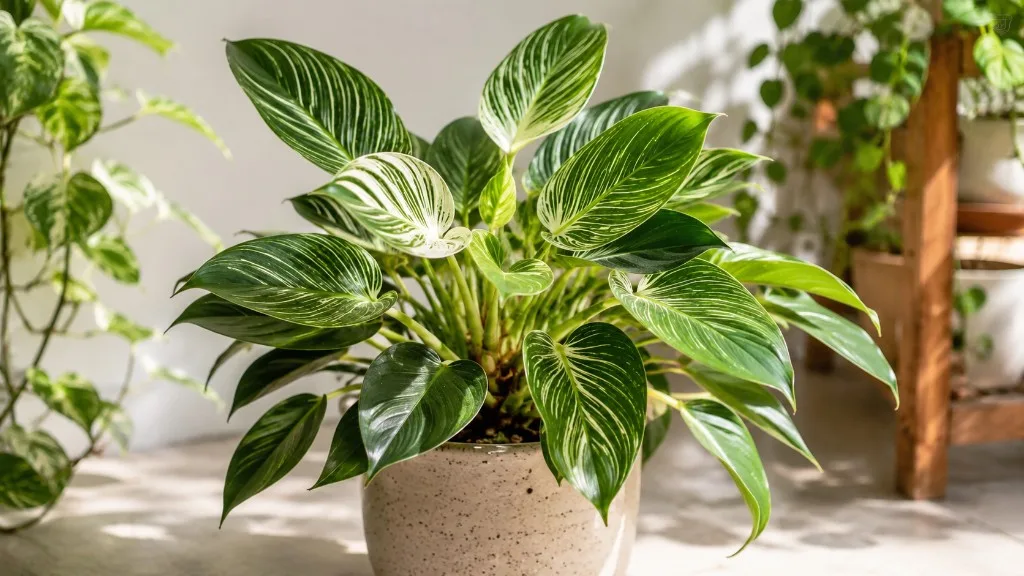
Philodendron Birkin
Likely causeApr 1, 2025 · The best time to repot philodendron birkin is in early spring or fall when the weather is mild, reducing stress on the roots and giving the repotted philodendron birkin the best chance to get established.
Quick fixConfirm diagnosis on your Philodendron Birkin, then address the most likely care or pest factor described in current extension guidance.
 Medium
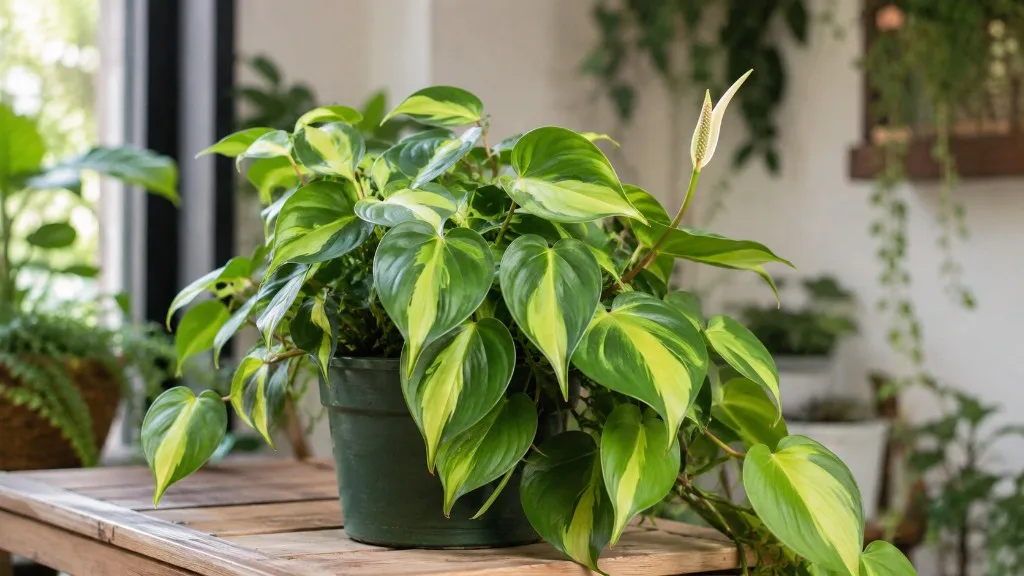
Philodendron Brasil
Likely causeJun 17, 2024 · After repotting , acclimating your Philodendron Brasil to its new home is key. Keep an eye out for stress signs like drooping leaves, which could signal transplant shock.
Quick fixConfirm diagnosis on your Philodendron Brasil, then address the most likely care or pest factor described in current extension guidance.
 Medium
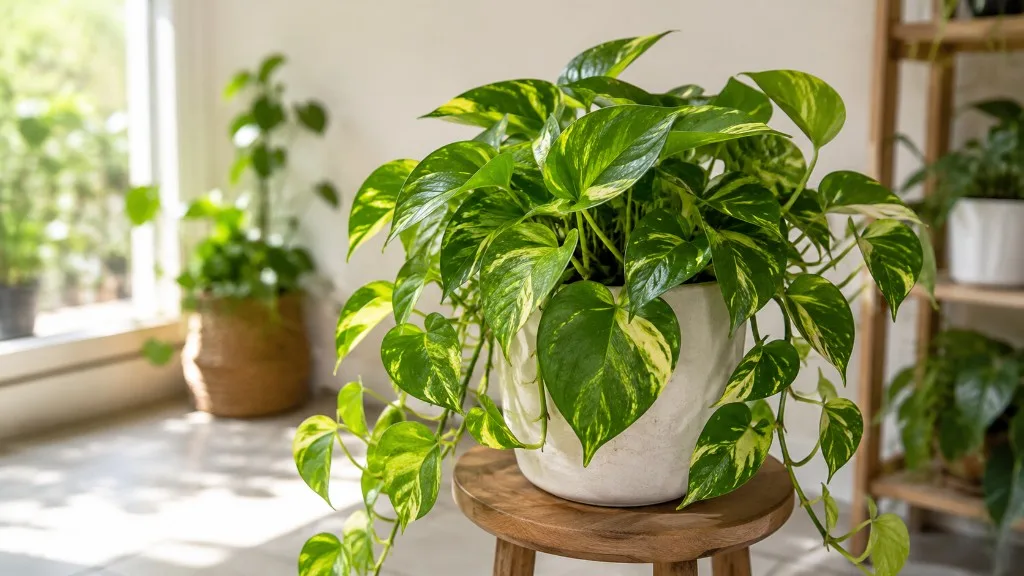
Pothos
Likely causeMost potting soils come with ample nutrients which plants use to produce new growth. By the time your plant has depleted the nutrients in its soil it’s likely grown enough to need a larger pot anyway. To replenish this plant's nutrients, re
Quick fixConfirm diagnosis on your Pothos, then address the most likely care or pest factor described in current extension guidance.
 Medium
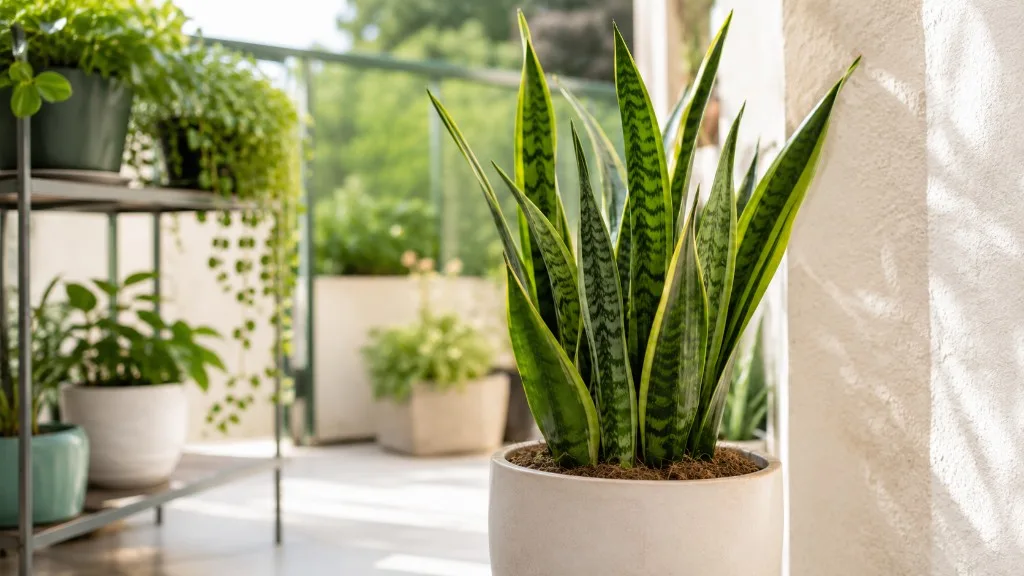
Snake Plant
Likely causeRepotting disturbs Sansevieria rhizomes; watering too soon after repotting in a larger pot often triggers rot and stalled growth.
Quick fixWait 5–10 days before first water after repot; use only slightly larger pot and withhold fertilizer 4–6 weeks.
 Medium
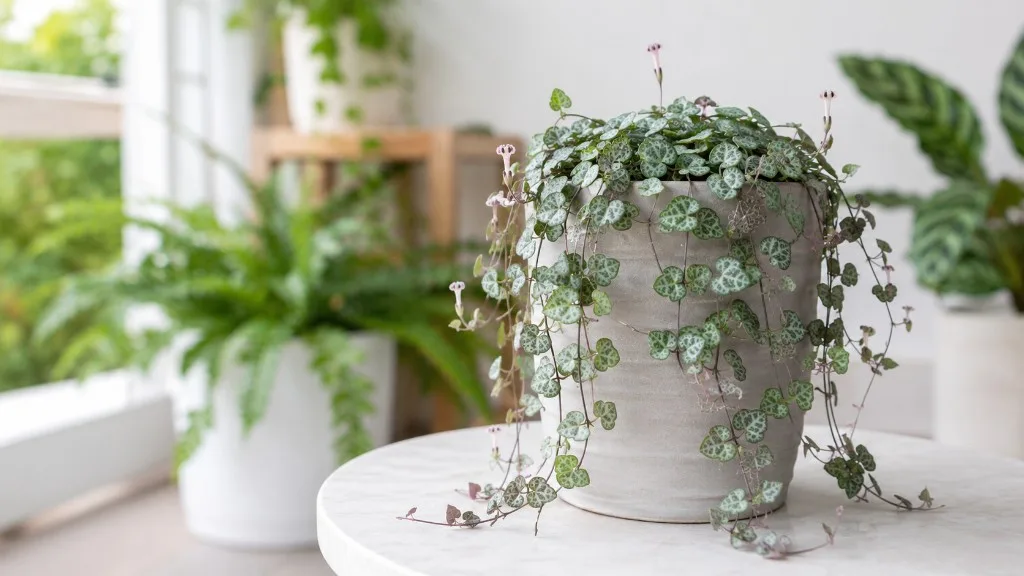
String of Hearts
Likely cause1 day ago · String of hearts stores water in its tubers — over-potting double-saturates roots. Get the 2–3 year repotting schedule, soil ratios, and the 7-day dry callus rule that prevents rot.
Quick fixConfirm diagnosis on your String of Hearts, then address the most likely care or pest factor described in current extension guidance.
 Medium
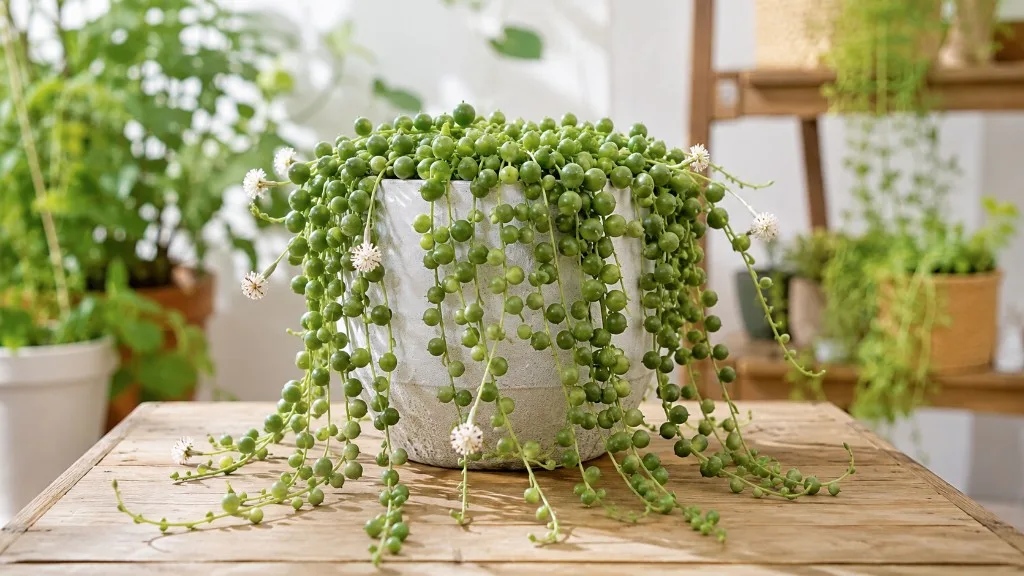
String of Pearls
Likely causeApr 1, 2025 · The best time to repot string of pearls is in early spring or fall when the weather is mild, reducing stress on the roots and giving the repotted string of pearls the best chance to get established.
Quick fixConfirm diagnosis on your String of Pearls, then address the most likely care or pest factor described in current extension guidance.