Transplant Shock in Plants: Signs, Causes, and Care
Homes are not greenhouses. Transplant Shock appears when humidity, temperature, or air movement falls outside what your plant tolerates. Wilting, yellowing, or leaf drop after repotting after a move, heat wave, or dry winter often points to environment-not necessarily wrong watering. Track weekly progress after you change care, and note watering, light, and repotting dates so you can tell whether the symptom is improving or returning. Compare upper versus lower leaves, new versus old growth, and soil moisture at root depth before you treat, because the same visible symptom can come from watering, light, pests, or normal aging on different plants.
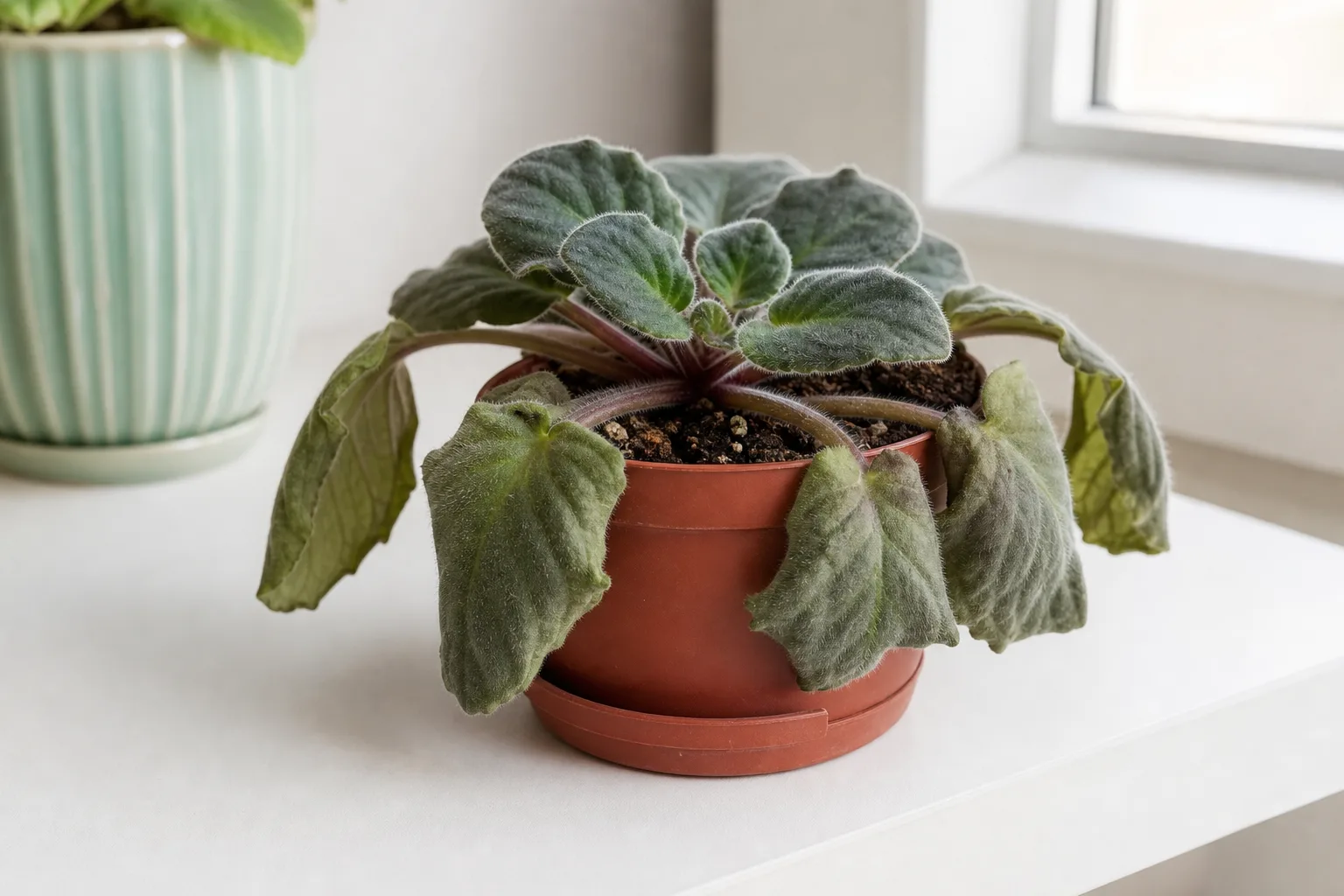
Transplant Shock on Houseplants
Still unsure?Match your symptoms to the most likely problems in under a minute.Run diagnosis →Understand and fix transplant shock
Homes are not greenhouses. Transplant Shock appears when humidity, temperature, or air movement falls outside what your plant tolerates. Wilting, yellowing, or leaf drop after repotting after a move, heat wave, or dry winter often points to environment-not necessarily wrong watering. Track weekly progress after you change care, and note watering, light, and repotting dates so you can tell whether the symptom is improving or returning. Compare upper versus lower leaves, new versus old growth, and soil moisture at root depth before you treat, because the same visible symptom can come from watering, light, pests, or normal aging on different plants.
Overview
Homes are not greenhouses. Transplant Shock appears when humidity, temperature, or air movement falls outside what your plant tolerates. Wilting, yellowing, or leaf drop after repotting after a move, heat wave, or dry winter often points to environment-not necessarily wrong watering. Track weekly progress after you change care, and note watering, light, and repotting dates so you can tell whether the symptom is improving or returning. Compare upper versus lower leaves, new versus old growth, and soil moisture at root depth before you treat, because the same visible symptom can come from watering, light, pests, or normal aging on different plants.
How to identify it
- Symptoms started after AC, heat, or window season change
- Crispy leaf edges in winter near radiators
- Wilting during a heat spell despite moist soil
- Leaf drop within days of bringing plant home or repotting
- Only plants near one vent or draft show damage
When to worry
Blackened tissue after frost exposure, or widespread collapse after heat above 95°F, may leave permanent damage-trim and stabilize fast.
Common causes
Low indoor humidity
Winter heating drops humidity below what tropical plants prefer, causing brown tips and curl.
Temperature extremes
Cold window glass, hot afternoon sun through glass, and heat vents create localized Transplant Shock.
Transplant or relocation shock
Roots and leaves need time to adjust after repotting or room changes-temporary drop is common.
Sudden environmental flip
Moving from greenhouse to home, or outdoor to indoor, shocks plants before they acclimate.
Step-by-step fix
Identify the environmental trigger
Note heat vents, drafty windows, and recent moves. Fix placement before heavy pruning.
Stabilize temperature and humidity
Group plants, use humidifiers, or pebble trays. Keep foliage away from hot and cold glass.
Reduce additional stress
Hold repotting and fertilizer until the plant looks stable for 2–3 weeks.
Trim permanently damaged tissue
Remove leaves that are fully brown or black. Partial tip damage can wait until conditions improve.
Acclimate gradually next time
Move plants in steps over a week when changing rooms or bringing them indoors for winter.
Prevention tips
- Keep tropical plants away from heating vents and cold drafts
- Run a humidifier in dry winter rooms
- Acclimate new plants slowly to your home
- Repot during active growth, not during stress
- Document which leaves show symptoms first and whether the soil is wet, dry, or compacted before changing multiple variables at once.
Common mistakes
- Misting once daily instead of raising ambient humidity
- Placing plants touching cold window glass in winter
- Repotting immediately when a plant arrives stressed
Transplant shock is a temporary or lasting decline after a plant’s roots, surroundings, or both are disturbed. Typical signs include wilting, stalled growth, curled leaves, yellowing, scorched margins, and leaf drop. The timing is suggestive, but it is not a diagnosis by itself: a newly moved plant can also suffer from a dry root ball, saturated soil, excessive planting depth, cold, heat, wind, or a pre-existing root disease.
The useful question is not simply “Is this shock?” It is “What changed, and is the root system able to replace the water the leaves are losing?” Plants absorb most of their water through roots and lose it through foliage, a balance explained by the Royal Horticultural Society’s plant-water guidance. Recovery depends on restoring that balance without creating another stress.
What transplant shock really means
“Shock” is a convenient umbrella term rather than one disease. Lifting a plant may remove or bruise fine roots; teasing a compacted root ball can tear them; changing the growing medium alters the amount of air and water around them. A plant can therefore have wet soil while still being unable to move enough water to its leaves.
The canopy may continue transpiring at nearly its previous rate while its reduced root system supplies less. Warm sun, dry air, and wind widen that gap. The plant closes stomata, leaves lose firmness, and growth slows. Some plants shed leaves to reduce demand. That response can be adaptive, but extensive or progressive tissue death means the imbalance remains unresolved.
Transplant shock is most common after digging established plants, setting nursery plants into a garden, moving seedlings, dividing perennials, or repotting houseplants aggressively. The scale differs, but the diagnostic logic is the same: evaluate roots, moisture, planting position, and exposure before adding treatments.
Recognize the symptom pattern
Mild shock usually appears within hours or days of the move. Leaves may droop during the warmest part of the day and regain firmness overnight. New growth pauses, yet stems remain firm and the root zone smells earthy. A few older leaves may yellow as the plant reallocates resources.
More serious trouble is likely when the whole plant stays limp overnight, stems become dark or mushy, the crown collapses, or yellowing continues upward. A dry, shrunken root ball that has separated from the surrounding soil points toward poor wetting. Sour odor, soft black roots, and persistently saturated media point toward oxygen shortage or decay rather than harmless adjustment.
Do not use one leaf as proof. Compare old and new growth, upper and lower foliage, the exposed and sheltered sides, and the moisture inside the original root ball. Check when symptoms began relative to digging, repotting, a heat spell, or a missed watering. Patterns beat guesses.
Decide whether the decline is normal or dangerous
| Observation | More consistent with adjustment | More consistent with urgent trouble |
|---|---|---|
| Daily pattern | Wilts in heat, firms by morning | Remains limp through cool periods |
| Roots | Pale or tan and firm | Brown-black, soft, hollow, or foul-smelling |
| Moisture | Evenly moist, then gradually dries | Bone-dry center or saturated for many days |
| Stems | Firm and normally colored | Pinched, blackened, split, or mushy |
| Trend | Stable or improving new growth | Symptoms spread after conditions are corrected |
This table is a triage tool, not a laboratory test. Species with naturally dark roots, deciduous plants entering dormancy, and succulents with stored water may not match it neatly. If a valuable tree or shrub has severe dieback, a certified arborist or local extension service can assess planting depth, roots, and site conditions.
Why moving a plant disrupts water balance
Roots are not interchangeable pipes. Young absorbing roots and root hairs occupy the outer portion of an established root system, so digging a limited root ball inevitably leaves some behind. The RHS recommends preparation and careful handling when moving trees and shrubs, especially for larger specimens whose root systems cannot be retained intact.
Container plants face a different problem. The old root ball and new mix may hold water differently. Water can run down the gap between them while the center stays dry, or the fresh outer mix can remain wet long after the original root ball has dried. Feeling only the surface can miss both situations.
Transplanting can coincide with abrupt changes in light, temperature, wind, and humidity. A seedling moved from a protected room to direct sun may be injured even if its roots are intact. Hardening off gradually exposes transplants to outdoor conditions; Penn State Extension describes acclimation as part of producing and establishing robust transplants.
Diagnose the actual cause
Start with the sequence of events. Note whether roots were cut, loosened, washed, divided, or allowed to dry. Record the old and new locations, container sizes, media types, watering, and weather. One large change may explain the decline, but several small changes often combine.
Then examine without repeatedly disturbing the plant. Push a clean wooden skewer or finger into a container in several positions, including the old root mass. For a landscape plant, dig a small inspection hole just outside the root ball rather than excavating all around it. The objective is to learn whether water is reaching roots and draining away.
Root injury, dry pockets, and poor contact
Freshly exposed roots can dry quickly. A root ball left in sun or wind during planting may lose moisture before leaves show damage. After planting, large air gaps or an unbroken, circling root mass can limit contact with the surrounding medium, leaving roots isolated from available water.
Water slowly enough to wet the entire root zone. The RHS advises thorough rather than superficial watering and checking moisture below the surface in its watering guidance. In a pot, apply water in passes and confirm that the core becomes moist; in the ground, create a broad watering area over the root zone rather than pouring water against the stem.
Do not ram soil around roots with excessive force. Gentle firming removes major voids while preserving pore space. If a container root ball is severely hydrophobic, one controlled soak may restore wetting; if water still bypasses it, corrective repotting may be necessary after the plant stabilizes.
Waterlogging, planting depth, and environmental change
Waterlogging can look like drought because damaged or oxygen-starved roots cannot support the canopy. Check drainage holes, saucers, decorative cachepots, heavy clay, and irrigation frequency. Watering automatically every day is not aftercare if the root zone never begins to aerate.
Planting depth also matters. Keep the original crown or trunk flare at the appropriate level; do not bury stems merely to make a plant stand. For trees, excess soil over the root flare can create long-term problems. For rosette houseplants, a buried crown can hold moisture against vulnerable tissue.
Finally, look above the soil. Hot afternoon sun, a heating vent, cold glass, or constant wind can raise water loss beyond what injured roots can supply. The RHS explains how temperature, air movement, humidity, and leaf features affect water loss through transpiration. Correct the exposure without moving the plant repeatedly.
First aid during the first 48 hours
Give the plant one careful assessment, then stabilize it. Confirm that the root ball is neither dry nor standing in water. Drain cachepots, open blocked drainage holes, shade tender outdoor transplants during intense afternoon heat, and shelter them from strong wind. Support a loose plant so movement does not keep tearing new roots.
For a houseplant, choose bright conditions appropriate to the species but avoid suddenly adding harsher light. Keep temperature steady. Do not put a stressed tropical plant in a dark corner indefinitely; insufficient light reduces recovery capacity and makes wet soil dry even more slowly.
Remove only material that is broken, diseased, or fully dead. Healthy leaves still produce carbohydrates, and partially damaged leaves may remain useful. Large woody transplants should not be indiscriminately topped to “balance” the lost roots; preserve the canopy unless qualified pruning is needed for structural damage.
Water without drowning damaged roots
Water immediately after planting when the species and medium permit, because this settles the medium and supplies the root zone. Then stop using the calendar. Recheck actual moisture and water again when the root zone has lost enough water for that plant and soil type, not merely because the foliage still looks sad.
For newly planted trees and shrubs, the University of Minnesota specifically recommends watering immediately after planting to settle soil and reduce transplant stress, then adjusting follow-up watering to rainfall, soil, and root-zone moisture. That schedule should not be copied directly to small houseplants, succulents, or dormant plants; it is evidence for the principle of complete initial wetting and close monitoring, not a universal calendar.
For containers, water until the intended root zone is evenly moist and allow excess to drain. Empty standing water. For garden plants, apply water slowly over the root ball and adjacent soil. Frequent shallow sprinkling can wet the surface while leaving deeper roots dry, whereas a single torrent may run off compacted ground.
Newly installed plants require closer monitoring than established ones, particularly during warm, windy weather. Yet “more monitoring” does not mean “more water.” Soil texture, container material, weather, root mass, and species determine the interval. The University of Minnesota’s planting guidance emphasizes attentive establishment watering while avoiding assumptions based only on surface appearance.
Mulch can reduce evaporation around landscape plants. Keep it spread over the root area and away from direct contact with trunks and crowns. In pots, do not add a decorative moisture barrier until you understand how quickly the medium dries; it can hide a persistently wet surface.
Manage light, heat, wind, and humidity
Temporary protection is useful when it reduces a sharp mismatch. Shade cloth during a heat wave, a sheltered location for newly potted plants, or moving a houseplant away from an air-conditioning blast can reduce water demand. Protection should still meet the species’ baseline light needs.
Humidity changes are most relevant to tropical foliage plants, cuttings, and seedlings. A clear cover can reduce water loss from propagation material, but it also reduces airflow and can encourage disease if condensation remains heavy. Mature houseplants rarely benefit from being sealed in improvised humidity tents without ventilation.
Outdoor transplants should be hardened off before permanent exposure. Increase sunlight and wind over several days rather than switching from protected indoor conditions to all-day sun. If leaves scorch, those patches will not become green again; judge recovery by firm stems, stable moisture use, and healthy new foliage.
Pruning, fertilizer, and transplant products
Fertilizer does not repair torn roots. High soluble-salt concentrations can make water uptake harder, so wait until the plant resumes active growth unless a soil or tissue test identifies a specific deficiency. The University of Minnesota’s fertilizer overview supports matching nutrient additions to plant and soil needs rather than treating fertilizer as a universal rescue.
Root stimulators, sugar water, vitamin solutions, and improvised tonics are not substitutes for correct moisture, oxygen, temperature, and planting depth. Some commercial products may have defined nursery uses, but the label and plant context matter. Do not mix several products on a stressed root system simply because the cause is uncertain.
Prune broken branches with clean tools and remove soft, rotting tissue when disease is confirmed. Leave cosmetically damaged but functional foliage until the plant is stable. Each cut is another wound, and severe pruning makes it harder to see whether the original decline has stopped.
Follow a realistic recovery timeline
There is no universal number of days. A small herbaceous transplant with an intact plug may regain firmness within days. A root-pruned houseplant may pause for weeks. A moved shrub or tree may need one or more growing seasons to rebuild a root system, especially if it was large, planted near dormancy, or exposed to drought.
Track three signals weekly: whether symptoms are spreading, how the root zone cycles from wet to appropriately dry, and whether buds or leaves are developing normally. Old yellow or scorched leaves may remain damaged even after the cause is corrected. New growth is more informative than cosmetic recovery of old tissue.
Avoid changing the treatment every few days. Roots need time to respond, and constant relocation, watering, unpotting, and feeding obscure the trend. If the plant is stable but not growing during its normal dormant season, patience may be more appropriate than intervention.
Treat any recovery estimate as a range, not a promise. A plant that remains stable but inactive may simply be rebuilding roots, while progressive stem collapse, spreading black tissue, or a root ball that cannot be wetted or drained is evidence to reassess sooner. This distinction keeps “wait and see” from becoming neglect.
Handle houseplants, seedlings, and woody plants differently
Houseplants are vulnerable to mismatched media and container size. Check the inner root ball, drainage, and light. A small increase in pot diameter is usually easier to manage than a large reservoir of unused wet mix. Tropical species may need protection from cold drafts, while succulents need particular restraint with repeated watering.
Seedlings have limited root reserves and tender leaves. Hold them by leaves rather than crushing stems, transplant at an appropriate developmental stage, and harden them off. A plug that remains intact generally establishes more predictably than bare, disturbed roots, but circling or compressed roots still need thoughtful correction.
Trees and shrubs demand attention to the root flare, root-ball width, staking, mulch placement, and long-term watering. Stakes should limit excessive movement without immobilizing the trunk indefinitely. Landscape failures may involve site drainage or root defects that cannot be corrected with a foliar spray.
Aquatic plants and bare-root dormant plants are special cases. Their handling, planting depths, and acceptable signs differ from leafy tropical houseplants. Follow species-specific guidance rather than applying a generic “keep moist and shade” formula.
Know when to replant or propagate
Do not automatically dig up or unpot a declining plant. Replant only when evidence shows a correctable structural problem: the crown is buried, the root ball remains dry while surrounding soil is wet, drainage is absent, roots were folded upward, or the medium is decomposed and airless. Correct the problem once, gently.
Propagate healthy material when the crown or main root system is deteriorating and the species roots reliably from cuttings or divisions. Use clean tools and take material above visibly damaged tissue. Propagation is insurance, not proof that the parent cannot recover.
Seek expert help for valuable woody plants, widespread blackening, suspected herbicide injury, severed major roots, or symptoms that continue despite verified moisture and exposure. Contact local extension diagnostics when disease is plausible. Photographs of the whole plant, root zone, symptom close-ups, and a care timeline make remote diagnosis more useful.
Prevent transplant shock next time
Plan the move for a season appropriate to the species. Prepare the destination before exposing roots, keep roots shaded and moist during handling, and preserve as much healthy root mass as practical. Match the new medium to the plant rather than using dense garden soil in a container.
Water the plant before a move when appropriate, but do not handle a saturated, fragile root ball roughly. Lift by the root mass or container, never by stems. Set the plant at the correct depth, firm gently, water thoroughly, and provide temporary protection from extreme sun or wind.
Acclimate seedlings and indoor-grown plants gradually. Inspect nursery root systems before planting and correct severe circling without turning routine planting into unnecessary bare-root surgery. Label the planting date and record weather and watering so a later symptom has context.
Most importantly, change one variable at a time after planting. Stable, evidence-based care lets roots regenerate. A frantic series of “rescues” creates fresh stress and makes the original cause harder to identify.
Prevention also means matching the size of the move to the plant’s condition. Delay optional division or root pruning when a plant is already heat-stressed, pest-infested, nutrient-starved, or entering an unsuitable season. When a move cannot wait, such as a broken container or construction conflict, preserve the root ball, prepare tools and the destination in advance, and shorten the time roots spend exposed.
Build a follow-up routine before you finish. Decide where you will test moisture, what “ready for water” means for that species, and which photographs you will compare. Tell other caregivers what changed so the plant is not watered twice. These small operational details prevent many aftercare failures that are mistakenly blamed on the original transplant.
Conclusion
Transplant shock describes a water-balance problem after roots or surroundings change; it does not tell you which correction the plant needs. Diagnose the inner root ball, drainage, root condition, planting depth, and exposure before acting. Mild midday wilt with overnight recovery can be normal adjustment, while persistent collapse, soft roots, foul odor, or spreading dieback demands intervention.
The safest recovery plan is usually simple: restore even root-zone moisture, allow oxygen, reduce extreme exposure, avoid fertilizer and repeated disturbance, and watch the trend in new growth. When evidence points to a structural planting error, correct it once. When decline continues or a valuable woody plant is involved, bring clear observations to an extension specialist or arborist.
Plants commonly affected
These houseplants often struggle with transplant shock. Open a care guide or plant-specific troubleshooting page for tailored fixes.
 Medium
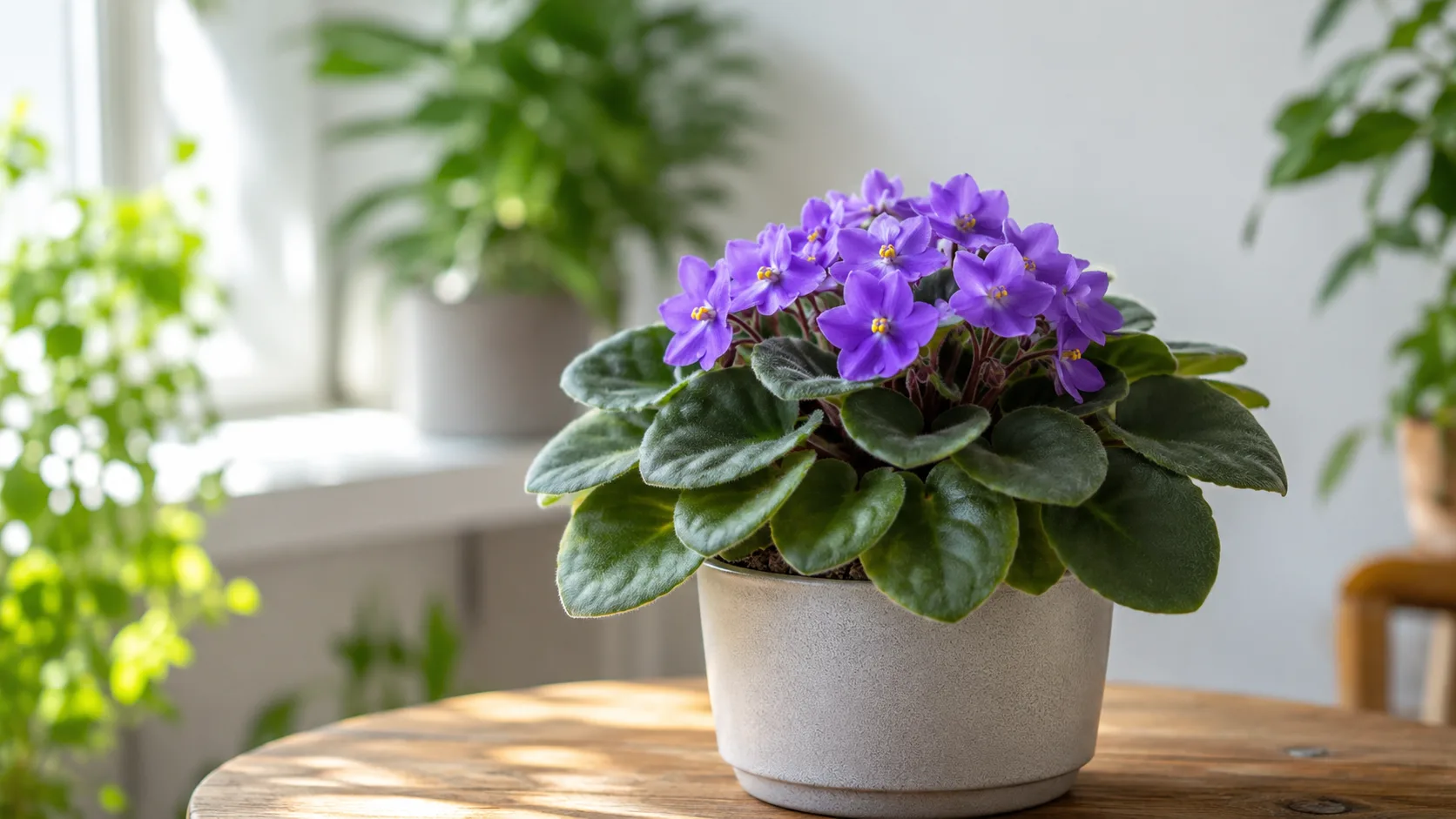
African Violet
Likely causeTransplant Shock on African Violet: This stress, known as transplant shock, is a common reason why African violets wilt after repotting. Imagine being uprooted from your cozy spot and placed somewhere unfamiliar—it's a bit unsettli
Quick fixInspect African Violet, confirm transplant shock matches your symptoms, then adjust care or treat per authoritative guides.
 Easy
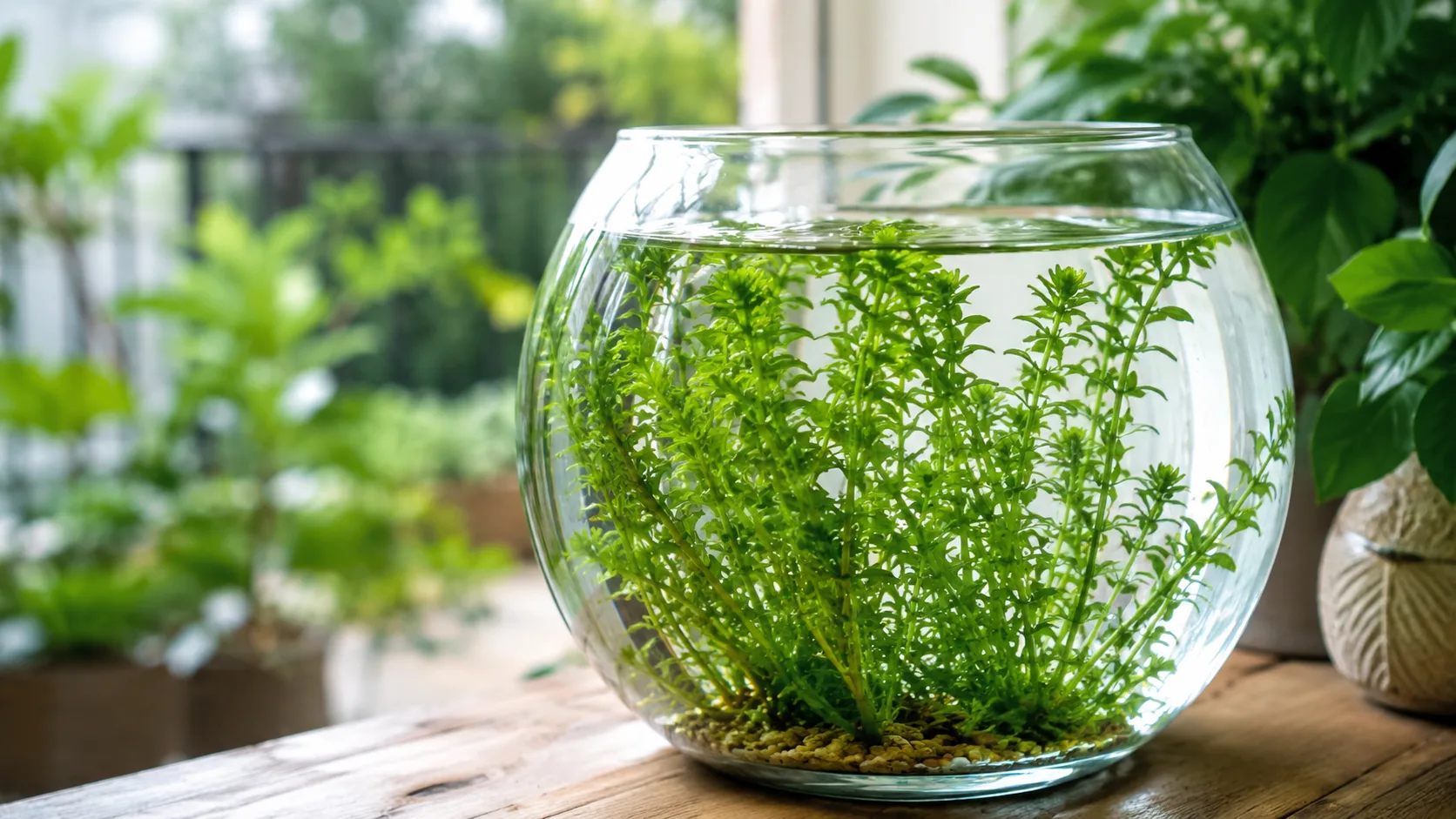
EasyAnacharis / Elodea
Likely causeRapid changes in temperature, pH, hardness, or light when moving between tanks or stores.
Quick fixFloat in bag acclimation, avoid moving stems again, trim melt, and wait for new tips on firm nodes.
 Medium
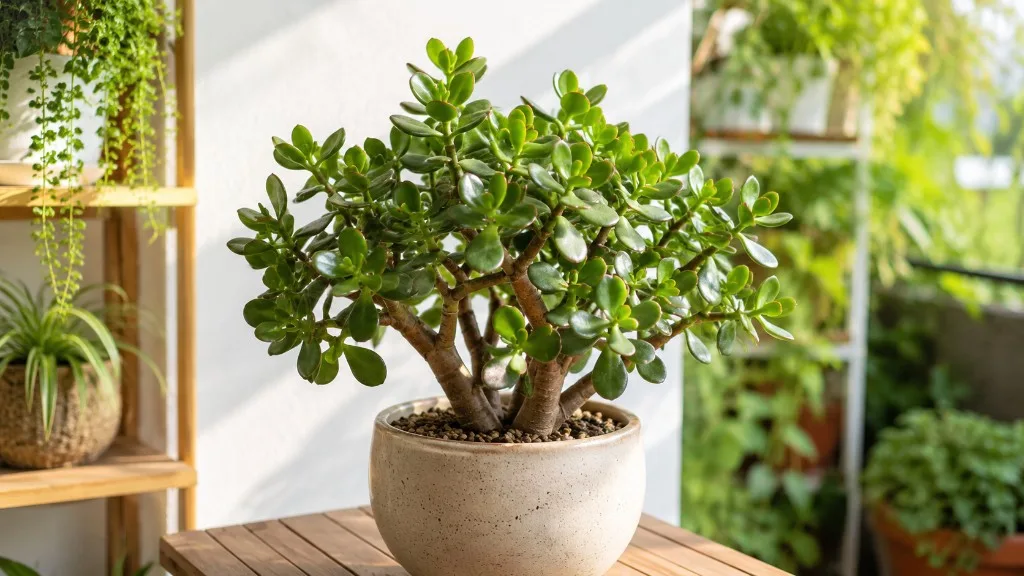
Jade Plant
Likely causeSigns that your jade plant may be in shock include drooping or wilted leaves, yellowing or browning of the leaves, and a general lack of growth or vitality. Additionally, if you notice that your jade plant is not responding to regular care
Quick fixConfirm diagnosis on your Jade Plant, then address the most likely care or pest factor described in current extension guidance.
 Medium
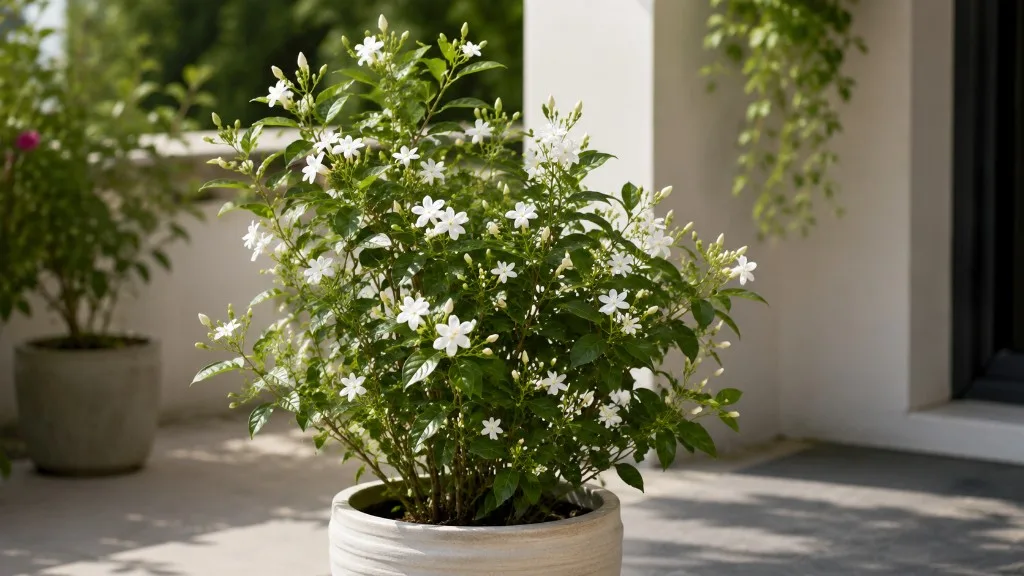
Jasmine
Likely causeWilting after transplanting may indicate transplant shock . Ensure you water your star jasmine adequately and keep it in partial shade for a few days post-transplant.
Quick fixConfirm diagnosis on your Jasmine, then address the most likely care or pest factor described in current extension guidance.
 Medium
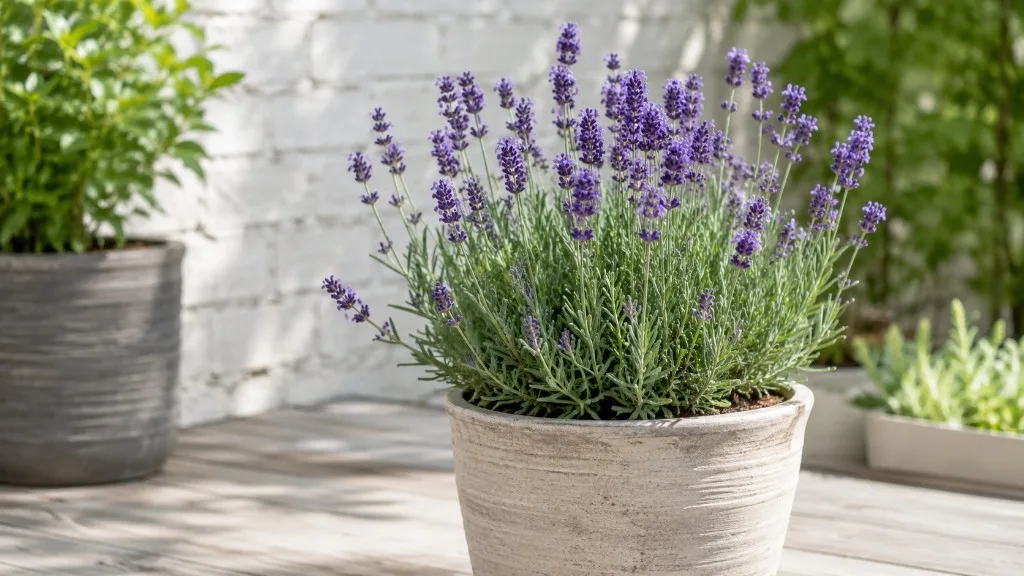
Lavender
Likely causeApr 4, 2026 · This comprehensive guide will walk you through everything you need to know about transplanting lavender successfully, how to recognize the signs of stress, and most importantly, how to rescue your beloved plants if they do exp
Quick fixConfirm diagnosis on your Lavender, then address the most likely care or pest factor described in current extension guidance.
 Medium
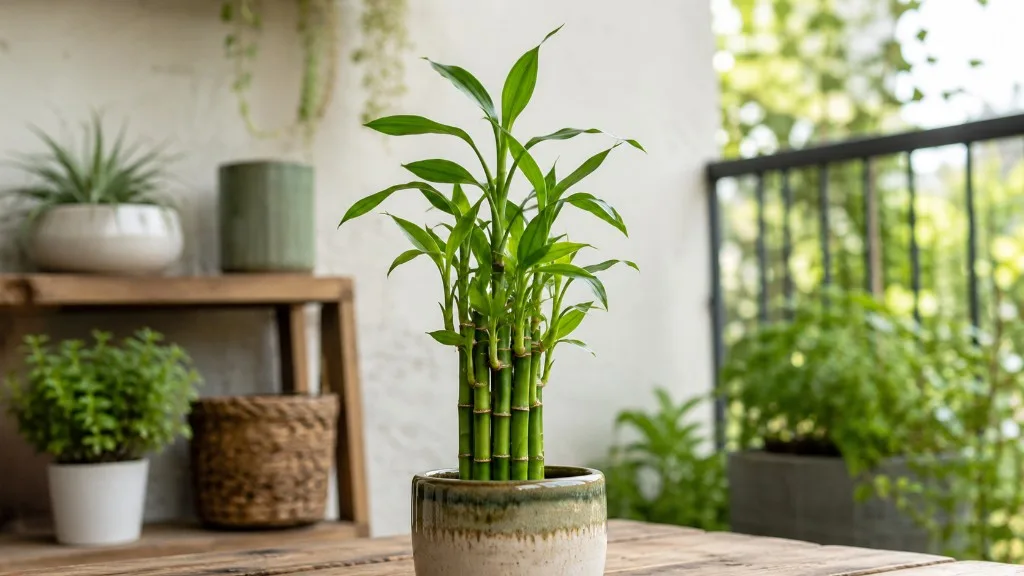
Lucky Bamboo
Likely causeAug 18, 2024 · Repotting can be a traumatic experience for any plant, and lucky bamboo is no exception. When you move it from one pot to another, you're essentially disrupting its comfort zone. This disruption, known as transplant shock , c
Quick fixConfirm diagnosis on your Lucky Bamboo, then address the most likely care or pest factor described in current extension guidance.
 Medium
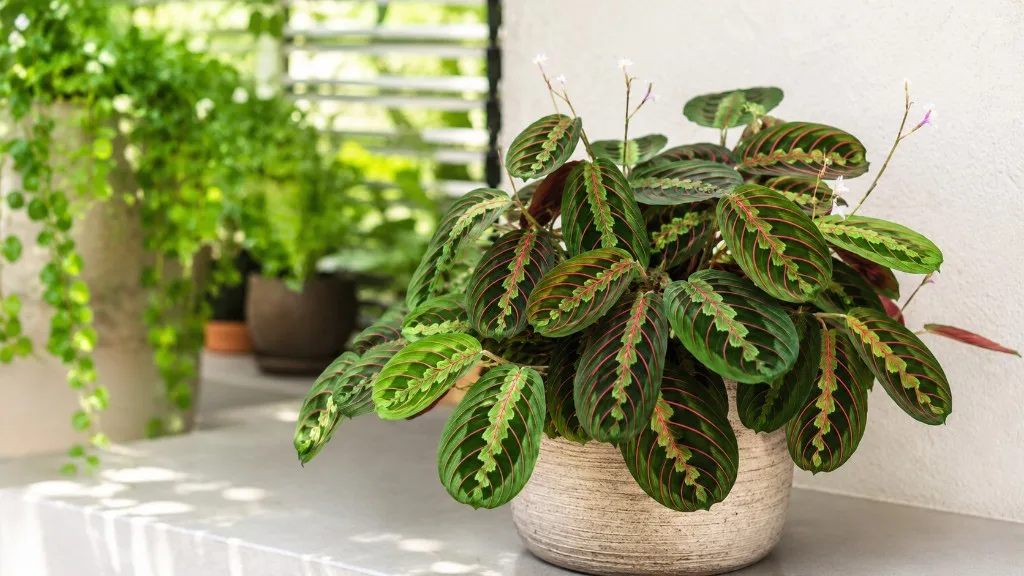
Maranta Leuconeura
Likely causeNov 19, 2025 · During transplant shock , the Maranta leuconeura is busy tending its roots and faces greater exposure to environmental issues, pests, and diseases. Signs of transplant shock include yellow, wilting, or curled-up leaves.
Quick fixConfirm diagnosis on your Maranta Leuconeura, then address the most likely care or pest factor described in current extension guidance.
 Medium
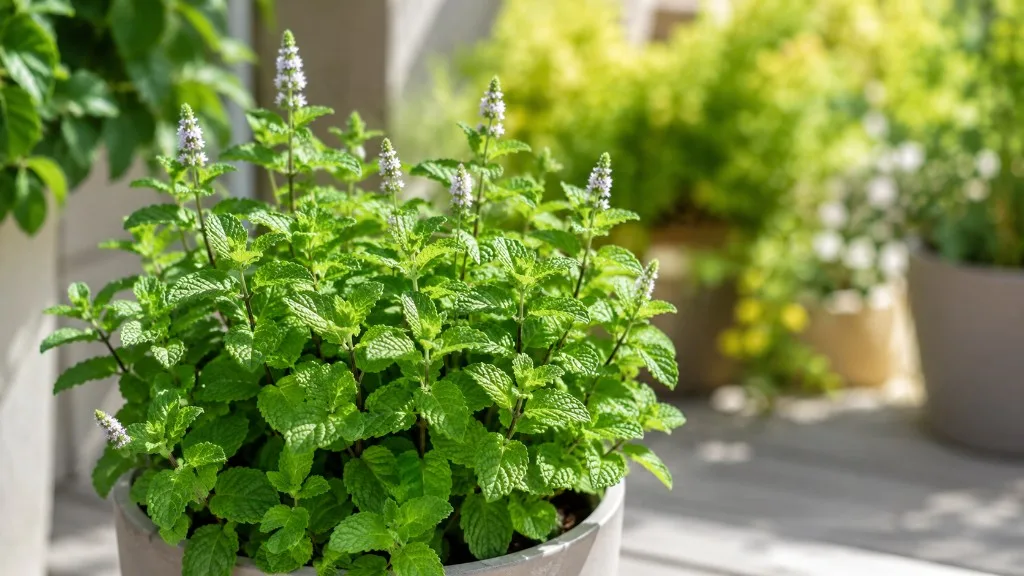
Mint
Likely causeMoving mint divisions or store-bought pots damages fine roots, limiting water uptake for 1–2 weeks.
Quick fixKeep soil evenly moist not soggy; provide partial shade; avoid fertilizing until recovery.
 Medium
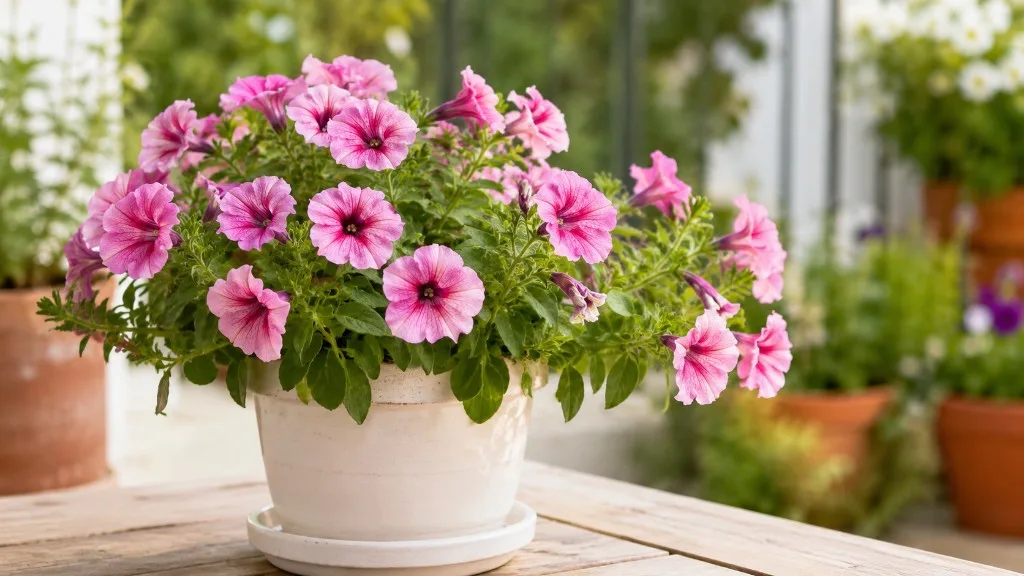
Petunia
Likely causeNewly planted petunias wilt when roots are disturbed or moved from greenhouse to harsh outdoor sun.
Quick fixWater well before and after planting; transplant on a cloudy evening and shade for a few days.
 Medium
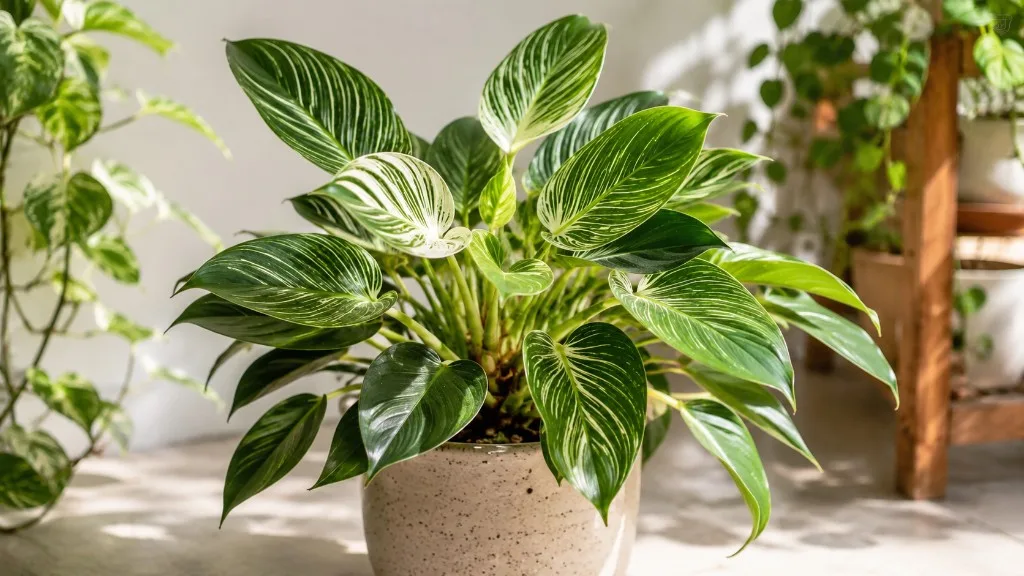
Philodendron Birkin
Likely causeHow can I prevent transplant shock in philodendron ' Birkin '? Minimize root disturbance, water well, and keep philodendron ' Birkin ' in a stable environment to lessen transplant shock risks.
Quick fixConfirm diagnosis on your Philodendron Birkin, then address the most likely care or pest factor described in current extension guidance.
 Medium
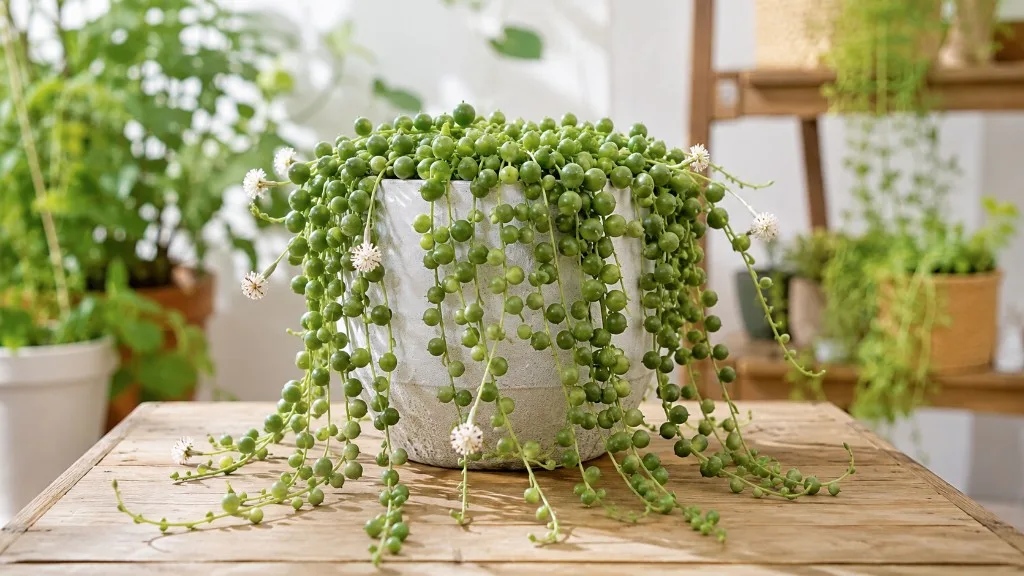
String of Pearls
Likely causeLearn how to properly transplant String of pearls ( Curio rowleyanus ). Discover the best timing, essential techniques, and expert tips for successful plant transplantation .
Quick fixConfirm diagnosis on your String of Pearls, then address the most likely care or pest factor described in current extension guidance.
 Medium
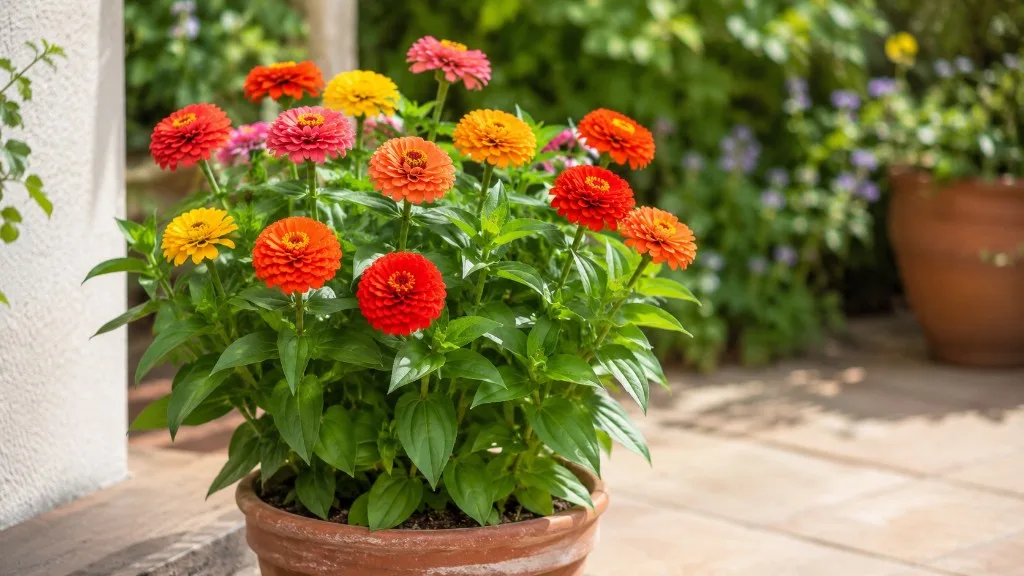
Zinnia
Likely causeZinnia elegans dislikes root disturbance; transplanting causes wilting and stunted growth.
Quick fixDirect-sow in final location; if transplanting, harden off and water immediately.