Transplant Shock on Zinnia: Causes, Checks & Fixes
Quick answer
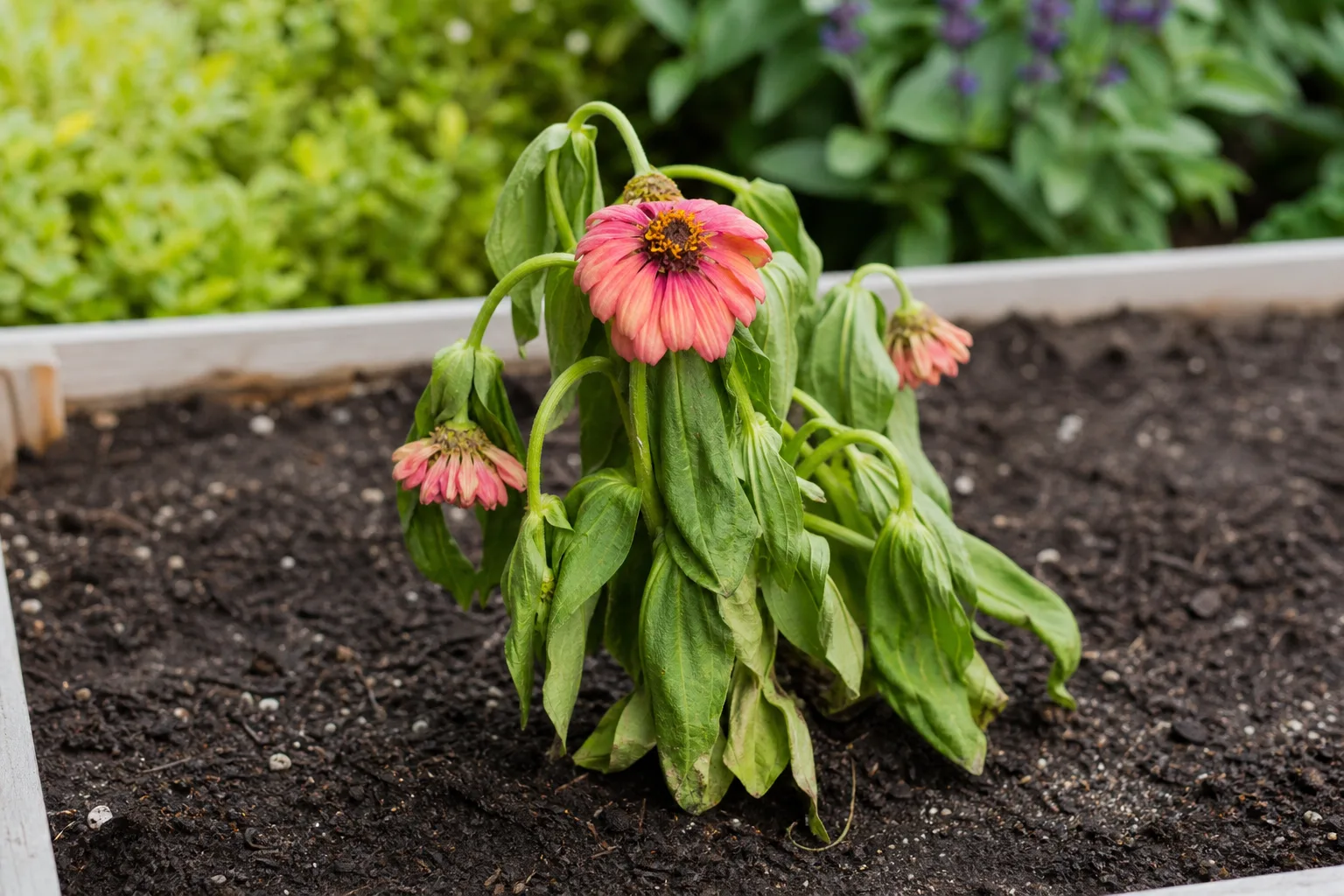
Transplant shock on Zinnia shows as same-day wilting and stalled buds after moving seedlings-Zinnia elegans resents root disturbance. First step: water deeply at the base immediately and stop handling the plant.
Transplant Shock on Zinnia: Causes, Checks & Fixes
This guide covers transplant shock on Zinnia. See also the general Transplant Shock guide, watering, and light pages for this plant.
Transplant Shock on Zinnia: Causes, Checks & Fixes
Quick answer
Transplant shock on Zinnia appears as same-day wilting, drooping flower heads, and stalled buds right after you move seedlings from trays, packs, or one container to another. Zinnia elegans grows fast but its fibrous, shallow roots resent disturbance-direct sowing avoids the problem entirely, while indoor starts need gentle handling and immediate watering at the base.
First step: water deeply at the base the moment you finish planting, then leave the plant alone. Do not fertilize, pinch, or repot again while it looks limp. Temporary afternoon shade helps only during extreme heat on the transplant day-not as a long-term fix.
What transplant shock looks like on Zinnia
Shock on zinnias is a timing pattern as much as a set of symptoms. The plant looked fine in its cell or pack, then wilts within hours of going into the garden or a larger pot. That immediate slump distinguishes shock from drought wilt, which builds slowly on hot afternoons when soil dries out over days.
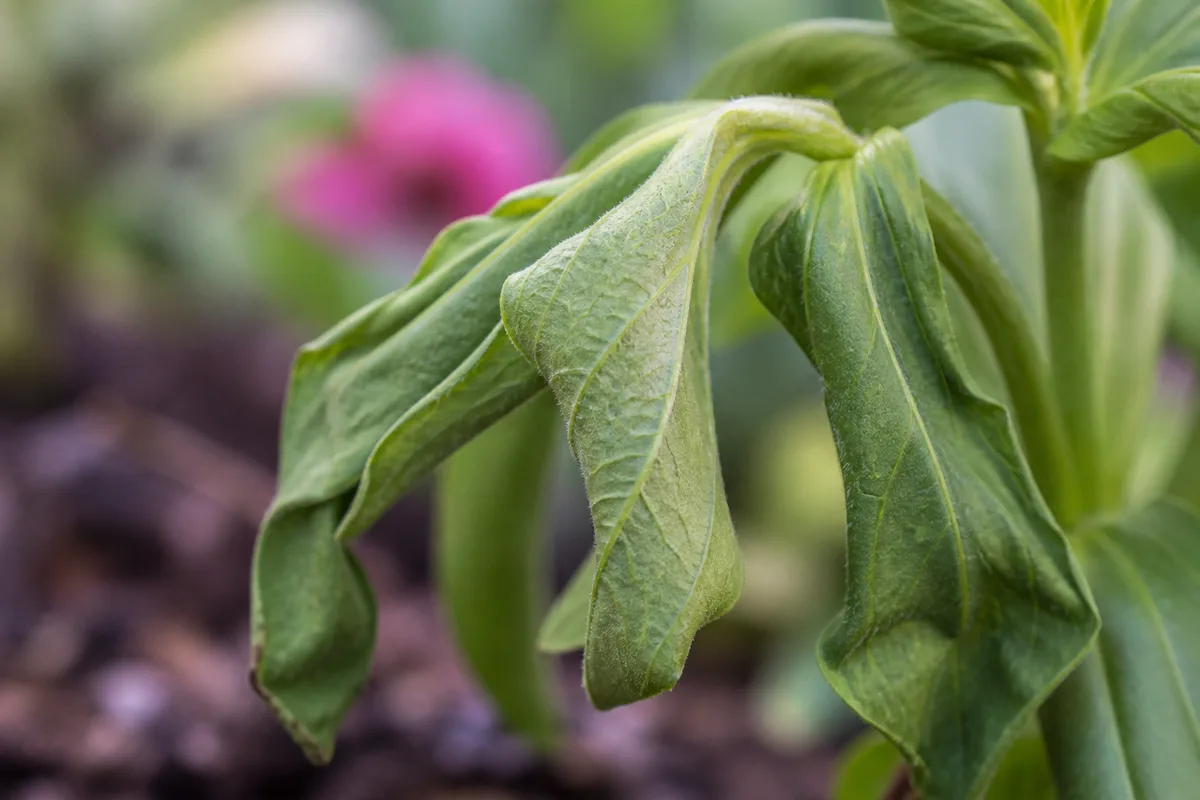
Transplant Shock symptoms on Zinnia - compare with healthy tissue on the same plant.
Common signs include:
- Limp stems and drooping leaves across the whole plant, not just lower foliage
- Flower heads hanging even when surrounding soil feels moist
- Yellowing lower leaves appearing within one to three days after the move
- Stalled or aborted buds that stop opening for several days
- No new tip growth while neighbors direct-sown in the same bed look perky
Zinnias in shock often still have firm stems at the base-unlike damping-off, where seedlings pinhole and collapse at the soil line, or stem rot from chronic overwatering on Zinnia, where tissue turns mushy and brown. Leaves that were fully expanded before transplant may stay wrinkled or slightly yellow even after the plant recovers; judge progress by new leaves and fresh buds, not by old tissue returning to perfect form.
Double-flowering varieties deserve extra attention. Stress from root disturbance can push some plants to produce single blooms for a stretch even when the seed packet promised doubles-a temporary reversion that clears once the plant settles and resumes vigorous growth.
Why Zinnia gets transplant shock
Zinnias evolved as warm-season annuals that germinate in place and race to bloom before frost. Their root system is fibrous and relatively shallow, built for quick uptake in Zinnia light guide-not for repeated handling. When you lift a seedling from a tray, break apart a rootbound pack, or plant too deep, fine feeder roots tear and the plant loses its ability to pull water as fast as leaves transpire in heat.
Several zinnia-specific triggers make shock common:
Root disturbance during the move. Teasing apart circling roots, pulling seedlings by the stem, or letting a soil plug crumble exposes roots to air and mechanical damage. Extension guidance for transplants emphasizes keeping the root ball intact and setting seedlings at the same depth they grew in the cell.
Transplanting at the wrong stage. Large, bud-heavy starts from nursery packs have more leaf surface to support than damaged roots can feed. Small plants that have not yet flowered establish faster than tall blooming specimens pulled from garden-center displays.
Rootbound cells. Zinnias outgrow standard seed trays quickly. Rootbound plugs dry out in minutes after planting and never re-expand into surrounding soil-the plant wilts on moist ground because the root ball itself is dry and cramped.
Skipping hardening off. Seedlings raised under grow lights have tender leaves and stems unaccustomed to wind, full sun, and temperature swings. Moving them straight outdoors scorches foliage and compounds transplant stress.
Cold or wet soil at planting. Zinnias need warm soil to root out. Planting into cold, saturated beds slows root activity; the top wilts while roots sit idle. Frost-tender zinnias planted before the last frost face tissue damage on top of shock.
Same-day stacking of stress. Transplanting at noon in blazing sun, then fertilizing, pinching, and overhead watering-all in one afternoon-overwhelms a plant already struggling to re-connect roots with soil.
How to confirm the cause
Work through these checks before you treat:
- Timeline - Did wilting start within hours of planting? Shock fits immediate slump. Gradual afternoon droop over several dry days points to underwatering on Zinnia.
- Neighbor comparison - Are direct-sown zinnias in the same bed unaffected? Shock usually hits only the disturbed plants.
- Soil moisture at root depth - Stick a finger 5 cm into soil beside the stem. Dry soil after transplant means the root ball was not watered in. Wet, heavy soil with a limp plant suggests rot or cold soil, not simple shock.
- Root ball condition - If you still have the tray, look at leftover cells. White roots circling the bottom confirm rootbound stress. Crumbs of mix falling off exposed roots confirm handling damage.
- Stem base firmness - Firm green stems with limp upper growth support a shock diagnosis. Soft brown stems at the soil line suggest damping-off or stem rot-different emergencies.
- Weather context - A cold night after planting blackens tissue-that is cold damage layered on shock. Extreme afternoon heat on transplant day causes temporary flagging that should recover overnight if roots were watered in.
If the plant wilted immediately after a move, stems are firm, and soil is evenly moist-not waterlogged-transplant shock is the working diagnosis. Hold off on fertilizer and repeated Zinnia repotting guide until you see new growth.
First fix for Zinnia
Water deeply at the base immediately after planting-or right now if you already skipped that step.
Use a watering can or gentle hose at soil level until moisture penetrates at least 15 cm down around the root zone. The goal is to settle soil against roots and rehydrate a dry plug, not to flood the bed. Let excess drain if you are in a container.
After watering:
- Stop handling the plant. No second transplant, no pinching, no foliar sprays today.
- Shade lightly for one to three days only if you transplanted into midday heat above 35°C- a piece of shade cloth or a temporary umbrella during the hottest hours helps. Remove shade once stems stiffen.
- Do not fertilize until you see new tip growth. Stressed roots cannot process nutrients; excess fertilizer burns tender roots.
If the root ball was rootbound, one careful intervention is acceptable: before the initial watering, use a knife to slice two vertical cuts through the bottom of the circling mass-do not rip roots apart with your fingers. Then water in deeply.
Step-by-step recovery
Once the first watering is done, follow this sequence over the next one to two weeks:
- Maintain even moisture - Check soil daily at the base. Water when the top 3 cm dries; zinnias in recovery need steady moisture but not soggy beds. Always water at soil level-wet foliage invites powdery mildew and Alternaria on zinnias.
- Hold fertilizer - Wait until new leaves appear at the growing tip, usually one to two weeks after transplant. Then feed at half strength if the bed was not amended with compost.
- Remove only dead tissue - Snip fully brown or black leaves; leave slightly yellow ones until the plant pushes replacement growth.
- Protect from wind - Tall zinnia varieties snap easily when roots are weak. A short stake or tomato cage prevents mechanical damage while the root system rebuilds.
- Scout for lookalike problems - Aphids and spider mites target stressed zinnias in hot dry weather. Powdery mildew appears in crowded humid beds. Fix those only if you confirm pests or disease-do not spray preventively on a wilted plant.
- Resume deadheading once new buds form - Removing spent flowers redirects energy into fresh blooms on established zinnias.
Recovery timeline
Most zinnias show visible stiffening within 24 to 48 hours after proper watering and stable weather. Expect meaningful new tip growth within three to seven days when roots were moderately disturbed and soil stays warm.
Recovery takes longer-one to three weeks-when seedlings were rootbound, transplanted in full bloom, or moved during a cold snap. Double-flower varieties may produce single blooms for several weeks after severe root stress before returning to their normal form.
Wilted mature leaves rarely return to perfect color; they may yellow and drop while new foliage emerges. That is normal. If the plant produces no new growth for ten days and stems soften at the base, assume root failure rather than lingering shock.
Lookalike symptoms
Several zinnia problems mimic transplant shock. Separating them prevents wrong fixes:
Underwatering / heat wilt - Develops on dry afternoons over days, not instantly after planting. Plants perk up overnight or after deep watering. Soil is consistently dry 5 cm down.
Overwatering and stem rot - Wilting on wet soil with soft brown stems at the base. Common when a shocked plant gets watered daily “to help it” in poorly drained clay. Stop watering and improve drainage.
Damping-off - Hits seedlings still in trays or just planted from flats; stems collapse at the soil line in cool wet mix. Not the same as a established transplant wilting with firm stems.
Cold damage - Blackened or translucent leaves after a sub-10°C night. Zinnias are frost-tender; cold kills tissue permanently. Recovery requires warm weather and new growth from undamaged nodes.
Alternaria blight and powdery mildew - Spotty lesions or white coating on leaves with gradual decline, not sudden whole-plant wilt after a move. Spacing and base watering matter more than extra irrigation.
Mistakes to avoid
- Transplanting large blooming packs from garden centers when small unflowered cells would establish faster
- Pulling seedlings by the stem instead of pushing the soil plug up from the cell bottom
- Teasing or washing roots bare like you might with a tomato-zinnias need the plug intact
- Planting deeper or shallower than the seedling grew; match soil level exactly
- Fertilizing on transplant day hoping to “give it a boost”
- Overhead watering that soaks zinnia flowers and foliage, inviting grey mould and blight
- Moving the plant again every time it looks tired-each move resets recovery
- Starting seeds too early indoors so plants become leggy and rootbound before weather allows transplant
How to prevent transplant shock on Zinnia
Prevention starts with choosing the path of least root disturbance:
Direct-sow when your season allows. Sow seed 6 mm deep after the last frost when soil reaches 21°C (70°F) for fastest germination, or transplant-ready at 15°C (60°F) minimum. Direct-sown zinnias never experience the trauma of a move and often outpace fussy indoor starts by midsummer.
If you start indoors, sow four to six weeks before last frost in individual cells-not crowded flats. Use grow lights 2–3 cm above seedlings for 14–16 hours daily to prevent leggy weak stems.
Harden off for one to two weeks before planting out. Begin with shaded afternoon hours, gradually increase sun and wind exposure, and bring trays in until seedlings tolerate full outdoor conditions.
Transplant on a cloudy day or in late afternoon when sun has passed its peak. Set seedlings at the same depth as in the cell, firm soil gently to eliminate air pockets, and water in immediately.
Choose small, unflowered plants from nurseries when buying starts. Pinch or deadhead after establishment-not before roots settle.
Space for airflow - 20–30 cm between plants reduces humidity-driven mildew once zinnias size up.
When to worry
Ordinary transplant shock is firm stems, limp tops, and recovery within a week after proper watering. Escalate when:
- Stems soften and turn brown at the soil line - likely damping-off or stem rot; remove affected plants and fix drainage or seed-tray conditions
- Leaves blacken after a cold night - frost damage is permanent on zinnias; replant if all tissue is killed
- Wilting persists on wet soil for more than three days on Zinnia - inspect roots for mushy rot; reduce watering and improve drainage
- Mosaic mottling or severe distortion appears on new growth - virus spread by aphids; remove infected plants
- Entire row collapses in a new bed - check soil temperature, drainage, and whether root balls were planted dry
A single stressed zinnia with firm stems rarely needs replacement. Three failed transplants in the same conditions mean your timing, hardening-off, or root handling-not the individual plant-needs correction.
Zinnia care cross-check
Transplant shock recovery goes faster when baseline care is right. Zinnias want full sun-six or more hours of direct light daily-and well-draining moderately fertile soil. Water deeply at the base when the top 3 cm dries; avoid wetting foliage and flowers. These fast annuals bloom six to eight weeks from seed in warm weather and tolerate heat well once roots are active-shock is almost always about roots not keeping up with leaves, not about zinnias being fragile plants in general.
If your transplants keep failing despite careful handling, switch to direct sowing for the rest of the season. You lose a few weeks of early blooms but gain plants that never stall at the starting line.
When to use this page vs other Zinnia guides
- Zinnia watering guide - Use for routine moisture checks before assuming transplant shock is the main issue.
- Zinnia problems hub - Browse all 38 common issues on this species.
- Wilting on Zinnia - Different entry point when symptoms overlap with transplant shock.