Zinnia Problems: Causes & Quick Fixes
Quick answer
Zinnia is prone to 45 common issues - each link below is a plant-specific fix guide.
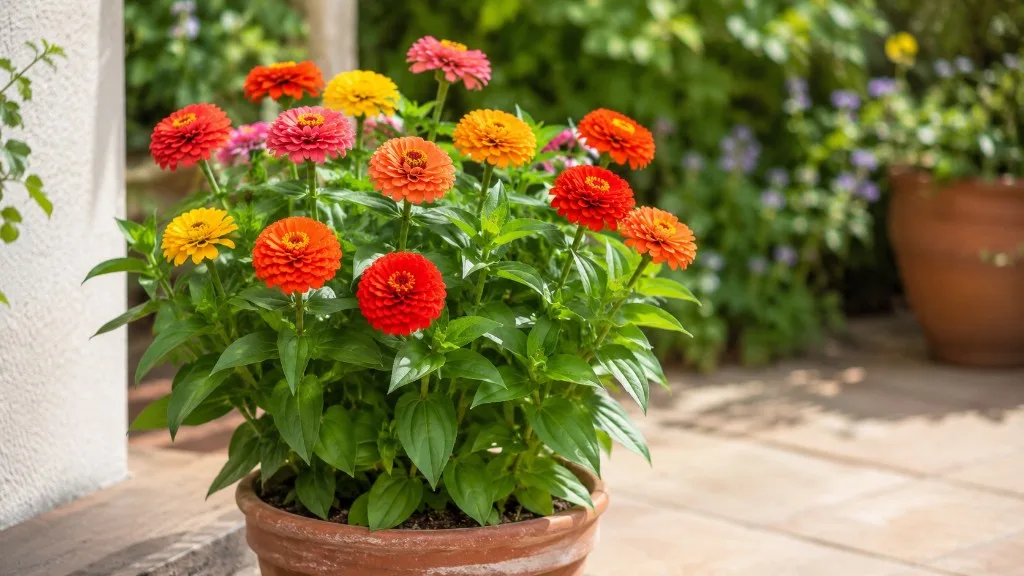
Zinnia problems
Use the guides below to diagnose and fix common issues on Zinnia. Each problem page explains why it happens on this species and what to do first.
Or use our problem diagnosis tool to narrow down symptoms.
Common problems on Zinnia
Aphids
MediumLikely cause: Aphids cluster on zinnia tips, curling leaves and coating them with sticky honeydew.
Quick fix: Blast with water or spray insecticidal soap every 4–5 days until clear.
Full fix guide →Black Spots
MediumLikely cause: Alternaria blight produces dark lesions that merge on zinnia leaves and stems.
Quick fix: Remove infected tissue; apply protectant fungicide and improve spacing.
Full fix guide →Blight
HighLikely cause: Alternaria zinniae blight causes reddish-brown spots and rapid zinnia dieback in warm wet weather.
Quick fix: Remove infected plants; water at base only and apply protectant fungicide early.
Full fix guide →Bud Drop
MediumLikely cause: Heat stress or overwatering aborts developing zinnia buds before opening.
Quick fix: Maintain even moisture; provide afternoon shade during extreme heat waves.
Full fix guide →Caterpillars
HighLikely cause: Caterpillars including armyworms and loopers chew holes in zinnia leaves and flower buds.
Quick fix: Hand-pick at dusk or apply Bt (Bacillus thuringiensis) to foliage in late evening.
Full fix guide →Cold Damage
HighLikely cause: Zinnia elegans is frost-tender; temperatures below 10°C blacken and kill tissue.
Quick fix: Plant after last frost; cover containers if a late cold snap is forecast.
Full fix guide →Damping Off
HighLikely cause: Pythium and Rhizoctonia kill zinnia seedlings in cool wet seed-starting mix.
Quick fix: Use sterile mix, bottom-water only, and provide heat mat for rapid germination.
Full fix guide →Distorted Leaves
MediumLikely cause: Aphids and mosaic virus distort zinnia leaf shape and stunt new growth.
Quick fix: Control aphids with insecticidal soap; remove virus-infected plants.
Full fix guide →Drooping Leaves
MediumLikely cause: Underwatering in afternoon heat or overwatered root stress droops zinnia foliage.
Quick fix: Water at base when top 3 cm is dry; check drainage if soil stays wet.
Full fix guide →Likely cause: Natural aging plus heat stress fade zinnia blooms before deadheading.
Quick fix: Deadhead spent flowers every 2–3 days; keep soil evenly moist in hot weather.
Full fix guide →Flowers Turning Brown
MediumLikely cause: Alternaria blight and Botrytis infect wet zinnia petals, causing brown water-soaked flowers.
Quick fix: Remove brown flowers; stop overhead watering and increase plant spacing.
Full fix guide →Heat Stress
MediumLikely cause: Peak afternoon heat wilts zinnias when soil dries too quickly in containers.
Quick fix: Water deeply at the base when top 3 cm is dry; mulch containers in extreme heat.
Full fix guide →High Humidity
MediumLikely cause: High humidity in monsoon or crowded beds promotes powdery mildew on zinnias.
Quick fix: Space plants 20–30 cm apart; water at base and grow in open breezy spots.
Full fix guide →Holes in Leaves
MediumLikely cause: Caterpillars, slugs, and beetles chew irregular holes in zinnia foliage overnight.
Quick fix: Inspect at dusk; hand-pick pests or apply Bt for caterpillars.
Full fix guide →Likely cause: Cercospora zinniae and Alternaria zinniae cause named leaf spot diseases on Zinnia elegans.
Quick fix: Remove spotted leaves; apply copper or chlorothalonil protectant fungicide.
Full fix guide →Leggy Growth
MediumLikely cause: Shade or excess nitrogen produces tall weak zinnia stems with few flowers.
Quick fix: Move to full sun (6+ hours); avoid high-nitrogen fertilizer.
Full fix guide →Leggy Seedlings
MediumLikely cause: Insufficient light during seed starting produces thin stretched zinnia seedlings.
Quick fix: Provide grow lights 2–3 cm above seedlings for 14–16 hours daily.
Full fix guide →Mosaic Virus
HighLikely cause: Cucumber mosaic virus causes mottled distorted leaves on zinnias spread by aphids.
Quick fix: Remove and destroy infected plants; control aphids to limit spread.
Full fix guide →No Flowers
MediumLikely cause: Insufficient sun or excess nitrogen produces leafy zinnia plants with few blooms.
Quick fix: Ensure 6+ hours direct sun; use phosphorus-rich bloom fertilizer.
Full fix guide →Not Enough Light
HighLikely cause: Zinnias require full sun; shade causes weak stems and minimal flowering.
Quick fix: Relocate to a spot with at least 6 hours of direct sunlight daily.
Full fix guide →Overfertilization
MediumLikely cause: Excess nitrogen produces tall leafy zinnias with fewer and smaller flowers.
Quick fix: Switch to balanced or phosphorus-heavy fertilizer at half strength every 3–4 weeks.
Full fix guide →Overwatering
MediumLikely cause: Wet foliage and soggy soil promote stem rot and grey mould on zinnia flowers.
Quick fix: Water at the base when top 3 cm dries; avoid wetting leaves and flowers.
Full fix guide →Powdery Mildew
HighLikely cause: Erysiphe cichoracearum coats zinnia leaves with white powder in humid crowded plantings.
Quick fix: Improve spacing; spray neem oil or potassium bicarbonate at first sign.
Full fix guide →Likely cause: Damping-off fungi cause zinnia seedling stems to collapse at the soil line.
Quick fix: Use sterile mix, reduce watering, and increase airflow with a fan.
Full fix guide →Seeds Not Germinating
MediumLikely cause: Cool wet soil or pre-emergence damping-off prevents zinnia seeds from sprouting.
Quick fix: Sow at 22°C+ with sterile mix; bottom-water and use a heat mat.
Full fix guide →Slugs and Snails
MediumLikely cause: Slugs chew ragged holes in zinnia leaves overnight, leaving slime trails.
Quick fix: Hand-pick at night; use iron phosphate bait or copper tape barriers.
Full fix guide →Likely cause: Insufficient sun or phosphorus limits zinnia flower size in crowded shade.
Quick fix: Ensure full sun and use bloom fertilizer with extra phosphorus.
Full fix guide →Spider Mites
MediumLikely cause: Spider mites stipple zinnia leaves in hot dry conditions, spreading in crowded beds.
Quick fix: Blast with water every 2–3 days; apply insecticidal soap if stippling persists.
Full fix guide →Stem Rot
HighLikely cause: Overwatering causes stem rot at the zinnia base in poorly drained containers.
Quick fix: Improve drainage; water at base only and remove affected plants.
Full fix guide →Thrips
MediumLikely cause: Thrips scar zinnia petals and leaves, distorting flowers in hot dry weather.
Quick fix: Apply spinosad or insecticidal soap; remove heavily damaged blooms.
Full fix guide →Transplant Shock
MediumLikely cause: Zinnia elegans dislikes root disturbance; transplanting causes wilting and stunted growth.
Quick fix: Direct-sow in final location; if transplanting, harden off and water immediately.
Full fix guide →Underwatering
MediumLikely cause: Drought in peak heat wilts zinnias and droops flower heads in afternoon sun.
Quick fix: Water deeply at the base when top 3 cm is dry.
Full fix guide →Water Stress
MediumLikely cause: Both drought and overwatering stress zinnia roots, causing wilt and poor flowering.
Quick fix: Water deeply at base when top 3 cm dries; never wet foliage.
Full fix guide →White Spots
HighLikely cause: Powdery mildew appears as white flour-like spots on zinnia leaves and stems.
Quick fix: Improve spacing; spray neem oil or baking soda solution weekly at first sign.
Full fix guide →Wilting
MediumLikely cause: Zinnias wilt from afternoon heat drought or from stem rot in overwatered soil.
Quick fix: Check soil moisture; water deeply if dry or improve drainage if soggy.
Full fix guide →Wind Damage
LowLikely cause: Strong wind snaps tall zinnia stems and damages open flower heads.
Quick fix: Stake tall varieties; plant in sheltered sunny spots with windbreak.
Full fix guide →Likely cause: Natural lower-leaf aging, overwatering, or poor drainage yellows zinnia foliage.
Quick fix: Remove yellow lower leaves; check drainage and reduce watering frequency.
Full fix guide →Yellow Seedlings
MediumLikely cause: Overwatered or nutrient-poor seed-starting mix causes yellow zinnia seedlings.
Quick fix: Reduce watering; ensure sterile mix and adequate bottom heat for fast growth.
Full fix guide →Brown Tips
MediumLikely cause: Brown tips on zinnia leaf margins usually mean underwatering in hot sun, fertilizer salt buildup in containers, or heat and wind scorch-not fungal disease. First step: check soil moisture at the root
Quick fix: See plant-specific guide for step-by-step fixes.
Full fix guide →Fungus Gnats
MediumLikely cause: Fungus gnats on Zinnia mean soil stays too wet-most common on indoor seed flats and overwatered patio pots. First step: let the top 2–3 cm dry completely and place yellow sticky traps at tray level.
Quick fix: See plant-specific guide for step-by-step fixes.
Full fix guide →Low Humidity
MediumLikely cause: Low humidity rarely limits outdoor zinnias in full sun-it more often affects indoor starts near heating vents and favors spider mites. For garden plants, focus on base watering rather than misting fol
Quick fix: See plant-specific guide for step-by-step fixes.
Full fix guide →Mealybugs
MediumLikely cause: Mealybugs on Zinnia show as white cottony tufts tucked into leaf axils and stem joints-most often on greenhouse-started or indoor seedlings, not mature outdoor beds in full sun. First step: isolate af
Quick fix: See plant-specific guide for step-by-step fixes.
Full fix guide →Mold on Soil
MediumLikely cause: Mold on soil on Zinnia is usually harmless white or green fuzz on a damp peat surface-most common on indoor seed flats kept wet after germination. First step: scrape the top 1–2 cm, remove humidity do
Quick fix: See plant-specific guide for step-by-step fixes.
Full fix guide →Root Rot
MediumLikely cause: Root rot on Zinnia follows chronically wet soil-common in overwatered patio pots and peaty seed trays, rare in full-sun beds with good drainage. First step: stop watering, check whether the top 1–2 in
Quick fix: See plant-specific guide for step-by-step fixes.
Full fix guide →Slow Growth
MediumLikely cause: Slow growth on zinnia is unusual for this fast annual-usually cold soil, too much shade, root-bound containers, powdery mildew, or chronically wet roots. First step: confirm soil temperature above 21°
Quick fix: See plant-specific guide for step-by-step fixes.
Full fix guide →