How to Prune Zinnias: When, Where & What to Cut
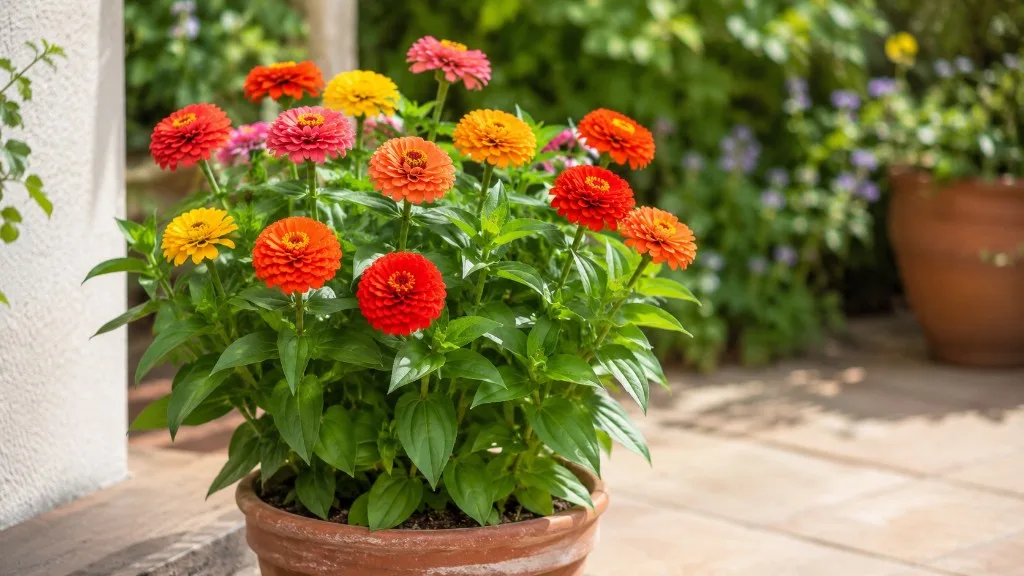
How to Prune Zinnias: When, Where & What to Cut
How to Prune Zinnias: When, Where & What to Cut
Quick Answer - Deadhead Spent Blooms First
First action: Cut any faded or brown zinnia flower just above the first healthy leaf pair below the bloom - not flush with the dried petals alone. Use sharp snips or your fingers on soft stems. That single cut stops seed formation and tells the plant to push a new bud from the node within days in warm weather.
If your plant is young (8–12 inches tall) with no flower buds at the tips yet, skip deadheading and pinch the top 1–3 inches above a leaf pair instead. That early pinch is a one-time structural cut, not weekly maintenance.
What Pruning Does for Zinnias
Zinnias are fast-growing warm-season annuals in the Asteraceae family. Zinnia elegans - the common garden zinnia - branches from leaf nodes and keeps flowering as long as spent blooms are removed before seeds mature. Unlike woody shrubs, zinnia stems are soft and forgiving; a clean cut above a node redirects energy within days when the plant has Zinnia light guide and warm soil.
Three pruning moves matter, each at a different life stage:
- Deadheading - remove spent flowers throughout bloom season to trigger repeat flowering
- Pinching - remove the growing tip once, early, before buds form, to build branching
- Cutting back - shorten leggy stems mid-season to reactivate lower nodes
Confusing these - especially pinching after buds have set, or deadheading by pulling off petals and leaving a bare stem - is the main reason zinnias stall or look tidy but stop reblooming.
What to Check Before You Cut
Walk the plant before reaching for tools:
- Bloom stage - Are flowers fresh, fading, or fully brown and dry? Only faded blooms need deadheading.
- Bud presence - Is there a tight green button at the stem tip? If yes, you are past ideal pinching time on that stem.
- Node health - Find the first leaf pair below each spent flower. The cut must land just above living tissue with green leaves attached.
- Overall shape - Are a few stems stretched while others are fine? Target only the outliers for leggy cutbacks.
- Stress signs - Wilting, heavy mildew, or drought stress mean hold off on hard cutbacks until conditions improve.
Diseased stems are the exception: remove them immediately regardless of season. That is sanitation, not routine pruning.
When to Prune Zinnias Through the Season
Zinnias grow fastest in warm soil and long days. Pruning during active growth produces visible new shoots within a week; cuts made during cold, wet, or drought-stressed periods stall recovery.
Deadheading runs from first bloom until you deliberately switch to seed-saving mode in early to mid-fall. Plan one to two passes per week during peak summer flowering.
Pinching happens once per plant, roughly four to six weeks after germination or one to two weeks after transplant, when seedlings reach 8–12 inches (20–30 cm) and still have no visible flower buds.
Leggy cutbacks belong in mid-summer through early August in long-season gardens - whenever you still have ten or more weeks of frost-free warmth ahead. In short northern seasons, prevention through early pinching and full sun matters more than late rescue cuts.
Pinching Window for Young Plants
The RHS zinnia growing guide recommends pinching when plants are 20–30 cm tall, just above a leaf pair. Utah State University Extension advises removing the top 3–4 inches at 8–12 inches of height to force side branching and longer stems for cutting gardens. Expect the first flower to arrive roughly two weeks later than on an unpinched neighbor - but total bloom count over the season is higher.
Once a defined bud swells at the tip, pinching removes a flower you already earned. Switch to deadheading from that point forward.
When to Stop Deadheading for Seed
Stop deadheading on plants you want for seed collection or winter bird feed. Let flower heads dry on the stem until seeds turn brown and brittle. You can mark those plants and continue deadheading others in the same bed. If seed saving is not your goal, deadhead through the first light frost to keep the planting looking fresh and encourage late buds.
How to Deadhead Zinnias
Deadheading is the highest-frequency pruning task on garden zinnias. Scan for blooms that have lost color, gone limp, or turned crisp and brown. Remove each one before seeds begin developing inside the dried head.
Work in the morning when stems are firm. While you move through the bed, check spent heads for powdery mildew and aphids - both hide inside faded flowers on dense plantings.
Where to Make the Cut on a Spent Flower
Position your blade 5–10 mm (about ¼ inch) above the first leaf node below the faded bloom. The node is where a pair of leaves meets the stem. Cutting only the dried petal tube and leaving several inches of bare stem above the leaves cleans up appearance without giving the plant a productive regrowth point.
On branching stems, you can cut back to a side shoot carrying a healthy bud instead of going all the way to the main stalk. The rule is the same: leave green, leaf-bearing tissue below every cut so photosynthesis continues while new buds form.
Harvesting Stems Counts as Deadheading
Cutting zinnias for vases is often the best form of deadheading. Clemson HGIC recommends cutting just above a leaf node with clean scissors in the cool morning, choosing flowers whose centers are just beginning to open fully. Take a long stem - 12–18 inches on tall varieties - and the remaining stalk branches within days. Strip lower leaves before placing stems in water and change the water every two to three days.
If you are not harvesting for bouquets, deadhead on the same weekly rhythm. Letting spent flowers accumulate signals the plant that seed production is succeeding, and bloom output slows.
Pinching Young Zinnias for Bushier Growth
Pinching is the highest-leverage cut of the season - and it happens once, before most gardeners think about pruning. When seedlings stand 8–12 inches tall with at least two to three leaf pairs below the tip and no swollen buds, snip off the top 1–3 inches just above the uppermost healthy leaves.
The growing tip produces auxin, which suppresses side-branch development through apical dominance. Removing that tip wakes dormant buds at lower nodes. Unpinched Z. elegans often sends one tall stalk with a single large flower before slowly branching; a pinched plant forks early and carries more simultaneous blooms by midsummer.
Right Height and What to Expect
For indoor-started plants, pinch one to two weeks after transplant shock passes and fresh growth resumes. For direct-sown seedlings, wait until they have four to six true leaves and feel sturdy enough to handle the cut.
After pinching, expect a brief pause of three to seven days, then two or more new stems emerging from the cut zone. Water consistently and keep the plant in full sun - six or more hours daily. Drought stress right after pinching slows branching. Dwarf cultivars like ‘Thumbelina’ and compact Zinnia angustifolia hybrids often branch well without aggressive pinching.
A light second pinch on mid-season outlier stems that race upward is occasionally useful, but do not make repeated pinching a habit once flowering is underway.
Cutting Back Leggy Zinnias
Leggy zinnias carry long internodes, sparse lower leaves, and fewer buds - usually from insufficient light, overcrowding, or a stretchy cloudy spell. This is corrective pruning, not weekly maintenance.
Shorten the stretched stems by one-third to one-half, cutting just above a node that still has green foliage below it. Start with the tallest, barest stems and step back after every few cuts to check overall balance. Zinnias are not hedges; shearing them flat removes flowering tips indiscriminately and delays recovery.
If sparseness is systemic across the whole plant - not just a few outliers - pruning alone will not restore vigor. Improve spacing and sunlight first. Clemson HGIC emphasizes proper spacing for airflow; overcrowded plants compete for light and produce the same stretched look that cutbacks are meant to fix.
New shoots should appear within seven to fourteen days in warm weather. If nothing breaks after three weeks, check for root stress, drought, or a season too short for another bloom cycle.
How Much You Can Safely Remove
Routine deadheading removes mostly flower tissue - you can clear many spent blooms in one session without stress. Harder rules apply to structural cuts:
- Pinching: Remove only the top 1–3 inches of the main stem once, before buds form
- Leggy cutbacks: Do not remove more than one-third of total healthy foliage in a single session
- Badly overgrown plants: Stagger cuts over two weeks - shorten the worst stems first, let new growth start, then address the next tier
Avoid heavy cutbacks during drought, heat waves, or after mid-August in short-season climates. Zinnias are frost-tender annuals; there is little point in shocking a plant that has only weeks left before cold ends flowering.
Tools and Clean Cut Technique
Soft zinnia stems accept finger pinches on tender tips, but sharp bypass pruners or micro-tip snips produce cleaner wounds that heal faster. Bypass pruners slice with a scissor action; anvil pruners crush soft tissue and are a poor choice for live stems.
Sterilize blades with rubbing alcohol when powdery mildew or leaf spot is active in the bed. Make cuts just above nodes - random cuts on leafless internodes often die back to ugly stubs. Compost healthy trimmings; bag diseased material instead of composting it.
Varieties That Need Different Pruning
Not every zinnia species responds the same way:
- Zinnia elegans - tall garden zinnias benefit most from deadheading, early pinching, and leggy cutbacks. Cutting varieties like ‘Benary’s Giant’, ‘Queen Red Lime’, and ‘Oklahoma’ especially reward early pinching because their natural habit is a single strong stem before branching.
- Zinnia angustifolia (creeping zinnia) - Clemson HGIC notes Zinnia overview does not require deadheading because it is largely self-cleaning. Light pinching is optional if stems stretch.
- Zinnia marylandica hybrids (Profusion series) - branch well without aggressive pinching. Light deadheading tidies peak bloom but is less critical than on tall Z. elegans.
- Zinnia haageana (Mexican zinnia) - compact habit; pinch only if stretched, deadhead lightly for appearance.
Match pruning intensity to the variety in a mixed bed rather than treating every plant identically.
Mistakes to Avoid and Recovery
Shallow deadheading - pulling off dried petals without cutting to a node - is the easiest fix: go back and cut those stubs down to the first leaf pair. New buds form once the cut is in the right place.
Late pinching - snipping tips after buds have formed - costs you the bud you removed, but side branches below still develop. Do not keep pinching once flowering is underway; switch to deadheading.
Over-cutting - removing more than one-third of foliage in one session, especially under stress - can stall the plant for weeks. Stop further cuts, maintain even moisture, and ensure full sun. Zinnias are forgiving annuals; even a rough cutback often produces some late flowers if frost holds off.
Other common errors: dull tools that crush stems, obsessive deadheading on self-cleaning Z. angustifolia, skipping weekly deadheading on tall Z. elegans, and heavy nitrogen fertilizer right after pruning that pushes leaves over flowers.
Conclusion
Zinnia pruning comes down to three moves at three moments: pinch seedlings at 8–12 inches before buds form to build branching; deadhead spent blooms weekly by cutting to the first leaf node, not just the faded head; and cut back leggy stems by one-third to one-half when mid-season stretch leaves the canopy sparse. Harvesting for vases counts as deadheading and is often the most thorough version.
Keep blades sharp, respect the one-third rule on hard cutbacks, and pair every pruning pass with full sun and steady moisture. Zinnias tell you within days whether a cut worked - look for new buds at the nodes and side branches thickening. Nail the early pinch and the weekly deadheading rhythm, and the plant carries color until frost.
When to use this page vs other Zinnia guides
- Zinnia overview - Start here for whole-plant context before deep-diving this topic.
- Zinnia problems hub - Jump to symptom-specific fix guides when this care topic does not resolve the issue.
- Leggy Growth on Zinnia - Escalate here when pruning adjustments are not enough.