Best Soil for Zinnia: Mix, Drainage & Containers
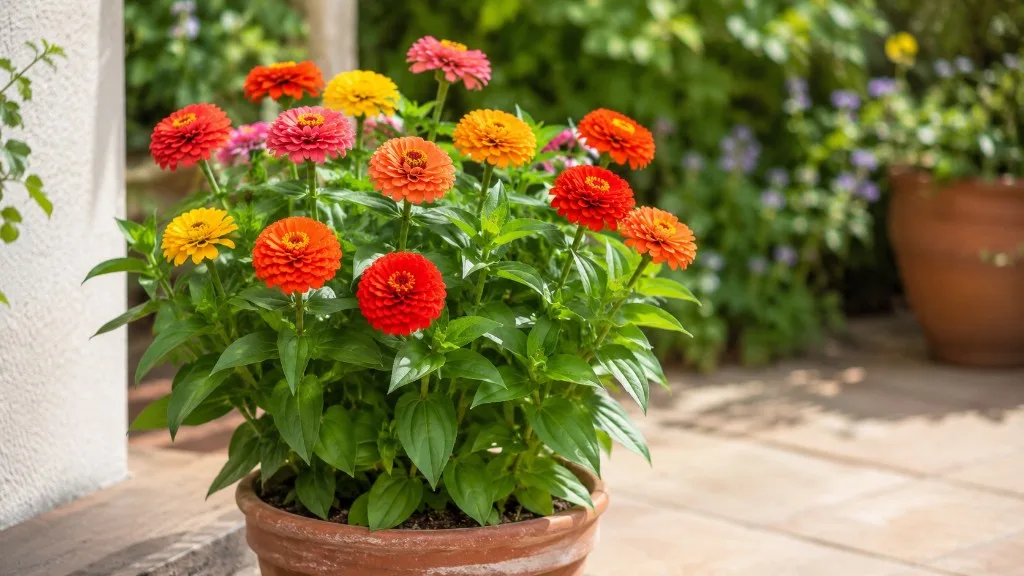
Best Soil for Zinnia: Mix, Drainage & Containers
Best Soil for Zinnia: Mix, Drainage & Containers
Why Soil Decides Whether Zinnias Bloom or Just Survive
Zinnias are sold as easy summer annuals - fast from seed, generous with color, magnets for butterflies. That reputation is mostly deserved, but it hides a practical truth: zinnias are forgiving about many things and unforgiving about one. They need well-drained, moderately fertile soil with enough air around the roots to dry down between waterings. Give them heavy, cold, waterlogged ground and they stall, yellow, or develop powdery mildew long before you blame the weather. Give them the right loam-based root zone and the same cultivar can flower heavily from midsummer until frost with straightforward watering.
Soil is not background detail for zinnias. It is the system that controls how fast water moves through the root zone, how warm the ground stays in spring, how evenly nutrients release during rapid growth, and how quickly roots recover after a heavy rain or an enthusiastic watering can. Zinnia elegans and most modern bedding hybrids grow from seed to bloom in roughly six to eight weeks in warm conditions - an pace that demands a medium supporting fast root expansion without staying soggy. The best soil for zinnia culture balances loam texture, compost-fed fertility, and reliable drainage, whether you are preparing an in-ground border or filling a patio pot.
Most zinnia problems that look like watering errors start in the mix. If blooms are sparse despite Zinnia light guide, if lower leaves yellow while the stem base stays wet, or if seedlings collapse after a cool rain, inspect soil structure and drainage before reaching for fungicide or fertilizer. A well-built soil system makes every other care decision easier to read.
What Zinnia elegans Needs From Its Root Zone
Zinnia elegans, the common garden zinnia, is a warm-season annual in the Asteraceae (aster/daisy) family, native to Mexico and Central America (University of Minnesota Extension). In cultivation it typically reaches 30 to 90 cm tall and 30 to 40 cm wide, with upright or bushy habits depending on cultivar. University of Minnesota Extension notes that zinnias perform better in garden beds than containers, partly because open ground warms faster and drains more naturally, but container culture works well when the mix is light and the pot drains freely (University of Minnesota Extension; RHS).
Extension sources agree on the soil profile: well-drained soil, moderate fertility, and pH between 5.5 and 7.5 (University of Minnesota Extension). Zinnias tolerate drier conditions better than chronically wet soil - a key distinction from moisture-loving foliage plants. University of Minnesota Extension recommends incorporating compost or sand into heavy soils to improve drainage at sowing or transplant time. The RHS adds that zinnias want sheltered, warm, free-draining sites and struggle on heavy soils that stay cold and wet.
That combination - fertile but not waterlogged, loamy but not dense - defines both bed preparation and container recipes. Heavy garden soil scooped into a pot, unamended all-purpose mix in an oversized plastic container, and clay beds that puddle after rain all work against zinnia biology. The goal is warm, aerated, moderately moist loam that dries noticeably at the surface between waterings while staying lightly damp at depth during active growth.
The Warm-Season Annual Model
In their native range, zinnias grow as fast summer annuals in open, sunny conditions where soil warms early, organic matter is present but not swampy, and rain drains through the profile rather than pooling around stems. Temperature matters as much as texture. University of Minnesota Extension recommends direct seeding when soil temperature reaches at least 70 °F (21 °C), with transplants going out once soil warms to about 60 °F (16 °C). Cold, wet seedbeds invite damping off and slow root development even if air temperatures look acceptable.
Your soil preparation should mimic the function of that environment: warm up quickly in spring, hold enough moisture for germination and early growth, then drain freely through the rapid vegetative phase when the plant builds biomass and flower buds. Zinnias are not bog plants or desert succulents. They want soil that behaves like a wrung-out sponge after watering - evenly moist with air still in the pore spaces - not a saturated block that stays cold and anaerobic for days.
Four Jobs Your Mix Must Do
Every ingredient in a zinnia soil recipe should serve at least one of four jobs. First, drainage and aeration: excess water must exit quickly, and air must remain in the mix after watering so fibrous roots can breathe. Second, moderate moisture retention: zinnias tolerate drying better than many annuals, but seeds and young transplants need steady moisture in the top few inches. Third, moderate fertility: enough organic matter and nutrient exchange to support rapid growth and repeated bloom cycles without excess nitrogen that pushes leaves at the expense of flowers. Fourth, structure over a single season: zinnias grow fast and finish their life cycle in months; the mix should resist collapsing into an anaerobic brick through one hot summer.
If your current soil fails any one of those jobs, symptoms show up quickly on a plant with such a short timeline. Stunted seedlings, lower leaf yellowing, wilting in wet soil, sparse blooms despite full sun, and early powdery mildew all overlap with other stressors, which is why checking how the soil actually behaves - not just how often you water - matters so much.
Signs Your Current Zinnia Soil Is Wrong
Soil problems on zinnias often announce themselves through growth rate and bloom quality before roots are visible. Water sits on the surface for minutes after irrigation, then runs down the gap between the root ball and pot wall - a sign the mix has become hydrophobic or compacted. The bed or pot stays muddy for days after rain while the surface cracks - common in heavy clay or degraded peat-heavy container mix. New growth is pale, leggy, or slow despite six or more hours of sun and regular feeding, which can indicate excess nitrogen in overly rich soil or cold, anaerobic roots in wet ground. A sour or stagnant smell from the drainage hole or around the stem base points to oxygen loss and possible root decline.
University of Minnesota Extension warns that too much water causes fungal diseases on zinnias and that they tolerate drier soil better than overly wet soil. Powdery mildew is famously common on zinnia foliage, and while variety resistance and air circulation matter, wet root zones and humid stagnant conditions around the crown make plants more vulnerable. If lower leaves yellow while the stem base stays cool and wet, suspect drainage before assuming nutrient deficiency.
A simple diagnostic rule: if you adjust watering and sun exposure and the same symptoms return within two weeks, inspect soil texture, bed drainage, and pot size before stacking fungicide, fertilizer, and relocation together. Zinnias respond quickly when the root zone is corrected - often within one new flush of growth.
Best Soil Mix for Zinnia
The best soil for zinnia is a well-draining loam - a balanced blend of mineral particles and organic matter - with moderate fertility and pH between 5.5 and 7.5. University of Minnesota Extension lists well-drained soil and that pH range as core requirements, and recommends compost or sand to improve drainage in heavy native soil. The RHS notes that while soil type and pH are not highly critical, zinnias fail on heavy, cold, poorly draining ground.
You are aiming for a medium that feels crumbly and workable when moist, not sticky clay or pure sand. When you squeeze a handful lightly, it should hold shape briefly and break apart - a practical field test for loam texture. If it forms a tight ball that smears, add compost and coarse amendments. If water runs through instantly and seedlings wilt within hours, you have gone too coarse or the pot is too small for midsummer heat.
The Quick-Answer Recipe
A dependable zinnia container mix you can blend at home:
| Ingredient | Proportion | Role |
|---|---|---|
| Quality peat-free or peat-based potting mix | 60% | Lightweight base, starter structure |
| Well-aged compost or worm castings | 20% | Moderate fertility, moisture buffering |
| Perlite or coarse horticultural sand | 20% | Drainage channels, air space |
An alternative for garden beds where native soil is average loam: work 2 to 4 inches of compost into the top 6 to 10 inches of the planting area before sowing or transplanting (standard extension practice for heavy soils; University of Minnesota Extension recommends compost or sand incorporation to improve drainage in dense ground). For fast-draining balcony pots that dry every day in full sun, use 55% potting mix, 25% compost, 20% perlite. For plastic pots in humid climates where mix stays wet, shift to 50% potting mix, 20% compost, 30% perlite.
Moisten dry peat or coir slightly before blending container mix so ingredients combine evenly. Dry peat can repel the first watering, creating the false impression of good drainage while the center of the root ball stays dry - a common reason newly repotted zinnias wilt right after transplant.
Core Ingredients Explained
Understanding what each component does helps you adjust the recipe without starting from scratch every time a planting behaves differently in your climate or on your balcony.
Compost and Organic Matter
Well-aged compost is the most valuable amendment for zinnias in both beds and containers. It improves loam structure, adds slow-release nutrients, supports microbial activity, and helps heavy clay drain while helping sandy soil hold moisture. University of Minnesota Extension recommends incorporating compost or sand into heavy soils before planting, whether you direct-seed or transplant. The goal is moderate fertility, not maximum nitrogen. Over-rich compost or heavy manure applications can produce lush foliage with fewer flowers - the same trade-off seen on other bloom-driven annuals.
Spread 2 to 4 inches of compost across a bed and incorporate it into the top 6 to 10 inches before planting. In containers, 20% compost by volume is usually enough; pushing beyond 30% in small pots can hold too much moisture unless perlite is increased proportionally. Choose fully finished compost with an earthy smell; unfinished material can tie up nitrogen during breakdown and heat up in small containers.
Worm castings at 5 to 10% of a container blend add gentle nutrition without the salt risk of synthetic starter fertilizers on young seedlings. They work well mixed into the top layer of a bed or blended into potting mix for transplants.
Perlite, Sand, and Other Amendments
Perlite is expanded volcanic glass that creates non-decomposing air space and drainage channels. Use coarse perlite in container mixes for zinnias; fine dust-grade material compacts quickly under repeated watering. Perlite is generally preferable to sand in pots because it is lightweight and does not settle into a concrete-like layer.
Coarse horticultural sand can improve drainage in garden beds when incorporated with compost into heavy soil. University of Minnesota Extension mentions compost or sand for heavy soils (University of Minnesota Extension). Avoid the common mistake of adding sand to wet clay in small containers without enough organic matter - that can produce a cement-like mix worse than the original clay. In beds, always pair sand with generous compost so structure improves rather than sets hard.
Vermiculite holds moisture and can replace part of the perlite fraction in very dry, windy sites where containers desiccate in hours. Use it sparingly in cool, humid climates or cachepots because it increases water retention. Peat-free potting mixes based on coir or composted bark work well as the 60% base if amended with perlite; the RHS recommends quality peat-free potting compost for container zinnias (RHS).
Avoid garden soil alone in pots. It compacts, introduces pathogens, and rarely drains predictably in a container. Avoid stones or gravel at the pot bottom as a drainage fix - they reduce usable root volume and can create a perched water table that keeps the lower root zone wetter, not drier.
pH and Fertilizer Compatibility
University of Minnesota Extension places zinnias in slightly acidic to neutral soil, pH 5.5 to 7.5. That range supports nutrient availability in compost-amended loam and most commercial potting mixes. You do not need a pH meter for every planting if you use finished compost and a balanced container recipe, but if growth stays pale and stunted despite good sun and drainage, testing garden beds is worthwhile.
University of Minnesota Extension recommends incorporating a general-purpose fertilizer with equal N-P-K at planting, then switching to a higher-phosphorus fertilizer monthly to promote blooms (University of Minnesota Extension). Soil interacts with feeding because salts accumulate in container root zones over a season of soluble fertilizer, especially with hard tap water. A white crust on the soil surface or worsening leaf edge burn after feeding suggests flushing or refreshing mix may help as much as adjusting the feed rate.
For in-ground plantings, compost amendment often supplies enough baseline fertility that heavy additional nitrogen is unnecessary and can reduce flower count. In containers, light, regular feeding during active bloom cycles pairs well with a fresh, well-drained mix. If you use tap water, flush container pots every four to six weeks in summer by running plain water through until it drains freely, then empty the saucer.
Drainage Speed for Fast-Growing Annuals
Drainage for zinnias means excess water leaves the root zone quickly while enough moisture remains for active growth. University of Minnesota Extension is explicit: zinnias need well-drained soil and should not be overwatered. After a thorough watering, water should exit the drainage hole within minutes in containers, not pool for hours. In garden beds, water should soak in rather than stand on the surface more than briefly.
Use this one-minute drainage check after watering containers: pour until water runs from the hole, then lift the pot. Excess should stop streaming within 30 to 60 seconds. If water keeps dripping for many minutes and the saucer fills repeatedly, the mix is too dense, the pot lacks sufficient hole area, or the plant sits in a cachepot that traps runoff. Empty saucers and cachepots after 15 minutes - roots should never sit in standing water overnight.
The top-layer dry-down rule for established zinnias: check the top 2 to 3 cm (about 1 inch) of soil. University of Minnesota Extension recommends watering when the top 1 to 2 inches are dry. At depth, the mix should feel lightly moist during active summer growth, not sodden. If the surface is dry but the bottom stays wet for days, you have a density or bed-drainage problem, not a simple watering-frequency problem.
| Observation | Likely soil issue | First adjustment |
|---|---|---|
| Surface wet, stem base soggy for days | Heavy clay or dense mix; poor bed drainage | Amend with compost; raise bed; add perlite in pots |
| Water beads on surface | Hydrophobic peat | Pre-moisten mix; lightly cultivate surface |
| Wilting with wet soil | Root rot from past overwatering on Zinnia | Inspect roots; repot or improve bed drainage |
| Wilting with hard dry soil | underwatering on Zinnia or overly fast-draining mix | Water deeply; increase compost fraction slightly |
| Lush leaves, few flowers | Excess nitrogen in rich soil | Reduce feed; avoid heavy manure |
Pot Choice and How It Changes Soil Behavior
The same zinnia soil mix behaves differently depending on the container. Plastic and glazed ceramic retain moisture longer - acceptable in hot, dry climates if drainage is excellent, risky in humid regions where mix stays wet. Terracotta breathes through walls and pulls moisture from the mix, speeding dry-down - helpful for growers who tend to overwater, demanding in full sun where zinnias transpire heavily. Cachepots (decorative outer pots without holes) are fine only if the inner nursery pot drains freely and you never let runoff accumulate.
Every container for zinnias needs a drainage hole. The RHS recommends a quality peat-free potting compost in containers rather than heavy garden soil scooped from beds. A gravel layer at the bottom does not fix poor mix; it reduces usable root volume.
Pot size matters for fast annuals. Match the pot to the expected mature spread of the cultivar - compact Profusion or Zahara series zinnias suit 15 to 25 cm (6 to 10 inch) pots, while tall Benary’s Giant types may need 30 cm (12 inch) or larger containers for one season. Avoid massively oversized pots; unused wet mix around small root systems invites rot early in the season. When upgrading transplants, move up only one size - roughly 2 to 5 cm (1 to 2 inches) wider - rather than jumping to a large tub.
Garden Beds vs. Container Mixes
University of Minnesota Extension states plainly that zinnias perform better in garden beds than containers. Open ground warms faster in spring, drains through a deep profile, and gives roots room to spread - advantages for a plant that can go from seed to heavy bloom in two months. That does not mean containers fail. It means container mixes must compensate for limited volume and slower warming by being lighter, better drained, and monitored more closely.
In-ground plantings should start with loam-textured native soil amended with compost. Direct seed when soil temperature reaches 70 °F (21 °C); sow 6 mm (¼ inch) deep (University of Minnesota Extension). Raised beds help in heavy clay regions because they improve drainage and warm earlier. Container plantings should use the 60/20/20 potting mix recipe above, never raw garden soil, and sit in full sun - six to eight or more hours daily (University of Minnesota Extension).
If you must choose one location, a well-prepared bed beats a poorly drained pot every time. If you must use pots - balcony, patio, or cut-flower staging - invest in mix quality and drainage hardware first; cultivar choice second.
Amending Heavy Clay and Sandy Soil In-Ground
Zinnias struggle on heavy clay that stays cold and waterlogged into late spring (RHS). They are more adaptable on sandy soils if compost adds moisture and nutrient holding capacity. The amendment strategy differs by starting texture.
For heavy clay, spread 2 to 4 inches of compost and incorporate it into the top 6 to 10 inches of the bed. Add coarse organic matter rather than fine sand alone. If drainage is still poor, raise the planting area 10 to 15 cm (4 to 6 inches) with imported loam-compost blend or use a raised bed. Avoid working clay when it is sodden; structure smears into clods that dry like brick.
For sandy soil, the same compost incorporation rate improves water retention and cation exchange. Sandy ground warms quickly - an advantage for early direct seeding - but nutrients leach fast. Light monthly feeding after establishment helps sustain repeat blooming on lean sand.
Soil temperature before seeding is non-negotiable. Cold clay in a shaded bed may sit at 10 to 15 °C while air temperatures look spring-like. Use a soil thermometer at 5 cm depth; wait for 21 °C (70 °F) for direct seed (University of Minnesota Extension). Transplants can go out near 16 °C (60 °F) soil temperature if the mix is well drained and frost danger has passed.
When to Refresh or Replace Zinnia Soil
Zinnias complete their life cycle in one season, so “refresh” means something different than for long-lived houseplants. In garden beds, rotate planting sites or re-amend with compost each spring rather than reusing the exact same spot without organic input. In containers, replace mix entirely each year - old peat-based media collapses, salt accumulates, and pathogens build up over a summer of heavy watering and feeding.
Refresh container mix when water runs straight through without absorbing because structure has collapsed; when the mix smells sour; when salt crust persists after flushing; or when reusing last year’s pots for a new zinnia crop. Even on annuals, fresh medium improves germination and early vigor.
For fall cleanup, remove spent zinnia plants and compost healthy foliage; do not leave dense stubble on poorly drained soil through a wet winter if you plan to replant the same area next year. A light compost top-dress in fall or spring rebuilds loam structure for the next warm season.
Zinnia repotting guide into Fresh Mix: Step-by-Step
Most zinnias are direct-sown or transplanted once rather than repotted repeatedly, but purchased transplants and seedlings started indoors benefit from moving into final mix promptly - before roots circle and stunt growth. University of Minnesota Extension recommends moving transplants outdoors once soil warms to about 60°F (16°C), before seedlings outgrow small cells and become difficult to handle without root damage.
Water lightly the day before so the root ball holds together. Choose a clean pot one size up with a drainage hole. Prepare fresh zinnia container mix and moisten it slightly. Slide the seedling out and inspect roots: healthy zinnia roots are white, firm, and plentiful. Trim dark, mushy roots if present. Loosen only the outer edge of the root ball; do not bare-root unless treating rot.
Place a layer of fresh mix in the pot, set the plant so the stem base sits at the same depth as before - never bury the crown deeper - and fill around the sides. Tap gently to settle without compacting. Water until drainage runs, empty the saucer, and place in full sun after a day or two of recovery if transplant shock is visible. Hold heavy fertilizer for one to two weeks so tender roots are not burned.
For indoor-started seedlings, harden off outdoors for seven to fourteen days before moving into final beds or containers. Sudden relocation into cold, wet ground defeats even the best soil preparation.
Soil Mistakes That Stunt Zinnias
Root and bloom failure on zinnias is almost always prevention failure, not bad luck. The most common soil mistakes are easy to avoid once you know what they look like.
Planting into cold, wet clay before soil warms to seeding temperature is the top in-ground error. Using unamended garden soil in containers compacts within weeks and drains unpredictably. Oversized pots with small seedlings leave unused wet mix that invites rot. No drainage hole, or a plugged hole, traps water regardless of mix quality. Gravel layers give false confidence while reducing root space. Over-rich manure or high-nitrogen fertilizer produces leaves at the expense of blooms. Bottom-watering exclusively in dense mix without ever flushing salts can burn roots by midsummer.
Another subtle mistake is watering overhead onto foliage in humid weather while ignoring wet soil at the crown - University of Minnesota Extension links wet foliage and poor air circulation to powdery mildew, but the root zone should still drain freely so plants are not stressed from both directions (University of Minnesota Extension). Adding sand to clay without compost in containers creates a hard layer; use compost-first amendment.
If seedlings collapse at the soil line, suspect damping off from cold, wet seedbeds. Improve drainage, warm the soil, sow slightly shallower, and reduce watering frequency until the surface dries between drinks.
Conclusion
The best soil for zinnia is well-draining loam with moderate fertility and pH between 5.5 and 7.5 - a profile that mirrors the warm, open ground these Mexican annuals expect. In garden beds, work 2 to 4 inches of compost into the top 6 to 10 inches of soil and direct seed when ground temperature reaches 70 °F (21 °C). In containers, blend 60% potting mix, 20% compost, and 20% perlite, use a drainage hole, and choose a pot matched to the cultivar rather than oversized tubs that stay wet.
Zinnias still need full sun, regular but restrained watering, and bloom-oriented feeding after establishment - soil does not replace those needs. What good soil does is warm quickly, drain predictably, and keep roots aerated through a compressed life cycle from seed to frost. When blooms disappoint or mildew appears early, check drainage and fertility before swapping cultivars. More often than not, the fix is looser, fresher, and better drained - not more complicated.
When to use this page vs other Zinnia guides
- Zinnia overview - Start here for whole-plant context before deep-diving this topic.
- Zinnia problems hub - Jump to symptom-specific fix guides when this care topic does not resolve the issue.
Related Zinnia guides
- Zinnia overview
- Zinnia watering
- Zinnia light
- Zinnia propagation
- Zinnia fertilizer
- Zinnia repotting
- Zinnia problems
Related tool
Try the Soil Mix Calculator with zinnia pre-selected to estimate needs for your setup.