Bud Drop on Zinnia: Causes, Checks & Fixes
Quick answer
Bud drop on Zinnia happens when developing flower buds abort before opening-usually from uneven moisture during hot weather, recent transplant shock, or disease on buds. First step: check soil moisture at the base and water deeply if the top 3 cm is dry.
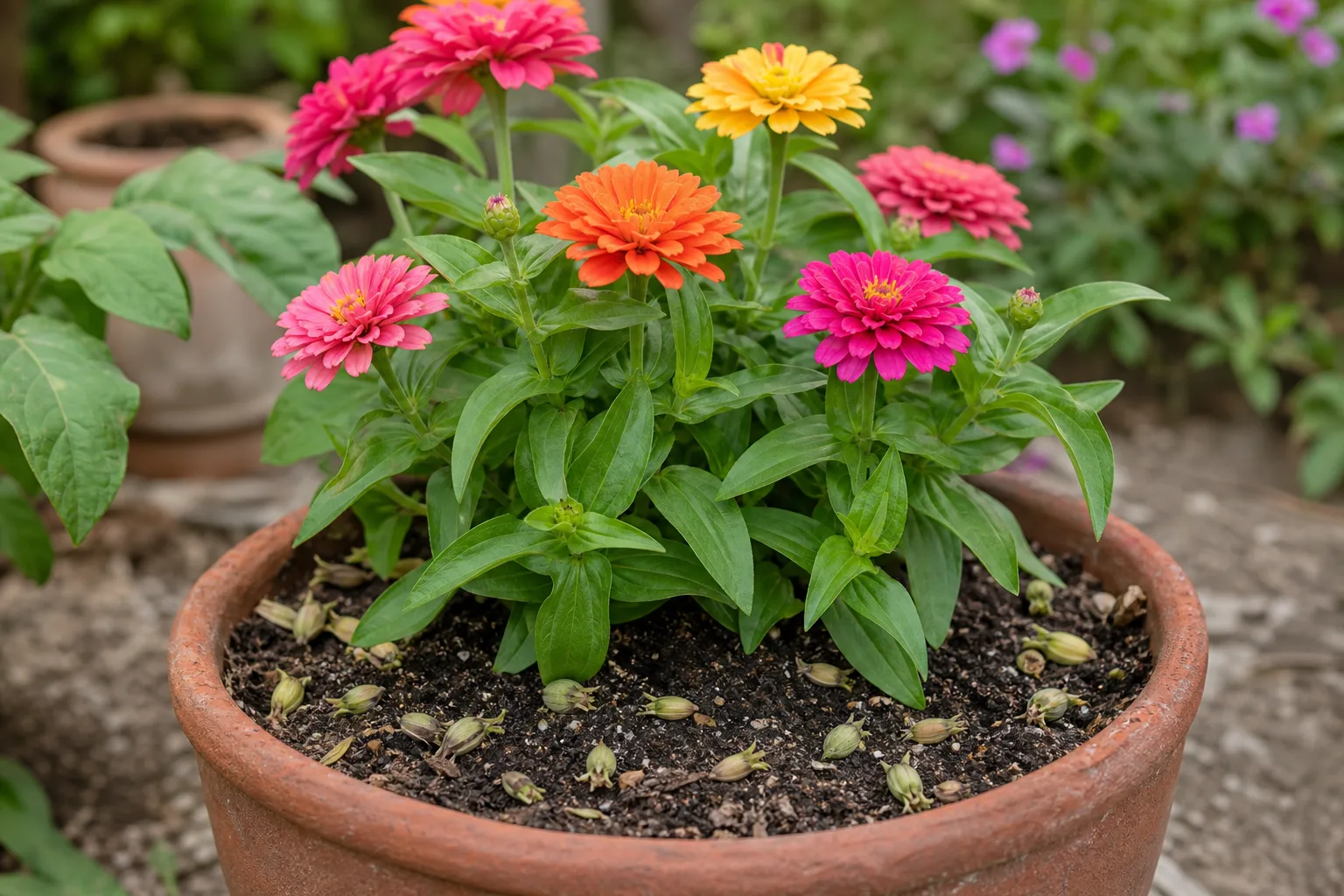
Bud Drop on Zinnia: Causes, Checks & Fixes
This guide covers bud drop on Zinnia. See also the general Bud Drop guide, watering, and light pages for this plant.
Bud Drop on Zinnia: Causes, Checks & Fixes
Quick answer
Bud drop on Zinnia means developing flower buds detach before ray petals open-you find small tight buds on the soil or pot rim while the plant still looks mostly green. On Zinnia elegans, this usually traces to moisture swings during bud swell: drought in afternoon heat, soggy roots after overwatering on Zinnia, or the root shock that follows transplanting.
First step: check soil moisture at the base before you fertilize, spray, or move the plant. Stick a finger 3 cm into soil beside the stem. If it is dry and leaves wilt in afternoon sun, water deeply at the base. If soil stays wet and heavy for days, hold water and check drainage-saturated roots abort buds too.
Even heat- and drought-tolerant zinnias drop buds when roots cannot supply water fast enough during the rapid cell expansion that bud development demands.
What bud drop looks like on Zinnia
Bud drop on zinnias is about timing and what falls, not just fewer flowers at season end.
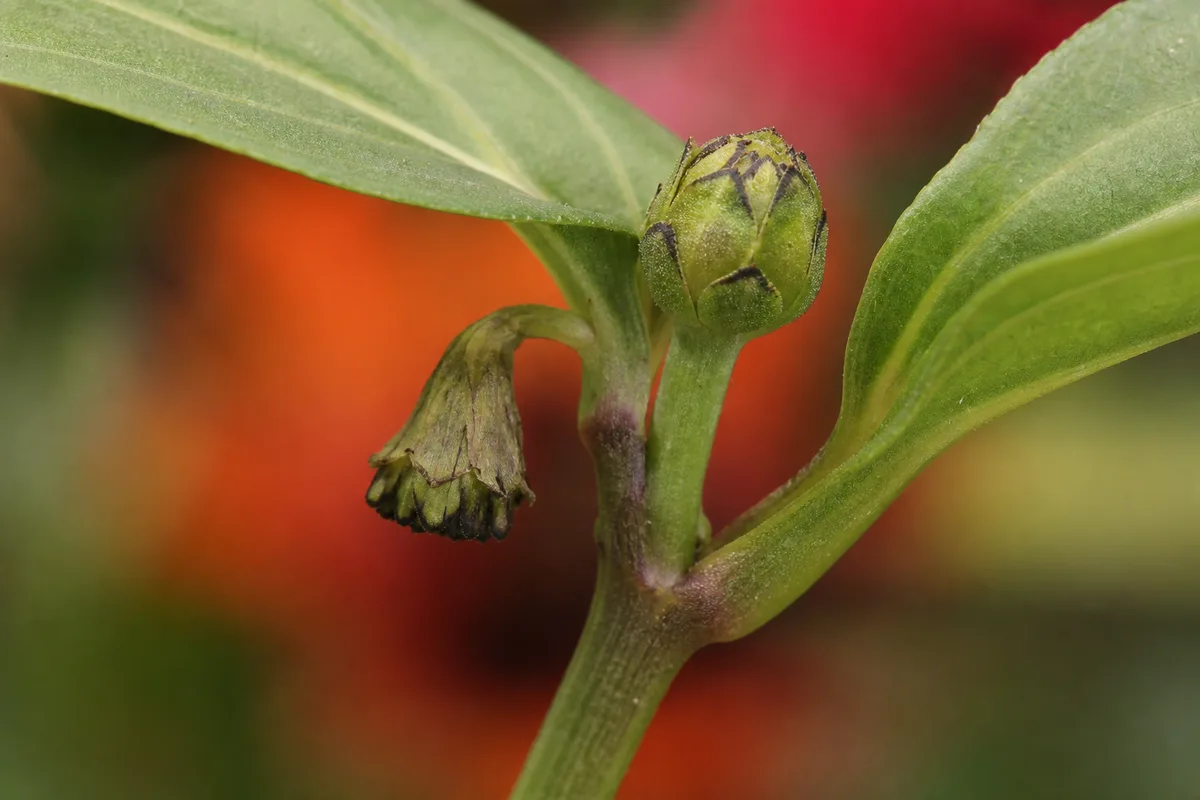
Bud Drop symptoms on Zinnia - compare with healthy tissue on the same plant.
Typical bud-drop signs:
- Small unopened buds-often pea-sized or smaller-lying on soil or caught in foliage below the stem
- Bare pedicels where a bud was attached; the tiny stem tip may look cleanly broken or slightly dry
- New buds still forming at the growing tip while older buds in the same cluster are missing
- Afternoon wilting on the same plant, especially in containers that dry fast in Zinnia light guide
- Recovery overnight after watering when drought caused the abort-stems stiffen by morning even though fallen buds do not return
What distinguishes stress bud drop from disease or pests:
- Alternaria blight on Zinnia shows brown spots on ray-flower tissue and reddish leaf spots before buds collapse; infected buds often brown and hang rather than falling cleanly green
- Aphids and thrips on Zinnia leave visible insects, sticky residue, or silvery scarring on bud scales-you may see buds shrivel in place instead of dropping whole
- Natural senescence affects opened blooms that fade and dry on the plant; that is deadheading territory, not bud drop
- Cold damage after frost turns buds and upper leaves black or translucent; tissue does not recover
Double-flowered zinnias abort buds more noticeably because each head invests more energy in petal development-when stress hits during swell, the plant sheds the most expensive buds first.
Why Zinnia drops buds
Zinnias are fast summer annuals bred to bloom heavily in full sun with evenly moist, well-drained soil. Flower buds are the first reproductive tissue sacrificed when the plant cannot balance water uptake with transpiration in heat.
Drought and heat stress. Peak afternoon temperatures dry container soil in hours. When the top 3 cm goes bone dry during active bud swell, zinnias wilt and abort buds to conserve resources. Severe water stress can lead to flower bud abortion because expanding buds need steady water for cell growth. Zinnias tolerate heat once established, but boom-bust watering-dry for days, then flooded-triggers repeated bud loss through midsummer.
Overwatering and root stress. Soggy soil suffocates shallow fibrous roots. Stressed roots deliver less water and oxygen; buds abort even when surface soil looks wet. Overhead watering that soaks flowers and foliage also invites grey mould and blight on zinnia blooms, which damages buds from infection rather than simple drought.
Transplant shock. Zinnia elegans resents root disturbance. Seedlings moved from trays or rootbound packs often drop buds within days of planting while stems stay firm and soil is moist-roots were damaged faster than leaves transpire. Direct-sown neighbors in the same bed keep their buds; only transplants stall.
Alternaria blight and wet-weather disease. Alternaria zinniae spots blossoms severely-brown lesions on ray petals and flower heads that wither before opening. Warm wet weather and overhead irrigation spread spores from infected debris and seed.
Powdery mildew pressure. Dense humid plantings coat leaves with white fungus, reducing photosynthesis and vigor. Illinois Extension notes infected zinnias develop smaller leaves and stems and struggle to grow properly-bud abortion often follows when the canopy is heavily coated entering late summer.
Pests on tender buds. Aphids cluster on soft shoot tips and bud scales, sucking sap and distorting buds. Thrips scar petals in hot dry weather. Heavy feeding can cause buds to fail without obvious wilting if soil moisture is adequate.
Cold snaps and temperature swings. Zinnias are frost-tender; nights below 10°C damage developing buds. Sudden heat after cold also stresses tissue. Bud drop after a weather swing points to environmental injury, not nutrient deficiency.
Excess nitrogen. Heavy nitrogen fertilizer pushes leafy growth at the expense of blooms. While this more often causes no flowers than mid-season bud drop, newly forming buds may abort on heavily fed container zinnias when the plant prioritizes foliage.
How to confirm the cause
Work through these checks in order-the answer usually appears before you need sprays:
- Soil moisture at 3 cm depth - Dry with afternoon wilt confirms drought stress. Wet and heavy for several days with limp plant suggests overwatering or poor drainage.
- Recent transplant timeline - Bud loss within 48 hours of planting, with firm stems and moist soil, fits shock. Gradual loss over a dry week fits drought.
- Container vs in-ground - Pots on sunny balconies dry fastest; bud drop clustered on container plants strongly implicates moisture management.
- Bud and leaf inspection - Clean green fallen buds with no spots support stress. Brown spotted buds with leaf lesions point to Alternaria. White powder on nearby leaves adds mildew as a contributing factor.
- Pest check - Look at bud scales and shoot tips with a hand lens. Soft aphid clusters, thrips scarring, or sticky honeydew confirm insect pressure.
- Weather context - Record whether a heat wave, missed watering day, or cold night preceded the drop. Drought during bloom can inhibit flower bud formation on many landscape plants; zinnias show it quickly as fallen buds.
- Neighbor comparison - Direct-sown or undisturbed plants fine while transplants drop buds isolates shock. Whole bed affected after dry spell implicates irrigation.
If soil was dry, plants wilted afternoons, and buds fell cleanly without spots, drought stress is the working diagnosis-fix water before anything else.
First fix for Zinnia
Check soil moisture at the base, then water deeply if the top 3 cm is dry-or stop watering if soil stays soggy.
For dry soil: soak at soil level until moisture penetrates at least 15 cm in beds or runs from container drainage holes. Water in the morning so roots recharge before peak afternoon heat. Do not mist foliage or flowers; base watering reduces blight spread on zinnia blossoms.
For wet soil: skip watering until the top 3 cm dries. Improve drainage in containers, loosen compacted bed edges, and remove mulch piled against stems if it holds moisture. Do not fertilize a stressed root system.
After correcting moisture:
- Hold off on transplanting or pinching until new buds appear
- Provide temporary afternoon shade only during extreme heat above 38°C for container plants-one to three days of shade cloth during the hottest hours, not permanent shade
- Remove brown diseased buds and spotted leaves if Alternaria is present; bag and trash them
- Treat aphids with a strong water rinse on shoot tips if insects are confirmed-spray only after moisture is stable
Do not apply fertilizer as a first response. Bud drop from stress is not fixed by feeding; nitrogen can make the problem worse.
Step-by-step recovery
Once the first moisture fix is done, follow this sequence:
- Maintain even moisture for two weeks - Check daily in heat waves. Water when the top 3 cm dries; avoid cycles of drought and flood. Mulch container surfaces lightly to slow evaporation.
- Deadhead spent blooms only - Remove flowers that already opened and faded. Do not strip healthy unopened buds unless they show brown disease spots.
- Improve spacing if mildew or blight is present - Thin overcrowded stems so air reaches inner leaves. Space dwarf zinnias roughly 20–25 cm apart; tall cutting types 30–45 cm.
- Scout new buds every three to four days - Watch for fresh green bud swell at tips and leaf axils. That is your recovery signal.
- Resume light feeding only after new growth - If the bed lacked compost at planting, use balanced or bloom fertilizer at half strength once new buds are visible-not before.
- Switch to direct sowing for replacements if transplants repeatedly drop buds-late-season direct seed still blooms before frost in warm climates.
Recovery timeline
Drought-related bud drop: New buds typically appear within 7 to 14 days after moisture stabilizes. Afternoon wilting should ease within 24 to 48 hours of proper deep watering. Fallen buds never reopen.
Transplant shock: Expect three to seven days before fresh bud swell when roots were moderately disturbed and soil stays warm and evenly moist. Rootbound or large blooming starts may take two to three weeks and produce smaller or single flowers temporarily.
Disease-related loss: Removing infected tissue and improving airflow slows Alternaria spread, but badly spotted plants may need one full flush cycle before clean buds dominate. Severe powdery mildew on most of the canopy may not produce showy blooms worth saving if infection arrived mid-season on susceptible varieties.
Cold-damaged buds: Blackened buds are dead tissue. Recovery depends on warm weather and undamaged nodes pushing new shoots-often 10 to 14 days after the cold event.
Judge success by new clean buds, not by old leaves returning to perfect form.
Lookalike symptoms
Several zinnia problems overlap with bud drop. Separating them avoids wrong fixes:
No flowers / buds never formed - Shade, excess nitrogen, or planting too late produce leafy plants with few buds from the start. Bud drop implies buds formed then fell.
Flowers turning brown on the plant - Open or nearly open blooms that brown in place with water-soaked petals suggest Botrytis or Alternaria on wet flowers, not pre-opening abort.
Faded flowers after opening - Normal aging plus heat; deadhead and maintain moisture. Not bud drop.
Wilting without bud loss - Afternoon heat wilt that recovers overnight without fallen buds is early drought warning; act before buds abort.
Mosaic virus - Mottled distorted leaves and stunted growth with poor bud development across the plant. Remove infected zinnias; no cure.
Mistakes to avoid
- Fertilizing immediately when buds fall, hoping to “boost” blooms
- Overwatering daily after drought-alternating extremes causes repeated bud loss
- Overhead sprinklers that soak zinnia flowers and spread blight spores
- Transplanting bud-heavy nursery packs during heat waves
- Pinching or moving the plant while it is aborting buds from stress
- Ignoring container weight-light pots dry faster than calendar schedules predict
- Spraying fungicide or insecticide before confirming moisture, disease, or pests
- Assuming all fallen green buds mean drought when brown spots and leaf lesions indicate blight
How to prevent bud drop on Zinnia
Prevention centers on steady moisture through bud swell and minimal root disturbance:
Direct-sow when your season allows. Seeds sown in place after frost avoid transplant shock entirely. If starting indoors, use individual cells and transplant without disrupting roots-peat pots or soil plugs planted intact work better than bare-root handling.
Water at the base in morning. Keep soil evenly moist, not soggy. In Indian summer heat, containers may need water every two to three days; check the top 3 cm rather than relying on a fixed calendar.
Mulch containers and beds lightly during heat waves to reduce evaporation. Avoid packing mulch against stems.
Space for airflow - 20–30 cm between plants reduces humidity-driven mildew that weakens bud production.
Choose resistant varieties in humid climates - Profusion, Zahara, and Oklahoma series tolerate mildew better than some large double cutting types.
Deadhead spent blooms every two to three days - Redirects energy into new buds on established plants.
Scout buds during hot dry spells - Aphids and thrips build on tender tips; rinse early before populations explode.
Protect from late cold - Cover containers if frost threatens after buds form; zinnias are frost-tender annuals.
When to worry
Ordinary bud drop from a missed watering or hot afternoon is firm stems, fallen green buds, and recovery within two weeks after moisture fixes. Escalate when:
- Buds brown and hang with spreading leaf spots - Alternaria blight; remove infected tissue and improve spacing; protectant fungicide may be warranted on valuable plantings
- Stems soften at the soil line on wet soil - stem rot or damping-off; reduce watering and improve drainage
- White powder coats most leaves and new buds stall - severe powdery mildew; thin plants and treat coated tissue or replace with late direct sowing
- All buds blacken after a cold night - frost kill; replant when weather stabilizes
- Mosaic mottling on new leaves with failed buds - virus; destroy affected plants
- No new buds for three weeks after correcting care - inspect roots for rot or reassess sun exposure
A single zinnia that dropped buds after one dry spell rarely needs replacement. Repeated bud loss across a bed every heat wave means your Zinnia watering guide or container size-not individual plant weakness-needs adjustment.
Zinnia care cross-check
Bud drop recovery goes faster when baseline care matches what zinnias expect: six or more hours of direct sun daily, well-draining moderately fertile soil, and deep base watering when the top 3 cm dries. These fast annuals flower six to eight weeks from seed in warm weather and are among the most heat-tolerant cutting-garden flowers-bud drop is almost always a stress signal during swell, not a sign that zinnias cannot bloom in your climate.
If buds keep falling despite even moisture, step back and ask whether plants are crowded, recently moved, or showing disease spots. Fix the condition that matches your confirmation checks, then wait for the next bud flush-zinnias are built to rebloom aggressively once stress lifts.
When to use this page vs other Zinnia guides
- Zinnia watering guide - Use for routine moisture checks before assuming bud drop is the main issue.
- Zinnia problems hub - Browse all 38 common issues on this species.