No Flowers on Zinnia: Causes, Checks & Fixes
Quick answer
No flowers on zinnia usually means the plant is in too much shade, too young, or overfed with nitrogen-not a mysterious bloom failure. First step: confirm at least six hours of direct sun on the leaves, then review fertilizer.
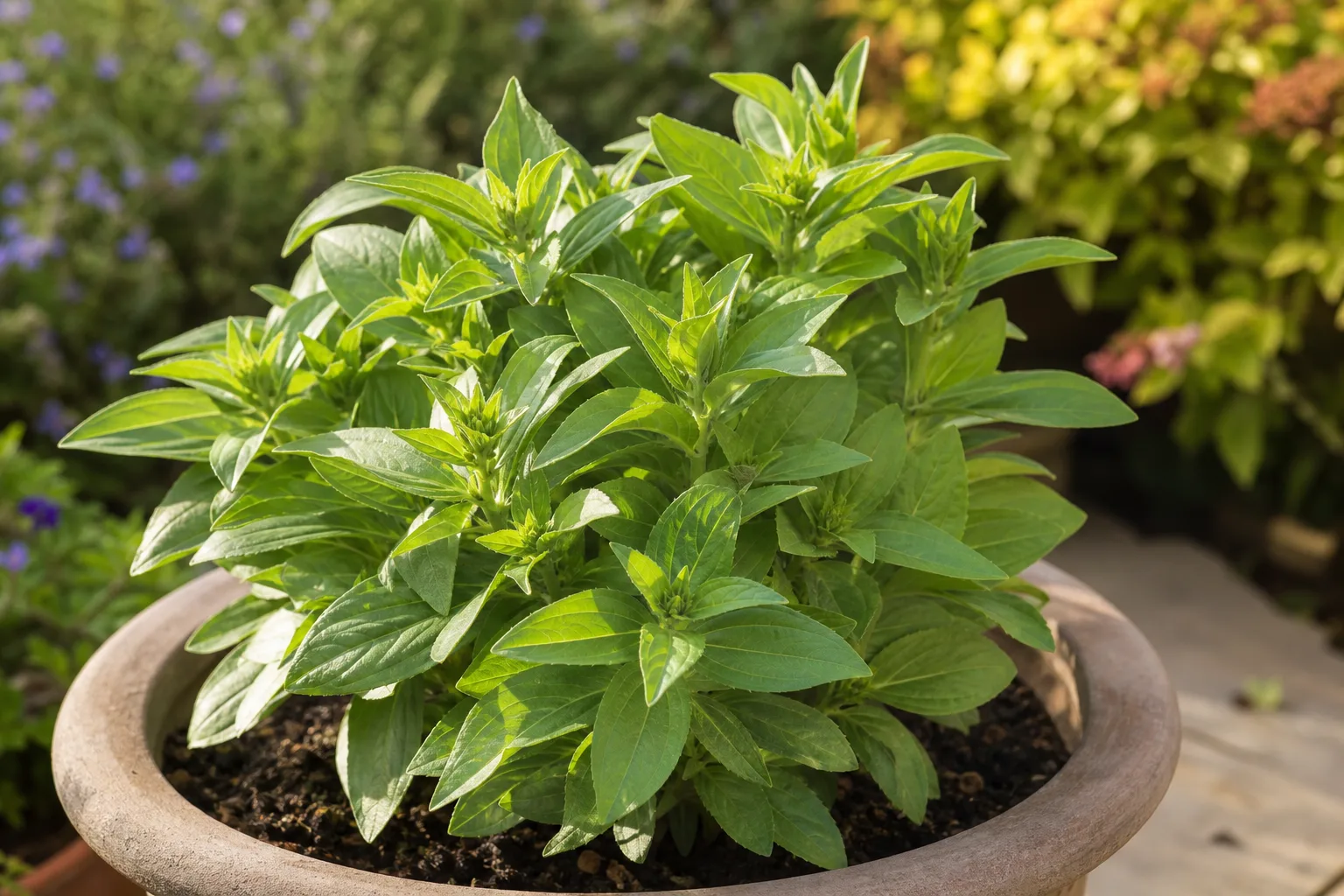
No Flowers on Zinnia: Causes, Checks & Fixes
This guide covers no flowers on Zinnia. See also the general No Flowers guide, watering, and light pages for this plant.
No Flowers on Zinnia: Causes, Checks & Fixes
Quick answer
Zinnias are prolific bloomers through warm weather. When you get tall green plants with no buds, the cause is almost always environmental-not a random “bad seed” year.
First step: confirm the planting spot gets at least six hours of direct sun on the leaves, not just bright ambient light. Zinnia elegans is a full-sun annual from Mexico; partial shade may keep foliage going but routinely suppresses flower formation. If sun checks out, look next at nitrogen-heavy fertilizer and whether plants are still too young or sitting in cold, wet soil.
Why zinnia stops flowering
Zinnias channel energy into blooms only when light intensity, soil warmth, and nutrient balance all favor reproduction. Several distinct problems push the plant toward leaves instead of flowers.
Insufficient direct sun is the most common reason. Zinnias on shaded balconies, under tree canopies, or crowded behind taller companions stretch toward light and produce lush stems with delayed or absent buds. Morning-only sun or dappled shade through the day rarely satisfies a plant bred for open Mexican grasslands.
Excess nitrogen is the second classic trigger. High-nitrogen lawn fertilizer, fresh manure, or repeated balanced feeds on already fertile soil push vegetative growth over flowers. The plant looks vigorous-dark green, tall-but flower initiation stalls because nitrogen dominates the nutrient balance.
Immaturity or cold soil delays the first flush. Zinnias can flower within six to eight weeks from seed in warm conditions, but seedlings started in cool mix or planted before soil warms may sit in vegetative mode for weeks. Transplants moved into cold beds can also pause blooming while roots establish.
Water and root stress from overwatering on Zinnia or poor drainage weakens the plant without obvious wilt. Soggy soil promotes stem rot and fungal issues that drain energy away from bud formation. Chronic underwatering on Zinnia during heat waves can abort buds that were forming.
Disease and pest pressure-especially powdery mildew, alternaria blight, and aphid clusters on new tips-steals photosynthetic capacity. A mildew-coated plant may keep growing but fail to open new flowers until foliage clears.
Overcrowding blocks light between plants and traps humidity, compounding shade and mildew problems in dense beds.
What no flowers looks like on zinnia
Typical bloom failure:
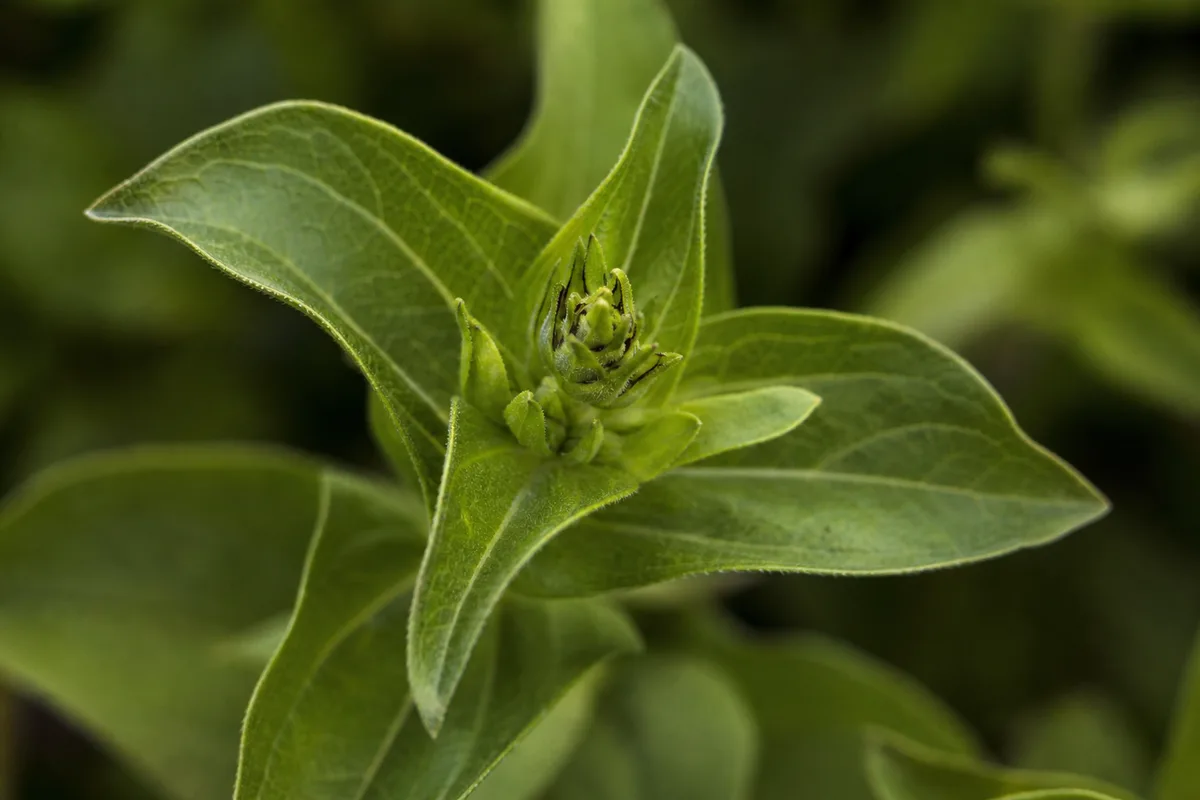
No Flowers symptoms on Zinnia - compare with healthy tissue on the same plant.
- Healthy green or dark green leaves with no visible buds on mature stems
- Tall, leggy growth leaning toward the brightest direction
- Plants that look “happy” but produce only foliage week after week in warm weather
- Smaller-than-expected plants in partial shade that never reach expected height before season ends
Different from bud drop: Some zinnias form buds that brown and abort before opening-that is bud drop, often tied to heat, blight, or overwatering. True no-flowers means buds never appear at all on established plants.
Different from end-of-season fade: Zinnias naturally slow as nights cool and days shorten. A plant that bloomed all summer and tapers in autumn is normal aging, not a diagnostic problem.
How to confirm the cause
Work through these checks in order before changing multiple variables at once:
- Sun-hour audit - Track direct sun on the planting spot from mid-morning through afternoon. Shade from buildings, railings, or neighboring plants counts against the total. Compare with a zinnia in open sun if possible-shaded plants are visibly taller and sparser.
- Plant age and timing - Note sowing or transplant date. Seedlings under six weeks in cool weather may simply be waiting. Mature plants past eight weeks in warm weather with no buds point to light or nutrients.
- Fertilizer review - List everything applied in the last month: lawn feed, compost, vegetable fertilizer, slow-release granules. High first number (nitrogen) products on fertile soil strongly correlate with leafy no-bloom zinnias.
- Soil moisture and drainage - Dig near the base. Sour smell, blackened lower stems, or constantly wet mix suggest root stress. Bone-dry pots every afternoon suggest drought stress aborting buds.
- Spacing and airflow - Measure distance between plants. Dense patches with touching foliage often combine shade and powdery mildew risk.
- Disease scan - Look for white powder on leaves, brown spots on stems, or aphids clustered on new growth. Heavy infestation explains bloom failure even when sun is adequate.
If sun is clearly below six direct hours, you have a confirmed diagnosis without needing further tests.
First fix for zinnia
Move the plant-or plan next year’s sowing-for the sunniest available location with at least six hours of full sun on the foliage.
For containers, shift the pot to open sun the same day rather than waiting. For in-ground beds stuck in shade, transplanting mid-season is risky for zinnias that dislike root disturbance; pinch and improve what you can, but mark the bed as unsuitable and direct-sow elsewhere next round.
Do not reach for bloom fertilizer on day one if the plant sits in shade-extra phosphorus cannot substitute for light. Do not increase watering hoping to “push” flowers; soggy soil makes the problem worse.
Step-by-step recovery
After correcting sun exposure:
- Wait one week in the new spot before adding any fertilizer. Let the plant readjust to higher light.
- Pinch or cut back the top few inches of leggy stems once the plant shows no wilt after the move. This redirects energy into branching and new bud sites.
- Switch feeding strategy if nitrogen was excessive. Skip feed for two to three weeks, then use a fertilizer with higher phosphorus than nitrogen at half label strength every three to four weeks through active bloom season-only on plants already in full sun.
- Deadhead any sparse blooms that appear. Removing spent flowers prevents seed set and encourages repeat flushes on varieties that branch after cutting.
- Improve spacing by thinning overcrowded seedlings to recommended distances-roughly 20–30 cm for dwarf types and up to 30 cm for tall cultivars-to reduce shade between plants and improve airflow.
- Treat powdery mildew if white coating covers leaves. Improve spacing and base watering first; fungicide is secondary to cultural fixes on annual zinnias.
- Direct-sow succession batches if older plantings are too far gone. Fresh seed in warm soil often outperforms stressed transplants for late-season color.
Recovery timeline
When light was the main issue, first visible buds typically appear within two to three weeks after relocation in warm weather (soil and air consistently above roughly 18°C). Old stretched internodes do not shrink-judge recovery by new compact growth and buds on fresh shoots, not by the appearance of lower stems.
Nitrogen correction takes longer. After stopping high-nitrogen feeds, expect two to four weeks before bud formation resumes on otherwise healthy plants in full sun.
Plants heavily coated in mildew or rotting at the base may never recover meaningful bloom that season. Succession sowing is often faster than nursing a declining stand.
Lookalike symptoms to rule out
Leggy growth from low light overlaps with no flowers but focuses on stem length and pale leaves. Fixing light fixes both.
Small flowers rather than none usually means marginal sun or mild nutrient imbalance-not total bloom failure. See the small-flowers guide if buds open but stay tiny.
Bud drop means buds formed then aborted-check heat waves, blight, and watering swings rather than total shade.
Slow growth in cold weather is normal early season patience, not bloom failure, if plants are still young and soil was cool at planting.
Mistakes to avoid
Do not assume more fertilizer will force blooms on shaded zinnias. Excess nitrogen is a common cause, not the cure.
Do not transplant repeatedly hoping each move helps. Zinnias resent root disturbance; one careful move to sun beats several shocks.
Do not overhead-water in the evening on crowded beds. Wet foliage fuels powdery mildew that suppresses flowering.
Do not wait until autumn to diagnose shade problems. Zinnias need the full warm season to bloom; a bed that fails all summer will not catch up in fall.
Do not confuse natural end-of-season decline with a fixable no-flower problem.
How to prevent no flowers next time
Site beds and containers in open sun before sowing. In India and similar climates, choose February–March or June–July sowings when nights stay warm enough for rapid growth.
Direct-sow where possible to avoid transplant shock. If using starts, harden off and plant into warm soil without disturbing roots more than necessary.
Incorporate balanced nutrients at planting, then shift to phosphorus-forward monthly feeding only after plants are established in full sun-not on cold seedlings in partial shade.
Space for airflow from day one. Thin seedlings rather than letting dense patches compete for light.
Deadhead through summer on cutting varieties to keep energy in flower production.
Choose mildew-resistant cultivars in humid monsoon regions where powdery mildew routinely cuts bloom short.
When to worry
Treat as urgent when stems soften and collapse at the soil line in wet beds, powdery mildew covers most of the canopy within days, or mosaic mottling and distortion appear after heavy aphid feeding-those conditions can kill plants or spread to neighbors and rarely resolve with light correction alone.
Simple shade or nitrogen issues are common and reversible. Replace severely diseased group plantings rather than expecting a bloom recovery on rotting stems.
Conclusion
No flowers on zinnia is a diagnostic problem with clear patterns: shade, nitrogen, youth, or stress-not bad luck. Confirm sun hours first, then review feeding and spacing. Most healthy zinnias in full warm sun reward that check with buds within weeks-exactly what this fast annual was bred to do.
When to use this page vs other Zinnia guides
- Zinnia watering guide - Use for routine moisture checks before assuming no flowers is the main issue.
- Zinnia problems hub - Browse all 38 common issues on this species.