Small Flowers on Zinnia: Causes, Checks & Fixes
Quick answer
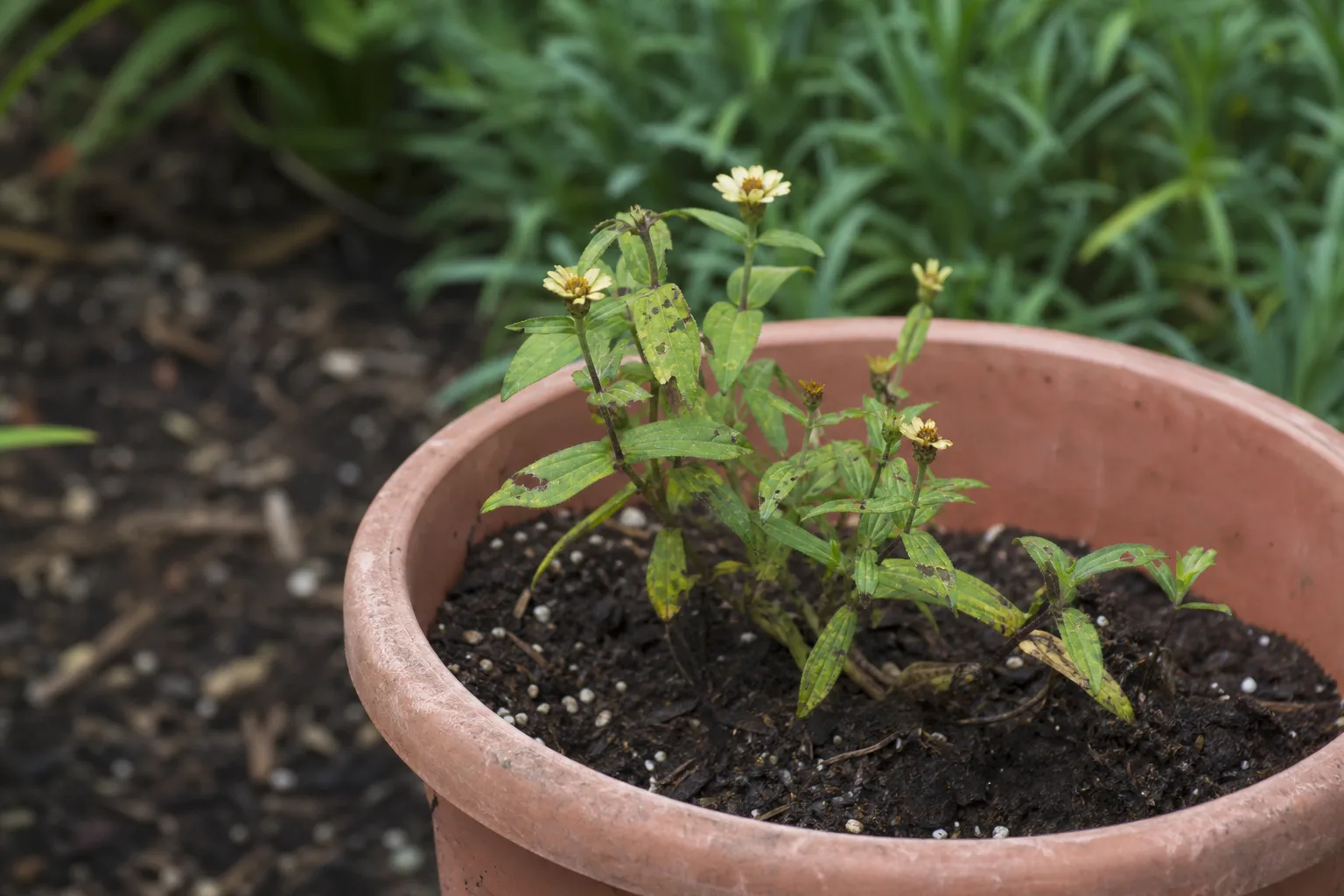
Small zinnia flowers often match the cultivar you planted-dwarf and Profusion types are bred small. When a giant-flowered type blooms tiny in full sun, shade, drought during bud set, excess nitrogen, or severe powdery mildew are the usual causes. First step: compare blooms to your seed packet before changing care.
Small Flowers on Zinnia: Causes, Checks & Fixes
This guide covers small flowers on Zinnia. See also the general Small Flowers guide, watering, and light pages for this plant.
Small Flowers on Zinnia: Causes, Checks & Fixes
Quick answer
Small zinnia flowers fall into two very different situations. Many cultivars are bred to stay compact-Profusion, Zahara, Thumbelina, and Lilliput types open smaller heads by design, not because something went wrong. When you expected dinner-plate blooms from a giant or cut-flower series and got dime-sized flowers instead, culture is usually the culprit.
First step: compare your open blooms to the seed packet or plant tag before you fertilize, move pots, or spray. If the label shows small semi-double flowers on a 15 cm plant, you have the right outcome. If Benary’s Giant or State Fair types are opening pale, thin-petaled blooms far below catalog photos, work through light, water, and feeding next.
What small flowers look like on Zinnia
Healthy zinnias in the right cultivar produce flower heads proportional to their series. Zinnia elegans cultivars range from small-flowered dwarfs about 15 cm tall to large-flowered giants reaching 1.2 m, with single, semi-double, and fully double forms in nearly every color except true blue.
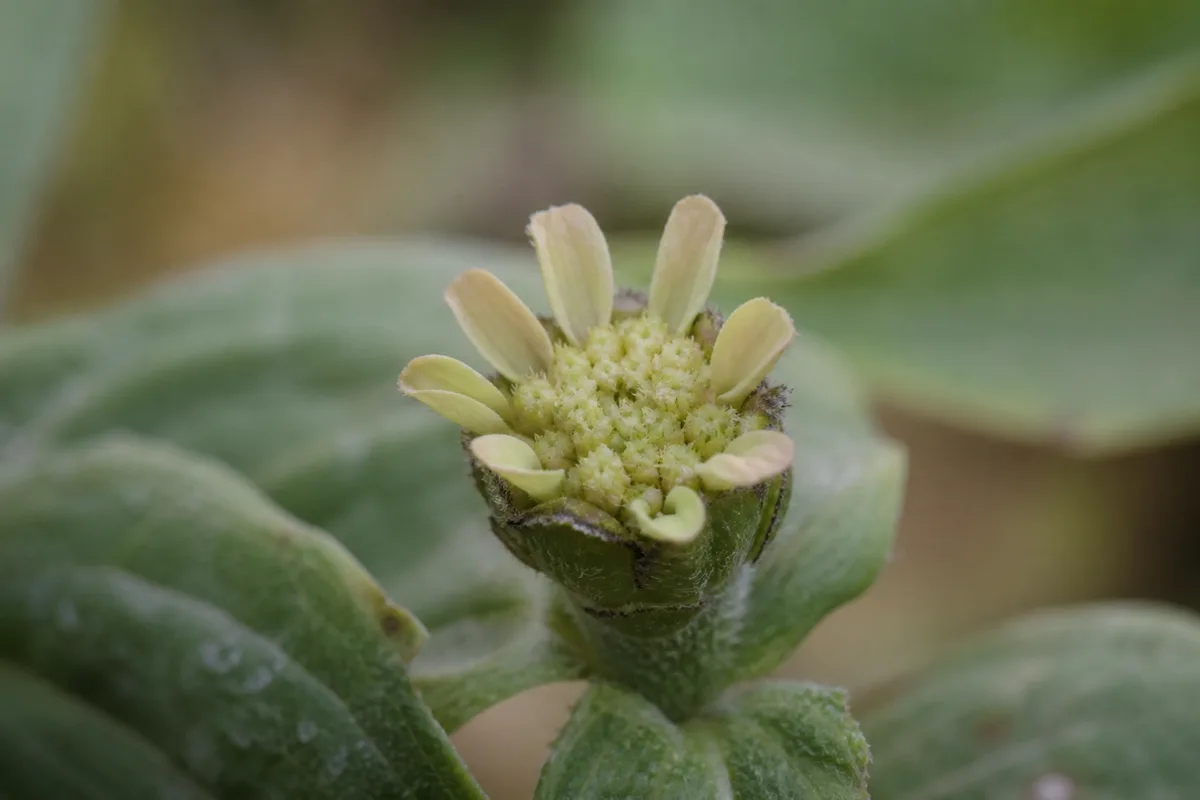
Small Flowers symptoms on Zinnia - compare with healthy tissue on the same plant.
Normal small-flowered types:
- Profusion and Zahara series open roughly 5–6 cm wide blooms on bushy plants-by design
- Thumbelina and other dwarf lines carry proportionally tiny heads on short stems
- Narrow-leaf zinnia (Zinnia angustifolia) bears small daisy-like flowers suited to edging
Stress-shrunk blooms on large-flowered types:
- Flower heads noticeably smaller than catalog photos or neighbor plants of the same cultivar
- Pale, thin petals with fewer ray florets than expected doubles
- Short stems holding undersized heads while the plant looks otherwise green
- Smaller flowers clustered with leggy stretched stems reaching toward light
- Reduced bloom count alongside small size in partial shade beds
Companion symptoms that narrow the cause:
- White flour-like coating on leaves with stunted new growth points to powdery mildew sapping energy
- Wilting and drooping flower heads in afternoon heat with dry soil confirm drought stress
- Dark lush foliage with few buds suggests excess nitrogen
- Inner leaves shaded by taller neighbors while outer stems bloom larger confirms light competition
Already-open flowers keep their size until they fade. Diagnose from the newest buds forming after you correct conditions, not from spent heads that opened during stress.
Why Zinnia produces small flowers
Zinnias are fast-growing sun annuals that channel photosynthate into large composite heads when conditions align. Several zinnia-specific factors shrink blooms when energy or genetics limit petal development.
Wrong cultivar expectations. The most common “problem” is planting a naturally small-flowered line and expecting giant zinnia performance. Missouri Botanical Garden notes sizes range from small-flowered dwarfs to large-flowered giants within Zinnia elegans-seed series names matter more than any single fix.
Insufficient sun. Zinnias evolved in open Mexican highlands and need full sun for best performance. Partial shade-common when zinnias sit behind taller vegetables, along north-facing walls, or under tree drip lines-produces leggy stems and reduced flower size. Morning-only sun with midday shade often yields fewer and smaller heads than an open south-facing bed.
Drought during bud formation. Zinnias tolerate heat but bloom quality drops when soil dries completely while buds are sizing up. Container zinnias on hot porches wilt by afternoon; if that cycle repeats through bud development, petals open smaller than they would with steady moisture. Zinnias prefer evenly moist, well-drained soil in full sun-not bone-dry swings.
Excess nitrogen. Fast leafy growth from high-nitrogen lawn fertilizer drift, weekly general-purpose feed, or rich compost top-dressing pushes foliage over reproductive tissue. Affected plants look tall and dark green with fewer buds, and the blooms that do open tend to stay small. This pattern mirrors what extension guides describe for annuals receiving too much nitrogen relative to phosphorus.
Powdery mildew and disease stress. Illinois Extension reports powdery mildew compromises photosynthesis and limits proper plant development, producing smaller leaves and stems. When mildew coats much of the canopy, energy for large flower heads drops. Large double Zinnia elegans cut-flower types are more susceptible than resistant Profusion or Zahara lines.
Crowded spacing. Dense direct-sown blocks or overfilled containers trap humid air, shade inner stems, and force competition for light and water. Inner plants often carry the smallest flowers while edge plants bloom larger-a spacing signature, not random bad luck.
Early-season first flush. The very first blooms on young plants sometimes open slightly smaller before the plant hits full stride. This is temporary if sun and moisture are adequate; judge the second and third flushes before assuming a chronic problem.
How to confirm the cause
Work through these checks in order:
- Seed packet or tag review - Note series name, expected height, and flower size photo. Match that to what you see. If they align, no fix is needed.
- Sun-hour audit - Track direct sun on the planting from mid-morning through afternoon. Fewer than six hours strongly supports a light deficit on large-flowered types.
- Spacing check - Measure distance between mature stems. Tall cutting zinnias need roughly 30–45 cm; dwarfs need 20–25 cm. Tighter spacing with smaller inner blooms confirms crowding stress.
- Soil moisture history - Dig near the root zone. Crumbly dry soil during the past two weeks of bud formation supports drought stress. Soggy soil with yellow lower leaves points to root stress instead-different diagnosis.
- Fertilizer review - List recent feeds. High-nitrogen products, lawn fertilizer near beds, or “more is better” weekly dosing supports nitrogen excess when foliage is lush but blooms stay small.
- Mildew inspection - Rub upper leaves for white smearing powder. Coating on inner shaded leaves plus stunted new growth supports mildew as a contributing factor.
- Neighbor comparison - Same cultivar in full sun nearby blooming larger confirms your shaded or stressed plant needs relocation, not a new variety.
If the cultivar matches expectations, stop here-the plant is performing normally.
First fix for Zinnia
Compare open blooms to your seed packet or plant tag, then relocate to the sunniest available spot if you are growing a large-flowered type in partial shade.
This single step separates genetic small-flowered cultivars from fixable culture problems without stacking unnecessary fertilizer or sprays. Move containers to a south- or west-facing location with at least six hours of direct sun. In ground beds, transplanting mid-season is risky for zinnias-they dislike root disturbance-so thinning neighbors that cast shade or planning a better site for succession sowings is often smarter than digging established plants.
Do not dump bloom fertilizer on day one if you have not confirmed the cultivar and sun exposure. Extra phosphorus cannot turn a Profusion series into Benary’s Giant, and feeding stressed shade-grown plants often worsens soft mildew-prone growth.
Step-by-step recovery
After confirming you have a large-flowered type in suboptimal conditions:
- Maximize sun exposure - Remove or trim encroaching plants casting afternoon shade. Rotate containers daily if needed. For future sowings, choose open beds before seeds go in.
- Stabilize base watering - Water deeply at soil level when the top 3 cm dries. Avoid letting pots crash to bone dry during heat waves while buds are forming. Do not overhead-water in late evening.
- Correct feeding - Stop high-nitrogen fertilizer. If soil was never amended, apply balanced or phosphorus-forward flower fertilizer at half label strength every three to four weeks during active growth-not on every watering.
- Deadhead spent small blooms - MSU Extension recommends deadheading zinnias to promote continued bloom through the season. Cut stems just above a leaf joint or side bud so the plant redirects energy to new full-size heads.
- Address powdery mildew if present - Thin overcrowded stems and remove heavily coated lower leaves to open airflow before expecting larger replacement blooms. Severe mildew on large double types may limit recovery enough that succession sowing resistant stock is the practical path.
- Pinch or thin if leggy - Pinching young plants back once early in the season promotes bushier branching with more bloom sites. For overgrown leggy shade plants, cutting back by one-third and correcting light may produce a cleaner second flush-already-open small flowers will not enlarge.
For direct-sown beds where the wrong cultivar was chosen, the honest fix is noting the series for next year and enjoying the smaller blooms this season rather than fighting genetics.
Recovery timeline
New buds formed after light and moisture correction typically open at normal cultivar size within two to three weeks in warm summer weather. Container moves show faster response than in-ground shade correction because roots stay intact.
The first flush after a feeding correction may still be modest while the plant rebalances-judge the second flush. Mildew cleanup plus spacing improvements need one to two weeks before clean new leaves and buds appear.
Flowers already open at small size do not expand-they fade, get deadheaded, and are replaced. Recovery means new buds, not old heads.
Lookalike symptoms to rule out
No flowers at all - Shade or excess nitrogen can stop bud formation entirely. Small flowers mean buds are opening but undersized-a lighter deficit or different cultivar tier.
Bud drop before opening - Heat stress, overwatering on Zinnia, or blight abort buds before petals unfurl. Small open flowers mean buds survived to bloom stage.
Distorted or mottled petals - Mosaic virus and heavy thrips damage deform flower shape and color rather than simply shrinking an otherwise normal head. Virus-infected plants rarely recover enough for a quality late flush-remove rather than chase size.
Faded flowers past peak - Spent zinnia heads naturally shrink and brown as they age. Check whether the issue is old flowers not yet deadheaded versus newly opening small buds.
Leggy growth without small flowers - Very tall thin stems with few blooms at all point to severe shade or nitrogen imbalance before flower size becomes the question.
Mistakes to avoid
Do not assume every zinnia should produce giant blooms-verify the cultivar first.
Do not increase nitrogen hoping bigger flowers will follow-the opposite happens on zinnias.
Do not judge recovery on flowers that opened during drought or shade. Wait for the next flush.
Do not transplant large in-ground zinnias casually mid-season unless necessary-they often stall after root disturbance. Fix light for containers; plan better placement for the next sowing in beds.
Do not spray fungicide or fertilizer on powdery-mildew-coated plants without improving spacing and airflow first.
Do not overcrowd succession sowings hoping for a fuller look-dense late plantings repeat the same small-flower pattern on inner stems.
How to prevent small flowers next time
Match cultivar to goal at purchase. Read seed packets for series name, height, and flower diameter. Choose Benary’s Giant or similar cut-flower lines for large heads; choose Profusion or Zahara for compact landscape color.
Site before sowing. Plant zinnias in humusy, evenly moist, well-drained soil in full sun. Direct-sow after last frost in the final location when possible-zinnias establish best without repeated moves.
Space for airflow and light. Thin seedlings to recommended distances. Good air circulation helps prevent fungal issues that steal vigor from bloom development.
Water steadily through bud set. Use the top-3 cm dry test at the base. Mulch containers in peak heat to reduce afternoon crash cycles.
Feed with balance. Incorporate moderate compost at planting; supplement with balanced or bloom-oriented fertilizer at half strength if needed. Avoid repeated high-nitrogen feeds on fast annuals.
Choose mildew-resistant lines in humid climates. Illinois Extension recommends Zahara, Profusion, and Oklahoma series for longer-lasting plants where powdery mildew pressure is high-smaller blooms on Profusion are the tradeoff for disease resistance, so pick series intentionally.
Deadhead and succession-sow. Regular deadheading plus succession plantings every two weeks through midsummer keeps fresh full-size flushes coming until frost for season-long display.
When to worry
Small flowers alone rarely threaten plant survival-they are a quality and expectations issue. Escalate attention when small blooms accompany basal stem softening and sour soil smell (root/stem rot), rapid white mildew spread halting new growth, or virus-like mottling on leaves and petals. Those conditions limit total vigor on a single-season annual, and recovery may not justify the effort compared with pulling and succession-sowing clean stock in a better site.
Conclusion
Small zinnia flowers start with cultivar honesty-many favorites are bred small. When a giant-flowered type underperforms, full sun, steady moisture during bud formation, balanced feeding, and mildew control restore normal head size on the next flush. Compare to your seed packet, fix light first, deadhead spent blooms, and judge new buds-not flowers already open-within two to three weeks.
When to use this page vs other Zinnia guides
- Zinnia watering guide - Use for routine moisture checks before assuming small flowers is the main issue.
- Zinnia problems hub - Browse all 38 common issues on this species.