Drooping Leaves on Zinnia: Causes, Checks & Fixes
Quick answer
Drooping leaves on Zinnia usually mean a water mismatch-afternoon drought wilt or root failure on soggy soil. Before adding water, push your finger into the top 3 cm at the base; dry soil needs a deep soak, wet soil needs drainage checks instead.
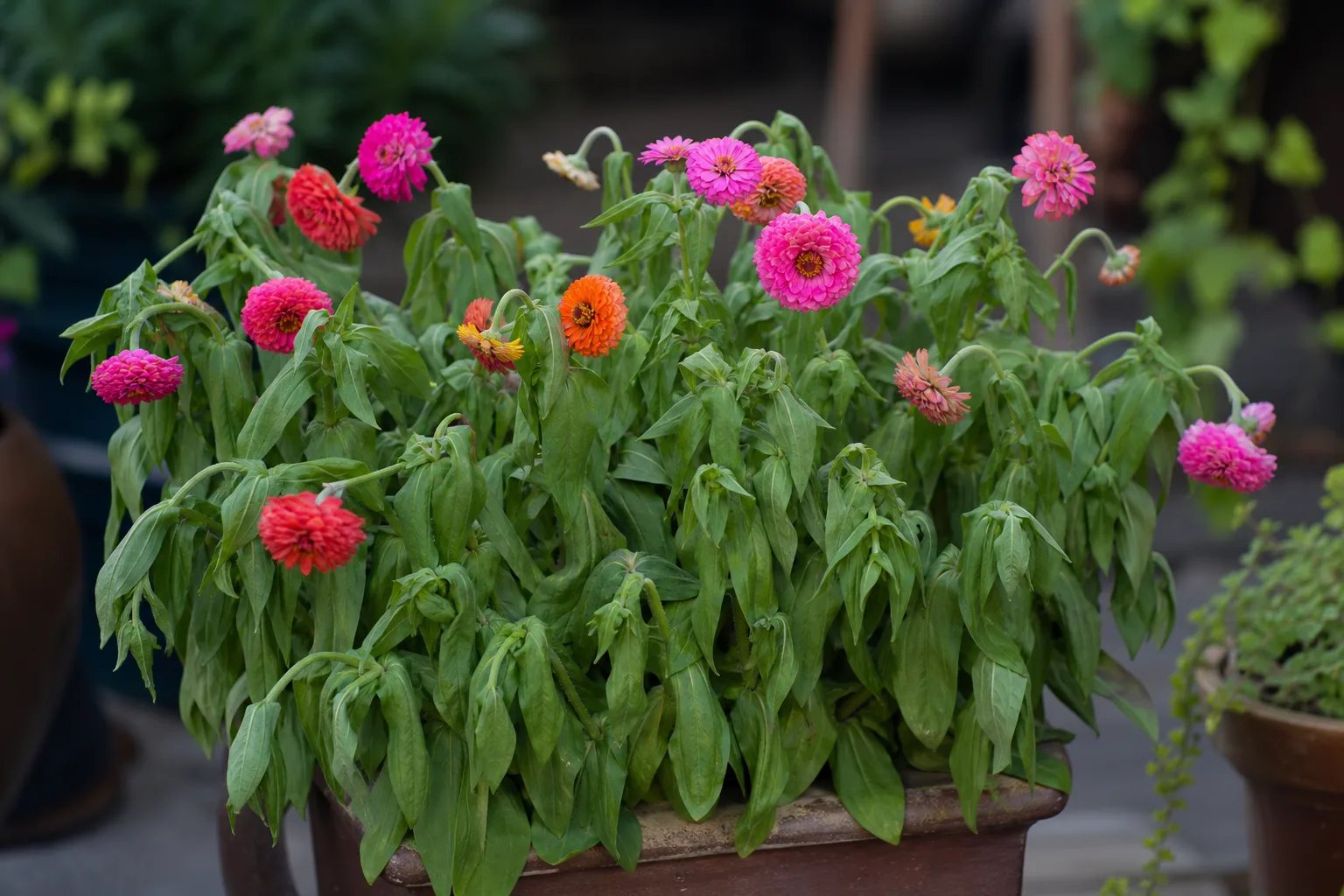
Drooping Leaves on Zinnia: Causes, Checks & Fixes
This guide covers drooping leaves on Zinnia. See also the general Drooping Leaves guide, watering, and light pages for this plant.
Drooping Leaves on Zinnia: Causes, Checks & Fixes
Quick answer
Drooping leaves on Zinnia usually mean a water mismatch-afternoon drought wilt or root failure on soggy soil. Before you reach for the hose, push your finger into the top 3 cm of mix at the base of the stem.
First step: check soil moisture at depth, not the surface. Dry soil at that depth calls for a slow, deep soak at the base until water runs from drainage holes. Soil that feels wet or smells sour means stop watering and inspect drainage and stem bases before adding more water.
What drooping leaves look like on Zinnia
On Zinnia elegans, droop shows up as limp, downward-hanging leaves and sagging flower heads on otherwise green foliage. Tall cultivars may lean as stems lose turgor. Lower leaves often droop first when roots cannot supply enough water; upper tips collapse when a container dries out fast in afternoon sun.
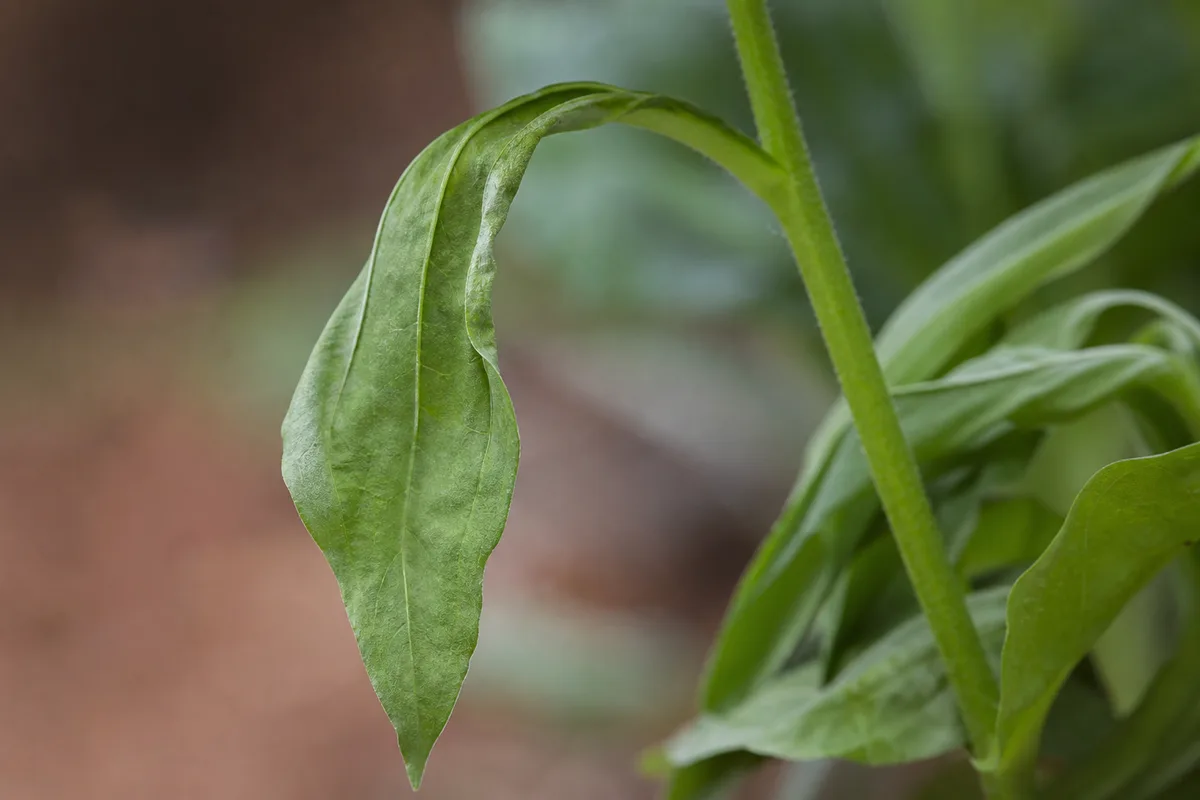
Drooping Leaves symptoms on Zinnia - compare with healthy tissue on the same plant.
Three patterns help separate normal heat response from real trouble:
Afternoon heat flop (often normal): Plants look tired from late morning through peak heat, then regain stiffness overnight or by early morning. Stems stay firm and soil at 3 cm depth is lightly dry-not bone dry for days.
Thirst droop: Sharp wilt on dry, light pots or dusty garden beds. Flower heads hang like umbrellas. Leaves feel thin and papery. A deep soak brings noticeable perk within a few hours.
Root-stress droop: Leaves stay limp even when soil is wet for days. Lower foliage may yellow. Stems at the soil line feel soft or show dark brown cankers. Sour smell from mix points to failing roots rather than simple thirst.
Zinnias push constant bloom in full sun, so they move water fast. A plant that looked fine at breakfast can look collapsed by mid-afternoon if the root zone dried out.
Why Zinnia leaves droop
Zinnias are sun-loving annuals bred for hot-season flowering. They transpire heavily in full sun and recover only when roots can replace that water loss. Several distinct problems produce the same limp look.
Afternoon heat and fast drying: Even well-watered zinnias may droop slightly in peak heat as a temporary conservation response. Containers on sunny patios and shallow beds dry faster than deep garden soil. Wilting in heat does not always mean you underwatered-it may mean the pot could not keep up for a few hours.
Underwatering: Zinnias bloom hard and shallow watering routines leave deep roots dry. Drought stress shows as wilting in peak afternoon heat and drooping flower heads-the classic underwatering signature on this plant.
Overwatering and root rot: Saturated soil deprives roots of oxygen. Damaged roots cannot absorb water, so leaves droop despite wet mix-the same visual wilt as thirst. Chronic wet soil also promotes stem rot at the base and grey mould on flowers.
Alternaria blight stem cankers: Alternaria zinniae causes reddish-brown spots on leaves and dark brown cankers on stems. Cankered stems lose structural strength and wilt even when soil moisture seems adequate.
Transplant shock: Zinnia elegans resists root disturbance. Recently moved seedlings or store transplants often wilt for several days while fine roots rebuild.
Damping-off (seedlings): Cool, wet seed-starting mix lets Pythium and Rhizoctonia rot seedling stems at the soil line. Young zinnias collapse and fall over rather than simply droop.
How to confirm the cause
Work through these checks in order-each step narrows the diagnosis before you change care:
- Time-of-day check - Note whether plants perk up by morning. Afternoon-only droop on firm stems often means heat strain or a borderline dry pot, not disease.
- Moisture at 3 cm depth - Probe near the stem, not the rim. Dry and crumbly means thirst. Wet, cool, or sour-smelling mix means root stress-do not add water yet.
- Pot weight - A light container on a hot day confirms dry mix. A heavy pot with limp leaves suggests failed uptake on wet soil.
- Stem base inspection - Look for soft, dark tissue, brown cankers, or a narrowed “pinch” at the soil line on seedlings.
- Leaf and flower scan - Reddish-brown spots with grey centers on leaves or petals point to Alternaria blight rather than simple water stress.
- Recent care history - New transplant, heat wave, or several days of rain/overhead watering often explains sudden droop without other disease signs.
If morning wilt on wet soil persists after you stop watering for 48 hours, widen the diagnosis to stem cankers, seedling damping-off, or advanced root failure.
First fix for Zinnia
Push your finger into the top 3 cm at the base. Water deeply at the soil line only if that depth is dry.
For dry soil: irrigate slowly at the base until water exits drainage holes. Let the pot drain fully. Recheck in two to three hours-thirsty zinnias often show visible perk by then. In garden beds, soak the root zone rather than a light surface sprinkle.
For wet soil: do not water. Move containers to brighter air if mix stays soggy in shade. Improve drainage holes or raise beds if standing water is the issue. Wait 24–48 hours and reassess morning firmness before any other intervention.
Do not mist leaves, fertilize, or repot on day one. Those steps add stress while turgor is already low.
Step-by-step recovery
After the moisture check:
- Repeat base watering on dry rhythm - Water when the top 3 cm dries, not on a fixed calendar. In hot Indian summer containers, that may mean every two to three days; cooler weather stretches to four to five days.
- Mulch containers and beds - A thin mulch layer slows surface evaporation so afternoon heat droop is less dramatic.
- Stop overhead watering - Wet foliage and flowers invite leaf spot and blight. Use a hose at soil level or drip lines.
- Improve spacing - Crowded zinnias dry unevenly and hold humidity against stems. Thin or transplant to recommended spacing so air reaches lower leaves.
- Remove blighted tissue - Cut out stems with dark cankers and spotted leaves. Bag and discard-do not compost infected material on site.
- Support tall varieties - Stake stems that lean after heat wilt so heavy flower heads do not kink recovering tissue.
- Seedling collapse - If stems rot at the soil line, reduce watering, increase airflow with a fan, and isolate trays from healthy seedlings.
Skip fertilizer until leaves hold firm for a full week. Stressed roots take up nutrients poorly and excess nitrogen pushes soft growth more vulnerable to disease.
Recovery timeline
Simple thirst improves within hours after a proper soak; expect firm morning leaves the next day. Heat-only afternoon flop resolves the same evening once temperatures drop-no extra water needed if morning plants are upright.
Root-stress recovery takes one to three weeks if drainage correction stops further damage. New top growth should emerge stiff while old yellow lower leaves may stay dull.
Alternaria canker damage on lower stems rarely reverses; recovery means clean new shoots above the infection, not restored old tissue.
Seedlings lost to damping-off do not rebound-remove collapsed plants and adjust seed-starting conditions for the next sowing.
Lookalike symptoms to rule out
Powdery mildew coats leaves with dry white powder rather than limp tissue. Foliage may curl but stems stay stiff until advanced decline.
Yellow leaves from aging or overwatering often appear before or alongside droop. Natural lower-leaf yellowing on an otherwise firm plant is low urgency; rapid yellowing with wet soil and wilt points to roots.
Leggy weak stems from shade or excess nitrogen produce tall floppy growth without the sudden collapse of thirst. Moving to full sun and reducing nitrogen stiffens new growth over weeks.
Wind snap breaks stems cleanly. Drooping from water stress bends stems without a sharp break point.
Aphid clusters on tips cause curling and sticky residue; heavy feeding can wilt shoots, but insects are visible on inspection.
Mistakes to avoid
Do not pour water on every drooping zinnia without checking depth-wet-soil wilt worsens with more irrigation.
Do not assume afternoon droop always needs water. Check morning posture first.
Do not overhead water to “cool” plants. Wet leaves in humid weather accelerate blight and leaf spot.
Do not transplant repeatedly during bloom. Each move shocks roots and extends wilt windows.
Do not fertilize limp plants hoping for recovery. Feed only after turgor returns for a full week.
Do not compost stems with dark cankers or grey mouldy flowers-spores survive home compost piles.
How to prevent drooping leaves next time
Match watering to how fast your pot dries: base soak when the top 1 to 2 inches of soil feels dry, roughly one inch of water per week in beds during active growth, adjusted upward in extreme heat.
Plant in full sun with at least six hours of direct light. Shade produces weak stems that sag under flower weight even when soil moisture is fine.
Space plants for airflow-about 20–30 cm for dwarfs, a foot or more for tall cultivars-so leaves dry quickly after morning watering.
Direct-sow in final position when possible. If using transplants, harden off and water immediately at planting, then minimize disturbance.
Choose disease-resistant series in humid climates. Resistant cultivars reduce Alternaria pressure that weakens stems.
Deadhead spent blooms so the plant does not pour energy into seed on stressed tissue.
When to worry
Treat as urgent when wilt lasts through cool morning hours on wet soil, stems soften or smell at the base, or dark cankers climb stems despite dry surface mix. Those patterns suggest root rot, stem rot, or Alternaria blight-not a quick thirst fix.
Seedlings that collapse at the soil line overnight may be damping off; isolate trays and discard affected plants.
Multiple plants failing together after heavy rain or daily overhead watering signals bed drainage failure or widespread blight-stop watering, improve drainage, and remove the worst stems before the pathogen spreads.
Afternoon-only droop on firm stems with dry-to-touch soil at 3 cm is lower urgency. Steady the watering rhythm and mulch rather than panic.
Conclusion
Drooping zinnia leaves are a moisture signal first. Check the top 3 cm at the stem base, water deeply only when dry, and hold irrigation when mix is wet. Morning firmness tells you whether afternoon flop was heat or real stress. Correct the root zone before you fertilize, repot, or spray-and scout stems for cankers when wilt outlasts a simple soak.
Related Zinnia guides
- Zinnia overview
- Zinnia watering
- Zinnia light
- Wilting on Zinnia
- Underwatering on Zinnia
- Overwatering on Zinnia
- Root Rot on Zinnia
- All Zinnia problems
Conclusion
Use this page to confirm drooping leaves on Zinnia by pattern and pot checks-not by treating every houseplant the same. When symptoms overlap with sibling pages, follow the linked guide for the matching cause before stacking fertilizer, repotting, or pesticide.