Leggy Seedlings on Zinnia: Causes, Checks & Fixes
Quick answer
Leggy zinnia seedlings mean etiolation-thin stretched stems reaching for light during indoor seed starting. First step: lower grow lights to 2–3 inches above the tops and run them 14–16 hours daily.
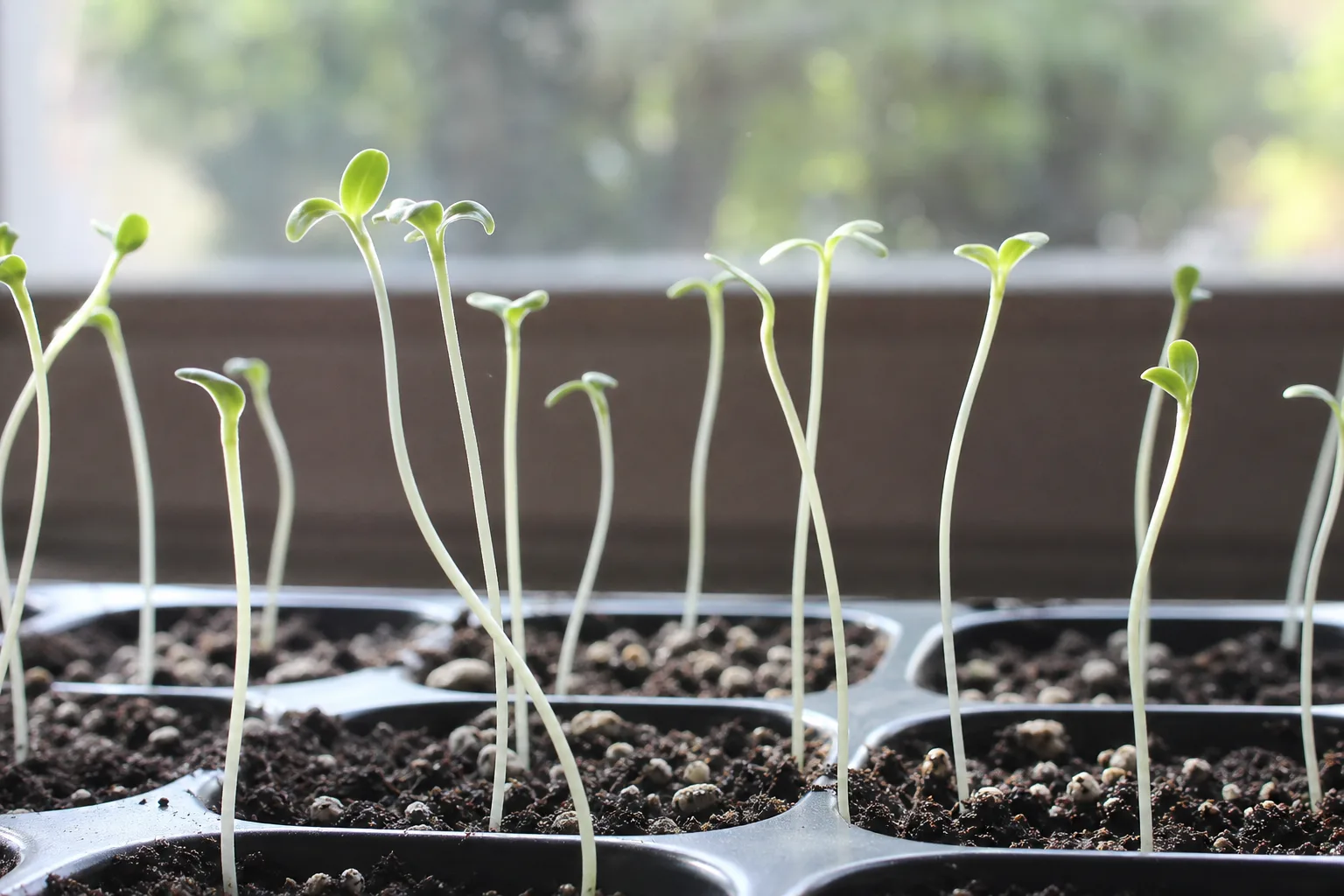
Leggy Seedlings on Zinnia: Causes, Checks & Fixes
This guide covers leggy seedlings on Zinnia. See also the general Leggy Seedlings guide, watering, and light pages for this plant.
Leggy Seedlings on Zinnia: Causes, Checks & Fixes
Quick answer
Leggy zinnia seedlings (Zinnia elegans) are not a disease-they are etiolation. In dim indoor conditions, fast-growing zinnia sprouts stretch toward the brightest point, building thin pale stems with long internodes instead of compact foliage. This happens easily because zinnias are sun-loving annuals bred for full outdoor light, not the weak photons that reach a winter windowsill.
First step: lower your grow lights to 2–3 inches above the tallest seedling and run them 14–16 hours daily. Oregon State Extension recommends that distance for zinnia seedlings specifically, and University of Minnesota Extension notes that lack of close light is the major cause of elongated, skinny stems on indoor starts. Do not add fertilizer, repot, or move outdoors until you fix light-those steps come after stretch stops.
What leggy seedlings look like on Zinnia
On zinnia flats, legginess shows up within days of cotyledons opening, often before the first true leaves fully expand. Recognize these patterns:
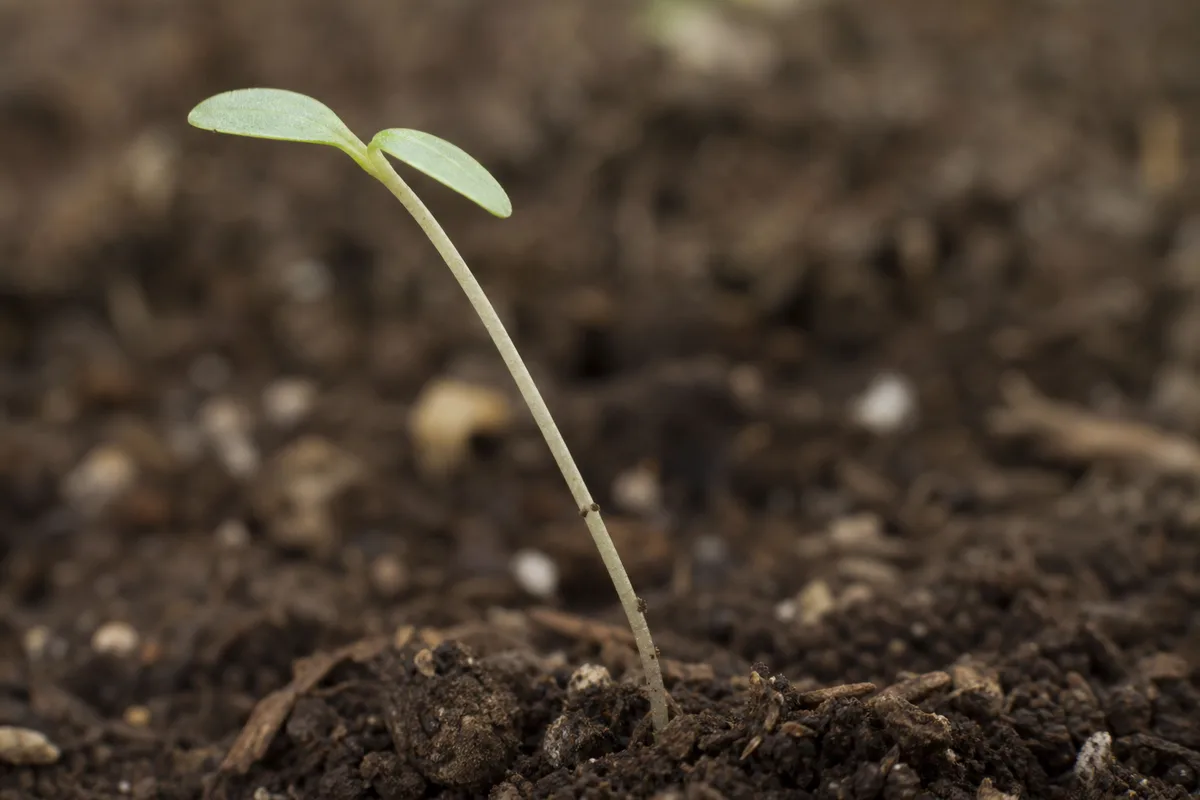
Leggy Seedlings symptoms on Zinnia - compare with healthy tissue on the same plant.
Stretch and lean
- Stems grow tall and thread-thin while cotyledons stay small and pale yellow-green
- Wide gaps between leaves-the internode length is visibly longer than on seedlings under proper light
- The whole tray leans toward a window or bends toward a distant ceiling fixture
- Seedlings look floppy but still stand upright; the stem base is firm, not pinched or rotted
Color and vigor clues
- Foliage is lighter green than zinnia starts under bright light, sometimes almost yellow
- Growth feels rushed upward with little root or leaf bulk for the height gained
- Multiple crowded seedlings in one cell compete and stretch even faster toward the light source
What it is not
- Damping-off collapses seedlings at the soil line with water-soaked brown stems-they fall flat, not lean tall
- overwatering on Zinnia yellows and softens tissue; stretch toward light is the dominant pattern with legginess
- Normal zinnia speed in good light produces stocky stems with closely spaced leaves, not spindly reach
Why Zinnia seedlings get leggy
Zinnias germinate quickly and push growth the moment they have moisture and warmth. That speed becomes a liability indoors when light cannot keep pace.
Insufficient light is the primary cause. University of Minnesota Extension is explicit: windowsill-grown seedlings tend to be too tall with thin, bent stems, and lack of light is the major cause of elongated, skinny stems. Zinnias need far more intensity than ambient room light provides during late-winter seed starting. A south window may work in late spring, but seedlings must be rotated daily to prevent uneven lean-and even then, cloudy stretches leave zinnias stretching.
Grow lights placed too high or run too briefly. Lights hung 12 inches above a flat look bright to your eyes but deliver weak energy at the leaf surface. Seedlings need lamps kept as close as 2 inches and up to 4 inches above tops, raised gradually as plants grow. They also need 12–16 hours daily on a timer-not a few hours of kitchen overhead light.
Heat without matching light. Zinnias respond well to warm germination temperatures, but a heat mat under a dimly lit flat accelerates upward stretch before stems can thicken. Warm soil plus weak light is a common recipe for spindly zinnia starts.
Crowded cells and lingering humidity domes. Several zinnia sprouts in one cell shade each other and race upward. Clear domes held too long after germination trap humidity and reduce air movement, compounding weak stem development-though the stretch itself still traces back to light competition and etiolation.
Starting too early indoors. Zinnias need only about three to four weeks indoors before transplant, per University of Minnesota’s seed-starting calendar. Starting in February for a May planting leaves fast-growing zinnias languishing under lights for weeks, often outgrowing their cells before weather allows hardening off.
How to confirm the cause
Work through these checks before you repot, fertilize, or discard the flat:
- Light distance - Measure from bulb or LED panel to the highest zinnia tip. More than 4 inches with visible stretch confirms insufficient intensity or distance.
- Light duration - Confirm seedlings receive 14–16 hours of artificial light daily if they are not in full direct sun all day. A timer log helps; guessing often reveals shortfall.
- Lean direction - Uniform lean toward one window or lamp confirms phototropism from weak directional light, not disease.
- Stem base inspection - Pinch gently at the soil line. Firm green tissue means legginess; soft brown pinching means damping-off instead.
- Soil moisture - Soggy mix with stretch still points to light as the stretch driver, but chronic overwatering weakens stems further. Surface should dry slightly between bottom-waterings.
- Compare one cell - If you have a second flat under closer light, side-by-side comparison makes etiolation obvious within days.
If stems are firm, green at the base, and leaning or tall with pale leaves-and light checks fail-low light is confirmed. You do not need to wait for more symptoms.
First fix for Zinnia
Lower grow lights to 2–3 inches above the tallest seedling tops and set a timer for 14–16 hours daily.
This single change addresses the root cause. Oregon State Extension advises zinnia seedlings do best under grow lights placed 2–3 inches from the plants, and Minnesota Extension recommends keeping lights no more than 4 inches above tops-as close as 2 inches is ideal. Hang fixtures from chains so you can raise them every few days as zinnias grow, maintaining that close gap without leaf burn.
Do not move the tray outdoors on day one unless hardened-off weather already allows it-cold snaps kill heat-loving zinnias. Do not fertilize stretched seedlings hoping to bulk them up; weak light plus nitrogen can push more height without strength. Do not bury stems in dry mix to “fix” height until you have corrected light and seen new compact growth.
Step-by-step recovery
After correcting light, support recovery in this order:
- Remove humidity domes if they are still on. Zinnia cotyledons need air movement once sprouted.
- Thin to one seedling per cell by snipping extras at soil level with scissors-never pull, which disturbs zinnia roots.
- Run a gentle fan across the flat for a few hours daily. Light air movement mimics outdoor breeze and encourages slightly thicker stems.
- Bottom-water lightly when the surface dries. Leggy zinnias in soggy mix are more vulnerable to damping-off; keep moisture even but not wet.
- Pinch above the first true leaves once stems are firm and at least two true leaves have opened. Missouri Botanical Garden recommends pinching young zinnia plants to promote compact, bushy form-this redirects energy sideways after light improves.
- Up-pot before roots circle if seedlings are more than three weeks old and roots fill cells. Zinnias grow quickly and become root-bound in small trays; move gently because they dislike root disturbance.
- Harden off gradually for two weeks before planting in Zinnia light guide. Leggy stems snap in wind unless new growth has thickened under corrected light.
If stretch is extreme-stems floppy beyond 6 inches with minimal true-leaf development-starting a fresh flat under proper lights from germination day is often faster than rescuing the batch.
Recovery timeline
Under corrected close light, zinnias typically produce noticeably shorter internodes on new growth within five to seven days. Cotyledons and the already-stretched lower stem remain elongated; judge progress by the spacing on fresh leaves emerging after the fix, not by old tissue shrinking.
Within two to three weeks of proper light, firm stems with two to four true leaves are ready for up-potting or hardening off, matching zinnia’s fast growth habit. If stretch continues despite verified light distance and duration, replace bulbs or add a second fixture-aging fluorescent tubes lose intensity even when they still glow.
Lookalike symptoms to rule out
Damping-off kills zinnia seedlings at the soil line with brown pinched stems and sudden collapse. Leggy seedlings stay attached and upright with firm bases.
Yellow seedlings from overwatering show uniform yellowing and soft tissue without dramatic height gain toward a light source. Check whether mix stays wet for days.
Heat stress outdoors scorches leaves on established plants; it does not cause indoor etiolation stretch before transplant.
Leggy growth on mature garden zinnias in shade is a related but separate problem-tall weak stems with few blooms in a planted bed. Seedling legginess is specifically an indoor light-start issue, though both trace to insufficient sun.
Mistakes to avoid
Do not rely on a windowsill alone for late-winter zinnia starts. Minnesota Extension warns that even south-facing sills produce thin, bent seedlings compared with close artificial light.
Do not leave grow lights fixed at one height while zinnias double in size-the gap widens daily and stretch resumes.
Do not overcrowd seeds in one cell. Zinnias are easy to direct-sow outdoors; indoor culture works best with one strong seedling per container.
Do not hold humidity domes over sprouted zinnias for convenience. Domes after germination trap moisture and favor fungal issues on weak stems.
Do not transplant deeply into cold garden soil to “support” floppy stems. Zinnias need temperatures consistently above 70°F including soil temperature before outdoor planting pays off.
Do not assume fertilizer fixes stretch. Without adequate light, feeding produces taller weak zinnias, not stocky ones.
How to prevent leggy seedlings next time
Start lights the day cotyledons appear. Zinnia seeds germinate in warm soil within days; the light clock starts at emergence, not when you remember to set up the lamp.
Use the right timing. University of Minnesota lists zinnias for mid-April indoor starts, kept only three to four weeks before transplant-short enough that fast zinnias do not outgrow their setup.
Consider direct sowing. Missouri Botanical Garden notes zinnias are easily grown from seed sown directly in the ground after the last frost date. Outdoor full sun from day one eliminates most legginess for gardeners who can wait for warm soil.
Sanitize and space. Sterile mix and single-seedling cells reduce competition. A small fan after germination strengthens stems alongside light.
Plan hardening off early. Two weeks of gradual outdoor exposure prevents shock when stocky seedlings finally meet wind and full sun.
When to worry
Leggy zinnias become urgent when stems stay floppy after one week of corrected close light, when lower stems soften at the soil line (shift to damping-off protocol), or when hardening-off breaks most of the flat because stretch was ignored too long.
Weak spindly seedlings also face higher damping-off risk in wet flats-leggy tissue is structurally fragile even before pathogens strike. If more than half the flat shows collapse or soft bases, discard affected cells and protect survivors with drier bottom-watering and airflow rather than chasing height with more water.
For mild stretch caught early, urgency is moderate: fix light today, but you rarely need to discard the entire tray.
Conclusion
Leggy zinnia seedlings almost always mean indoor light was too weak, too distant, or too brief for a sun-loving fast germinator. Lower grow lights to 2–3 inches, run them 14–16 hours, thin crowded cells, and judge recovery by compact new leaves-not old stretched stems. When indoor timing is awkward, direct-sowing zinnias after frost skips the problem entirely and often produces the sturdiest plants in the row.
When to use this page vs other Zinnia guides
- Zinnia watering guide - Use for routine moisture checks before assuming leggy seedlings is the main issue.
- Zinnia problems hub - Browse all 38 common issues on this species.