Seeds Not Germinating on Zinnia: Causes, Checks & Fixes
Quick answer
Zinnia seeds need warm soil-70°F (21°C) or higher-and shallow sowing at ¼ inch. Cool, wet mix is the most common reason nothing sprouts. First step: measure soil temperature at seed depth before you resow.
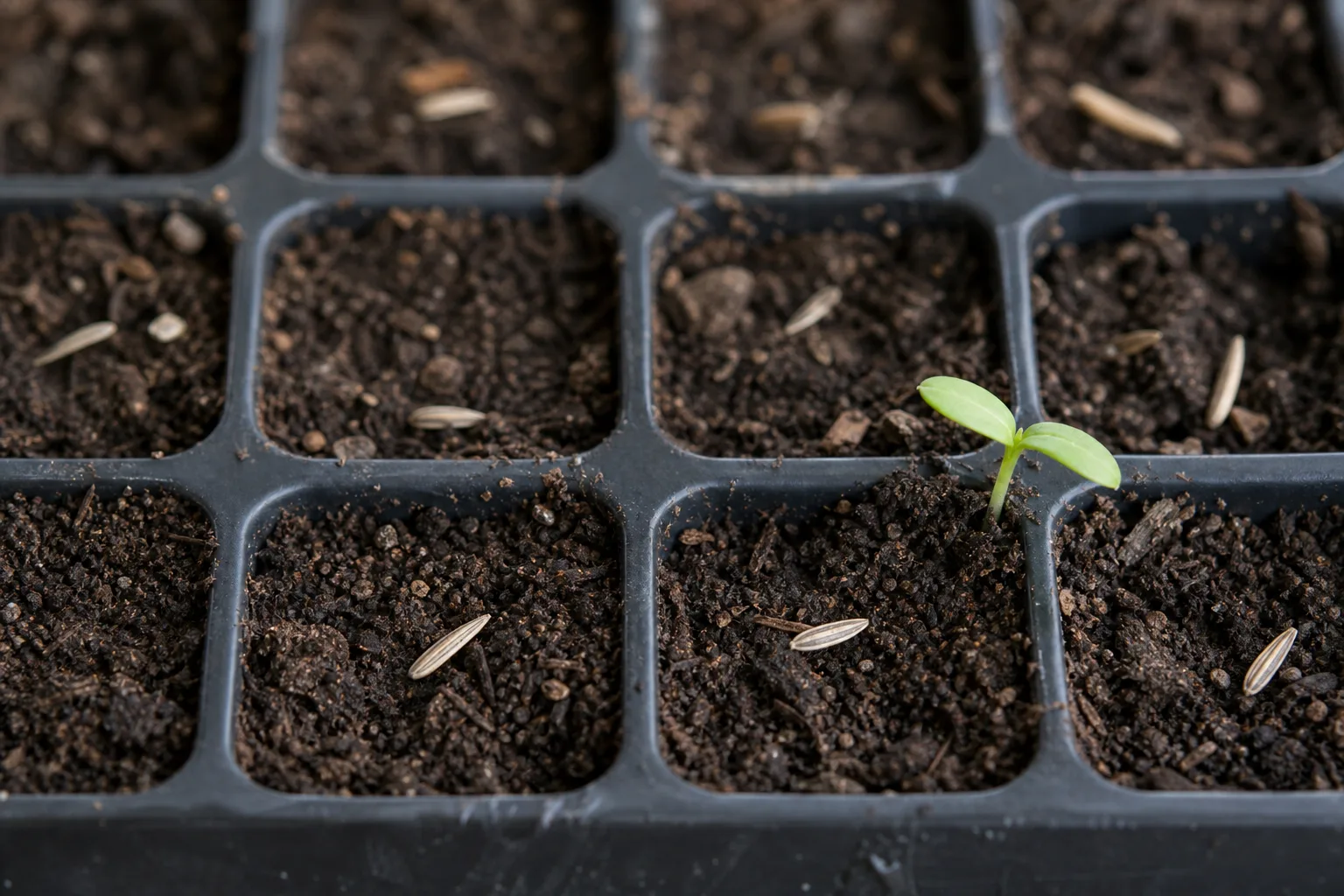
Seeds Not Germinating on Zinnia: Causes, Checks & Fixes
This guide covers seeds not germinating on Zinnia. See also the general Seeds Not Germinating guide, watering, and light pages for this plant.
Seeds Not Germinating on Zinnia: Causes, Checks & Fixes
Quick answer
Zinnia (Zinnia elegans) is a warm-season annual that germinates in 4 to 8 days at 70 to 75°F when soil is warm, lightly moist, and seeds sit at the right depth. Failed trays or bare garden rows usually trace to cool soil, old seed, sowing too deep, or wet stagnant mix-not a mysterious bad batch.
First step: measure soil temperature at seed depth before you resow. Zinnias stall below about 21°C (70°F) even when daytime air feels fine. A thermometer pushed 5 cm into the mix or bed tells you whether warmth or something else blocked sprouting.
Why Zinnia seeds fail to germinate
Zinnias evolved for Mexican summers. They are built to pop quickly once soil warms, not to sit in cold spring beds waiting for heat. Clemson Extension recommends direct sowing when soil and air reach about 70°F and planting seeds ¼ inch deep. Below that temperature window, germination slows from days to weeks-or stops entirely.
Cool, wet conditions are the dominant indoor failure. Damping-off fungi such as Pythium and Rhizoctonia thrive in cool, wet seed-starting mix. Seeds may absorb water and swell but rot before a shoot breaks the surface-pre-emergence collapse that looks like nothing happened. Overhead misting, domes left on too long, and garden soil in trays all raise that risk.
Sowing too deep buries zinnia seed where it stays cooler and darker longer than it should. Anything much deeper than ¼ inch delays emergence and increases rot time in damp mix.
Old or poorly stored seed loses viability. Zinnia seed saved from last year in a hot humid cupboard may look fine but germinate at a fraction of the rate on the packet. Alternaria and other pathogens can also overwinter on infected seed, reducing sprout counts before seedlings ever appear.
Uneven moisture catches fast-draining trays: surface dries while the bottom stays wet, or cells on the tray edge dry out while center cells rot. Zinnia seed needs consistent light moisture-not a flood cycle.
Direct-sowing too early outdoors is common. Air may pass frost-free while soil at 5 cm depth still reads 15–18°C. UMN Extension notes that seeds planted in soil too cool for optimal germination suffer severe damping-off, especially when wet weather follows planting.
Zinnias also dislike root disturbance. Starting indoors works, but leggy seedlings held too long in cells before transplant stress can mask a germination success as later collapse-that is a separate problem from seeds never sprouting at all.
What failed germination looks like on Zinnia
Complete failure: Tray cells or garden rows stay bare after the expected window-typically 10–14 days maximum if warmth and moisture were correct. No cotyledons, no green hooks, no seed coats split on the surface.
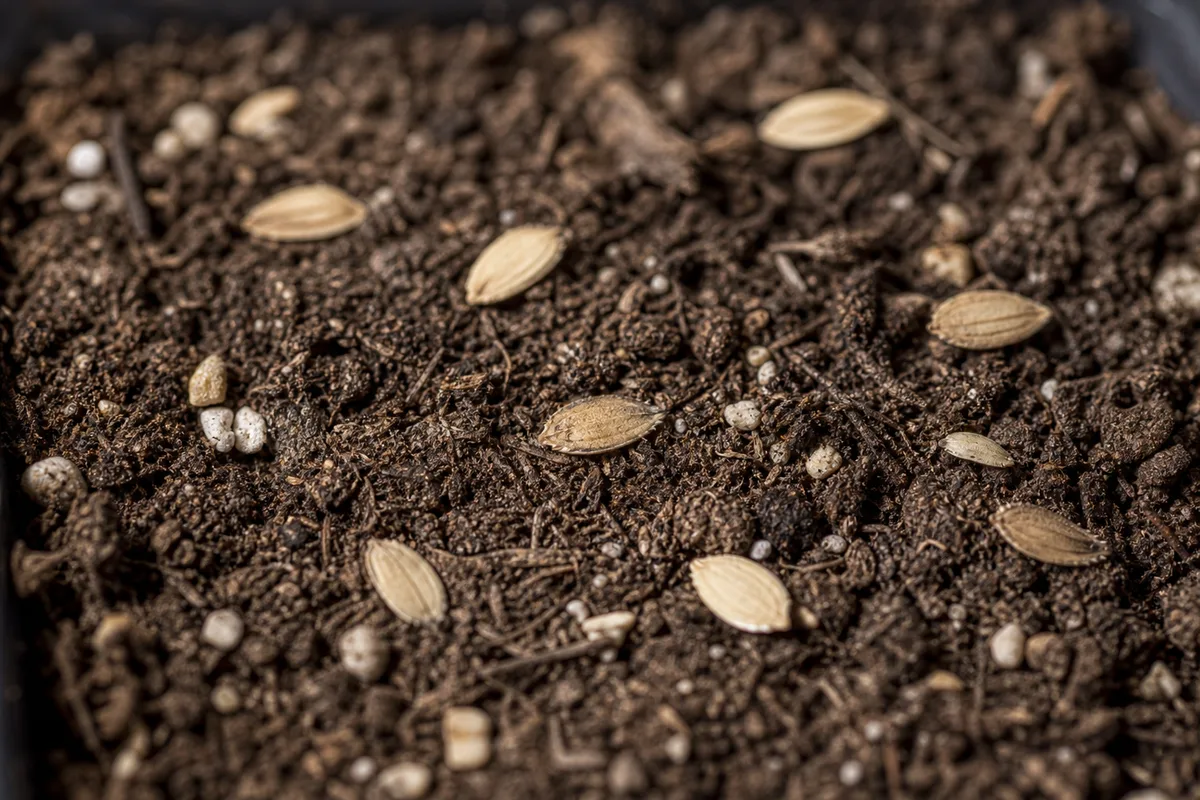
Seeds Not Germinating symptoms on Zinnia - compare with healthy tissue on the same plant.
Pre-emergence rot: You may see nothing above soil, but digging reveals swollen seed that turned soft, brown, or fuzzy. The mix smells slightly sour. Wisconsin Horticulture notes damping-off can kill seedlings before or just after emergence in wet trays.
Patchy germination: Some cells sprout while neighbors stay empty. That pattern often means uneven moisture, variable depth, or mixed seed age-not random bad luck.
False starts outdoors: Seed coats appear on the soil surface but no leaves follow-seed started imbibing then rotted in cool rain.
Not this problem: Leggy pale seedlings that did sprout but fell over point to insufficient light after germination, not failed germination. Caterpillar holes on existing leaves are unrelated to empty cells.
How to confirm the cause
Work through these checks in order:
-
Soil temperature at depth - Insert a thermometer 5 cm into mix or garden soil mid-morning. Below 21°C (70°F) strongly suggests cold soil as the limiter. Indoor trays without bottom heat often read cool on the bench even when the room feels warm.
-
Elapsed time vs. conditions - At 70–75°F with viable seed, expect cotyledons within 4 to 8 days. Cooler soil extends that to 10–14 days; beyond that with no sprouts, call it failure.
-
Dig test - Gently uncover one seed. Firm, unchanged seed in dry cool mix = needs warmth. Soft brown seed in wet mix = rot or damping-off. Intact seed in warm moist mix after two weeks = likely dead or old seed.
-
Depth check - Seeds should sit about ¼ inch deep with a light cover of fine mix or vermiculite. Deep burial or seeds pushed to the tray bottom slows or stops emergence.
-
Moisture pattern - Surface algae or white mold means too wet with poor airflow. Cracked dry crust with no sprouting below means seeds never imbibed consistently.
-
Seed source and age - Note packet year and storage. Heat and humidity age seed fast. Saved seed from diseased plants may carry Alternaria on the seed coat.
-
Outdoor timing - For direct sowing, confirm soil-not just air-has warmed. Late frost after sprouting kills seedlings; that is cold damage, not germination failure.
If soil reads warm, depth is shallow, moisture is even, and seed is current but nothing emerges after two weeks, suspect seed viability and resow with a fresh packet.
First fix for Zinnia
Measure soil temperature at seed depth. If it reads below 21°C (70°F), add bottom heat indoors or wait to direct-sow outdoors until the bed warms-then resow with fresh seed in sterile mix at ¼ inch depth.
Do not keep misting a cold tray hoping sprouts appear. Cold wet mix invites rot without breaking dormancy. Do not bury seeds deeper to “protect” them-that makes zinnia germination worse, not better.
Once warmth is confirmed, discard failed soggy mix from rot-affected trays. Sterile seed-starting medium and clean cells reduce pathogen carryover. Bottom-water so the surface stays lightly moist but not saturated.
Step-by-step recovery
After the temperature check and resow decision:
-
Restart with fresh seed when viability is uncertain or rot was present. Old seed in compromised mix rarely rewards patience.
-
Use sterile seed-starting mix and clean trays. UMN Extension advises new potting mix and sterilized containers to prevent damping-off-not garden soil from the yard.
-
Sow ¼ inch deep and cover lightly with fine mix or vermiculite. Zinnias need darkness to germinate; a thin cover or humidity dome during sprouting is fine, but remove the dome once shoots appear.
-
Place trays on a heat mat set to maintain roughly 21–24°C at mix level until most seeds sprout. Indoor ambient heat alone often falls short on windowsills.
-
Bottom-water only until seedlings have true leaves. Pour off excess from saucers. Let the media dry out slightly between waterings to avoid damping-off.
-
Provide strong light immediately after emergence-grow lights 5–8 cm above tops for 14–16 hours daily. Weak light after successful germination produces leggy seedlings that collapse; that is a follow-on problem, not proof seeds were bad.
-
Direct-sow outdoors when garden soil at 5 cm depth holds 21°C+ consistently, after last frost for your area. Clemson Extension direct-sow guidance matches zinnia’s need for warm soil-not just frost-free nights.
-
Thin or transplant promptly once the first true leaves appear if you started indoors. Zinnias grow fast and resent long stays in small cells.
Recovery timeline
With fresh seed, sterile mix, bottom heat, and 21–24°C at seed depth, cotyledons typically appear within 4 to 8 days. Cooler soil stretches that toward 10–14 days without necessarily failing-but if nothing shows by then, conditions or seed viability need correction, not more waiting.
Outdoors in warm beds, direct-sown zinnias often sprout within a week once soil truly warms. Clemson Extension notes zinnias mature and bloom 8 to 12 weeks after direct sowing when started in proper heat-so losing three weeks to a failed first sowing costs bloom time.
Judge success by even green cotyledons across cells, not by seed coats alone. Rot does not recover; viable seed in fixed conditions does.
Lookalike symptoms to rule out
Leggy seedlings that sprouted then fell over mean insufficient light or post-germination damping-off-not seeds that never germinated. Fix light and airflow on existing sprouts.
Empty cells next to full ones in one tray usually means uneven watering or depth, not species-wide failure.
Seeds eaten by birds or scratched out leave disturbed soil with no seed found on dig test-common in open garden beds without light cover.
Transplant shock on seedlings that did sprout causes wilting days after moving to the garden. That happens after germination success; prevention is direct sowing or hardening off young plants quickly.
Hard seed coat not swelling in bone-dry mix points to drought before imbibition, not cold. Bottom-water until mix is evenly moist, then wait the normal warm window before resowing.
Mistakes to avoid
Do not sow zinnias outdoors the day after frost passes if soil is still cold. Air warmth misleads; soil temperature at 5 cm depth decides germination.
Do not use heavy garden soil in seed trays. It compacts, stays cold, and harbors damping-off pathogens.
Do not cover trays with a dome indefinitely after sprouting-trapped humidity fuels stem rot on young zinnias.
Do not soak trays from above on a schedule. Check mix moisture by weight or touch; constant misting keeps fungus happy.
Do not save seed from plants with leaf spot or blight without expecting lower viability and possible seed-borne Alternaria.
Do not assume all zinnia species behave identically. This guide targets common zinnia (Zinnia elegans); creeping zinnia (Z. angustifolia) and hybrids may differ slightly in timing but still need warm soil.
How to prevent germination failure next time
Outdoors: Wait until soil at 5 cm depth reads 21°C+ for several days. Sow ¼ inch deep in well-drained bed soil with Zinnia light guide-zinnias need at least 6 hours of direct sun, ideally more. Keep the seedbed lightly moist until sprouting, then shift to base watering as plants size up.
Indoors: Use fresh sterile mix, clean trays, and a heat mat through germination. Sow shallow, bottom-water, and run a gentle fan after emergence for airflow. Start only 4–6 weeks before outdoor planting-zinnias outgrow cells fast.
Seed storage: Keep leftover packets in a cool, dry, dark place. Date opened foil and test germination on a damp paper towel if seed is more than one year old.
Variety choice: Disease-resistant series such as Profusion or Dreamland tolerate leaf spot pressure better once growing-but they still need warm soil to sprout at all.
Succession sowing: In long warm seasons, sow a new batch every 2–3 weeks until roughly 10 weeks before first frost. One failed tray does not end your zinnia year if the next sowing uses corrected warmth and sterile mix.
When to worry
Treat as urgent when mold covers the tray surface, mix smells sour, or most seeds swell then disintegrate in wet cells-pathogens are winning and the tray should be discarded, not nursed.
Worry about lost season time if repeated sowings fail into late summer. Zinnias need warm weeks to bloom; chronic cold sowing in short-season climates may not recover enough flower time.
No need to panic when soil was simply tested too early and reads 18°C on the first warm day. Wait, warm the bed with black plastic if needed, or move indoors to a heat mat-then sow once the thermometer confirms readiness.
If germination succeeds but seedlings yellow and collapse at the soil line, switch to the damping-off diagnosis path- that is post-emergence disease, not empty cells.
Conclusion
Zinnia seeds not germinating almost always means soil was too cool, too wet, too deep, or seed too old-not that zinnias are hard to grow. Measure temperature at seed depth, sow shallow in warm sterile mix, bottom-water lightly, and expect cotyledons within a week when conditions are right. Fix warmth first, resow with fresh seed second, and save the long bloom season this fast annual rewards when started correctly.
When to use this page vs other Zinnia guides
- Zinnia watering guide - Use for routine moisture checks before assuming seeds not germinating is the main issue.
- Zinnia problems hub - Browse all 38 common issues on this species.