Not Enough Light on Zinnia: Causes, Checks & Fixes
Quick answer
Not enough light on Zinnia causes leggy stems, pale leaves, and few or no flowers. Zinnia elegans is a full-sun annual - move to a spot with at least six hours of direct sunlight daily, then pinch stretched stems to restart compact growth.
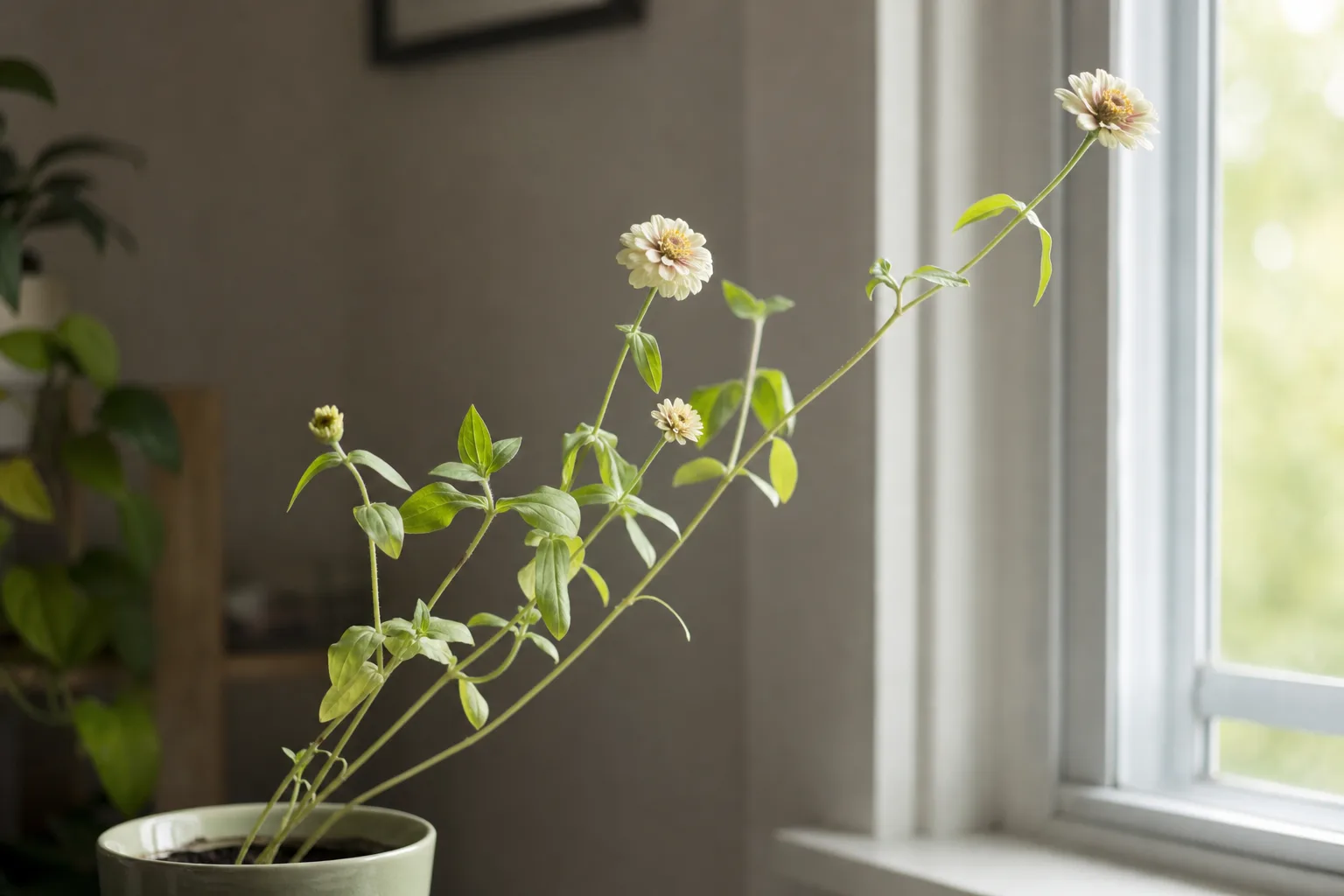
Not Enough Light on Zinnia: Causes, Checks & Fixes
This guide covers not enough light on Zinnia. See also the general Not Enough Light guide, watering, and light pages for this plant.
Not Enough Light on Zinnia: Causes, Checks & Fixes
Quick answer
Zinnias without enough light stretch toward the brightest direction, grow pale leaves, and produce few or no flowers - even when watering looks correct. Zinnia elegans is built for open sun, not filtered porch shade or a bright room without direct rays on the foliage.
First step: move the plant to a site with at least six hours of direct sunlight daily. After relocation, pinch or cut back stretched stems so side branches can restart from a sun-fed base. Do not reach for fertilizer until light is fixed; nitrogen in shade often makes tall leafy plants with even fewer blooms.
What insufficient light looks like on Zinnia
Low light on zinnias shows up in growth habit before it shows up as obvious leaf damage. The plant may stay green enough to look “alive” while failing the bloom test that defines successful zinnia culture.
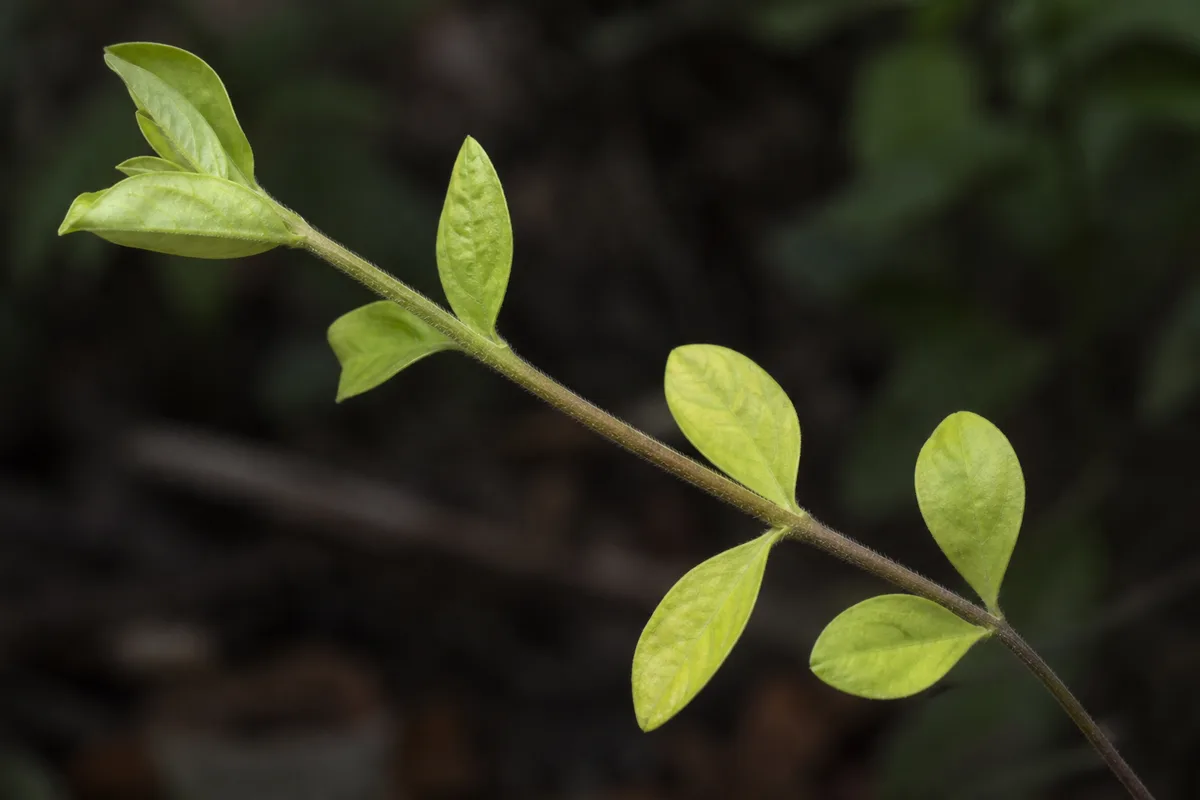
Not Enough Light symptoms on Zinnia - compare with healthy tissue on the same plant.
Typical shade-stress signs:
- Long, thin stems with wide gaps between leaf pairs
- Stems leaning or bending toward windows, gaps in railings, or the open side of a bed
- Smaller, paler leaves than plants of the same age in Zinnia light guide
- Slow bud formation or buds that abort before opening
- Sparse or absent flowers through peak warm season
- Lower leaves yellowing on soil that stays wet because the plant is not using moisture quickly
On seedlings started indoors, insufficient light produces leggy seedlings - thread-thin stems that flop over and are more vulnerable to damping-off in cool, damp mix. That is the same root problem in a smaller plant: not enough photons, not a separate disease.
Zinnias can reach 30–90 cm tall in good sun. In shade they often grow taller but weaker, with fewer side branches and flower heads that never reach full size.
Why Zinnia gets too little light
Zinnias are warm-season annuals native to Mexico. They evolved for open, sunny sites with fast growth and heavy flowering when days are long and bright. Shade is not a minor preference issue - it changes how the whole plant allocates energy.
Common placement mistakes:
- Balcony corners and covered patios that receive reflected brightness but fewer than six hours of direct sun on the leaves
- Tree shade or tall neighbor plants that shorten the sun window as summer canopies fill in
- Indoor windows where glass cuts intensity and no direct beam hits foliage for most of the day
- North-facing rails or beds that never get direct morning or afternoon sun
- Crowded containers where one zinnia shades another even in an otherwise sunny spot
Zinnias are often bought as blooming cell packs and dropped into a pretty but shady spot. Blooms on the bench came from greenhouse full sun; performance at home depends entirely on whether your site matches that intensity.
Shade also slows soil dry-down in containers. A zinnia in weak light may sit in wet mix longer, yellowing lower leaves and inviting fungal problems - a combined light-plus-water failure that fertilizer cannot fix.
How to confirm the cause
Work through these checks before you repot, fertilize, or spray for disease:
- Sun-map the site - On a clear day, note when direct sun first hits the pot or bed and when it leaves. Count hours when sunlight falls directly on leaves, not just on the wall behind the plant.
- Lean direction - Stems pointing toward one light source strongly suggest phototropism from insufficient even exposure.
- Bloom comparison - In warm weather after establishment, a healthy zinnia in full sun should be forming buds regularly. Few or no buds while neighbors in open sun bloom confirms placement, not a mysterious “bad plant.”
- Leaf color pattern - Uniform paleness on new growth with long internodes fits shade. Spotty brown lesions, white powder, or sudden wilt point to disease, pests, or water stress instead.
- Soil moisture cross-check - Push a finger into the top 3 cm. Soil that stays wet for days in mild weather often means the plant is in too much shade to transpire normally.
- Nitrogen check - If you have been feeding heavily and the plant is tall, green, and flowerless, excess nitrogen may compound shade. Fix light first; do not add more feed.
If direct sun hours are clearly below six and the growth pattern matches stretch-and-no-bloom, you have confirmed not enough light.
First fix for Zinnia
Move the plant to the sunniest feasible location with at least six hours of direct sunlight on the foliage each day.
For containers, that may mean shifting to an open balcony rail, driveway edge, or roof terrace - not the aesthetically perfect corner that never sees sun. For in-ground beds, thin competing plants or relocate pots if tree shade has encroached.
Do this before any other intervention. Zinnias are not shade annuals you can rescue with feeding, Epsom salt, or extra water.
After the move, pinch or cut back stretched stems by one-third to one-half above a leaf node. This redirects energy into side shoots that can fill out in the brighter site. Remove spent flowers so the plant does not waste reserves on seed.
If the only sunny space is a major jump from deep shade, give two to three days of morning sun first, then full exposure - zinnias acclimate quickly compared with forest understory houseplants, but an abrupt move from a dark room to all-day terrace sun can scorch soft shade-grown leaves.
Step-by-step recovery
Once the plant is in better light, follow this sequence:
- Relocate to full sun - Open sky, minimal overhang, no taller plants casting afternoon shadow on the zinnia.
- Pinch main stems - Use clean snips above a node to break apical dominance and encourage branching.
- Adjust watering - Water deeply at the base when the top 3 cm dries. Brighter sites dry faster than the old shady spot; do not keep the old calendar schedule.
- Deadhead spent blooms - Cut flower heads back to the next leaf or side shoot to keep new buds forming.
- Hold fertilizer for two weeks - Let new sun-fed growth establish before any balanced or bloom-formula feed at half strength.
- Improve airflow if crowded - Space plants so leaves dry after watering; tight shade-plus-crowding invites powdery mildew even after you add sun.
For leggy indoor seedlings, move under grow lights 2–3 cm above tops for 14–16 hours daily, or harden off into outdoor sun once frost danger has passed.
Recovery timeline
Expect visible improvement on new growth within one to two weeks after a proper sun move in warm weather. Stems should look sturdier, leaf color should deepen, and bud formation should restart on healthy plants.
Old stretched internodes do not shrink - they remain as a record of the shady period until you pinch them off or they are outgrown by side branches.
Meaningful flower increase usually takes two to four weeks after light correction, pinch, and consistent deadheading. Zinnias flower quickly from seed in good conditions; if buds still fail after a month in verified full sun, look for excess nitrogen or root stress from chronically wet soil.
Lookalike symptoms
Several zinnia problems overlap with shade stress. Separate them before you treat:
Leggy growth from excess nitrogen - Tall, dark green, leafy plants with few flowers. Often follows heavy feeding. Fix light and switch to a balanced or phosphorus-forward formula at reduced strength.
No flowers from overfertilization - Similar to shade but sun hours are adequate. Reduce nitrogen and deadhead; blooms should return within weeks.
Wilting in afternoon heat - Dry top 3 cm and limp recovery after evening water points to underwatering on Zinnia, not shade. Shade wilt is usually paired with stretch and poor bloom, not crisp dry soil.
Powdery mildew in humid shade - White coating on leaves in crowded, low-airflow spots. Improving sun and spacing helps; mildew alone does not cause long internodes.
Damping-off on seedlings - Collapse at the soil line in cool wet mix. Leggy seedlings from low light are especially vulnerable. Fix light and reduce moisture.
Mistakes to avoid
- Keeping zinnias as permanent indoor decor - They are full-sun garden annuals, not low-light houseplants.
- Assuming a bright room equals full sun - Zinnias need direct rays on leaves for most of the day.
- Fertilizing harder to force blooms in shade - Nitrogen pushes height without flowers.
- overwatering on Zinnia because leaves look dull - Shade slows water use; wet soil yellows lower leaves and risks stem problems.
- Skipping the pinch after a sun move - Old stretched scaffolding will not become bushy on its own.
- Planting under eaves or deep balconies for “easy” color - If sun never reaches the pot, choose a different plant.
How to prevent low-light stress on Zinnia
Prevention is site selection, not rescue.
- Choose open-sun beds and rails before sowing - Direct-sow or set out plants only where you have verified six or more hours of direct sun through the growing season.
- Watch for encroaching shade - Prune overhanging branches or move containers when summer canopy reduces the sun window.
- Start seedlings under adequate light - Grow lights close to tops, or wait until outdoor soil warms and sow in place.
- Space for airflow and light penetration - Thin to 20–30 cm so lower leaves and neighbors are not shading each other.
- Pick realistic containers - Pots on casters make it easier to chase sun along a balcony as the season shifts.
Zinnias suit sunny butterfly gardens, open terraces, and front-bed color. They are a poor fit for shade gardens, covered patios with brief sun gaps, or rooms where only ambient brightness reaches the leaves.
When to worry
Insufficient light alone is a placement problem, not a plant-health crisis. Urgency rises when shade combines with other stress:
- Soft stems at the base on wet soil - Inspect for rot while fixing drainage and sun.
- Leggy indoor seedlings falling over - Increase light immediately; damp-off risk rises on weak stems.
- No improvement after four weeks in verified full sun - Re-check nitrogen feeding and root health before assuming the variety is at fault.
If the only available site cannot deliver six hours of direct sun, keep the zinnia elsewhere or accept minimal bloom. No product substitutes for photons on Zinnia overview.
Conclusion
Zinnias tell you about light through stem length and flower count more honestly than through leaf color alone. Confirm direct sun hours, move to full sun, pinch back stretch, and judge recovery on compact new growth and returning buds - not on whether old leggy stems suddenly look short. When the site cannot meet a full-sun requirement, choose a different plant rather than fighting the biology of Zinnia elegans.
When to use this page vs other Zinnia guides
- Zinnia watering guide - Use for routine moisture checks before assuming not enough light is the main issue.
- Zinnia problems hub - Browse all 38 common issues on this species.
- Leggy Growth on Zinnia - Different entry point when symptoms overlap with not enough light.
- Yellow Leaves on Zinnia - Different entry point when symptoms overlap with not enough light.