Slugs and Snails on Zinnia: Causes, Checks & Fixes
Quick answer
Slugs and snails on Zinnia chew large ragged holes in leaves overnight and leave shiny slime trails. First step: inspect at dusk, confirm slime trails and mollusks under mulch-then hand-pick before reaching for bait.
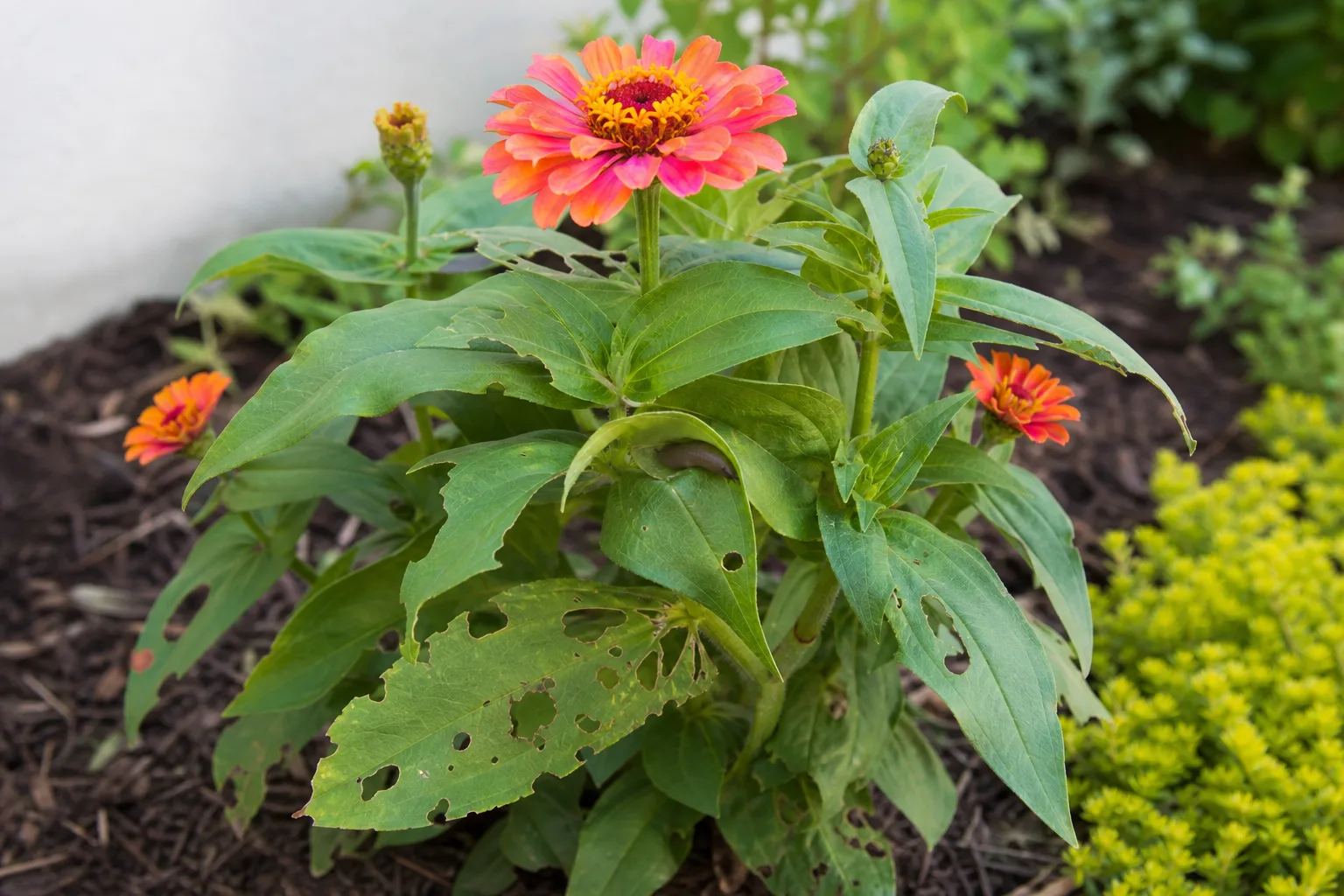
Slugs and Snails on Zinnia: Causes, Checks & Fixes
This guide covers slugs and snails on Zinnia. See also the general Slugs and Snails guide, watering, and light pages for this plant.
Slugs and Snails on Zinnia: Causes, Checks & Fixes
Quick answer
You checked your zinnia seedling tray at lunch-everything looked fine. By morning, cotyledons are ragged stubs and silvery slime threads cross the soil. That overnight pattern on Zinnia elegans almost always means slugs or snails, not caterpillars or disease.
Slugs and snails chew large, irregular holes in leaves and young buds after dark. Unlike caterpillars on zinnias, they leave shiny slime trails wherever they crawl. Seedlings and soft new growth are the most vulnerable targets; mature plants can look ragged but often keep blooming if feeding stops.
First step: go out at dusk with a flashlight and look for slime trails and the pests themselves under pots, mulch, and damp bed edges. Confirm mollusks before you spray Bt or insecticide-those products do not control slugs and snails.
Why Zinnia gets slugs and snails
Slugs and snails are nocturnal mollusks that need moisture and shelter. They emerge after dark to feed, then hide in cool damp places during the day. Zinnias invite this pattern because they are fast-growing annuals with tender foliage, often grown in moist garden beds, damp container patios, and seed-starting trays outdoors.
Zinnia culture overlaps with slug habitat in several ways:
- Cool damp nights after watering or humid summer rain keep soil surface moist-the window slugs prefer for feeding.
- Mulch and dense bed edges trap humidity and give slugs daytime hiding spots within a few centimeters of your plants.
- Seedling trays sit low with soft leaves and minimal stem toughness-easy for slugs to consume overnight.
- Container plants on patios collect moisture under pots and rim saucers where slugs congregate before climbing into foliage.
- Full-sun rows with weedy edges still harbor slugs in shaded mulch pockets even though zinnias themselves want six or more hours of direct sun.
Zinnias are not slug magnets because they are weak plants-they grow vigorously in warm weather. Slugs simply exploit the same damp microclimates that also encourage Alternaria blight on crowded zinnia beds. Managing moisture at the base and clearing slug shelters matters as much as any bait.
Fast annual recovery is a zinnia advantage slugs cannot erase permanently. Once nightly feeding stops, new clean foliage often appears within one to two weeks-much faster than woody perennials with the same hole damage.
What slug damage looks on Zinnia
Slug and snail feeding on zinnias produces distinctive damage:
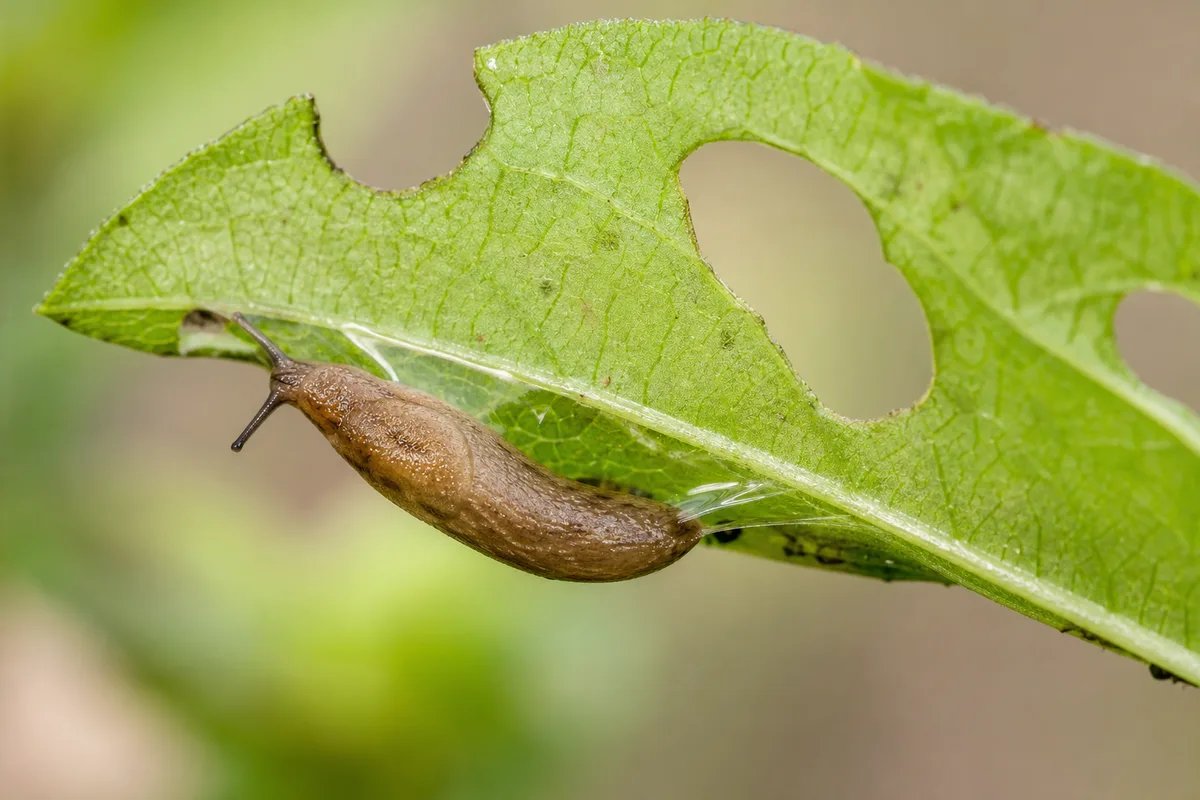
Slugs and Snails symptoms on Zinnia - compare with healthy tissue on the same plant.
- Large irregular holes with relatively smooth edges-not small round shot holes and not neat semicircular cutouts
- Shiny slime trails on leaf surfaces, stems, or soil beneath damaged plants
- Chewed flower buds and seedling leaves eaten to stubs when populations are high
- Damage that appears overnight on tissue that looked fine the previous afternoon
- Lower leaves and bed-edge plants hit first before slugs climb taller stems
On young zinnia seedlings, a single gray garden slug can destroy most of a leaf in one night. Older plants show scattered holes on lower foliage while upper blooms may stay clean until slugs climb stems or rain weighs leaves down to the soil surface.
What chewed leaves cannot do: Holes do not close up. Recovery depends on new leaves and buds coming in clean-not on damaged tissue repairing itself.
Confirm slugs vs. caterpillars, earwigs, blight, and grasshoppers
Work through these checks before treating:
- Slime trail test - Rub a finger along a damaged leaf edge or nearby soil. Slugs leave a visible shiny trail. Caterpillars, beetles, and grasshoppers do not.
- Night inspection - Scout at dusk or after dark with a flashlight. Slugs feed actively then; many hide under pots, mulch, boards, and dense groundcover by day.
- Hiding-place search - Lift containers, pull back mulch from stem bases, and check irrigation boxes and damp corners. Slugs shelter in thick groundcovers and under debris during daylight hours.
- Frass versus slime - Caterpillars deposit dark pellet frass on leaves near damage. No frass with slime trails points to mollusks.
- Treatment response check - Bacillus thuringiensis (Bt) targets caterpillar larvae through ingestion-it does not control slugs or snails. If Bt did not stop new holes but slime trails persist, you likely have mollusks.
- Timing pattern - Damage appearing only after cool wet nights fits slugs. Holes that progress in dry hot afternoons with visible caterpillars at dusk suggest caterpillars instead.
Ask Extension notes holes in zinnia seedlings can come from several causes including caterpillars and snails-slime trails separate slugs from other chewers.
Symptom lookalike comparison
| What you see | Slugs / snails | Caterpillars | Earwigs | Alternaria blight | Grasshoppers |
|---|---|---|---|---|---|
| Overnight ragged holes | Yes | Yes | Yes | No | Sometimes |
| Shiny slime trails | Yes | No | No | No | No |
| Dark frass pellets | No | Yes | No | No | No |
| Brown spots with margins | No | No | No | Yes | No |
| Feeds mainly in daylight | No | Often at night | Often at night | N/A | Yes |
| First fix | Hand-pick at dusk | Hand-pick; then Bt | Traps; reduce mulch | Remove infected plants | Hand-pick in day |
First fix: hand-pick at dusk before you bait
Hand-pick slugs and snails after dark, dropping them into soapy water or relocating them far from the garden.
This is the safest first response for zinnias-especially pet-safe beds where zinnias are listed as non-toxic to cats and dogs. Hand-picking confirms the pest, stops immediate feeding, and avoids unnecessary bait where a few slugs are responsible.
Walk your zinnia row or seedling tray with a flashlight. Check under pot rims, along mulch lines, and at the soil surface beneath damaged leaves. Repeat three nights in a row-slugs return to feeding sites until shelter and moisture are reduced.
What not to do
Do not spray Bt or broad insecticides on day one without confirming caterpillars. Do not sprinkle bait on zinnia foliage-baits work on soil near hiding spots, not on leaves.
Step-by-step recovery
After the first hand-picking round:
- Remove slug shelters - Pull mulch back several centimeters from zinnia stems. Clear fallen leaves, boards, and stacked pots that trap moisture against bed edges.
- Adjust watering - Water zinnias at the base when the top 3 cm (about 1 inch) of soil dries; avoid keeping mulch soggy against stems. Surface moisture fuels slug activity and overlaps with powdery mildew risk on wet zinnia foliage.
- Apply iron phosphate bait if hand-picking is not enough. Sprinkle granules on soil near bed edges and hiding spots-not on plants. Iron phosphate baits are safer around children, pets, and wildlife than metaldehyde products. Apply in late afternoon or evening when slugs emerge.
- Install copper barriers on container rims or raised-bed edges. Copper strips cause a reaction that repels slugs similar to an electric shock. Barriers work only if no plant parts bridge over the copper and slugs are not already inside the protected zone.
- Trap repeat offenders - Place overturned melon rinds or damp cardboard at bed edges overnight, then collect slugs gathered underneath the next morning.
- Protect seedlings - Move vulnerable trays to elevated benches, use copper tape on tray rims, or cover with vented cloches until stems toughen.
Iron phosphate placement for beds vs. seedling trays
For in-ground zinnia rows, scatter bait evenly along bed perimeters, near sprinkler heads, and under dense edges where slugs hide-never in piles on open lawn where pets might find it. UC IPM recommends applying bait in the late afternoon or evening when mollusks are active; lightly irrigate dry soil first so slugs move toward moist baited areas.
For outdoor seedling trays, place a thin band of granules on the ground or bench surface just outside the flat rim-not inside cells where seedling roots could contact bait. Elevate trays and add copper tape to rims so slugs must cross treated zones before reaching cotyledons.
Reapplication: Reapply iron phosphate as bait is consumed or at least every two weeks. After heavy rain or sprinkler runoff, scatter fresh bait in the same travel corridors-rain dissolves granules and washes them away from slug pathways. Increase scatter rate during cool wet weeks when slug activity stays high through zinnia bloom season.
Copper barriers on containers and tray rims
Wrap copper tape around container rims, raised-bed boards, and seedling flat edges with no leaves or stems draping over the barrier. Slugs that are already inside the protected zone will keep feeding until you hand-pick them out-barriers stop new arrivals, not residents already on the plant.
Recovery timeline and annual regrowth expectations
Hand-picking shows results the next morning when slime trails stop appearing on new damage. After two to three nights of consistent removal plus shelter cleanup, fresh zinnia leaves should emerge without new holes within one to two weeks.
Chewed leaves remain cosmetically damaged until they age out or you trim them. Judge recovery by clean new growth and intact buds-not by old holey foliage.
Re-sow or wait after seedling damage?
Re-sow when cotyledons and the first true leaf are gone, slime trails cover the tray, and no firm green tissue remains at the crown-the growing point is likely destroyed. Zinnia elegans direct-sown outdoors germinates in four to eight days at warm soil temperatures; a fresh sowing often beats waiting for a stub that will not branch.
Wait and monitor when at least one true leaf and a stiff stem survive after three nights of hand-picking. Fast zinnias may push a side shoot within seven to ten days once feeding stops.
Patchy rows: If direct-sown bed plants have gaps wider than 15 cm (6 inches) between survivors, fill gaps with a targeted re-sow rather than tolerating uneven bloom height all season.
Seedlings eaten below the growing point may not recover. Mature plants with scattered lower-leaf holes usually keep flowering once nightly feeding ends.
Mistakes to avoid
Do not treat every zinnia hole with Bt or insecticidal soap. Confirm the pest first-mollusks ignore Bt entirely.
Do not pile damp mulch against zinnia stems. Mulch against stems keeps the crown damp and gives slugs a highway to soft tissue.
Do not scatter slug bait on leaves or open flowers. Baits must sit on soil near slug travel routes and hiding places.
Do not use metaldehyde baits in pet-accessible zinnia beds. Iron phosphate products are the safer choice for home gardens with dogs, cats, or wildlife-even though zinnias themselves are pet safe.
Do not assume one hand-picking session solves the problem. Slugs hide nearby and return until shelter and moisture are addressed.
Zinnia care cross-check while controlling slugs
Slugs exploit cultural weak points. While controlling mollusks, confirm these zinnia basics are not making the bed more hospitable to pests:
- Sun - Zinnias need full sun for strong growth. Weak shaded plants recover slowly from any damage.
- Spacing - Crowded beds trap humidity. Space plants 20–30 cm (8–12 inches) apart for airflow that dries leaf surfaces faster after rain.
- Watering - Water at the base when the top 3 cm dries. Avoid evening overhead sprays that keep foliage wet overnight alongside slug activity.
- Deadheading - Remove spent blooms regularly. Dense spent-flower clusters can trap moisture against stems where slugs travel upward.
Prevent slugs next season
Prevention combines habitat reduction with early scouting:
- Clear debris from bed edges, under containers, and around irrigation boxes before sowing zinnias.
- Pull mulch back from seedling stems until plants are well established.
- Scout at dusk weekly during cool wet weather-especially after heavy rain or irrigation that keeps bed surfaces moist.
- Elevate seedling trays on benches with copper tape on rims for spring and early-summer starts.
- Use iron phosphate bait proactively at bed perimeters when slug pressure is known in your garden-repeat applications in the same areas catch returning mollusks.
- Keep bed edges mowed and weedy strips trimmed so slugs have fewer daytime shelters adjacent to zinnia rows.
- Choose iron phosphate over metaldehyde in gardens where pets browse-zinnias are non-toxic, but slug baits should still be placed carefully per label.
Deadheading spent zinnia blooms keeps plants tidy and reduces dense moist pockets in the canopy where slugs can hide while climbing stems.
When to escalate - seedlings, buds, and chronic infestations
Treat as urgent when:
- Seedlings are eaten to stubs overnight and slime trails cover the tray-one slug can destroy an entire sowing in a single night.
- New buds disappear before opening on plants you need for peak bloom display.
- Damage spreads to multiple plants nightly despite hand-picking, suggesting a large population in nearby shelter.
- Cool wet weather persists for weeks with no drying period-slug activity stays high through the zinnia bloom season.
Mature zinnias with a few lower-leaf holes and no slime trails on new growth are lower priority. Scout first; escalate to bait and barriers only when trails and fresh damage keep appearing.
If hand-picking plus labeled iron phosphate applications for three weeks fail and slime trails still appear nightly across the bed, contact your local cooperative extension office for site-specific IPM guidance. Chronic infestations often mean hidden shelter-wood piles, thick groundcover, or neighbor beds-that bait alone cannot fix.
Scout seedling trays at dusk during cool wet weeks
The single habit that saves most zinnia sowings: walk outdoor trays and bed edges at dusk with a flashlight during the first cool wet weeks after germination. One minute of picking beats a week of wondering why cotyledons vanished. Slugs you miss tonight will be back tomorrow unless you also dry the rim, lift the flat, and clear the mulch they hid under all afternoon.