Wrong Soil Mix for Houseplants: Signs and Fixes
'Potting mix is the foundation of houseplant health. When you see Plant declines because soil is too heavy, too dry, or too dense, the soil may be holding too much water, repelling water, or locking out nutrients. Fixing Wrong Soil Mix often means adjusting mix, pot size, or watering habits-not just treating leaves. Track weekly progress after you change care, and note watering, light, and repotting dates so you can tell whether the symptom is improving or returning.'. Compare upper versus lower leaves, new versus old growth, and soil moisture at root depth before you treat, because the same visible symptom can come from watering, light, pests, or normal aging on different plants.
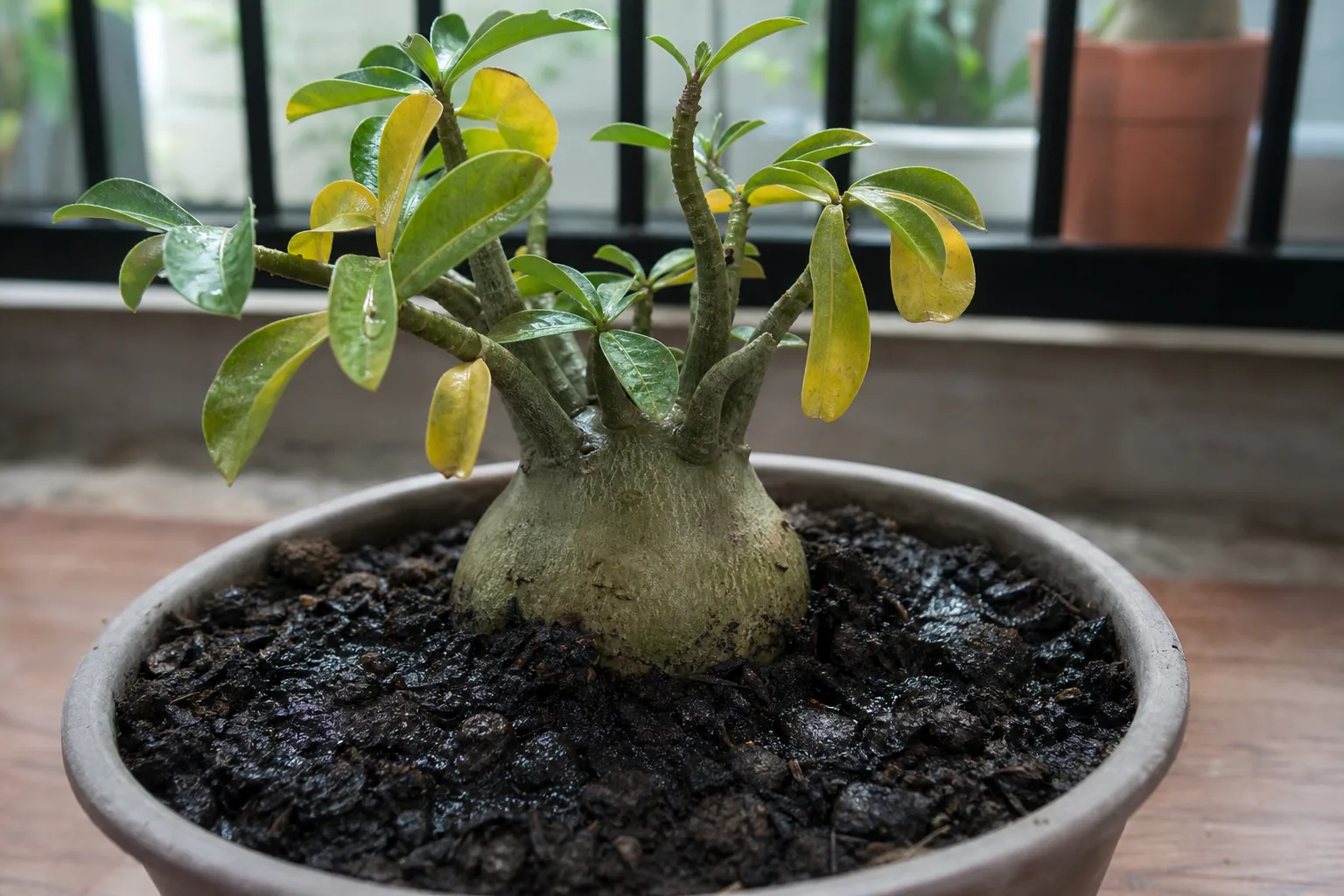
Wrong Soil Mix on Houseplants
Still unsure?Match your symptoms to the most likely problems in under a minute.Run diagnosis →Understand and fix wrong soil mix
'Potting mix is the foundation of houseplant health. When you see Plant declines because soil is too heavy, too dry, or too dense, the soil may be holding too much water, repelling water, or locking out nutrients. Fixing Wrong Soil Mix often means adjusting mix, pot size, or watering habits-not just treating leaves. Track weekly progress after you change care, and note watering, light, and repotting dates so you can tell whether the symptom is improving or returning.'. Compare upper versus lower leaves, new versus old growth, and soil moisture at root depth before you treat, because the same visible symptom can come from watering, light, pests, or normal aging on different plants.
Overview
'Potting mix is the foundation of houseplant health. When you see Plant declines because soil is too heavy, too dry, or too dense, the soil may be holding too much water, repelling water, or locking out nutrients. Fixing Wrong Soil Mix often means adjusting mix, pot size, or watering habits-not just treating leaves. Track weekly progress after you change care, and note watering, light, and repotting dates so you can tell whether the symptom is improving or returning.'. Compare upper versus lower leaves, new versus old growth, and soil moisture at root depth before you treat, because the same visible symptom can come from watering, light, pests, or normal aging on different plants.
How to identify it
- Water pools on top or runs straight through without soaking in
- Soil stays wet for many days after one watering
- White crust on soil surface or pot rim
- Roots circling tightly or growing out drainage holes
- Musty smell or visible mold on soil surface
When to worry
Roots turning black, plant collapsing despite watering, or salt crust thick on soil means repot and flush before permanent damage.
Common causes
Old, broken-down potting mix
Peat-heavy soil compacts over time, reducing air pockets roots need. Wrong Soil Mix is common in plants not repotted for years.
Wrong mix for the plant type
Succulents in all-peat mix rot; moisture lovers in pure bark dry out too fast. Mismatch shows up as Plant declines because soil is too heavy, too dry, or too dense.
Salt and mineral buildup
Tap water and fertilizer leave salts that burn roots and cause crusty soil surfaces.
Pot too large for root ball
Excess soil holds water the roots cannot use, leading to chronic sogginess.
Step-by-step fix
Assess soil texture and moisture retention
Slide the plant out and smell the root ball. Crumbly, airy mix is healthy; dense, wet muck needs replacement.
Repot with appropriate fresh mix
Choose a blend matched to your plant-add perlite or bark for drainage, or more water-retentive components for ferns.
Flush salts if crust is present
Water deeply until excess runs from drainage holes. Repeat once, then resume normal care.
Right-size the container
Move up only 1–2 inches in diameter. Too large a pot worsens wet soil problems.
Adjust watering to new mix
Fresh soil dries on a different schedule-recheck moisture daily for the first two weeks.
Prevention tips
- Repot every 1–2 years for fast growers
- Use mixes suited to plant type, not garden soil indoors
- Flush soil periodically if using tap water and fertilizer
- Match pot size to root mass
Common mistakes
- Adding gravel at the bottom instead of using proper mix
- Repotting only with garden soil
- Jumping to a pot much larger than needed
A potting mix can be wrong in two opposite ways. It may stay saturated until roots lose air, or it may shed water so quickly that the root ball never hydrates evenly. The fix is not automatically “add perlite” or “add peat.” First identify which function is failing, then match the media, pot, watering method, and plant.
The right houseplant mix holds enough available water while preserving enough air for roots, anchors the plant, accepts irrigation evenly, and remains structurally useful between repottings. Those requirements vary by species and conditions. A mix that works for a fern in warm bright light can be hazardous for a succulent on a cool winter shelf.
What a Potting Mix Must Do
Roots occupy pores between particles, not the solid particles themselves. After watering, some pores retain water while larger pores drain and refill with air. That balance supports root respiration, water uptake, and nutrient movement. The Royal Horticultural Society describes houseplant growing media as blends selected for different plant groups rather than a universal material (houseplant media guidance).
A usable mix also needs stability. Fine organic components decompose, particles settle, and repeated watering can collapse air spaces. Roots may fill the remaining volume, fertilizer salts may accumulate, and a once-functional mix can become difficult to wet or slow to drain.
“Soil” in houseplant advice often means a manufactured potting medium, not garden topsoil. Indoor mixes may contain peat or coir, composted bark, wood fibre, mineral particles, loam, sand, lime, fertilizer, or wetting agents. The ingredient list matters, but performance in the actual pot matters more.
Air and Water Must Share the Root Zone
Large, rigid particles tend to preserve bigger spaces; fine particles hold more water and can pack together. That does not make coarse material universally good or moisture retention universally bad. A thin-rooted tropical plant may need consistent moisture, while a drought-adapted succulent needs a root zone that regains air quickly.
Container height also affects the air-water balance. Water held by capillary forces remains in the lower portion of a pot after drainage. A shallow pot can therefore have a larger proportion of wet media than a taller pot containing a comparable material.
This is also why a gravel layer is not an aeration shortcut. Illinois Extension explains that water remains perched in the finer medium above a coarse layer until the upper pore space fills (container drainage options). The useful comparison is the behavior of the entire root-zone column, not how quickly the first runoff appears.
The plant changes the system over time. A vigorous root mass removes water rapidly, while a newly rooted cutting leaves most of the pot unused. This is why copying another grower’s mix without copying their light, temperature, pot, plant size, and watering method can produce a completely different result.
Signs the Mix Is Mismatched
Persistent wetness is a high-value clue. If a pot remains heavy and wet deep inside long after comparable plants need water, the mix may be too fine, decomposed, or excessive in volume. Low light, cool temperature, a blocked hole, and root loss can produce the same slow drying, so inspect the full setup.
At the other extreme, water may run down a gap beside the root ball and exit immediately, leaving the center dry. Old peat-based media can become difficult to rewet after severe drying. A pot that feels light again within hours may also contain overly coarse media, a large root mass, or a plant using water quickly in bright conditions.
Uneven moisture is especially revealing. One side may stay swampy while another remains dry; the top may look fresh while the center has collapsed into dense muck. Surface appearance cannot represent the entire root zone, so use pot weight, a wooden skewer, careful finger checks, or partial unpotting when the symptoms persist.
Use a Root-Zone Diagnosis, Not a Brand Label
UC Statewide IPM notes that houseplant decline can result from overwatering, underwatering, poor light, excess fertilizer, compacted media, temperature stress, pests, and crowded roots (houseplant problem guide). Those causes interact. A “premium” mix cannot compensate for a holeless cachepot filled with runoff.
Slide the root ball out if the plant keeps declining. Healthy roots are generally firm and structurally intact, though their natural color varies. Soft, dark, hollow, or sloughing roots indicate dead tissue and may require a root-rot response rather than a simple texture adjustment.
Note whether roots occupy the whole pot. A small root system surrounded by a large volume of wet mix suggests overpotting or root loss. A dense mat with little media left suggests root restriction and rapid drying. Both can produce wilt, but their corrections are opposite.
Why a Good Mix Can Still Perform Badly
Light drives water use. A plant moved several meters from a window may use moisture much more slowly, making its familiar mix seem “too wet.” Seasonal temperature changes, reduced growth, and high humidity can have the same effect.
Watering technique matters too. Frequent small sips can wet only part of the root ball or maintain chronic surface dampness. Thorough watering followed by complete drainage is often more even, but the interval must be based on the species and drying pattern—not a weekly calendar.
Media storage and age matter. An open bag can become contaminated, ingredients can separate during transport, and peat-based products may resist wetting after drying. Mix the bag evenly, moisten appropriate dry components before potting, and discard material with a foul odor or obvious pest problem.
Pot Size, Shape, and Drainage Change the Result
An oversized pot contains water beyond the reach of a small root system. The outer and lower media may remain wet even as the plant draws from the center. Moving up one modest size keeps the water-holding volume closer to the plant’s capacity.
Drainage holes need to be open, and runoff must leave the root zone. A nursery pot inside a decorative cachepot works only when you empty the outer container. A pot can have a hole and still stand in water if its flat base seals against a saucer.
Adding rocks beneath the mix does not convert a poor medium into a well-drained one. Illinois Extension explains that water can remain perched in the mix above a coarse layer, reducing the useful root depth (container drainage guidance). Use suitable media and functional holes throughout the lowest part of the container.
Match Structure to the Plant
Begin with the plant’s ecology and cultivated requirements. Epiphytic orchids need far more open structure than African violets. Many aroids tolerate a moisture-retentive but airy blend; desert succulents generally need faster drying, particularly in low indoor light.
Then adjust for your environment. A warm greenhouse with moving air can use a different blend from an air-conditioned apartment. Terracotta loses moisture through its walls, while glazed ceramic and plastic do not. A wick-watering setup changes the hydraulic behavior again.
Choose a reputable base medium intended for the plant group, then make small, documented adjustments only when observation supports them. The RHS provides separate guidance on ingredients and homemade blends but also stresses matching compost to use (potting-mix guidance). Wear a mask or dampen dusty materials and work in ventilation.
Understand What Common Ingredients Contribute
| Ingredient | Common contribution | Limitation to consider |
|---|---|---|
| Peat or coir | Water retention and low weight | Can remain too wet in fine blends; dry peat may resist rewetting |
| Composted bark | Structure and larger pores | Particle grade and decomposition vary |
| Perlite or pumice | Rigid pore space and drainage | Fine grades add less structure; perlite dust requires care |
| Vermiculite | Water and nutrient retention | Can be too retentive for drought-adapted plants |
| Loam or mineral soil | Weight, buffering, nutrient reserve | Dense or unsterilized garden soil can compact and introduce problems |
| Coarse grit or sand | Weight and drainage in suitable grades | Fine sand can fill pores and make a blend denser |
An amendment’s name does not guarantee its effect. Particle size, proportion, and how the materials settle determine the final pore structure. Adding a handful of perlite to collapsed sludge may make it look speckled without restoring meaningful aeration.
Avoid exact internet ratios presented as universal formulas. A 1:1:1 recipe says nothing about bark grade, peat fineness, plant size, or pot depth. Treat a recipe as a starting hypothesis and evaluate how evenly it wets, how long it stays saturated, and whether roots remain healthy.
Test the Mix Before You Repot
Water a representative sample in a pot with the same dimensions and holes you intend to use. Observe whether water penetrates the surface, spreads through the mix, and exits without channeling. After drainage, the medium should feel moist but not collapse into paste.
Track pot weight at watering and at the species-appropriate next-watering point. A skewer inserted near the center can reveal hidden wetness, though particles adhering to it are qualitative rather than laboratory data. For high-value plants, measure pH and electrical conductivity or send a sample to a horticultural laboratory.
Run the comparison before sacrificing a healthy plant: fill two identical spare pots with the current and proposed mixes, add the same measured volume of water, allow both to drain, and weigh them at the same time each day. The result is specific to those pots and conditions, but it reveals relative wetting, channeling, and drying more reliably than squeezing one handful.
Inspect structure by squeezing a moist handful gently. A useful mix commonly springs apart rather than remaining a tight mud ball, but some loam-based formulas are naturally heavier. Compare against the plant’s root form and water requirement instead of applying one tactile standard.
Interpret Wet, Dry, and Uneven Patterns
| What happens | Likely contributors | First response |
|---|---|---|
| Pot stays wet and heavy | Fine/degraded mix, oversized pot, low light, root loss | Check roots, drainage, pot size, and environment |
| Water runs down the sides | Hydrophobic center, shrinkage gap, dense root ball | Rewet slowly or soak briefly if roots are healthy |
| Pot dries extremely fast | Root crowding, very coarse mix, small pot, heat/light | Inspect roots and evaluate modest resizing or more retention |
| Surface molds repeatedly | Persistent surface moisture and organic debris | Improve drying and sanitation; inspect deeper conditions |
| White crust develops | Fertilizer/mineral accumulation | Review inputs; leach only if roots and drainage are sound |
One observation does not demand immediate repotting. A recently watered pot should be wet; a cactus mix should dry faster than fern compost. Look for repeated mismatch between the root zone’s behavior and the plant’s needs.
If the plant is stable and producing healthy growth, a theoretically imperfect ingredient list may not justify disturbing it. Conversely, ongoing collapse, sour media, or soft roots is enough reason to inspect promptly even when the bag claims excellent drainage.
Correct the Mix With the Smallest Effective Change
Mild hydrophobicity can sometimes be corrected without repotting. Apply water slowly in several passes or briefly bottom-water until the root ball accepts moisture, then drain completely. Do not leave the pot soaking indefinitely, and do not use this method when roots are already decaying.
If only the watering schedule is mismatched, change the trigger rather than the substrate. Check moisture at root depth and learn the pot’s weight. If drainage is blocked, clear the hole and elevate the base enough for runoff to escape.
Repot when the mix is structurally collapsed, seriously mismatched, sour, contaminated, or impossible to wet evenly. Also repot when root crowding or an oversized pot is a central part of the problem. Changing media without correcting pot size leaves half the system unchanged.
Repot With the Least Root Disturbance
Prepare fresh appropriate media, a clean pot with open holes, and clean tools. The RHS recommends moving to a pot only slightly larger when a plant has outgrown its container and handling the root ball carefully (how to repot a plant). Downsizing may be appropriate after severe root loss.
Ease the plant out by supporting the root ball, not pulling stems. Remove loose failed media and inspect representative roots. Do not bare-root a healthy, fine-rooted plant merely to achieve a perfect-looking mix; complete removal can create unnecessary injury.
Trim only confirmed dead or rotten roots with clean blades. Clean debris before disinfecting tools, because organic material can interfere with disinfectant action according to the University of Minnesota’s tool-cleaning guidance. Follow product directions and contact times.
Set the plant at its appropriate depth, fill without compressing the mix into a brick, and settle it according to species needs. Keep crowns and succulent stems from being buried more deeply than before. Let runoff drain completely.
Recalibrate Watering After the Change
Fresh media behaves differently from the old root ball. Check it more often initially, but water only when the plant and root-zone conditions justify it. The interval may become shorter in a coarser blend or longer if the new pot contains more volume.
Do not rely on a universal instruction to wait a fixed number of days after repotting. A moisture-loving plant with intact roots, a cactus with fresh root cuts, and a plant rescued from rot need different aftercare. Follow species-specific guidance and keep damaged roots out of prolonged saturation.
Hold strong fertilizer while the plant stabilizes. Media may contain starter fertilizer, and stressed roots do not benefit from concentrated salts. Resume feeding conservatively when the plant is hydrated normally and producing credible growth.
Drainage Myths and Common Mixing Mistakes
The gravel-layer myth persists because water appears at the hole quickly, but rapid outflow may simply be channeling. The moisture retained above the coarse layer remains where roots live. A consistent medium over an open drainage hole is the more reliable design.
More amendment is not automatically more drainage. Fine sand can fill air spaces; too much coarse material can make water distribution erratic; excessive compost can shrink and retain water as it decomposes. Measure additions so you can reproduce success instead of adjusting by appearance.
Garden soil is not automatically safe indoors. It can be dense in a pot and may carry weed seeds, insects, or pathogens. If a recipe calls for loam, use a prepared, quality-controlled component rather than digging random soil from outdoors.
Finally, avoid changing everything at once. A new mix, larger pot, different light, fertilizer dose, and aggressive root pruning create too many variables and too much stress. Correct urgent hazards first and document each major change.
Monitor Recovery
Expect damaged old leaves to remain damaged. Useful recovery signs are a firm crown, stable stems, a root zone that wets and dries more evenly, reduced leaf loss, and eventually healthy new growth. Check weekly rather than unpotting repeatedly.
Define the checkpoint before you intervene. For example, compare days-to-dry, the number of newly declining leaves, and stem or crown firmness over two or three observations. If the new mix dries differently but decline accelerates, reassess roots and environment instead of declaring the recipe successful because runoff was faster.
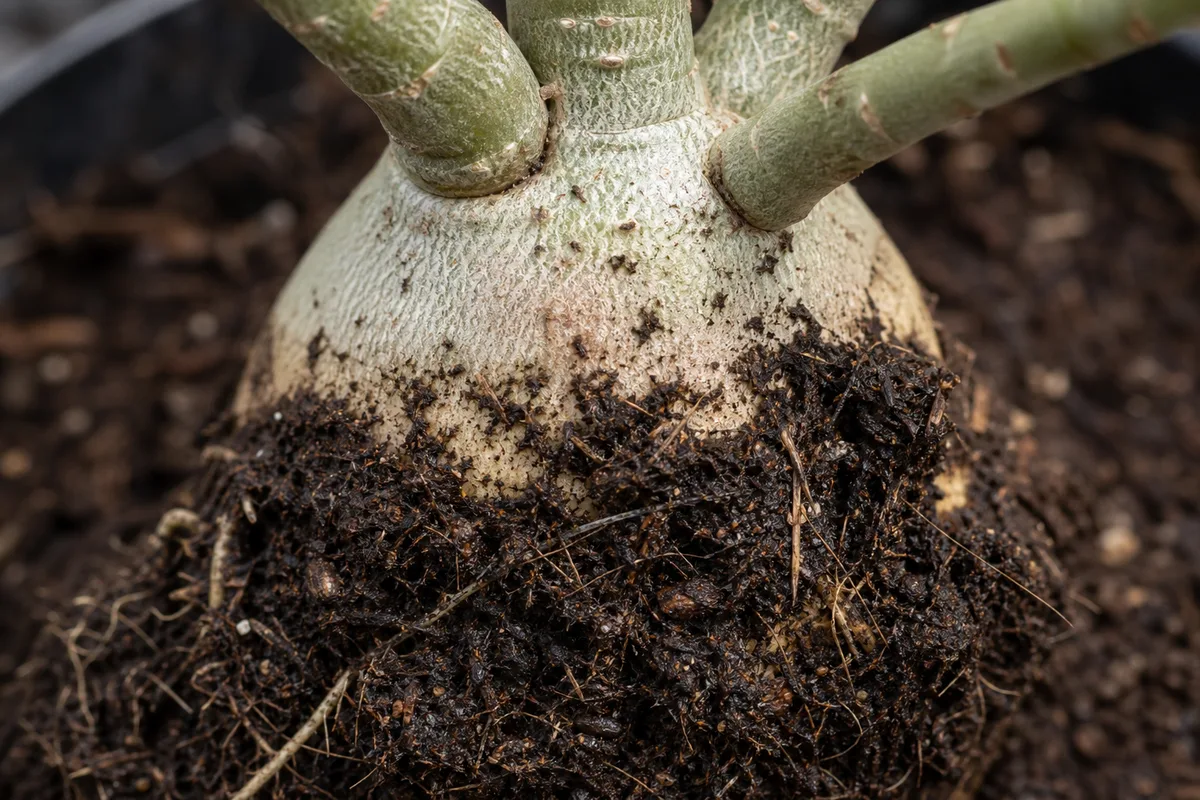
Watch the drying curve. If the pot remains saturated longer than expected, check light, temperature, pot size, and root loss rather than immediately adding more coarse material. If it dries too fast, inspect for channeling and root crowding before increasing water-retentive ingredients.
Escalating decline, black soft roots, or basal stem rot requires isolation and a root-disease assessment. Wisconsin Horticulture explains that root rot can involve several pathogens and that treatment depends on accurate diagnosis (root-rots of houseplants).
Build a Repeatable Potting-Mix System
Label storage bins and record the base product, amendment, approximate ratio, and date. Keep components dry and protected from contamination. Mix enough for consistency but not so much that a perishable organic blend degrades before use.
Group plants by root-zone behavior rather than fashion. You might maintain one open epiphyte blend, one balanced tropical foliage blend, and one mineral-rich fast-drying succulent blend, adjusting only where observation shows a need. Fewer documented systems are easier to troubleshoot than dozens of improvised recipes.
At each watering, empty cachepots and note anomalies: a pot that suddenly stays heavy, water that channels, or a plant that becomes loose. These small signals reveal media failure before foliage collapse.
Review the record seasonally rather than treating a successful blend as permanent. A plant that has doubled its root mass, moved to brighter light, or entered a cool resting period can change the result even though the ingredients are identical. Adjust the watering trigger first when the structure still performs well; rebuild the mix only when evidence shows that its function has failed.
When to Seek a Root or Media Diagnosis
Use a horticultural laboratory when valuable plants repeatedly develop chlorosis or root injury, several plants fail in the same mix, or home pH and salt readings conflict. Submit unused media and an affected root-zone sample if the laboratory accepts both; comparison can separate product characteristics from in-pot changes.
Contact a plant diagnostic clinic when roots rot despite corrected drainage, lesions progress into stems, or the same failure spreads between pots. Visual inspection can confirm dead tissue but cannot reliably identify Pythium, Phytophthora, Rhizoctonia, or other causes.
Keep suspect plants isolated and prevent runoff from reaching healthy pots. Sanitize reusable containers only after removing all soil and root debris. Avoid applying fungicides without a diagnosis and a label that covers the plant, site, and target organism.
Conclusion
A wrong soil mix is not defined by one ingredient or a fashionable recipe. It is a root-zone system that fails to provide the plant with a workable balance of water, air, support, and chemistry under its actual conditions. Diagnose the direction of failure—too wet, too dry, uneven, compacted, salty, or oversized—before changing the blend.
Choose the least disruptive correction, match the pot to the viable roots, and recalibrate watering after the change. When you record ingredients and drying behavior, potting mix stops being guesswork and becomes a controllable part of houseplant care.
Plants commonly affected
These houseplants often struggle with wrong soil mix. Open a care guide or plant-specific troubleshooting page for tailored fixes.
 Medium
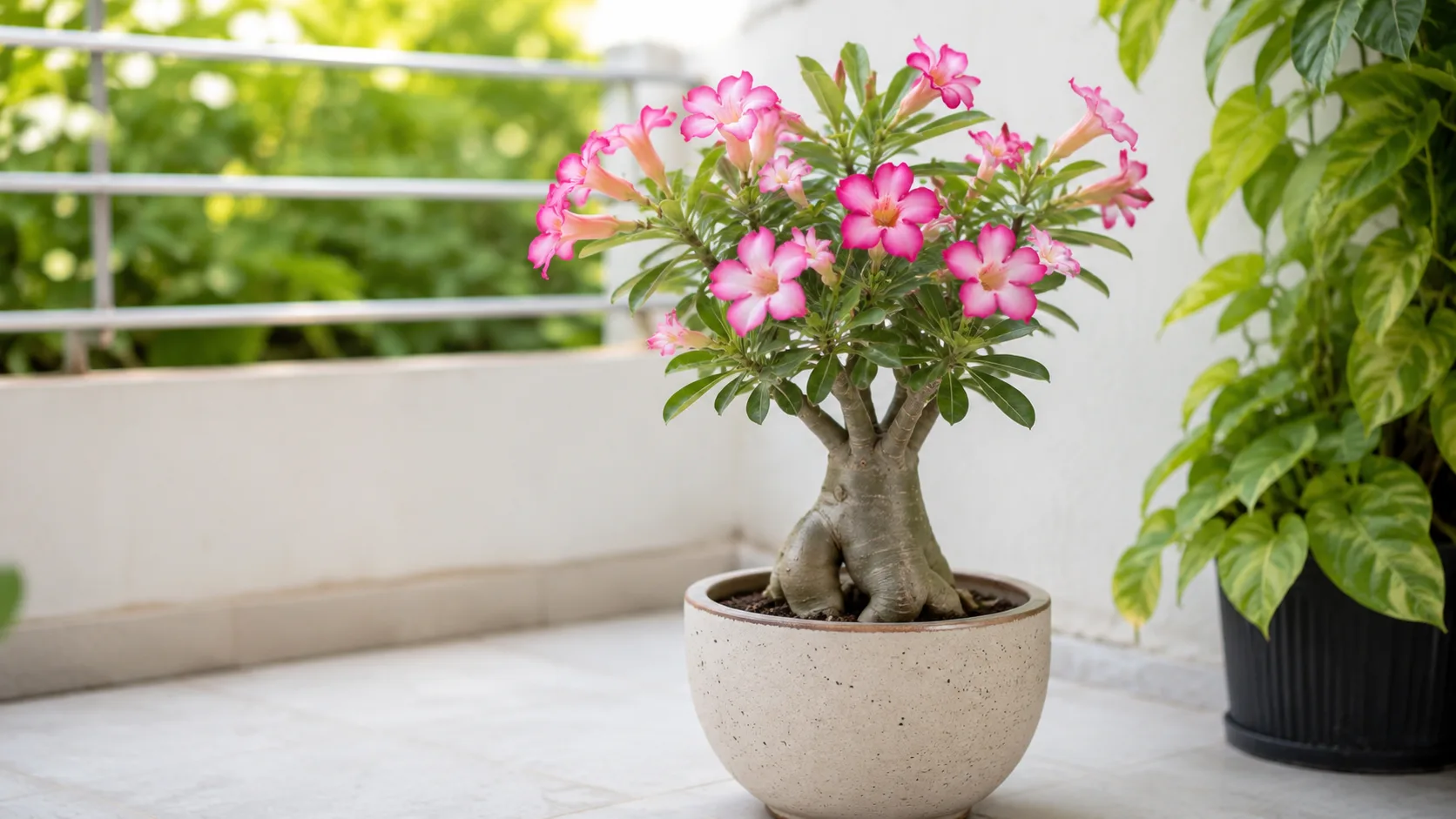
Adenium
Likely causeStandard potting mix or moisture-retentive soil keeps Adenium roots wet and initiates rot.
Quick fixRepot into gritty succulent mix with perlite, sand, or pumice and excellent drainage.
 Medium
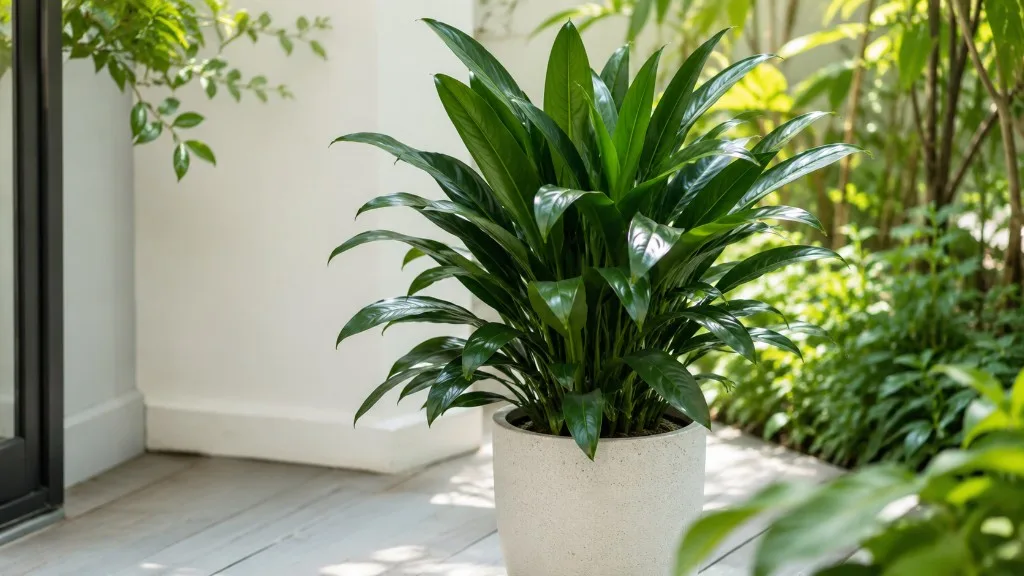
Janet Craig Dracaena
Likely causeJun 3, 2022 · In this article, we'll chat about everything you need to know to choose the best soil for your Janet Craig Dracaena . From understanding its natural habitat to mixing your own soil blend , we'll cover it all.
Quick fixConfirm diagnosis on your Janet Craig Dracaena, then address the most likely care or pest factor described in current extension guidance.
 Medium
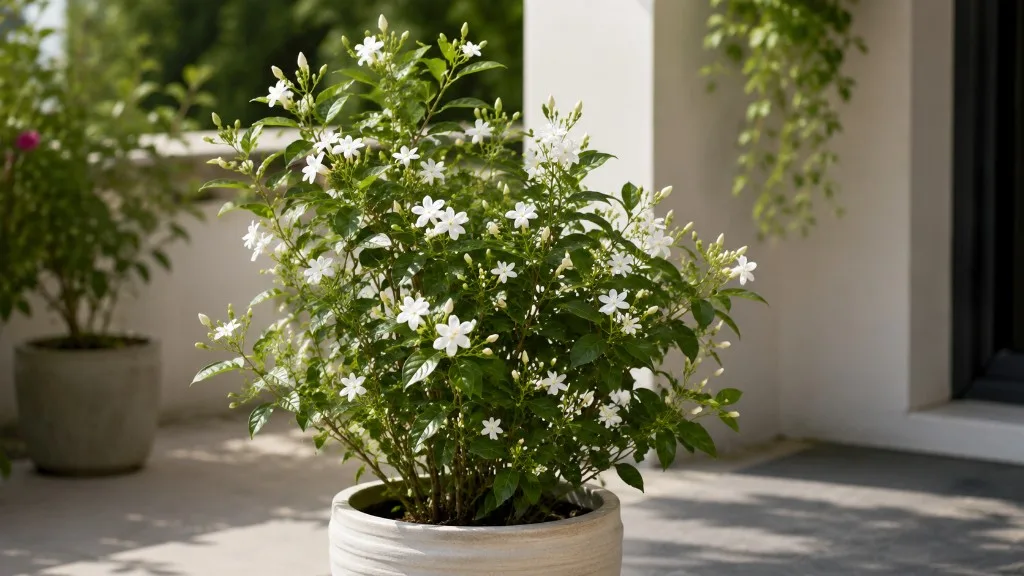
Jasmine
Likely causeJul 22, 2025 · We’ll delve into the specific soil characteristics they crave, explore different soil types, and offer practical tips on amending your existing soil to ensure your jasmine flourishes.
Quick fixConfirm diagnosis on your Jasmine, then address the most likely care or pest factor described in current extension guidance.
 Medium
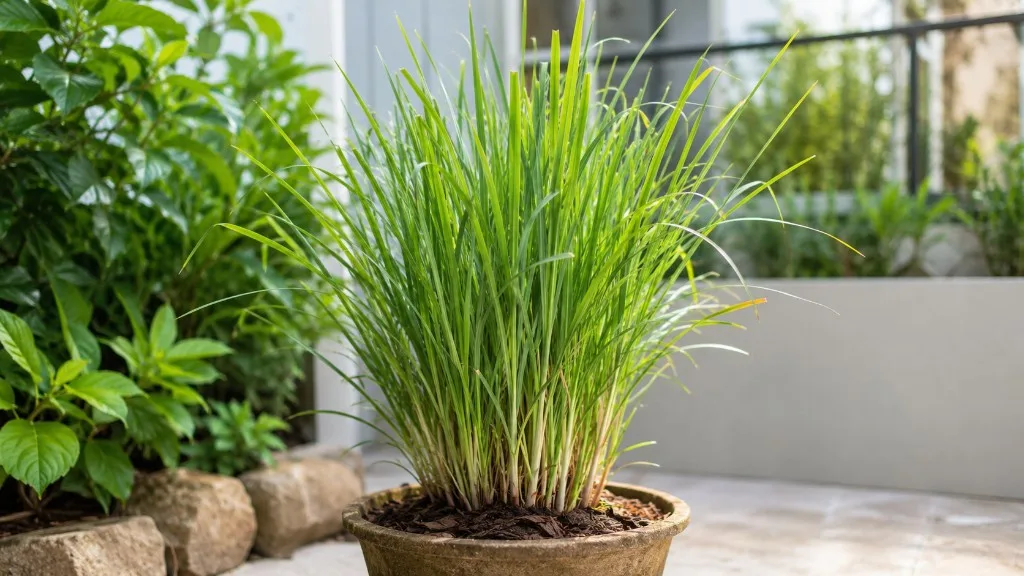
Lemongrass
Likely causeIf you’re working with poor soil — whether it’s sandy, compacted, or low in nutrients — you can still cultivate healthy lemongrass plants by improving drainage, amending the soil , and applying consistent care. Here’s a step-by-step guide t
Quick fixConfirm diagnosis on your Lemongrass, then address the most likely care or pest factor described in current extension guidance.
 Medium
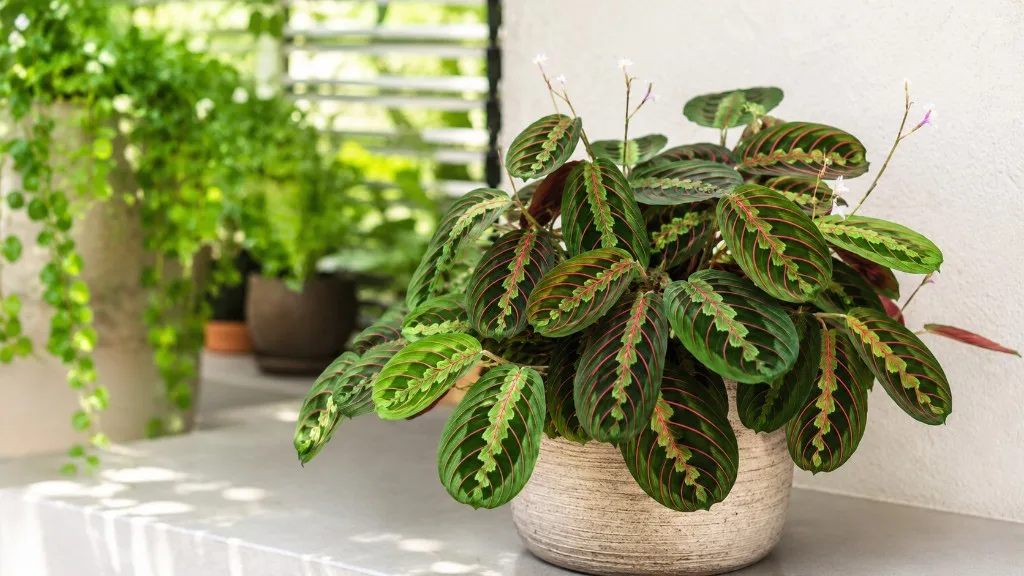
Maranta Leuconeura
Likely causeYour maranta has soil requirements? Don't panic — Maranta leuconeura has fine, shallow root systems adapted for rapid water uptake in…. Here's exactly how to fix it.
Quick fixConfirm diagnosis on your Maranta Leuconeura, then address the most likely care or pest factor described in current extension guidance.
 Medium
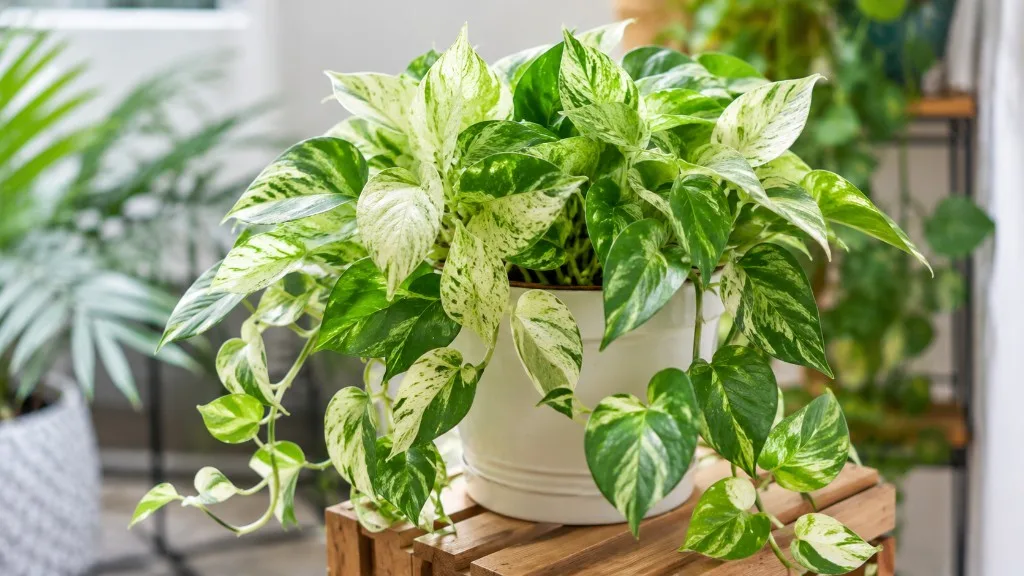
Marble Queen Pothos
Likely causeMarble Queen Pothos, like other Epipremnum species, thrives in a well-draining Aroid Mix. This type of soil provides excellent aeration, prevents compaction, and allows for proper drainage while retaining just enough moisture. Jul 18, 2023
Quick fixConfirm diagnosis on your Marble Queen Pothos, then address the most likely care or pest factor described in current extension guidance.
 Medium
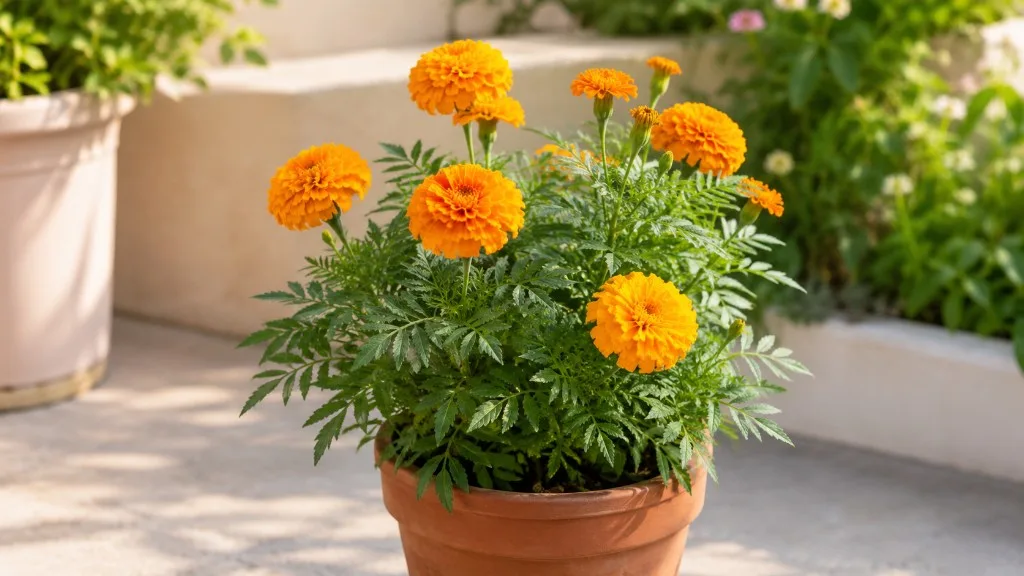
Marigold
Likely causeNov 13, 2025 · For vibrant marigolds , choose organic potting mixes like Wonder Soil with coco coir and mycorrhizae, or Miracle-Gro Moisture Control for consistent dampness without saturation. Look for soils with balanced pH (6.0-7.0) and g
Quick fixConfirm diagnosis on your Marigold, then address the most likely care or pest factor described in current extension guidance.
 Medium
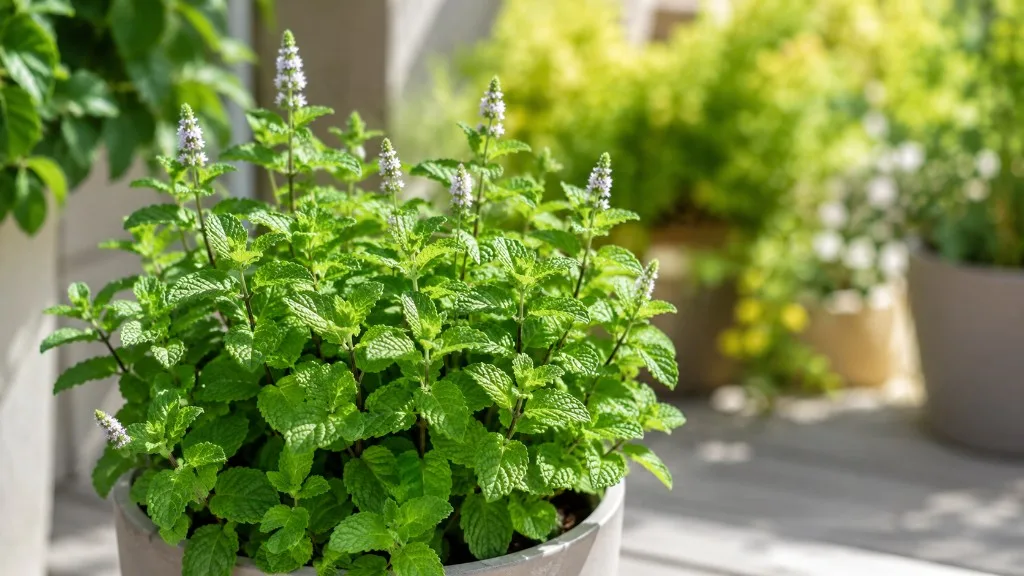
Mint
Likely causeHeavy garden soil or pure cocopeat compacts in mint pots, causing waterlogging or drought swings.
Quick fixUse 60% potting soil, 20% cocopeat, 20% compost with 15% perlite for drainage at pH 6.0–7.0.
 Medium
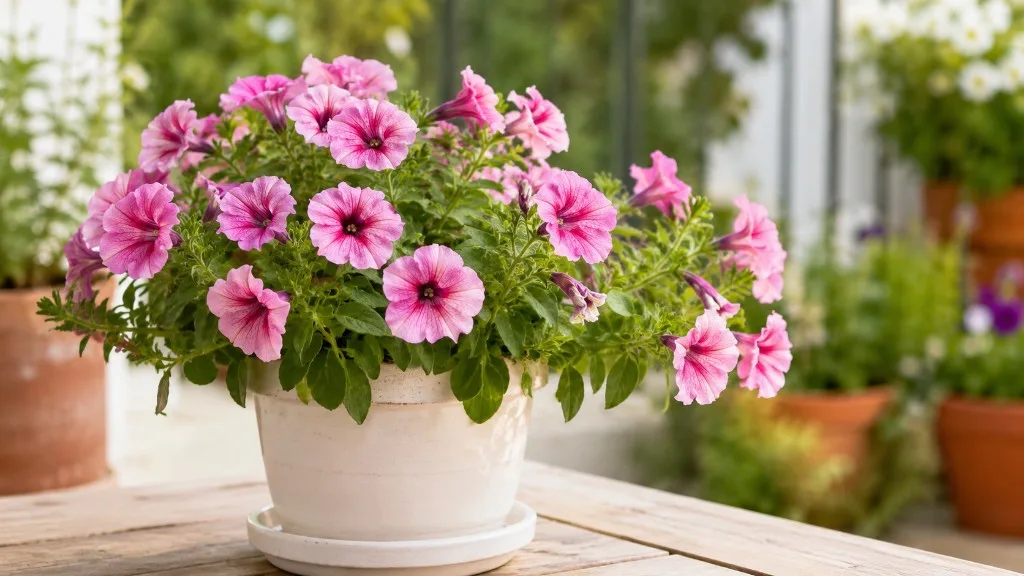
Petunia
Likely causeHeavy garden soil or water-retentive mixes suffocate petunia roots in containers.
Quick fixRepot into lightweight potting mix with 15–20% perlite at pH 6.0–7.0.
 Medium
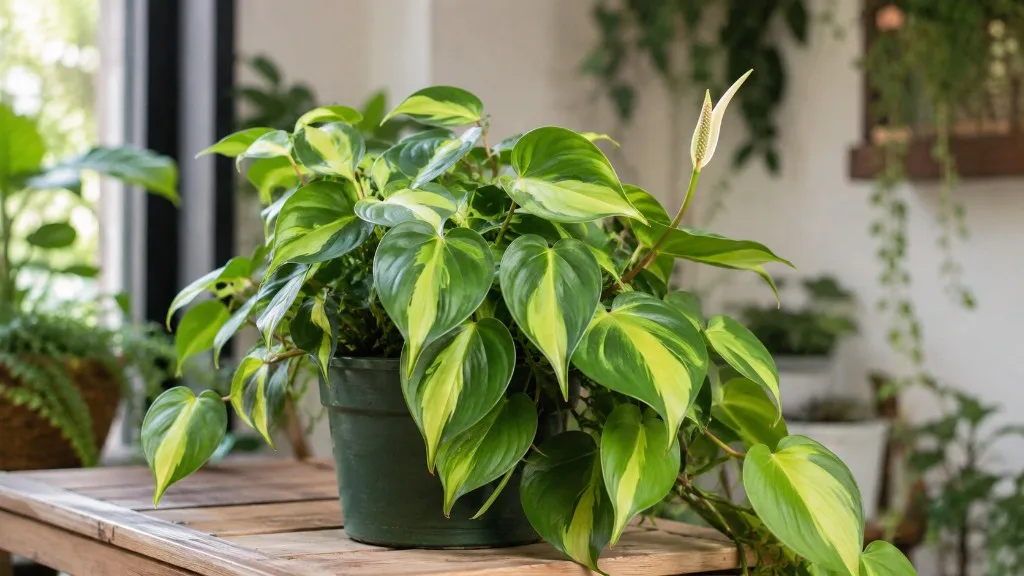
Philodendron Brasil
Likely causeAug 13, 2025 · Learn to create the ideal soil mix for your Brasil Philodendron . Ensure your plant thrives with optimal growing conditions.
Quick fixConfirm diagnosis on your Philodendron Brasil, then address the most likely care or pest factor described in current extension guidance.
 Medium
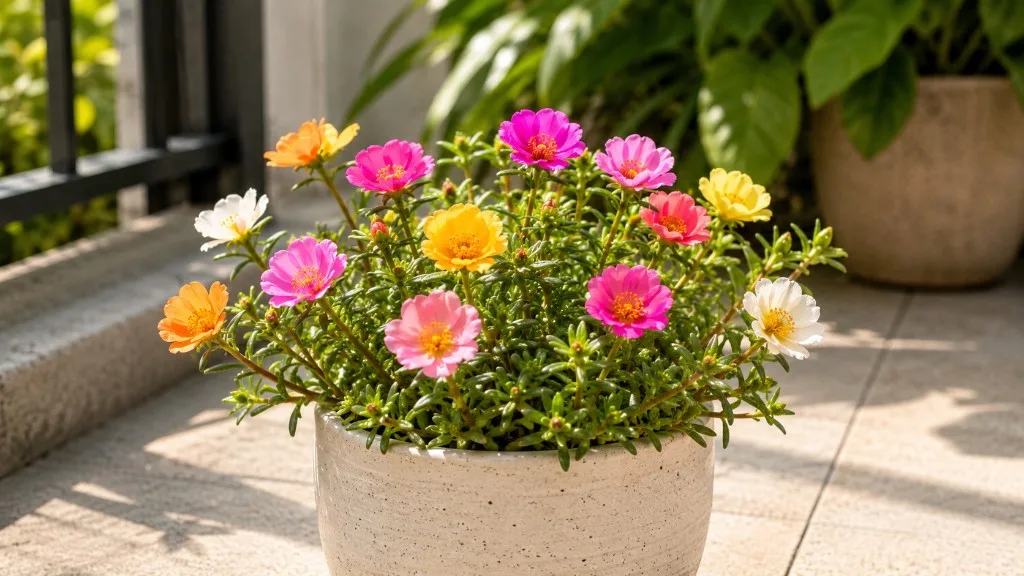
Portulaca
Likely causeJul 10, 2023 · Choosing the right type of soil is essential for growing healthy and vibrant portulaca plants. Sandy soil, loamy soil, sandy loam soil, or a well-draining soil mix are all suitable options.
Quick fixConfirm diagnosis on your Portulaca, then address the most likely care or pest factor described in current extension guidance.
 Medium
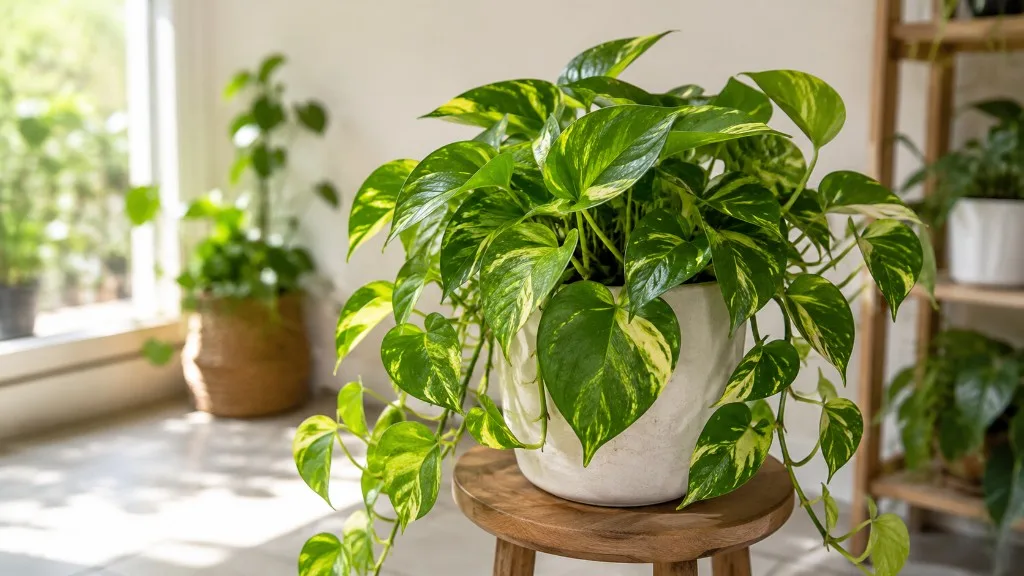
Pothos
Likely causeOct 9, 2020 · Need guidance on Pothos soil mixes ? During my 12 years of gardening, I have found 9 soil recipes that work for my Pothos . Read on to discover ideal soil types, signs of wrong soil , and DIY or store-bought options for your P
Quick fixConfirm diagnosis on your Pothos, then address the most likely care or pest factor described in current extension guidance.