Wrong Soil Mix on Petunia: Causes, Checks & Fixes
Quick answer
Heavy garden soil or water-retentive mixes suffocate petunia roots in containers. Repot into lightweight potting mix with 15–20% perlite at pH 6.0–7.0.
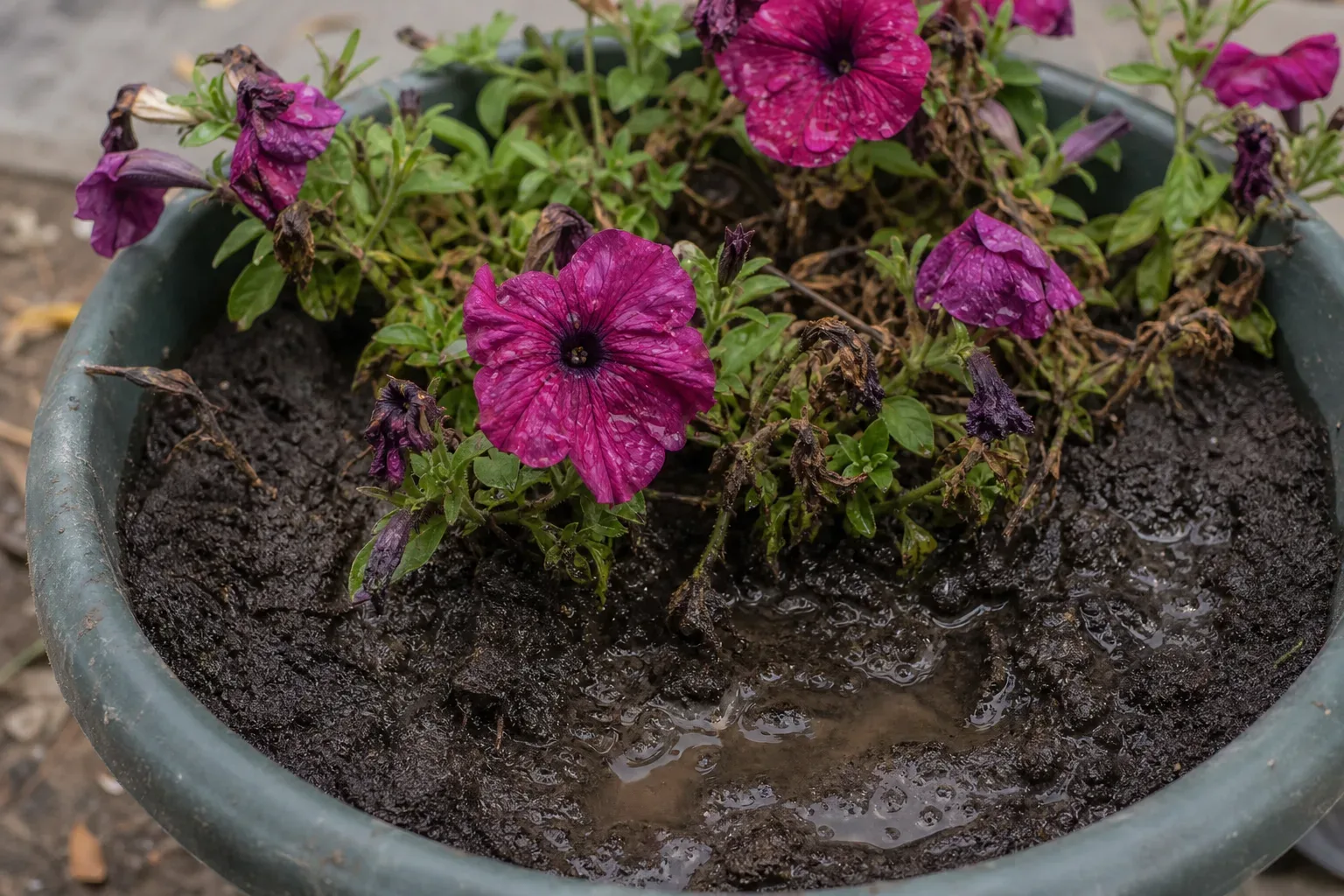
Wrong Soil Mix on Petunia: Causes, Checks & Fixes
This guide covers wrong soil mix on Petunia. See also the general Wrong Soil Mix guide, watering, and light pages for this plant.
Wrong Soil Mix on Petunia: Causes, Checks & Fixes
Quick answer
Wrong soil mix on Petunia is a substrate choice problem in containers-not a mystery wilt or a watering calendar error. Petunias need airy, well-drained potting mix that dries predictably between drinks. Garden soil, dense peat without perlite, reused compacted mix, or moisture-heavy blends keep fibrous roots oxygen-starved and wet too long.
First step: unpot the plant and inspect the mix texture and root color. If substrate feels heavy, muddy, or brick-like-and roots are brown or slimy-repot into fresh lightweight potting mix with about 15–20% perlite at pH 6.0–7.0 before adjusting anything else.
What wrong soil mix looks like on Petunia
Above soil, a bad mix mimics overwatering on Petunia, poor drainage, and early root rot on Petunia. Watch for:
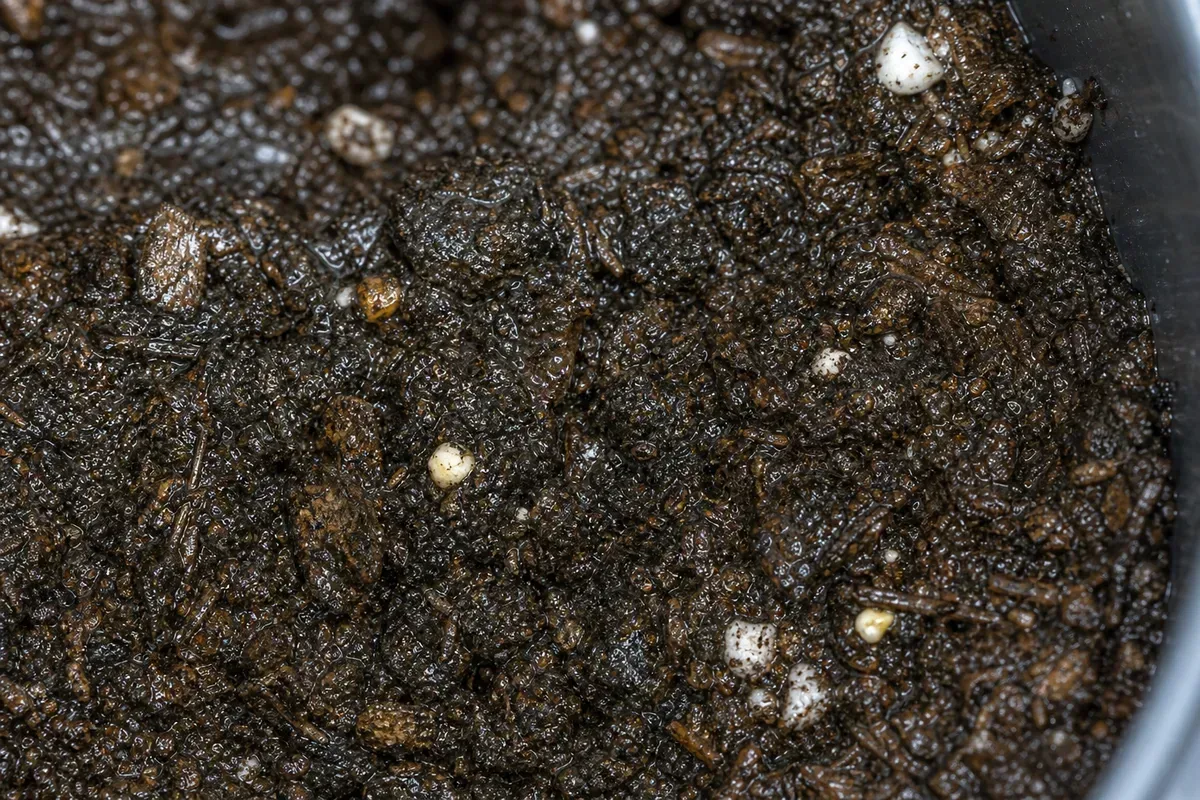
Wrong Soil Mix symptoms on Petunia - compare with healthy tissue on the same plant.
- Water sitting on the surface or running down the pot sides without soaking in.
- Pot still heavy days after watering while lower leaves yellow.
- Mid-morning wilt on upper growth even when soil looks damp.
- Flowers fading fast; grey mold on wet petals in humid weather.
- Green algae, moss, or white mold on constantly damp soil surface.
- Sour, swampy, or compost-like smell from the drain area.
Petunias in hanging baskets and window boxes show these signs quickly because their shallow root balls sit in a small volume of substrate. One plant in a mixed planter can fail while neighbors thrive if it was potted in leftover heavy soil or a different mix batch.
Below soil, roots in the wrong mix turn brown, slimy, or pull away when rinsed. Healthy petunia roots are pale and firm. Dense garden soil in a pot often forms a solid root ball that stays wet in the center even when the top crust looks dry-a classic heavy-mix pattern.
Why Petunia gets wrong soil mix
Petunias are bred for full sun and well-drained soils. In containers, every drainage and oxygen requirement falls on what you fill the pot with. Several common choices set petunias up to fail:
Garden soil or topsoil in pots. Field soil compacts in containers, shrinks away from pot walls, and holds water far longer than in a garden bed. Petunias in decorative urns filled with scooped yard soil suffocate within weeks of peak bloom season.
Dense peat without perlite. Straight peat or peat-heavy bagged mix without enough perlite or bark holds moisture in cool, cloudy weather-exactly when petunias use less water. The mix stays anaerobic while you wait for the surface to dry.
Reused or degraded old mix. Last season’s basket soil compacts, sheds water on the surface while staying wet inside, and may harbor pathogens from prior crops. Old mix also drifts alkaline over time, which can lock out iron on petunias already stressed by poor structure.
Seed-starting mix for established plants. Fine, low-nutrient starting media is designed for tiny roots in small cells-not trailing petunias in 30 cm baskets. It collapses, dries unevenly, and lacks the structure fibrous roots need.
Moisture-retentive “water-saving” blends. Mixes heavy on cocopeat, vermiculite, or gel crystals without enough perlite keep petunia roots wet in shade or during cool spring weeks when transpiration is low.
Wrong pH substrate. Petunias prefer pH 6.0–7.0. Chronic use of alkaline municipal water plus heavy, poorly aerated mix can push substrate pH high enough to cause iron chlorosis on new growth-yellow leaves with green veins that look like a fertilizer problem but trace back to the root zone.
“Improved drainage” with rocks at the bottom. A gravel layer does not fix bad mix; it can raise the wet zone closer to roots while the upper substrate still compacts.
How to confirm the cause
Separate wrong mix from overwatering habit, poor drainage setup, underwatering on Petunia, and advanced rot:
- Unpot and texture test - Slide the plant out. Crumbly mix with visible perlite or bark differs from dense mud, brick-like peat, or obvious garden soil clumps.
- Drain-through test - Hold a handful of dry mix and pour water on it. Quality mix absorbs and drains; hydrophobic or compacted mix repels water or stays sodden in your palm.
- Root color and smell - Pale firm roots in heavy wet mix mean damage is recent and Petunia repotting guide can help. Brown slimy roots with sour smell mean rot has started; you still must replace mix entirely.
- Pot weight timeline - Note weight 24 and 48 hours after watering. Wrong mix keeps pots heavy long after proper perlite-rich mix would lighten.
- Finger test at depth - Top 2 cm may crust dry while mix 5 cm down stays cold and wet. That split pattern points to structure failure, not drought.
- Compare neighbors - In mixed planters, one failing petunia in the same watering routine often sits in a different fill-leftover soil, a “special” mix, or a topped-off old layer.
Underwatering shows a light pot, dry crumbly mix throughout, and crispy leaf edges. Overwatering on good mix is a schedule problem. Wrong mix is a substrate problem-though bad mix makes every watering mistake worse.
First fix for Petunia
Repot into fresh lightweight potting mix with about 15–20% perlite and verify open drainage before the next full watering.
Knock the plant out of the old substrate. Discard heavy, sour, or compacted mix entirely-do not shake off outer mud and replant into the same failing core. If roots are firm, tease away compacted outer mix gently. If more than half the roots are mushy, trim decay first (see recovery steps) or replace severely collapsed plants.
Target roughly 60% quality potting mix, 20% perlite, and 20% cocopeat or similar airy components. Pre-moisten slightly so dry peat does not repel the first watering. Set the crown at the soil line; do not bury stems deeper to stabilize a floppy plant.
Use a container with clear drain holes. Hold deep watering until you confirm runoff exits freely, then resume watering only when the top 2 cm dries.
Step-by-step recovery
Work in this order for container petunias in the wrong mix:
- Unpot and document - Photograph root color and mix texture before discarding substrate.
- Assess roots - Rinse gently. Trim brown or slimy roots with clean scissors. Keep firm pale roots.
- Discard all old mix - Do not blend heavy soil with fresh perlite in the same pot; pathogens and anaerobic pockets persist.
- Clean or replace the container - Scrub pots; drill holes if needed. Sanitize reused plastic if prior rot or smell occurred.
- Mix fresh substrate - Combine quality potting mix with 15–20% perlite. Target pH 6.0–7.0.
- Repot at correct depth - Firm lightly around the root ball without packing mix tight.
- First water lightly - Water until runoff appears, then stop. Empty saucers immediately.
- Full sun and airflow - Move baskets to the sunniest spot so the plant uses water at a healthy rate once roots heal.
- Monitor dry-down - Check the top 2 cm daily for two weeks. Adjust frequency to weather, not habit.
Seasonal petunias rarely rebuild a large root mass late in the display year. Early repot after mix correction gives the best chance of recovery blooms.
Recovery timeline
Mix correction should show within several days: the pot lightens on schedule, surface water no longer pools, and smell fades if rot was not advanced.
Yellow lower leaves from weeks in heavy mix usually do not re-green. New growth at stem tips is the reliable signal-expect visible improvement in two to three weeks if roots remained mostly firm.
Root damage from prolonged saturation in bad mix needs three to four weeks of stable dry-down before judging success. Replace plants with soft crowns or mostly decayed roots rather than repeating rescue on collapsed baskets.
Worsening signs: crown softening after repot, blackening at the stem base, or collapse within 48 hours of wilting-escalate to treating as active rot or replace.
Lookalike symptoms
- Poor drainage setup - Good mix but blocked holes, full saucers, or cachepots without exits; unpoted mix is airy when you finally remove it.
- Overwatering on good mix - Wet soil from frequent drinks; mix is crumbly with perlite visible and drains well in a pour test.
- Underwatering - Light pot, dry crumbly mix, midday wilt that recovers overnight after one deep drink.
- Root rot (advanced) - Same wet-soil wilt, but crown is soft and roots mostly decayed; fresh mix alone comes too late without trimming and dry repot.
- Iron chlorosis - Yellow new leaves with green veins on firm roots in moist but not sodgy mix; test pH rather than only adding perlite.
- Heat collapse - Temporary wilt in extreme heat with dry soil; pot is light, roots firm.
What not to do
Do not add rocks or charcoal at the pot bottom to “fix” heavy mix-replace the substrate instead.
Do not reuse sour, compacted mix from a failed basket; pathogens and anaerobic conditions persist.
Do not plant petunias in garden soil in containers; it compacts and drains poorly in pots.
Do not top off a failing basket with fresh mix only at the surface while leaving wet muck around the roots.
Do not water more because leaves wilt while the pot is already heavy-that deepens saturation in already-wrong mix.
Do not fertilize stressed roots immediately after repotting; fix mix and moisture rhythm first.
Do not assume all bagged “potting soil” is appropriate-read the label; peat-heavy blends need extra perlite for petunias.
How to prevent wrong soil mix next time
Start each season with fresh lightweight potting mix in containers with drainage holes. Mix in perlite for baskets that dry quickly in sun; do not use moisture-holding blends in shaded or cool-season displays without adjusting watering.
Never fill decorative pots with yard soil, topsoil, or “garden mix” scooped from beds.
Replace mix annually for display baskets rather than reusing compacted, nutrient-depleted, or pathogen-carrying substrate from prior seasons.
Match mix to container size: trailing petunias in small hanging pots need more porosity than grandiflora in large urns in full sun.
Water at the base when the top 2 cm is dry. Dump water-catching trays regularly so even good mix does not stay waterlogged from below.
Pre-moisten new peat-based mix before filling pots so the first watering penetrates evenly instead of running off dry peat.
Petunia care cross-check
Wrong mix prevention aligns with full sun, base watering, and fast dry-down. A petunia in shade with heavy peat-only mix and a summer daily watering habit will stay wet regardless of careful drinks. Move baskets to sunnier, airier positions before blaming the plant for failing to bloom.
Trailing varieties in small pots dry faster than grandiflora in large urns-adjust perlite content and watering to container size and exposure, not one recipe for every basket.
When to worry
Treat as urgent when stems wilt on saturated mix, the crown feels soft, several plants in one box fail together, or rot smell is strong. Petunia is among annuals susceptible to Phytophthora in waterlogged substrate; advanced crown involvement is often fatal for seasonal display plants.
Mild yellowing with firm stems and fixable heavy mix can wait for repot into fresh perlite-rich substrate without panic.
Conclusion
Wrong soil mix on container petunias starts with what you put in the pot-not mysterious decline. Unpot, confirm dense or waterlogged substrate, and repot into fresh lightweight mix with 15–20% perlite at pH 6.0–7.0. Soil must drain decently in beds and pots; in containers, mix choice is entirely your responsibility. Petunias recover when roots stay firm and new growth returns within a few weeks; replace collapsed plants rather than fighting heavy soil through the season.
When to use this page vs other Petunia guides
- Petunia watering guide - Use for routine moisture checks before assuming wrong soil mix is the main issue.
- Petunia problems hub - Browse all 40 common issues on this species.