Petunia Problems: Causes & Quick Fixes
Quick answer
Petunia is prone to 42 common issues - each link below is a plant-specific fix guide.
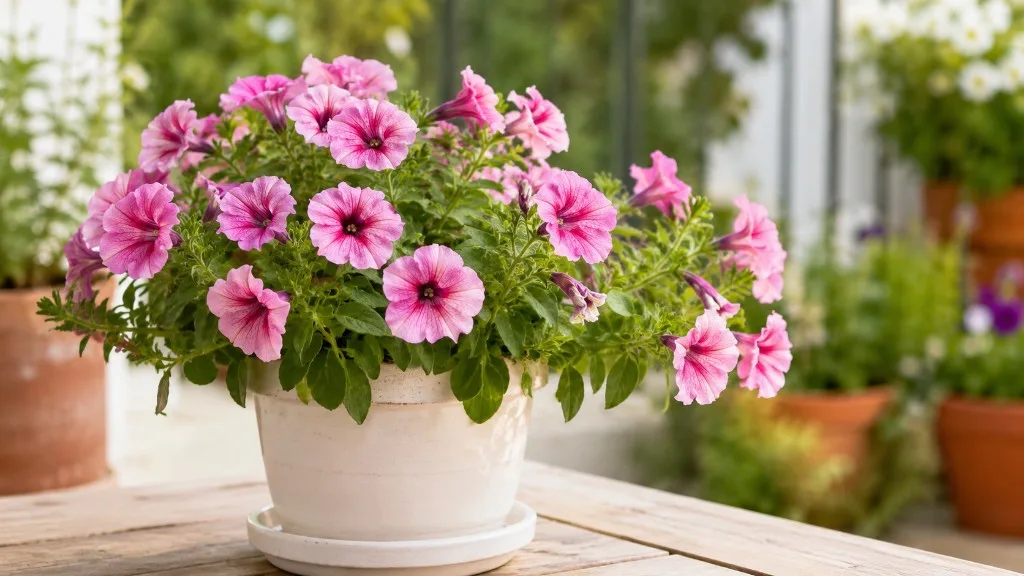
Petunia problems
Use the guides below to diagnose and fix common issues on Petunia. Each problem page explains why it happens on this species and what to do first.
Or use our problem diagnosis tool to narrow down symptoms.
Common problems on Petunia
Aphids
MediumLikely cause: Sap-sucking aphids colonize petunia leaves and stems, causing curled foliage, honeydew, and virus transmission.
Quick fix: Spray colonies with a strong water jet or insecticidal soap; repeat every 4–5 days until clear.
Full fix guide →Blight
HighLikely cause: Botrytis cinerea blight on senescent flowers and wet foliage, especially in humid or overhead-watered petunias.
Quick fix: Remove infected flowers and leaves; water at the base only and improve airflow around the plant.
Full fix guide →Brown Tips
MediumLikely cause: Underwatering in hot containers causes crispy brown leaf edges as petunias sacrifice outer tissue.
Quick fix: Check top 2 cm of soil; water deeply at the base when dry until water drains from the pot.
Full fix guide →Bud Drop
MediumLikely cause: Tobacco budworm boring into buds, or insufficient light/nutrition aborting developing flowers.
Quick fix: Inspect buds at dusk for holes and frass; move to full sun and switch to a bloom fertilizer with more phosphorus.
Full fix guide →Caterpillars
HighLikely cause: Tobacco budworm (Helicoverpa virescens) larvae feed inside petunia buds and chew petals at night.
Quick fix: Scout at dusk and hand-pick larvae; apply Bt or spinosad to buds and foliage in late evening.
Full fix guide →Cold Damage
HighLikely cause: Petunias are frost-sensitive annuals; temperatures below 5°C cause blackened, water-soaked tissue.
Quick fix: Move containers indoors before frost; replace plants if stems and buds collapse after a freeze.
Full fix guide →Crispy Leaves
MediumLikely cause: Chronic underwatering or heat-wave transpiration loss dries petunia leaves to a papery texture.
Quick fix: Water deeply in early morning; if soil repels water, submerge the basket 30 minutes to rehydrate.
Full fix guide →Damping Off
HighLikely cause: Pythium, Rhizoctonia, or Fusarium attack petunia seedlings in cold, wet, poorly drained seed-starting mix.
Quick fix: Use sterile mix, surface-sow without covering seeds, and let the medium dry slightly between waterings.
Full fix guide →Drooping Leaves
MediumLikely cause: Both underwatering and overwatered/root-rot conditions reduce turgor, causing petunia leaves to droop.
Quick fix: Check soil moisture 2 cm deep; water deeply if dry, or improve drainage and reduce watering if soggy.
Full fix guide →Likely cause: Natural aging plus drought or heat stress fade petunia blooms before they are deadheaded.
Quick fix: Deadhead spent flowers every 2–3 days and keep soil evenly moist during hot weather.
Full fix guide →Flowers Turning Brown
MediumLikely cause: Botrytis gray mold infects wet petunia petals, causing brown, water-soaked flower tissue.
Quick fix: Remove brown flowers immediately; stop overhead watering and increase spacing for airflow.
Full fix guide →Fungus Gnats
LowLikely cause: Fungus gnat larvae thrive in constantly wet petunia container soil and can spread damping-off pathogens.
Quick fix: Let the top 2 cm of soil dry between waterings; use yellow sticky traps and Bti drenches if larvae persist.
Full fix guide →Heat Stress
MediumLikely cause: Petunias fade and wilt above 35°C when roots cannot replace moisture lost to extreme transpiration.
Quick fix: Water deeply at dawn; provide afternoon shade during heat waves and trim back heat-damaged stems.
Full fix guide →High Humidity
MediumLikely cause: High humidity above 85% promotes Botrytis on petunia flowers and foliage in crowded containers.
Quick fix: Improve airflow, space plants apart, and water at the base only—never mist flowers.
Full fix guide →Holes in Leaves
MediumLikely cause: Tobacco budworm and slugs chew irregular holes in petunia leaves, buds, and petals.
Quick fix: Check for budworm frass on leaves at dusk; hand-pick caterpillars or apply iron phosphate bait for slugs.
Full fix guide →Iron Deficiency
MediumLikely cause: Petunias are iron-inefficient; substrate pH above 6.2 causes interveinal chlorosis on new growth.
Quick fix: Check container pH; apply an iron chelate drench and avoid chronic overwatering that raises pH.
Full fix guide →Leaf Miners
LowLikely cause: Serpentine leafminer larvae tunnel inside petunia leaves, leaving translucent stippled tracks.
Quick fix: Pinch off and discard mined leaves early; improve airflow but sprays rarely reach larvae inside tissue.
Full fix guide →Leggy Growth
MediumLikely cause: Insufficient direct sun causes petunias to etiolate with long bare stems and few side branches.
Quick fix: Move to full sun (5–6+ hours); cut stems back by one-third to one-half above a leaf node.
Full fix guide →Leggy Seedlings
MediumLikely cause: Indoor petunia seedlings stretch when grow lights are too weak, distant, or days are too warm without light.
Quick fix: Keep lights 5–8 cm above seedlings for 14–16 hours daily; pinch above the first true leaves.
Full fix guide →Mold on Soil
LowLikely cause: Surface mold grows on constantly wet petunia potting mix in poorly ventilated containers.
Quick fix: Scrape off mold, let the top 2 cm dry between waterings, and improve airflow around the basket.
Full fix guide →Mosaic Virus
HighLikely cause: Tobacco mosaic virus and related viruses cause mottled, distorted petunia leaves and flower color break.
Quick fix: Remove and destroy infected plants; wash hands and tools after handling; control aphids and thrips vectors.
Full fix guide →No Flowers
MediumLikely cause: Shade, excess nitrogen, or tobacco budworm damage prevent petunias from producing or opening blooms.
Quick fix: Move to 6+ hours of direct sun; switch to a low-nitrogen bloom fertilizer and scout buds for budworm.
Full fix guide →Not Enough Light
MediumLikely cause: Petunias need 5–6+ hours of direct sun; low light causes sparse blooms, pale growth, and legginess.
Quick fix: Relocate the pot to the sunniest available spot or replace with a shade-tolerant annual if light is inadequate.
Full fix guide →Overwatering
HighLikely cause: Frequent watering of slow-drying container petunias keeps roots oxygen-starved and invites Phytophthora.
Quick fix: Water only when the top 2 cm is dry; ensure drainage holes are open and soil drains within hours.
Full fix guide →Overfertilization
MediumLikely cause: Excess fertilizer salts or high-nitrogen feeds scorch petunia leaves and suppress flowering.
Quick fix: Stop feeding; flush the container with water until it runs freely from drainage holes several times.
Full fix guide →Poor Drainage
HighLikely cause: Heavy or compacted mix in petunia containers stays wet and triggers root rot and yellowing.
Quick fix: Repot into lightweight mix with 20% perlite; confirm water exits drainage holes within minutes.
Full fix guide →Powdery Mildew
MediumLikely cause: Podosphaera species cause chlorotic lower leaves and white fungal growth on petunia foliage.
Quick fix: Remove affected lower leaves, improve spacing and airflow, and avoid wetting foliage when watering.
Full fix guide →Root Rot
HighLikely cause: Phytophthora and Pythium rot petunia roots in waterlogged container or window-box soil.
Quick fix: Remove the plant, discard wet soil, trim brown roots, and replant in fresh draining mix; reduce watering.
Full fix guide →Slugs and Snails
MediumLikely cause: Slugs and snails chew petunia leaves and stems overnight, especially on ground-level plantings in spring.
Quick fix: Apply iron phosphate bait around container bases; hand-pick at dusk and remove hiding spots nearby.
Full fix guide →Slow Growth
MediumLikely cause: Shade, root rot, viral infection, or iron deficiency stall petunia growth and canopy fill.
Quick fix: Verify 6+ hours of sun, check roots for rot, and test for iron chlorosis on new leaves before feeding more.
Full fix guide →Likely cause: Insufficient sun, potassium-poor feeding, or heat stress produce smaller, weaker petunia blooms.
Quick fix: Move to full sun and feed every 1–2 weeks with a balanced liquid fertilizer moderate in potassium.
Full fix guide →Spider Mites
MediumLikely cause: Spider mites stipple and yellow petunia leaves in hot, dry, exposed basket locations.
Quick fix: Rinse leaf undersides with water in early morning; repeat every 2–3 days and improve airflow.
Full fix guide →Sticky Leaves
MediumLikely cause: Aphid and whitefly honeydew coats petunia leaves, sometimes followed by sooty mold.
Quick fix: Inspect leaf undersides for aphids or whiteflies; wash foliage and treat with insecticidal soap.
Full fix guide →Thrips
MediumLikely cause: Western flower thrips scar petunia petals and leaves and vector INSV and TSWV.
Quick fix: Scout for silvery stippling on leaves; use blue sticky traps and insecticidal soap on early infestations.
Full fix guide →Transplant Shock
MediumLikely cause: Newly planted petunias wilt when roots are disturbed or moved from greenhouse to harsh outdoor sun.
Quick fix: Water well before and after planting; transplant on a cloudy evening and shade for a few days.
Full fix guide →Underwatering
MediumLikely cause: Container petunias dry quickly in heat; drought causes mid-morning wilting and fast flower fade.
Quick fix: Water at the base when the top 2 cm is dry; in heat waves check hanging baskets morning and afternoon.
Full fix guide →Whiteflies
MediumLikely cause: Whiteflies cluster on petunia leaf undersides, causing yellowing, sticky honeydew, and sooty mold.
Quick fix: Shake stems to confirm whiteflies; spray undersides with insecticidal soap every 4–5 days.
Full fix guide →Wilting
MediumLikely cause: Petunia wilting in wet soil signals Phytophthora root rot; wilting in dry soil signals drought.
Quick fix: Check soil moisture and roots first; adjust watering or repot with fresh mix if roots are brown and slimy.
Full fix guide →Wrong Soil Mix
MediumLikely cause: Heavy garden soil or water-retentive mixes suffocate petunia roots in containers.
Quick fix: Repot into lightweight potting mix with 15–20% perlite at pH 6.0–7.0.
Full fix guide →Yellow Leaves
MediumLikely cause: Overwatering/root rot or iron chlorosis from high substrate pH yellows petunia foliage.
Quick fix: Check if soil is soggy or dry; improve drainage for rot, or test pH and apply iron chelate for chlorosis.
Full fix guide →Low Humidity
MediumLikely cause: Petunias tolerate low household humidity but dry air plus heat causes fast soil dry-down and crispy leaf edges. Water when the top 2 cm dries, avoid windy drying spots, and accept that high humidity r
Quick fix: See plant-specific guide for step-by-step fixes.
Full fix guide →Mealybugs
MediumLikely cause: Mealybugs on petunias hide as white cottony clusters in stem joints, leaf axils, and at the soil line on trailing baskets-often with sticky honeydew below. First step: move the infested basket away fr
Quick fix: See plant-specific guide for step-by-step fixes.
Full fix guide →