No Flowers on Petunia: Causes, Checks & Fixes
Quick answer
Petunias with healthy foliage but no buds usually lack enough direct sun, sit in chronically wet roots, or were fed too much nitrogen. Count sun hours on the pot first, move to full sun if below six hours, then fix watering before adding bloom fertilizer.
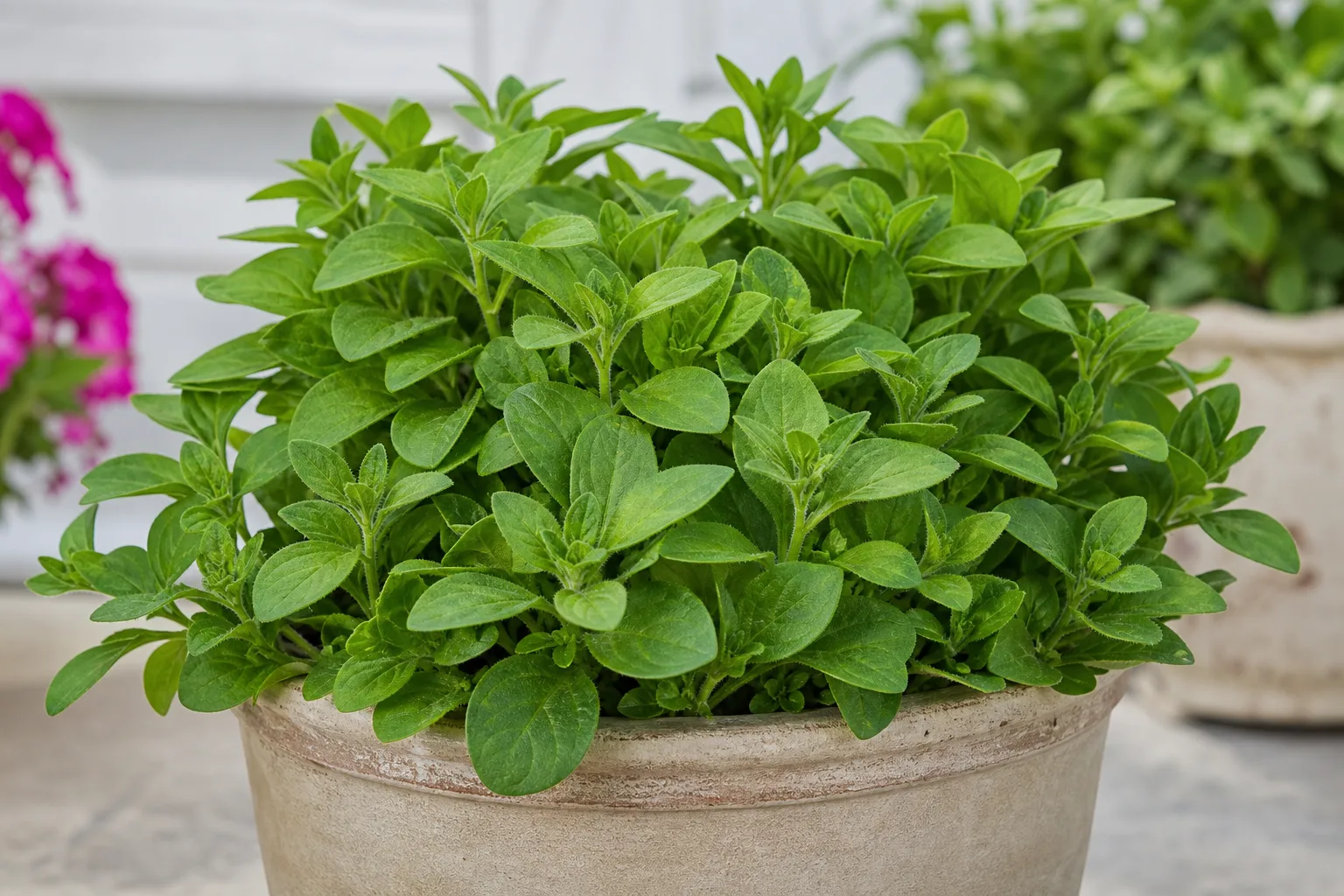
No Flowers on Petunia: Causes, Checks & Fixes
This guide covers no flowers on Petunia. See also the general No Flowers guide, watering, and light pages for this plant.
No Flowers on Petunia: Causes, Checks & Fixes
Quick answer
A petunia that looks alive but refuses to bloom is telling you something about light, roots, or energy allocation-not that the plant is “lazy.” Petunias are full-sun annuals bred for continuous color in hanging baskets, window boxes, and beds. When buds fail to form or old flowers are not replaced, the most common trigger is too little direct sun, followed by root stress from wet soil, excess nitrogen, and missed deadheading that lets seed set steal bloom energy.
First step: count direct sun hours on the pot through one full day. If the container gets fewer than five to six hours of direct rays-not bright shade, not reflected indoor light-move it to the sunniest available spot before you change fertilizer, prune hard, or repot. Light is the gate for bud formation on petunias; other fixes only work once that threshold is met.
What no flowers looks like on Petunia
“No flowers” on petunia can mean several distinct patterns. Match what you see before chasing pests or feed.
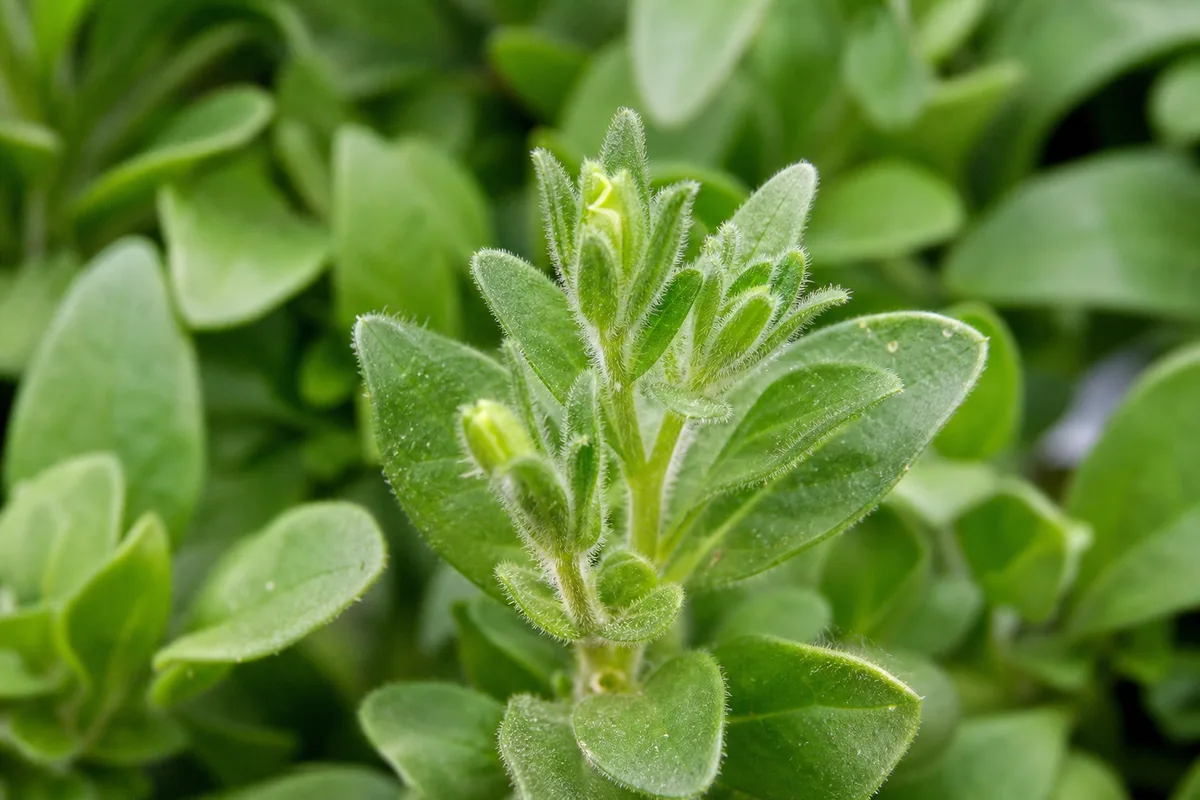
No Flowers symptoms on Petunia - compare with healthy tissue on the same plant.
Zero buds for weeks. Foliage may look green or even vigorous, but stem tips show leaves without flower buds. This pattern in warm weather after the plant has been in place two or more weeks strongly suggests insufficient light, excess nitrogen, or roots too stressed to support bloom.
Leggy stems, flowers only at tips-or none at all. Long spaces between leaves and stems leaning toward the brightest direction mean the plant is reaching for light. Some cultivars keep a few blooms at the ends of stretched stems while the rest of the plant stays bare.
Dark green, soft foliage with no buds. Lush leaf growth without flowers often follows high-nitrogen lawn runoff, repeated general-purpose fertilizer, or slow-release feed stacked on top of liquid feed. The plant is growing leaves instead of buds.
Buds present but never opening. Small buds may brown, shrink, or show tiny holes at dusk. That pattern points to tobacco budworm or water stress on developing buds-not the same as never forming buds at all.
Only spent blooms, no replacements. Old flowers dry on the plant while no new buds appear behind them. Self-cleaning Wave-type cultivars mask this less than older grandiflora types that need regular removal of finished blooms.
Yellow lower leaves on persistently wet soil. Foliage may stay partly green while roots fail quietly. A petunia with wet mix and no new buds may be allocating what little root function remains to survival-not flowers.
Why Petunia stops flowering
Petunias evolved as open-sun bedding plants. Bloom is expensive in plant energy; the species only invests heavily when light and roots support it.
Insufficient direct sun
Petunias need at least five to six hours of direct sun daily, and more sun generally means more flowers. In shade they may survive briefly but produce sparse or no blooms and stretch toward light. A porch that looks bright to your eyes often delivers far less direct radiation than a south-facing bed. Trees that leaf out in late spring can shade a basket that bloomed well in early May.
Excess nitrogen
Nitrogen drives leafy growth. When petunias receive too much-especially the first number on a fertilizer label-they push foliage at the expense of buds, unlike the balanced formulas extension services recommend for flowering annuals. Lawn fertilizer drift, “green up” feeds, or overlapping slow-release and liquid products are common triggers in mixed container plantings.
Root stress from overwatering on Petunia or poor drainage
Container petunias in slow-drying mix stay oxygen-starved around roots. Damaged roots cannot supply the water and nutrients flowering demands, even when the top of the plant looks acceptable. Wet soil in partial shade compounds the problem because the plant uses less water while the mix stays saturated.
Missed deadheading and leggy growth
Many petunias bloom continuously until frost when spent flowers are removed or plants are cut back before they go to seed. Seed set on old blooms diverts energy from new buds. Leggy stems with flowers only at tips often follow a long flush without trimming-new buds concentrate at the active growing points.
Tobacco budworm
Tobacco budworm larvae feed inside petunia buds and chew petals at night. Buds fail to open or open with ragged holes. The plant may appear to “stop flowering” when new buds are destroyed as fast as they form.
Heat and transplant stress
Extreme mid-summer heat can pause bloom briefly even in Petunia light guide when baskets dry out between checks. Newly purchased petunias moved from nursery shade to harsh afternoon sun without acclimation may drop buds and pause flowering for one to two weeks. That is temporary if roots and light stabilize-not the same as a season-long failure.
How to confirm the cause
Work through these checks in order. Stop when one cause fits clearly.
-
Sun-map the pot. Note when direct sun first hits the container and when shade takes over. Count hours of direct rays, not ambient brightness. Compare to a petunia blooming well in full sun nearby if you have one.
-
Inspect roots if soil stays wet. Slide the plant partway out or tip the basket gently. Firm, pale roots support bloom; brown, mushy, or sour-smelling roots explain no flowers despite green tops.
-
Review fertilizer history. List every product applied in the last four weeks. High nitrogen, double doses, or lawn feed near containers implicate excess nitrogen when foliage is dark and soft.
-
Check deadheading and form. Are dried flowers still on stems? Are stems more than 30 cm between leaves with blooms only at tips? Leggy, unpruned plants need cutback and removal of seed heads-not more nitrogen.
-
Scout buds at dusk. Look for small holes, frass pellets on leaves beneath buds, or ragged petal edges. Tobacco budworm is active at night; daytime inspection misses larvae inside closed buds.
-
Rule out lookalikes. Bud drop with recent heat or drought swings differs from never forming buds. Yellow mottled leaves with distortion suggest virus-flowers may fail on a declining plant, not a healthy green one.
If sun is below five hours daily, treat light as confirmed until proven otherwise after a move. Do not stack fertilizer and Petunia repotting guide on day one.
First fix for Petunia
Move the container to a spot with at least five to six hours of direct sun daily-or the sunniest location you can offer.
Outdoor south- or west-facing beds, open balcony rails, and unobstructed hanging hooks qualify. Indoors, only the brightest south or west window with direct rays on leaves for much of the day is realistic; most interior spots will not sustain petunia bloom.
Do not fertilize, hard-prune, or repot until the plant has been in improved light for several days and you have checked whether soil dries at a normal rate. Fertilizer on a shaded or rotting root system produces leaves, not flowers.
Step-by-step recovery
Once sun is adequate-or already was-address secondary causes in this order:
-
Fix Petunia watering guide. Water when the top 2 cm of mix feels dry. In full sun, baskets may need daily checks in heat; in shade, reduce frequency so mix is not wet for days. Ensure drainage holes are open and water exits within minutes.
-
Deadhead and prune leggy stems. Remove all spent blooms and seed pods. If stems are stretched with bare middle sections, cut back by one-third to one-half above a leaf node. Self-cleaning cultivars still benefit from mid-season trim when form opens up.
-
Pause high-nitrogen feed. Stop general “green” fertilizers for two to three weeks. If salt crust appears on soil surface, flush the container with clear water until it runs freely from drainage holes two to three times on successive days.
-
Resume bloom-phase feeding. After one week of stable light and moisture with firm roots, apply a balanced liquid fertilizer or one moderate in nitrogen and adequate in phosphorus at half label strength every one to two weeks during active growth.
-
Treat budworm if confirmed. Scout at dusk; hand-pick larvae when numbers are low. Apply Bacillus thuringiensis or spinosad to buds and foliage in late evening when caterpillars are present-repeat per label until buds open cleanly.
-
Acclimate if recently moved to intense sun. If leaves scorch after a big relocation, provide one week of light afternoon shade while roots adjust, then return to full sun. Do not leave petunias in deep shade to avoid scorch-that trades one problem for another.
Recovery timeline
Expect new visible buds within two to three weeks after correcting shade and pruning moderately leggy plants in warm weather. Deadheading alone on an otherwise healthy full-sun plant can trigger new buds within one to two weeks.
Moving from deep shade to full sun may show compact new growth in one to two weeks, with meaningful rebloom following the first cutback. Recovery is slower if roots were damaged-watch for new shoots from nodes before expecting heavy flush.
If no buds appear four weeks after full sun, corrected watering, and appropriate feed, reassess for budworm, virus mottling, or root rot on Petunia rather than increasing fertilizer.
Lookalike symptoms
Not enough light overlaps heavily with no flowers-leggy stretch and sparse buds are the same root cause. This page covers the full bloom-failure picture; severe stretch-only cases may also benefit from dedicated light guidance.
Bud drop means buds formed then aborted-often heat, water swings, or pests on tender tissue. No flowers means buds never appear or old blooms are not replaced.
Overfertilization shows brown leaf margins and salt crust with lush leaves and few buds. Fix by flushing and pausing feed, not by adding bloom booster immediately.
Root rot pairs no flowers with wet wilt, yellow lower leaves, and mushy roots. Rescue roots before expecting bloom.
Mistakes to avoid
Do not blast high-nitrogen fertilizer on a shaded petunia hoping to “force” bloom-you will get soft leaves and still no buds.
Do not keep wet shaded pots on the same watering schedule as a sunny neighbor. Shade slows uptake; wet mix invites rot that permanently limits flowering.
Do not skip deadheading on non-self-cleaning cultivars while blaming the weather for a bare basket.
Do not repot on day one unless roots are clearly rotted or mix is failing. Transplant shock pauses bloom for one to two weeks on its own.
Do not assume Wave or Supertunia types bloom in shade because they are “easy”-trailing habit does not replace sun requirement.
How to prevent no flowers next time
Site containers in full sun from planting, not a spot you plan to move “later when it gets warm.” Choose shade-tolerant annuals for dim porches; petunias are the wrong plant there.
Deadhead or trim after major flushes on grandiflora types. Feed during bloom season with products balanced or moderate in nitrogen-not lawn formulas near baskets.
Water on dry-down rhythm; match frequency to how fast the pot dries in your exposure. Scout buds weekly in mid-summer for budworm on petunias, a primary host.
Replace or refresh container mix each season. Petunias are often grown as seasonal annuals; exhausted, compacted mix in an old basket struggles to support continuous bloom even with sun and feed.
When to worry
No flowers alone is rarely a plant-health emergency-it is a display and culture problem. Escalate when:
- Wet wilt and stem softness accompany bare stems-inspect roots for rot before fertilizing.
- Mottled, distorted leaves spread while buds fail-consider virus; no cultural fix restores heavy bloom.
- Budworm destroys every new bud for weeks despite treatment-replacement may be faster than fighting heavy infestation late in season.
- Late-season failure after August leaves too few warm weeks for recovery; plan replacement next year with correct sun from day one.
Healthy new side shoots after sun correction and moderate pruning are the best sign bloom will return. Continued stretch without buds in the same spot means light is still insufficient-or roots remain too damaged to support flowers.
Conclusion
Petunias fail to flower for practical reasons: not enough direct sun, roots too wet to work, too much nitrogen, energy lost to seed set, or buds eaten before they open. Count sun hours first, move the pot if needed, then stabilize water and deadheading before reaching for fertilizer. Most green, firm-rooted petunias in full sun rebloom within a few weeks once those basics align-honest limits apply when rot, virus, or late-season timing has already narrowed the window.
When to use this page vs other Petunia guides
- Petunia watering guide - Use for routine moisture checks before assuming no flowers is the main issue.
- Petunia problems hub - Browse all 40 common issues on this species.