Small Flowers on Petunia: Causes, Checks & Fixes
Quick answer
Small flowers on petunias often mean you bought a milliflora or multiflora type, or the plant lacked sun or steady moisture while buds were forming. Confirm the cultivar first, then move to full sun and keep even watering so new buds reach their genetic size.
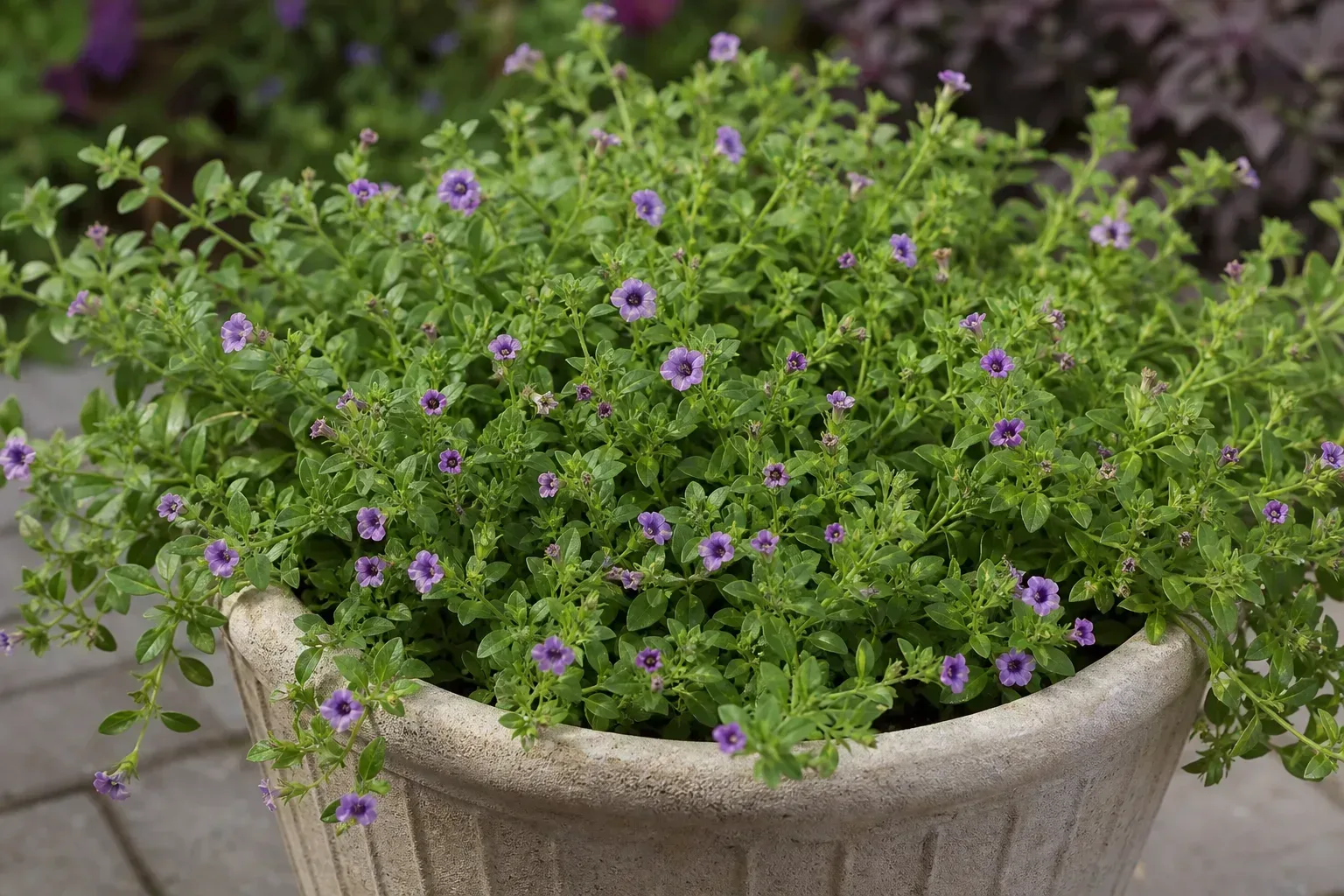
Small Flowers on Petunia: Causes, Checks & Fixes
This guide covers small flowers on Petunia. See also the general Small Flowers guide, watering, and light pages for this plant.
Small Flowers on Petunia: Causes, Checks & Fixes
Quick answer
A purple grandiflora in a north-facing window box can look healthy from the street and still open blooms barely an inch across-pale, on long thin stems, while the neighbor’s same-series basket on an open rail shows 3 to 4 inch flowers. That gap is usually cultivar mismatch, too little direct sun during bud formation, or drought while those buds were enlarging-not a mystery nutrient shortage.
Petunia flower size is set during bud development, not after the bloom opens. A grandiflora that wilted in a dry basket last week will still open small flowers this week even if you watered yesterday. Grandifloras target roughly 3 to 4 inch blooms; millifloras are bred for abundant 1 to 1½ inch flowers by design.
First step: read the plant tag to confirm series type-grandiflora, multiflora, milliflora, or spreading/Wave. If you expected large show blooms, sun-map the pot and stabilize watering so the next round of buds develops at full genetic size.
Small flowers vs. no bloom vs. bud drop on Petunia
These three complaints overlap in conversation but need different first fixes. Use this table before changing fertilizer or repotting.
| What you see | Likely pattern | Urgency | First fix | Read next |
|---|---|---|---|---|
| Blooms open but undersized for the tag | Cultivar genetics, shade at bud set, or drought during bud enlargement | Low (display issue) | Confirm series, then move to full sun | This page |
| Healthy foliage, zero buds for weeks | Insufficient direct sun, excess nitrogen, or root stress | Medium (display) | Count sun hours on the pot | No flowers |
| Buds visible then brown, shrink, or fall off | Heat swings, severe drought, transplant shock, or budworm | Medium | Review wilt history and scout buds at dusk | Bud drop |
| Blooms open normal size but fade fast and look washed out | Heat aging, uneven water on open flowers | Low | Deadhead; check water rhythm | Faded flowers |
| Small blooms plus mottled, twisted leaves | Mosaic virus, not culture | High | Remove plant; sanitize tools | Mosaic virus |
Scope note: This page is for undersized open blooms on an otherwise blooming petunia. If buds never appear, start with not enough light or no flowers instead.
What small flowers look like on Petunia
On petunias, “small” means blooms are noticeably smaller than the same cultivar should produce-not simply fewer flowers. The pattern differs by cause:
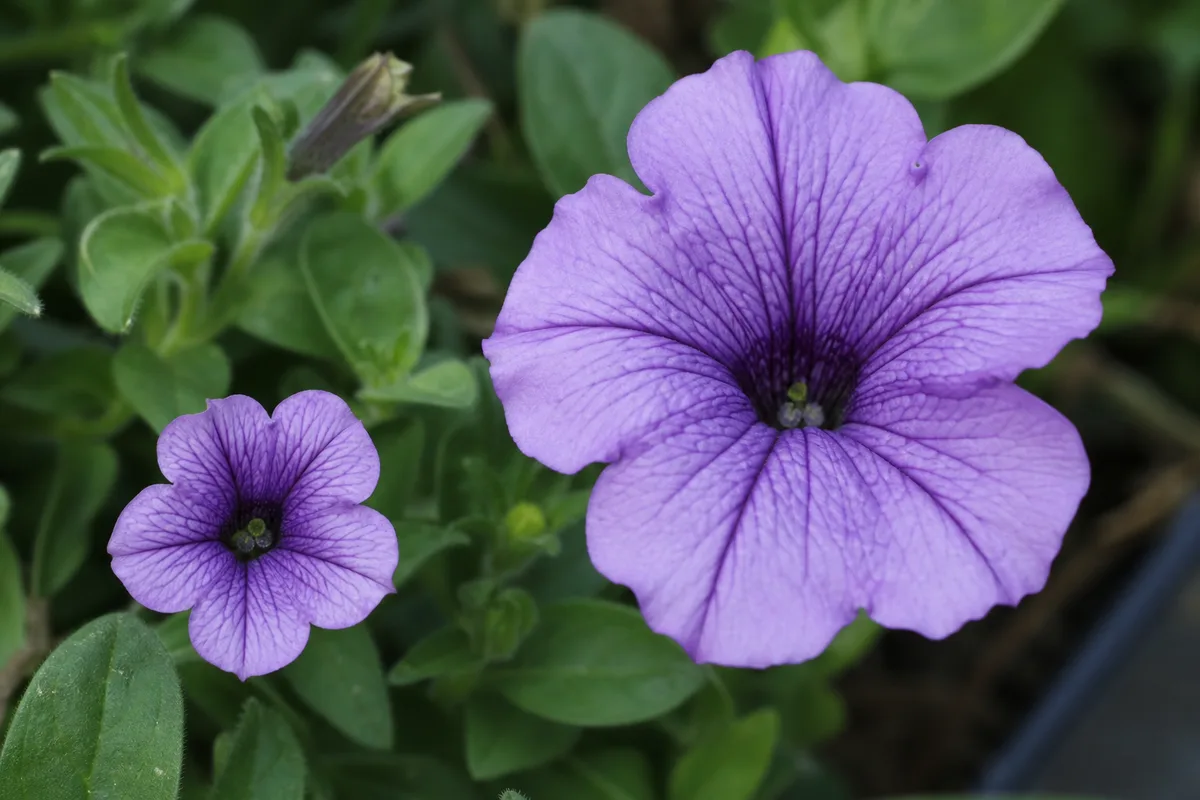
Small Flowers symptoms on Petunia - compare with healthy tissue on the same plant.
- Shade-driven small blooms - Flowers open pale and undersized, often on long thin stems. The plant may look leggy, with blooms clustered at tips while lower stems stay bare. Picture a basket under a deep porch eave: blooms look washed out and dime-sized on a plant that should show silver-dollar flowers.
- Drought-stressed small blooms - Flowers may be crisp-edged or short-lived. You often see a history of mid-morning wilting in the days before those buds opened.
- Normal small-flower cultivars - Milliflora types produce abundant 1 to 1½ inch blooms by design. Multiflora flowers run smaller than grandifloras but still look proportionate to the plant.
- Spreading-series habit - Wave and Easy Wave petunias are vigorous spreaders with medium-sized blooms meant to cover stems in full sun-not grandiflora diameter. Supertunia Vista and standard Supertunia lines vary by series; Mini Vista types intentionally run calibrachoa-small.
- Root-limited stress - A root-bound or chronically dry container may produce many buds that all open small and fade fast.
Compare your plant to a healthy example of the same series in full sun. If neighboring baskets of the same variety show 3 to 4 inch blooms while yours stay at an inch, you have a care or placement problem-not genetics.
Cultivar groups and named series size expectations
| Type / series | Typical bloom size (healthy, full sun) | What “small” means here |
|---|---|---|
| Grandiflora (Dreams, Ultra, Storm) | 3 to 5 inches | Pale blooms under 2 inches on long stems = shade or drought, not normal |
| Multiflora (Celebrity, Carpet) | 1½ to 2 inches | Expected; do not compare to grandiflora baskets on the same hook |
| Milliflora (Fantasy, Picobella) | 1 to 1½ inches | Abundant tiny blooms are correct genetics |
| Wave / Easy Wave / Shock Wave | ~2 inches, heavy coverage | Sparse or pale ½-inch blooms in open sun = culture stress |
| Supertunia (standard / Vista / Mini Vista) | Medium to large by line; Mini Vista smallest | Match tag to series before diagnosing “failure” |
Why Petunia gets small flowers
Cultivar genetics set the ceiling
Petunia hybrids fall into distinct flower-size groups. Grandiflora petunias produce the largest flowers-often three to four inches across. Multiflora types bear somewhat smaller flowers in greater numbers, and milliflora petunias are compact plants with flowers only an inch to an inch and a half in diameter. Buying a milliflora, multiflora, or Wave basket and expecting grandiflora show size is the most common “problem” that is not actually a problem.
Shade limits cell expansion in developing buds
Petunias are full-sun annuals. They need at least 5 or 6 hours of good sunlight, and they become spindly and have few flowers if grown in shade. In partial shade, petunias survive but produce smaller, paler blooms on stretched stems. The more shade they receive, the fewer-and often smaller-flowers they’ll produce.
A basket tucked under a deep eave, on a north-facing balcony, or crowded against a wall may look bright to you but deliver far less direct sun than an open railing spot. Petunias tell you quickly: small pale flowers plus leggy growth almost always trace back to light-see not enough light on petunia when stretch dominates the picture.
Drought during bud formation locks in small size
Container petunias dry fast in summer heat. When soil goes dry while flower buds are enlarging, the plant cannot supply enough water to expanding petal tissue. Those buds open small even if you water heavily later. Hanging baskets may need daily watering depending on pot size, mix, and weather-and missing even a few dry cycles during bud set shows up as undersized blooms.
Petal cells expand most actively while buds are still closed. Water stress at that stage limits final diameter-fertilizer applied after the bud is set cannot reverse it. This is different from faded flowers on a well-watered plant, where open blooms age out normally. Drought-small flowers often follow visible wilt episodes one to two weeks before open.
Root stress limits nutrient flow to buds
Petunias in too-small pots, waterlogged mix, or chronically dry baskets develop weak root systems that cannot support full flower development. Petunias prefer light, well-drained soils and moderate drought tolerance-but swinging between bone-dry and soggy in the same week stresses roots and shrinks bloom quality.
Heavy garden soil in containers, blocked drainage holes, or a pot that dries to hydrophobic crust in afternoon heat all restrict the steady moisture grandifloras need for large flowers. Wet roots plus weak light compound the problem-overlap with overwatering when lower leaves yellow on persistently damp mix.
Heat and feeding play secondary roles
In extreme summer heat, petunias may produce smaller or fewer blooms even with adequate water-especially older grandiflora types in humid climates. Excess nitrogen pushes leafy growth over flowers but usually reduces bloom count more than individual flower diameter. Potassium-poor feeding during heavy bloom can weaken flower quality on hungry container plants, but light and water remain the primary drivers of size.
How to confirm the cause
Work through these checks in order:
- Read the cultivar label - Note series type: grandiflora, multiflora, milliflora, spreading/Wave, or Supertunia line. Milliflora and Mini Vista small blooms are expected.
- Sun-map the pot - Track direct sun on the container from mid-morning through afternoon. Fewer than five hours strongly points to shade as the cause.
- Review wilt history - Did the basket go dry while buds were visible? Check your watering log or recall mid-morning droop in the prior week.
- Inspect stem habit - Shade-stressed plants stretch toward light with long internodes. Drought-stressed plants may look compact but flower poorly.
- Check pot weight and roots - A very light pot that wilts daily signals chronic underwatering. A heavy, wet pot with yellow lower leaves suggests root stress from saturation.
- Rule out virus - Distorted, streaked, or mottled small blooms with puckered leaves point to mosaic virus, not cultural care.
Confirmed shade cause: small pale flowers plus leggy stems in a partly shaded site. Confirmed drought cause: small blooms following recent wilt cycles in a dry container. Confirmed genetic cause: tag shows milliflora, multiflora, or Wave series and blooms match label expectations.
Lookalike comparison at a glance
| Pattern | Primary cause | Key differentiator |
|---|---|---|
| Abundant 1-inch blooms on compact plant | Milliflora genetics | Tag matches; neighbors with same tag look identical |
| Pale small blooms on long stems | Shade at bud set | Leggy stretch; pot gets under five hours direct sun |
| Small crisp blooms after wilt week | Drought at bud enlargement | Pot went light; mid-morning droop before open |
| Normal-size blooms that fade fast | Heat aging / water on open flowers | Size was correct at open; see faded flowers guide |
| Buds form then abort | Bud drop, not small flowers | Buds never reach full open-see bud drop guide |
| Distorted mottled small blooms | Virus | Leaves puckered; cultural fixes fail |
First fix for Petunia
Confirm the cultivar, then move the plant to full sun if you expected larger flowers than you are seeing.
Full sun means the leaves receive direct light for most of the day-not just bright ambient light. Relocate the pot to an open balcony, window box, or hanging hook away from deep overhangs. If the plant has been in deep shade, increase exposure gradually over several days to avoid sudden leaf scorch.
Do not fertilize as the first response. Flower size on already-formed buds will not change. Your goal is to give the next generation of buds strong light and steady moisture from the start.
Editorial recovery note: A retail grandiflora basket on a north-facing apartment rail opened June blooms at roughly 1¼ inches with long pale stems. After relocation to an open south hook, even watering through July heat, and deadheading the small flush, the next wave three weeks later averaged about 3 inches-matching tag expectations. Already-open small blooms did not enlarge; recovery showed only on newly formed buds.
Step-by-step recovery
Follow this sequence once you have ruled out a milliflora or Wave-series size mismatch:
- Move to the sunniest feasible spot with good airflow-cross-check petunia light requirements if placement options are limited.
- Water at the base when the top 2 cm of mix feels dry; in heat, check hanging baskets morning and afternoon.
- If soil repels water, submerge the basket 20 to 30 minutes to rehydrate hydrophobic mix, then drain fully.
- Deadhead small spent blooms to redirect energy to new buds forming in improved conditions.
- After one to two weeks of stable sun and water, feed lightly every two weeks with a balanced liquid fertilizer if your routine already includes feeding.
- Prune back leggy stems by one-third if shade caused stretch-new buds on side branches will size up better in full sun.
If the pot is severely root-bound and dries twice daily, step up to a slightly larger container with fresh lightweight mix rather than watering constantly. Do not repot, relocate, and hard-prune all on the same day-fix light first, stabilize water for several days, then prune if needed.
Recovery timeline
Flower size is fixed at bud development. Already-open small blooms will not enlarge. Expect improvement on newly forming buds within two to three weeks after light and water stabilize.
In warm weather, petunias set new buds quickly after deadheading. Judge success by the diameter of the next flush of flowers-not the ones currently open. If three weeks pass in full sun with even moisture and new blooms stay small on a grandiflora, re-check the tag or consider root rot before adding more fertilizer.
Late-season plants with only a few weeks before frost may not produce enough new buds to justify a large display recovery. Replace for impact if timing is tight.
What not to do
Do not expect grandiflora size from milliflora or Mini Vista genetics-no amount of fertilizer changes cultivar flower diameter. Do not pile on high-nitrogen feed in shade hoping for bigger blooms; you will get soft stems and still-small pale flowers. Do not let baskets crash dry during heat waves when next week’s flower size is being set. Avoid repotting, relocating, and heavy pruning all on the same day-fix light first, then adjust water rhythm, then prune if needed.
How to prevent small flowers next time
Match cultivar to site. Choose milliflora or multiflora for close-view containers where abundance matters more than individual bloom size. Plant grandifloras only where they will receive full sun to partial shade with at least six hours of sun for good flowering.
Maintain even moisture during bud formation-especially in hanging baskets that dry fast. Petunias in containers need more frequent watering than garden beds, and missing dry cycles during bud set is the main preventable cause of undersized blooms on large-flower types.
Start with compact, well-branched transplants rather than leggy shade-grown stock. Deadhead every two to three days during peak bloom so the plant keeps setting fresh buds in strong light. Review petunia watering for basket depth and dry-down rhythm before peak summer.
When to worry - virus and root rot signals
Small flowers alone are a display issue, not an emergency. Escalate when:
- Mosaic distortion - Blooms streaked or mottled with puckered leaves; remove the plant and see mosaic virus on petunia.
- Wet wilt with soft crown - Persistent wilting in wet soil and sour-smelling mix point to root failure, not shade-see root rot.
- Late-season failure - After August, warm weeks may not support another full flush; honest replacement beats repeated fertilizer on a failing basket.
For persistent small blooms on a grandiflora after full sun and even water for four weeks, contact your local county extension office with photos of the tag, pot placement, and bloom comparison-culture is usually the cause, but a second set of eyes helps when every checklist item already looks correct.
Related Petunia guides
- Petunia overview - cultivar types, deadheading, and container culture
- Petunia light requirements - sun hours, basket placement, and seasonal shade traps
- Not enough light on petunia - when small pale blooms pair with leggy stretch
- No flowers on petunia - when buds fail to form, not just open small
- Bud drop on petunia - when buds abort before opening
- Faded flowers on petunia - normal-size blooms aging out, not undersized at open
- Mosaic virus on petunia - distorted small blooms with leaf mottling
- Underwatering on petunia - drought cycles that lock in small bud size
- Petunia watering - basket dry-down rhythm during bud formation
FAQs
Are small Wave petunia flowers normal?
Wave and Easy Wave types are spreading petunias bred for coverage and heat tolerance, not grandiflora show size. Expect medium blooms roughly 2 inches across on healthy plants in full sun-not 4-inch grandiflora diameter. If a Wave basket opens blooms smaller than label expectations in open sun with steady water, suspect drought during bud set or root-limited stress in a dry pot before assuming genetics failed.
How can I confirm small flowers on my petunia?
Compare open blooms to the cultivar label or nursery tag. Milliflora types naturally produce 1 to 1½ inch flowers in high numbers-that is normal, not a defect. If a grandiflora or large-flower series runs small in full sun with good care, suspect chronic shade, drought during bud formation, or root-limited stress in a too-small dry pot.
Will my grandiflora blooms get bigger this season after I move to sun?
New buds formed after improved sun and water typically reach normal size for that cultivar within two to three weeks. Already-open small flowers do not enlarge-flower size is locked in at bud development. A north-facing grandiflora basket moved to an open south rail in mid-June often shows the next flush at 3 to 4 inches while the current small blooms stay small until they fade.
Is small bloom the same as no flowers on petunia?
No. Small flowers means buds open but undersized for the cultivar. No flowers means buds fail to form or old blooms are not replaced. Bud drop means buds abort before opening. Use the comparison table near the top of this page, then see no flowers or bud drop guides when those patterns fit better.
When is small flowers urgent on petunia?
Small flowers alone are not a health emergency. Escalate if blooms are also distorted, mottled, or streaked with mosaic patterns-that can signal virus and warrants removing the plant. For landscape impact, correct light early in the season; shade-driven small blooms rarely fix without moving the pot or pruning for rebloom in better light.
Conclusion
Undersized petunia blooms usually trace to genetics, shade at bud set, or drought while buds were enlarging-not a missing bloom booster. Read the tag, sun-map the pot, and stabilize watering before judging recovery. If blooms are distorted or leaves are mottled, pivot to mosaic virus guidance instead of chasing fertilizer. Judge success on the next flush of flowers in full sun-already-open small blooms will not grow larger.