Not Enough Light on Petunia: Causes, Checks & Fixes
Quick answer
Petunias without enough direct sun stretch, bloom poorly, and stay weak. Move containers to a spot with at least five to six hours of direct sun daily and prune leggy stems back to force compact new growth.
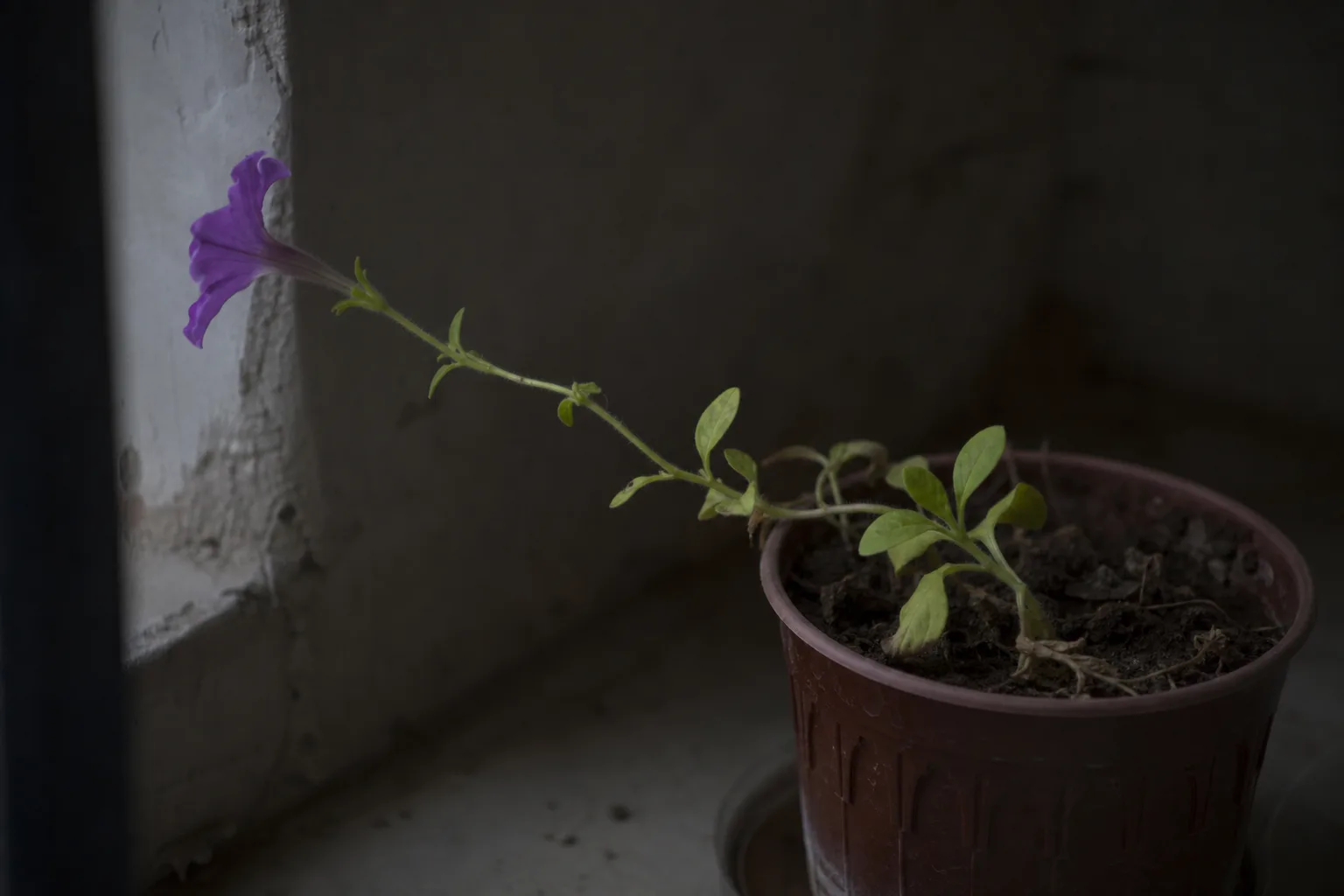
Not Enough Light on Petunia: Causes, Checks & Fixes
This guide covers not enough light on Petunia. See also the general Not Enough Light guide, watering, and light pages for this plant.
Not Enough Light on Petunia: Causes, Checks & Fixes
Quick answer
A Wave petunia hanging under a covered porch rail can look lush from across the patio and still fail the bloom test up close-long bare stems, buds only at the tips, and leaves leaning toward the brightest gap in the eave. That pattern is not enough direct sun, not a mysterious “bad batch” of plants.
Petunias are full-sun annual bedding plants bred for open, bright conditions. They need at least five to six hours of direct sun daily on the leaves for good flowering, and more shade means fewer flowers regardless of how much fertilizer you add.
First step: sun-map the pot through one full day, then move it to the sunniest feasible location before you prune, repot, or change feed. Light is the gate for compact growth and bud formation on petunias; other fixes only work once direct rays meet that threshold.
What insufficient light looks like on Petunia
Shade stress on petunias has a recognizable signature-distinct from healthy trailing spill on Wave types or temporary heat stall in midsummer.
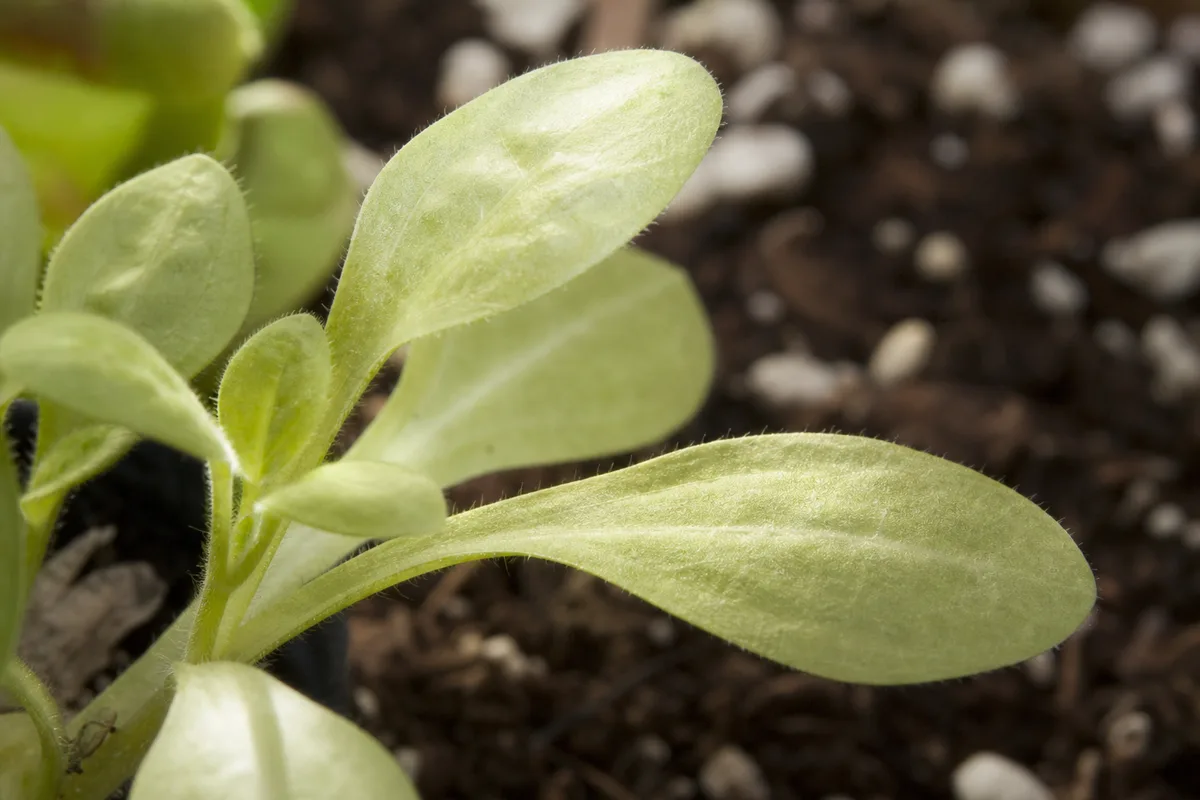
Not Enough Light symptoms on Petunia - compare with healthy tissue on the same plant.
Long internodes and lean. Spaces between leaves widen and stems angle toward windows, rail gaps, or the open side of a balcony. The plant is allocating energy to reach light rather than branch and bloom.
Sparse buds for the foliage mass. You may see green, even vigorous leaves with few or no flower buds for weeks in warm weather. Some stretched plants keep a handful of blooms at stem tips while the basket center stays bare.
Pale or small new leaves. New growth at the tips may look lighter green or undersized compared with a full-sun neighbor. Lower leaves sometimes yellow and drop while tips stay weakly green-especially when shade slows water uptake and mix stays wet.
Wet soil that will not dry. Containers in partial shade transpire less. Mix that stays damp for days in mediocre light compounds stretch with quiet root stress-a pattern that overlaps yellow leaves and overwatering on the same basket.
Display failure before plant death. Shaded petunias rarely die quickly; they simply will not deliver the basket show you bought them for. That is a culture problem with a clear fix, not an emergency-unless wet roots join the picture.
Compare with a healthy full-sun Wave: stems trail by design but stay flower-dense along their length. Shade stretch looks thin, flower-poor, and hollow in the center.
Why Petunia needs more light
Petunias evolved as open-sun bedding plants. Bloom and compact branching are expensive in plant energy; the species invests heavily only when light supports photosynthesis at scale.
Energy allocation in shade
In insufficient light, petunias survive briefly but become spindly and produce few flowers. Stem elongation-botanically etiolation-is the plant searching for brighter rays. Bud formation slows because the plant cannot spare carbohydrates for reproductive tissue.
Human eyes versus direct rays
Porches, bright living rooms, and north-facing balconies often look adequately lit to people while delivering far less direct radiation than an open south- or west-facing rail. Reflected indoor brightness does not substitute for sun on the leaves. Only a sun-hour log on the actual pot settles the question.
Seasonal shade traps
A basket that bloomed in early May under bare branches may stall in June when overhead trees leaf out. A west wall that reflected extra light in spring can lose afternoon rays as the sun angle shifts. Re-map exposure mid-season when bloom suddenly drops-not only at planting time.
Trailing types still need sun
Wave, Supertunia, and other spreading cultivars cascade by design; they do not bloom well in shade. When grown in full sunlight, spreading types are so covered by flowers that foliage is barely visible-that density requires direct rays, not just a “bright” hook under an eave.
Shade plus wet soil
Weak light slows transpiration. The same watering schedule that works on a sunny neighbor leaves a shaded pot saturated. Oxygen-starved roots cannot support heavy bloom even after you eventually move the plant-fix placement and drainage together when lower leaves yellow on persistently wet mix.
Lookalike symptoms to rule out
Not every leggy, flower-poor petunia lacks light. Match your pattern before acting.
| What you see | Most likely cause | Key differentiator | Where to read next |
|---|---|---|---|
| Stems lean toward brightest gap; long internodes; few buds in partial shade | Insufficient light | Sun-map shows under five hours direct rays on the pot | This page |
| Long stems in full sun with bare middle sections; old seed heads on nodes | Missed mid-season prune | Sun hours adequate; stretch follows skipped cutback | Leggy growth |
| Dark green soft foliage; no buds despite good light | Excess nitrogen | Lush leaves; fertilizer history shows high first number | No flowers |
| No buds plus wet wilt; yellow lower leaves; sour soil smell | Root stress / overwatering | Mushy roots; mix wet for days | Overwatering |
| Natural long trails; dense flowers along stems in full sun | Healthy Wave habit | Flower cover high; stems firm, not wiry | Petunia overview |
If sun is below five to six hours daily, treat light as confirmed until proven otherwise after a move. Do not stack fertilizer, hard prune, and repot on day one.
How to confirm the cause
Work through this checklist in order. Stop when light deficiency fits clearly.
-
Sun-map the pot for one full day. Note when direct sun first hits leaves and when shade returns. Count hours of direct rays on the container-not ambient brightness. Compare to a blooming petunia in open sun nearby if possible.
-
Check lean direction. Stems pointing toward a window, rail gap, or south-facing opening strongly indicate light search. Upright long stems with old flower nodes may point to prune neglect instead.
-
Compare bloom density. A shaded basket with zero buds while a sunny neighbor of the same cultivar flourishes isolates light as the bottleneck-not feed alone.
-
Rule out feed-only fixes. If you have increased fertilizer without moving the pot and buds did not appear, light or roots are limiting-not a missing nutrient mystery.
-
Test soil dry-down. Push a finger into the top 2 cm. Shaded pots that stay wet for days suggest slow uptake compounding stretch. Firm, pale roots after a gentle tip-out support bloom; brown mushy roots need watering correction before expecting flowers.
-
Match cultivar expectations. Grandiflora and multiflora types should form mounded, flower-covered plants roughly 15–40 cm tall in full sun-not lollipop shoots with bare stems. Wave types trail long but should stay floriferous along the stems when light is adequate.
Confirmed insufficient light: pale stretched new growth, lean toward brightest exposure, sparse buds despite otherwise adequate culture, and sun-map under five to six hours direct daily.
First fix for Petunia
Move the container to a spot with at least five to six hours of direct sun daily-or the sunniest location you can offer.
Outdoor south- or west-facing beds, open balcony rails, and unobstructed hanging hooks qualify. Indoors, only the brightest south or west window with direct rays on leaves for much of the day is realistic; most interior “bright” spots will not sustain petunia bloom. See the petunia light guide for placement targets and grow-light fallback when outdoor full sun is unavailable.
Do not fertilize heavily, hard-prune, or repot until the plant has been in improved light for several days and you have confirmed soil dries at a normal rate. Changing everything at once makes it impossible to know what helped.
After the move stabilizes, cut leggy stems back by one-third to one-half just above healthy leaf nodes. Stretched tissue does not compact on its own-only new growth after pruning will look bushy. Acclimate gradually if relocating from deep shade to intense afternoon sun: increase exposure over several days to avoid scorch on soft leaves.
Step-by-step recovery
Follow this sequence for baskets and containers:
-
Relocate to full sun. Rotate hanging baskets weekly so all sides receive direct rays. Avoid tucking pots back under eaves “just for a windy day” without returning them to sun.
-
Acclimate if needed. When moving from deep shade to harsh afternoon sun, provide light afternoon protection for the first three to five days while roots adjust, then return to full exposure. Do not leave the plant in shade to avoid scorch-that trades one problem for another.
-
Prune stretch after light improves. Remove spent blooms and seed pods. Cut each long stem back by one-third to one-half, angling above nodes so side branches can form. Pruning encourages new growth and flowering once light supports it.
-
Adjust watering to new dry-down. Sun pots transpire faster. Water when the top 2 cm of mix feels dry-often daily in heat for baskets. Shaded schedules leave sunny pots drought-stressed; wet shaded schedules invite rot.
-
Resume balanced feed after new shoots appear. Wait until fresh side growth is visible, then apply a balanced or bloom-phase liquid fertilizer at half label strength every one to two weeks if your routine already includes feeding. Do not blast high nitrogen on a recovering shaded plant.
-
Deadhead new flowers. Removing spent blooms prevents seed formation and channels energy into branching. Self-cleaning Wave types still benefit from grooming when faded blooms stick after wet weather.
Recovery timeline
Expect compact new shoots within one to two weeks after a proper move and moderate cutback in warm weather. Meaningful rebloom typically follows two to three weeks on fresh side growth-not on old bare stem sections.
Moving from deep shade to full sun may show the first firm new leaves within seven to ten days. Flower buds usually appear on side branches after the second week if roots stayed healthy.
Recovery slows when roots were damaged by wet shade-watch for new shoots from nodes before expecting a heavy flush. If nothing sprouts after two weeks in warm full sun with corrected watering, inspect roots for rot rather than adding more fertilizer.
Late-season moves after August may not leave enough warm weeks for a full basket show; honest replacement planning beats repeated cutbacks on a failing seasonal plant.
What not to do
Do not compensate with double fertilizer in shade-soft leafy growth without bloom is the usual result, and excess nitrogen can mask the real light problem. See no flowers when dark lush foliage accompanies zero buds in adequate sun.
Do not keep shaded petunias on the same watering cadence as a sunny neighbor. Shade slows uptake; persistently wet mix invites root failure that light alone cannot fix.
Do not assume Wave or Supertunia types tolerate shade because they are “easy” or self-cleaning-trailing habit does not replace the sun requirement.
Do not repot, relocate, and hard-prune all on the same day unless roots are clearly rotted. Change light first; prune once the plant is stable in brighter exposure.
Do not judge sun by how the porch feels at breakfast. Midday and afternoon shade from walls, awnings, and maturing tree can zero out bloom even when morning light looked promising.
How to prevent it next time
Site containers in full sun from planting-south or west exposures outdoors, brightest window or supplemental grow light indoors-not a spot you plan to move “when summer arrives.” Choose impatiens, coleus, or begonias for dim porches; petunias are the wrong plant there.
Match cultivar to site: large-flowered grandifloras in partly shaded spots stretch and rot in humid weather; spreading types need open sun to stay flower-covered along their trails.
Re-map sun hours when trees leaf out in late spring. A rail that worked in May may fail in July without you changing anything else.
Plan basket hooks on open rails, not under deep overhangs. If architecture forces shade, switch species rather than fighting petunia biology all season.
Cross-check ongoing culture in the petunia overview and light guide so placement, watering, and pruning stay aligned through the season.
Petunia care cross-check
Insufficient light rarely exists in isolation on container petunias. When stretch, sparse bloom, and wet soil appear together, address placement and drainage as one job.
Petunias want full sun to light shade with well-drained soil, base watering when the top 2 cm dries, and lightweight potting mix with perlite for baskets. Weak light plus wet roots produce wiry stems that no amount of pruning fully corrects until both issues resolve.
If sun is adequate but stems stay long with flowers only at tips, the bottleneck is likely missed deadheading or mid-season prune-not light. Follow leggy growth guidance for cutback timing on grandiflora versus Wave types.
When buds never form despite relocation, work through no flowers for nitrogen, budworm, and root branches before assuming light is still the limiter.
When to worry
Low light alone is rarely a plant-health emergency-it is a display and culture problem with a clear relocation fix. Escalate when:
- Wet wilt and stem softness accompany stretch and yellow lower leaves-inspect roots for rot before fertilizing. Fix light and overwatering together.
- Leaf scorch after a sudden move browns large sections-provide brief afternoon protection while acclimating, but do not return the plant to deep shade permanently.
- No new shoots four weeks after full sun, corrected watering, and moderate prune-reassess roots and lookalike causes rather than increasing feed.
- Late-season failure after August leaves too few warm weeks for recovery; plan replacement next year with correct sun from day one.
Healthy compact side shoots after sun correction are the best sign bloom will return. Continued stretch without buds in the same shady spot means light is still insufficient-or roots remain too damaged to support flowers.
Related Petunia guides
- Petunia light requirements - sun hours, basket placement, grow-light targets, and seasonal shade traps
- Leggy growth on petunia - when stretch follows missed prune, not shade
- No flowers on petunia - nitrogen, budworm, and root causes of bloom failure
- Overwatering on petunia - wet soil compounding shade stress
- Yellow leaves on petunia - lower-leaf drop on damp shaded mix
- Petunia overview - cultivar types, deadheading, and container culture
Conclusion
Shaded petunias tell a consistent story: stems reach, internodes lengthen, and buds stay scarce while wet mix lingers longer than it should on a sunny rail. Sun-map the actual pot, move to at least five to six hours of direct sun, prune stretched stems once light stabilizes, and match watering to the faster dry-down that follows. Most firm-rooted petunias rebloom within a few weeks when placement finally matches what the species expects-honest limits apply when rot, late-season timing, or lookalike causes already narrowed the recovery window.