Sticky Leaves on Yucca Plant: Causes, Checks & Fixes
Quick answer
Sticky leaves on Yucca Plant almost always mean honeydew from sap-sucking pests-scale, aphids, or mealybugs. Healthy indoor yucca does not produce surface sap. First step: inspect cane joints and leaf bases for insects before wiping leaves clean.
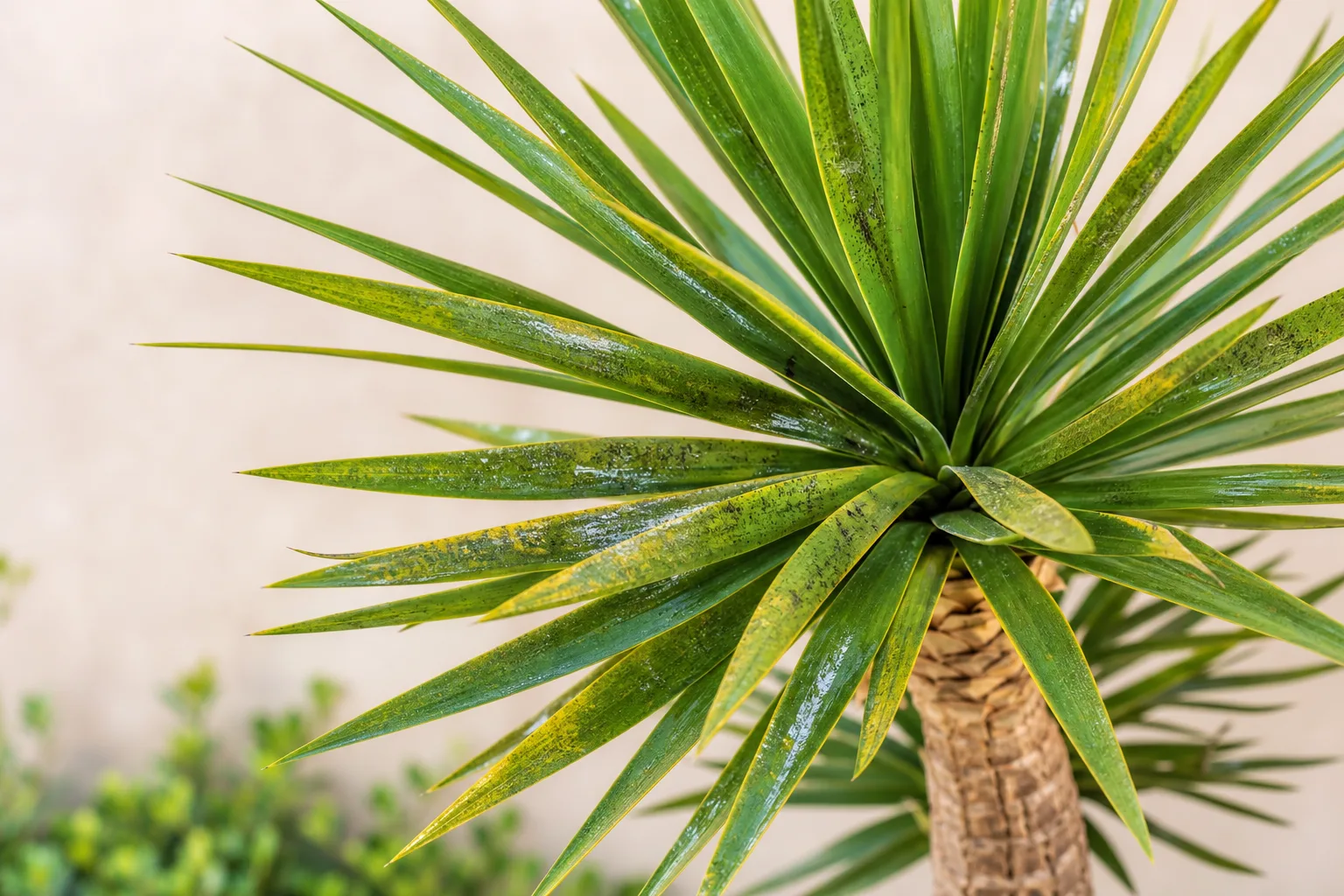
Sticky Leaves on Yucca Plant: Causes, Checks & Fixes
This guide covers sticky leaves on Yucca Plant. See also the general Sticky Leaves guide, watering, and light pages for this plant.
Sticky Leaves on Yucca Plant: Causes, Checks & Fixes
Quick answer
Sticky leaves on Yucca Plant (Yucca elephantipes) almost always mean honeydew-a sugary waste product from sap-sucking insects such as scale, aphids, and mealybugs. Healthy indoor yucca does not naturally sweat or drip sap onto its sword-shaped leaves.
First step: inspect cane joints, leaf bases, and new rosette tips for insects before you wipe the stickiness away. Treating the film alone without finding the pest lets honeydew return within days and can spread sooty mold across stiff foliage. If you confirm insects or their residue patterns, isolate the plant and address the underlying pest-not just the tacky coating.
What sticky leaves look like on Yucca Plant
On spineless yucca cane, stickiness shows up differently than on soft-leaved houseplants. The rigid sword leaves do not curl easily, so honeydew often pools on upper leaf surfaces below infested stem sections rather than distorting the blade itself.
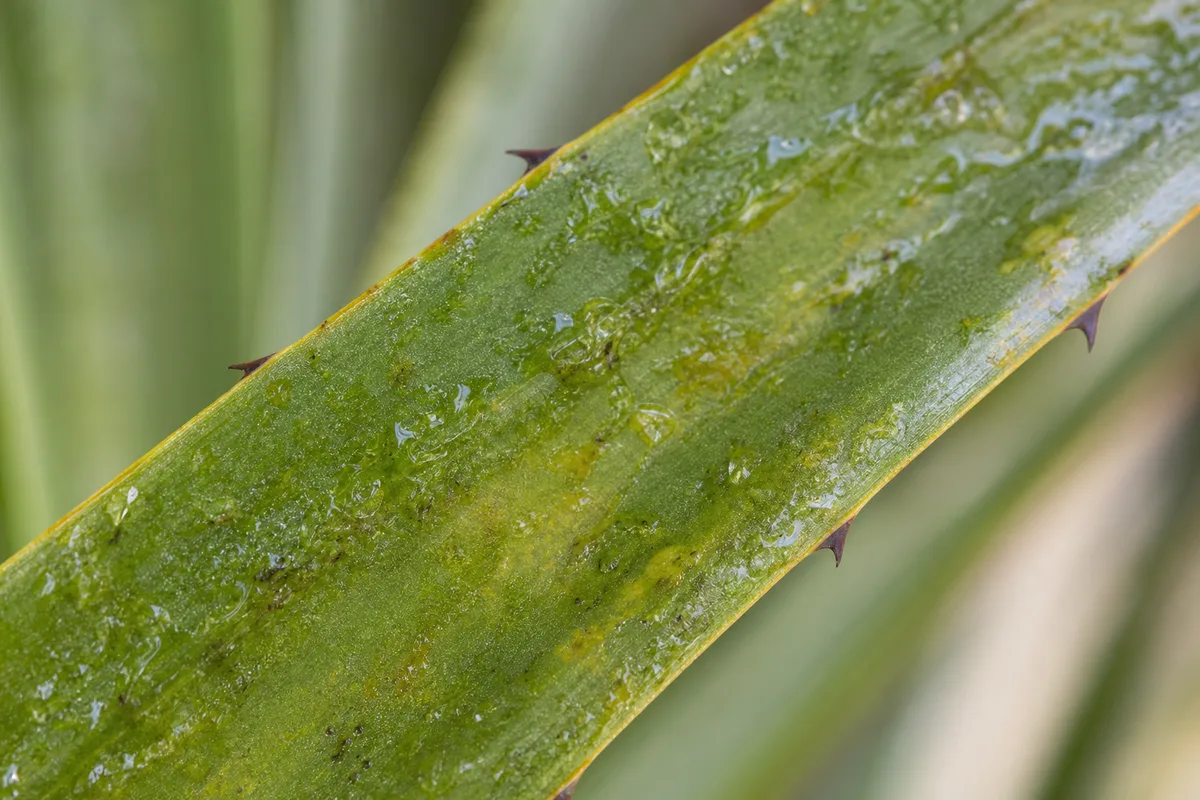
Sticky Leaves symptoms on Yucca Plant - compare with healthy tissue on the same plant.
Typical pest honeydew signs:
- Shiny, tacky film on sword leaves-especially upper blades below a cane joint or rosette
- Sticky residue on pot rims, saucers, floors, or furniture under tall specimens
- Hard tan or brown bumps along canes (scale)
- White cottony clusters in leaf axils or trunk folds (mealybugs)
- Soft green, black, or brown pear-shaped insects on new rosette tips (aphids)
- Black sooty mold that wipes off with a damp cloth
- Ant trails on the pot, saucer, or nearby surfaces
What is not normal stickiness:
- Even tackiness across every leaf with no insects, ants, or sooty mold
- Dry crispy tips without shine-those point to fluoride, salts, or low humidity
- White powder that does not feel sticky-likely powdery mildew, not honeydew
Unlike some petunias or other glandular plants, yucca leaves are not naturally resinous indoors. If you feel stickiness, assume pests until you prove otherwise.
Why Yucca Plant leaves turn sticky
Sap-feeding insects pierce leaves and stems, take in nutrient-rich phloem sap, and excrete excess sugar as honeydew. That residue falls onto lower sword leaves, pot edges, and surfaces below the plant. As it accumulates, a black fungus called sooty mold can grow on the coating-blocking light without infecting yucca tissue directly.
Yucca elephantipes is drought-adapted and slow-growing indoors, which makes honeydew damage deceptively serious. A moderate infestation on one cane can coat multiple stiff leaves while the plant still looks structurally fine from across the room. By the time stickiness reaches lower blades, pests have usually been feeding higher on the trunk for weeks.
Why yucca is a common host indoors:
Protected feeding sites. Thick woody canes, overlapping leaf bases, and rosette crowns give scale and mealybugs sheltered spots that sprays miss on the first pass. Scale attaches as immobile bumps along stems where whorls meet-exactly the architecture of a multi-stem yucca cane.
Warm stable indoor rooms. Pests reproduce year-round without outdoor cold to suppress populations. A single scale crawler or mealybug egg sac on a new nursery plant can build quietly on a floor specimen before stickiness spreads.
Ant protection. Ants harvest honeydew and defend aphid and scale colonies from predators. Ant activity on pot hardware often appears before you notice the insects feeding above.
Stress does not cause stickiness-but it worsens outcomes. overwatering on Yucca Plant, low light, and heavy feeding weaken slow-growing yucca while pests drain sap. The stickiness still comes from insects, not from watering mistakes alone.
How to confirm the cause
Work through these checks in order:
- Pattern on the plant - Localized shine on upper leaves below a stem section points to honeydew dripping from pests above. Even coating without a clear source still warrants a stem inspection.
- Cane and axil inspection - Run a hand lens along trunk folds, leaf bases, and rosette tips. Scale looks like hard bumps; mealybugs look cottony; aphids are soft-bodied clusters on new growth.
- Scratch test - Flick a brown bump with a fingernail. Moist tissue underneath confirms live scale-not bark texture or mineral crust.
- Sooty mold check - Rub a dark patch on a sword leaf. Sooty mold smears black and wipes away. Mineral dust or dried water spots do not leave a sweet tacky film.
- Ant trails - Follow ants from the floor or saucer up the pot toward feeding sites on the cane.
- Neighbor scan - Check plants within touching distance. Honeydew producers spread on tools, hands, and overlapping foliage.
- Soil sanity check - Confirm the pot is not waterlogged. Wet soil alone does not create stickiness, but pest stress plus soggy mix pushes yucca toward root rot on Yucca Plant faster than drought.
Confirmed diagnosis: tacky residue plus visible scale, mealybugs, aphids, ants, or wipe-able sooty mold tied to a stem section. Suspected but unconfirmed: stickiness with no insects found-recheck hidden leaf bases and lower cane bark before declaring the plant clean.
First fix for Yucca Plant
Move the yucca away from other houseplants, then inspect and physically remove every pest you can see before wiping honeydew off the leaves.
Isolation stops spread while you identify the insect. Dab scale and mealybugs with a cotton swab soaked in 70% isopropyl alcohol. Rinse or wipe aphids from new rosette tips with a damp cloth. Once visible pests are knocked down, wipe sticky sword leaves and stems with a soft damp cloth to remove fresh honeydew and light sooty mold.
Do not spray the whole plant on day one if you have not confirmed insects. Do not fertilize a pest-hit yucca hoping to push new growth-that produces tender tissue pests prefer. Do not overwater during treatment; yucca needs its mix to dry between waterings even while you fight pests.
Step-by-step recovery
After isolation and initial pest removal:
- Identify the pest type - Scale needs repeated alcohol dabs and horticultural oil on stems. Mealybugs need alcohol plus thorough axil coverage. Aphids often rinse off with water before insecticidal soap if they return.
- Apply labeled insecticidal soap or horticultural oil to stems, leaf bases, and lower leaf undersides once you know what you are treating. Coverage in cane crevices matters more than a light mist on leaf tips.
- Repeat treatments on a seven-to-ten-day schedule for at least three cycles. Scale and mealybug eggs hide under wax and shells-one application rarely clears an infestation on thick-stemmed yucca.
- Wipe honeydew and sooty mold from sword leaves after feeding stops. Mold does not infect yucca blades but blocks light when the coating is thick.
- Manage ants if they protect colonies. Ant barriers on pot rims or stakes help predators reach aphids and scale crawlers indoors.
- Trim only fully collapsed yellow leaves after the plant stabilizes-not during active treatment when you still need foliage for recovery.
Keep the plant quarantined until no new honeydew appears for at least two weeks.
Recovery timeline
Physical removal and wiping show results within days when populations are light. A full soap or oil course typically takes three to four weeks with scheduled repeats. Because yucca grows slowly indoors, expect clean new rosette leaves within four to eight weeks after pests stay gone-older coated sword blades may remain dull even when the plant is healthy again.
Judge recovery by absent stickiness, no new sooty mold, firm trunk tissue, and clean emerging tips-not by how quickly every lower leaf regains gloss.
Lookalike symptoms to rule out
Spider mites cause fine stippling and webbing, not heavy tacky honeydew. Confirm with a white-paper tap test on lower leaves.
Powdery mildew puts dry white powder on surfaces. It does not feel sticky and is not accompanied by ants or scale bumps.
Mineral or fertilizer crust on soil or pot edges can look white without insects underneath and without sweet tackiness on leaves.
Water spots or dust wipe off dry. Honeydew stays tacky until washed.
Overwatering yellows lower leaves and softens the cane base but does not coat blades in sugary film. Soft trunk plus wet soil is rot-still urgent, but a different problem than honeydew.
Mistakes to avoid
Do not wipe leaves and stop there. Honeydew returns until the pest is controlled.
Do not ignore ants. Controlling insects alone is harder while ants defend colonies.
Do not use household dish soap instead of labeled insecticidal soap-home mixes can injure foliage.
Do not return the plant to its display spot after one treatment. Two pest-free weeks is a safer quarantine bar.
Do not overwater during recovery. Pest stress plus soggy soil invites root rot on drought-adapted yucca.
Do not assume stickiness means the plant is doomed. Light infestations on architectural yucca cane respond well to methodical alcohol dabs and repeated oils or soaps.
Wear gloves when wiping sticky leaves or treating pests-yucca sap can irritate skin and the plant is toxic to cats and dogs if chewed.
Yucca Plant care cross-check
While treating sticky leaves, keep basic culture stable. Yucca elephantipes wants bright light, fast-draining sandy or cactus mix, and watering only after the soil dries completely. Stressed specimens in dim corners with wet peat mix fight pests poorly and rot faster if you increase watering during recovery.
Avoid heavy nitrogen feeds until insects are gone. Scout the plant monthly even after recovery-scale and mealybugs hide in the same cane joints that make yucca visually striking.
How to prevent sticky leaves next time
Quarantine every new houseplant for at least two weeks before placing it near your yucca. Reject nursery plants with bumps on stems or cottony wax in leaf axils.
Inspect cane joints and rosette tips monthly with a hand lens. Tall floor specimens hide pests at eye level while the crown looks fine from across the room.
Keep yucca in bright light with soil that dries between waterings. Healthy architectural plants tolerate low pest pressure better than weak specimens in dim, wet conditions.
Clean pruning tools and wash hands between plants when you trim canes or remove leaves.
When to worry
Treat as urgent when honeydew drips onto floors daily, sooty mold covers most sword leaves, ants actively farm the trunk, or multiple canes show heavy scale or mealybug colonies despite repeated treatment. Persistent failure after six weeks of diligent isolation and labeled sprays may mean discarding the plant to protect your collection.
Also urgent if the trunk base softens while you address stickiness. That combination points to rot from overwatering-not honeydew alone. Unpot, check root firmness, and dry out the mix before the cane collapses.
A light tacky patch on one stem with a few treatable bumps is manageable. Do not panic-but do not postpone isolation.
Conclusion
Sticky leaves on Yucca Plant are a symptom, not a disease. The tacky film is honeydew from scale, aphids, or mealybugs feeding on cane tissue and new rosette growth. Healthy indoor yucca does not produce that residue on its own. Isolate first, find the insect, remove what you can by hand, then follow with repeated labeled treatments until honeydew stops. Wipe sooty mold once feeding ends, keep soil on the dry side, and judge recovery by clean new tips emerging from the rosette-not by instant repair of every coated sword leaf below.
When to use this page vs other Yucca Plant guides
- Yucca Plant watering guide - Use for routine moisture checks before assuming sticky leaves is the main issue.
- Yucca Plant problems hub - Browse all 29 common issues on this species.