Yucca Plant Problems: Causes & Quick Fixes
Quick answer
Yucca Plant is prone to 31 common issues - each link below is a plant-specific fix guide.
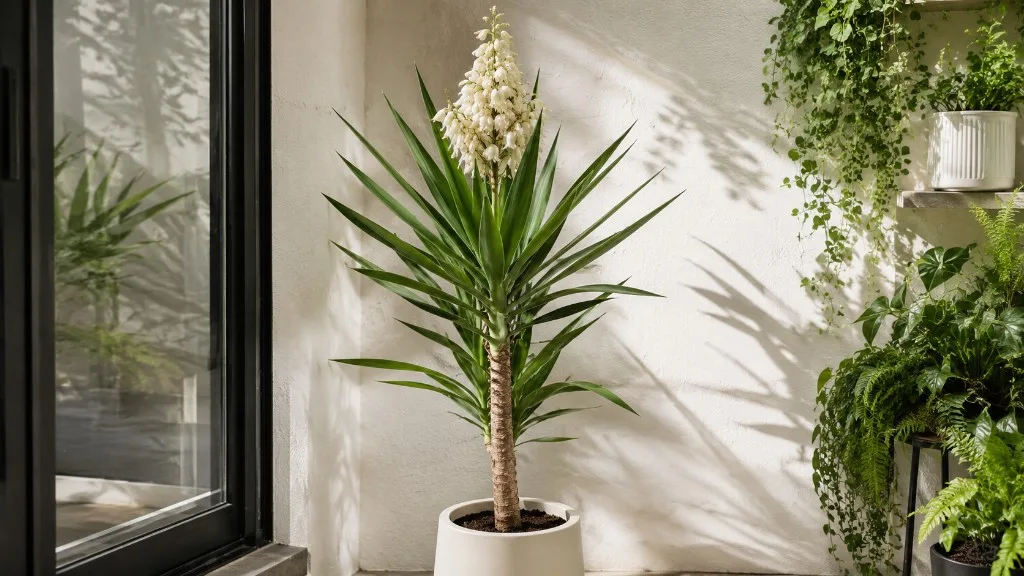
Yucca Plant problems
Use the guides below to diagnose and fix common issues on Yucca Plant. Each problem page explains why it happens on this species and what to do first.
Or use our problem diagnosis tool to narrow down symptoms.
Common problems on Yucca Plant
Aphids
MediumLikely cause: Aphids cluster on new yucca leaf bases, causing sticky honeydew and distorted growth.
Quick fix: Spray insecticidal soap on new growth; wipe honeydew from leaf bases.
Full fix guide →Brown Tips
LowLikely cause: Fluoride in tap water, low humidity, or fertilizer salts brown yucca leaf tips.
Quick fix: Use filtered water; reduce feeding and flush salts from the soil surface.
Full fix guide →Cold Damage
MediumLikely cause: Yucca elephantipes suffers below 7°C with blackened water-soaked leaf tissue indoors.
Quick fix: Move away from cold windows and drafty doors; trim damaged leaf tips.
Full fix guide →Crown Rot
HighLikely cause: Wet soil rots the yucca cane base where rosettes attach, collapsing the plant.
Quick fix: Cut away soft base tissue; repot remaining firm cane in dry cactus mix.
Full fix guide →Draft Stress
MediumLikely cause: Cold drafts from windows or AC vents shock yucca leaves, causing tip browning.
Quick fix: Relocate to a stable-temperature bright spot away from vents.
Full fix guide →Drooping Leaves
MediumLikely cause: Yucca leaves droop when roots are stressed by overwatering or poor drainage.
Quick fix: Check soil moisture and root firmness; reduce watering if soil stays wet.
Full fix guide →Fertilizer Burn
MediumLikely cause: Strong fertilizer or salt buildup scorches yucca leaf margins and tips.
Quick fix: Flush soil with water; feed at half strength every 2–3 months in summer only.
Full fix guide →Leaf Spot Disease
MediumLikely cause: Fungal leaf spot causes brown or black spots on yucca sword leaves in humid stagnant air.
Quick fix: Remove spotted leaves; improve airflow and reduce overhead moisture.
Full fix guide →Leggy Growth
MediumLikely cause: Insufficient light produces thin stretched yucca canes with sparse rosettes.
Quick fix: Move to bright indirect or direct light near a south window.
Full fix guide →Low Humidity
LowLikely cause: Dry indoor air browns yucca leaf tips though the plant tolerates 30–50% humidity.
Quick fix: Use filtered water; avoid placing near heating vents.
Full fix guide →Mealybugs
MediumLikely cause: Mealybugs hide at yucca leaf bases and along canes as white cottony clusters.
Quick fix: Dab with isopropyl alcohol; spray neem oil on stems and leaf axils weekly.
Full fix guide →No Drainage Hole
HighLikely cause: Pots without drainage trap water at yucca roots, causing rapid rot.
Quick fix: Repot immediately into a container with drainage holes and sandy mix.
Full fix guide →Not Enough Light
MediumLikely cause: Yucca elephantipes weakens in deep shade, producing pale thin leaves.
Quick fix: Provide bright indirect to direct light for at least 6 hours daily.
Full fix guide →Overfertilization
MediumLikely cause: Excess fertilizer accumulates salts that burn yucca leaf tips and slow growth.
Quick fix: Flush soil; feed sparingly every 2–3 months during spring and summer.
Full fix guide →Overwatering
HighLikely cause: The leading yucca problem—wet soil rots roots and softens the cane base.
Quick fix: Allow soil to dry completely; empty saucers and reduce winter watering.
Full fix guide →Poor Drainage
HighLikely cause: Heavy soil without sand or perlite causes waterlogging and yucca root rot.
Quick fix: Repot in fast-draining cactus mix with 30% sand or perlite.
Full fix guide →Root Rot
HighLikely cause: Consistently wet soil causes foul-smelling mushy roots and collapsing yucca canes.
Quick fix: Unpot, trim rotten roots and soft trunk sections; repot in dry sandy mix.
Full fix guide →Likely cause: Fertilizer salts crust on yucca soil and burn leaf tips from the roots up.
Quick fix: Scrape surface salts; flush pot with water and use filtered water going forward.
Full fix guide →Scale Insects
MediumLikely cause: Scale insects attach as hard bumps on yucca stems, causing sticky honeydew.
Quick fix: Scrape with alcohol-soaked cotton; apply horticultural oil to stems.
Full fix guide →Slow Growth
LowLikely cause: Yucca grows slowly indoors in low light or when overwatered roots are stressed.
Quick fix: Increase light exposure; ensure soil dries between waterings.
Full fix guide →Spider Mites
MediumLikely cause: Spider mites cause fine webbing and stippling on yucca leaves in dry indoor air.
Quick fix: Rinse leaves and apply insecticidal soap; increase humidity slightly.
Full fix guide →Stem Rot
HighLikely cause: Soft discolored areas at the yucca cane base indicate rot spreading from wet roots.
Quick fix: Cut away soft trunk tissue with sterile tools; repot firm sections in dry mix.
Full fix guide →Sticky Leaves
MediumLikely cause: Scale and aphid honeydew coats yucca leaves with a sticky film that attracts sooty mold.
Quick fix: Treat underlying pests with alcohol or insecticidal soap; wipe leaves clean.
Full fix guide →Likely cause: Sudden move to intense direct sun scorches yucca leaves moved too quickly outdoors.
Quick fix: Acclimate gradually; trim scorched tips and provide partial shade for one week.
Full fix guide →Underwatering
MediumLikely cause: Yucca leaves curl and feel less rigid when soil stays dry too long between waterings.
Quick fix: Water deeply when the top few cm of soil are dry; avoid long drought in summer.
Full fix guide →Water Stress
MediumLikely cause: Alternating wet and dry cycles stress yucca roots, causing yellow or drooping leaves.
Quick fix: Water only when soil is dry; maintain consistent drainage and light.
Full fix guide →Wilting
MediumLikely cause: Yucca wilts from root rot when overwatered or from severe underwatering drought.
Quick fix: Check root firmness before watering; adjust drainage if soil smells sour.
Full fix guide →Wrong Soil Mix
HighLikely cause: Standard potting mix without sand suffocates drought-adapted yucca roots.
Quick fix: Repot in fast-draining sandy or cactus blend with perlite.
Full fix guide →Yellow Leaves
MediumLikely cause: Yellow yucca leaves with brown halos signal constant overwatering and root stress.
Quick fix: Let soil dry fully; inspect roots and repot in dry mix if any are mushy.
Full fix guide →Fungus Gnats
MediumLikely cause: Fungus gnats on Yucca Plant almost always mean the soil surface stays wet too long. First step: stop watering and let the top 2–3 inches dry completely-yucca cane stores water in its trunk and tolerat
Quick fix: See plant-specific guide for step-by-step fixes.
Full fix guide →Mold on Soil
MediumLikely cause: White mold on Yucca Plant soil usually means the surface stays damp from overwatering or peaty mix-not a dangerous disease on a healthy trunk. Scrape the mold, let the surface dry, and fix your wateri
Quick fix: See plant-specific guide for step-by-step fixes.
Full fix guide →