Mealybugs on Yucca Plant: Causes, Checks & Fixes
Quick answer
Mealybugs on Yucca Plant show up as white cottony clusters in leaf axils and trunk folds. Isolate the plant, dab visible bugs with 70% alcohol on a cotton swab, then follow with insecticidal soap on repeat intervals until no new pests appear for two weeks.
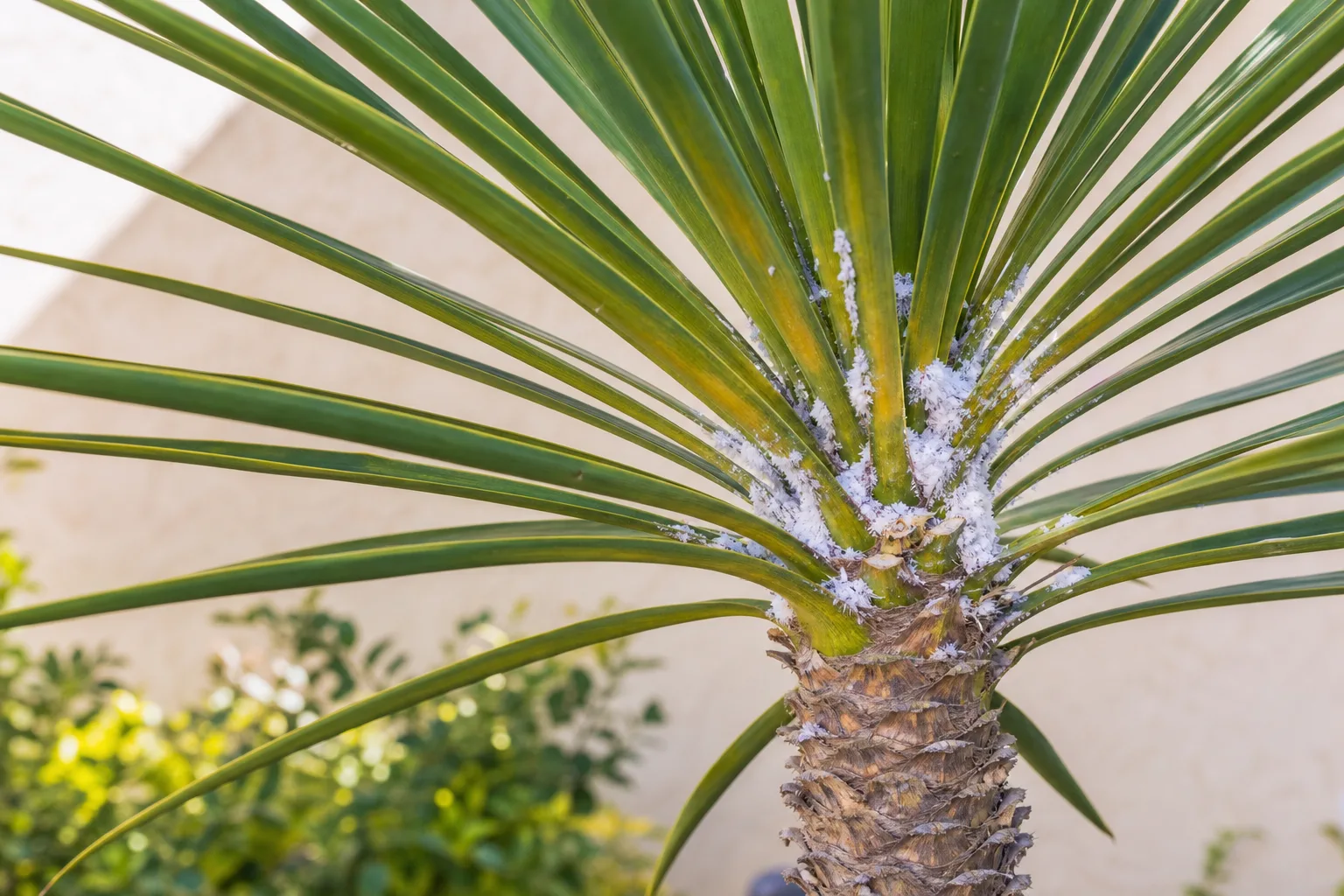
Mealybugs on Yucca Plant: Causes, Checks & Fixes
This guide covers mealybugs on Yucca Plant. See also the general Mealybugs guide, watering, and light pages for this plant.
Mealybugs on Yucca Plant: Causes, Checks & Fixes
Quick answer
Mealybugs on Yucca Plant appear as white, cottony clusters tucked into leaf axils, branch crotches, and the wrinkles along woody canes. They are common problems on houseplants that suck sap, weaken growth, and leave sticky honeydew that can grow sooty mold on sword-shaped leaves.
First step: isolate the plant and dab every visible mealybug with 70% isopropyl alcohol on a cotton swab. Alcohol kills on contact and is the safest opening move on a slow-growing architectural plant. After knockdown, follow with thorough insecticidal soap sprays on a repeat schedule-one treatment rarely clears eggs hidden in trunk folds.
What mealybugs look like on Yucca Plant
On spineless yucca (Yucca elephantipes), the first sign is usually cottony white wax in protected spots-not scattered across leaf blades. Mealybugs often live in branch crotches, stem crowns, or on stems near the soil, which matches how yucca canes branch and hold rosettes of stiff leaves at the top.
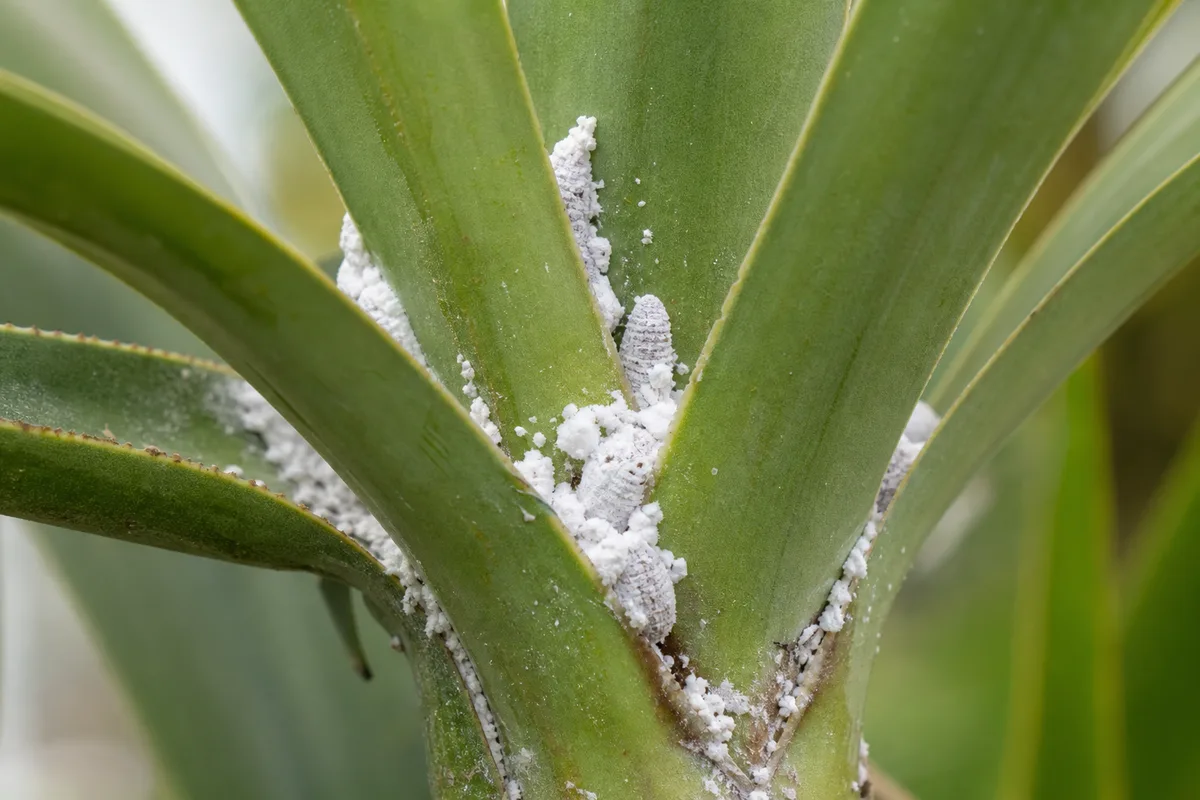
Mealybugs symptoms on Yucca Plant - compare with healthy tissue on the same plant.
Typical signs include:
- White, powdery or fluffy clusters at leaf bases where swords meet the trunk
- Waxy egg sacs that look like small puffs of cotton in cane joints
- Slow-moving oval insects if you disturb a cluster with a swab
- Sticky, shiny residue on leaves below feeding sites
- Black sooty mold growing on honeydew-coated foliage
- Yellowing or stunted new leaves when populations build
Unlike scale insects, which form hard tan or brown bumps you must scrape off, mealybugs look soft and cottony. Unlike spider mites, they do not produce fine webbing or stippling across leaf surfaces-though both pests can hit the same stressed yucca.
Why Yucca Plant gets mealybugs
Yucca elephantipes is a drought-adapted desert plant that tolerates dry indoor air and wants well-drained sandy soil. That does not make it immune to mealybugs. Warm, stable indoor temperatures let mealybugs reproduce year-round without cold winters to knock populations down.
Several factors make yucca vulnerable:
Protected hiding sites. Thick woody canes, overlapping leaf bases, and pot rims give mealybugs exactly the sheltered crevices they prefer. A tall multi-stem yucca can host colonies on three canes while the crown still looks clean from across the room.
Introduction on new plants. Mealybugs are often brought in on infested plants. Yucca is a common floor or corner specimen-one hitchhiker on a new pothos or ficus can spread to the yucca when leaves touch or when you move plants for watering.
Stress and soft growth. overwatering on Yucca Plant, low light, and heavy nitrogen feeding produce tender shoots that attract sap feeders. On yucca, the bigger risk is hidden colonies weakening an already slow-growing plant while you focus on yellow leaves or drooping tips from root stress.
Dry air is not protective. Spider mites love hot dry conditions on yucca, but mealybugs also thrive indoors on succulents, dracaena, and other architectural plants. Do not assume drought tolerance means pest resistance.
How to confirm the cause
Work through these checks before committing to sprays:
- Location pattern - Cottony wax concentrated in axils, forks, and trunk folds points to mealybugs. Uniform leaf yellowing without wax clusters suggests watering or root problems instead.
- Touch test - Press a swab into a white cluster. Mealybugs crush to a pinkish or yellowish smear; scale stays hard; mineral dust wipes off dry.
- Movement check - Young crawlers are tiny and pale; adults move slowly when disturbed. No movement in a hard shell means scale, not mealybug.
- Honeydew trail - Sticky upper leaves directly below a stem section confirm active sap feeding above. Wipe the stickiness-sooty mold that returns means pests are still present.
- Pot and saucer inspection - Mealybugs may rest on the outside of the pot, under rim lips, or on stakes. Check before you declare the plant clean.
- Neighbor scan - Inspect plants within arm’s reach. Mealybugs crawl short distances and spread on tools, hands, and touching foliage.
Confirmed diagnosis: white cottony colonies in protected yucca crevices plus honeydew or sooty mold. Suspected but unconfirmed: isolated white specks-use a hand lens before treating the whole plant.
First fix for Yucca Plant
Move the yucca away from other houseplants, then dab every visible mealybug and egg sac with a cotton swab soaked in 70% isopropyl alcohol.
This single action isolates the infestation, kills adults on contact, and avoids coating the entire plant in spray on day one. UC IPM recommends dabbing mealybugs with a 70% or less alcohol solution on houseplants, testing a small leaf area first if you are unsure about phytotoxicity. On yucca’s stiff sword leaves, keep alcohol on the insects-not pooled across leaf surfaces.
Do not water heavily right after treatment. Wet soil combined with pest stress invites root problems on a plant that needs its mix to dry between waterings. Do not fertilize a mealybug-hit yucca hoping to push new growth-that produces soft tissue pests prefer.
Step-by-step recovery
After the initial alcohol knockdown:
- Repeat alcohol dabs every three to four days on any new cottony clusters you find during inspection. Target cane joints and leaf bases systematically.
- Apply insecticidal soap once visible counts drop. Insecticidal soaps work on contact against soft-bodied pests including mealybugs but must wet the insect directly. Spray stems, leaf axils, and undersides of lower leaves until runoff-coverage matters more than concentration.
- Repeat soap every seven to ten days for at least three cycles. The protective waxy coating and hiding habit make one spray insufficient. Schedule repeats to catch newly hatched crawlers.
- Wipe honeydew and sooty mold from sword leaves with a damp cloth once feeding stops. Mold does not infect yucca tissue but blocks light on heavily coated blades.
- Trim only fully yellowed, collapsed leaves after the plant stabilizes. Do not strip the rosette bare during active treatment.
- Check root-zone mealybugs if stems look clean but decline continues. Some species feed on roots in pots. Root-feeding mealybugs are associated with several houseplants-if top growth stays pest-free yet the yucca wilts, inspect roots during repot and discard badly infested soil.
Keep the plant isolated until you see no new cottony masses for at least two weeks.
Recovery timeline
Alcohol dabs show results within a day on contacted insects. A full soap course typically takes three to four weeks with weekly repeats. Because yucca grows slowly indoors, expect clean new rosette leaves within four to eight weeks after pests are gone-older spotted or yellowed swords may not fully green up again.
Judge success by absent cottony wax, dry honeydew, and firm trunk tissue-not by how quickly lower leaves re-green.
Lookalike symptoms to rule out
Scale insects form hard, immobile bumps along canes. They also produce honeydew, but bumps do not look cottony and must be scraped off.
Spider mites cause fine stippling and silk webbing, especially in hot dry air. Confirm with a white-paper tap test, not wax clusters.
Powdery mildew puts dry white powder on leaf surfaces, not in axils. It does not leave sticky honeydew.
Mineral or fertilizer residue can leave white crust on soil or pot edges without insects underneath.
Normal cane texture on mature yucca is smooth and woody-not fluffy. When in doubt, swab the spot: mealybugs crush; bark does not.
Mistakes to avoid
Do not stop after one alcohol session. Egg sacs in trunk folds hatch over the following weeks.
Do not use household dish soap as a substitute for labeled insecticidal soap-home remedies can injure foliage.
Do not return the plant to its display location after a single treatment. Two pest-free weeks is a safer quarantine bar.
Do not overwater during recovery. Mealybug stress plus soggy soil pushes yucca toward root rot on Yucca Plant faster than drought ever would.
Do not ignore ants. Ants protect honeydew producers and make biological control impossible indoors.
Wear gloves when handling treated plants-Yucca is toxic to cats and dogs and sap can irritate skin during pruning or wiping.
How to prevent mealybugs next time
Quarantine every new houseplant for at least two weeks before placing it near your yucca. Inspect leaf axils and stems at purchase-reject plants with white wax clusters.
Scout your yucca monthly, running fingers along cane joints and checking leaf bases with a hand lens. Tall plants hide pests at eye level while the crown looks fine.
Keep the plant in bright full sun to part shade with fast-draining mix and watering only after the soil dries. Healthy, unstressed yucca tolerates low pest pressure better than a weak specimen in dim, wet conditions.
Avoid heavy nitrogen feeds that push soft, mealybug-friendly new tissue. Yucca needs only light feeding during active growth.
Clean tools between plants when you prune canes or remove leaves. Mealybugs hitchhike on blades and hands.
When to worry
Treat as urgent when cottony colonies cover most cane joints, ants actively farm the trunk, or honeydew drips onto furniture despite initial treatment. Heavily infested houseplants are difficult to control-persistent failure after six weeks of diligent repeats may mean discarding the plant to protect your collection.
Also urgent if the trunk base softens while you fight pests. That points to rot from overwatering, not mealybugs alone. Unpot, check root firmness, and address wet soil before the cane collapses.
A few isolated clusters on one stem are manageable with alcohol and soap. Do not panic-but do not postpone isolation.
Conclusion
Mealybugs on Yucca Plant reward methodical inspection more than aggressive spraying. The pests hide in exactly the crevices that make yucca visually striking-leaf axils, cane forks, and trunk wrinkles. Isolate first, dab with alcohol, confirm you have mealybugs rather than scale, then repeat insecticidal soap until crawlers stop appearing. Slow-growing yucca recovers through clean new rosette growth, not instant leaf repair-stay patient, keep soil on the dry side, and scout neighboring plants before you declare the infestation over.
When to use this page vs other Yucca Plant guides
- Yucca Plant watering guide - Use for routine moisture checks before assuming mealybugs is the main issue.
- Yucca Plant problems hub - Browse all 29 common issues on this species.
- Sticky Leaves on Yucca Plant - Different entry point when symptoms overlap with mealybugs.
- Yellow Leaves on Yucca Plant - Different entry point when symptoms overlap with mealybugs.
- Slow Growth on Yucca Plant - Different entry point when symptoms overlap with mealybugs.