Yucca Plant Watering: Schedule, Soil Checks & Mistakes
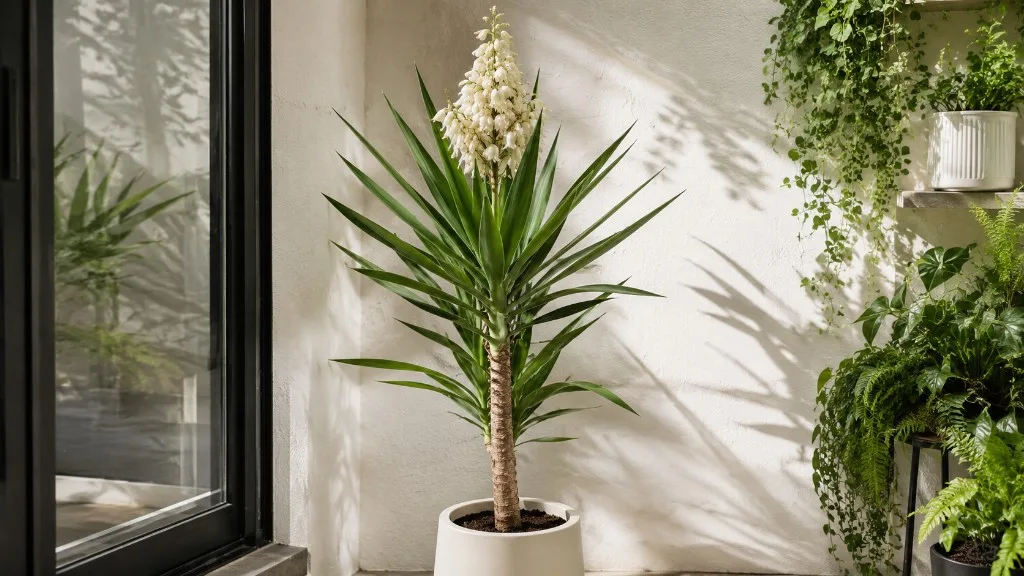
Yucca Plant Watering: Schedule, Soil Checks & Mistakes
Yucca Plant Watering: Schedule, Soil Checks & Mistakes
Yucca plant watering breaks almost every rule you learned from tropical houseplants. Yucca elephantipes - the spineless or giant yucca sold in most garden centers and office lobbies, sometimes labeled Yucca gigantea - evolved in Central America and Mexico, where long dry spells alternate with heavy rain. Indoors, that biology translates into one non-negotiable principle: let the soil dry completely between waterings. Not “slightly damp is fine.” Not “water every Tuesday because the app said so.” Dry - then soak, drain, and dry again.
The plant stores water in thick leaves and a woody trunk, tolerates drought far better than wet feet, and dies quickly when roots sit in soggy mix. overwatering on Yucca Plant - not underwatering on Yucca Plant - is the reason most indoor yuccas develop yellow leaves, soft trunks, and foul-smelling soil. Winter makes the problem worse because cooler temperatures and shorter days slow growth while the same pot holds moisture longer. Reduce water sharply from late fall through early spring, check the root zone before every drink, and treat a dry yucca as recoverable and a wet one as an emergency.
This guide covers how often to water, how to test soil dryness reliably, what overwatering and root rot on Yucca Plant look like, seasonal adjustments, and how to pull a yucca back from the edge when you watered once too often.
Why Yucca Plants Need Dry Soil More Than Frequent Water
Yucca plants are drought-tolerant by design. In habitat they experience months with little rain, then sudden downpours that drain through sandy or volcanic soil within hours. Roots breathe. Stems and leaves hold reserves. When you keep indoor mix continuously moist, you recreate the one condition yucca cannot tolerate: waterlogged soil with no oxygen at the root zone.
Missouri Botanical Garden lists Yucca elephantipes with a “Dry to medium” water requirement and instructs growers to water pots regularly but allow the soil to dry out between waterings (Missouri Botanical Garden - Yucca elephantipes). That phrasing matters. “Dry to medium” does not mean wet. It means the plant accepts moderate irrigation only after the previous drink has fully cleared the root zone.
University-style overwatering guidance explains the mechanism clearly: roots in saturated soil cannot absorb oxygen, die back, and decay; the plant then cannot take up water or nutrients even though the mix is wet (Missouri Botanical Garden - Overwatering). Yucca shows the same stunted growth, yellowing, and wilting that people misread as “needs more water” - which leads to another round of soaking and accelerates root rot.
Spineless yucca is more forgiving of occasional moisture than strict desert species like Yucca rostrata, but it is not a peace lily. Treat it like a succulent with a tree trunk: generous drinks spaced far apart, never a constant dribble. If you are choosing between slightly too dry and slightly too wet, slightly too dry wins every time.
How Often to Water a Yucca Plant Indoors
There is no honest universal calendar for how often to water a yucca plant. A rigid “every two weeks” schedule fails because pot size, soil texture, light intensity, room temperature, and season all change how fast mix dries. What works as a starting framework - not a rule - looks like this:
During active growth (roughly spring through early fall), many indoor yuccas in bright light need water about every 10 to 14 days, but only when the soil has dried to the appropriate depth. In winter, the same plant in the same pot may need water once every three to four weeks, sometimes less. Growers in warm, brightly lit homes may water more often in summer; those in cool, dim rooms may water less year-round.
The interval is a consequence of dryness, not a cause. Your job is to check, not to obey a reminder. When the top 2 to 3 inches of mix feel completely dry - or the entire root zone is dry in smaller pots - it is time to water. If any moisture remains at depth, wait. A yucca that goes an extra four days dry will shrug it off. A yucca whose roots sit wet for four extra days may not.
Track how your specific container behaves for two full cycles. Note the date you watered, when the pot felt light again, and what the plant looked like. Within a month you will know your home’s rhythm better than any blog’s generic schedule.
The Soak-and-Dry Method That Works for Yucca
The soak-and-dry method mimics natural rain followed by drought: one thorough irrigation, complete drainage, then no water until the mix dries again. This is the standard best practice for drought-adapted container plants because it wets the entire root ball once, flushes stale air pockets, and then lets oxygen return as water exits through drainage holes.
For yucca, partial top watering - a cup every few days - is actively harmful. It keeps the upper layer damp while never reaching deep roots, encourages shallow root growth, and hides wet conditions lower in the pot where rot begins. One deep soak per dry cycle trains roots to use the full soil volume and matches how the plant handles water in nature.
When you do water, apply slowly and evenly across the surface until water runs freely from the drainage holes. That confirms the root ball received moisture throughout, not just at the rim. Stop there. Do not water again until dryness checks pass. The dry phase is as important as the wet phase; without it, yucca roots cannot function.
How to Check Soil Dryness Before You Water
Surface color lies. Mix can look pale and cracked on top while staying damp near the roots - especially in peat-heavy blends that dry unevenly. Use at least one of these checks every time:
Finger or knuckle test: Insert your finger or knuckle 2 to 3 inches into the mix. If you feel any coolness or cling, wait. Bone dry at that depth means you can proceed - in a small pot, check closer to the bottom by gently tipping the plant or using a chopstick.
Skewer or chopstick test: Push a dry wooden skewer deep toward the pot bottom. Pull it out. Darkening or soil sticking to the wood means moisture remains. Clean, dry wood means the root zone has dried enough for yucca.
Pot weight test: Lift the container after a fresh watering and again daily until it feels noticeably lighter. Experienced growers often rely on weight more than touch because it reflects moisture through the whole column, not just the top inch.
Moisture meters can help if you calibrate them to your mix, but they misread in very coarse cactus blends. Treat them as one signal among several, not a single authority.
Never water because the calendar says so. Never water because the top layer looks dry while the pot still feels heavy. Never water a yucca sitting in a saucer of old runoff.
Signs You Are Overwatering Your Yucca
Yucca overwatering announces itself in layers, and early signs are easy to dismiss. Catch them before the trunk goes soft.
Watch for widespread yellowing that is not limited to the oldest lowest leaf. Natural senescence drops one or two bottom leaves occasionally; overwatering yellows multiple leaves at once, often starting from the base and moving up. Brown or black spots on leaves, especially with a water-soaked appearance, can indicate cells bursting from excess uptake - a condition related to oedema in other plants.
Soft or mushy tissue at the trunk base is a late-stage alarm. Healthy yucca stems are firm and woody. Sponginess means rot has entered the caudex or lower stem. A sour or rotten smell from the mix confirms anaerobic conditions and decaying roots. Wilting or drooping despite wet soil is the paradox that traps beginners: the plant cannot pull water up because roots are dead, so it looks thirsty when it is drowning.
Slow or absent new growth during warm bright months, combined with soil that stays dark and cool for days after watering, points to a chronically wet root zone. Fungus gnats hovering around the surface often mean mix that never dries - they breed in perpetually moist organic matter.
If several of these appear together, stop watering immediately. Do not “give it a little drink to perk it up.” That is the mistake that finishes the plant.
Root Rot: How It Starts and What It Looks Like
Root rot on yucca almost always follows overwatering, poor drainage, or both - not random bad luck. When soil stays wet, fungi such as Phytophthora and Fusarium colonize compromised root tissue. UF/IFAS Extension lists root rot in soils kept too moist as the primary disease concern for spineless yucca. Roots turn brown, black, or mushy instead of firm and white or tan. The decay spreads upward into the stem base.
Early root rot is invisible above ground. By the time leaves yellow and the trunk softens, significant root mass may already be lost. Pull the plant gently from its pot if you suspect trouble: healthy roots smell like earth and feel resilient; rotting roots smell foul, slip apart when touched, and may be concentrated near the bottom of the pot where water pooled.
Indoor yuccas face extra risk from decorative cachepots without drainage, blocked drainage holes, dense all-purpose potting soil without amendment, and watering on a tropical-plant schedule. Older, larger specimens in oversized pots are particularly vulnerable because a big volume of wet mix takes weeks to dry while roots starve for oxygen the entire time.
Recovery is possible only while firm, healthy tissue remains above the rot line. Once the trunk base collapses, saving the whole plant is unlikely - though cane sections above clean hard wood can sometimes be propagated. Prevention beats surgery every time.
Signs Your Yucca Needs Water
Underwatering is real but less common indoors. A dry yucca usually tells you plainly.
Leaves may curl inward or look slightly shrunken, losing their plump, rigid feel. Leaf tips may brown from prolonged drought, though tip burn also comes from fluoride, low humidity, or old age - context matters. Soil pulls away from the pot walls, and the container feels very light. In extreme cases, lower leaves dry and drop, but the trunk stays hard.
A single dry episode rarely kills a yucca. These plants are built to wait. Rehydrate with one full soak, let excess drain, then return to the dry-down cycle. Do not compensate with daily sips; that swings the problem to overwatering within a week.
If leaves are limp and the mix is wet, you are not underwatered - you are overwatered. The fix is opposite: dry out, inspect roots, repot if necessary. Confusing the two conditions is the fastest route to losing the plant.
Seasonal Watering: Active Growth vs Winter Dormancy
Yucca metabolism follows light and temperature, not your watering app. During warm months with longer days, the plant may produce new leaves and use stored water faster. The pot dries more quickly, and you check more often - sometimes weekly in bright, warm conditions.
As fall transitions to winter, growth slows even indoors. Cooler rooms, shorter days, and lower light all reduce water uptake. The same watering volume that worked in August will waterlog the root zone in January. This is when most experienced growers lose yuccas: they maintain summer frequency through winter without noticing the mix stays wet for three weeks.
Treat October through February (adjust for your hemisphere and climate) as a low-water season. Check less often, water less often, and prioritize dryness over generosity. Resume more frequent checks only when you see consistent new growth and rising indoor temperatures in spring.
How Much to Cut Back Water in Winter
Missouri Botanical Garden’s guidance for container Yucca elephantipes in indoor winter months is explicit: reduce watering to the minimum - keep soils dry with only enough water to prevent foliage depreciation (Missouri Botanical Garden - Yucca elephantipes). That is horticultural shorthand for “water rarely, and only when truly dry.”
In practice, many homes need roughly one deep watering every three to four weeks in winter, sometimes once a month or less in cool, dim conditions. A yucca near a heating vent may dry faster; one in a north-facing room may need almost nothing between December and March.
Do not fertilize on a wet winter schedule - unfed and slightly dry beats fed and soggy. If you moved the plant away from a bright window for the season, cut water further because reduced light slows transpiration. The goal is to keep the root zone mostly dry with brief, complete soak cycles rather than evenly moist soil.
Pot Size, Soil Mix, and Drainage Matter More Than the Calendar
Two yuccas in identical rooms can need water on different schedules because their pots and mix store and release moisture differently. A yucca freshly repotted into a pot one size larger sits in a reservoir of mix that roots have not yet colonized - it stays wet longer than the grower expects. A rootbound plant in a small terracotta pot may need water twice as often in summer because roots fill the volume and clay pulls moisture from the walls.
Drainage holes are mandatory. Missouri Botanical Garden overwatering guidance explains that without drainage, roots in saturated soil cannot absorb oxygen and die back. Without them, no watering technique saves the plant. Even one blocked hole traps water at the bottom where roots die first. Elevate pots slightly on feet or a rack if saucers are necessary for furniture protection - but empty saucers promptly after each watering.
Choosing Pots and Mix That Dry at the Right Speed
Use a fast-draining mix: commercial cactus and succulent blend, or standard potting soil amended 50/50 or heavier with perlite, pumice, or coarse sand. Pure peat-based indoor mix compacts, holds water, and suffocates yucca roots over time. The mix should feel gritty, drain in seconds when you water a sample in your hand, and never stay soggy overnight.
Terracotta and unglazed clay breathe and accelerate dry-down - excellent for yucca, especially for beginners who tend to overwater. Glazed ceramic and plastic retain moisture longer; adjust checks accordingly. Oversized decorative pots look impressive but hold dangerous volumes of wet soil relative to root mass. Size up only when roots clearly need room, and never more than one to two inches wider in diameter at a time.
If your yucca dries in two days or stays wet for three weeks, the problem is usually pot-to-root ratio or mix composition, not the plant being “difficult.” Fix the container environment before chasing a better calendar.
How Light, Temperature, and Humidity Change Water Needs
Light drives water use. A yucca in bright indirect to direct sun transpires faster and pulls moisture from mix more aggressively than one in a dim corner. UF/IFAS Extension notes spineless yucca has high drought tolerance and should not be irrigated on poorly drained sites. Low-light yuccas need less water, not the same schedule with weaker growth - yet low light plus frequent watering is the classic overwatering setup because the plant cannot use what you supply.
Temperature works in the same direction: warm rooms speed drying and metabolism; cool rooms slow both. A yucca summering outdoors on a patio may need water every week; brought indoors to a 18°C (65°F) room, it may need half that frequency.
Humidity matters less for yucca than for tropicals. Average indoor humidity (30–50%) is fine. Very dry winter air may increase tip browning but does not justify keeping soil moist - misting leaves does not replace root-zone management and can encourage fungal spotting. If air is extremely dry, address humidity separately; keep the soil dry-down rule unchanged.
Air currents from heating vents, air conditioners, and drafty windows alter evaporation from the pot surface. Note placement changes when your watering rhythm suddenly stops matching reality.
Watering Outdoor Yucca vs Indoor Container Plants
Outdoor yucca in the ground - where hardy - often needs supplemental water only during prolonged drought once established. Rain handles most of the work. In raised beds or sandy soil, deep occasional soaking beats frequent shallow sprinkles. Never plant yucca in low spots where water pools after rain.
Container yucca outdoors dries faster than indoor pots in summer sun and may need water weekly or more during heat waves. Always verify dryness; hot weather can desiccate a small pot in days. Before frost, move containers indoors and reset expectations downward - outdoor summer frequency will rot roots in a winter living room.
Indoor yucca depends entirely on you. There is no rainfall safety valve. Cachepots, saucers, and dim corners make indoor culture harder than outdoor container summer culture in many homes. The same soak-and-dry principle applies everywhere; only the interval changes.
Step-by-Step: How to Water a Yucca Correctly
Follow this sequence every time:
- Check dryness with finger, skewer, or pot weight at 2–3 inches depth minimum.
- If dry, bring the plant to a sink or use a watering can with a narrow spout. Water slowly until flow runs from drainage holes - typically several minutes for a large pot.
- Let the pot drain completely for 15–30 minutes. Tilt to pour off any trapped water in the bottom saucer or outer pot.
- Return the plant to its spot. Do not water again until the next dryness check passes - days or weeks later, not hours.
- Log mentally or on paper how many days until the pot lightens again. Adjust seasonal expectations from that observation.
Skip watering if the plant is recently repotted into moist mix, if weather turned cool and growth paused, or if leaves are yellow and soil smells sour - diagnose first.
What to Do With Runoff and Saucers
Never let a yucca sit in drained water. Saucers and decorative outer pots are the silent killers of otherwise healthy plants. Water pools, wicks back into the mix through the drainage holes, and recreates the anaerobic conditions you just tried to avoid.
After each watering, empty the saucer twice if needed - once immediately and again after ten minutes as more water exits. If the plant lives in a cachepot, remove the inner nursery pot, water in the sink, drain fully, then replace. If you cannot remove the inner pot easily, water lightly enough to moisten without flooding - but the better fix is a proper draining setup.
Excess runoff also carries soluble salts from tap water and fertilizer. Discarding it prevents salt buildup at the root zone, which can cause tip burn independent of watering frequency.
Common Yucca Watering Mistakes and How to Fix Them
Watering on a fixed weekly schedule regardless of soil moisture is the top mistake. Fix: delete the reminder; keep a “check soil” reminder instead.
Using dense, moisture-retentive potting soil without amendment. Fix: repot into gritty mix or amend heavily with perlite and sand at next opportunity.
Leaving the plant in a pot without drainage because the decorative container is pretty. Fix: keep the yucca in a nursery pot inside the decorator, or drill holes.
Misting instead of checking soil because leaves look dull. Fix: assess root zone; misting does not hydrate roots and may spread disease on wounded tissue.
Watering when the plant wilts without checking moisture - especially dangerous when roots are rotting. Fix: feel the mix; wet plus wilt equals overwatering, not drought.
Continuing summer frequency through winter. Fix: cut intervals by half or more from late fall; prioritize Missouri Botanical Garden’s “minimum watering” winter approach.
Compensating for underwatering with daily small cups. Fix: one full soak, then full dry-down - never dribble watering.
Each fix returns you to the same principle: dry completely, then soak thoroughly, then dry again.
Recovering a Yucca From Overwatering or Root Rot
Speed matters. At the first signs of overwatering - yellowing spread, sour smell, wet mix that never dries - withhold all water until you assess the root zone. If the mix is soggy, tip the plant out and inspect roots in good light. Trim black or mushy roots with clean scissors. Let the root ball air in a warm, shaded spot for several hours to a day if rot is mild.
Repot into fresh, dry, fast-draining mix in a clean pot with drainage. Plant at the same depth as before. Wait one to two weeks before the first cautious watering - then soak and drain as normal. Keep the plant in Yucca Plant light guide, not direct hot sun, while it recovers. Avoid fertilizer until new growth confirms roots are functioning.
If the trunk base is soft, recovery of the whole plant is unlikely. Cut firm, unrotted cane sections above the mushy zone, let cut surfaces dry three to five days, and root in dry mix with minimal water for the first month. Yucca elephantipes often propagates from stem sections when the main plant is lost - a backup, not a substitute for correct watering.
Honest limitation: a yucca with extensive trunk rot cannot be saved in place. Early intervention when only roots are affected succeeds far more often than heroic watering after collapse.
Water Quality and Why It Matters for Yucca
Tap water is usually acceptable for yucca. These plants are not as finicky as some calatheas, but fluoride and chlorine in municipal water can contribute to persistent leaf tip browning when combined with salt buildup from fertilizer or hard water. If tips brown despite correct watering and drainage, try filtered or rainwater for a few months and flush the pot occasionally by watering heavily until runoff runs clear.
Hard water leaves white mineral crust on soil and pot rims. It does not replace the need for dry-down cycles, but periodic flushing reduces salt stress. Cold water straight from the tap shocks warm roots in heated rooms; room-temperature water is safer, though not as critical as dryness timing.
Water quality is secondary to volume and frequency. Fix overwatering first; then refine water source if tip burn persists on otherwise healthy leaves.
Conclusion
Yucca plant watering succeeds on a desert logic your other houseplants do not share: drought tolerance means dry soil between drinks, not careful moisture maintenance. Check the root zone before every watering - finger, skewer, or pot weight - and water thoroughly only when the mix has dried completely. Expect roughly 10 to 14 days between soak cycles in active growth and a sharp reduction to monthly or less in winter, always adjusted to your pot, mix, and light.
Overwatering causes root rot, yellow leaves, and soft trunks; underwatering is slower and easier to correct. Use fast-draining mix, pots with holes, and empty saucers every time. If trouble appears, stop watering, inspect roots, repot into dry gritty mix, and recover firm cane sections if the base has failed. Get the dry-down rhythm right and a yucca becomes one of the lowest-maintenance statement plants in the room - not because it needs neglect, but because it needs deliberate drought between deep drinks.
When to use this page vs other Yucca Plant guides
- Yucca Plant overview - Start here for whole-plant context before deep-diving this topic.
- Yucca Plant problems hub - Jump to symptom-specific fix guides when this care topic does not resolve the issue.
- Overwatering on Yucca Plant - Escalate here when watering adjustments are not enough.
- Underwatering on Yucca Plant - Escalate here when watering adjustments are not enough.
- Root Rot on Yucca Plant - Escalate here when watering adjustments are not enough.
Related Yucca Plant guides
- Yucca Plant overview
- Yucca Plant light
- Yucca Plant soil
- Yucca Plant propagation
- Yucca Plant fertilizer
- Yucca Plant repotting
- Overwatering on Yucca Plant
- Underwatering on Yucca Plant
- Root Rot on Yucca Plant
- Wilting on Yucca Plant
- Drooping Leaves on Yucca Plant
- Yucca Plant problems
Related tool
Try the Plant Watering Calculator with yucca-plant pre-selected to estimate needs for your setup.