Yucca Plant Propagation: Cane Cuttings Guide
Yucca Plant Propagation: Cane Cuttings Guide
Yucca Plant Propagation: Cane Cuttings Guide
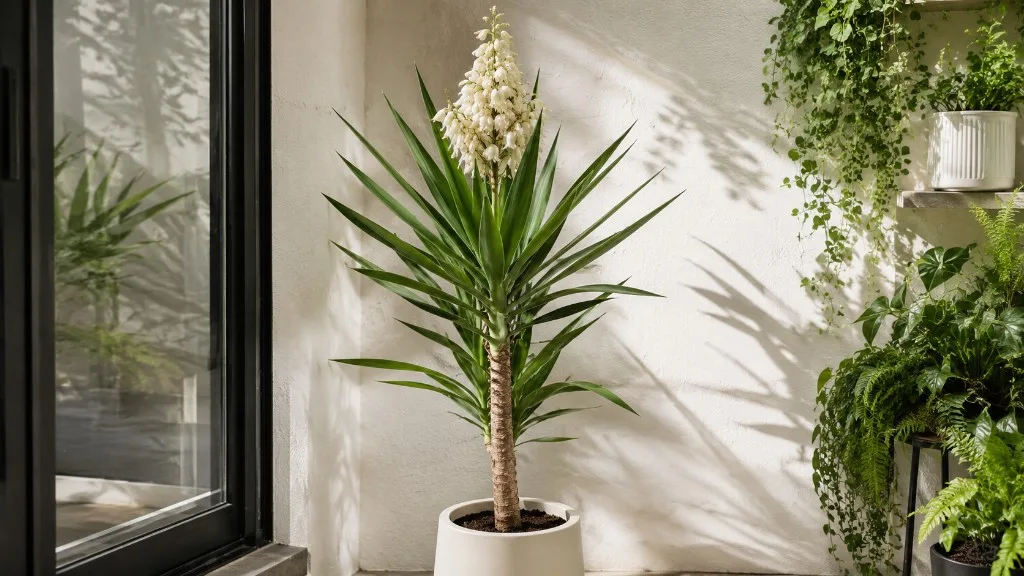
Yucca plant propagation is one of the more forgiving projects in indoor plant care because the plant is built for recovery. Yucca elephantipes - the spineless yucca or giant yucca sold in most nurseries as a statement houseplant - carries a thick woody cane that stores water, tolerates hard pruning, and sends new shoots from dormant buds along the trunk. You are not fighting the plant’s biology when you take a cutting or separate a pup at the base; you are triggering a restart mechanism it uses naturally after damage or crowding in its native range across Mexico and Central America. The two methods that work reliably at home are cane cuttings (including the leafy top section after a hard prune) and offsets or pups that emerge around the base of mature plants. What separates a rooted new yucca from a mushy failure is almost always one step: letting the wound callus before it touches soil or water.
The core workflow is straightforward: take healthy material, dry the cut end until the surface seals, plant in fast-draining mix, keep Yucca Plant light guide, and wait. Propagation skill matters less than moisture discipline and timing. This guide walks through every decision - when to cut, how long to dry, how to separate base pups, how to read rooting progress, what to expect from the parent plant after pruning, and what to do when a cutting stalls or rots.
What Makes Yucca Plant Easy to Propagate at Home
Spineless yucca belongs to the Asparagaceae (now often placed in Asparagaceae), a family of tough monocots adapted to bright light, lean soil, and periodic drought. Unlike soft-stemmed tropicals that demand precise node placement and constant humidity, yucca handles the rough handling that propagation requires. A severed cane section does not collapse overnight; it calluses, then roots when warmth and lightly moist - not saturated - conditions align. Indoor growers routinely multiply yucca after a ceiling-height plant gets a trunk chop, after root rot on Yucca Plant forces salvage of the healthy upper stem, or when clumping varieties produce pups at the soil line.
The methods that fail at home are the ones that ignore yucca anatomy. A single detached leaf without stem tissue may sit in soil for months without ever producing a shoot. Seed propagation works but is slow and unnecessary when vegetative methods are available. For most readers, the practical choice narrows to cane cuttings or basal offsets - and the better option depends on what your specific plant is already offering.
Why Cane Cuttings Are the Most Common Method
Cane cuttings are the highest-visibility propagation path for Yucca elephantipes because most indoor specimens grow as a single upright trunk that eventually outgrows the room. When you cut the cane - whether you remove just the leafy head or section a long bare trunk into multiple pieces - each segment with living tissue can root and eventually push new leaves. You are cloning the parent genetically, so variegation, trunk thickness, and growth habit carry over. Head cuttings with a rosette of leaves at the tip establish faster because they still have photosynthetic capacity while roots form. Bare cane sections without foliage root more slowly but often surprise growers by sprouting new shoots from the buried portion once roots are active.
The critical physiological detail is that yucca stems are woody monocot tissue, not soft herbaceous cuttings. That woodiness is an advantage for handling but a liability if you plant wet. A fresh cut sucks up water like a sponge; without a dried callus layer, bacteria and fungi colonize the wound and the interior tissue rots before roots emerge. Ranking pages often mention “let it dry a day” without explaining why - the callus is not optional decoration. It is the seal that makes soil contact survivable.
How Offsets and Pups Offer a Faster Path
Basal offsets - sometimes called pups - are small plants that sprout from the base of the mother yucca or from the lower trunk near the soil. UF/IFAS Extension notes that suckers at the base of spineless yucca root quite easily, and propagation is by seed or by cuttings of any size. When a pup has its own leaves and even a few roots, separation is often the fastest propagation method because you are transplanting an organism that has already started building independence. Offsets with visible root tissue can settle into a new pot within weeks, while a bare cane cutting may need a month or two before you see confident new growth.
The trade-off is availability. Not every indoor yucca has pups ready to remove. Cane cuttings, by contrast, are always an option if the parent has healthy stem tissue - which is why propagation and pruning so often happen in the same session. If your plant offers both, separate the offset first for a quick win and use the trunk chop to generate additional cuttings from the remaining cane.
When to Propagate Yucca Plant
Timing is not about a calendar date alone; it is about whether the plant is actively growing and whether your home offers enough warmth and light for wound healing and root initiation. Yucca slows in cool, dim months and accelerates when days lengthen and temperatures climb. Propagation during active growth gives cuttings the metabolic fuel to seal wounds, produce roots, and push new leaves. Attempting the same workflow in late autumn or winter often works eventually but stretches timelines enough to discourage first-time propagators who assume failure when the plant is simply waiting for spring.
Avoid propagating immediately after shipping, Yucca Plant repotting guide trauma, or visible pest pressure on the parent. Each of those conditions depletes the plant’s reserves and increases the odds that cuttings carry hidden weakness into the propagation setup. Stabilize the parent first - consistent light, corrected watering, pest treatment if needed - then take material from firm, green-tipped growth.
Best Season for Cuttings and Divisions
Spring through early summer is the strongest window for yucca plant propagation in temperate indoor environments. Longer days and warmer ambient temperatures support callus formation within a few days and root emergence within three to eight weeks under typical home conditions. Late summer also works if the plant is still pushing new leaves and the room stays above roughly 18°C (65°F) at night. Winter propagation is possible near a bright window in a heated room, but expect callusing to take longer in humid homes and rooting to stall if soil temperature drops. If you must propagate in winter - say, to salvage a rotting base - prioritize the healthiest upper cane section, extend the callus period, and keep the potting mix barely moist rather than wet.
For offset division, spring offers the added benefit of a full growing season before shorter days arrive. A pup separated in April has months to root and harden before autumn slowdown. That head start matters less for spineless yucca in a warm apartment than for outdoor clumping yuccas facing winter freeze, but the principle holds: active-season divisions establish faster and show visible new growth sooner.
Signs Your Parent Plant Is Healthy Enough
Before any cut, read the parent plant the way you would read vital signs. Healthy yucca material shows firm cane tissue without soft or sunken patches, leaves that are green and rigid rather than yellowing in a spreading pattern, and dry soil that the plant has been tolerating without collapse. Aerial roots along the trunk - those pale, dried-looking protrusions - are a positive sign that the stem is capable of rooting; many indoor yuccas develop them in humid rooms or after years of growth. If the lower trunk is mushy, blackened, or smells sour at the soil line, do not propagate from tissue below the rot line. Cut well above the damage, callus thoroughly, and treat the propagation as a rescue rather than a routine multiplication.
Pest checks matter because mealybugs and scale hide at leaf bases and cane crevices. Wiping pests onto a fresh cutting transfers the problem into an isolated pot where it spreads unchecked. Inspect leaf axils and the soil surface, clean or treat the parent if needed, and only then take cuttings from clean tissue.
How to Take Yucca Cane Cuttings
Taking a yucca cutting is less about precision surgery than about clean tools, confident cuts, and immediate post-cut handling. You need a sharp blade that makes one smooth slice through woody tissue - ragged crushing invites infection and uneven callusing. Sterilize pruning shears or a knife with rubbing alcohol or a brief flame before cutting. Gather a small pot, fast-draining mix, and a dry tray for callusing before you touch the plant so the cut end is not left wet on a countertop while you search for supplies.
Decide your goal before cutting. A height-reduction prune removes the leafy top and leaves a shorter parent trunk that will branch. A trunk division cuts a long bare cane into multiple sections, each capable of rooting. A salvage cut removes everything above rot damage. Each scenario uses the same post-cut rules: strip lower leaves from the cutting, set it aside to dry, and never plant fresh.
Choosing the Right Stem Section
For a head cutting, aim for at least 10–15 cm (4–6 inches) of cane below the lowest leaves, and ideally 15–25 cm (6–10 inches) if the plant is large enough to spare the length. The leafy rosette at the top provides energy while roots form; the cane section below gives stability in the pot and buried tissue where roots and new shoots can emerge. If your yucca has a long naked trunk and you want multiple plants, you can cut the bare cane into sections roughly 15–20 cm (6–8 inches) each, as long as each piece is firm and not desiccated. Mark which end was uppermost if you cut multiple segments from the same trunk - planting a cane upside down wastes months.
Avoid sections that are shriveled, cracked, or discolored. The best cuttings come from tissue that feels solid when you squeeze the cane gently between thumb and finger. Yellow leaves on the cutting itself can be removed; they are a drain, not an asset, during rooting.
Making Clean Cuts on Woody Canes
Position your cut perpendicular to the cane, one smooth stroke through the trunk at your chosen height. If the cane is very thick, a sharp pruning saw may work better than shears. After removing the top section, strip leaves from the lower third of the cutting so nothing sits below the future soil line - buried leaves rot and hold moisture against the cane. For the parent trunk, leave it standing in its pot; you do not need to repot the parent on the same day unless the soil is clearly compromised.
Set cuttings on a dry surface in bright indirect light during callusing, not in direct sun that can overheat the tissue, and not in a sealed bag that traps humidity against the wound. If you generated multiple cane sections from one trunk, lay them in a single layer with space between pieces so air reaches every cut face.
Callusing Before You Plant
Callusing is the non-negotiable step that separates reliable yucca propagation from the most common failure mode: stem rot. When you sever woody cane tissue, the plant exposes moist internal cells to the outside world. If those cells contact wet soil or standing water immediately, they absorb moisture faster than they can compartmentalize the wound. Fungi and bacteria enter, the base turns soft and dark, and the cutting dies before roots form. Callusing allows the wound to dry and form a protective layer - a corky, hardened surface - that slows water uptake until roots are ready to regulate it.
This is the same principle used for succulent leaf and stem propagation across dozens of species. Yucca’s woody texture makes the callus visibly obvious when done right, which helps beginners confirm they are ready to plant. Skipping or shortening callus time is the number-one reason propagation “does not work” for yucca despite the plant’s overall toughness.
How Long to Let Cuttings Dry
In a typical indoor environment with average humidity, two to four days is enough for a fresh yucca cane cut to callus. In dry, air-conditioned rooms, the surface may seal within 48 hours. In humid homes or during rainy seasons, extend to five to seven days before planting. Head cuttings with large leaf surfaces lose water through transpiration while the base calluses; if leaves look slightly less rigid after several dry days, that is normal and not a sign to rush into wet soil.
There is no benefit to callusing for weeks. Excessive drying shrinks the cane and delays rooting without improving rot resistance. The goal is a sealed wound, not a desiccated stick. When in doubt, touch the cut end: a proper callus feels dry and firm, not cool and damp.
What a Proper Callus Looks Like
A ready callus changes color slightly - often tan, grey-brown, or a lighter dried version of the cane’s exterior - and feels dry to the touch with no moisture weeping when you press a fingertip against it. The texture is harder than the freshly cut surface was, similar to a scab on skin. If you see any glossy wetness, darkening that spreads inward, or a sour smell, the tissue is not callused and may already be compromised; trim back to firm cane, sterilize the blade, and restart the drying period.
Optional rooting hormone (indole-3-butyric acid powder or gel) goes on after callusing, not before. Dip the dried end, tap off excess, and plant. Hormone can shorten time to root but does not replace callus formation. Many yucca cuttings root fine without it; hormone is most useful on bare cane sections without leaves, where the plant has fewer energy reserves.
Rooting Cane Cuttings in Soil
Soil propagation is the most reliable method for yucca cane cuttings because woody stems root naturally in contact with airy, lightly moist medium. Water propagation works for some growers but keeps the cut end in a wet environment longer and can produce fragile roots that struggle during the transition to mix. If you choose water, use the same callus rule first, submerge only the bottom 2–5 cm (1–2 inches), change water every few days, and pot up once roots reach 5 cm (2 inches) or longer.
For soil rooting, select a pot only slightly larger than the cutting - a 10–15 cm (4–6 inch) nursery pot is enough for most cane sections. Heavy ceramic in an oversized container stays wet too long and works against you.
Best Potting Mix for New Cuttings
Fill the pot with a fast-draining cactus or succulent mix amended with extra perlite or pumice if your bagged mix feels peaty. A workable blend is two parts commercial cactus soil to one part perlite, or equal parts potting soil, coarse sand, and perlite for a leaner mix. The goal is a medium that holds slight moisture near the buried cane end while draining freely and allowing air to the tissue. Standard peat-heavy houseplant mix compacts and suffocates yucca roots; it is a common source of post-planting rot even when callusing was done correctly.
Plant the callused end 2–5 cm (1–2 inches) deep, deep enough that the cutting stands without wobbling. Firm the mix lightly around the base. Do not bury leaves - they should sit above the soil line. Water once, lightly, to settle the mix, then withhold heavy watering until you know roots are forming. The first weeks are about barely moist conditions, not generous drinks.
Place the pot in bright indirect light. A sunless east window or a few feet back from a south or west exposure works well. Avoid dark corners and avoid blasting midsummer sun on a cutting with no root system yet. Temperatures roughly 20–27°C (68–80°F) support the fastest rooting; cooler rooms slow the process without necessarily killing the cutting if moisture stays controlled.
Rooting timeline: expect three to eight weeks for meaningful root development on cane cuttings, with head cuttings often on the shorter end and bare trunk sections toward the longer end. RHS yucca propagation guidance recommends stem cuttings 20–25 cm long in coarse sandy compost with bottom heat of at least 18°C (65°F). New leaf growth or resistance when you give the cane a gentle upward tug - not a yank - are better success signals than digging up the cutting to inspect roots. If the cane still feels loose but remains firm and green-tipped, patience is appropriate. If it goes soft at the base or smells off, remove it, trim to healthy tissue, re-callus, and restart in fresh dry mix.
Separating and Planting Basal Offsets
When your yucca has produced offsets at the base, division is often faster and less anxious than waiting for a cane cutting to root. Look for pups with their own leaf rosette, ideally at least 10–15 cm (4–6 inches) tall with several firm leaves. More mature offsets may show their own root initials when you brush soil away from the connection point to the parent.
Water the parent lightly a day before separation so the soil is workable but not soggy. Remove the pot and loosen the mix around the base. Identify where the pup attaches - sometimes to the main trunk just above soil level, sometimes to a rhizome-like extension below the surface. Insert a clean knife or trowel between parent and pup, aiming to preserve as much pup root tissue as possible. A crisp separation with some roots attached establishes fastest; pups with few or no roots can still succeed but need the same aftercare discipline as cane cuttings.
Pot the offset in a 7–10 cm (3–4 inch) container with the same fast-draining mix used for cuttings. Plant at the same depth the pup grew before - do not bury the crown or push leaves into soil. Water lightly once, place in bright indirect light matching the parent’s previous conditions, and keep the mix lightly moist until new growth confirms independence. Offsets with established roots often show fresh leaves within two to six weeks in warm seasons; rootless pups follow a timeline closer to cane cuttings.
If no offsets are visible but your pruned parent trunk sits in its original pot, watch the base and lower trunk over the following months. Hard pruning frequently stimulates multiple new shoots below the cut, turning a single spindly cane into a fuller multi-headed plant. Those emerging shoots can remain on the parent for bushier form or be removed later as pups once they size up.
Aftercare for Newly Propagated Yucca
New yucca plants - whether from cane or offset - need steadier, more conservative care than mature specimens. The root system is small or nonexistent at first, so the plant cannot recover quickly from overwatering on Yucca Plant, cold drafts, or direct sun scorch. Treat the first two to three months as establishment phase: protect from extremes, skip fertilizer until new growth is obvious, and resist repotting into a large decorative container too soon.
Yucca Plant watering guide during establishment means checking the mix with your finger an inch or two down. Water lightly when the upper mix is dry and the pot feels light, then let it approach dry again before the next drink. The error pattern is kindness through frequent watering; yucca interprets that as rot risk. Empty saucers so the pot never sits in runoff.
Light should stay bright and indirect until the plant shows multiple new leaves or clear vertical growth. Gradually introduce more direct sun if you want the stiff, compact habit yucca develops in brighter conditions - acclimate over one to two weeks rather than moving from a dim shelf to a south window in one afternoon.
Fertilizer is unnecessary until roots are working and new leaves appear. A half-strength balanced houseplant feed once monthly during active growth is sufficient after establishment. Feeding a cutting with no roots adds salt stress without benefit.
Humidity is low priority. Yucca tolerates average indoor humidity between 30–50 percent. Very dry winter air may slow rooting slightly but rarely blocks success; do not enclose cuttings in humid domes that keep the cane base wet.
Pet safety: the ASPCA lists yucca species as toxic to cats and dogs, with ingestion causing vomiting. Keep new cuttings and pots out of reach if you propagate in a pet-accessible home.
Common Propagation Mistakes and How to Fix Them
Most yucca propagation failures trace back to a short list of fixable errors. Diagnosing which one applies saves you from abandoning a salvageable cutting or repeating the same setup with fresh material.
Planting before callus forms is the leading cause of base rot. Fix: remove the cutting, trim any soft tissue back to firm cane, sterilize tools, and dry for another three to seven days before replanting in fresh dry mix. Do not reuse soggy soil from a failed attempt.
Overwatering during rooting keeps the buried end in anaerobic conditions. Fix: let the mix dry deeper between drinks, ensure the pot has drainage holes, and confirm the room is warm enough for soil to dry within a week. A moisture meter is optional; a finger and pot weight tell you most of what you need.
Using heavy, peat-rich potting mix suffocates yucca tissue and holds water against the cane. Fix: repot into cactus mix with added perlite, disturbing roots minimally if the cutting is already weeks in and still firm.
Taking cuttings from stressed or rotting parents produces weak material that fails regardless of technique. Fix: stabilize or salvage only the healthy upper portion; if the entire cane is compromised, propagation may not be viable and replacement is the honest answer.
Attempting leaf-only propagation wastes time. UF/IFAS Extension lists propagation by seed or cuttings of any size - not detached leaves. Yucca leaves without stem tissue do not produce shoots in home conditions. Fix: use cane sections or offsets only.
Checking roots by uprooting breaks fragile new growth and resets progress. Fix: use the gentle tug test and visible new leaves as your indicators; leave the cutting alone otherwise.
Propagating in cold, dim winter without adjusting expectations leads to premature discard. Fix: extend patience, keep soil barely moist, and optionally provide bottom warmth from a heat mat set low - not hot - if your room drops below 18°C (65°F) regularly.
What Happens to the Parent Plant After Pruning
Propagation and pruning are often the same event with yucca. When you cut the trunk to reduce height or remove the leafy top for a cutting, the parent cane does not die - it activates dormant buds along the remaining trunk and frequently produces multiple new shoots below the wound. Over months, a single lollipop-shaped yucca can become a fuller, multi-headed specimen. That regrowth is one reason spineless yucca is popular as a structural indoor plant: hard pruning is reversible and often improves appearance.
Keep the parent in bright light after cutting so the new shoots have energy to emerge. Water sparingly as usual; the reduced canopy transpires less water, so the old watering rhythm may now be too frequent. Watch for rot at the cut surface on the parent - a clean prune on healthy tissue calluses similarly to a cutting. If the top of the parent trunk stays dry and firm, new shoots should appear within several weeks in warm seasons.
If you removed pups or divided the base, the parent may look sparse temporarily. Consistent care returns balance as both the trunk branches and the root system supports new growth. Fertilize lightly during active regrowth only after you see new shoots several centimeters long.
Conclusion
Yucca plant propagation rewards a simple discipline: take firm cane sections or well-sized basal offsets, callus every cut end before it meets soil or water, plant in fast-draining mix, and keep moisture light until roots and new leaves prove the plant is established. Cane cuttings - especially leafy head sections after a height prune - are the method most indoor growers use, while offsets at the base offer a faster path when the plant provides them. Neither approach demands specialist equipment; sharp clean tools, patience, and resistance to overwatering carry most of the weight.
If your first cutting rots, trim back to healthy tissue, dry longer, and retry in fresh mix rather than assuming yucca is difficult. If the parent trunk branches after pruning, you may end with more yucca than you planned without a second round of cuttings. Match timing to active growth when you can, read firmness and dryness at the cut face instead of counting days blindly, and treat establishment as a separate care phase from mature yucca maintenance. Get those habits right and propagation becomes a reliable way to share plants, rescue a tall specimen, or fill a bright room with one of the toughest statement plants available to home growers.
When to use this page vs other Yucca Plant guides
- Yucca Plant overview - Start here for whole-plant context before deep-diving this topic.
- Yucca Plant problems hub - Jump to symptom-specific fix guides when this care topic does not resolve the issue.
- Stem Rot on Yucca Plant - Escalate here when propagation adjustments are not enough.
Related Yucca Plant guides
- Yucca Plant overview
- Yucca Plant watering
- Yucca Plant light
- Yucca Plant soil
- Yucca Plant fertilizer
- Yucca Plant repotting
- Stem Rot on Yucca Plant
- Yucca Plant problems
Related tool
Try the Propagation Success Calculator with yucca-plant pre-selected to estimate needs for your setup.