Scale Insects on Plants: Identification and Control
Houseplant pests are common indoors because conditions lack natural predators. Scale Insects often arrives on new plants, open windows, or stressed specimens. When you notice Small brown bumps on stems or leaves, sticky honeydew, act quickly: confirm the pest, isolate the plant, and treat before the population explodes. Track weekly progress after you change care, and note watering, light, and repotting dates so you can tell whether the symptom is improving or returning. Compare upper versus lower leaves, new versus old growth, and soil moisture at root depth before you treat, because the same visible symptom can come from watering, light, pests, or normal aging on different plants.
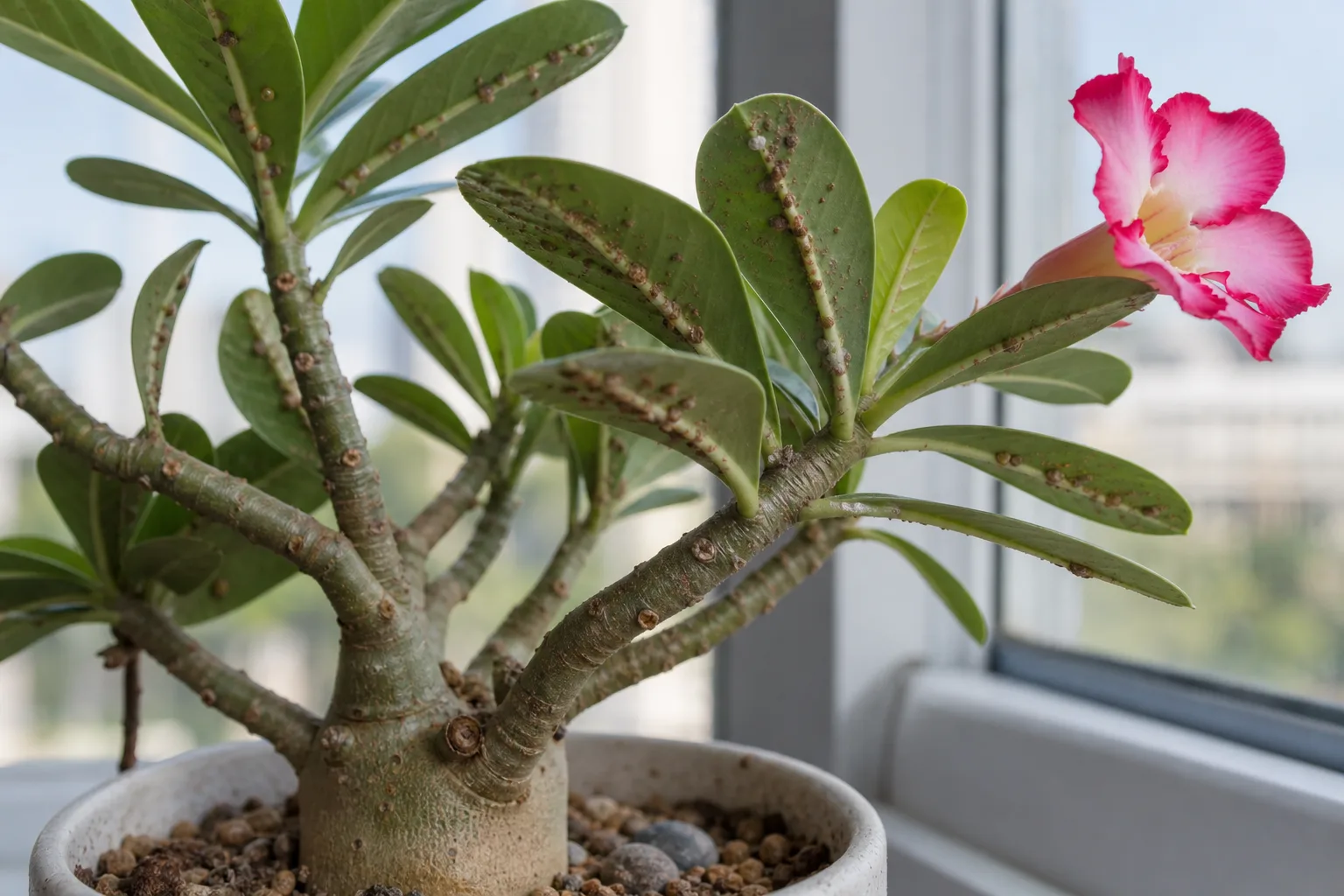
Scale Insects on Houseplants
Still unsure?Match your symptoms to the most likely problems in under a minute.Run diagnosis →Understand and fix scale insects
Scale insects appear as immobile brown or tan bumps on stems and leaf veins - they do not move like mealybugs but still drain sap and cause yellowing.
Overview
Scale insects protect themselves under hard or waxy covers, making them harder to control than mobile pests. Adults attach to stems and leaf midribs while crawlers spread briefly before settling. They weaken plants slowly, causing yellow leaves, stunted growth, and sticky honeydew.
Successful treatment requires scraping or dissolving shells, then repeating oil or soap applications to catch crawlers. Long-term control depends on inspecting stems during routine care and treating new introductions before they join your collection. Mark your calendar for a six-week follow-up because scale crawlers can reset an infestation after adults are removed.
Scale Insects patterns: what you see vs. likely cause
Match your plant to the closest pattern, then start with the first step before trying other fixes.
| What you see | Likely cause | First step |
|---|---|---|
| Symptoms appear on new growth first while older leaves still look normal | Active pest feeding or early moisture stress on expanding tissue | Inspect stem tips and leaf undersides with good light before treating the whole plant |
| Multiple plants show similar damage within one to two weeks | Shared pest introduction, watering habit, or environmental stress | Isolate affected plants and compare recent care changes across the group |
How to identify it
- Raised brown, tan, or white oval bumps on stems and veins.
- Yellow halos or leaf drop around heavy infestations.
- Sticky honeydew on leaves and nearby surfaces.
- Sooty black mold on honeydew-coated foliage.
- Ant activity on the plant or pot.
- Flat crawlers visible only during brief mobile stage.
When to worry
Treat urgently if bumps cover stems, leaves drop heavily, or honeydew and sooty mold coat the plant.
Common causes
Imported on new plants
Scale often arrives on stems hidden under leaves where buyers do not look.
Warm stable indoor climate
Heated homes allow scale to reproduce continuously without outdoor predators.
Protected feeding sites
Waxy covers shield scale from casual sprays that only wet leaf surfaces.
Plant stress
Weak plants recover slowly from sap loss and are less likely to outgrow damage.
Incomplete prior treatment
Leaving even a few adults allows new crawlers to reset the infestation.
Step-by-step fix
Isolate affected plants
Scale spreads slowly but steadily to neighbors via crawlers.
Scrape off visible scale
Use a soft brush or fingernail wrapped in cloth dipped in alcohol for firm bumps.
Apply horticultural oil
Oil suffocates crawlers and soft scale; coat stems and leaf undersides fully.
Repeat every 7–10 days
Multiple cycles are required to catch newly hatched crawlers.
Prune heavily infested branches
Remove stems covered in scale when pruning is safe for the plant shape.
Inspect the full collection monthly
Check woody stems and leaf veins on all plants after an outbreak.
Prevention tips
- Quarantine and inspect stems on every new plant.
- Wipe leaves and stems periodically on favorites like ficus and citrus indoors.
- Avoid letting plants touch on crowded shelves.
- Control ants that protect scale from natural predators outdoors.
- Maintain balanced watering and light to keep plants resilient.
Common mistakes
- Spraying leaves only while scale clings to stems.
- Assuming bumps are part of the plant's natural texture.
- Stopping after adults are removed while crawlers remain.
- Using systemic products indoors without reading safety labels.
Related care topics
These care guides help prevent repeat issues once you have treated the immediate problem.
A row of tan bumps along a stem may be a normal lenticel, dried sap, or a colony of scale insects. The distinction matters because scale can remain almost motionless while feeding, and a casual glance often misses the mobile young that spread across a collection. The useful first step is therefore not spraying; it is proving that the bump is an insect.
Scale insects are sap-feeding insects that settle on stems, leaf veins, or leaf undersides and develop a protective waxy covering. Confirm them with a close inspection and scrape test, isolate the plant, remove accessible insects, and then use a plant-safe labelled treatment against the exposed stages. Expect monitoring to take weeks, because eggs and newly hatched crawlers can escape a single application.
What Scale Insects Look Like
Adult scale commonly looks like a round, oval, or oyster-shaped shell rather than a familiar insect. University of Minnesota Extension describes houseplant scales as brown, gray, or white coverings roughly 1/16 to 1/4 inch across, depending on type and stage (UMN Extension). They cluster where feeding is easy and shelter is good: midribs, petiole joints, woody stems, leaf bases, and the undersides of foliage.
Color alone is unreliable. A plant may have beige corking, brown aerial-root nubs, pale wax, or dried fertilizer splashes. Look for repetition: similarly shaped bumps positioned along veins, insects in several life stages, sticky residue, or pale leaves downstream from a colony.
Use side lighting rather than viewing the plant only from above. Scale covers cast tiny shadows and interrupt the smooth contour of a vein, while a flat pigment mark does not. Photograph one mapped section at the start of treatment; a repeat photo from the same angle helps separate a genuinely expanding colony from old covers that simply remain attached.
Some plants deserve extra care during inspection. Palms and ferns hide colonies along narrow leaflets, orchids conceal them under sheaths, and woody citrus or ficus can have natural bark features that look suspicious. Work from the plant’s growing point toward the pot, checking both sides of each leaf and rotating the container once, rather than repeatedly handling random branches.
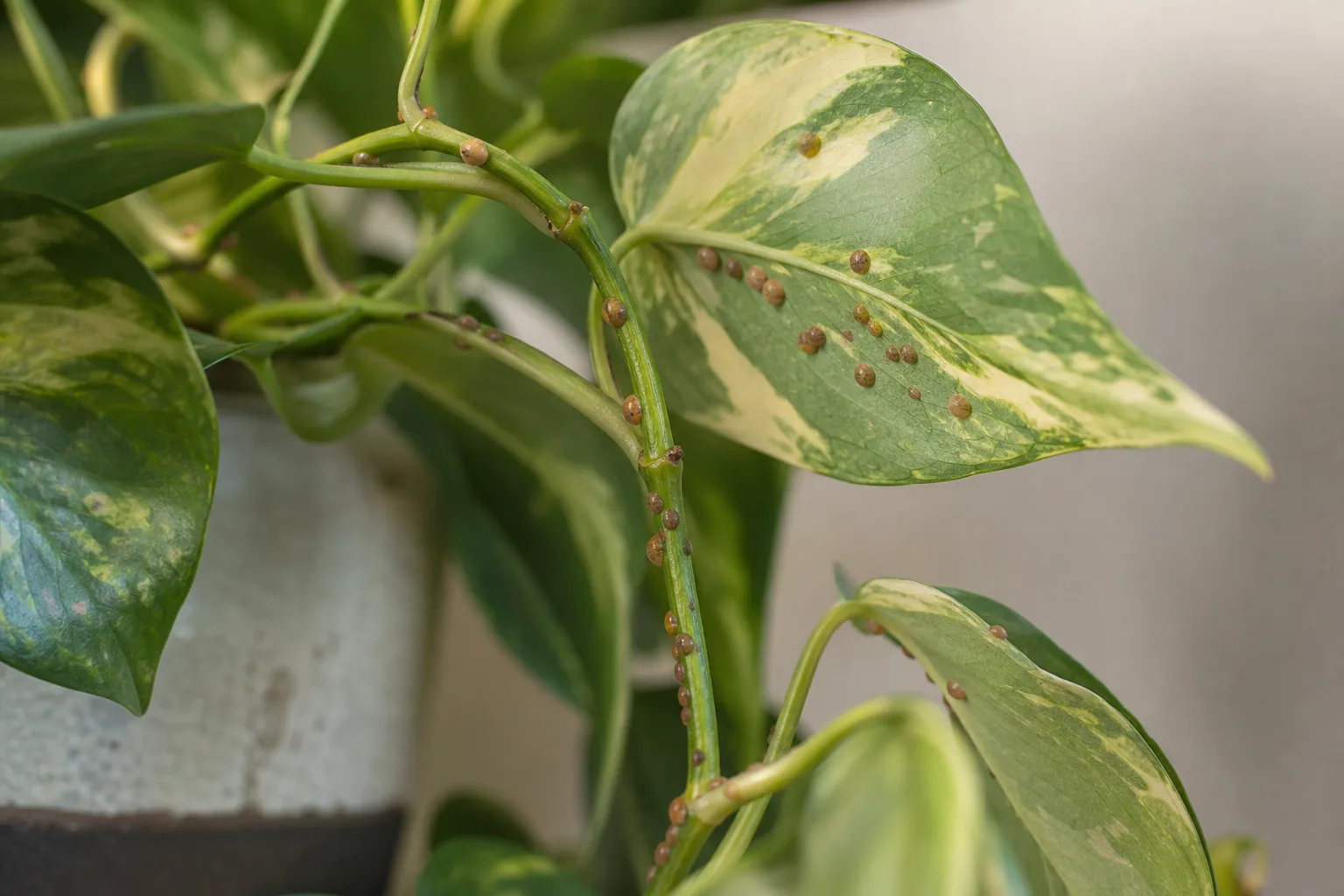
The Scrape Test
Choose one suspect bump and nudge it sideways with a fingernail, cotton swab, or blunt wooden stick. Many scales lift or smear away, while normal plant tissue remains integrated with the stem. Do not gouge tender bark, and do not use a sharp blade on a plant you have not yet isolated.
Next, hold white paper under the foliage and tap the branch. Tiny yellowish or reddish moving dots may be crawlers, the mobile immature stage. UMN recommends white paper or double-sided tape for detecting crawlers because their presence helps determine treatment timing (UMN Extension).
Soft Scale vs Armored Scale
Soft scale and armored scale differ in ways that affect diagnosis. Soft scales usually produce honeydew and retain a covering attached to the body. Armored scales form a separate protective cover and generally do not excrete honeydew, so the absence of sticky leaves does not clear a plant.
| Feature | Soft scale | Armored scale |
|---|---|---|
| Honeydew | Common | Usually absent |
| Covering | Waxy body covering | Detachable armor over the body |
| Typical clue | Sticky leaves and sooty mold | Firm shell-like dots and localized yellowing |
| Treatment challenge | Hidden young and repeated hatch | Spray has difficulty reaching protected adults |
Exact species identification can be difficult without magnification. For a houseplant owner, the practical classification is often enough: honeydew suggests soft scale or another sap feeder; dry, firmly attached shells suggest armored scale. If the plant is valuable or symptoms remain ambiguous, submit a sample to a local Extension diagnostic service.
Preserve a useful sample if you seek identification. Clip a short infested section, place it in a sealed rigid container, and follow the clinic’s submission instructions; loose insects crushed in an envelope may be impossible to examine. Include the plant name, purchase history, where the insects occur, and any treatments already used.
Damage and Warning Signs
Scale insects insert mouthparts into plant tissue and remove sap. Light infestations may cause little visible injury, while sustained feeding can lead to yellow leaves, weak growth, leaf drop, or branch decline. UC IPM notes that heavily infested plants can develop distorted foliage and dieback, although healthy established plants may tolerate small populations (UC IPM).
Damage is often uneven. One stem may decline while another appears healthy because scale colonies concentrate in protected locations. Inspect the least visible parts first: leaf undersides, stem crotches, and the interior of dense growth.
Separate current feeding from unrelated leaf aging. A lower leaf that yellows uniformly may simply be old, whereas several leaves above a dense stem colony strengthen the connection to scale. Plants also differ in tolerance: a thick-leaved mature shrub may carry a small colony with little change, while a young or stressed plant loses vigor sooner.
Do not use honeydew quantity as a population count. A few large soft scales can make a surprising mess, while numerous armored scales make none. Track live insects on marked stems, crawler activity, and fresh symptoms together.
Honeydew, Sooty Mold, and Ants
Soft scales excrete sugary honeydew, which lands on lower leaves, pots, floors, and furniture. Black sooty mold fungi can grow on that deposit; the mold is evidence of honeydew, not proof that a fungus invaded the leaf. Sticky foliage can also come from aphids, mealybugs, or whiteflies, so locate the animal before naming the pest.
Ants may feed on honeydew and protect sap-feeding insects from predators outdoors. Their presence is a clue rather than a diagnosis. Clean the residue after controlling the insects so you can distinguish old deposits from fresh feeding.
Wash honeydew with lukewarm water and a soft cloth, supporting each leaf from beneath. Sooty mold often loosens once its sugar source disappears, although heavily coated leaves may need several gentle cleanings. Avoid polishing products that leave another shiny film and make renewed honeydew difficult to spot.
Why Scale Insects Are Hard to Eliminate
The protective covering that makes scale hard to recognize also shields many stages from contact sprays. Adults do not need to run away; they remain attached while feeding and reproducing. Eggs may sit beneath a female or cover, then hatch over an extended period.
This biology explains the common rebound after one thorough-looking treatment. A spray may kill exposed crawlers but miss protected adults and unhatched eggs. Iowa State University Extension emphasizes that repeated observation and correctly timed treatments are central to scale management (Iowa State Extension).
The Crawler Stage Is the Weak Point
Crawlers have legs and move to new feeding sites before producing substantial protective wax. That exposed interval is usually the most vulnerable stage for insecticidal soap or horticultural oil. Outdoors, crawler timing varies by scale species and climate; indoors, overlapping generations can make a fixed calendar unreliable.
Use observation rather than guessing. Check white paper or fresh tape weekly and inspect new growth with a hand lens. When crawlers appear, direct any labelled contact treatment at every accessible surface, especially leaf undersides and stem junctions.
Indoor scale can have overlapping generations because temperature is relatively stable. That means crawler checks may stay positive longer than a species calendar written for outdoor trees would predict. A calendar can remind you to inspect; it should not replace evidence from the actual plant.
If sticky tape is used on a stem, place it so the adhesive faces outward and does not girdle or adhere to tender tissue. Label it with the date and examine it under magnification. Replace dusty tape because debris makes tiny crawlers difficult to distinguish.
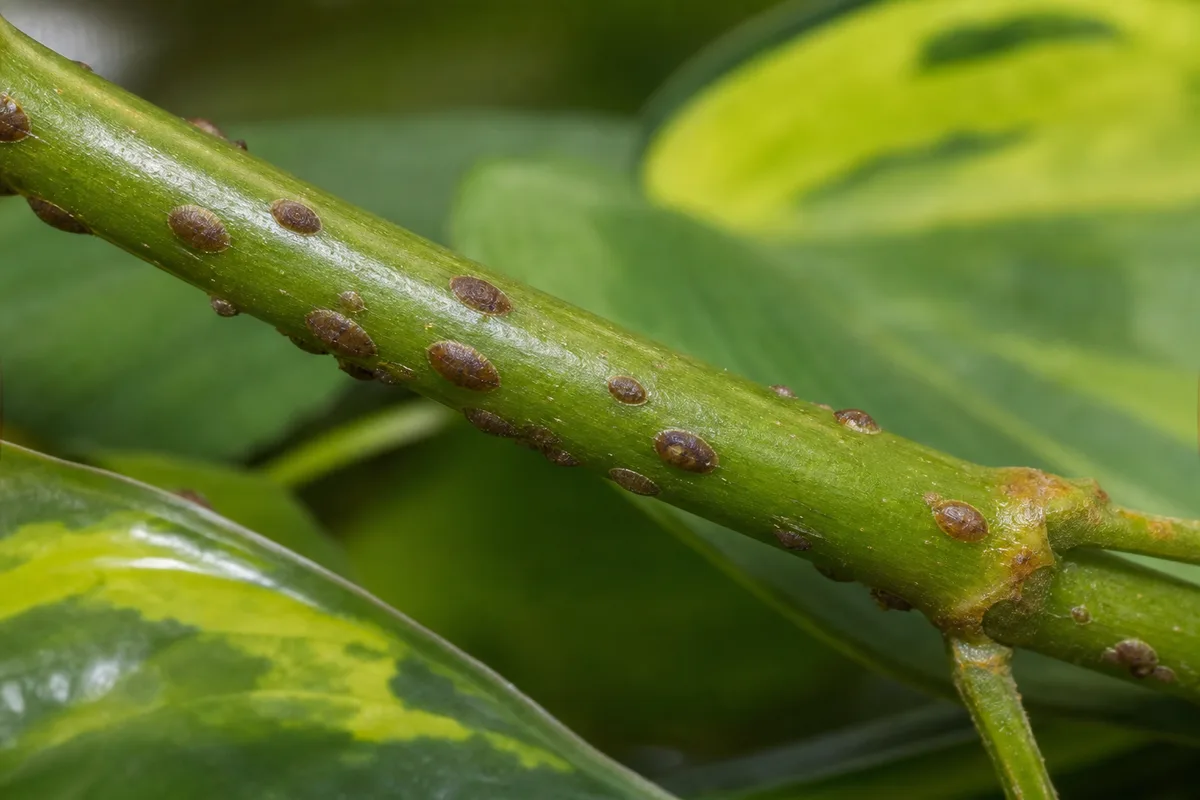
First Actions After Confirmation
Move the plant away from the collection without brushing it against neighboring foliage. Record which plants were touching or directly beneath it. Scale crawlers can spread on plants, hands, tools, and containers, while winged males occur in some species.
Do not fertilize a badly stressed plant in an attempt to force recovery. Stabilize watering and light, then reduce the pest population. Vigorous but soft new growth is not a substitute for control.
Isolate and Inspect Nearby Plants
Give the infested plant enough separation that leaves cannot touch. Inspect adjacent plants weekly for at least several weeks, focusing on veins and growing points. Clean the shelf, saucer, tools, and nearby sticky residue.
Quarantine does not need to mean darkness. Keep the plant in suitable light and temperature, because environmental stress can compound leaf loss. If no separate room is available, use distance and a washable barrier while avoiding sealed bags that trap heat and humidity.
Create a simple exposure map. Put the affected plant at the center, list plants that touched it, then include any below it that received honeydew or fallen material. Inspect that first ring more often than distant plants. This concentrates effort where spread is most plausible without treating an entire collection unnecessarily.
Wash hands after handling the plant and assign it a separate cloth or brush. If one tool must serve several plants, clean it between specimens and work on the infested plant last. These habits matter most while crawlers are active.
Prune, Wipe, or Wash
For a small infestation, physically remove each visible scale with a damp cloth, soft toothbrush, or blunt swab. Prune a heavily colonized stem when removing it will not leave the plant without enough foliage. Bag discarded material before carrying it through the collection.
A firm water spray can dislodge crawlers and clean honeydew, but support fragile stems and keep excess water out of the pot. Mechanical removal reduces the number a pesticide must reach; it does not guarantee that hidden eggs are gone.
Work over a sink, tub, or disposable paper rather than above other plants. Begin at the highest leaves so removed insects do not land on sections already cleaned. Afterward, inspect leaf bases again; water often moves loose covers into crevices instead of carrying them off the plant.
Pruning should improve the odds of control without stripping the plant of its energy supply. Remove the most crowded, heavily infested branch first, then reassess. Sterilize cutting tools and seal debris immediately.
A Practical Treatment Plan
Start with the least disruptive method likely to work. A few scales on a sturdy plant may be managed by removal and weekly inspection. A distributed colony usually needs mechanical removal plus a labelled contact product, while a severe infestation on an inexpensive plant may be safer to discard.
Write down treatment dates and the locations of remaining colonies. Success means no live scale or crawlers and no new honeydew—not merely that old shells remain dry. Dead covers can stay attached, so lift a sample and inspect beneath it.
Choose the plan according to plant structure. A compact plant with broad, accessible leaves is a good candidate for wiping and contact treatment. A dense palm with hundreds of narrow leaflets may be practically untreatable once colonies are widespread. Plant value is personal, but time, product exposure, and risk to neighboring plants are real costs.
Keep two thresholds: one for continuing and one for stopping. Continue while crawler counts and live adult sites fall. Stop and reassess if the population is unchanged after several correctly executed label-directed cycles or if phytotoxicity appears.
Insecticidal Soap and Horticultural Oil
Commercial insecticidal soap and horticultural oil can suppress exposed scale when they directly contact the pest. UMN notes that soaps and oils have little residual action and may require repeat applications as crawlers hatch (UMN Extension). Coverage matters more than misting the top surface.
Use only a product whose label allows the plant and location. Test a small area first, keep the treated plant out of hot direct sun until dry, and never substitute dish detergent for a formulated insecticidal soap. The EPA explains that pesticide labels carry legally enforceable directions and precautions in the United States (EPA).
Timing and Repeat Inspection
Follow the label’s repeat interval rather than inventing a universal schedule. Between applications, inspect leaf undersides and conduct the paper test. Remove survivors before they mature and reproduce.
Stop automatic spraying when you can no longer find live insects. Continue observation because old damage and empty covers remain visible. If live scale persists after correctly applied treatments, reassess identification, coverage, plant sensitivity, and whether disposal is the more proportionate choice.
When Biological Control Helps
Outdoors, lady beetles, lacewings, and tiny parasitoid wasps can keep some scale populations below damaging levels. Broad-spectrum insecticides may disrupt those natural enemies and trigger a worse resurgence. UC IPM therefore recommends preserving beneficial insects and avoiding unnecessary pesticide use (UC IPM).
Purchased beneficial insects are more practical in greenhouses or larger interiorscapes than around one windowsill plant. They require the correct scale species and suitable environmental conditions. Do not release them immediately after using a pesticide that could kill them.
Common Treatment Mistakes
The most common mistake is spraying once and judging success by appearance. Other failures include treating only upper leaves, ignoring nearby plants, applying oil to a drought-stressed plant, and repeatedly using a product that is not labelled for the host or indoor setting. Scraping visible adults while ignoring crawlers produces the same cycle.
Rubbing alcohol is often suggested online, but plant tolerance varies and repeated applications can injure foliage. If you use any spot-treatment allowed by local guidance, test first and keep it away from open flames. Never pour alcohol into potting mix or assume “natural” means harmless.
Repotting rarely solves scale on stems and leaves. It adds root stress while the pest remains aboveground. Replace mix only if root scale is confirmed or the potting medium has a separate problem.
Recovery and Prevention
A treated plant can recover if roots and growing points remain healthy, but existing yellow or scarred leaves will not become pristine. Provide species-appropriate light and water, remove only leaves that are mostly dead, and wait for clean new growth before resuming normal feeding.
Inspect new plants before purchase and quarantine them from the collection. Look beneath leaves, around petiole bases, and along stems rather than checking only the display side. UMN recommends regular inspection and cleaning as foundational indoor-pest prevention (UMN Extension).
Discarding is reasonable when scale covers most growing points, repeated treatment has failed, the plant cannot tolerate available products, or the infestation threatens rare neighboring plants. Seal the plant before moving it through the home, clean its location, and inspect the remaining collection.
Turn treatment thresholds into a small record. Choose three representative stems and count live scales in a fixed 5 cm section on each one. Record crawler detections separately, because a week with fewer adults but continued crawler activity means reproduction is still occurring. Note new honeydew only after old residue has been washed away. This repeated-area method is not a scientific population estimate, but it is more dependable than judging the whole plant from memory.
Decide in advance what would make the plant impractical to save. Examples include colonies throughout a dense crown that cannot be reached, repeated spread to neighboring plants, severe loss of foliage, or injury after a correctly performed spot test. A rare specimen may justify more labor and help from a diagnostic clinic; an easily replaced plant beside a valuable collection may not. Making that decision before another treatment cycle prevents sunk time from becoming the only reason to continue.
Quarantine is most useful when it has an endpoint. Photograph likely hiding places on arrival, inspect them again under magnification after normal watering and new growth, and record whether any crawlers appear on tape. A plant that remains free of live insects through repeated checks can rejoin the collection; one suspicious bump should be resolved first rather than carried into a crowded shelf.
After control, keep the original map and photographs. New leaves should expand normally, live counts should remain at zero, and cleaned surfaces should stay free of fresh honeydew. Yellowed or scarred tissue will not become green again, so recovery is judged by the absence of new injury. If a stem continues to decline despite no detectable scale, investigate roots, watering, light, and other causes instead of assuming an invisible infestation.
Outdoor plants require a different balance. A few scales may be held below damaging levels by parasitoids and predators, and indiscriminate spraying can remove that biological control. Check for exit holes in old scale covers and for live tissue beneath lifted covers before treating an entire shrub. The UC IPM program recommends conserving natural enemies and reserving insecticides for situations where monitoring shows they are needed (UC IPM).
Conclusion
Scale control becomes manageable when you stop treating every bump as the same problem. Confirm the insects, decide whether soft or armored scale is more likely, isolate the plant, and reduce the population mechanically before using a labelled contact treatment.
The follow-through is what prevents a rebound. Check for crawlers, repeat treatment only as the label directs, and keep monitoring after old shells and damage remain. A recoverable plant will eventually produce clean growth; a repeatedly infested plant may be safer to discard than to keep as a reservoir.
Plants commonly affected
These houseplants often struggle with scale insects. Open a care guide or plant-specific troubleshooting page for tailored fixes.
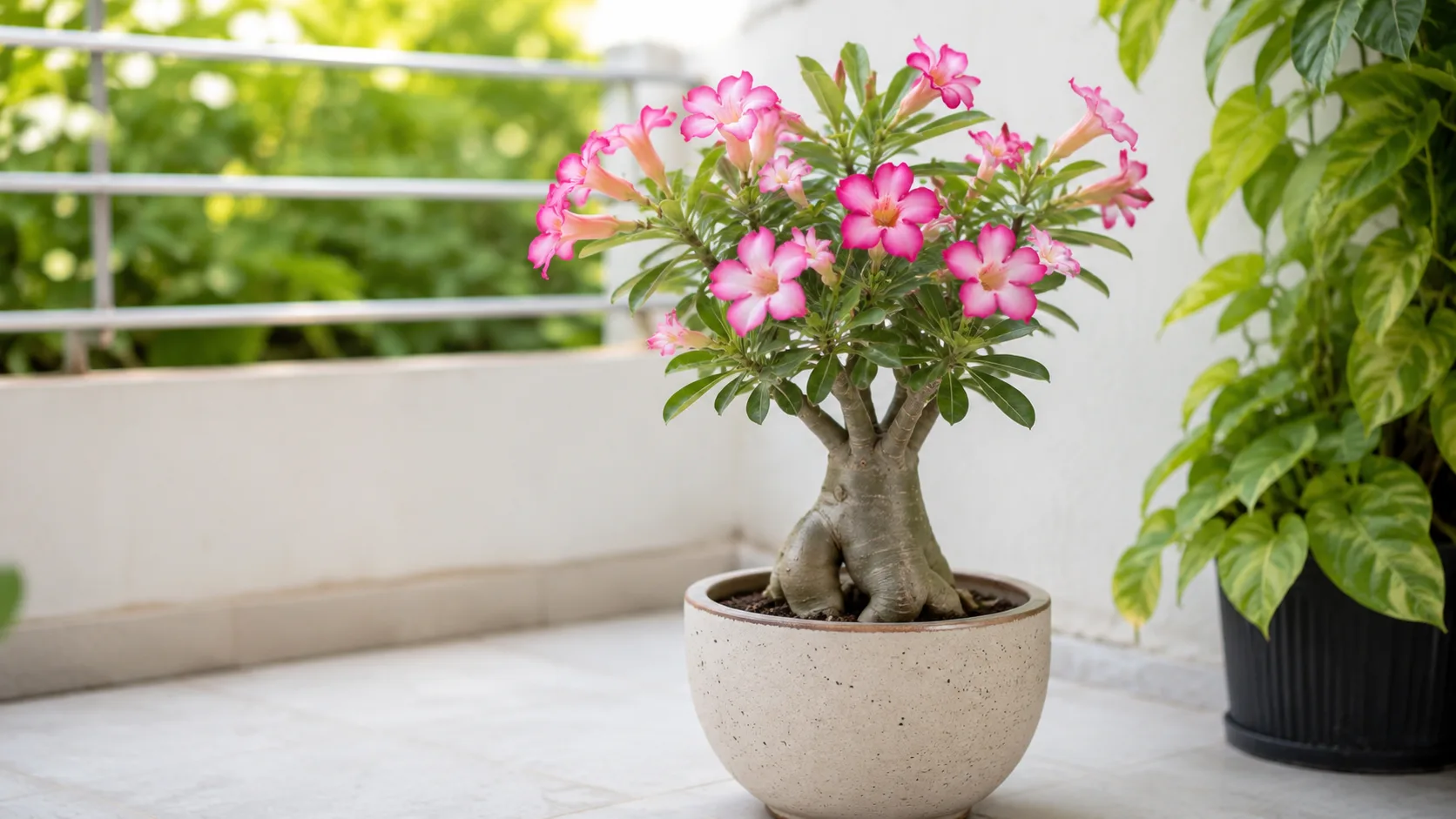 Medium
Adenium
Likely causeArmored scale attaches to stems and leaves, sucking sap and causing yellowing and leaf drop.
Quick fixScrape visible scale, apply horticultural oil to stems, and repeat treatment every 10 days.
 Medium
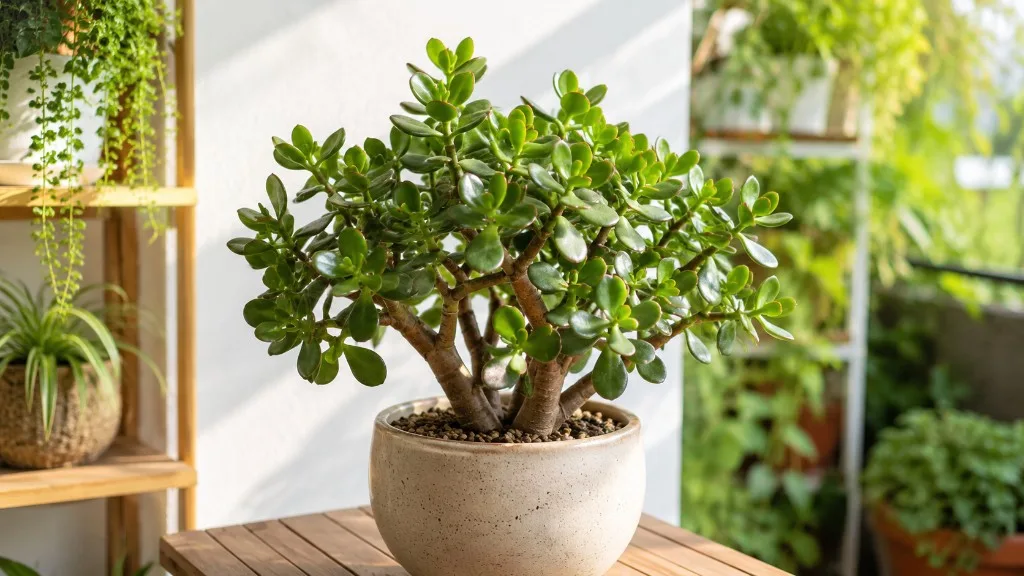
African Milk Tree
Likely causeCommon scale insects pattern on African Milk Tree under indoor care stress.
Quick fixInspect roots, watering, light, and pests; adjust one variable and monitor new growth.
 Medium
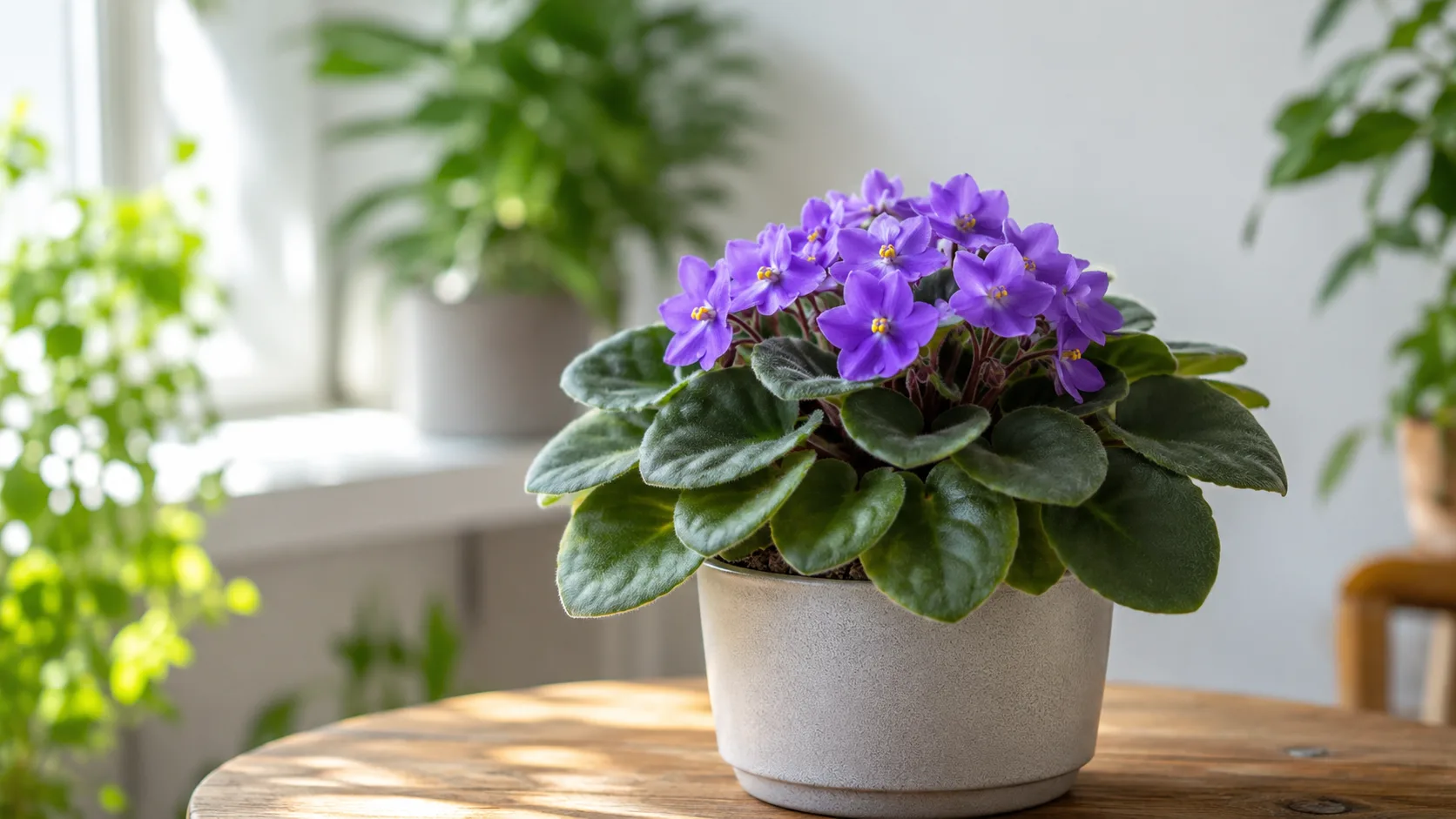
African Violet
Likely causeScale Insects on African Violet: Scale are insects which measure between 1/16 and 1/4 inch. They are slow moving and have round, oyster-shaped bodies that come in various colors, including white, gray, black, brown and yellow. Scale
Quick fixInspect African Violet, confirm scale insects matches your symptoms, then adjust care or treat per authoritative guides.
 Medium
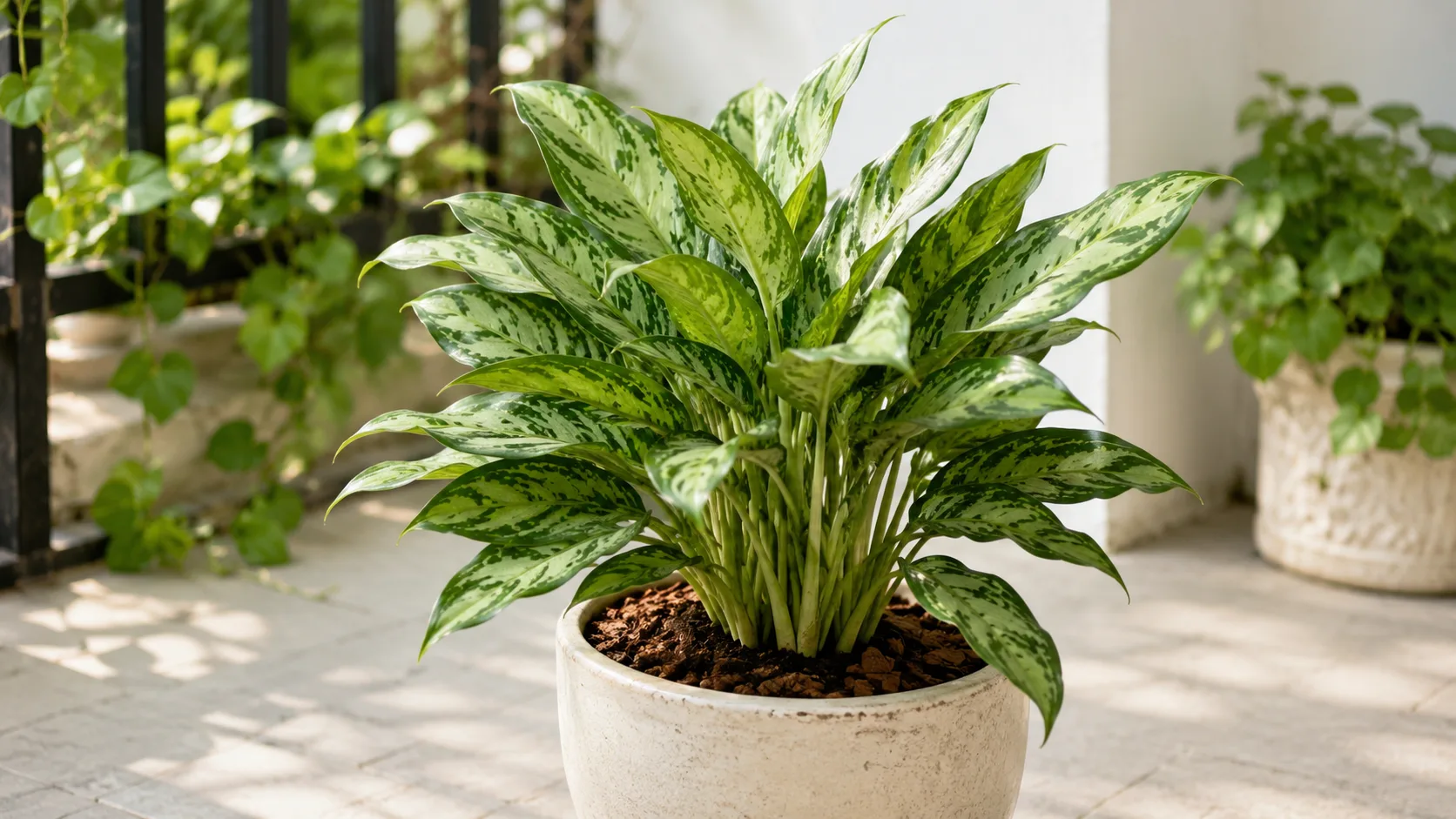
Aglaonema
Likely causeCommon scale insects pattern on Aglaonema under indoor care stress.
Quick fixInspect roots, watering, light, and pests; adjust one variable and monitor new growth.
 Medium
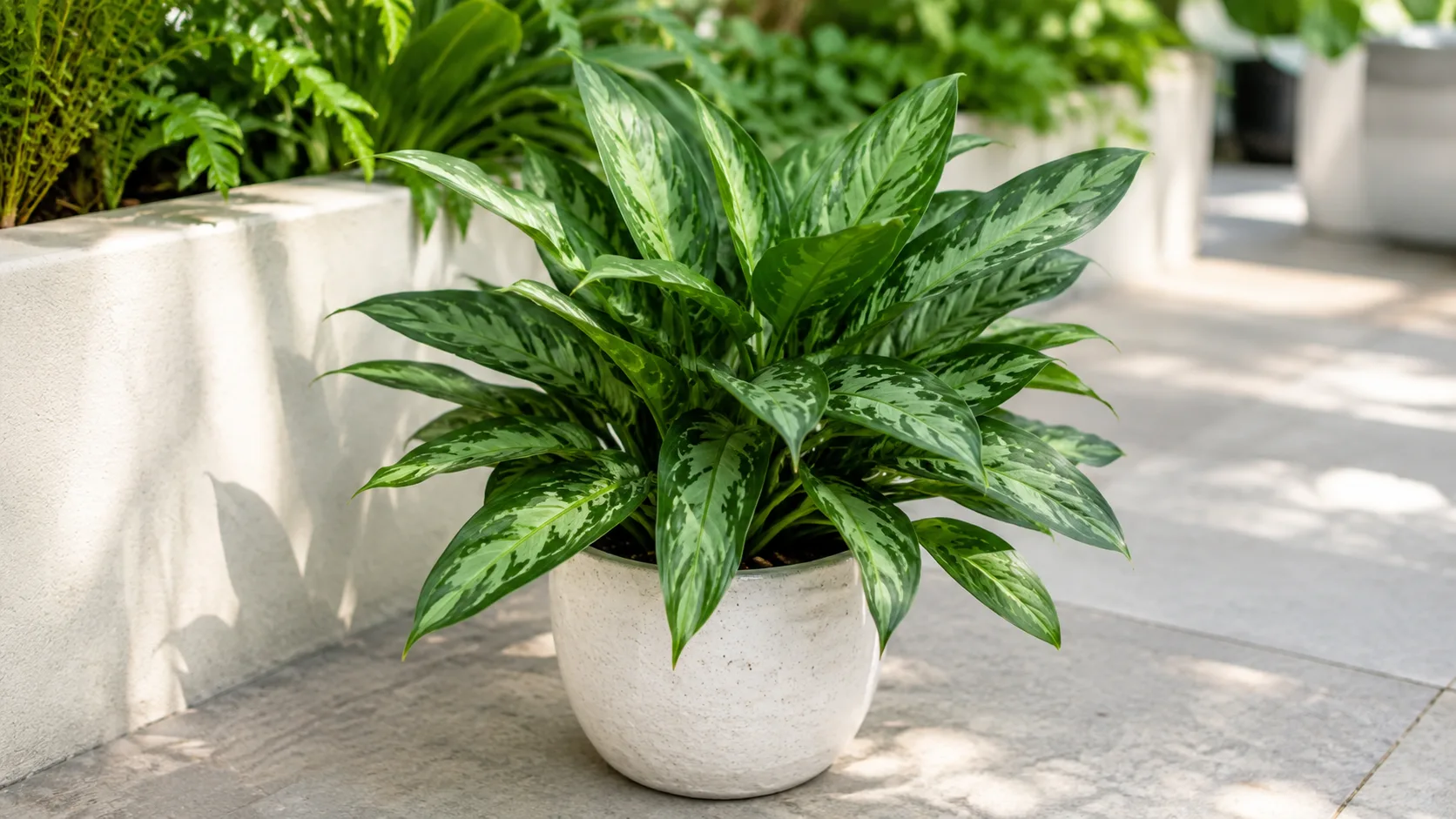
Aglaonema Cutlass
Likely causeCommon scale insects pattern on Aglaonema Cutlass under indoor care stress.
Quick fixInspect roots, watering, light, and pests; adjust one variable and monitor new growth.
- Medium
Aglaonema Lady Valentine
Likely causeCommon scale insects pattern on Aglaonema Lady Valentine under indoor care stress.
Quick fixInspect roots, watering, light, and pests; adjust one variable and monitor new growth.
- Medium
Aglaonema Maria
Likely causeCommon scale insects pattern on Aglaonema Maria under indoor care stress.
Quick fixInspect roots, watering, light, and pests; adjust one variable and monitor new growth.
- Medium
Aglaonema Pictum Tricolor
Likely causeCommon scale insects pattern on Aglaonema Pictum Tricolor under indoor care stress.
Quick fixInspect roots, watering, light, and pests; adjust one variable and monitor new growth.
 Medium
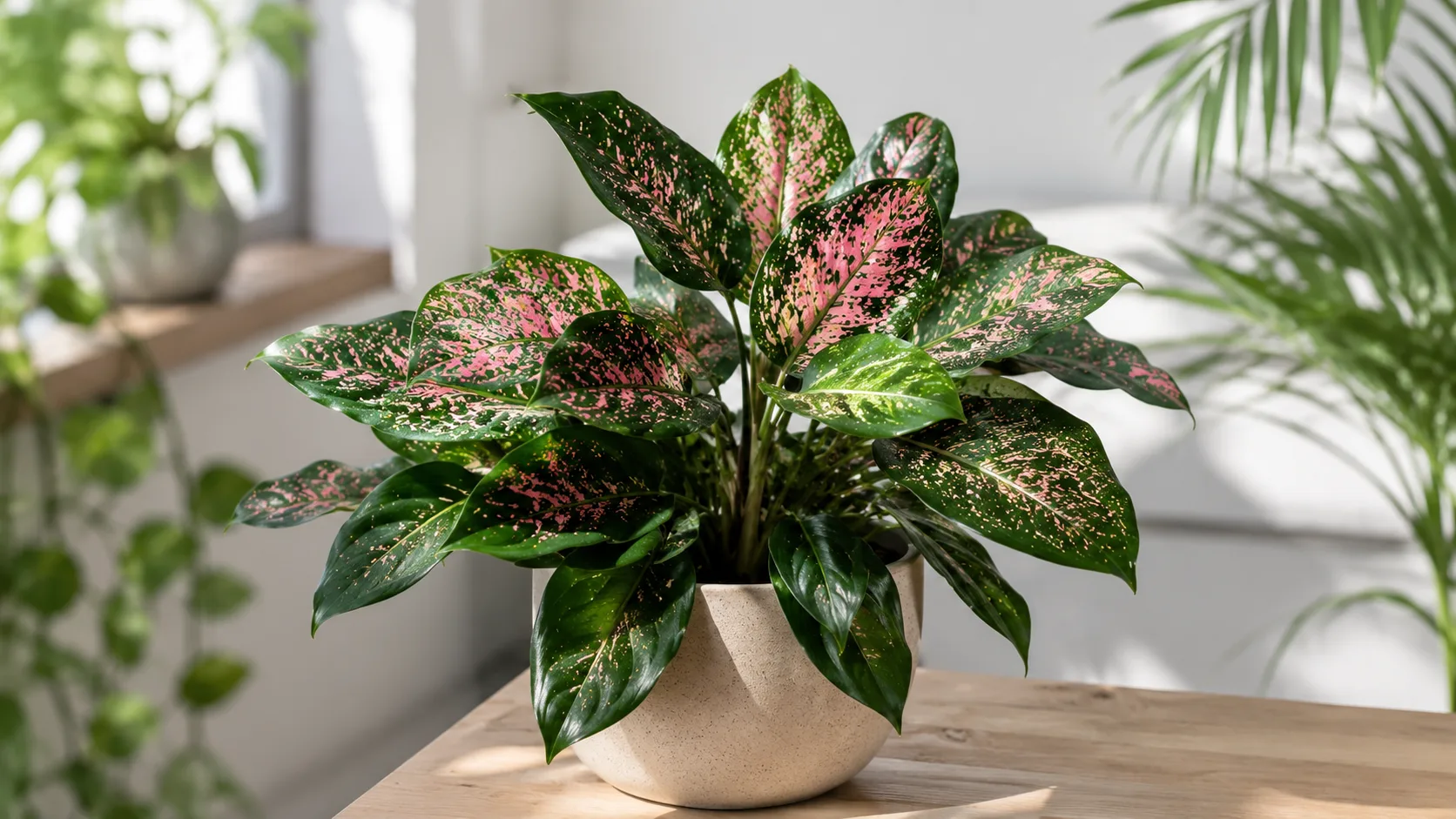
Aglaonema Pink Dalmatian
Likely causeCommon scale insects pattern on Aglaonema Pink Dalmatian under indoor care stress.
Quick fixInspect roots, watering, light, and pests; adjust one variable and monitor new growth.
- Medium
Aglaonema Red Siam
Likely causeCommon scale insects pattern on Aglaonema Red Siam under indoor care stress.
Quick fixInspect roots, watering, light, and pests; adjust one variable and monitor new growth.
 Medium
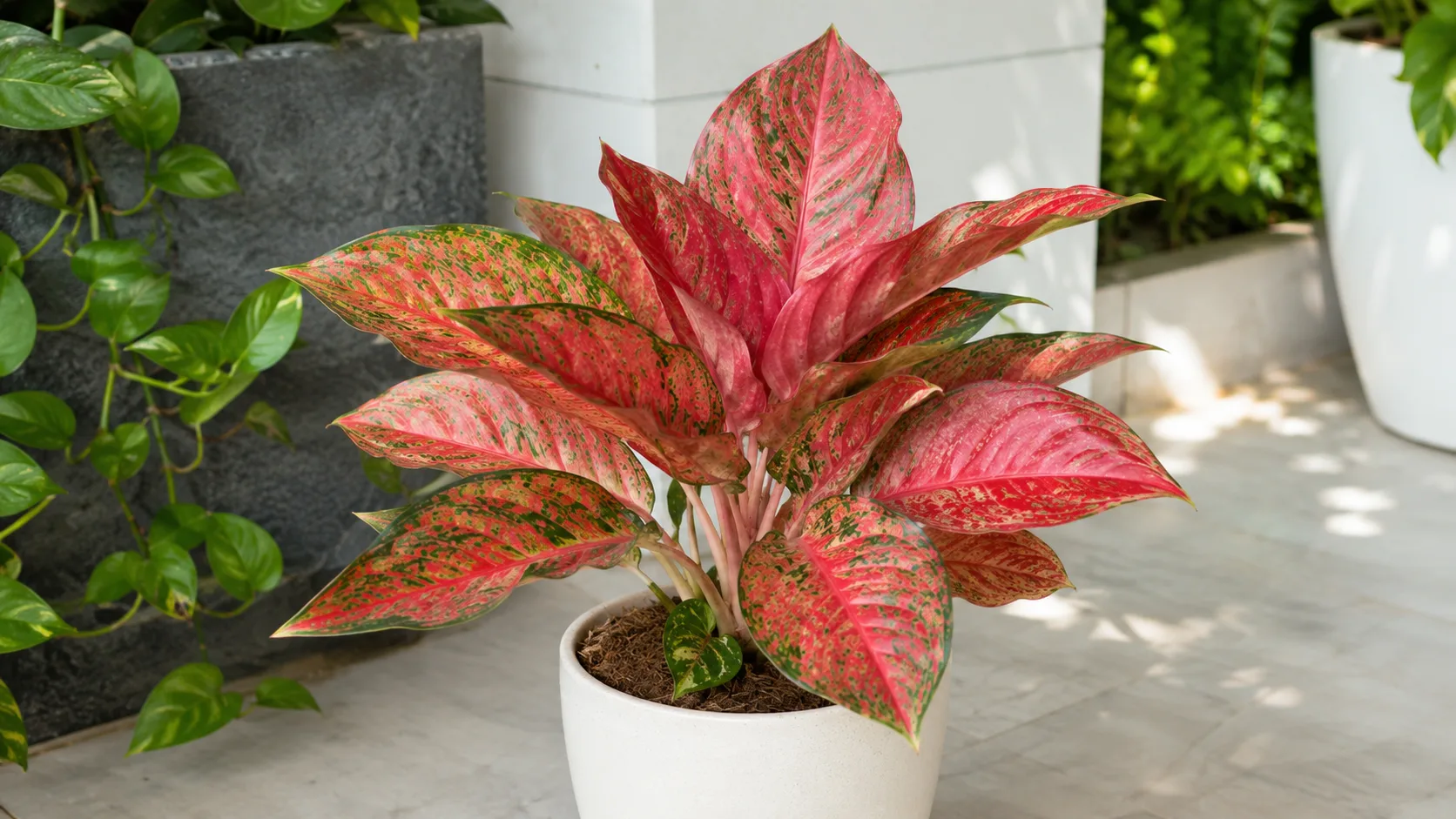
Aglaonema Red Valentine
Likely causeCommon scale insects pattern on Aglaonema Red Valentine under indoor care stress.
Quick fixInspect roots, watering, light, and pests; adjust one variable and monitor new growth.
 Medium
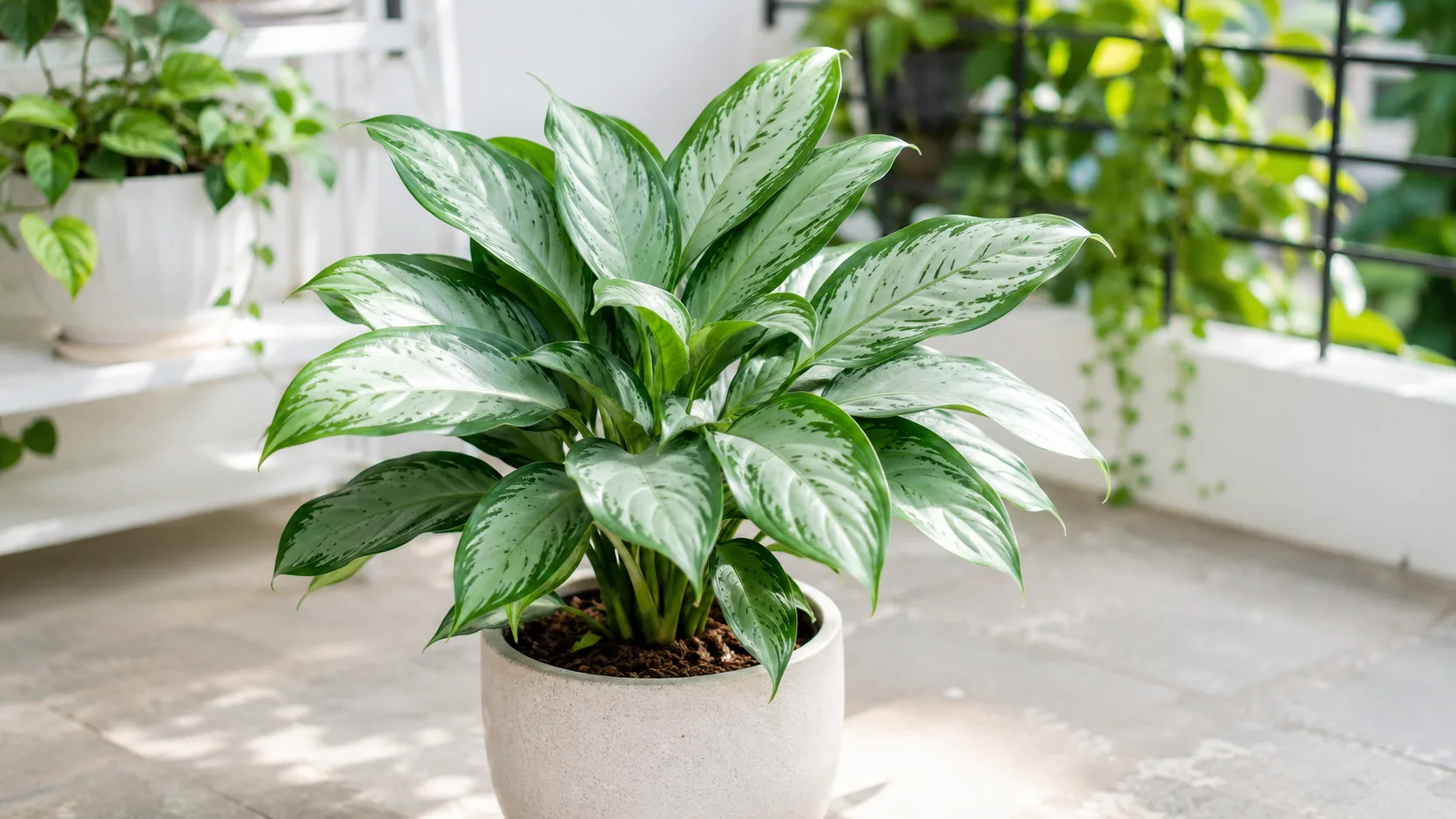
Aglaonema Silver Bay
Likely causeCommon scale insects pattern on Aglaonema Silver Bay under indoor care stress.
Quick fixInspect roots, watering, light, and pests; adjust one variable and monitor new growth.