Caterpillars on Plants: Identification and Control
'Houseplant pests are common indoors because conditions lack natural predators. Caterpillars often arrives on new plants, open windows, or stressed specimens. When you notice Chewed leaves, holes, missing leaf sections, act quickly: confirm the pest, isolate the plant, and treat before the population explodes. Track weekly progress after you change care, and note watering, light, and repotting dates so you can tell whether the symptom is improving or returning.'. Compare upper versus lower leaves, new versus old growth, and soil moisture at root depth before you treat, because the same visible symptom can come from watering, light, pests, or normal aging on different plants.
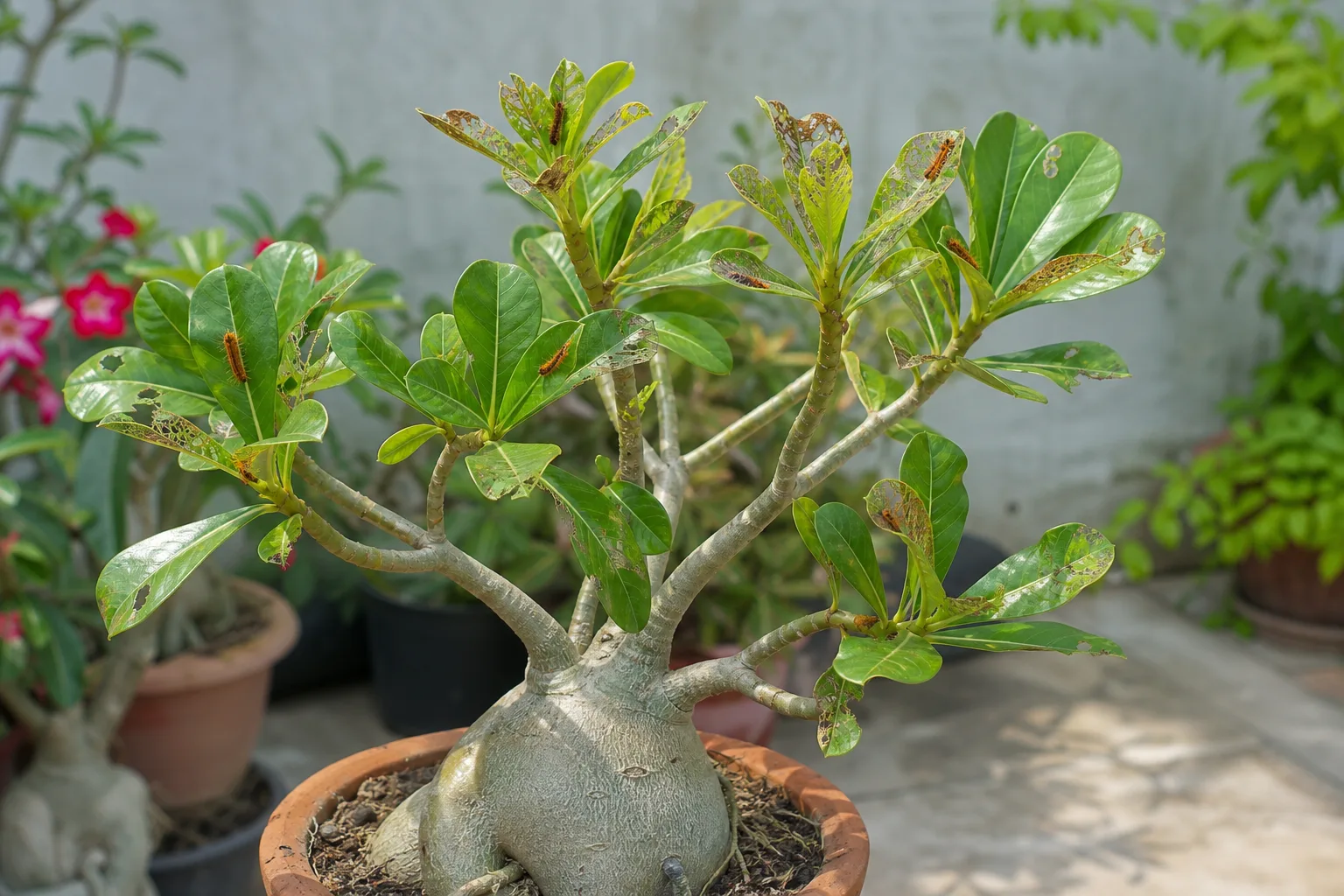
Caterpillars on Houseplants
Still unsure?Match your symptoms to the most likely problems in under a minute.Run diagnosis →Understand and fix caterpillars
'Houseplant pests are common indoors because conditions lack natural predators. Caterpillars often arrives on new plants, open windows, or stressed specimens. When you notice Chewed leaves, holes, missing leaf sections, act quickly: confirm the pest, isolate the plant, and treat before the population explodes. Track weekly progress after you change care, and note watering, light, and repotting dates so you can tell whether the symptom is improving or returning.'. Compare upper versus lower leaves, new versus old growth, and soil moisture at root depth before you treat, because the same visible symptom can come from watering, light, pests, or normal aging on different plants.
Overview
'Houseplant pests are common indoors because conditions lack natural predators. Caterpillars often arrives on new plants, open windows, or stressed specimens. When you notice Chewed leaves, holes, missing leaf sections, act quickly: confirm the pest, isolate the plant, and treat before the population explodes. Track weekly progress after you change care, and note watering, light, and repotting dates so you can tell whether the symptom is improving or returning.'. Compare upper versus lower leaves, new versus old growth, and soil moisture at root depth before you treat, because the same visible symptom can come from watering, light, pests, or normal aging on different plants.
How to identify it
- Inspect leaf undersides, stem joints, and soil surface with a magnifying glass
- Look for movement, webbing, sticky honeydew, or cottony clusters
- Check nearby plants-even if only one looks bad initially
- Note whether symptoms match pest damage vs fungal or water issues
- Review recent plant purchases or outdoor time for introduction routes
When to worry
Heavy webbing, visible colonies on multiple plants, or larvae in soggy soil affecting seedlings need immediate treatment across your collection.
Common causes
New plant without quarantine
Pests hitchhike on nursery plants. Skipping a 2-week isolation period is the top way Caterpillars enters a collection.
Dry air and heat stress
Spider mites thrive when humidity is low and plants are stressed. Heat vents and winter heating make infestations worse.
Overwatered soil
Consistently moist organic soil breeds fungus gnat larvae that feed on fine roots and spread annoyance indoors.
Dusty leaves and poor airflow
Dust blocks light and weakens plants, making them easier targets for scale, mealybugs, and aphids.
Step-by-step fix
Isolate the affected plant
Move it away from others until you see no new pest activity for at least two weeks after treatment.
Identify the pest correctly
Compare symptoms to photos or use a pest identifier tool. Treatment differs for mites, gnats, scale, and mealybugs.
Remove what you can manually
Wipe leaves, shower the plant, pick off visible bugs, and scrape scale with a cotton swab dipped in alcohol.
Apply appropriate treatment
Use insecticidal soap or horticultural oil for most soft-bodied pests. Repeat every 5–7 days for two to three cycles to catch hatchlings.
Fix conditions pests love
Let soil dry for fungus gnats, raise humidity for mite-prone plants, and dust leaves regularly.
Prevention tips
- Quarantine new plants for 2 weeks before placing near others
- Inspect leaf undersides during weekly care
- Avoid overwatering and improve airflow between plants
- Keep plants healthy-stressed plants attract pests faster
Common mistakes
- Treating once and assuming pests are gone
- Using the wrong product for the pest type
- Returning an isolated plant too soon
Fresh holes, ragged leaf edges, and dark pellets can point to a caterpillar, but damage is not an identity. Slugs, beetles, earwigs, grasshoppers, and sawfly larvae also chew foliage. Before reaching for a spray, find the animal or enough physical evidence to choose a targeted response.
What Caterpillar Damage Looks Like
Caterpillars are the larval stage of moths and butterflies. Their feeding patterns vary by species and age. Some take irregular bites from leaf margins; others consume tissue between major veins, create translucent “windowpanes,” roll leaves together, bore into buds, or cut young stems near soil level.
University of Minnesota Extension describes general chewing, skeletonizing, and windowpane feeding among the common caterpillar damage patterns. One pattern alone rarely identifies the species.
Frass—caterpillar droppings—is a strong clue. It may look like dark grains on lower leaves, shelves, or potting mix. Its size often increases as the larva grows. Fresh moist frass beneath new holes indicates current feeding, while dry old damage without frass may be inactive.
Map damage before removing leaves. Circle the newest holes on a photograph and place a clean sheet beneath the canopy overnight. New frass or an enlarged edge by morning confirms ongoing feeding. This matters because old holes remain visible after the larva has pupated, left the plant, or already been removed.
The position of injury can narrow the search. Missing leaf margins point toward an exposed chewer; a tied leaf or webbed tip suggests a sheltering larva; a clipped seedling near the mix surface warrants a nighttime check around the stem and pot rim. Bored buds or stems require inspection for entry holes and frass rather than another surface spray.
Find the Larva, Not Just the Hole
Search at dawn, dusk, and after dark because some larvae hide during the day. Inspect leaf undersides, folded leaves, flowers, buds, stems, the pot rim, and the top layer of debris. Follow a trail upward from fresh frass.
Look for silk that binds a leaf roll or webbed cluster, but do not assume every web belongs to a caterpillar. Spider mites create very fine webbing near foliage; true spiders make structural webs and do not chew plants.
Caterpillars Versus Lookalikes
A confirmed caterpillar usually has a distinct head capsule, three pairs of true legs near the head, and no more than five pairs of fleshy abdominal prolegs. Color, hairiness, and markings vary enormously.
Count Prolegs Carefully
Sawfly larvae resemble caterpillars but generally have six or more pairs of abdominal prolegs and lack the small hooks found on caterpillar prolegs. This difference matters because products containing Bacillus thuringiensis var. kurstaki target certain moth and butterfly larvae, not sawflies.
Use a photograph and extension identification resource rather than handling an unknown hairy or spiny larva. Some hairs can irritate skin.
Count prolegs only on a clear side-view photograph or a contained specimen. The small true legs are jointed and sit near the head; abdominal prolegs are fleshy. A curled or moving larva makes the count difficult, and forcing it flat creates avoidable exposure. Host plant, body markings, posture, and damage pattern should accompany the count when requesting identification.
Do not assume “worm” means caterpillar. Beetle larvae, sawfly larvae, fly larvae, and true caterpillars can all be described that way in casual conversation. Correct order-level identification is enough to rule Btk in or out, even when a precise species name is unavailable.
Separate Chewing From Leaf-Miner Damage
Leaf miners feed between the upper and lower leaf surfaces, producing winding tunnels or blotches that remain covered by epidermis. Caterpillars feeding externally leave open holes, missing edges, skeletonized tissue, or rolled shelters. Hold the leaf to light: an intact translucent roof over a trail points to a miner.
Decide Whether Treatment Is Necessary
A healthy established ornamental often tolerates modest leaf loss. Minnesota Extension states that in most cases ornamental plants tolerate caterpillar feeding, and treatment is unnecessary for plant health. A young seedling, small indoor specimen, edible leaf crop, or stressed plant has less margin.
Intervene when fresh damage is expanding, larvae are numerous, buds or growing points are threatened, defoliation is substantial relative to plant size, or the pest is regulated locally. Tolerate old cosmetic damage when no active larvae remain.
Set a plant-specific threshold before acting. One larva on a mature hibiscus may be removable by hand, while one on a newly rooted cutting can consume a large share of its functional foliage. On an edible leafy crop, appearance and harvest contamination matter even when plant survival does not. On a native butterfly host, planned feeding may be the purpose of the planting.
Reassess after the first intervention rather than escalating automatically. If no new frass or holes appear over several active feeding periods, further treatment adds little benefit. If damage continues, search again for a second larva, an internal feeder, or a different nighttime chewer before changing products.
Immediate Steps for a Potted Plant
Move the plant away from the collection and place it over a washable surface. Inspect nearby plants, window screens, and flowers brought indoors. Remove visible larvae into a container rather than dropping them into another pot.
Containment should preserve evidence. If the insect is unfamiliar, keep one specimen with a leaf from the host and record where it was found. Do not transport an unsealed live larva through the collection. Clean frass from the saucer and shelf so newly deposited pellets are easy to recognize at the next check.
Avoid an emergency repot unless the evidence points to a soil-sheltering pest or the mix already has a separate problem. Many caterpillars feed entirely above ground, and transplant stress will not remove eggs on leaves. Inspect the rim and surface debris at night before disturbing healthy roots.
Check whether the plant recently spent time outdoors. A moth may have laid eggs before it came inside; finding one caterpillar does not prove an indoor breeding population. Keep foliage from touching neighboring plants while you monitor.
Hand Removal and Pruning
For a small or moderate infestation, handpicking is the most selective control. Wear gloves, especially with unknown hairy larvae, and use forceps if preferred. Drop larvae into soapy water or seal them for identification and disposal.
Remove a tightly rolled or webbed leaf when it contains a larva and the plant can spare it. Do not strip every damaged leaf: green tissue still supports the plant. Search again over several evenings because eggs or small larvae may have been missed.
Mechanical tactics such as handpicking larvae are recognized extension recommendations and can avoid unnecessary pesticide exposure.
When Bt Can Help
Products containing Bacillus thuringiensis var. kurstaki—often abbreviated Btk—can target many leaf-feeding caterpillars. They are not universal insect killers. Confirm the pest is a susceptible moth or butterfly larva and that the product label lists the plant, site, and target.
Bt Must Be Eaten
Btk acts after a susceptible caterpillar consumes treated foliage. It is not useful as a contact spray on an insect that will not feed, a larva protected inside a stem, or a sawfly. Utah State University Extension explains that Btk is a stomach-active microbial insecticide and works best on young, actively feeding caterpillars.
Do not spray merely because you see an adult moth. Adults do not consume treated foliage in the same way, and not every moth is a pest.
Read the active ingredient panel, not only the large “Bt” wording on the front. Different Bacillus thuringiensis subspecies target different insect groups, and a product may combine active ingredients. The label must include the intended plant or crop, application site, and pest. A greenhouse, indoor living space, patio, and vegetable bed are not interchangeable sites.
Mix only the amount needed for the labeled application and use clean equipment. Do not save a diluted biological pesticide unless the label permits it. Storage temperature and sunlight affect product performance, so follow package directions and check the expiration or lot information when results are unexpectedly poor.
Timing and Coverage Matter
Treat while larvae are small and feeding on exposed foliage. Cover the surfaces they eat, then follow the label for rain, sunlight, reapplication, protective equipment, and harvest interval. A heavy spray cannot restore tissue already missing.
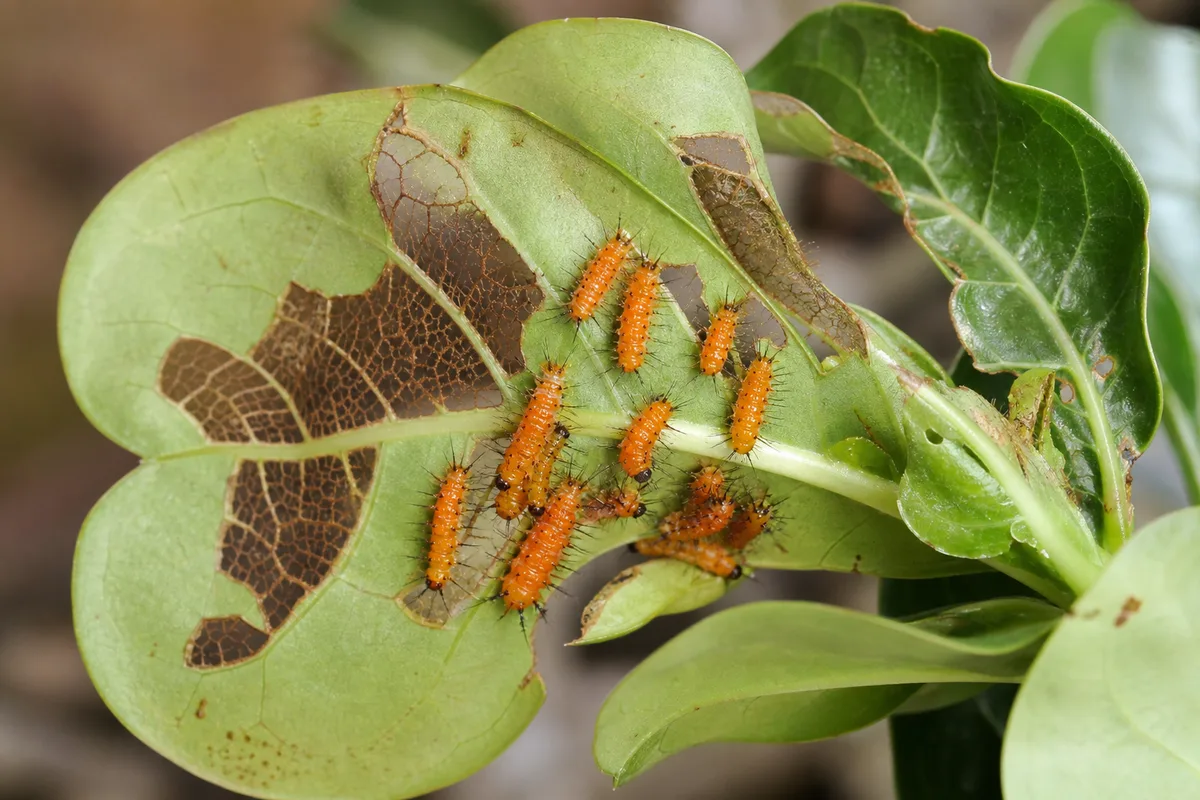
Btk can harm non-target butterfly and moth larvae that eat treated leaves. Keep it off host plants supporting desired caterpillars.
Other Pesticide Options and Limits
Spinosad can control some caterpillar pests, but it also has non-target risks and must be used exactly as labeled. Broad-spectrum insecticides may kill predators and parasitoids that naturally suppress caterpillars. They can also be inappropriate indoors or on edible plants.
Avoid rotating products by brand name alone. Two brands can contain the same active ingredient, while one brand family may sell several different formulations. Repeatedly using the same mode of action can contribute to resistance in managed pest populations. For recurring greenhouse or crop problems, obtain a local integrated-pest-management plan rather than improvising a spray sequence.
Coverage is not the same as drenching. A product intended for foliage should not be poured into potting mix unless the label explicitly directs that use. Protect aquariums, food surfaces, children, and pets according to the label, and prevent drift onto open blooms or nearby host plants for desirable caterpillars.
Never infer safety from “organic” or “natural.” Check the active ingredient, labeled crop or ornamental, indoor versus outdoor site, required protective equipment, and pollinator precautions. The label is the legal and practical authority.
Contact insecticidal soap is generally designed for soft-bodied insects it directly wets; it is not the default answer for chewing caterpillars. Neem products vary and should not be treated as interchangeable.
Protect Pollinators and Beneficial Caterpillars
Identify before killing. A caterpillar on a host plant may become a valued native butterfly or moth, and a small amount of feeding may be acceptable. If the plant is outdoors and healthy, moving the larva to an appropriate host is sometimes possible only when identification is certain.
Avoid spraying open flowers or when pollinators are active. Preserve parasitoid wasps and predators by choosing hand removal or a targeted product over a residual broad-spectrum spray. Minnesota Extension recommends nonchemical and low-risk options when management is necessary.
Help the Plant Recover
Keep the plant in suitable light and water according to root-zone dryness. Do not overwater in an attempt to force recovery. Avoid a large fertilizer dose; damaged roots or low-light foliage cannot use extra nutrients safely.
Leave healthy green portions of chewed leaves unless they are diseased or harbor larvae. New growth is the recovery indicator. A plant that has lost most foliage may need reduced watering because transpiration has fallen.
Estimate remaining leaf area rather than reacting to the ugliest leaf. A few dramatic holes can look severe while most of the canopy remains functional. Conversely, a seedling with its growing point eaten may face a greater setback than a mature plant with several edge bites.
Support recovery by stabilizing conditions. Do not combine pest stress with an unnecessary repot, abrupt light increase, pruning for appearance, and fertilizer change. Make only the interventions required to stop active feeding, then return to normal species-appropriate care.
If the caterpillar bored into a bud or stem, external damage may underestimate injury. Remove collapsed tissue back to healthy material with clean tools when appropriate. Monitor for discoloration, softening, or continued frass that could indicate a larva remains inside.
Old holes never fill in. New leaves can make the plant look whole again, but that takes time. A photograph from the day of control provides a baseline and helps prevent old scars from being mistaken for renewed feeding.
Match water use to the remaining canopy. A severely defoliated plant may dry more slowly because it has less leaf area, yet damaged plants should not be kept continuously wet. Test the root zone and preserve normal wet-dry cues for the species. Keep light stable until new leaves are functioning, then make any seasonal adjustment gradually.
Do not remove intact stems merely to make the plant symmetrical. Recovery depends on stored energy, healthy roots, and remaining photosynthetic tissue. When a growing point is lost, watch for lateral buds before deciding the plant has failed. Species differ in their ability to branch after tip damage.
Prevent the Next Infestation
Inspect outdoor plants before bringing them inside, including leaf undersides, buds, and rolled leaves. Quarantine new acquisitions. Remove weeds and debris that shelter relevant pests where appropriate, but preserve habitat thoughtfully outdoors.
For vegetable crops, fine mesh row cover can exclude egg-laying adults when installed before infestation, provided the crop does not require insect pollination while covered. Rotate crops and check regional extension alerts for recurring local pests.
Examine leaves for egg masses as well as larvae. Eggs may occur singly, in groups, beneath leaves, or near buds depending on species. Do not destroy an unknown egg mass on a native host without considering whether it belongs to a desirable butterfly or moth.
Screens reduce accidental entry but do not make a room insect-proof. Moths can arrive on plants, flowers, produce, or clothing. Outdoor patio plants deserve a deliberate inspection area before returning indoors. Shake the pot gently over a light surface, inspect foliage with a flashlight, and keep it separate while new damage would become evident.
In gardens, match prevention to the pest. Crop rotation can help when a species overwinters near its host; it does little against a highly mobile generalist arriving from surrounding vegetation. Row covers must be secured at edges and installed before egg laying. Remove them when pollination is necessary unless the crop is self- or wind-pollinated.
Keep a seasonal note when the same species recurs. Date, host, weather, larval size, and location can guide earlier scouting. Prevention means noticing the first eggs or small larvae, when hand removal and targeted products are most effective, rather than applying a calendar spray.
Avoid bright outdoor lighting near open windows and prized plants when it attracts night-flying moths, where practical and safe. This is a supporting measure, not a substitute for host inspection.
When to Seek Identification Help
Ask an extension diagnostic service when the larva is hairy or spiny, damage is severe, boring occurs inside stems or fruit, many plants are affected, or a regulated pest is possible. Submit clear photographs of the whole plant, damage, larva from above and side, and its size.
Professional help is also sensible for valuable collections where treatment choices could cause phytotoxicity or conflict with biological-control programs.
Keep the specimen alive only if the diagnostician requests it and you can contain it securely. Otherwise, preserve or photograph it according to local instructions. Include the host plant’s scientific name if known because many larvae are host-specific.
Urgent advice is warranted when people or pets have contacted irritating hairs, but plant-care guidance cannot diagnose a medical reaction. Follow local poison-control or healthcare advice. Do not handle an unknown spiny caterpillar bare-handed merely to obtain a photograph.
If repeated chewing continues without any larva, inspect at night for slugs, earwigs, beetles, or other chewers and examine the pot surroundings. Applying Btk to an unconfirmed pest delays the correct solution.
Ask the diagnostician what evidence is most useful before mailing a sample. Some programs want a live larva in a ventilated container; others prefer preserved material or high-resolution images. Include the host plant, date, location, whether the plant was indoors or outside, and a description of feeding time. A species name from a photograph alone may remain uncertain, especially for early instars.
When the suspected insect could be regulated, do not move the plant, soil, or specimen across regional boundaries until local authorities advise you. Quarantine rules vary and are outside the scope of a general care page. Document the purchase source and recent plant movements so officials can assess risk efficiently.
Conclusion
Caterpillar control should follow evidence. Confirm fresh feeding, find the larva, distinguish it from sawflies and other chewers, and decide whether the plant actually needs intervention. Hand removal solves many small infestations. Btk can be useful for susceptible young caterpillars only when eaten and used according to its label. Protecting the plant does not require treating every old hole—or sacrificing beneficial insects to an uncertain diagnosis.
Use new frass, expanding damage, and repeat nighttime checks as the measures that matter. When those signals stop, stable care is more useful than another pesticide application. When they continue without a confirmed insect, pause and obtain identification before escalating.
Keep the dated photographs until at least one full cycle of clean growth confirms that feeding has ended.
Plants commonly affected
These houseplants often struggle with caterpillars. Open a care guide or plant-specific troubleshooting page for tailored fixes.
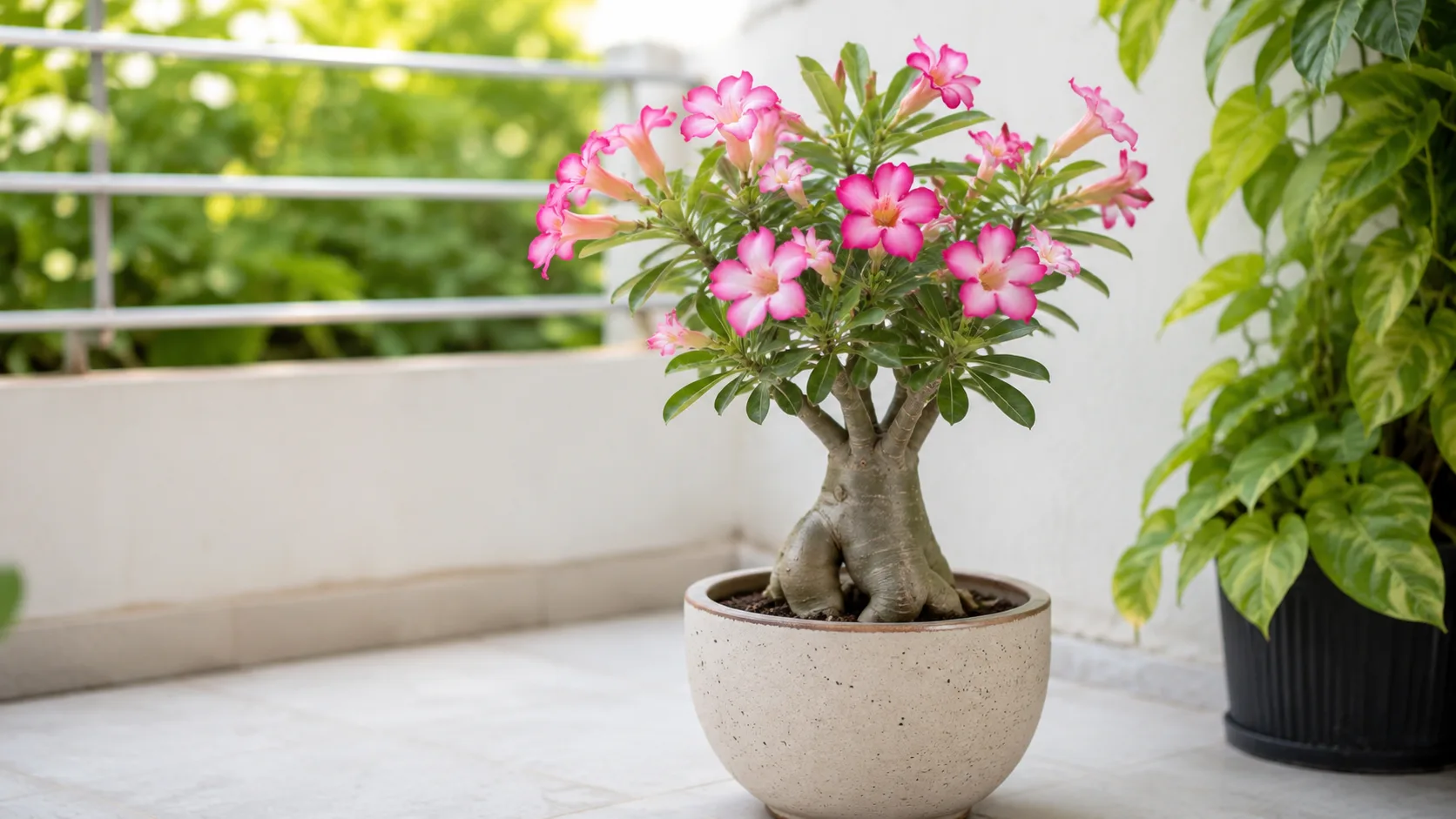 Medium
Adenium
Likely causeOleander moth larvae chew holes and strip leaves; common where Adenium is grafted onto oleander understock.
Quick fixHand-pick caterpillars and apply Bt at dusk on feeding sites; repeat every 10 days if needed.
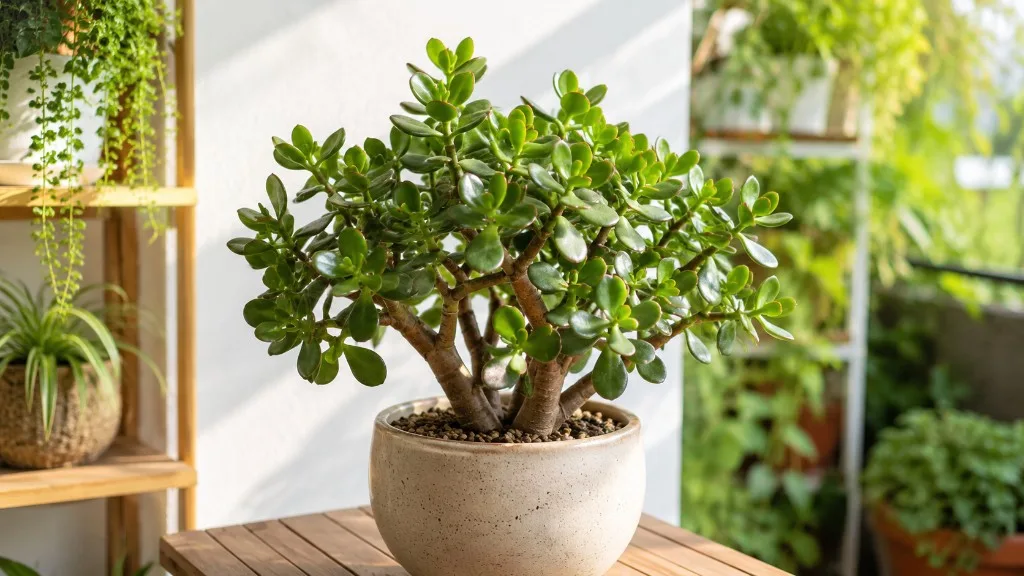 Medium
African Milk Tree
Likely causeCommon caterpillars pattern on African Milk Tree under indoor care stress.
Quick fixInspect roots, watering, light, and pests; adjust one variable and monitor new growth.
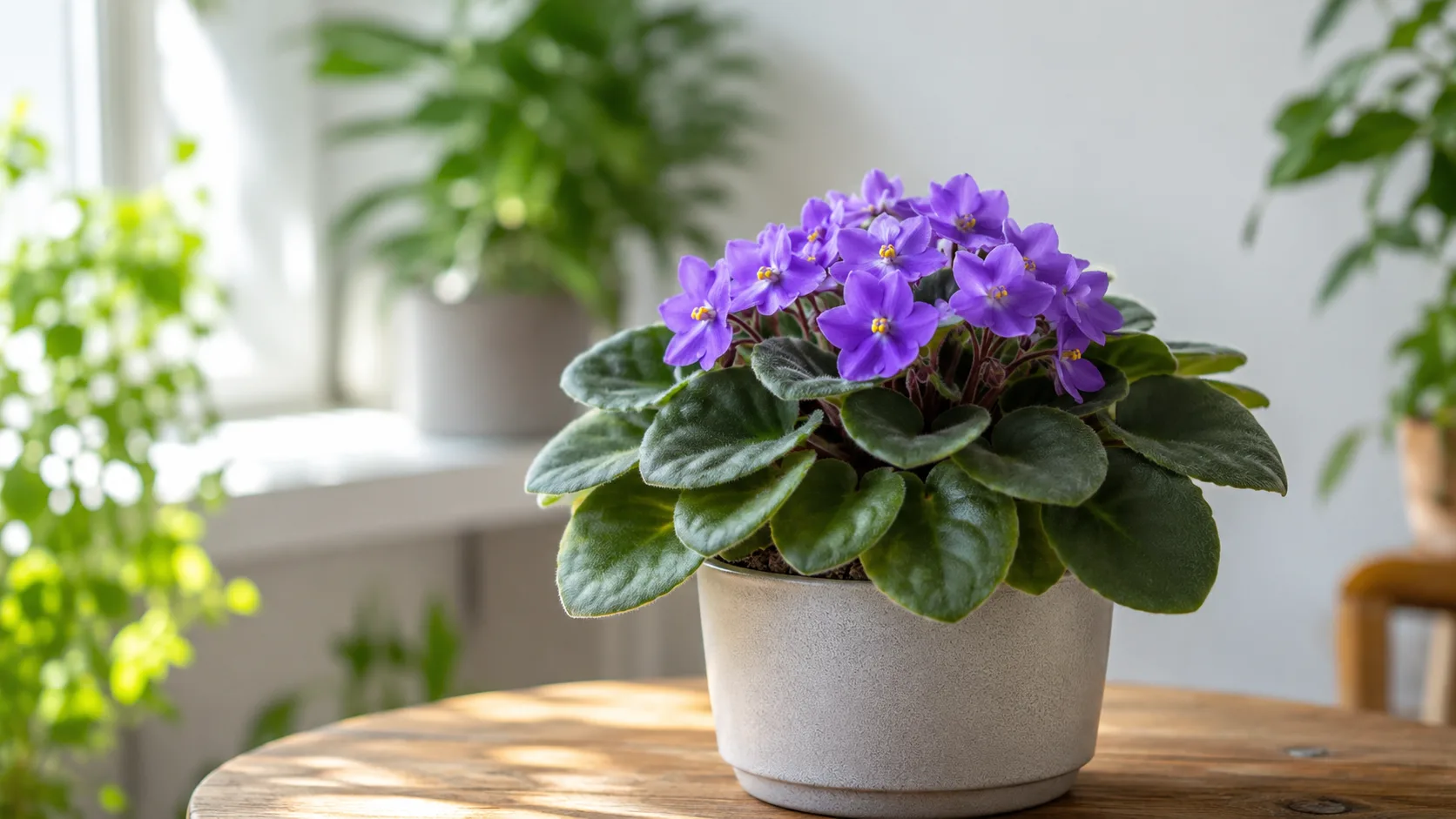 Medium
African Violet
Likely causeCaterpillars on African Violet: Caterpillars are the larvae of moths and butterflies. They come in various colors and patterns, depending on their species. Some are hairy, while others are not. They generally range in length from 1/
Quick fixInspect African Violet, confirm caterpillars matches your symptoms, then adjust care or treat per authoritative guides.
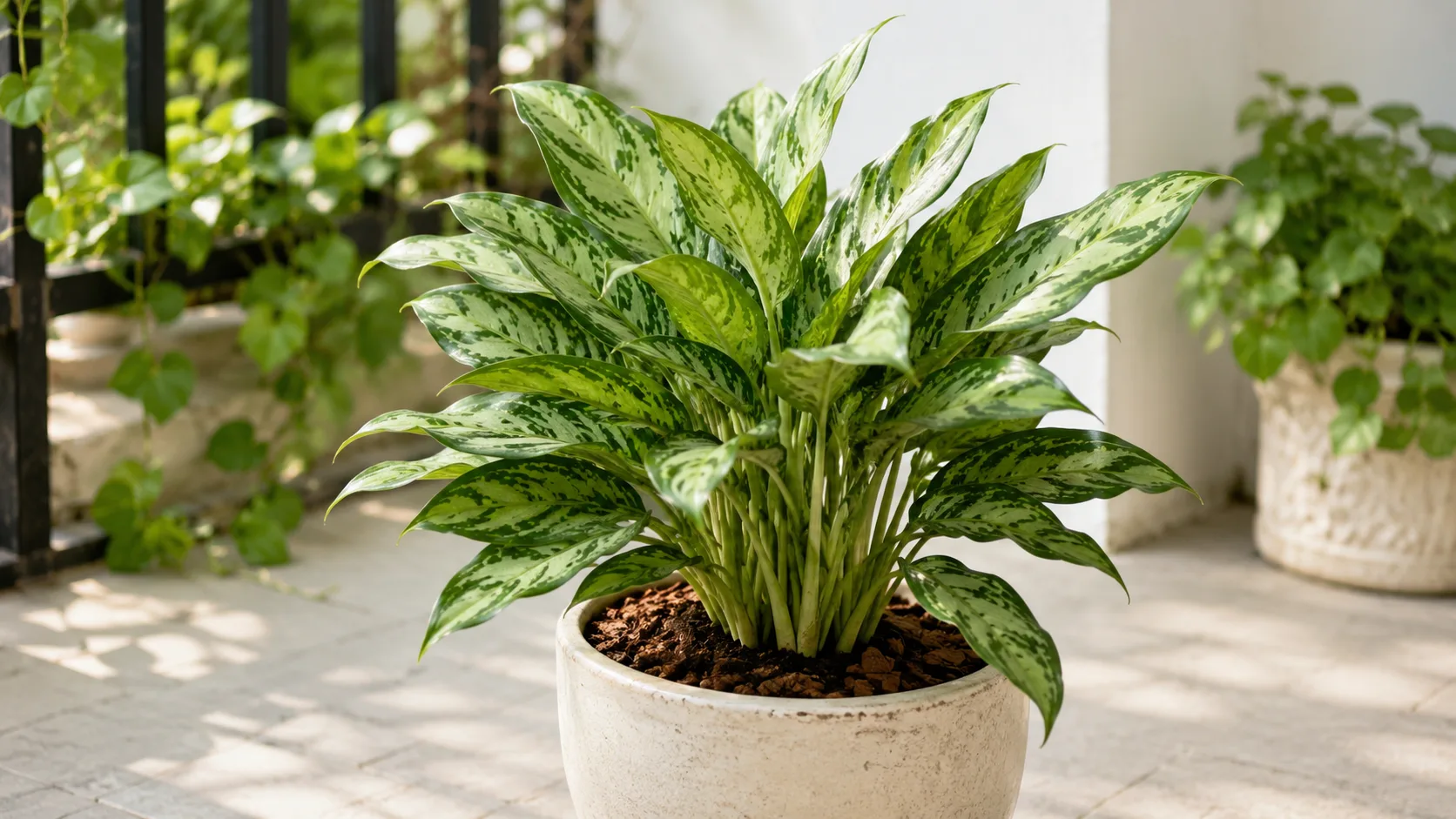 Medium
Aglaonema
Likely causeCommon caterpillars pattern on Aglaonema under indoor care stress.
Quick fixInspect roots, watering, light, and pests; adjust one variable and monitor new growth.
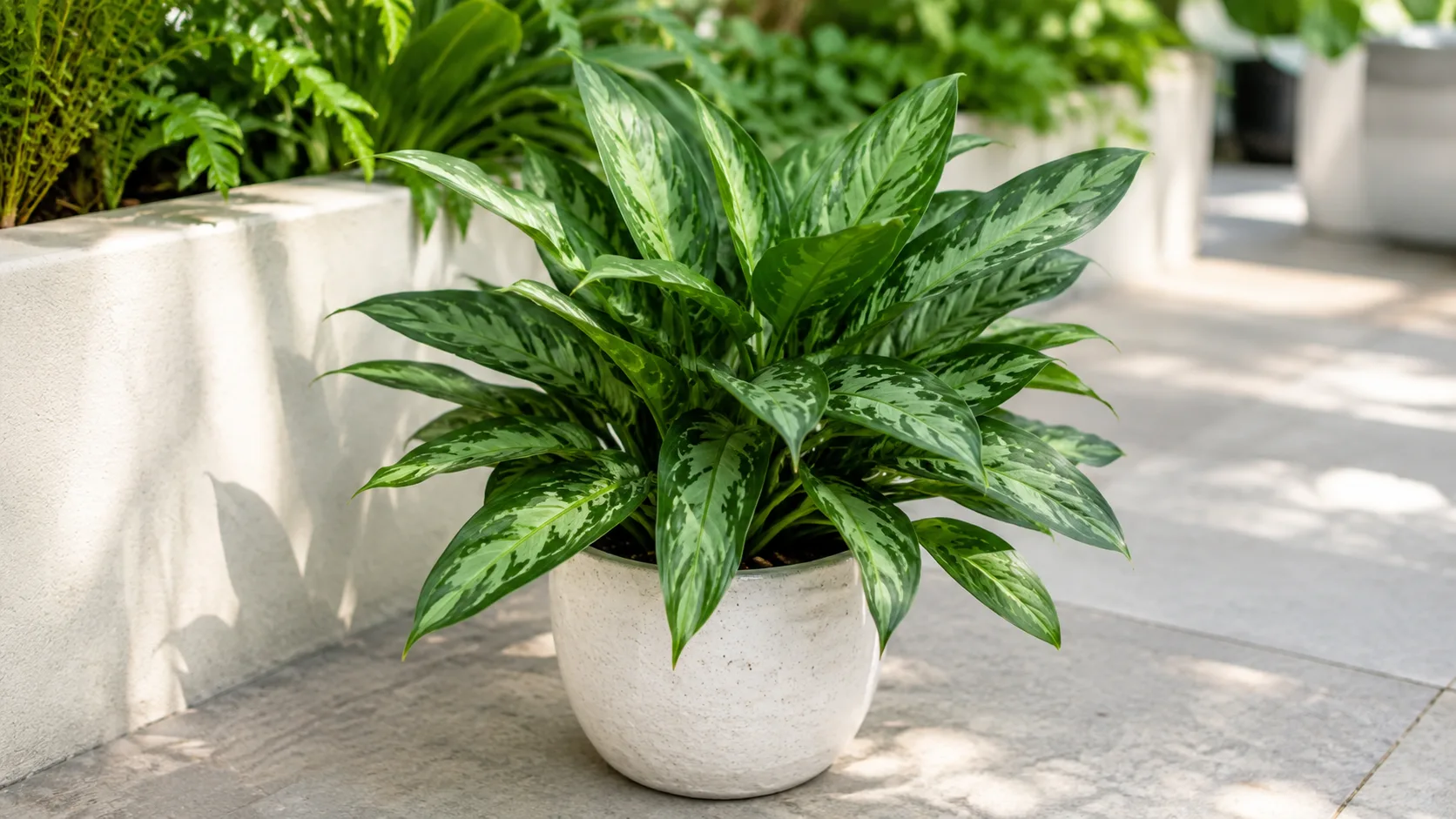 Medium
Aglaonema Cutlass
Likely causeCommon caterpillars pattern on Aglaonema Cutlass under indoor care stress.
Quick fixInspect roots, watering, light, and pests; adjust one variable and monitor new growth.
- Medium
Aglaonema Lady Valentine
Likely causeCommon caterpillars pattern on Aglaonema Lady Valentine under indoor care stress.
Quick fixInspect roots, watering, light, and pests; adjust one variable and monitor new growth.
- Medium
Aglaonema Maria
Likely causeCommon caterpillars pattern on Aglaonema Maria under indoor care stress.
Quick fixInspect roots, watering, light, and pests; adjust one variable and monitor new growth.
- Medium
Aglaonema Pictum Tricolor
Likely causeCommon caterpillars pattern on Aglaonema Pictum Tricolor under indoor care stress.
Quick fixInspect roots, watering, light, and pests; adjust one variable and monitor new growth.
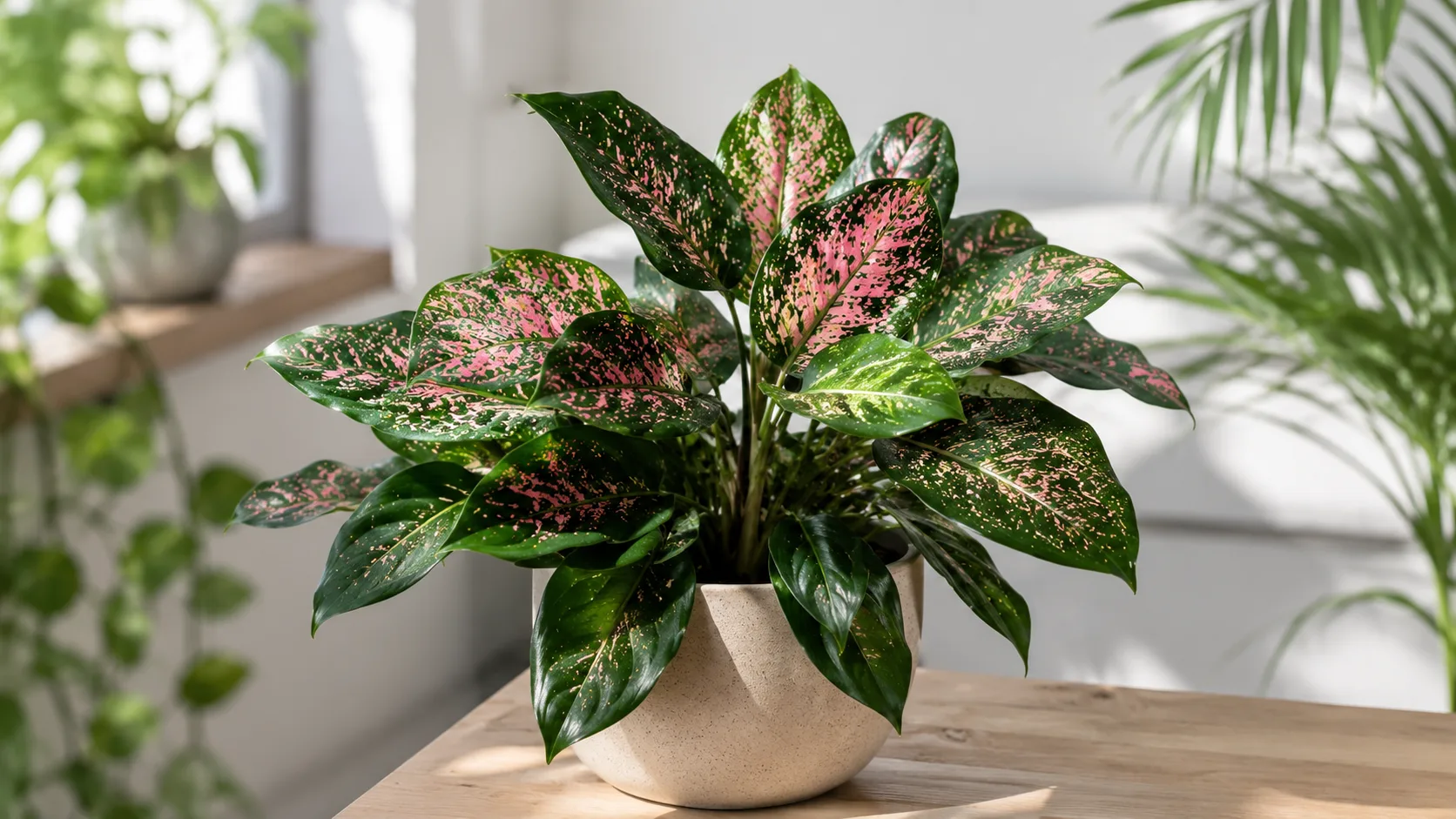 Medium
Aglaonema Pink Dalmatian
Likely causeCommon caterpillars pattern on Aglaonema Pink Dalmatian under indoor care stress.
Quick fixInspect roots, watering, light, and pests; adjust one variable and monitor new growth.
- Medium
Aglaonema Red Siam
Likely causeCommon caterpillars pattern on Aglaonema Red Siam under indoor care stress.
Quick fixInspect roots, watering, light, and pests; adjust one variable and monitor new growth.
 Medium
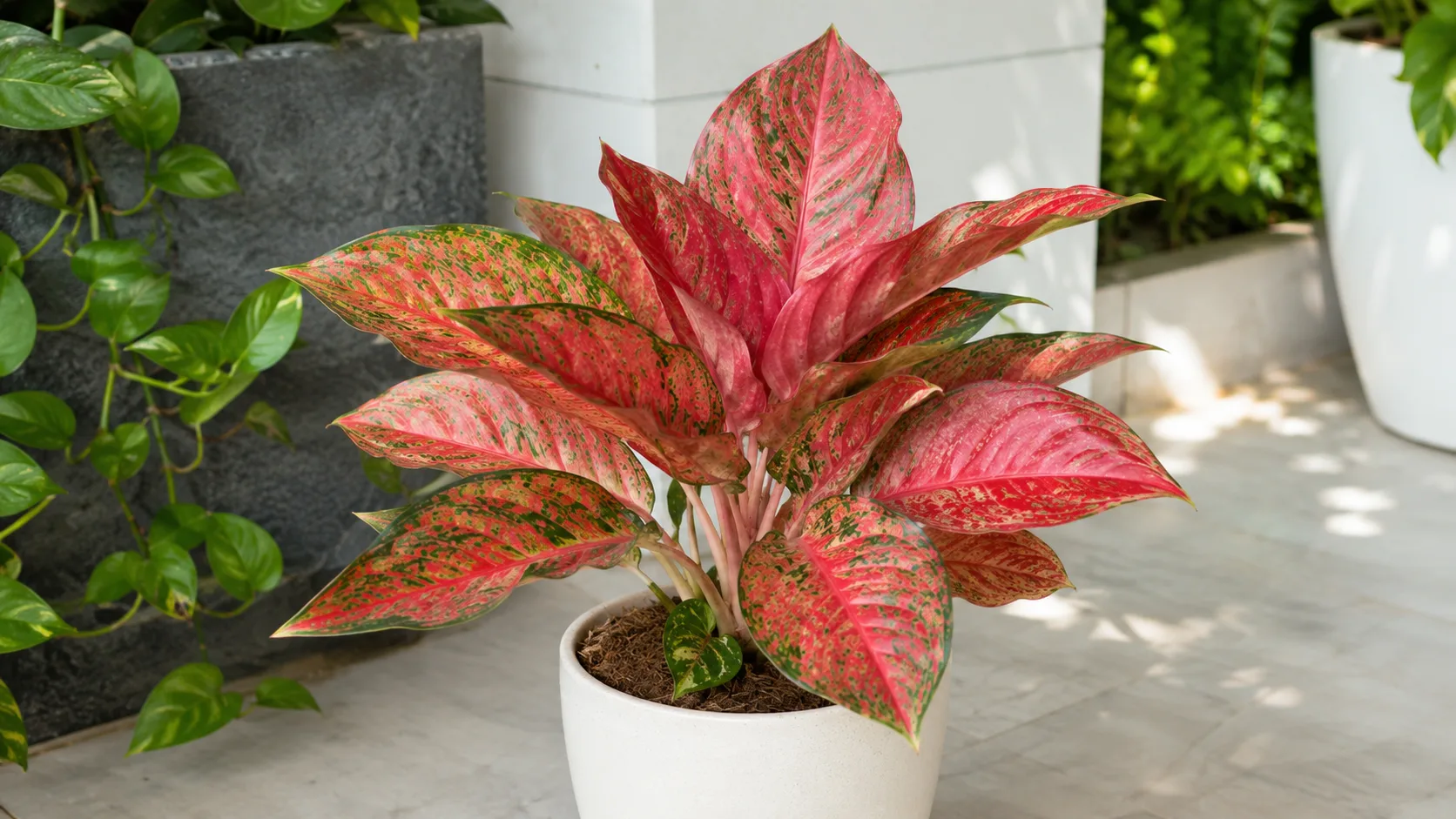
Aglaonema Red Valentine
Likely causeCommon caterpillars pattern on Aglaonema Red Valentine under indoor care stress.
Quick fixInspect roots, watering, light, and pests; adjust one variable and monitor new growth.
 Medium
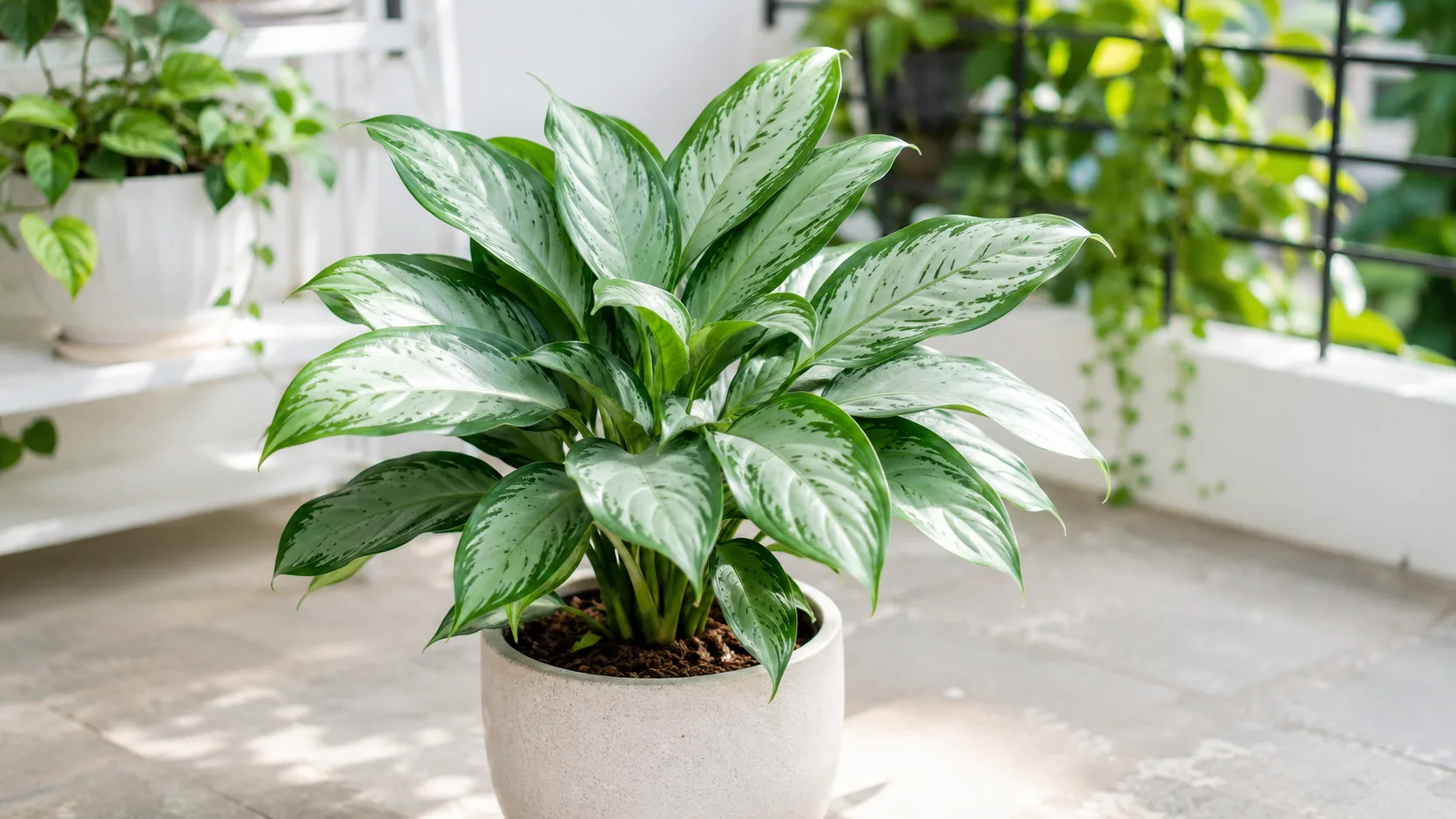
Aglaonema Silver Bay
Likely causeCommon caterpillars pattern on Aglaonema Silver Bay under indoor care stress.
Quick fixInspect roots, watering, light, and pests; adjust one variable and monitor new growth.