Wilting on African Violet: Causes, Checks & Fixes
Quick answer
Wilting on African Violet always means roots are not moving water to the leaves. Feel the top inch of mix first-dry soil needs gradual bottom water; wet soil with wilt means stop watering and inspect roots.
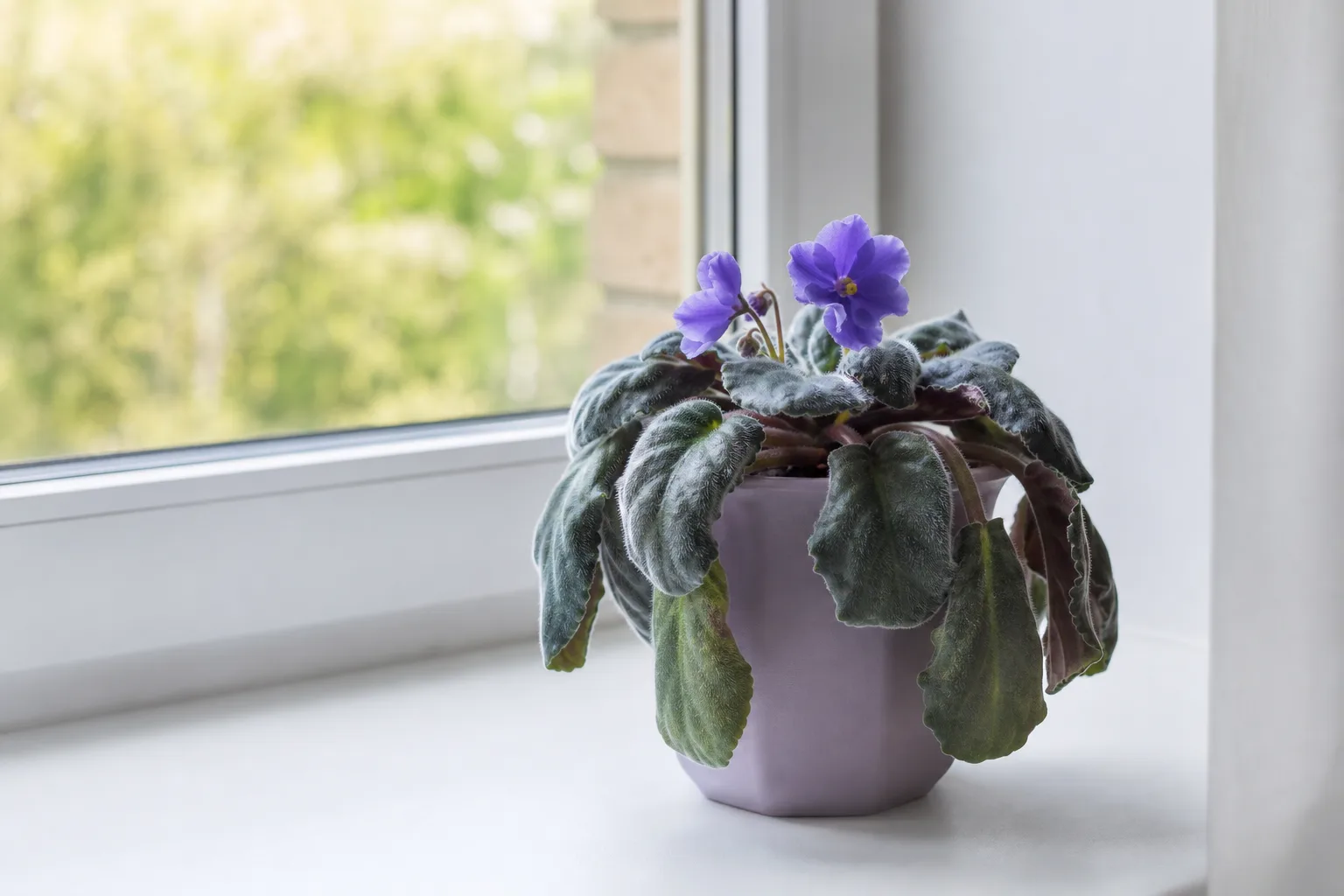
Wilting on African Violet: Causes, Checks & Fixes
This guide covers wilting on African Violet. See also the general Wilting guide, watering, and light pages for this plant.
Wilting on African Violet: Causes, Checks & Fixes
Quick answer
Wilting on African Violet means the leaves have lost turgor because water is not reaching them. That failure almost always starts at the roots-not because the plant “needs a drink” by default. A wilted plant with moist soil often has root loss from constantly wet mix First step: push your finger into the top inch of mix and lift the pot. Dry, lightweight soil with limp leaves calls for gradual rehydration. Wet or soggy soil with wilt means damaged roots, not thirst-stop watering and inspect before you add more water.
What wilting looks like on African Violet
On a healthy African Violet, the rosette sits firm and leaves feel slightly springy despite their velvety surface. Wilting changes that profile quickly.
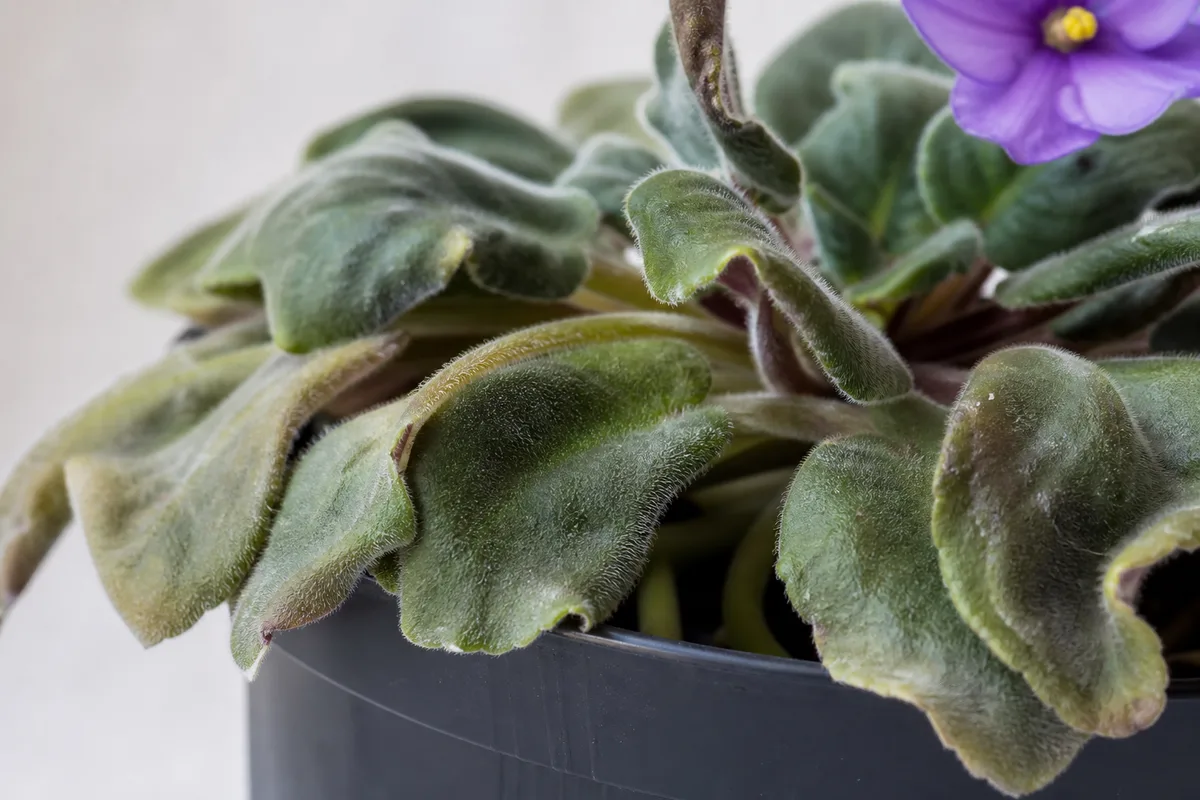
Limp, floppy African violet leaves losing turgor around the rosette - check soil moisture to separate dry wilt from wet wilt with damaged roots.
Dry wilt shows as soft, floppy leaves around the rosette, often starting with the outer ring. The pot feels light, the surface mix is pale and crumbly, and lower leaves may look thin or slightly curled at the edges. Flowers and buds drop first on a chronically dry plant because the crown prioritizes survival over bloom.
Wet wilt is the confusing mirror image: leaves hang limp even though the mix is dark, cool, and heavy. Lower leaves turn yellow and droop first as root rot progresses, then brown and mushy as damage climbs the rosette. You may notice a sour smell from the drain holes or white mold on the soil surface. The crown-the tight center where new leaves emerge-may feel soft if rot has advanced.
Other patterns worth noting: sudden wilt within a few days of African Violet repotting guide often follows root disturbance rather than a watering mistake. Wilt that appears only in hot afternoon light but recovers overnight can be heat stress on a plant with borderline moisture. Cupped, stunted center leaves with wilting outer foliage suggest cyclamen mites rather than a simple water problem.
Why African Violet gets wilting
African violets evolved in cloud-forest conditions with fine, shallow roots and leaves that store some moisture. They need evenly moist-not constantly wet-mix around those roots. When that balance breaks, wilt follows.
underwatering on African Violet dries fine root hairs first. Without working roots, even a later deep watering cannot restore turgor instantly. Small plastic pots in bright windows can go from moist to bone dry in a few days, especially in winter when indoor air is dry and furnace heat accelerates evaporation.
overwatering on African Violet and root rot are the more common killers. Root rot from overwatering is one of the most common reasons African violets die Saturated mix drives out oxygen; root rot fungi destroy the root system. The plant looks thirsty while sitting in wet soil because decaying roots cannot absorb water. Oversized pots, blocked drainage holes, heavy peat that never dries, and leaving the pot in a full saucer all keep roots wet too long.
Transplant shock interrupts water uptake when fibrous roots are torn, trimmed, or left in mix that repels water after repotting. Open flowers often collapse after a hard repot even when the plant will eventually recover.
Cold drafts and temperature swings stress a tropical houseplant. Water chilled below room temperature can shock roots; cold air on wet leaves compounds stress, though African violets are usually watered from below precisely to keep foliage dry.
Root-bound stress is less common as a direct wilt cause-African violets bloom well slightly tight in their pots-but a severely root-bound plant in a tiny dry pocket may wilt between increasingly frequent waterings until repotted.
How to confirm the cause
Work through these checks in order so you do not water a rotting plant or repot one that only needs a drink.
- Surface moisture - Insert a finger to the first knuckle. Dry confirms underwatering; damp or wet with limp leaves suggests root failure.
- Pot weight - Lift the pot. Light weight plus wilt equals dry. Heavy, cool pot plus wilt equals oversaturated mix or dead roots.
- Leaf pattern - Yellowing from the bottom up on wet mix strongly suggests root rot. Even wilt across all leaves on dry mix points to drought.
- Crown feel - Press the center gently. Firm crown with wilted outer leaves is more recoverable. Soft, dark, or collapsing crown means rot may have reached the growing point.
- Smell and drainage - Sour odor from the pot, water sitting in the saucer for days, or mix that stays wet a week after watering confirms chronic overwatering habitat.
- Recent history - Repotting within the past two weeks, a vacation dry spell, or a switch to a much larger pot narrows the cause quickly.
- Root inspection - If wet wilt persists after stopping water for several days, slide the plant from the pot. Healthy African violet roots are firm and pale; rotted roots are brown, translucent, or slimy.
Confirmed dry wilt: dry surface, light pot, firm roots if you peek at the edge of the root ball. Confirmed wet wilt: moist mix, yellow lower leaves, mushy roots, or sour smell. Suspected shock: wilt started right after repotting with mostly intact pale roots.
First fix for African Violet
Check soil moisture at the top inch before any other action. That single test separates the two opposite fixes.
If the mix is dry, bottom-water gradually. Set the pot in a tray with about one inch of room-temperature water for 20–30 minutes, then discard all runoff. Do not flood a very dry plant; add water gradually until roots can draw moisture again Dry root tissue needs time to reabsorb water. If leaves stay limp after one session, repeat with small amounts until the root ball is evenly moist, not saturated.
If the mix is wet and the plant is wilted, stop watering immediately. A limp plant in very wet soil needs quick action to draw out excess water Set the pot on folded paper towels or newspapers to wick excess moisture from the drain holes. If roots are mushy when you inspect, trim decayed tissue, repot into fresh light African violet mix in a pot sized to the remaining roots, and keep the mix barely moist-not wet-while the plant stabilizes.
Make one correction, then wait 48 hours before stacking repotting, fertilizing, and heavy pruning together.
Step-by-step recovery
Dry wilt path
- Bottom-water with room-temperature water for 20–30 minutes; pour off the tray completely.
- If the plant was severely dry, add a tablespoon of water to the surface and repeat small drinks hourly until mix is moist throughout-not sopping.
- Optional: enclose the plant in a clear bag for 24–48 hours to raise humidity while roots recover. Keep it in African Violet light guide, not direct sun inside the bag.
- Resume normal watering only when the top half inch to inch of mix feels dry again.
Wet wilt / root rot path
- Stop all watering. Wick excess moisture with paper towels under the pot.
- Gently remove the plant and rinse away old mix. Cut away brown, mushy, or hollow roots with clean scissors.
- Repot into fresh sterile, well-aerated African violet mix. Choose a pot that fits the root mass-oversized pots stay wet longer and invite relapse.
- Bottom-water lightly so the mix is evenly moist, then drain fully. Never let your African violet sit in water
- Remove soft outer leaves that will not recover; they harbor rot and drain the plant.
- Wait for firm new leaves from the center before fertilizing.
Transplant-shock wilt
If wilt followed repotting and roots look mostly healthy, skip the rot protocol. Enclose the plant in a clear humidity dome or bag, keep mix barely moist, and wait one to four weeks for new root function. Do not fertilize until new center growth appears.
Recovery timeline
Mild dry wilt often shows firmer leaves within a few hours to one day after proper bottom-watering. Severe drought may take several gradual watering cycles before the rosette fully recovers.
Root rot recovery spans one to three weeks when the crown is still firm and enough healthy root remains. If most roots are gone or the crown is soft, survival is unlikely regardless of care.
Transplant shock may need two to four weeks under humidity before leaves firm up. Outer leaves lost during repotting rarely recover; new center growth is the real benchmark.
Lookalike symptoms
Drooping without true wilt - Lower leaves naturally age and droop over time on an otherwise healthy plant. If only one or two bottom leaves hang while the center is firm and soil moisture is normal, you may be seeing senescence, not a crisis.
Yellow leaves without immediate wilt - Nutrient deficiency or natural leaf turnover can yellow lower leaves on an evenly moist plant. Pair yellowing with limp foliage and wet mix before diagnosing rot.
Heat afternoon wilt - Leaves soften in hot direct sun but recover by evening when roots and mix are healthy. Move the plant out of hot windows rather than increasing water.
Cyclamen mite damage - Stunted, hairy, cupped center leaves with brittle outer foliage mimic water stress. Mites hide in the crown; inspect with magnification if wilt persists despite correct watering.
Mistakes to avoid
Do not pour more water onto a wilted plant when the mix is already wet-that accelerates root rot. Do not flood a bone-dry African violet in one session; rehydrate gradually so damaged root hairs can function again. Do not move a wilted plant into harsh direct sun to “ perk it up.” Do not fertilize a stressed plant before you know whether roots are healthy; fertilizer on dry or rotting roots causes further damage. Do not repot on day one unless root rot, failed mix, or severe compaction is confirmed-unnecessary repotting adds shock on top of wilt.
How to prevent wilting next time
Allow the soil surface to dry to the touch before watering African violets-use your finger or pot weight, not a calendar. Bottom-water from a shallow tray, then empty the saucer so the plant never sits in stale water. Use light, well-drained African violet mix and a pot with drainage holes sized to the root ball. Keep the plant in bright indirect light and stable room temperatures so it uses water predictably. Remove spent leaves and flowers promptly so decay does not invite crown problems. After travel or a missed watering, rehydrate gradually rather than drowning the plant in one recovery session.
When to use this page vs other African Violet guides
- African Violet watering guide - Use for routine moisture checks before assuming wilting is the main issue.
- African Violet problems hub - Browse all 52 common issues on this species.
- Underwatering on African Violet - Different entry point when symptoms overlap with wilting.
- Overwatering on African Violet - Different entry point when symptoms overlap with wilting.
- Root Rot on African Violet - Different entry point when symptoms overlap with wilting.