African Violet Problems: Causes & Quick Fixes
Quick answer
African Violet is prone to 60 common issues - each link below is a plant-specific fix guide.
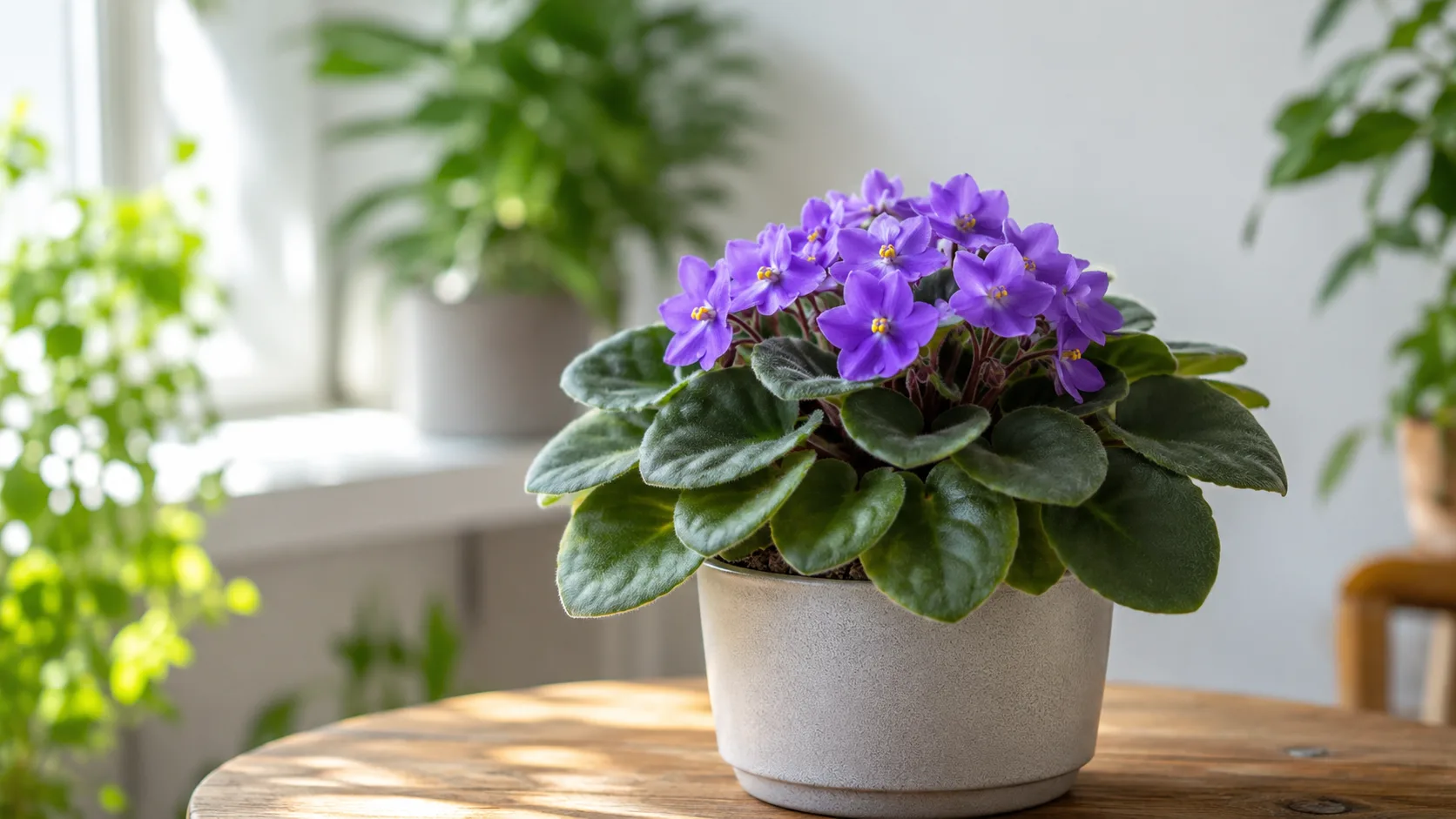
African Violet problems
Use the guides below to diagnose and fix common issues on African Violet. Each problem page explains why it happens on this species and what to do first.
Or use our problem diagnosis tool to narrow down symptoms.
Common problems on African Violet
Aphids
MediumLikely cause: Aphids on African Violet: When you find African violet pests attacking your favorite potted plants, you need to take appropriate action. For information on managing African violet insects, including tips for African violet aph
Quick fix: Inspect African Violet, confirm aphids matches your symptoms, then adjust care or treat per authoritative guides.
Full fix guide →Black Spots
MediumLikely cause: Black Spots on African Violet: Fungal Diseases Several fungal diseases can cause black spots on African Violet leaves. These diseases thrive in humid conditions and can spread quickly if left unchecked. Botrytis Blight Botrytis bli
Quick fix: Inspect African Violet, confirm black spots matches your symptoms, then adjust care or treat per authoritative guides.
Full fix guide →Blight
HighLikely cause: Blight on African Violet: African Violets with Botrytis Blight African violets are beloved houseplants with sweet little blooms and engaging fuzzy leaves. The most common diseases of African violet are fungal. Botrytis blight
Quick fix: Inspect African Violet, confirm blight matches your symptoms, then adjust care or treat per authoritative guides.
Full fix guide →Brown Leaves
MediumLikely cause: Brown Leaves on African Violet: This beginner-friendly guide will walk you through some common african violet leaf problems, and what you need to do next.
Quick fix: Inspect African Violet, confirm brown leaves matches your symptoms, then adjust care or treat per authoritative guides.
Full fix guide →Brown Tips
MediumLikely cause: Brown Tips on African Violet: African violets are one of the most popular houseplants around the world. Their beautiful and vibrant blooms add a touch of color to any room. However, if you're an African violet owner, you may
Quick fix: Inspect African Violet, confirm brown tips matches your symptoms, then adjust care or treat per authoritative guides.
Full fix guide →Bud Drop
MediumLikely cause: Bud Drop on African Violet: African violet buds usually fall off because of dry stress, sudden temperature swings, low light, root stress, or moving the plant while it is setting blooms.
Quick fix: Inspect African Violet, confirm bud drop matches your symptoms, then adjust care or treat per authoritative guides.
Full fix guide →Calcium Deficiency
MediumLikely cause: Calcium Deficiency on African Violet: Calcium Deficiency Description Calcium Deficiency is a condition which describes an African Violet that is not getting enough calcium (Ca). Calcium is an essential element for the growth and vitality
Quick fix: Inspect African Violet, confirm calcium deficiency matches your symptoms, then adjust care or treat per authoritative guides.
Full fix guide →Caterpillars
MediumLikely cause: Caterpillars on African Violet: Caterpillars are the larvae of moths and butterflies. They come in various colors and patterns, depending on their species. Some are hairy, while others are not. They generally range in length from 1/
Quick fix: Inspect African Violet, confirm caterpillars matches your symptoms, then adjust care or treat per authoritative guides.
Full fix guide →Cold Damage
MediumLikely cause: Cold Damage on African Violet: In summary, dealing with African violet cold damage involves recognizing the symptoms, taking immediate corrective steps, and establishing a care routine that prevents future issues. By keeping an eye
Quick fix: Inspect African Violet, confirm cold damage matches your symptoms, then adjust care or treat per authoritative guides.
Full fix guide →Compacted Soil
MediumLikely cause: Compacted Soil on African Violet: African violets are among the most rewarding indoor plants, but they are also among the easiest to damage with the wrong potting mix. Their roots evolved in loose, airy forest debris rather than heavy
Quick fix: Inspect African Violet, confirm compacted soil matches your symptoms, then adjust care or treat per authoritative guides.
Full fix guide →Crown Rot
HighLikely cause: Crown Rot on African Violet: The best method for controlling African violet crown rot is prevention-- always let the soil dry to the touch between waterings. Since there really isn't an effective African violet crown rot tre
Quick fix: Inspect African Violet, confirm crown rot matches your symptoms, then adjust care or treat per authoritative guides.
Full fix guide →Damaged Roots
MediumLikely cause: Damaged Roots on African Violet: However, you can take steps to remove the damaged roots and prevent root rot from spreading, which will also give your African violet a chance to recover. How do I know if my African violet has root r
Quick fix: Inspect African Violet, confirm damaged roots matches your symptoms, then adjust care or treat per authoritative guides.
Full fix guide →Damping Off
HighLikely cause: Damping Off on African Violet: If your African Violet seedlings have this symptom, they are probably suffering from Damping Off.
Quick fix: Inspect African Violet, confirm damping off matches your symptoms, then adjust care or treat per authoritative guides.
Full fix guide →Drooping Leaves
MediumLikely cause: Drooping Leaves on African Violet: This post unpacks three common culprits and cures and for an African violet with droopy leaves. Let's dive in!
Quick fix: Inspect African Violet, confirm drooping leaves matches your symptoms, then adjust care or treat per authoritative guides.
Full fix guide →Edema
MediumLikely cause: Edema on African Violet: Your African violet leaves will develop yellow and brown spots if you do not provide magnesium or nitrogen. Overwatering can sometimes cause edema, caused by the plant consuming too much water.
Quick fix: Inspect African Violet, confirm edema matches your symptoms, then adjust care or treat per authoritative guides.
Full fix guide →Exposed Roots
MediumLikely cause: Exposed Roots on African Violet: By creating a consistent, comfortable environment, you give your African violets the best chance to thrive—roots and all. We've covered a lot about African violet roots, from understanding their
Quick fix: Inspect African Violet, confirm exposed roots matches your symptoms, then adjust care or treat per authoritative guides.
Full fix guide →Fertilizer Burn
MediumLikely cause: Fertilizer Burn on African Violet: Want massive blooms? Discover the secrets to fertilizing African violets. We cover liquid vs. granules, organic options, and how to fix fertilizer burn.
Quick fix: Inspect African Violet, confirm fertilizer burn matches your symptoms, then adjust care or treat per authoritative guides.
Full fix guide →Fungus Gnats
MediumLikely cause: Consistently moist surface soil from frequent watering
Quick fix: Bottom-water only; allow surface to dry; use neem oil soil drench
Full fix guide →Heat Stress
MediumLikely cause: Heat Stress on African Violet: In this article, we'll explore the heat tolerance of African Violets, answering the burning question: What temperature is too hot for these charming plants? Along the way, we'll share practi
Quick fix: Inspect African Violet, confirm heat stress matches your symptoms, then adjust care or treat per authoritative guides.
Full fix guide →High Humidity
MediumLikely cause: High Humidity on African Violet: African Violets thrive in medium humidity levels, ideally around 40% - 60%. Excessively high humidity can cause fungal issues, while low humidity may result in dehydration and slowed growth. Achieving
Quick fix: Inspect African Violet, confirm high humidity matches your symptoms, then adjust care or treat per authoritative guides.
Full fix guide →Iron Deficiency
MediumLikely cause: Iron Deficiency on African Violet: Iron Deficiency Description Iron Deficiency is a condition which describes an African Violet that is not getting enough iron (Fe). While considered a micronutrient, iron is essential to the growth and
Quick fix: Inspect African Violet, confirm iron deficiency matches your symptoms, then adjust care or treat per authoritative guides.
Full fix guide →Leaf Drop
MediumLikely cause: Leaf Drop on African Violet: 10 Causes of African Violet Leaves Falling Off Overwatering Overwatering is a common mistake that can lead to African violet leaf loss. When the soil is excessively wet, the roots can become waterlogg
Quick fix: Inspect African Violet, confirm leaf drop matches your symptoms, then adjust care or treat per authoritative guides.
Full fix guide →Leaf Miners
MediumLikely cause: Leaf Miners on African Violet: If this is leaf miner how should I go about saving the plant from pest if I can't spray with neem or insecticidal soap since leaves cannot be wet?
Quick fix: Inspect African Violet, confirm leaf miners matches your symptoms, then adjust care or treat per authoritative guides.
Full fix guide →Leaf Spot Disease
MediumLikely cause: Leaf Spot Disease on African Violet: Learn the most common African violet diseases, their symptoms, causes, and simple prevention tips to keep your plant healthy.
Quick fix: Inspect African Violet, confirm leaf spot disease matches your symptoms, then adjust care or treat per authoritative guides.
Full fix guide →Leggy Growth
LowLikely cause: Leggy Growth on African Violet: A step by step guide on how to fix leggy African violets. Everything you need to know about this common problem and how to address it.
Quick fix: Inspect African Violet, confirm leggy growth matches your symptoms, then adjust care or treat per authoritative guides.
Full fix guide →Low Humidity
MediumLikely cause: Low Humidity on African Violet: African Violets thrive in medium humidity levels, ideally around 40% - 60%. Excessively high humidity can cause fungal issues, while low humidity may result in dehydration and slowed growth. Achieving
Quick fix: Inspect African Violet, confirm low humidity matches your symptoms, then adjust care or treat per authoritative guides.
Full fix guide →Magnesium Deficiency
MediumLikely cause: Magnesium Deficiency on African Violet: Magnesium Deficiency Description Magnesium Deficiency is a condition which describes an African Violet that is not getting enough magnesium (Mg). Magnesium is an essential element for the growth and v
Quick fix: Inspect African Violet, confirm magnesium deficiency matches your symptoms, then adjust care or treat per authoritative guides.
Full fix guide →Mealybugs
MediumLikely cause: Mealybugs nest in the compact rosette centre
Quick fix: Apply isopropyl alcohol with a fine brush directly to insects; repeat weekly
Full fix guide →Mosaic Virus
HighLikely cause: Mosaic Virus on African Violet: Some of the most notorious viruses known to attack African Violets are Stunt and Tobacco Mosaic. These and other viruses often accompany other pests and pathogens. Such is the case with Aphids, Mealy
Quick fix: Inspect African Violet, confirm mosaic virus matches your symptoms, then adjust care or treat per authoritative guides.
Full fix guide →Nitrogen Deficiency
MediumLikely cause: Nitrogen Deficiency on African Violet: Even in the worst cultural conditions, African violets are efficient at storing and transferring scarce nutrients to maintain life in the center of the crown. As a result, the symptoms of deficiency d
Quick fix: Inspect African Violet, confirm nitrogen deficiency matches your symptoms, then adjust care or treat per authoritative guides.
Full fix guide →No Drainage Hole
MediumLikely cause: No Drainage Hole on African Violet: Inadequate drainage may be the result of a number of causes. It may be that your pot has no drainage holes at all, or maybe they are simply too small. Alternatively, there may be something obstructing
Quick fix: Inspect African Violet, confirm no drainage hole matches your symptoms, then adjust care or treat per authoritative guides.
Full fix guide →No Flowers
MediumLikely cause: Insufficient light is the most common cause; also lack of phosphorus, overcrowding, or root-bound plant
Quick fix: Move to brighter indirect light (north or east window); fertilize with African violet fertilizer; remove suckers
Full fix guide →Overfertilization
MediumLikely cause: Overfertilization on African Violet: A good fertilizer is vital for the health of African Violets. A good fertilizer replenishes soil that has been depleted of the essential elements which make plants grow, while maintaining a fully-deve
Quick fix: Inspect African Violet, confirm overfertilization matches your symptoms, then adjust care or treat per authoritative guides.
Full fix guide →Overwatering
HighLikely cause: Overwatering on African Violet: What's Happening Overwatering in African violets is fundamentally about frequency, not volume. The succulent root system and water-storing leaf cells evolved for the well-draining cloud forest co
Quick fix: Inspect African Violet, confirm overwatering matches your symptoms, then adjust care or treat per authoritative guides.
Full fix guide →Pale Leaves
MediumLikely cause: Pale Leaves on African Violet: This beginner-friendly guide will walk you through some common african violet leaf problems, and what you need to do next.
Quick fix: Inspect African Violet, confirm pale leaves matches your symptoms, then adjust care or treat per authoritative guides.
Full fix guide →Poor Drainage
MediumLikely cause: Poor Drainage on African Violet: Your african violet has soil drainage? Don't panic — African violet root systems are fine, fibrous, and shallow—evolutionarily adapted to…. Here's exactly how to fix it.
Quick fix: Inspect African Violet, confirm poor drainage matches your symptoms, then adjust care or treat per authoritative guides.
Full fix guide →Potassium Deficiency
MediumLikely cause: Potassium Deficiency on African Violet: Potassium Deficiency is a condition which describes an African Violet that is not getting enough potassium (K), also referred to as potash. Potassium is an essential element for the growth and vitalit
Quick fix: Inspect African Violet, confirm potassium deficiency matches your symptoms, then adjust care or treat per authoritative guides.
Full fix guide →Powdery Mildew
MediumLikely cause: Powdery Mildew on African Violet: African violets are some of the most popular houseplants due to their striking and unique appearance. These flowers require specific care to stay healthy and bloom, and if they aren't taken care
Quick fix: Inspect African Violet, confirm powdery mildew matches your symptoms, then adjust care or treat per authoritative guides.
Full fix guide →Purple Leaves
MediumLikely cause: Purple Leaves on African Violet: Devotion Devotion is a stunning purple African violet that blooms with large, showy flowers. This variety has double-bloom flowers and its petals are a rich shade of deep purple with darker veins. Its
Quick fix: Inspect African Violet, confirm purple leaves matches your symptoms, then adjust care or treat per authoritative guides.
Full fix guide →Root Bound
MediumLikely cause: Root Bound on African Violet: Stop wondering, "Do African violets like to be root-bound?" and start learning how and when to repot these beautiful houseplants.
Quick fix: Inspect African Violet, confirm root bound matches your symptoms, then adjust care or treat per authoritative guides.
Full fix guide →Root Rot
HighLikely cause: Overwatering or soil that retains too much moisture
Quick fix: Repot in fresh African violet mix; trim rotted roots
Full fix guide →Salt Build-up
MediumLikely cause: Salt Build Up on African Violet: Salt buildup in African violet soil appears first as a faint, chalky white or grayish crust along the pot's inner rim and surface soil—often within 2-3 weeks of using tap water or standard fertil
Quick fix: Inspect African Violet, confirm salt build up matches your symptoms, then adjust care or treat per authoritative guides.
Full fix guide →Scale Insects
MediumLikely cause: Scale Insects on African Violet: Scale are insects which measure between 1/16 and 1/4 inch. They are slow moving and have round, oyster-shaped bodies that come in various colors, including white, gray, black, brown and yellow. Scale
Quick fix: Inspect African Violet, confirm scale insects matches your symptoms, then adjust care or treat per authoritative guides.
Full fix guide →Spider Mites
MediumLikely cause: Spider Mites on African Violet: Spider mites can be the sneaky little troublemakers of the plant world, especially when they decide to set up camp on your cherished African violets. These tiny pests might be hard to spot at first, b
Quick fix: Inspect African Violet, confirm spider mites matches your symptoms, then adjust care or treat per authoritative guides.
Full fix guide →Stunted Growth
MediumLikely cause: Stunted Growth on African Violet: A pest infestation can cause the leaves of African Violet to be brittle, stunted, and distorted. One of the serious pests causing problems in African Leaves is Cyclamen mites. They're extraordina
Quick fix: Inspect African Violet, confirm stunted growth matches your symptoms, then adjust care or treat per authoritative guides.
Full fix guide →Thrips
MediumLikely cause: Thrips on African Violet: Thrips are tiny insects which measure about 1/50 inch. While the most common species known to feed on African Violets is yellow in color, they may also be brown or black. Thrips thrive on the flowers
Quick fix: Inspect African Violet, confirm thrips matches your symptoms, then adjust care or treat per authoritative guides.
Full fix guide →Transplant Shock
MediumLikely cause: Transplant Shock on African Violet: This stress, known as transplant shock, is a common reason why African violets wilt after repotting. Imagine being uprooted from your cozy spot and placed somewhere unfamiliar—it's a bit unsettli
Quick fix: Inspect African Violet, confirm transplant shock matches your symptoms, then adjust care or treat per authoritative guides.
Full fix guide →Underwatering
MediumLikely cause: Underwatering on African Violet: Underwatering African violets can lead to several adverse effects, undermining the plant's health and vitality. Consequences include wilted leaves, dry and brittle roots, reduced flowering, and i
Quick fix: Inspect African Violet, confirm underwatering matches your symptoms, then adjust care or treat per authoritative guides.
Full fix guide →White Spots
MediumLikely cause: White Spots on African Violet: White spots on African Violet leaves can result from issues like powdery mildew, pests, nutrient deficiency, hard water minerals, sunburn, or chemical burns. Prevention involves proper care, including
Quick fix: Inspect African Violet, confirm white spots matches your symptoms, then adjust care or treat per authoritative guides.
Full fix guide →Whiteflies
MediumLikely cause: Whiteflies on African Violet: Whiteflies are small, flying insects which measure 1/16 to 1/8 inch in length. As their name suggests, they are white in color. Whiteflies feed on the juices of African Violets, particularly on the un
Quick fix: Inspect African Violet, confirm whiteflies matches your symptoms, then adjust care or treat per authoritative guides.
Full fix guide →Wilting
MediumLikely cause: Wilting on African Violet: There can be several reasons to ask why is my African violet wilting, ranging from watering issues to pest infestations
Quick fix: Inspect African Violet, confirm wilting matches your symptoms, then adjust care or treat per authoritative guides.
Full fix guide →Yellow Leaves
MediumLikely cause: Yellow Leaves on African Violet: When African violet leaves are yellow, the plant is signaling trouble. Knowing how to take care of yellowing African violets can minimize issues but may also be a natural part of the growth process. T
Quick fix: Inspect African Violet, confirm yellow leaves matches your symptoms, then adjust care or treat per authoritative guides.
Full fix guide →Faded Flowers
MediumLikely cause: Faded flowers on African Violet are often normal bloom aging-each blossom lasts about one to three weeks before petals pale at the edges. When every open flower dulls overnight or wilts early, check f
Quick fix: See plant-specific guide for step-by-step fixes.
Full fix guide →Mold on Soil
MediumLikely cause: Surface mold on African violet soil is usually harmless saprophytic fungus-but on this plant it signals the peat top layer stayed wet too long, often from bottom-watering too long or a full wick reser
Quick fix: See plant-specific guide for step-by-step fixes.
Full fix guide →Not Enough Light
MediumLikely cause: An African violet in too little light stays alive but looks dark green, reaches upward, and often stops blooming. First fix: move within about a foot of bright indirect light or add a grow light on a
Quick fix: See plant-specific guide for step-by-step fixes.
Full fix guide →Slow Growth
MediumLikely cause: Slow growth on African Violet means the crown produces few or no new leaves for weeks while older foliage stays static-not a normal winter pause if light and warmth are adequate. First fix: audit dail
Quick fix: See plant-specific guide for step-by-step fixes.
Full fix guide →Small Flowers
MediumLikely cause: Small African violet flowers are often normal on mini cultivars-or a care signal when standard plants bloom tiny with thin dark leaves and long petioles. First step: confirm cultivar type, then increa
Quick fix: See plant-specific guide for step-by-step fixes.
Full fix guide →Curling Leaves
MediumLikely cause: Common curling leaves pattern on African Violet under indoor care stress.
Quick fix: Inspect roots, watering, light, and pests; adjust one variable and monitor new growth.
Full fix guide →Holes in Leaves
MediumLikely cause: Common holes in leaves pattern on African Violet under indoor care stress.
Quick fix: Inspect roots, watering, light, and pests; adjust one variable and monitor new growth.
Full fix guide →Distorted Leaves
MediumLikely cause: Common distorted leaves pattern on African Violet under indoor care stress.
Quick fix: Inspect roots, watering, light, and pests; adjust one variable and monitor new growth.
Full fix guide →