African Violet Repotting: Complete Step-by-Step Guide
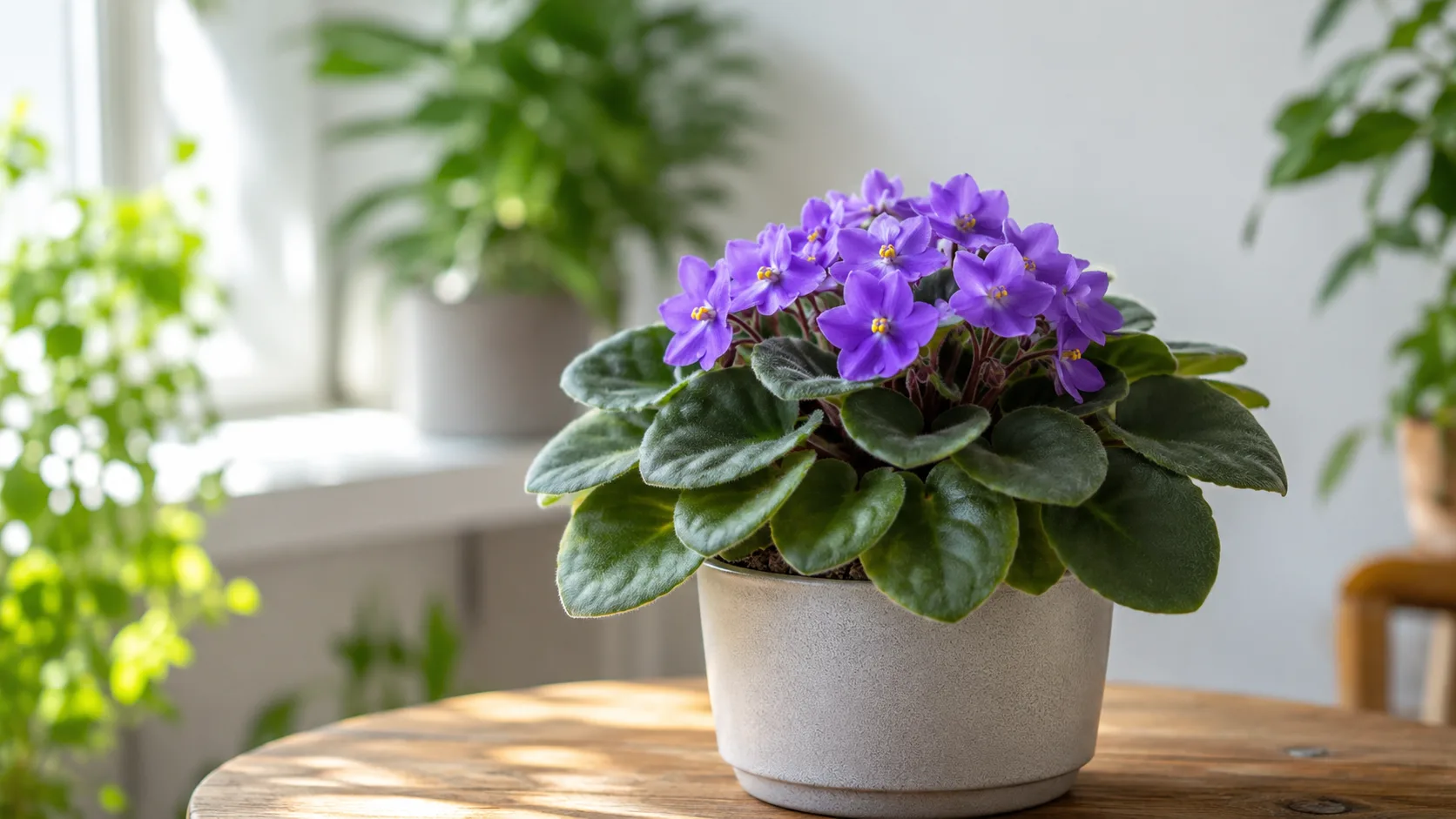
African Violet Repotting: Complete Step-by-Step Guide
African Violet Repotting: Complete Step-by-Step Guide
African violet repotting is not about giving the plant a bigger home every time it looks tired. It is usually about refreshing stale mix, correcting planting depth, protecting the crown, and keeping the root zone airy enough to support steady bloom. African violets are compact houseplants with relatively fine roots, so the wrong pot or dense soil can cause more damage than a delayed repot. The goal is simple: keep the plant snug, stable, and breathing.
Most repotting mistakes come from treating African violets like ordinary foliage houseplants. A pothos can often tolerate a generous pot and heavier mix. An African violet is less forgiving because its small root system sits close to the crown, where excess moisture can quickly turn into root or crown rot. Multiple horticultural sources recommend loose, porous, well-draining soil, careful watering, and small containers for African violets rather than oversized pots. (Missouri Botanical Garden)
When to Repot an African Violet
African violets benefit from regular repotting because the potting mix gradually breaks down. Even when the plant is not visibly rootbound, old mix can compact, hold water unevenly, lose air spaces, and accumulate fertilizer salts. Smithsonian Gardens recommends repotting African violets once a year to provide fresh nutrients and remove salt buildup, while other grower-focused guidance may suggest repotting more often for actively managed plants. (Smithsonian Gardens)
A good rule is to repot a healthy African violet about once every 12 months. That does not always mean moving to a larger pot. Many African violets should be returned to the same pot size with fresh mix, especially if the root ball still fits well and the plant’s leaf span has not increased much. Repotting should be seen as maintenance, not automatic upsizing. This distinction matters because oversized pots stay wet longer than the plant can use, which raises the risk of root problems.
Timing also depends on the plant’s condition. A violet that is blooming heavily can usually wait unless there is a root or soil problem. A plant with sour-smelling mix, collapsing leaves, a wobbly crown, or soil that stays wet for too long should be checked sooner. Repotting is least stressful when the plant is reasonably hydrated, the room is warm, and the plant is not already weakened by cold, drought, pests, or severe overwatering on African Violet.
Routine Repotting: The Annual Soil Refresh
Routine repotting is for a plant that looks mostly healthy but has been in the same mix for a long time. The leaves may still look firm, the plant may still bloom, and the roots may not be circling dramatically. The purpose is to reset the root environment before problems become visible. This is one reason experienced African violet growers often repot on a schedule rather than waiting for collapse.
During a routine refresh, remove the plant from the pot, shake or tease away some old mix, trim dead or damaged roots, and replant into fresh, airy potting mix. If the plant is still the right size for its pot, reuse the same pot after cleaning it. If the plant has grown wider and the pot is clearly too small, move up only slightly. The best repot is often boring: same plant, clean pot, fresh mix, better airflow around the roots.
This annual refresh also gives you a chance to correct a shallow or uneven planting position. African violets naturally lose older lower leaves over time, and that can expose a bare stem often called a “neck.” If you ignore that neck for too long, the plant becomes top-heavy, unattractive, and more vulnerable to snapping. Routine repotting lets you manage that aging process gradually instead of waiting until the plant needs a more aggressive rescue.
Emergency Repotting: Signs the Plant Needs Help Now
Emergency repotting is different. It is not done because the calendar says so; it is done because the root zone is failing. Warning signs include a plant that wilts while the soil is wet, a crown that feels loose, roots that are brown and mushy, a sour or swampy smell from the pot, or a plant that has been sitting in dense, soggy mix. Cornell Cooperative Extension notes that improper watering, especially overwatering, is a primary cause of African violet problems, and excess water left in the saucer should be drained. (Cornell Cooperative Extension)
A violet may also need attention if the soil pulls away from the pot edges and water runs straight through without moistening the root ball. That can happen when peat-heavy mixes become too dry and hard to rewet. In that case, the plant may be underwatering on African Violet in the center even though water seems to pass through the container. Repotting into fresh, evenly moist mix can restore normal hydration.
Do not assume every tired African violet needs a bigger pot. Stunted growth, fewer blooms, or drooping leaves can come from poor light, cold windows, exhausted soil, fertilizer buildup, root damage, pests, or an overlarge pot that stays wet. University of Minnesota Extension describes African violets as preferring conditions comfortable for people, with optimal room temperatures between 60 and 80°F and humidity around 40% to 60%, which means environmental stress can look like a potting problem. (University of Minnesota Extension)
Choosing the Right Pot
Pot choice is one of the biggest differences between successful African violet repotting and slow decline. These plants usually do best in small containers relative to their leaf spread. The roots need moisture, but they also need oxygen. A huge pot creates a large mass of wet mix around a small root system, and that wet mix can stay damp long enough to damage roots.
The pot should have drainage holes. Decorative cachepots are fine only if the growing pot inside can drain freely and the excess water is emptied. A pot without drainage turns every watering into a risk calculation, and African violets do not need that kind of gamble. If you love a decorative container, use it as an outer cover, not as the actual pot unless it has proper drainage.
Shallow pots often work better than deep pots because African violet roots do not need a tall column of soil. A pot that is too deep can hold moisture below the active root zone. That lower wet layer may not seem like a problem at first, but it can keep the whole pot humid and oxygen-poor. The plant may respond with limp leaves, poor blooming, or root loss that gets blamed on “transplant shock.”
The One-Third Leaf-Span Rule
The most useful sizing rule is simple: the pot diameter should be about one-third of the plant’s leaf span. Smithsonian Gardens gives the example of a plant with a 12-inch leaf span needing about a 4-inch pot, and University of Vermont Extension gives similar guidance that the pot should be about one-third the diameter of the leaf rosette. (Smithsonian Gardens)
This rule works because African violets often bloom better when slightly rootbound rather than swimming in unused soil. A plant that measures 9 inches across usually belongs in roughly a 3-inch pot. A plant that measures 12 inches across usually belongs in roughly a 4-inch pot. A large standard African violet with a 15-inch spread may need about a 5-inch pot, but many common plants stay in the 3- to 4-inch range for a long time.
Do not use leaf span as a rigid law when the plant is recovering from root loss. If a violet has a wide top but only a small amount of healthy root left, a smaller pot may be safer until it regrows. Pot size should match both the leaf span and the active root system. When those two signals disagree, trust the roots first.
Drainage, Depth, and Pot Material
Plastic pots hold moisture longer than clay pots. That can be helpful in dry homes or under bright lights, but it also means you need a light mix and careful watering. Clay pots breathe more and dry faster, which can protect against soggy soil but may require more frequent watering. Neither material is automatically best; the right choice depends on your watering habits, room humidity, potting mix, and light level.
Depth matters as much as diameter. African violets usually prefer squat pots that match their shallow root habit. Tall pots can work if the mix is very airy and the grower is careful, but they are less forgiving. If the plant has a small root ball, choose a pot that supports the root zone without burying it in extra soil.
Self-watering pots can work for African violets, especially for growers who understand wick watering and use a porous mix. They can also keep the mix too wet if the reservoir is always full or the soil is dense. If you use a self-watering system, the mix should contain enough perlite or similar material to keep oxygen moving through the root zone. A self-watering pot does not remove the need to monitor roots, crown firmness, and soil condition.
Best Soil Mix for African Violet Repotting
The best soil for African violet repotting is light, porous, moisture-retentive, and fast-draining. That may sound contradictory, but it is the balance these plants need. The mix should hold enough moisture that the fine roots do not dry out sharply, yet it should contain enough air spaces that roots are not suffocated. Missouri Botanical Garden describes African violets as growing best in loose, porous, well-draining soil and notes that ready-to-use African violet mixes are widely available. (Missouri Botanical Garden)
Regular indoor potting soil is often too dense by itself. It may work for some growers in small amounts, but it usually needs amendment with perlite, vermiculite, or another aerating ingredient. University of Vermont Extension suggests lightening standard potting soil with coarse perlite at a ratio of two parts potting soil to one part perlite, and also notes that some growers mix equal parts peat, perlite, and vermiculite. (University of Vermont)
The biggest mistake is packing the mix tightly around the roots. The African Violet Society of America specifically warns against packing the mix during repotting because it removes air pockets, increases the chance of root rot on African Violet, and can stunt growth. (African Violet Society of America)
What Good African Violet Mix Should Feel Like
Good African violet mix feels springy, not muddy. When slightly moist, it should clump loosely when squeezed but break apart easily when touched. If it forms a dense ball like wet clay, it is too heavy. If it runs through your fingers like dry dust and refuses to hold any moisture, it may be too dry or too coarse for a newly repotted plant.
The mix should also rewet evenly. Peat-based mixes can become hydrophobic when bone dry, meaning water may run around the root ball instead of soaking in. Before repotting, moisten the mix lightly so it is damp but not wet. This helps it settle around roots without becoming compacted. Wet, heavy mix is risky; dry, dusty mix can pull moisture from tender roots.
A practical test is to fill a small pot with the moistened mix and water it. Water should move through the pot without sitting on the surface for long. The pot should feel moist afterward, not heavy and waterlogged. If drainage is slow, add more perlite or choose a lighter mix before putting your plant into it.
Practical Soil Recipes That Actually Work
A simple mix for most home growers is two parts high-quality African violet mix or light indoor potting mix plus one part coarse perlite. This is easy, available, and forgiving. If the home is humid or the grower tends to overwater, increase the perlite slightly. If the home is very dry and the plant wilts too fast, a little more moisture-retentive material such as vermiculite can help.
Another common recipe is equal parts peat moss, perlite, and vermiculite. This creates a light soilless mix with moisture retention from peat and vermiculite, plus air space from perlite. Missouri Botanical Garden lists a mix containing peat moss, soil-based potting mix, and perlite, vermiculite, or coarse sand as a suitable option, while Rutgers-affiliated Master Gardener material also references equal parts peat, vermiculite, and perlite. (Missouri Botanical Garden)
Coco coir can substitute for peat in some mixes, but it behaves differently. It may hold water well and rewet more easily than dry peat, but it still needs aeration. Do not use straight coco coir, straight peat, garden soil, or compost-heavy blends for African violet repotting. These materials can compact, stay too wet, or introduce pests and pathogens indoors.
Preparing the Plant Before Repotting
A smooth repot starts before the plant leaves its pot. Water the plant lightly the day before if the mix is bone dry, because dry roots can break more easily. Do not repot immediately after soaking the plant unless you are doing a rescue from hydrophobic soil or salt buildup. The ideal root ball is slightly moist and flexible, not soggy and falling apart.
Choose a clean, stable workspace with good light. African violet leaves are fleshy and can snap if the plant is handled roughly. Work over newspaper, a tray, or a shallow bin so you can see fallen leaves, root pieces, and old mix clearly. This is not a job to rush over a sink while the plant is sliding around in your hand.
Remove spent flowers and obviously dead lower leaves before repotting. This reduces stress on the plant and gives you a better view of the crown and stem. Do not strip healthy leaves aggressively just to make the plant look symmetrical. A few older lower leaves can be removed if they are damaged, yellow, crowded, or attached to a neck you plan to correct.
Tools, Hygiene, and Setup
Use a clean pot, fresh mix, room-temperature water, clean scissors or a small blade, and labels if you grow named varieties. If reusing a pot, wash away old soil and mineral crusts. Old residue can carry salts, algae, or disease organisms. Clean tools are especially important if you are cutting roots, removing a neck, or handling more than one plant.
Have the new mix prepared before lifting the violet from its pot. The mix should be lightly moistened and fluffy. Fill the lower part of the pot loosely so the plant can be positioned at the right height. If you wait until the plant is bare-rooted to start mixing soil, the roots may dry while you work.
If you are repotting multiple African violets, inspect each plant separately and avoid using the same dirty tool on every crown. Pests and disease can spread through casual handling. This is especially relevant for collections grown close together under lights, where one troubled plant can affect many. Hygiene is not dramatic, but it prevents avoidable losses.
How to Inspect Roots, Crown, and Lower Leaves
Once the plant is out of the pot, look at the roots before deciding what to do. Healthy roots are usually pale, tan, or light brown and feel firm. Dead or rotting roots are dark, mushy, hollow, or easily stripped away. If the root ball is healthy, avoid tearing it apart unnecessarily. The less damage you cause, the faster the plant resumes growth.
Check the crown next. The crown is the central growing point where new leaves emerge. It should be firm, not soft, blackened, or slimy. If the crown is damaged by rot, repotting may not save the plant. In that case, the best backup may be propagating a healthy leaf if one remains.
Look at the lower leaves and stem. A bare stem below the leaf rosette indicates a neck, which forms as older leaves are removed. A short neck can often be corrected by setting the plant slightly lower, as long as the crown remains above the soil and the stem is not buried in a way that encourages rot. A long, woody, or unstable neck may need a more careful approach.
How to Repot an African Violet Step by Step
For a healthy African violet, standard repotting is straightforward. The key is to handle the root ball gently, use a small enough pot, keep the mix fluffy, and position the crown correctly. South Dakota State University Extension advises well-drained soil and careful watering, including watering from the bottom or watering from the top without wetting the leaves. (SDSU Extension)
Start by removing the plant from its pot. If it resists, squeeze a plastic pot gently or run a clean tool around the inner edge. Do not pull hard on the crown. Hold the plant by the root ball or lower leaf area with care, because the central crown can snap or bruise. Once the plant is free, remove loose old mix from the sides and bottom.
If the roots are healthy, keep much of the root ball intact. Trim only dead, rotted, or excessively long roots. Add fresh mix to the pot, position the plant so the lowest leaves sit just above the rim, and fill around the root ball with loose mix. The crown should remain just above the soil line, not buried. Better Homes & Gardens also notes that the crown should sit just above the soil line when potting African violets. (Better Homes & Gardens)
Standard Repotting for a Healthy Plant
Here is the cleanest standard process for most healthy plants:
- Choose a pot about one-third the plant’s leaf span, with drainage holes.
- Moisten fresh African violet mix until it feels lightly damp.
- Remove spent blooms and damaged lower leaves.
- Slide the plant out of its current pot without pulling the crown.
- Loosen only the outer old mix and trim dead roots.
- Place fresh mix in the pot and set the plant at the correct height.
- Fill around the root ball loosely without packing the mix.
- Water lightly if needed, then let excess water drain completely.
The most important part is planting depth. The lower leaves should rest above the soil, and the crown should not be covered. Soil against the crown can trap moisture and invite rot. If the plant sits too high, it may wobble and dry unevenly. If it sits too low, the crown becomes vulnerable.
After filling the pot, tap the pot lightly on the table rather than pressing the soil down with your fingers. This settles the mix without destroying air pockets. If the plant still wobbles, add a little more mix around the sides or use a temporary support. Do not solve wobbling by burying the crown deeper.
How to Handle an African Violet With a Long Neck
A long neck is common in older African violets. As lower leaves age and are removed, the stem below the rosette becomes exposed. A short neck can make the plant look slightly raised; a long neck can make it look like a tiny palm tree. The plant may lean, wobble, or bloom less because it is no longer sitting firmly in the pot.
For a mild neck, remove a small amount of lower root mass if needed and set the plant lower in the same pot so the bare stem is closer to the soil surface. Keep the crown above the mix. Some growers lightly scrape the brown outer layer of the neck to encourage new roots, but this should be done carefully and only on firm tissue. The goal is to stabilize the plant without creating a wet, buried stem that rots.
The African Violet Society of America warns that simply burying a neck deeper in a larger pot is not advisable because the neck can be vulnerable to rot that may move into the crown. (African Violet Society of America) This is where many well-meaning owners lose old plants. They see a bare stem, choose a much bigger pot, bury the plant deep, water generously, and then wonder why the crown collapses. A long-neck correction should be conservative unless you are experienced with more advanced rejuvenation methods.
If the neck is very long and the root system below it is weak, consider taking a healthy leaf cutting as insurance before attempting a major reset. African violets are commonly propagated from leaf cuttings, so a good leaf can preserve the plant if the old crown fails. This is especially wise for sentimental plants or named cultivars that cannot be easily replaced. Repotting is usually safe, but rescue work on an old neck always carries some risk.
Aftercare: Watering, Light, Humidity, and Fertilizer
Aftercare determines whether repotting becomes a reset or a setback. The plant has just had its root environment disturbed, so it needs stable conditions rather than extra fertilizer, intense sun, or constant watering. Keep the plant in bright, indirect light and normal room warmth. Avoid cold windowsills, hot direct sun, and drafty spots while the roots reestablish.
Do not judge the plant too quickly. Some leaves may soften slightly after repotting because roots need time to reconnect with the new mix. Mild drooping for a short period is not automatically a disaster. Severe limpness, a soft crown, or worsening collapse usually points to moisture imbalance, root damage, or rot. The difference is whether the plant stabilizes within days or continues declining.
Keep humidity moderate but do not seal a wet plant in stagnant air. University of Minnesota Extension notes that African violets can benefit from 40% to 60% humidity and suggests grouping plants or using pebble trays while keeping pots above the water. (University of Minnesota Extension) A humidity tray can help reduce moisture stress after repotting, but the pot should never sit directly in standing water.
How to Water After Repotting Without Causing Rot
Watering after repotting depends on how moist the new mix already is. If the mix was lightly damp and the roots were healthy, a small settling drink may be enough. If the mix is dry, water carefully until excess drains from the bottom, then empty the saucer. If the plant was repotted because of rot, be more cautious and avoid saturating the mix again immediately.
Bottom watering is popular for African violets because it helps avoid water sitting on the fuzzy leaves. SDSU Extension describes bottom watering by placing the pot in about an inch of water until the surface becomes moist, then removing the pot and emptying the remaining water. (SDSU Extension) This method can work well after repotting if the mix wicks evenly, but it can also keep the lower pot too wet if the plant is left standing in water.
Top watering can also be safe if done carefully. Use room-temperature water and aim at the soil, not the crown or leaves. Let water drain fully. Cornell Cooperative Extension recommends draining water left in the saucer and notes that fertilizer salts can be flushed with thorough top watering about once a month while avoiding wet foliage in sun. (Cornell Cooperative Extension)
Light, Humidity, Fertilizer, and Recovery Signs
Place the repotted African violet in bright, indirect light. Missouri Botanical Garden notes that north- or east-facing windows are often favorable and that African violets need good light without direct midday or afternoon sun in summer. (Missouri Botanical Garden) Poor light after repotting slows recovery because the plant cannot rebuild roots and leaves efficiently. Harsh sun, on the other hand, can stress leaves while the roots are still adjusting.
Hold fertilizer for a short recovery period if you trimmed roots or performed a major repot. Fresh mix usually contains enough available nutrition for the immediate adjustment phase, and damaged roots do not need a strong feeding push. Once the plant shows firm new growth, resume a diluted African violet fertilizer or a gentle balanced feed according to label directions. Missouri Extension notes that dilute fertilizer at watering can support steady growth while reducing overfertilization risk. (MU Extension)
Healthy recovery looks like firm leaves, a stable crown, and new growth from the center. Blooms may pause after repotting, especially if old flowers were removed or roots were disturbed. That pause is normal. Repotting should support future blooming, but it is not an instant bloom switch. If a plant refuses to bloom for months after repotting, look first at light, temperature, fertilizer strength, and pot size.
Conclusion
African violet repotting works best when it is precise, not dramatic. Use a small pot with drainage, choose a loose and airy mix, keep the crown above the soil line, and resist the urge to pack the soil or overwater afterward. In most cases, the plant does not need a much larger pot; it needs fresher mix, better aeration, and a stable root zone.
Repot healthy African violets about once a year, sooner if the soil is failing, the plant has a long neck, or the roots show trouble. Match the pot to the plant’s leaf span and root condition, not to the hope that a bigger pot will create faster growth. Handle the crown gently, remove only what is dead or damaged, and give the plant African Violet light guide, moderate humidity, and careful watering while it recovers.
The best repotting result is not always visible on day one. A well-repotted African violet may simply sit firm, hold its leaves, and begin pushing clean new growth from the center. That is the win. Blooms follow when the roots are healthy, the pot is right, and the plant is no longer fighting stale soil or excess moisture.
When to use this page vs other African Violet guides
- African Violet overview - Start here for whole-plant context before deep-diving this topic.
- African Violet problems hub - Jump to symptom-specific fix guides when this care topic does not resolve the issue.
- Transplant Shock on African Violet - Escalate here when repotting adjustments are not enough.
- Root Rot on African Violet - Escalate here when repotting adjustments are not enough.
Related African Violet guides
- African Violet overview
- African Violet watering
- African Violet light
- African Violet soil
- African Violet propagation
- African Violet fertilizer
- Transplant Shock on African Violet
- Root Rot on African Violet
- African Violet problems
Related tool
Try the Pot Size Calculator with african-violet pre-selected to estimate needs for your setup.