Downy Mildew: Symptoms, Causes, and Treatment
Indoor plant diseases are usually fungal or bacterial infections favored by moisture on leaves and poor ventilation. Downy Mildew can weaken growth and spread to nearby plants if ignored. Use Yellow patches on top of leaves, fuzzy growth underneath as your starting point, then confirm whether you are dealing with infection, physical damage, or care stress. Track weekly progress after you change care, and note watering, light, and repotting dates so you can tell whether the symptom is improving or returning. Compare upper versus lower leaves, new versus old growth, and soil moisture at root depth before you treat, because the same visible symptom can come from watering, light, pests, or normal aging on different plants.
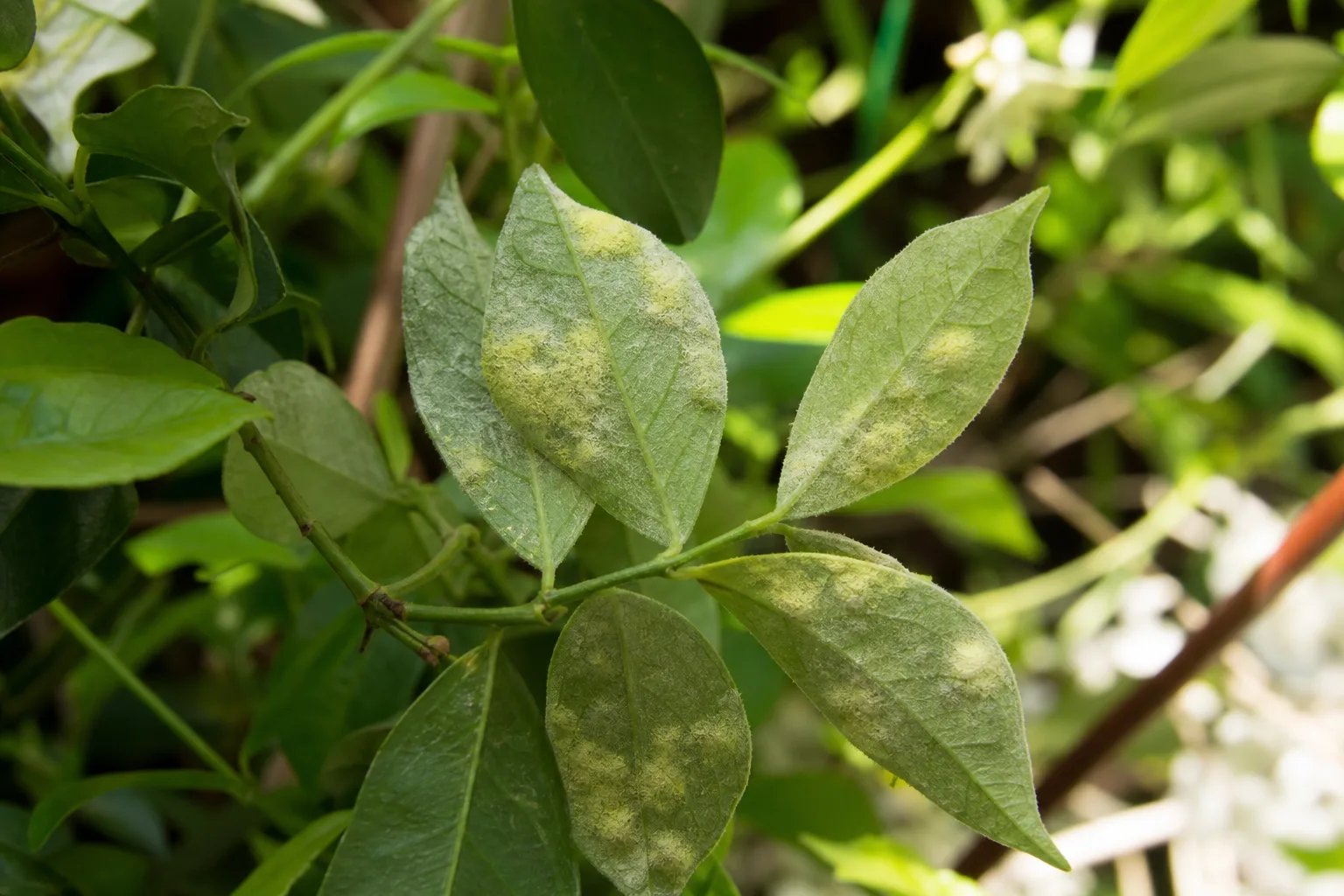
Downy Mildew on Houseplants
Still unsure?Match your symptoms to the most likely problems in under a minute.Run diagnosis →Understand and fix downy mildew
Indoor plant diseases are usually fungal or bacterial infections favored by moisture on leaves and poor ventilation. Downy Mildew can weaken growth and spread to nearby plants if ignored. Use Yellow patches on top of leaves, fuzzy growth underneath as your starting point, then confirm whether you are dealing with infection, physical damage, or care stress. Track weekly progress after you change care, and note watering, light, and repotting dates so you can tell whether the symptom is improving or returning. Compare upper versus lower leaves, new versus old growth, and soil moisture at root depth before you treat, because the same visible symptom can come from watering, light, pests, or normal aging on different plants.
Overview
Indoor plant diseases are usually fungal or bacterial infections favored by moisture on leaves and poor ventilation. Downy Mildew can weaken growth and spread to nearby plants if ignored. Use Yellow patches on top of leaves, fuzzy growth underneath as your starting point, then confirm whether you are dealing with infection, physical damage, or care stress. Track weekly progress after you change care, and note watering, light, and repotting dates so you can tell whether the symptom is improving or returning. Compare upper versus lower leaves, new versus old growth, and soil moisture at root depth before you treat, because the same visible symptom can come from watering, light, pests, or normal aging on different plants.
How to identify it
- Look for spots with halos, powdery coating, or water-soaked margins
- Check if damage spreads over days vs stays static
- Note whether leaves were recently misted or watered overhead
- Inspect multiple plants in the same room for similar patterns
- Smell soil-sour odor suggests rot rather than surface disease alone
When to worry
Rapid defoliation, soft mushy stems, or spots enlarging daily mean isolate immediately and trim affected tissue.
Common causes
Water sitting on leaves overnight
Overhead watering and late-day misting keep foliage wet for hours-the perfect environment for leaf spot and mildew.
Poor airflow between plants
Crowded shelves and closed rooms trap humidity around leaves and speed up Downy Mildew.
Infected tools or splashing water
Pruning with dirty shears or reusing drip trays without cleaning spreads pathogens plant to plant.
Weakened or stressed plants
Plants recovering from repotting, low light, or root issues are more susceptible to infection.
Step-by-step fix
Isolate affected plants
Move sick plants away from healthy ones until active spread stops.
Remove infected leaves
Cut off heavily spotted or mushy foliage with clean scissors. Dispose in trash, not compost indoors.
Improve airflow and watering technique
Space plants out, run a fan on low, and water at soil level without wetting leaves.
Apply fungicide if fungal disease is confirmed
For powdery mildew or leaf spot, use a houseplant-safe fungicide per label. Bacterial issues may need removal rather than spray.
Avoid fertilizer until recovery
Let the plant stabilize. New healthy growth confirms your changes are working.
Prevention tips
- Water at the soil line, not over leaves
- Provide spacing and gentle airflow in plant rooms
- Sterilize pruning tools between plants
- Quarantine new plants before mixing collections
Common mistakes
- Misting diseased leaves hoping humidity helps
- Leaving fallen infected leaves on soil surface
- Treating bacterial rot with fungicide only
The most revealing part of a suspected downy mildew lesion is often hidden. The upper leaf develops pale green, yellow, tan, or purple-brown patches, while the corresponding underside may carry delicate gray, white, bluish, or purple sporulation when humidity is high. Inspecting both surfaces is more useful than spraying every yellow leaf.
Downy mildew is a group of diseases caused by oomycetes, organisms related to water molds rather than true fungi. Different downy mildews attack different hosts, so an infected basil, rose, impatiens, or ornamental foliage plant does not automatically threaten every species nearby. The immediate plan is still conservative: isolate the plant, keep foliage dry, remove heavily infected material, and confirm the diagnosis before choosing any product.
What Downy Mildew Is
Downy mildew pathogens grow in living plant tissue and produce spore-bearing structures through openings in the leaf, commonly on the underside. They are often specialized to a host or related group of hosts. That host relationship explains why symptoms and survival differ among cucurbits, basil, impatiens, roses, and indoor ornamentals.
Calling the disease “mildew” can be misleading. Powdery mildew is caused by true fungi and usually advertises itself with white surface colonies; downy mildew is an oomycete disease associated more strongly with humid, wet foliage. Penn State Extension distinguishes the two pathogen groups and their characteristic symptom positions (powdery and downy mildew).
This guide synthesizes current Extension guidance across several hosts; it is not a laboratory diagnosis and no single host example applies universally. The photographs show representative paired symptoms rather than confirming a particular downy-mildew species. Use the plant’s identity, upper- and lower-surface pattern, progression, and growing conditions together; obtain a diagnostic result before a high-consequence pesticide or disposal decision for a valuable specimen.
Recognize Downy Mildew
Look for paired evidence: discoloration above and downy growth beneath the same area. University of Maryland Extension describes early light-green or yellow angular patches on flower foliage and fluffy spores on lower surfaces under high humidity (downy mildew on flowers). Veins may bound lesions, giving them an angular shape, but shape varies with leaf architecture.
Older lower leaves may show symptoms first, then wither as disease progresses upward. Some hosts develop subtle mottling, downward curling, stunting, or leaf drop before obvious sporulation. Absence of fuzz during a dry inspection does not rule the disease out.
Use the paired-symptom test as a triage tool: mark an upper-surface lesion in a photograph, turn over that exact area, and look for fine growth that follows its boundary. Matching evidence on both surfaces raises suspicion; yellowing alone does not. If the underside is clean, keep the plant isolated and recheck under naturally humid morning conditions rather than adding moisture to provoke spores.
Read the Upper Leaf Surface
Hold the leaf in bright indirect light. Early lesions may look pale or slightly translucent; later they become yellow, tan, brown, purple, or necrotic. Compare the pattern with veins and photograph it. Lesions that enlarge or appear on new leaves indicate active disease rather than old injury.
Upper-surface discoloration should prompt an underside inspection; it is not diagnostic by itself.
Nutrient deficiency usually follows a broader, more symmetrical pattern linked to leaf age, whereas downy mildew often produces discrete patches. Sun scorch concentrates on exposed surfaces. Edema can leave corky spots after excess water uptake, but it does not produce pathogen sporulation through the corresponding underside.
Turn the Leaf Over
Inspect the underside early in the morning or after a humid period, when sporulation is easier to see. A hand lens may reveal branched, tree-like structures rather than a uniform film. Maryland Extension notes that downy areas can resemble tiny bunches of branched hairs under magnification (underside sporulation).
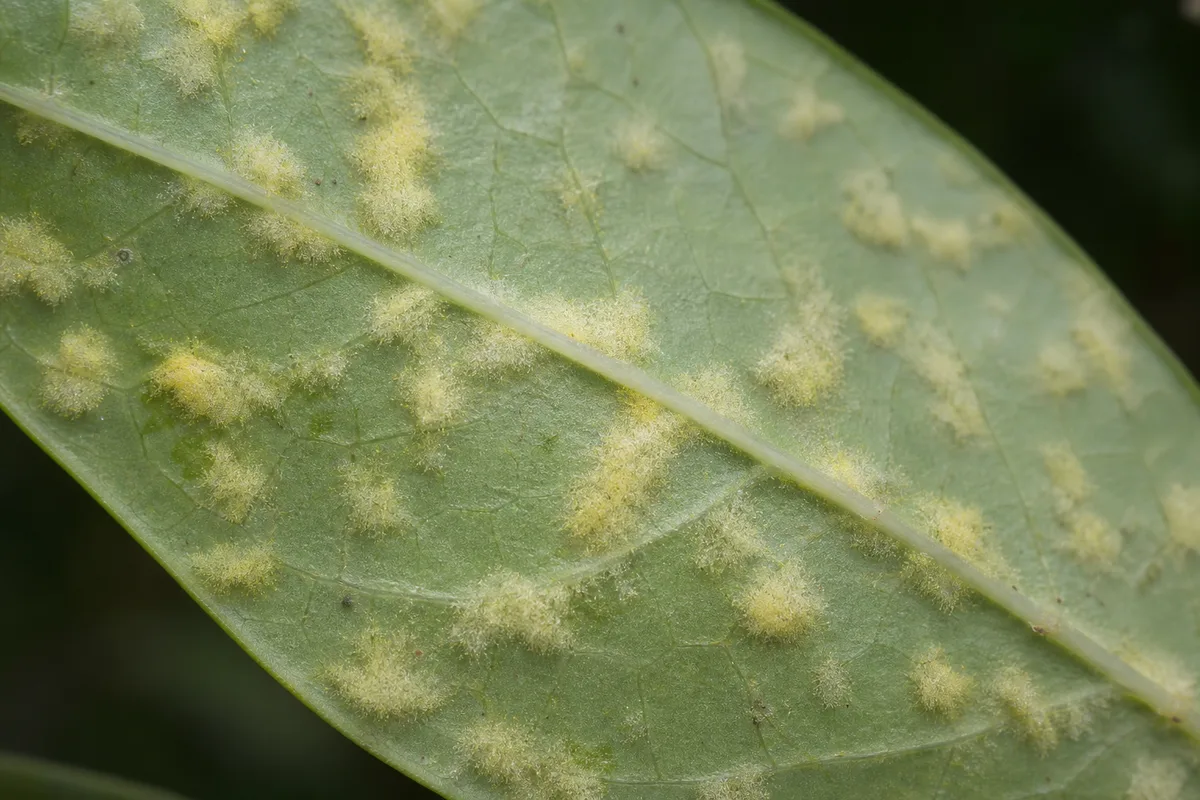
Fine growth beneath a matching upper lesion is stronger evidence than yellowing alone.
Do not mist the leaf to “bring out” spores. Added leaf wetness may favor infection. If no growth is visible, isolate the plant and repeat the inspection under naturally humid conditions or submit a fresh sample.
Problems Commonly Confused With It
Powdery mildew, gray mold, pests, residue, edema, and bacterial leaf spots can resemble parts of the downy mildew picture. Spider mites cause pale stippling and sometimes webbing; their moving bodies can be dislodged over white paper. Mineral residue follows dried droplets and does not arise specifically below an expanding lesion.
Gray mold usually colonizes damaged, aging, or soft tissue and produces fuzzy gray-brown spores on decay. Bacterial spots may be water-soaked, greasy, or vein-limited but lack the characteristic downy sporulation. Diagnosis should weigh the whole pattern, not fuzz color alone.
Downy Mildew vs Powdery Mildew and Gray Mold
| Evidence | Downy mildew | Powdery mildew | Gray mold |
|---|---|---|---|
| Upper leaf | Yellow, tan, purple, often angular lesions | White powdery colonies | Tan or soft necrosis |
| Lower leaf | Gray-purple or white down beneath lesions | Powder may occur on either surface | Gray-brown fuzz on decaying tissue |
| Tissue relationship | Pathogen grows within living leaf | Mostly surface-growing colony | Often exploits flowers, wounds, dead tissue |
| Moisture association | Humidity and leaf wetness important | Free water often unnecessary | Free moisture strongly favors infection |
University of Maryland’s vegetable guidance describes yellow-to-tan angular lesions and gray-to-purple growth beneath, while contrasting it with visibly white powdery mildew (downy mildew symptoms). Host symptoms differ, so use that comparison as a diagnostic framework rather than a universal photograph.
Why Downy Mildew Develops
A susceptible host, viable inoculum, and favorable environment must overlap. Crowded foliage creates a humid boundary layer; late watering or misting extends leaf wetness; cool surfaces can cause overnight condensation. Low light slows drying and may weaken plant growth.
The disease does not arise spontaneously from humidity. A pathogen must be present. Yet correcting humidity and wetness still matters because it can interrupt infection and sporulation even when inoculum has arrived.
Humidity, Leaf Wetness, and Temperature
Downy mildew diseases generally intensify when leaves remain wet and humidity is high, though exact temperature optima differ by pathogen. Maryland Extension recommends watering early, improving spacing, and allowing foliage to dry before nightfall (moisture management).
University of Minnesota reports that cucurbit downy mildew can infect across a broad temperature range but is most severe in cooler conditions, illustrating why no single household thermostat setting prevents every species (cucurbit downy mildew conditions). Manage leaf wetness and confirm the host-specific disease rather than relying on one temperature number.
How It Moves Between Plants
Spores can travel in moving air and splashing water; infected plant material can introduce disease. Some downy mildews survive locally on living hosts, seed, or specialized structures, while others arrive seasonally on wind. Survival biology is pathogen-specific.
Handle suspect plants gently and bag removed leaves before carrying them through a collection. Do not share runoff or use the same wet cloth across plants. Isolation reduces exposure without implying that unrelated hosts share equal susceptibility.
Respond to a Suspected Infection
Move the plant away from others, stop misting, and water the mix without wetting leaves. Improve suitable light and gentle airflow. Photograph upper and lower surfaces and note recent humidity, watering, new-plant introductions, and how quickly lesions appeared.
Inspect nearby related plants first. If a new plant is the likely source, keep it separate until the diagnosis and containment outcome are clear.
Isolate and Remove Infected Material
Remove leaves that have extensive lesions or active sporulation when the plant can spare them. Use clean shears, avoid shaking debris, and seal waste. Maryland Extension recommends regular inspection and notes that removing infected spotted leaves or plants may solve limited flower-crop cases (downy mildew management).
Clean visible sap and debris from tools before disinfection, then follow the disinfectant label. Never mix household cleaners. Wash hands after handling the plant and clean the shelf or saucer.
Match the Response to Severity
| Severity | Evidence | Proportionate response |
|---|---|---|
| Suspected | One stable patch, no underside growth | Isolate, document, recheck |
| Limited | Few leaves with paired symptoms | Remove affected leaves, correct conditions |
| Moderate | New lesions continue, several leaves affected | Confirm host/pathogen; consider labeled protection |
| Severe | Extensive defoliation or recurring sporulation | Bag and discard, especially near valuable hosts |
Impatiens downy mildew can begin subtly and progress to leaf drop; Maryland Extension advises promptly bagging symptomatic plants before moving them through a greenhouse (impatiens containment). That strict response reflects a destructive host-specific disease and should not be blindly generalized to every isolated leaf spot.
Build a Management Plan
Removing visible lesions lowers inoculum but does not prove internal infection is gone. Cultural changes protect remaining tissue by making infection less favorable. Continue observation through new growth.
A plant with little healthy leaf area may not recover even if spread stops. Weigh the plant’s condition, replacement cost, and risk to nearby susceptible hosts rather than extending repeated treatment indefinitely.
Change Moisture and Airflow Conditions
Water at the media surface early in the active period and empty runoff. Space leaves so they do not overlap neighboring plants, remove dead material, and use gentle circulation. Do not place a wet infected plant directly in a strong fan’s path toward healthy plants.
Airflow does not cure lesions. Its value is reducing humidity pockets and drying time. University of Minnesota recommends drip irrigation and spacing for cucurbit downy mildew for the same disease-pressure reason (cultural control).
Use Products Only When the Label Fits
Downy mildews are oomycetes, so a general “fungus spray” may not work. Product efficacy and legal uses depend on pathogen, host, location, timing, and resistance. Some home-garden crop situations have no effective homeowner pesticide option; Minnesota Extension states this for cucurbit downy mildew in home gardens.
Use only a product whose label explicitly covers the plant or crop, disease, and indoor or greenhouse site. Follow protective equipment, ventilation, dose, interval, reentry, and disposal directions. Maryland Extension advises reading the full label and testing a small portion where directed because sprays can cause phytotoxicity (pesticide safety).
Monitor Recovery and Recheck the Diagnosis
Inspect leaf undersides every few days at first. Stable old lesions, no new sporulation, and clean new leaves support control. New patches despite drier conditions may mean infection was already established, the environment remains favorable, or the diagnosis is wrong.
For valuable plants, submit fresh leaves that include healthy and advancing tissue to a plant disease clinic. Avoid sending only dry fallen leaves; diagnostic structures may have degraded.
Prevent Downy Mildew
Begin with healthy stock and, where available, resistant cultivars. Maryland Extension recommends resistant basil varieties and uncrowded, sunny growing conditions for basil downy mildew (basil downy mildew). Resistance is host- and cultivar-specific, not a universal trait.
Quarantine new plants, inspect both leaf surfaces, avoid shared runoff, water without wetting foliage, and manage overnight condensation. Clean dead leaves promptly. A record of which hosts and shelves are repeatedly affected can reveal a persistent environment or source.
Quarantine works best as an observation period, not simply distance. Put new plants where both leaf surfaces can be examined and where runoff cannot reach the established collection. Record the arrival date and inspect older lower leaves as well as soft new growth. If the plant was treated before sale, symptoms may become visible only after conditions change.
Learn the normal underside of each plant. Pale hairs, wax, glands, and vein pigmentation are easily mistaken for disease when viewed for the first time. Compare symptomatic leaves with a healthy leaf from the same plant, then look for a matching lesion above. Natural structures repeat consistently; pathogen growth tends to track damaged areas and change over time.
Humidity management should preserve plant health. Do not force a humidity-loving fern or tropical plant into excessively dry air because one nearby plant is suspect. Improve spacing, prevent condensation, water at a better time, and isolate the affected host. The goal is a shorter leaf-wetness period, not an arbitrary room-humidity number that may stress the collection.
Air exchange around a shelf can be poor even when the room has a fan. Solid cabinet sides, dense vines, and leaves pressed against walls create pockets of still air. Reposition plants so foliage is separated and use gentle circulation after infected debris has been removed. Never point a fan from a sporulating plant directly toward healthy susceptible hosts.
Watering from below reduces splash but is not automatically safe. A shared reservoir can connect roots and pots, and foliage may still remain wet from condensation. Give isolated plants their own tray, remove excess water after uptake, and clean the tray before it returns to general use.
Pruning technique affects spread. Prepare the disposal bag before cutting, support the leaf so it does not brush neighboring foliage, and place it directly into the bag. Remove sap and tissue from shears before disinfection. If many leaves need removal, decide whether the plant retains enough green area to recover instead of stripping it to a stem.
Recovery takes longer than visible surface drying. Downy mildew grows within tissue, and removing underside growth does not prove the infection is gone. Watch the next flush of leaves and inspect both sides. Stable old lesions are compatible with control; recurring sporulation or new vein-bounded patches are not.
Do not combine multiple oils, soaps, bicarbonates, copper products, or fungicides in search of broader control. Mixtures can injure foliage and may violate labels. Oil and sulfur products in particular can have incompatible intervals. If a labeled product is justified, use one plan, record the application, and observe the specified interval and safety directions.
Edible herbs add another decision layer. A pesticide label must permit the crop and provide harvest or use instructions; an ornamental-houseplant label is not enough. When a heavily affected herb is inexpensive to replace, bagging it and restarting with resistant clean stock may be more proportionate than repeated chemical treatment.
Weather reports matter for outdoor plants but only partly predict indoor risk. Open windows, evaporative coolers, a humid greenhouse, or plants moved between patio and room can connect environments. Note whether symptoms began after a rainy outdoor period or after plants were crowded indoors. The timeline can narrow where exposure occurred.
Host specificity reduces but does not eliminate collection risk. A rose downy mildew is not expected to infect unrelated basil, yet another susceptible rose nearby deserves close inspection. Because a visual diagnosis can be wrong, maintain basic sanitation for all plants until the cause is supported.
Diagnostic sampling should capture active tissue. Select leaves with an advancing lesion and, if possible, visible underside growth; include a healthy comparison. Keep foliage from being crushed or rotting in transit and follow the laboratory’s packaging instructions. Supply host identity, symptom timeline, humidity or wetness history, and treatments already applied.
Use a host-risk threshold for disposal. If a plant is nearly defoliated, continues to sporulate after infected tissue and wetness sources are removed, or threatens a group of valuable susceptible relatives, bagging it in place may provide the best collection-level outcome. Do not carry it uncovered through the room, and do not shake soil or leaves into other pots.
After an outbreak, keep the isolation area simple enough to inspect. Avoid dense decorative groupings, fabric liners, and unfinished wooden surfaces that trap fallen leaves or moisture. A washable tray with clear space around the pot makes new lesions, runoff, and dropped tissue easier to notice. Return the plant to a display only after it has produced sustained clean growth.
Review the original growing setup before buying a replacement. If the same susceptible host returns to a cool, condensating window or a tightly enclosed plant cabinet, clean stock can develop the same disease pressure. Choose a more resistant cultivar where one exists, reduce leaf overlap, and confirm that irrigation reaches the roots without routinely coating foliage.
For outdoor-to-indoor moves, inspect and groom plants before they cross the threshold. Remove dead leaves, look beneath symptomatic foliage, and keep the newcomers separate from permanent indoor plants. Do not apply a preventive pesticide merely because a plant spent summer outdoors; use monitoring, host risk, and a label-supported need to guide intervention.
Finally, separate plant recovery from cosmetic perfection. Yellow and brown lesions will not regain chlorophyll, and some affected leaves may drop after the pathogen is controlled. The meaningful outcome is a plant that stops producing new lesions, holds its remaining foliage, and develops clean growth under conditions that no longer favor prolonged leaf wetness.
Keep fertilization conservative during recovery. Extra nitrogen cannot eliminate an oomycete and may push tender growth before the root system and canopy are stable. Resume the plant’s normal feeding program only when it is actively producing healthy leaves, and follow the fertilizer label rather than trying to “outgrow” disease.
Clean humidifiers and nearby water reservoirs according to their manufacturer instructions. They are not automatically sources of downy mildew, but dirty equipment and excessive local condensation undermine a controlled environment. Direct humidifier output away from foliage and verify that leaves are dry before the dark period.
If the plant sits in a terrarium or cabinet, isolate it outside that shared enclosure when symptoms appear. Enclosed displays can maintain long humidity periods and make physical separation difficult. Clean fallen leaves and hard surfaces, increase safe air exchange, and inspect every related host before rebuilding the display.
Do not remove healthy leaves merely because they were near an infected one. Excess defoliation reduces the plant’s energy supply and may expose previously shaded tissue to light injury. Prioritize leaves with confirmed paired symptoms, active underside growth, or lesions that continue to enlarge, and leave clean tissue for recovery.
Conclusion
Downy mildew is best recognized as a paired symptom: pale, yellow, tan, or purple lesions above and fine downy sporulation beneath. Because symptoms vary and the pathogens are host-specific oomycetes, one photograph or the word “mildew” is not enough to choose a product.
Isolate the plant, keep foliage dry, remove heavily infected material carefully, improve spacing and airflow, and monitor both leaf surfaces. Use pesticides only when diagnosis and label both fit. Stable lesions and clean new growth signal recovery; repeated sporulation, severe defoliation, or danger to valuable susceptible plants can make disposal the safer decision.
Plants commonly affected
These houseplants often struggle with downy mildew. Open a care guide or plant-specific troubleshooting page for tailored fixes.
 Medium
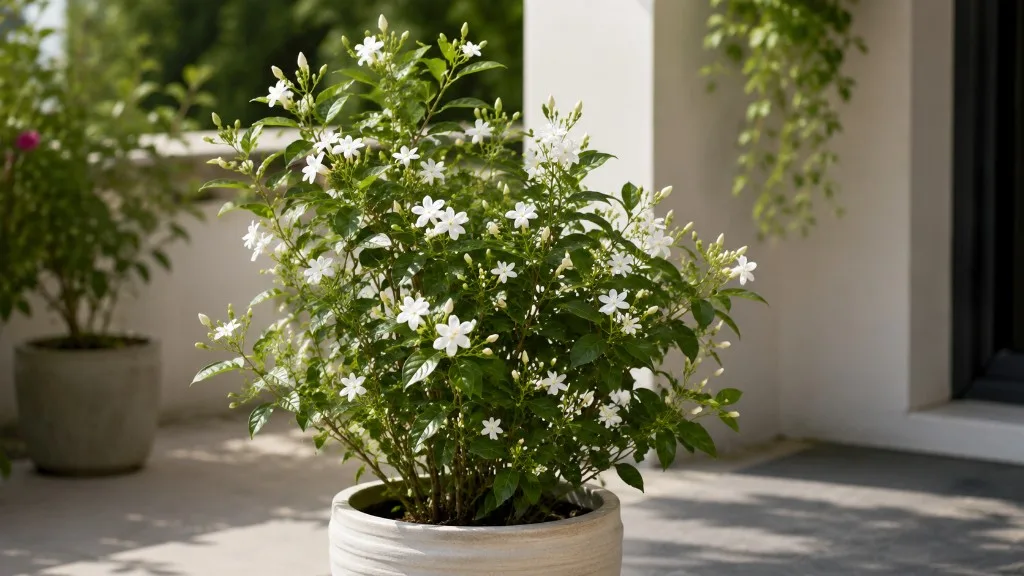
Jasmine
Likely causeOur closeup photographs above showpowdery mildew growing on the leaves of a jasmine plant. Mildewis a specific type of mold that grows on living plants. Just on plants. Notice that this mold ( mildew ) is white? Mildew is always white or pe
Quick fixConfirm diagnosis on your Jasmine, then address the most likely care or pest factor described in current extension guidance.
 Medium
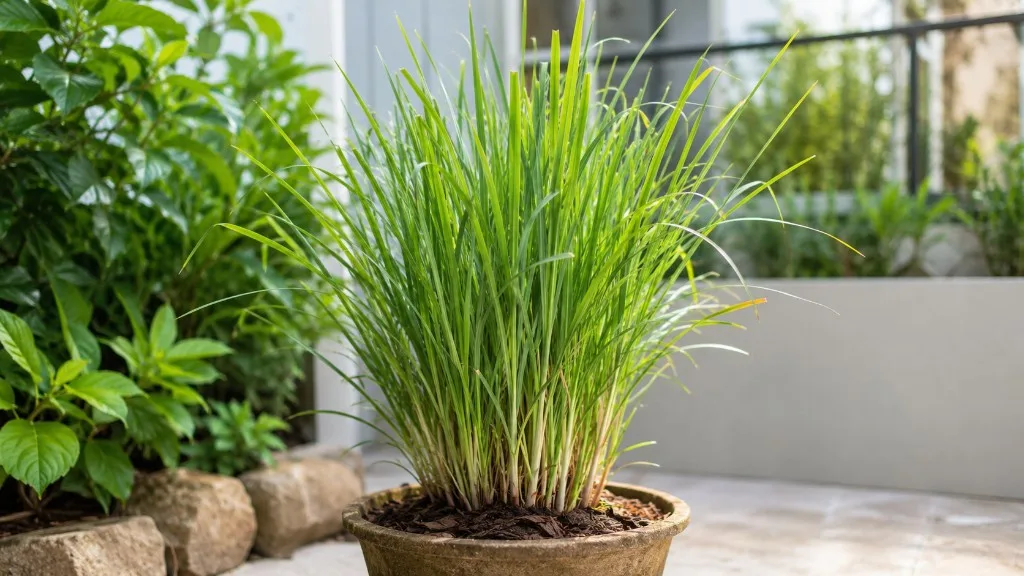
Lemongrass
Likely causeDowny mildew is a fungal disease that affects many plant species, including lemongrass . It is characterized by the development of fuzzy, grayish-white patches on the leaves, which eventually turn yellow and die.
Quick fixConfirm diagnosis on your Lemongrass, then address the most likely care or pest factor described in current extension guidance.
 Medium
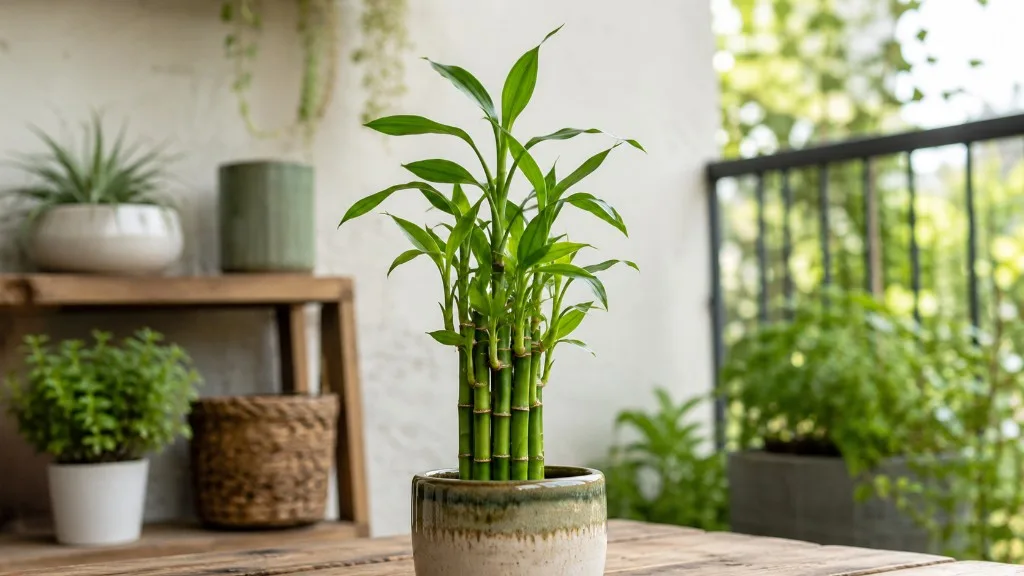
Lucky Bamboo
Likely causeNov 3, 2022 · Powdery mildew is a common fungal disease that is spread by fungal spores. The infected foliage of the lucky bamboo experience growth stunt and dieback as a result of the lack of sunlight penetration to the surface of the leav
Quick fixConfirm diagnosis on your Lucky Bamboo, then address the most likely care or pest factor described in current extension guidance.
 Medium
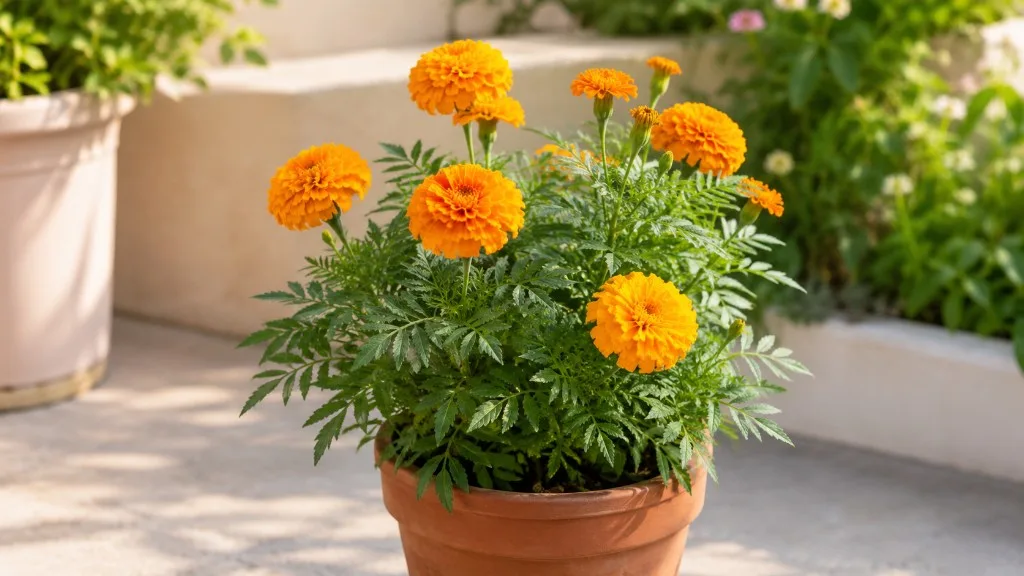
Marigold
Likely causePot Marigold downy mildew explained. Learn to spot symptoms, treat the disease, and prevent future outbreaks on your Calendula officinalis plants.
Quick fixConfirm diagnosis on your Marigold, then address the most likely care or pest factor described in current extension guidance.
 Medium
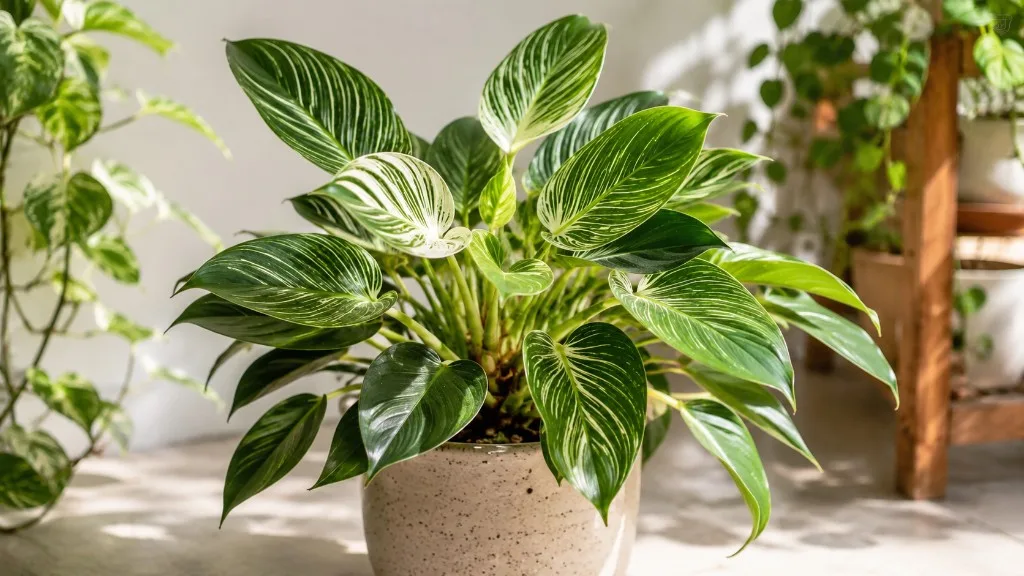
Philodendron Birkin
Likely causeThere can be various reasons behind fungus growth on your philodendron . The main problem is that your philodendron is exposed to unfavorable conditions. But there can be other reasons also. Let’s look at some common reasons behind fungus i
Quick fixConfirm diagnosis on your Philodendron Birkin, then address the most likely care or pest factor described in current extension guidance.
 Medium
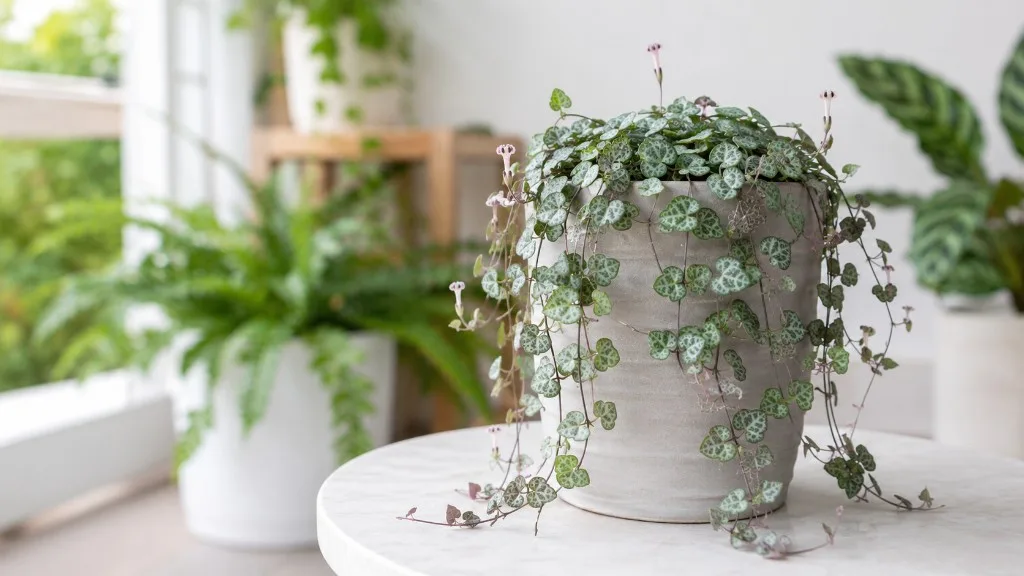
String of Hearts
Likely causeApr 24, 2026 · Although these plants can handle temperatures as low as 20ºF for short periods, string of hearts can't cope with prolonged exposure to the cold, especially if they have not retained sufficient moisture. May 5, 2024 · To treat
Quick fixFollow extension or botanical guidance for String of Hearts downy mildew; adjust care before applying broad treatments.