Is Monstera an Indoor Plant? Best Placement and Care Tips
Find out where Monstera grows best indoors, how much light it needs, and how to choose the right room and window.
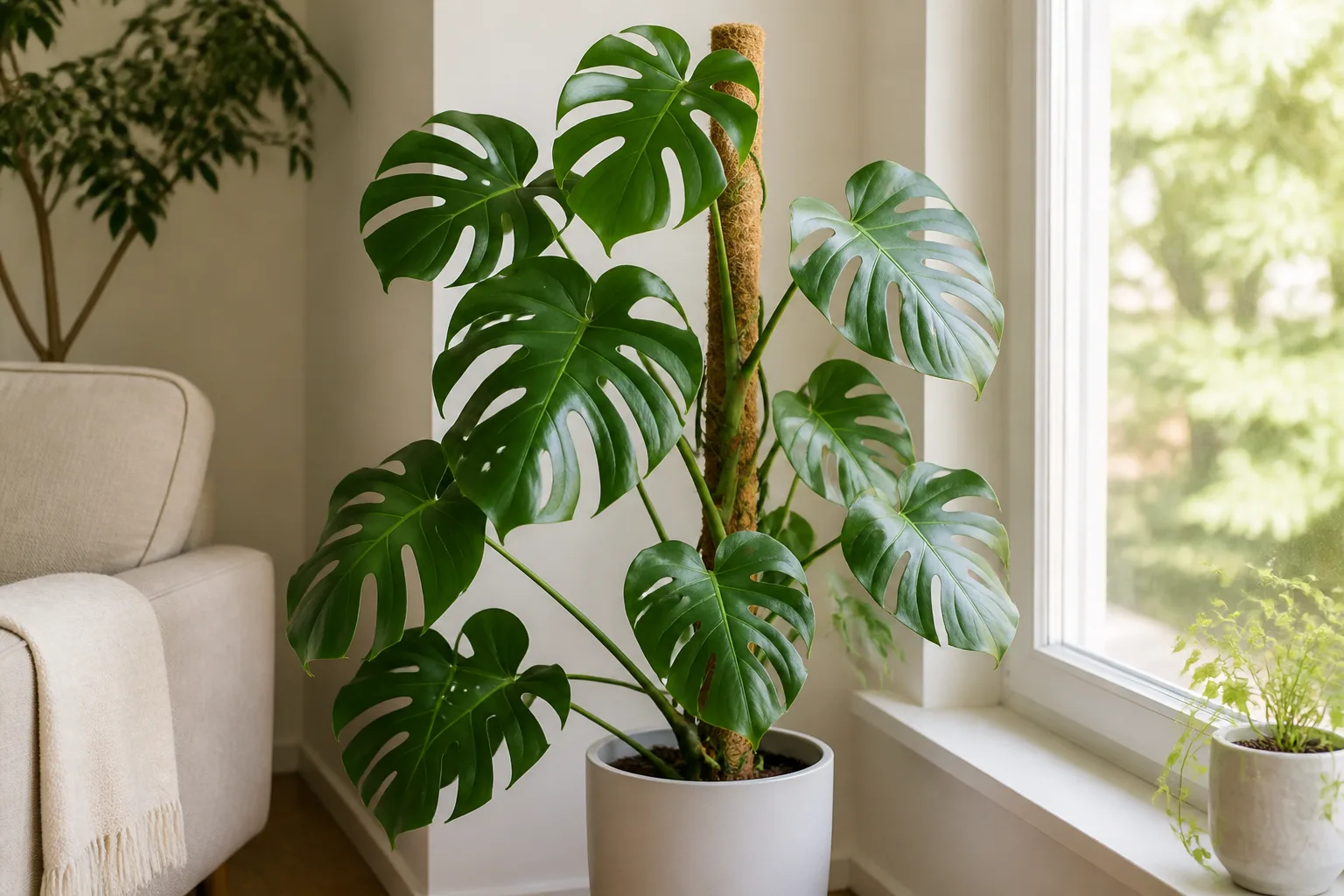
Is Monstera Deliciosa an Indoor Plant?

Short Answer: Yes - With One Important Distinction
Yes. Monstera deliciosa is absolutely an indoor plant. The Royal Horticultural Society lists only a couple of Monstera species as common houseplants, with Monstera deliciosa the most popular - a dramatic focal plant that thrives in warmth, humidity, and indirect light indoors. (RHS) Penn State Extension likewise treats Monstera as a standard houseplant when basic conditions are met. (Penn State Extension)

The distinction that matters for buyers is survive versus thrive. Monstera can hang on in average homes, but it looks its best with bright filtered light, moderate humidity, warm stable air, and something to climb. Stick it in a dark corner and water on autopilot and it may stay alive - but it will not become the lush, split-leaf showpiece most people expect. For full ongoing care after you buy, start with the Monstera deliciosa care hub rather than treating this page as a care encyclopedia.
Can Monstera Thrive Indoors, Not Just Survive?
Monstera works indoors because it offers high visual payoff with moderate care demands - oversized sculptural leaves without greenhouse-level skill. The RHS describes it as relatively easy to look after when kept warm, moderately humid, and in indirect light. (RHS) That balance is why it remains one of the most widely sold tropical houseplants.

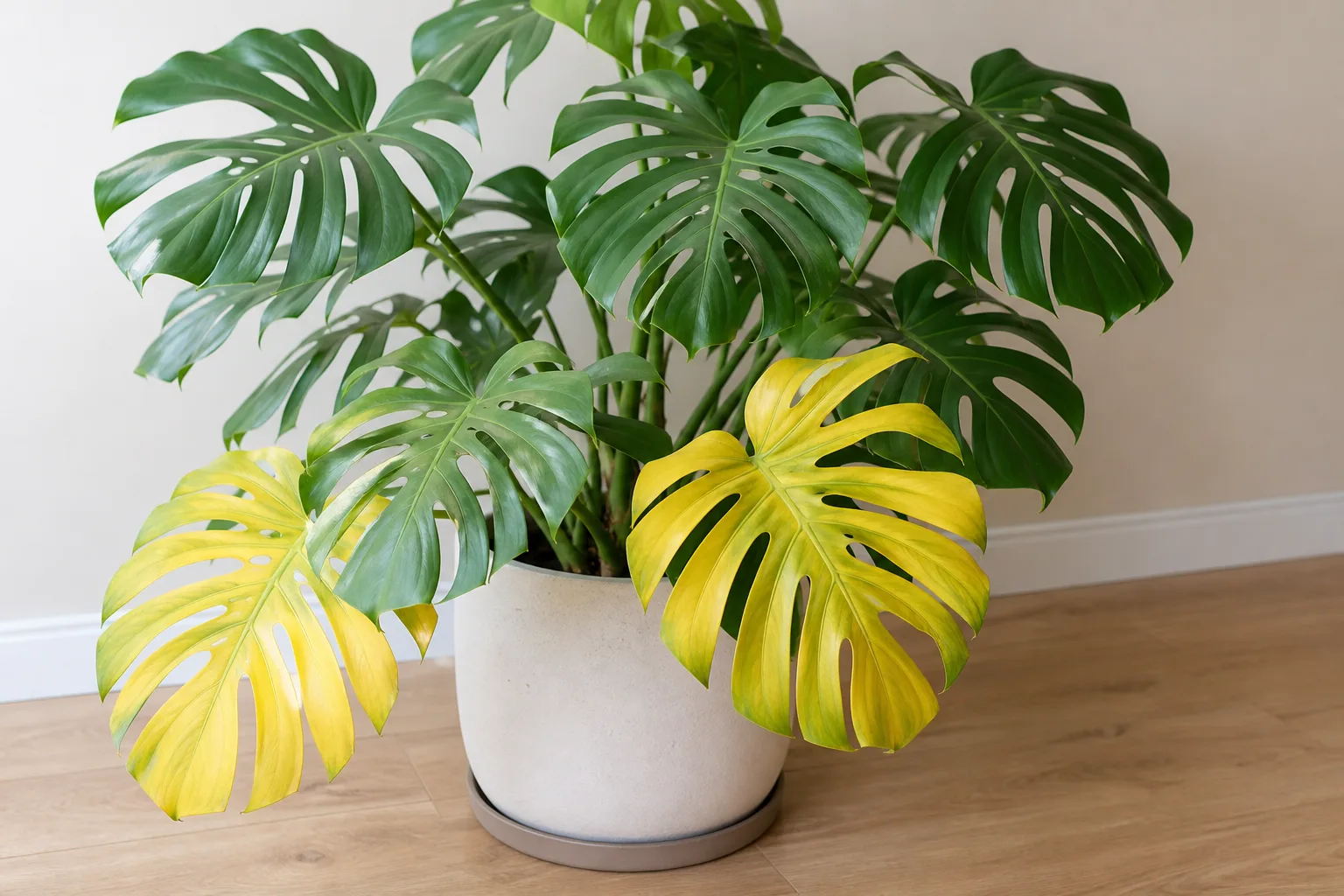
The trap is confusing adaptable with indestructible. Monstera is not a snake plant. Poor light, cold drafts, and chronic overwatering show up as leggy growth, yellow leaves, weak stems, and stalled fenestration. If your home has decent natural light and you can check soil moisture before watering, Monstera is manageable. If you want something that thrives on neglect in a dim room, there are easier options - covered below in the alternatives section.
Which Monstera Species Work Best Indoors?
When people ask whether Monstera is an indoor plant, they usually mean Monstera deliciosa - the classic Swiss cheese plant with large glossy leaves and dramatic splits. But Monstera adansonii is also a common indoor choice with a very different footprint. Size and growth habit should drive your buying decision.

Monstera deliciosa: the default floor plant
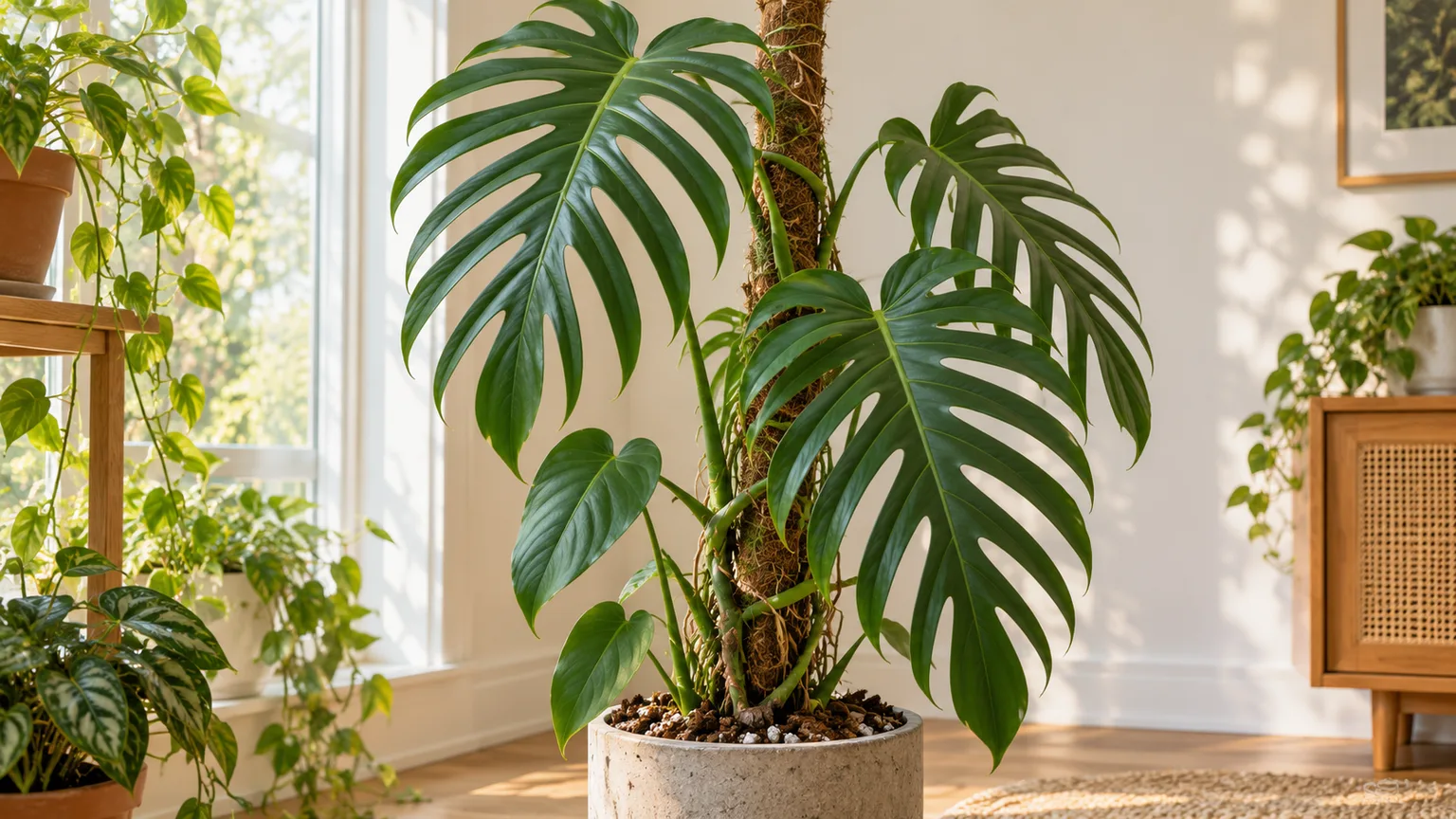
Monstera deliciosa is the species most nurseries sell as a floor plant. Missouri Botanical Garden describes it as a climbing evergreen vine native to Mexico and Central America, typically reaching 6 to 8 feet indoors even though wild plants can climb far taller. (Missouri Botanical Garden) The RHS notes houseplant specimens can eventually reach several metres unless pruned. (RHS)
Choose deliciosa if you want a bold architectural statement, have ceiling height and floor space, and can provide a moss pole or trellis. Full species care lives on the Monstera deliciosa hub.
Monstera adansonii: the space-saving cousin
Monstera adansonii - often sold as Swiss cheese vine - stays smaller indoors. The RHS describes it as a less vigorous, smaller-growing option suited to limited space, and the National Garden Bureau notes it typically reaches around 3 to 5 feet indoors. (RHS) (National Garden Bureau)
Choose adansonii if you love the fenestrated Monstera look but cannot commit to a plant that may challenge your ceiling within a few years. Ongoing care for this species is on the Monstera adansonii hub.
| Factor | Monstera deliciosa | Monstera adansonii |
|---|---|---|
| Typical indoor height | 6–8 ft (up to several metres) | 3–5 ft |
| Leaf size | Large, dinner-plate scale | Smaller, more perforated |
| Best for | Floor statement, large rooms | Shelves, smaller spaces, trailing |
| Support needed | Moss pole or trellis strongly recommended | Pole or trellis helpful |
| Full care guide | /plants/monstera-deliciosa/ | /plants/monstera-adansonii/ |
Why Monstera Suits Indoor Life (Without Turning Your Home Into a Greenhouse)
Monstera is a tropical climbing plant from the Americas, not a compact tabletop species by nature. In wild forests it grows as a vine, climbing trees to reach filtered canopy light with aerial roots for support. (RHS) That biology explains the indoor rules: bright indirect light, not blazing afternoon sun; warmth around 18–25°C (65–77°F); moderate humidity; and vertical support.
You do not need spa-level humidity for Monstera to survive. Many kitchens, bathrooms with real daylight, and plant-grouped rooms provide enough moisture. Penn State Extension recommends humidity above 50% for best growth, which a humidifier, grouped plants, or a bright bathroom can supply without major setup. (Penn State Extension) For deeper light, watering, and support guidance, use the hub’s light guide and watering guide rather than duplicating full care instructions here.
The National Garden Bureau named 2025 the Year of the Monstera, reflecting how firmly the plant sits in mainstream indoor culture - but popularity does not mean it is the best fit for every home. (National Garden Bureau)
Where to Place a Monstera Indoors
The best indoor location is simple: a bright room with filtered light, stable warmth, and enough space to grow. Placement drives the entire result. Monsteras are decor, yes - but they are not props. A spot that looks good on day one may fail once the plant doubles in size or stretches toward a dim corner.
Window Directions and Light Check
Monstera’s target is bright indirect light - not strong direct sun. The RHS recommends filtered or indirect light; Missouri Botanical Garden specifies bright indoor light with no strong direct sun. (RHS) (Missouri Botanical Garden)
Use this quick window check before you buy:
| Window direction | Monstera fit | Practical placement |
|---|---|---|
| East | Excellent | Near the window or within 1–2 ft; gentle morning sun is ideal |
| South | Good with filter | 3–6 ft back from glass, or behind a sheer curtain to soften midday rays |
| West | Good with filter | Same as south - afternoon sun is harsher; avoid direct leaf contact |
| North | Marginal | Only if the room stays visibly bright all day; expect slower, leggier growth |
| No windows / far from glass | Poor | Survive maybe; thrive unlikely without a grow light |
NC State Extension notes Monstera deliciosa prefers part shade to shade outdoors, which translates indoors to bright indirect light rather than sun on the leaves. (NC State Extension) If light is your main worry, read Monstera light requirements before committing.
Best Room Types for Monstera
Living rooms with bright east or filtered south/west windows work well because Monsteras need room for their form to matter - they are architectural plants, not shelf fillers. The RHS describes deliciosa as an indoor focal point with a tropical-jungle effect. (RHS)
Bright bathrooms can be strong sleeper picks. Extra humidity helps, and the RHS lists Monstera deliciosa among good bathroom plants when there is enough space and suitable indirect light. (RHS) Kitchens with east windows also work when counter space is not the only constraint - floor pots need clearance for future growth.
For styling ideas once placement is settled, see decorating with Monstera.
Spots to Avoid
Avoid dark corners, direct blazing afternoon sun, and locations exposed to cold drafts, heaters, or AC vents. Dark corners produce the classic sad Monstera: long stems, weak growth, small leaves, and few splits. Harsh direct sun scorches foliage. HVAC airflow dries leaves and destabilizes the environment.
Also avoid spots where pets chew plants or small children can pull leaves and aerial roots. Monstera is toxic if chewed - a safety issue, not just a plant-damage issue. And skip cramped niches: if the plant cannot reach 6–8 feet vertically with support, deliciosa will outgrow the zone within a year or two.
Is Monstera Right for Your Home?
Light, Space, Maintenance, and Pet Checklist
Run through this before you buy:
- Light: Can you place the plant within a few feet of a bright window (east ideal, south/west filtered) or supplement with a grow light? If not, Monstera will survive poorly and look disappointing.
- Space: Do you have ceiling height and floor clearance for a 6–8 ft deliciosa, or would adansonii’s 3–5 ft footprint fit better?
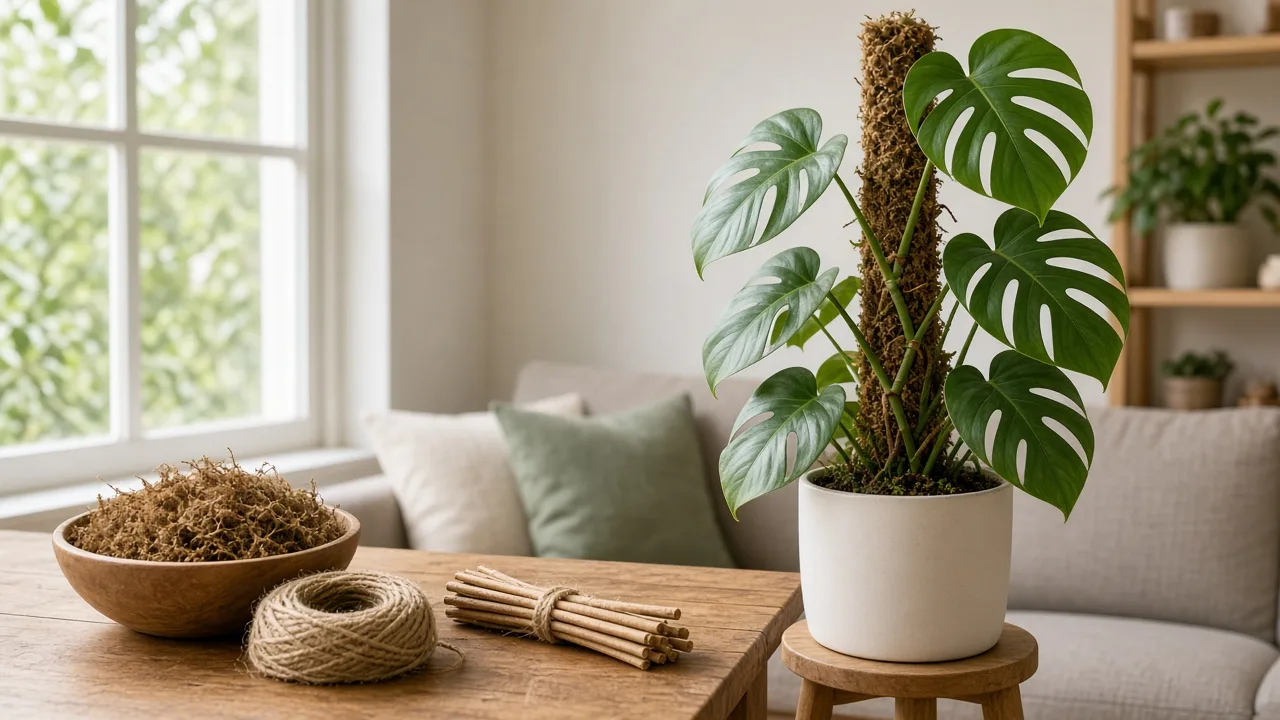
- Support: Can you install a moss pole or trellis early? Climbing support keeps the plant upright and often improves leaf quality. See DIY moss pole guide if you plan to build your own.
- Maintenance: Are you willing to check soil moisture before watering rather than watering on a calendar? Monstera is moderate-maintenance and beginner-friendly, not truly low-maintenance. (Penn State Extension)
- Pets and kids: Is the plant genuinely out of reach of chewers? If not, choose a non-toxic alternative.
Monstera is a strong buy if you want a bold plant, have decent natural light, and can handle moderate growth management. It is a weaker buy if your home is very dark, your space is tiny, or pets treat foliage as a snack bar.
Easier Alternatives If Monstera Is Not a Fit
| If your constraint is… | Consider instead | Why |
|---|---|---|
| Low light | Snake plant, ZZ plant | Tolerate dimmer rooms with less stretching |
| Tiny space / shelves | Pothos, adansonii | Smaller footprint, easier to trim |
| Pet chewers | Calathea (still research toxicity), peperomia | Non-toxic or lower-risk options - verify ASPCA per species |
| True neglect | Snake plant, pothos | Forgive missed waterings more readily |
| Want splits without size | Monstera adansonii | Fenestrated look at smaller scale |
Monstera still beats most alternatives on scale and texture - that is the trade-off. If the checklist above passes, the plant earns its spot.
Pet and Child Safety
Monstera deliciosa is toxic to cats and dogs. The ASPCA lists Swiss cheese plant as toxic to both, with insoluble calcium oxalates causing oral irritation, burning of the mouth, drooling, vomiting, and difficulty swallowing when chewed or ingested. (ASPCA) The RHS also warns Swiss cheese plants are poisonous and advises keeping them away from children and pets. (RHS)
This is a buying decision factor, not a footnote. A floor pot in the main living area with a leaf-chewing cat is a bad setup even if the light is perfect. A genuinely inaccessible bright room or a pet-free zone may work. If safety is uncertain, pick a verified non-toxic plant instead of hoping the cat loses interest.
If your pet chews or swallows Monstera: call ASPCA Animal Poison Control at (888) 426-4435 (fee may apply) and contact your veterinarian promptly. Do not wait for severe symptoms to appear.
What to Do Next: Ongoing Care on LeafyPixels
This guide answers whether Monstera belongs in your home. Once you own one, use the site hub for how to keep it healthy:
- Monstera deliciosa care hub - canonical overview, light, water, soil, repotting, propagation
- Monstera light guide - bright indirect light in practice
- Monstera watering guide - when and how much to water
- Monstera repotting guide - when to size up and refresh mix
- Watering Monstera deliciosa - schedule logic and common mistakes
- Why Monstera leaves turn yellow - troubleshooting yellow foliage
- Monstera not splitting leaves - fenestration and maturity
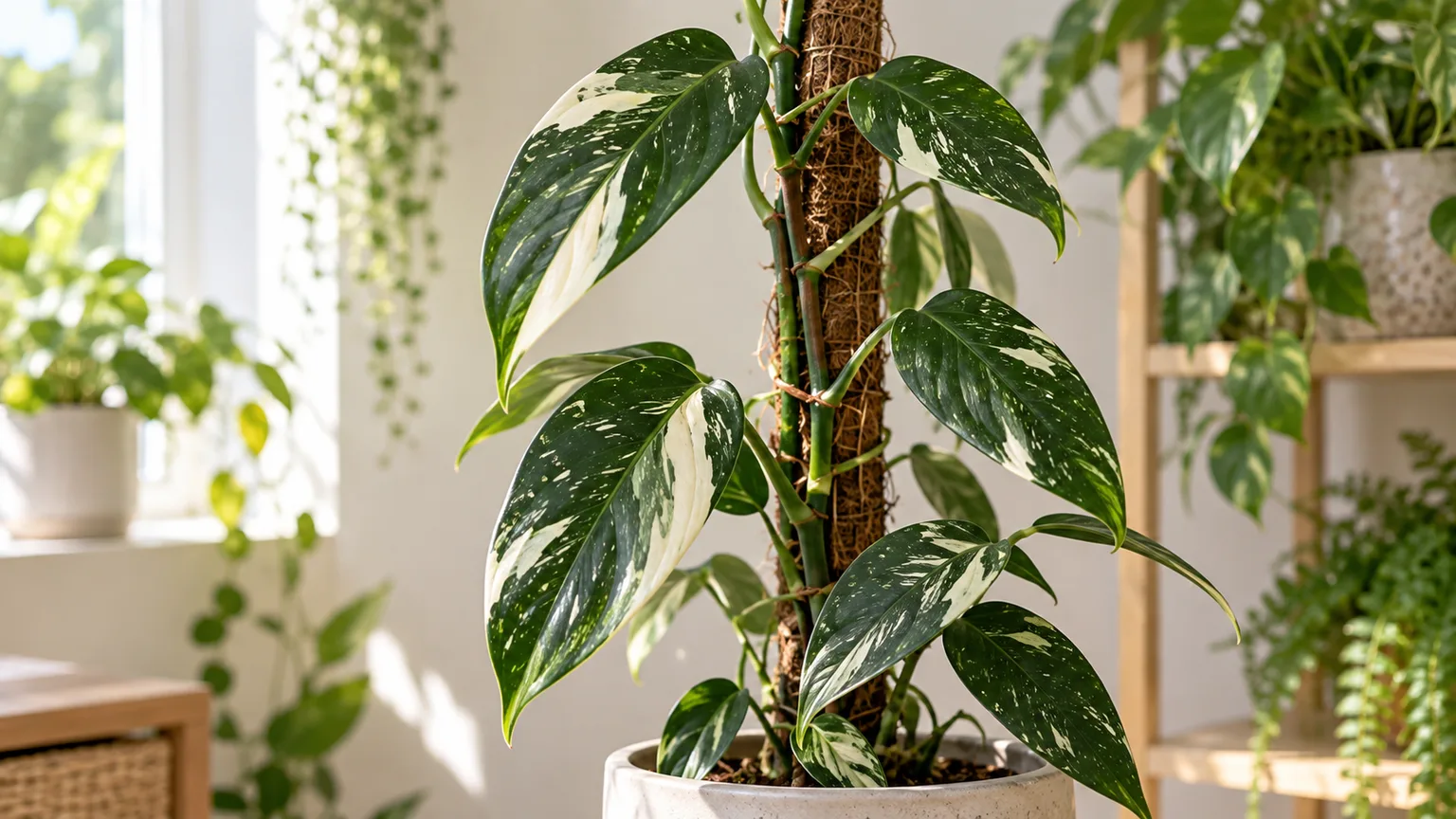
If you are still deciding whether to purchase, read buying a Monstera plant for nursery tag checks and variegated vs. standard trade-offs.
Related Monstera Guides
- Monstera care guide for beginners - first-month routine after you bring a plant home
- Monstera light requirements - deeper light troubleshooting
- Monstera humidity needs - when dry air is limiting growth
- Types of Monstera plants - species beyond deliciosa and adansonii
- Grow a giant Monstera deliciosa - long-term size and support goals
Conclusion
Is Monstera deliciosa an indoor plant? Yes - and one of the most established tropical houseplants when conditions match what the plant actually wants: bright indirect light, warmth, moderate humidity, climbing support, and enough space to grow. It is not zero-effort, and it is not the right choice for very dark homes, cramped corners, or households with pets that chew foliage.
Before you buy, check your window direction, ceiling height, maintenance willingness, and pet setup. If the checklist passes, start with the Monstera deliciosa care hub for ongoing care. If it fails, a pothos or snake plant may keep you happier with less frustration - and that is a better outcome than fighting a plant in the wrong room.