Monstera Light Deficiency: Signs, Causes and How to Fix It
Spot low-light symptoms in Monstera and learn how to improve placement, window exposure and grow light support.
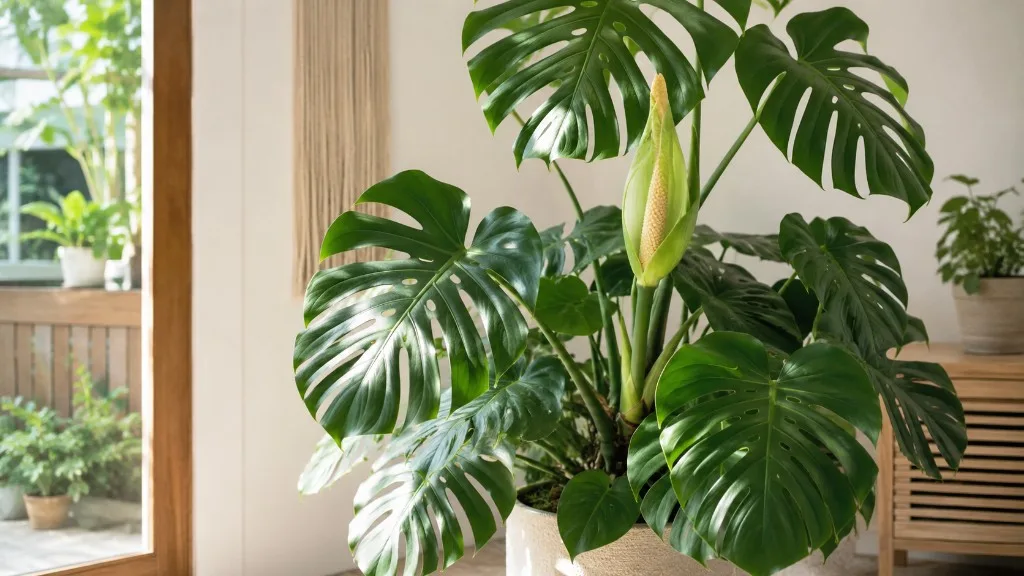
A Monstera in insufficient light rarely fails all at once. It changes its architecture first: the gaps between leaves lengthen, the stem and petioles lean toward the window, and each new leaf may arrive smaller than the one before it. Soil can also remain wet longer because growth has slowed. Read those changes together and you can correct the actual bottleneck before yellow leaves and root stress take over.
This guide is for diagnosis and recovery. If the plant is healthy and you only need window distances, meter targets, cultivar detail, or fixture selection, use the canonical Monstera deliciosa light guide. Keeping those jobs separate prevents a symptom guide from becoming another duplicate care encyclopedia.
Quick diagnosis: is low light really the problem?
Suspect light deficiency when two or more structural signs appear together: longer internodes, pronounced leaning, smaller successive leaves, weak new growth, or a mature climbing stem that stops advancing in fenestration. Penn State Extension notes that Monstera becomes leggy in lower light, while Wisconsin Horticulture reports that inadequate light prevents leaf perforations. One unsplit leaf on a juvenile plant is normal; a repeated decline in leaf size and spacing is more useful evidence.
Yellowing alone is not a reliable low-light test. Watering errors, root damage, pests, temperature stress, and normal aging can all produce yellow foliage. Low light becomes a stronger diagnosis when yellowing occurs with a dim location, stretched growth, and potting mix that remains wet much longer than it did in brighter conditions.
Use the newest leaf as the baseline. Photograph it, measure the internode below it, record the plant’s distance from the window, and note how many days the pot takes to approach its normal watering point. This simple record gives you evidence to compare after the move instead of relying on memory.
For a fast brightness check, stand at the leaf at midday and look at the shadow your hand casts on a white card. A readable soft-edged shadow suggests useful indirect light; a barely visible shadow suggests the position may be too dim. This is only a screening tool. Window size, outdoor obstructions, season, curtains, and distance all change the result, so a meter reading and new growth are better confirmation.
For natural daylight, about 200–400 foot-candles (roughly 2,150–4,300 lux) at leaf level is a cautious editorial starting band for a green Monstera. It is not a published Monstera fenestration threshold. Maryland Extension classifies 100–500 fc as medium-bright indoor light, and Illinois Extension uses about 300 fc as a bright indoor reference. Measure several canopy points at a representative time; do not treat one reading beside the glass as the exposure of the whole plant.
The symptom pattern of Monstera light deficiency
Light affects stem length, leaf size, color, and overall growth. University of Maryland Extension lists leggy growth, leaning, fading color, and poor growth among the impacts of too little light on indoor plants. For Monstera, the most persuasive diagnosis combines that general low-light pattern with species-specific evidence: lower-light legginess and stalled perforation development.
Do not diagnose from the oldest leaf alone. Older leaves preserve past stress, while the newest leaf reflects current conditions. Compare at least two successive leaves where possible: blade width, petiole length, internode distance, direction of lean, and whether the stem is climbing securely.
Long internodes, leaning, and smaller new leaves
Long gaps between nodes are stronger evidence than a plant that simply faces the window. Directional growth is normal, but extreme reach combined with a sparse stem indicates that the plant is allocating growth toward a better light source. The result is the familiar “leggy Monstera”: long petioles, an open silhouette, and a canopy that is difficult to support.
Smaller successive leaves add weight to the diagnosis. A young Monstera naturally begins with small, entire leaves, and even a mature plant can produce a temporary smaller leaf after repotting or root stress. The signal is a sustained reversal on an established plant: new blades shrink while internodes lengthen and the plant remains in a dim position.
Missing fenestrations also needs context. RHS guidance says younger plants and plants in poor light often have fewer holes, but maturity and climbing support also matter. Use the Monstera not-splitting guide when leaf age, support, roots, and light all need to be evaluated. Better light can improve future growth; it cannot cut holes into an existing leaf.
Yellowing, stalled growth, and slow soil dry-down
Low light can accompany pale foliage and slow growth, but these signs are nonspecific. A plant in cool, dim conditions may pause even when it is not yet visibly damaged. The more diagnostic question is whether the foliage symptoms arrive with structural reach and an obvious decline in usable light, such as a seasonal change, a move deeper into the room, or new outdoor shade.
Slow dry-down is an important secondary clue. Light is the energy source for photosynthesis, and Maryland Extension identifies light as essential to healthy indoor growth. When growth slows, a fixed watering schedule can keep the root zone wet longer than expected. That does not mean every wet pot is caused by low light; oversized containers, compacted mix, blocked drainage, and damaged roots can create the same outcome.
If the pot smells sour, roots are brown and mushy, or the plant wilts while the mix is wet, stop treating the case as light deficiency alone. Use the Monstera root-rot guide and correct drainage and root health alongside placement. Moving a rotting plant closer to a window does not remove dead roots.
Low light vs. overwatering: use the whole plant
Low light and overwatering often occur together. A darker placement slows growth and dry-down; watering by the old calendar then leaves the mix saturated too long. The immediate damage may be root stress, while the upstream condition is inadequate light. Treating only one side produces an incomplete recovery.
| Clue | More consistent with light deficiency | More consistent with overwatering or root damage |
|---|---|---|
| Internodes lengthening over several leaves | Strong clue | Not typical by itself |
| Stem and petioles reaching toward one window | Strong clue | Not typical |
| Successive new leaves becoming smaller | Common | Possible during severe root stress |
| Mature climbing plant stops advancing in holes or splits | Common when light is inadequate | Possible if roots are badly impaired |
| Mix remains wet far longer than before | Secondary clue | Strong clue |
| Sour smell or brown, mushy roots | Not caused by light alone | Strong clue |
| Sudden widespread yellowing after frequent watering | Possible overlap | Strong clue |
| Localized bleached patch facing the sun | Points to excess exposure, not deficiency | Not typical |
Run the checks in order. First inspect the newest growth and plant shape. Then check moisture and drainage through the full pot rather than touching only the surface. Finally, inspect roots if the pot is persistently wet, smells abnormal, or the plant declines despite a watering pause. This sequence is more reliable than responding to every yellow leaf with fertilizer.
A step-by-step Monstera light deficiency recovery plan
Start with a baseline photo and measurements, choose a brighter destination, and change the light gradually. Keep repotting, pruning, and feeding stable unless root damage makes immediate intervention necessary. Changing four variables on the same day hides which action helped and adds stress to a plant already growing slowly.
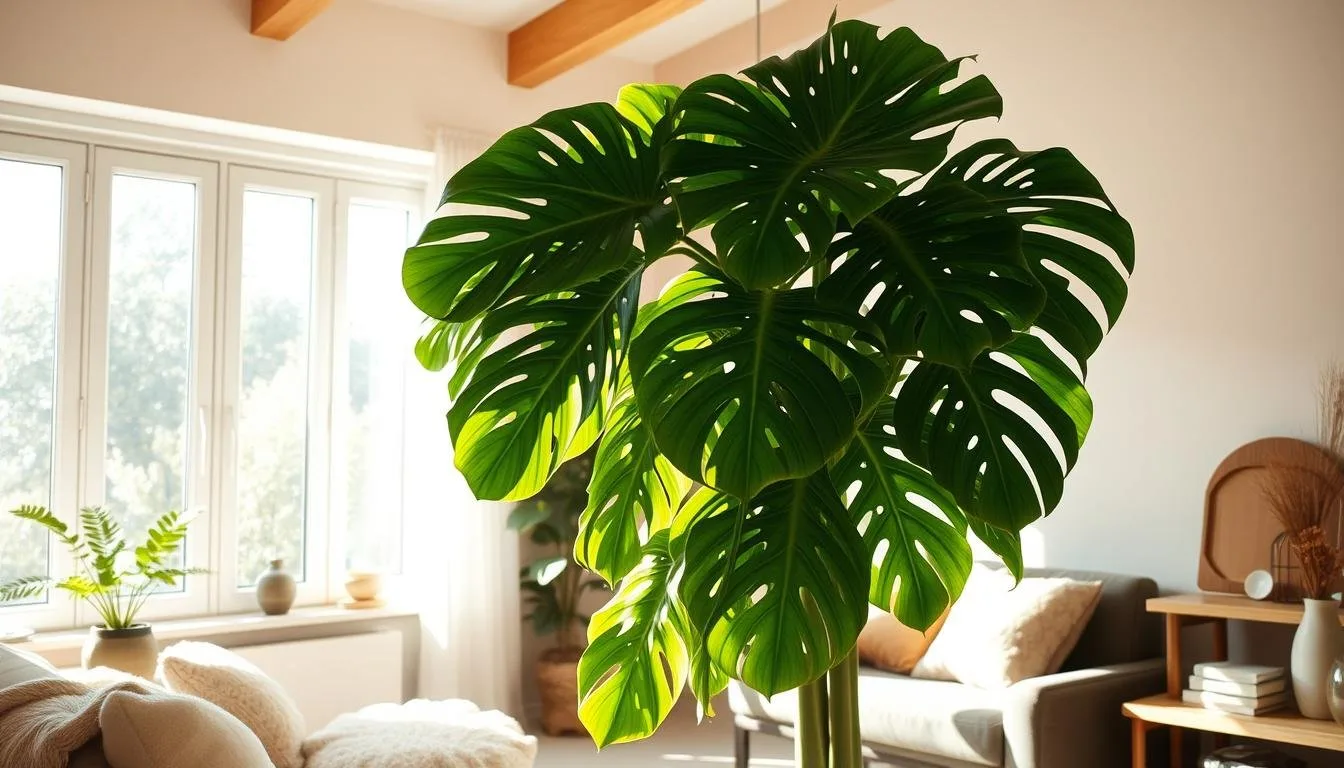
The destination should provide bright filtered daylight or measured artificial light across the newest-growth zone. A large Monstera may have its pot beside a window while the upper canopy sits in a darker part of the room, so evaluate the leaves, not the container. The detailed Monstera light-requirements guide compares window directions and explains how distance, obstructions, and season alter a nominally “bright” room.
Acclimate to brighter light over two to three weeks
Do not move a shade-grown Monstera directly into hours of strong sun. Wisconsin Horticulture advises that plants moved to higher outdoor light need gradual acclimation or they can sunburn, and RHS warns that direct summer sun can scorch leaves. The same conservative principle helps indoors when the change from a dim corner to hot glass is large.
Use a simple three-stage move:
- Week 1: Move into the brighter room but keep the canopy back from the final position or behind a sheer curtain. Check the most exposed leaves every few days.
- Week 2: Move about halfway closer, or allow a short period of gentle morning light. Hold here if new pale, tan, or papery patches appear.
- Week 3: Settle at the intended filtered position if the foliage remains stable. Reduce the direct beam if sun-facing tissue heats or bleaches.
This is a practical protocol, not a guaranteed biological timetable. Window intensity varies. A large unobstructed west window can require smaller steps than a shaded east window, while a grow light can be increased through distance or daily duration.
Reset watering and inspect the root zone
Water from observed moisture, not the old calendar. During the transition, check the mix at several depths and note the pot’s weight. If it still stays wet for an unusually long time, investigate container size, drainage, compaction, temperature, and roots rather than assuming that brighter light will solve everything.
Once the plant grows more actively, it may use water faster. Reassess after the move instead of permanently extending the interval. The Monstera watering guide explains how to match watering to the root zone, pot, and changing conditions without relying on a rigid weekly schedule.
Do not fertilize a stagnant plant to compensate for inadequate light. Fertilizer supplies mineral nutrients, not energy, and it cannot replace photons. Resume or adjust feeding only when the plant is actively producing healthy growth and the root system is functioning.
Use a grow light when the window cannot do the job
A grow light is appropriate when architecture, winter, or exterior shade prevents a useful daylight position. Choose a fixture with published output or an intensity map and illuminate the canopy rather than the wall behind it. Watts describe electricity use, not the light that reaches leaves; Iowa State Extension explains that PPFD is the more plant-relevant artificial-light measure.
For duration, University of Minnesota Extension recommends 12–14 total light hours for foliage houseplants and a general 12–24 inch fixture distance. Treat those numbers as a starting framework, then follow the fixture maker’s map and inspect the plant. A weak lamp may need to be closer; a powerful fixture may need more distance. Use a timer and preserve a dark period.
Coverage matters on a tall, broad plant. Iowa State notes that PPFD drops with distance from a fixture, so one small bulb above a six-foot specimen may light the top leaf while leaving the rest of the canopy dim. For fixture types, placement, PPFD, and DLI, use the complete indoor grow-light guide.
What recovery looks like in the next one to two leaves
Judge recovery from new growth, not from cosmetic repair. Existing long internodes will not shorten, holes will not appear in old leaves, and yellow or scorched tissue will not become healthy green tissue again. The meaningful scorecard is whether the next one or two leaves are stable or larger, whether internode spacing becomes more proportionate, and whether the plant stops reaching so severely.
**
The first visible win may simply be that decline stops. Root-zone dry-down may become more predictable as the environment and growth rate change, but there is no universal two-week recovery promise. Season, temperature, maturity, root condition, support, and the timing of the next leaf all affect when improvement becomes visible.
If two new leaves are still smaller and more stretched, recheck the light at the newest leaf and across the canopy. If growth remains absent, inspect roots, pests, and temperature. If exposed leaves bleach or develop papery tan patches after the move, reduce direct intensity and slow the acclimation rather than returning the plant to its original dark corner.
Four mistakes that delay recovery
Treating “low-light tolerant” as “best in low light” is the first mistake. Monstera can persist under less-than-ideal conditions, but Penn State and Wisconsin both describe clear performance costs: legginess and poor perforation development. Survival is not evidence that placement supports mature growth.
Changing everything at once is the second. A simultaneous window move, repot, pruning session, and fertilizer dose creates more stress and destroys your diagnostic baseline. Correct the limiting factor, handle urgent root damage if present, and let new growth report back.
Using a lamp by appearance alone is the third. A decorative bulb can look bright to human eyes while delivering little useful intensity at the foliage. Check manufacturer data, measure at leaf level where possible, cover the newest-growth zone, and use a consistent timer.
Expecting old leaves to transform is the fourth. Recovery is forward-looking. Photograph old damage, but make decisions from the next leaf and the next internode. If the plant is mature, climbing, and healthy but still does not split, use the multi-factor fenestration guide instead of escalating light indefinitely.
Related guides
- Monstera deliciosa care hub - the species overview and entry point for all care topics.
- Monstera deliciosa light - the canonical page for detailed placement, mature specimens, and cultivar-specific light decisions.
- Monstera light requirements - a beginner window-placement and measurement guide.
- Why Monstera leaves are not splitting - diagnose maturity, support, roots, and light together.
- Monstera root rot - use when persistent wetness has progressed to damaged roots.
- Monstera watering - recalibrate moisture checks after changing the light.
Conclusion
Diagnose Monstera light deficiency from a pattern: stretched structure, smaller successive leaves, weak fenestration progress, and a dim placement-not from one yellow leaf. Check moisture and roots because low light and overwatering frequently overlap, then record a baseline before changing the setup.
Move toward brighter filtered light over two to three weeks, adjust watering from actual dry-down, and use a measured grow light when the window cannot cover the canopy. Judge the result from the next one or two leaves. If you need detailed placement rather than symptom triage, continue with the canonical Monstera deliciosa light guide.