5 Best Fragrant Indoor Plants to Make Your Home Smell Fresh
Choose fragrant indoor plants for natural scent at home, with care tips for light, watering, blooms and placement.
Quick Answer: The Best Fragrant Indoor Plants to Choose First
Start here: If you want scent without waiting for blooms, choose scented geranium. If you want the strongest sweet floral perfume and have a bright window, choose Arabian jasmine. If you want a patient, low-drama reward plant, choose Hoya carnosa.
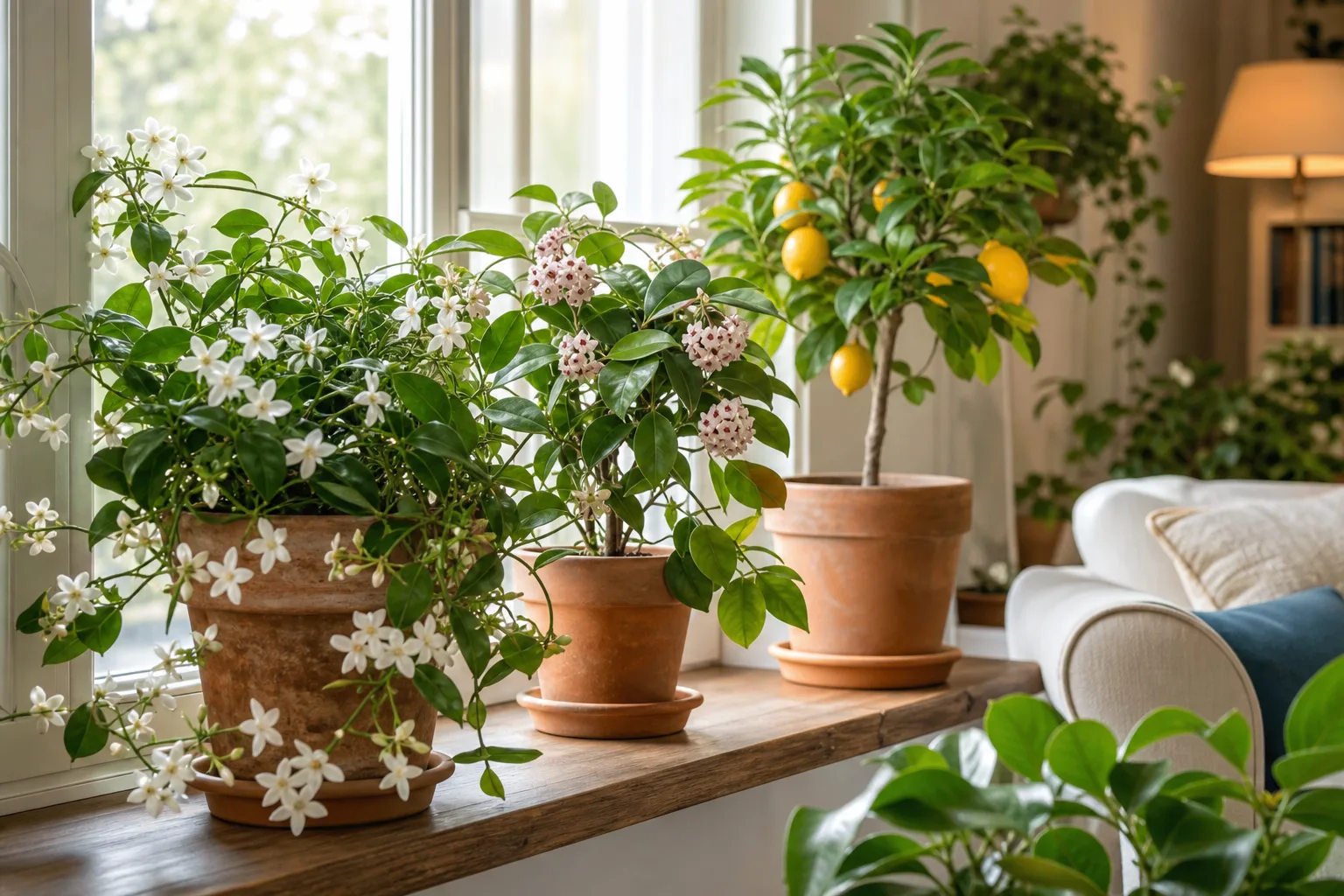
The top 5 most fragrant indoor plants for a sweeter smelling home are Arabian jasmine, gardenia, hoya, potted citrus, and scented geranium. They earn a place on this list because they offer noticeable fragrance indoors, not just attractive leaves or flowers. They also cover different scent preferences: jasmine for sweet floral perfume, gardenia for creamy richness, hoya for honeyed evening scent, citrus for fresh blossom notes, and scented geranium for reliable leaf fragrance even when the plant is not blooming.
The most important thing to understand before buying is that fragrance usually depends on flowers, and flowers depend on light. A fragrant plant placed in a dim corner may survive, but it probably will not perfume the room. University of Florida IFAS notes this clearly in its fragrant houseplant guidance: houseplants need enough sunlight, especially if you expect them to flower. (Gardening Solutions) That single point explains why many people buy a “fragrant indoor plant,” enjoy one round of nursery-grown blooms, and then never smell it again.
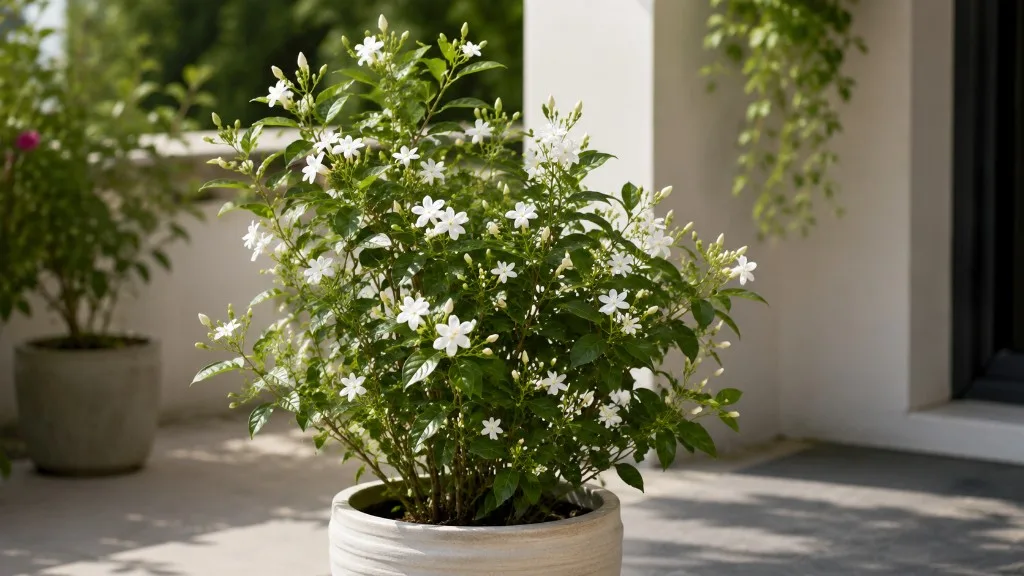
Editor note on scent reach: In a LeafyPixels indoor check, open Arabian jasmine blooms carried a clear sweet scent within about 3 feet of the plant - enough to notice on a side table or windowsill, but not always enough to fill a large living room unless several flowers are open and airflow is gentle. Gardenia in peak bloom felt more room-filling in a small bright room. Scented geranium fragrance stayed close-range until leaves were brushed. Your room size and ventilation will change that experience.
For most homes, Arabian jasmine is the best overall choice if you want a genuinely sweet indoor fragrance and can provide bright light. Hoya carnosa is the best lower-maintenance choice if you are patient and have a bright window. Scented geranium is the most reliable everyday scent plant because its leaves release fragrance when touched, moved, or lightly brushed. Gardenia is the most luxurious but least forgiving, and citrus is excellent only if you have a very sunny window, balcony transition space, or grow light support.
How to Choose a Fragrant Indoor Plant That Will Actually Work Indoors
A fragrant indoor plant is not the same as an air freshener. It will not release a perfectly even scent all day, every day. Most flowering plants smell strongest during a bloom cycle, often in the evening or morning, and then become mostly decorative until the next flush. Foliage-scented plants, such as scented geranium, are different because the fragrance sits in the leaves and releases when the foliage is disturbed.
When choosing, look at four things before you look at the flower photo: light, humidity, temperature stability, and maintenance tolerance. Bright indoor light is usually the limiting factor. If your room cannot support flowering, choose a scented foliage plant instead of forcing the wrong plant into the wrong place - or add a grow light rather than guessing.
Watering is the second filter. Many fragrant plants like moisture, but almost none enjoy soggy soil. Root rot is one of the fastest ways to lose flowering plants indoors, especially when people overcompensate because they want blooms. For humidity-sensitive picks such as jasmine and gardenia, see the houseplant humidity guide for realistic targets and tool choices.
Match the Scent Profile to the Room
Arabian jasmine gives a classic white-flower sweetness that feels clean, romantic, and unmistakably floral. Missouri Botanical Garden describes Jasminum sambac flowers as “exceptionally fragrant,” and notes that dried flowers are used to scent jasmine tea. (Missouri Botanical Garden) Full jasmine care - light for blooms, watering rhythm, and troubleshooting - lives on the site hub if you choose this plant.
Gardenia is richer and heavier. Its fragrance is creamy, floral, and slightly tropical, with more body than jasmine. It works best where you want a noticeable statement scent, such as a bright living room or sunroom - not necessarily a small closed bedroom. For sleep-focused placement and lighter bedroom fragrance, see 7 calming indoor plants to help you sleep better - that guide prioritizes calm and low-maintenance bedroom fit; this guide prioritizes maximum home fragrance in brighter shared spaces.
Hoya is usually softer and more surprising. Many hoyas have waxy flower clusters that release sweet, honeyed, vanilla-like, or spicy fragrance, often more noticeable at night. Clemson Cooperative Extension lists Hoya nummularioides as the most fragrant hoya in its waxflower guidance, while Iowa State University Extension describes hoyas as long-lived houseplants that can produce fragrant, wax-like flower clusters in the right conditions. (Home & Garden Information Center) For everyday indoor growing, Hoya carnosa is the practical default - widely available, forgiving, and reliably fragrant when mature.
Citrus smells fresh and bright. Scented geranium depends on variety: rose, lemon, mint, apple, nutmeg, and citrus types all exist, and the scent comes mostly from the foliage.
Check Light, Humidity, and Bloom Reliability Before Buying
Flowering fragrant plants need energy, and energy comes from light. Jasmine, gardenia, citrus, and hoya all perform best with strong light, although each tolerates it differently. Gardenia is especially sensitive because it wants bright light, moisture without sogginess, humidity, acidic conditions, and stable temperatures. New York Botanical Garden’s houseplant guidance describes gardenias as responding best to cool temperatures, high humidity, constant soil moisture, and bright to full filtered sunlight. (NYBG LibGuides)
Pet, Child, and Allergy Safety Comes First
Fragrant does not automatically mean safe. The ASPCA maintains toxic and non-toxic plant lists for cats and dogs, and pet owners should check the exact plant name before bringing a new houseplant home. (ASPCA) Jasmine is commonly listed as non-toxic to cats and dogs on ASPCA’s plant database, but ingestion can still upset a pet’s stomach. Common names can be confusing - plants sold as “jasmine” that are not true Jasminum species may differ in toxicity.
Also be realistic about fragrance sensitivity. A plant that smells beautiful in a greenhouse can feel overwhelming beside a pillow. If you get headaches from perfume, start with milder options such as hoya or scented geranium rather than gardenia.
Comparison Table and Common Buying Mistakes
| Plant | Best Scent Description | Best Room Placement | Care Difficulty | Main Limitation |
|---|---|---|---|---|
| Arabian jasmine | Sweet, classic white floral | Bright living room, balcony door | Medium | Needs strong light to bloom |
| Gardenia | Rich, creamy, perfume-like | Bright humid room, sunroom | Hard | Bud drop, humidity, acidic soil |
| Hoya carnosa | Honeyed, waxy, vanilla or spicy | Bright hanging basket, shelf | Easy to medium | May take time to bloom |
| Potted citrus | Fresh citrus blossom and leaves | Sunny window, kitchen | Medium | Needs very strong light |
| Scented geranium | Rose, lemon, mint, herbal | Sunny windowsill, kitchen | Easy | Scent is close-range |
The most common mistake is buying the strongest-smelling plant in bloom and ignoring the conditions that made it bloom. The second is overwatering. The third is expecting fragrance from an immature hoya. The fourth is putting strongly scented plants in the wrong room - gardenia beside a bed can be too much for some people; jasmine in a closed room can feel heavy during peak bloom. The fifth is ignoring pets: check the exact botanical name and keep plants out of reach when safety is uncertain.
1. Arabian Jasmine: Best for Classic Sweet Floral Fragrance
Best for: Sweet floral perfume in a bright room
Difficulty: Medium
Light: Bright light; several hours of gentle sun or very bright indirect
Water: Consistent moisture when actively growing; never soggy
Best placement: Sunny living room, kitchen windowsill, balcony doorway
Pet safety: Generally non-toxic to cats and dogs on ASPCA lists - still keep out of reach
Arabian jasmine (Jasminum sambac) is the best fragrant indoor plant for people who want a true sweet floral scent. The flowers are small, usually white, and far more powerful than their size suggests. Missouri Botanical Garden notes that the species can flower throughout the year in its native territory, while container-grown plants in cooler regions typically bloom primarily in summer. (Missouri Botanical Garden)
The fragrance is distinct, sweet, and floral - the recognizable jasmine note used in tea, garlands, and perfumery. Cultivars such as ‘Maid of Orleans’ are common in containers; all share the same general sweet profile when healthy and blooming.
Why it works: Concentrated flower scent that carries well in still air near the plant.
Care tip: If stems grow long but buds never form, increase light before changing fertilizer.
Common mistake: Keeping nursery-bought bloomers in a dim corner after purchase.
Avoid this plant if: Your brightest window is still too weak for repeat flowering without a grow light.
Useful care guides:
Why Arabian Jasmine Smells So Good Indoors
A few open flowers near a sunny window can make the surrounding area smell sweet, especially in the evening or early morning. The trade-off is that jasmine needs strong growing conditions to bloom well. Clemson Cooperative Extension notes that jasmine prefers bright light and well-drained soil for healthy container growth indoors. (Home & Garden Information Center)
Indoor Care Notes for Arabian Jasmine
Place Arabian jasmine where it gets bright light, ideally several hours of gentle sun or the brightest indirect light you can provide. Use a pot with drainage and water when the top layer begins to dry. Prune after flowering to keep the plant compact. Watch for aphids, whiteflies, and spider mites when indoor air is dry.
2. Gardenia: Best for a Rich, Creamy Perfume Scent
Best for: Maximum perfume impact when conditions are right
Difficulty: Hard
Light: Bright filtered light; avoid harsh hot glass
Water: Evenly moist, acidic-friendly mix; never bone dry or soggy
Best placement: Bright humid room, sunroom, filtered east window
Pet safety: Verify species; keep out of pet reach
Gardenia (Gardenia jasminoides) is the indoor plant you choose when fragrance matters more than convenience. Its white flowers have one of the richest scents of any plant commonly grown in containers. Clemson Cooperative Extension states that gardenias prefer acidic, moist, well-drained soil with pH below 6.0. (Home & Garden Information Center)
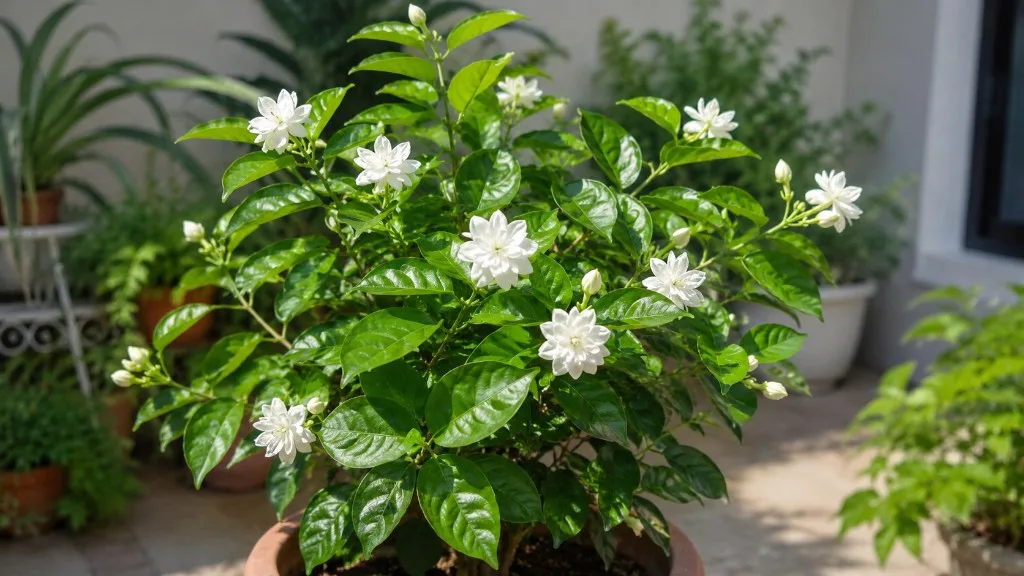
Why it works: Strong perfume-like scent that can fill a small room during peak bloom.
Care tip: Avoid moving the plant once buds form - environmental shifts trigger bud drop.
Common mistake: Buying a blooming nursery plant for a dry, dim apartment.
Avoid this plant if: You want set-it-and-forget-it fragrance.
There is no LeafyPixels gardenia hub yet; rely on extension sources above and general houseplant humidity guidance for dry indoor air.
Why Gardenia Is Powerful but Demanding
Gardenia buds are famous for dropping before they open when conditions shift. NC State Extension describes Gardenia jasminoides as preferring bright indirect sunlight or partial shade and rich, acidic, well-drained soil. (NCE Garden Toolbox)
Indoor Care Notes for Gardenia
Give bright filtered light, even moisture, and humidity support - a humidifier beats occasional misting for bud retention. Keep away from heat vents and cold drafts. Feed during active growth with fertilizer suited to acid-loving plants.
3. Hoya: Best for Sweet, Waxy, Nighttime Fragrance
Best for: Patient growers who want attractive foliage plus scented blooms
Difficulty: Easy to medium
Light: Bright indirect; some gentle morning sun
Water: Dry down between waterings; chunky airy mix
Best placement: Bright hanging basket, shelf, trellis
Pet safety: Verify species; sap may irritate skin on some hoyas
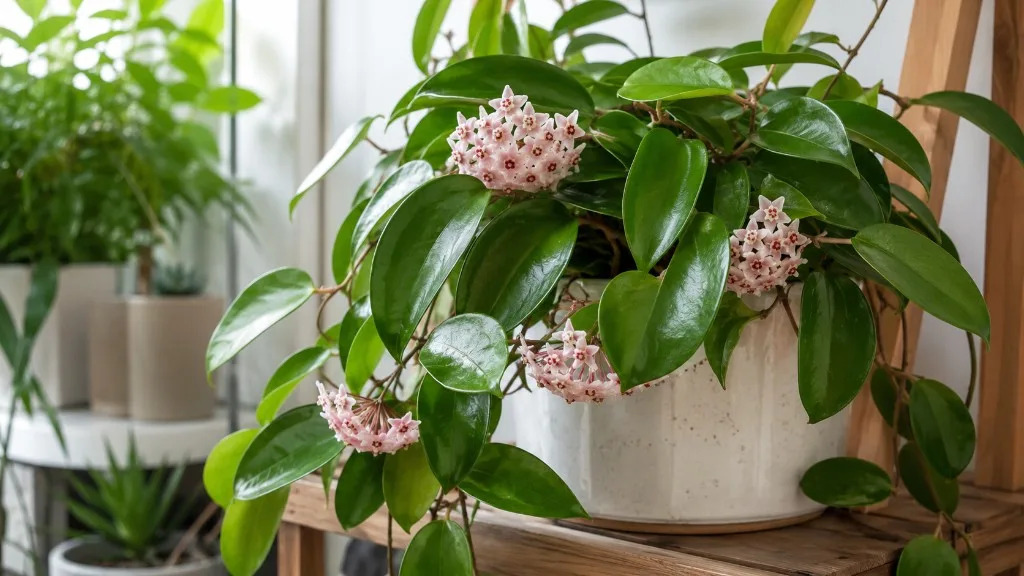
Hoya, often called wax plant, is the best fragrant indoor plant for people who want a beautiful, long-lived houseplant that can eventually reward them with scented flowers. NC State Extension describes Hoya carnosa as preferring bright indirect light, loose fast-draining potting mix, good drainage, and drying between watering. (NCE Garden Toolbox)
Which Hoya Species Smell Strongest?
Clemson HGIC specifically names Hoya nummularioides as the most fragrant hoya, with slightly velvety leaves and intensely scented small white flowers. (Home & Garden Information Center) That species is a collector pick - less common in big-box stores than Hoya carnosa, which remains the best default recommendation for most homes because it is widely available, forgiving, and still produces sweet, honeyed blooms when mature.
If fragrance is your only goal and you can source H. nummularioides, expect a stronger scent but similar bright-light and dry-down watering needs. For everyday indoor growing, start with Hoya carnosa or explore the broader Hoya care hub for species comparisons.
Why it works: Attractive foliage while you wait; fragrance feels like a bonus bloom reward.
Care tip: Do not cut old flower spurs - hoyas can rebloom from the same peduncles.
Common mistake: Keeping a young plant in moderate light and expecting instant flowers.
Avoid this plant if: You need constant room-filling scent this month.
Useful care guides:
- Hoya carnosa care guide
- Hoya carnosa light guide
- Hoya carnosa watering guide
- Hoya carnosa propagation guide
Why Hoya Is a Smart Low-Drama Choice
Iowa State University Extension calls hoyas tough, attractive, long-lived houseplants that can produce fragrant wax-like flower clusters in the right growing conditions. (Yard and Garden) With gardenia or jasmine, no flowers often means no payoff. With hoya, the foliage still looks good while the plant matures.
Indoor Care Notes for Hoya
Give bright indirect light, a chunky airy mix, and a dry-down watering rhythm. Support vining types on a trellis or hoop. Feed lightly during active growth; light and maturity matter more than heavy fertilizer for triggering blooms.
4. Potted Citrus: Best for Fresh Blossom and Leaf Fragrance
Best for: Fresh, uplifting citrus blossom scent in very sunny homes
Difficulty: Medium
Light: Very strong light; south- or west-facing window or grow lights
Water: Deep watering when top soil dries; excellent drainage
Best placement: Sunny kitchen, bright entry, sunroom
Pet safety: Verify species; keep out of reach

A potted citrus tree - ‘Improved Meyer’ lemon, calamondin, or kumquat in a container - is the best fragrant indoor plant for people who prefer clean, bright scent over heavy floral perfume. University of Minnesota Extension notes that tangerine, lemon, kumquat, and small orange trees can be grown as houseplants, and that citrus plants grow best indoors around 65°F during the day with a 5–10°F drop at night. (University of Minnesota Extension)
Why it works: Sweet citrus blossom fragrance plus aromatic leaves when brushed.
Care tip: Wipe dust from leaves so indoor light actually reaches the foliage.
Common mistake: Treating citrus like a low-light foliage plant.
Avoid this plant if: Your home lacks a genuinely sunny window or grow-light plan.
Why Citrus Works Best in Sunny Homes
Citrus trees need strong light because they maintain woody stems, evergreen leaves, and seasonal flowers. Blossom fragrance is the main attraction - sweet, clean, and slightly creamy, but never as heavy as gardenia. Expect seasonal behavior indoors; fruit set can be inconsistent without strong light and pollination help.
5. Scented Geranium: Best for Reliable Fragrant Foliage
Best for: Everyday leaf fragrance without waiting for blooms
Difficulty: Easy
Light: Bright light; south window ideal indoors
Water: Moderate; let mix dry between waterings
Best placement: Kitchen windowsill, sunny desk, entry shelf
Pet safety: Verify Pelargonium species on ASPCA before buying
Scented geraniums (Pelargonium species and cultivars) are the best fragrant indoor plants for people who want scent without showy flowers. Depending on the variety, foliage can smell like rose, lemon, lime, mint, apple, or nutmeg. Illinois Extension notes that scented geraniums are mainly grown for highly scented foliage, with fragrances from apple to mint to lemon to rose, and that they perform best in full sun as container plants moved indoors for winter. (Illinois Extension)
Nebraska Extension recommends rubbing leaves lightly between your fingers to evaluate aroma before buying, and giving indoor plants about four hours of sunlight daily. (Nebraska Extension)
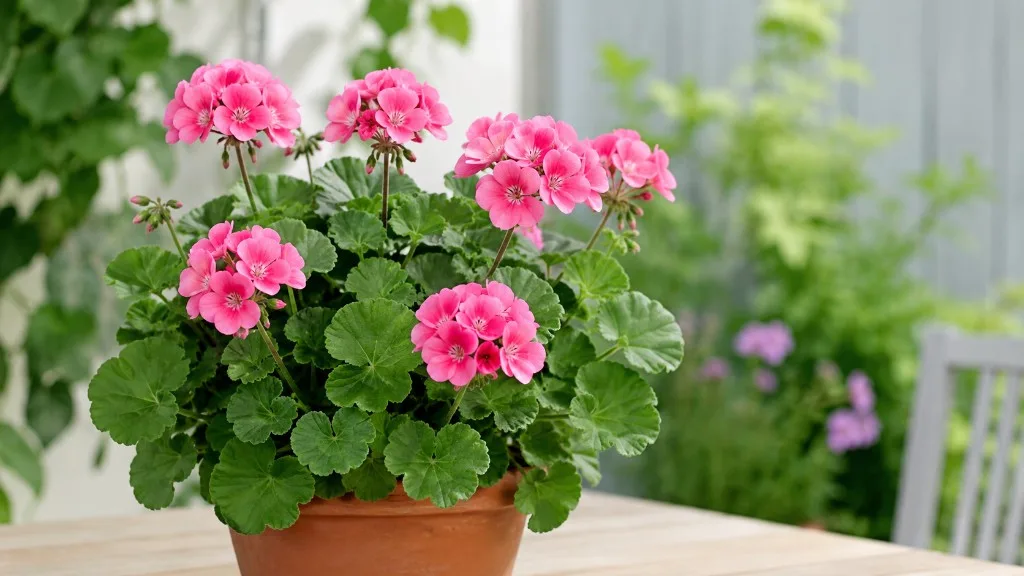
Why it works: Immediate scent on contact; no bloom cycle required.
Care tip: Pinch leggy stems to keep a bushy shape and fresh aromatic growth.
Common mistake: Expecting whole-room fragrance without disturbing the leaves.
Avoid this plant if: You want one plant to perfume an entire open-plan space.
Useful care guides:
How to Layer Plant Fragrance Without Overpowering Your Home
A sweeter smelling home does not need five strong plants blooming at once. Start with one reliable foliage plant and one seasonal bloomer - for example, lemon-scented geranium on a kitchen windowsill and Arabian jasmine near a bright living room window. If you prefer low maintenance, pair scented geranium with Hoya carnosa.
For bedroom fragrance specifically - where sleep hygiene and lighter scent matter more than maximum perfume - read 7 calming indoor plants to help you sleep better rather than copying living-room placement here. This guide is for home-wide fragrance in brighter, better-ventilated spaces.
Use airflow carefully. A plant near a slightly open window or balcony door can distribute scent gently. Do not blast jasmine or gardenia with dry AC or heater drafts.
Conclusion
Match the plant to your light and scent preference: Arabian jasmine for classic sweet floral fragrance, Hoya carnosa for patient reward blooms, scented geranium for everyday leaf scent, gardenia only when you can meet humidity and acidity demands, and citrus only in genuinely sunny rooms. Deeper ongoing care for jasmine, hoya, and geranium lives on the linked plant hubs - start there once you have chosen your pick.
Related Guides
- 7 calming indoor plants to help you sleep better - bedroom placement and lighter fragrance vs. living-room perfume
- Grow lights complete guide for indoor plants - when window light is too weak for jasmine or gardenia blooms
- Houseplant humidity guide - humidity targets for jasmine and gardenia indoors
- How to water indoor plants the right way - drainage and moisture checks that protect flowering plants
- Low-maintenance indoor plants for busy homes - if fragrance plants feel too demanding after this list