10 Low-Maintenance Indoor Plants for Busy Homes and Beginners
Choose easy indoor plants that tolerate missed watering, lower light and busy schedules, with simple care tips.
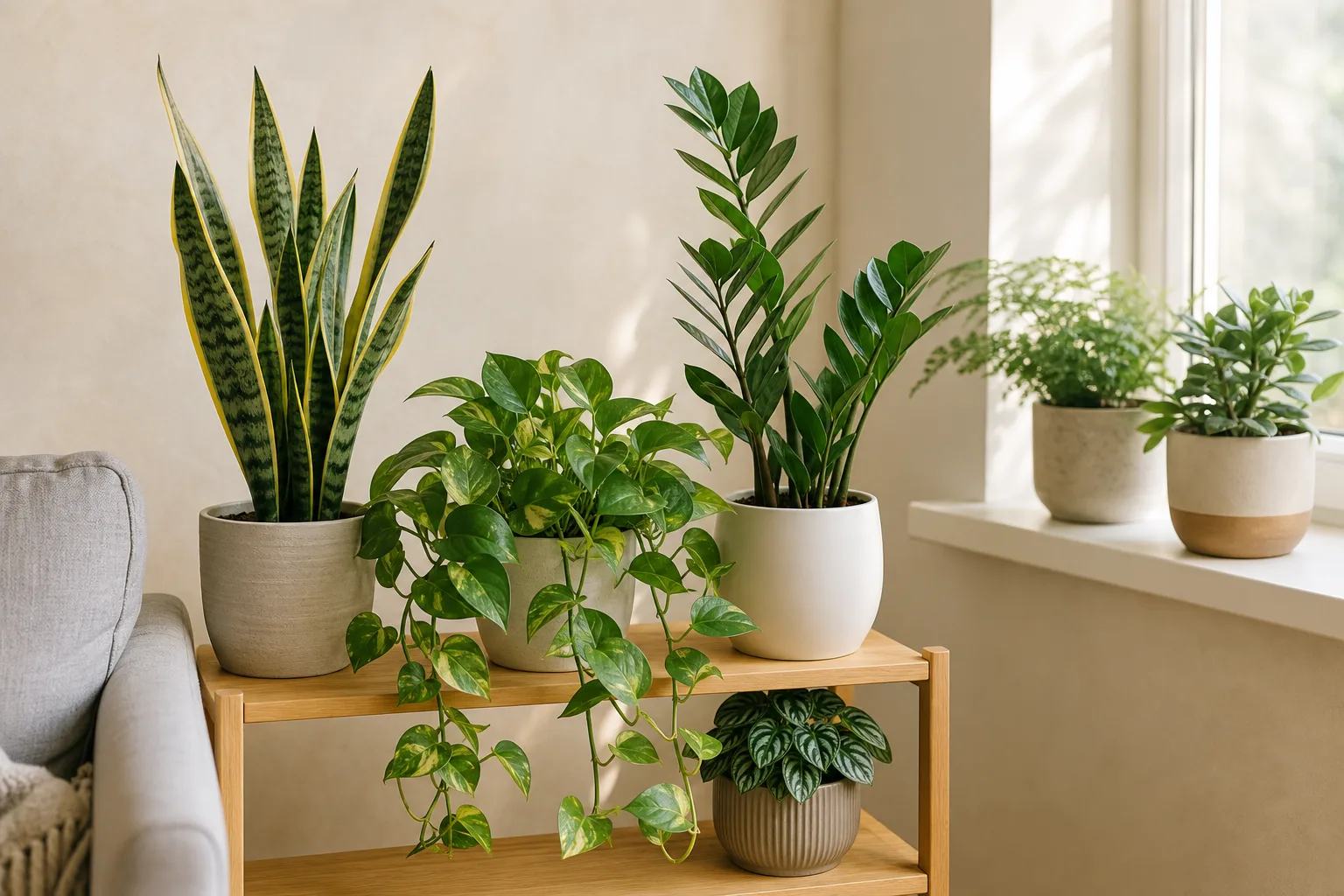
A low-maintenance indoor plant is not one you can ignore forever. It is one that forgives real life: late work nights, dry winter heating, business travel, missed watering, dim apartments, and the occasional “I forgot this existed” week. The plants below were chosen for practical resilience in busy North American homes - not for Instagram trends.
If you want a filterable quick list ranked from LeafyPixels plant metadata, start with Best Low-Maintenance Indoor Plants. This guide goes deeper on busy-home fit: which plant matches your weakest habit, how each survives travel and office light, pet placement, and where to read full species care on LeafyPixels.
Quick Answer: The Best Easy Indoor Plants for Busy Homes
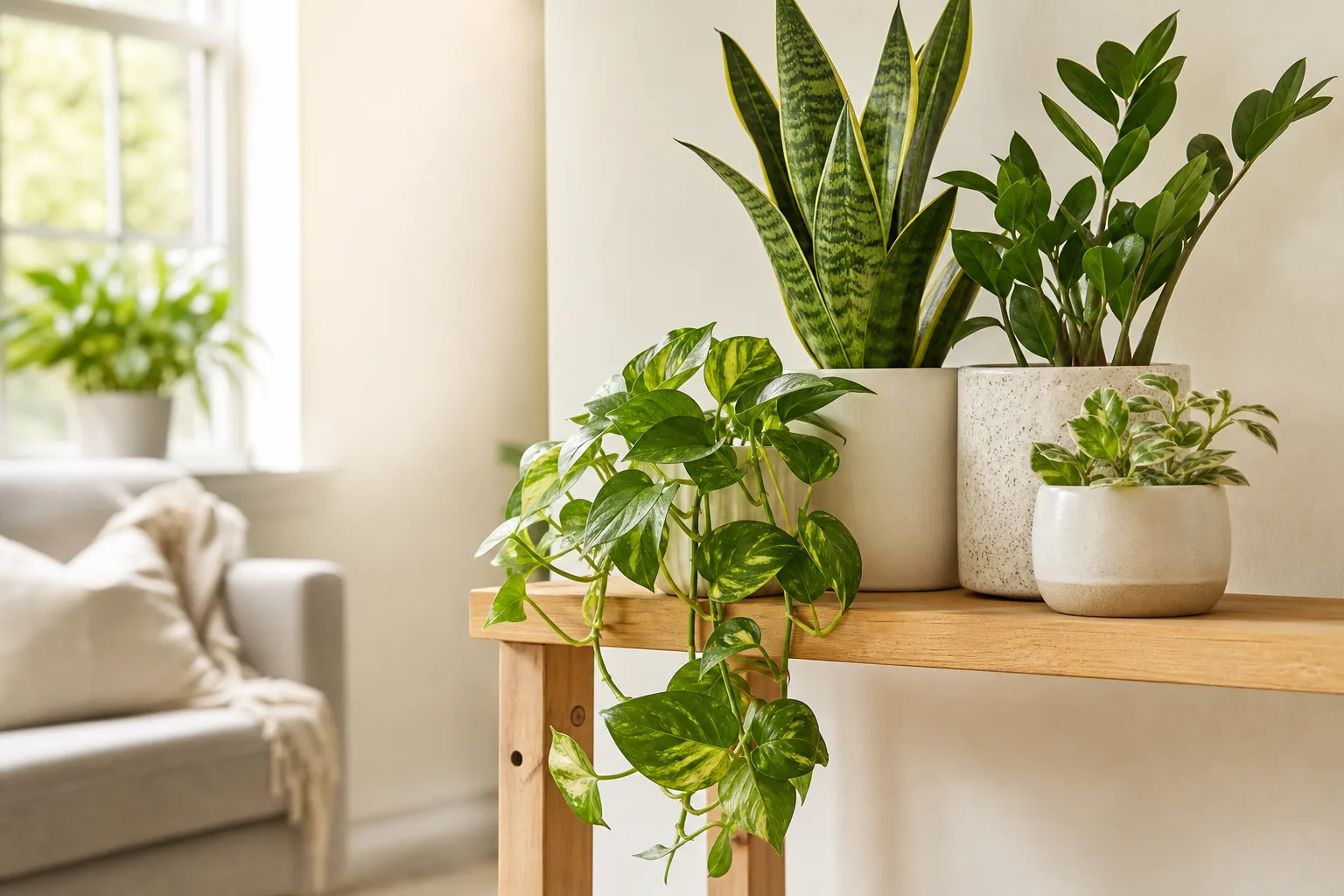
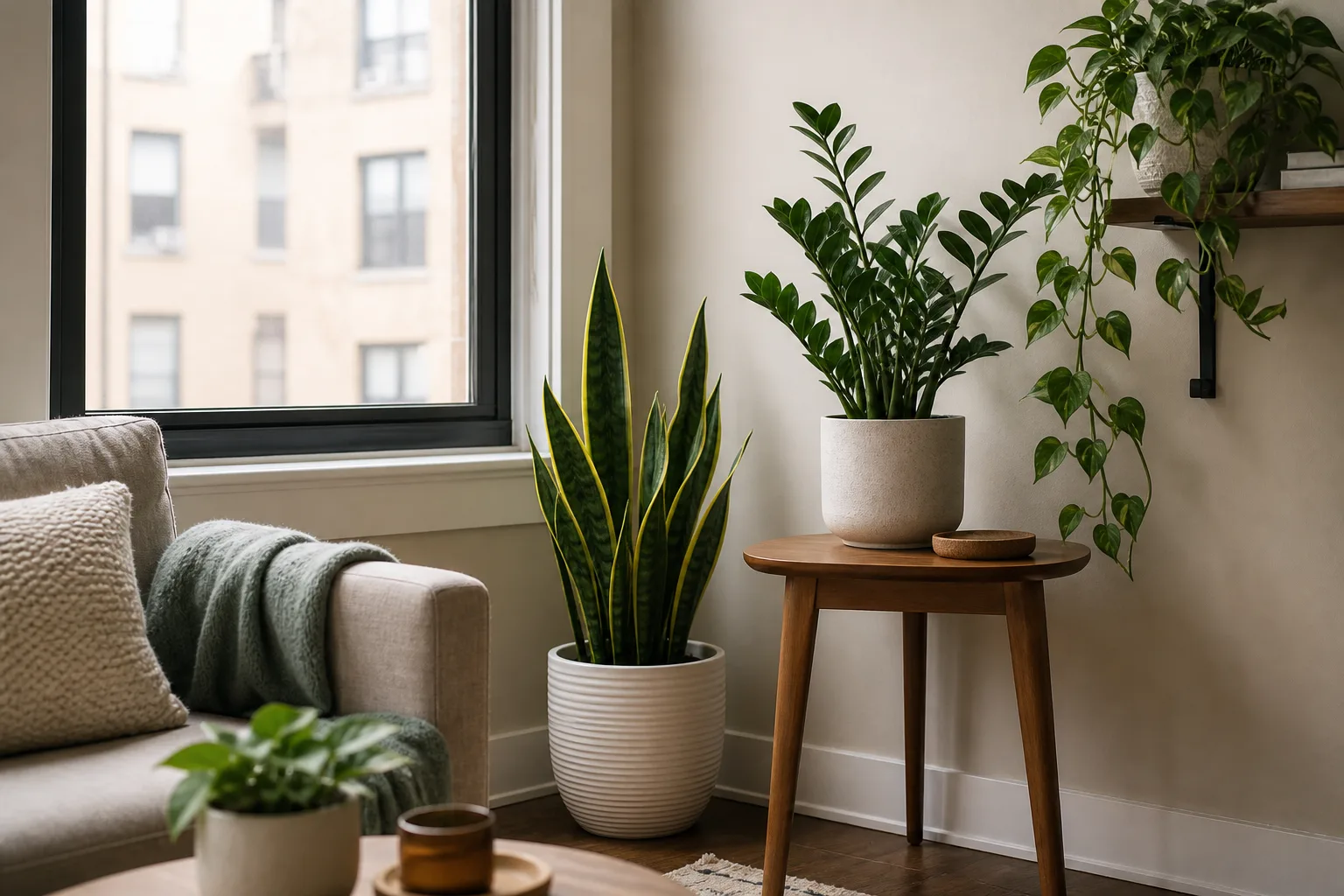
The best low-maintenance indoor plants for busy homes are snake plant, ZZ plant, pothos, spider plant, heartleaf philodendron, peperomia, cast iron plant, jade plant, aloe vera, and peace lily.
Start here if you:
- Forget to water → snake plant or ZZ plant
- Need trailing greenery fast → pothos or heartleaf philodendron
- Have chewing pets → spider plant or verified peperomia
- Have bright windows → jade plant or aloe vera
- Want a visible “I’m thirsty” signal → peace lily (needs more attention than the rest)
Low-maintenance still fails when soil stays wet. Iowa State University Extension lists pothos, snake plant, spider plant, ZZ plant, peperomia, heartleaf philodendron, and peace lily among easier houseplants - while noting that “easy” depends on your light and watering habits. (Yard and Garden) University of Georgia Extension explains that watering frequency shifts with pot size, soil moisture, and light - plants in brighter spots usually dry faster. (CAES Field Report) Check soil, then water - not the calendar.
Long-Form Guide vs. Quick Filterable List
Both pages cover forgiving houseplants, but they serve different jobs:
| Page | Best for |
|---|---|
| Best Low-Maintenance Indoor Plants | Fast shortlist from database filters; overlapping picks include haworthia and rubber plant |
| This guide | Busy-home decision help: travel weeks, office fluorescent light, forced-air winter, pet placement, and species-specific trade-offs |
Use the quick list to browse. Use this guide when you need to know which easy plant fits your schedule before you buy.
How to Choose a Low-Maintenance Plant That Fits Your Life
Plant success is a fit problem. Your home gives a mix of light, temperature, humidity, and attention. Cornell Cooperative Extension notes most houseplants grow well around 65–75°F and suffer near cold drafts and hot radiators - common in U.S. and Canadian winter rooms. (Cornell Cooperative Extension)
Match your weak spot: forgetful waterer, dim room, bright window, pet chewer, or frequent traveler. One well-matched plant beats a shelf of trendy mismatches.
Match the Plant to Your Actual Light
“Low-light tolerant” is not “no light.” Nearly all indoor plants grow better in bright, indirect light. Snake plant, ZZ plant, pothos, heartleaf philodendron, and cast iron plant handle lower light better than most - but they still need enough ambient light to read comfortably by day. True windowless rooms need a grow light or a realistic office-tolerant pick like ZZ plant.
Penn State Extension notes snake plants tolerate low light but grow best in bright indirect light - a useful rule for almost every “easy” plant. (Penn State Extension)
Office-light workaround: rotate plants - keep one near better light for recovery while another sits under fluorescent or LED work lighting for a few weeks. No houseplant thrives forever under weak artificial light alone.
Choose by Watering Tolerance, Not Looks Alone
Busy people need plants that prefer drying out between drinks: snake plant, ZZ plant, jade plant, aloe vera, and cast iron plant. Push a finger into the soil; water only when the plant’s preferred dryness level is reached. For a full soil-check walkthrough, see How to Water Indoor Plants the Right Way.
West Virginia University Extension describes pothos as easy maintenance with soak-then-dry rhythm, and snake plant as needing a thorough drink followed by complete drying. (WVU Extension) Winter short days slow growth - many plants need less water even when heating dries the air. Brown tips on spider plant or peace lily often mean dry air, not thirst. Check soil before soaking again.
Air-purifying claims: Plants can make rooms feel calmer, but they are not substitutes for ventilation. The EPA emphasizes source control and ventilation for indoor air quality; the American Lung Association states houseplants do not meaningfully improve air quality in normal homes. (US EPA) (American Lung Association) For wellbeing evidence with honest limits, see Top 7 scientifically proven benefits of indoor plants.
Check Pet Safety Before You Buy
Several popular easy plants irritate cats and dogs if chewed: pothos, peace lily, heartleaf philodendron, snake plant, ZZ plant, aloe vera, and jade plant. Verify each plant on the ASPCA toxic and non-toxic plants list before buying.
Spider plant is widely listed as non-toxic, though eating any plant can cause mild stomach upset. Many peperomia types are non-toxic - verify the exact species because retail labels vary. If a pet eats a known or suspected toxic plant, contact your veterinarian or ASPCA Animal Poison Control at (888) 426-4435 (consultation fee may apply).
Low-Maintenance Indoor Plants Compared
| Plant | Best For | Light | Watering Forgiveness | Pet Safety |
|---|---|---|---|---|
| Snake plant | Travel, bedrooms, offices | Low to bright indirect | Very high | Toxic if ingested |
| ZZ plant | Low light, travelers | Low to bright indirect | Very high | Toxic if ingested |
| Pothos | Fast trailing growth | Low to bright indirect | High | Toxic if ingested |
| Spider plant | Pet-conscious homes | Medium to bright indirect | Moderate–high | Generally non-toxic |
| Heartleaf philodendron | Soft trailing vines | Low to bright indirect | High | Toxic if ingested |
| Peperomia | Desks, small spaces | Medium to bright indirect | Moderate | Many non-toxic; verify type |
| Cast iron plant | Quiet low-light corners | Low to medium indirect | High | Non-toxic per ASPCA (Aspidistra elatior) |
| Jade plant | Sunny windows | Bright light | High if not overwatered | Toxic if ingested |
| Aloe vera | Bright kitchens | Bright light | High if not overwatered | Toxic to pets |
| Peace lily | Visible wilt signal | Low to bright indirect | Moderate | Toxic/irritating if ingested |
Pattern: easy plants usually die from too much water, not too little attention.
The 10 Best Low-Maintenance Indoor Plants
1. Snake Plant
Beginner rating: Very easy
Best for: Forgetful waterers, narrow corners, frequent travel
Light: Low to bright indirect
Water: Dry thoroughly between waterings
Main beginner mistake: Watering on a calendar instead of checking dry soil
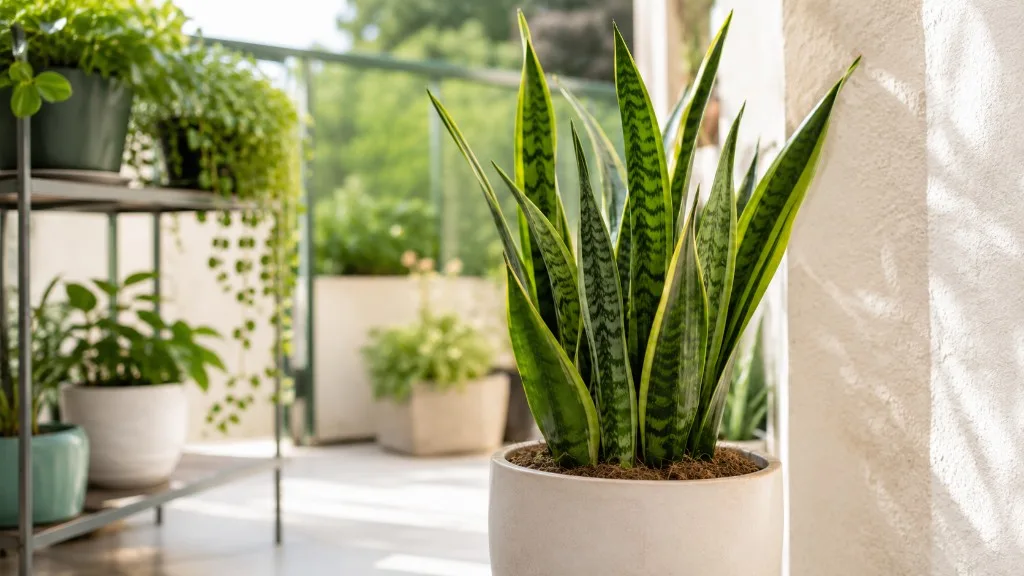
Snake plant looks architectural with upright sword-like leaves and handles missed watering better than most leafy tropicals. Penn State Extension describes it as forgiving in low light but stronger in bright indirect light - and vulnerable to overwatering. (Penn State Extension)
Why it works: Stores water in thick leaves; survives dry spells and average indoor temperatures.
Care tip: Use drainage holes and gritty mix - never let the pot sit in standing water.
Watch out for: Pet households - toxic if chewed; place out of reach.
Useful care guides:
2. ZZ Plant
Beginner rating: Very easy
Best for: Offices, dim apartments, two-week travel
Light: Low to bright indirect; tolerates artificial office light
Water: Dry well between drinks - rhizomes store water
Main beginner mistake: Watering because the glossy leaves still look fine while roots stay wet
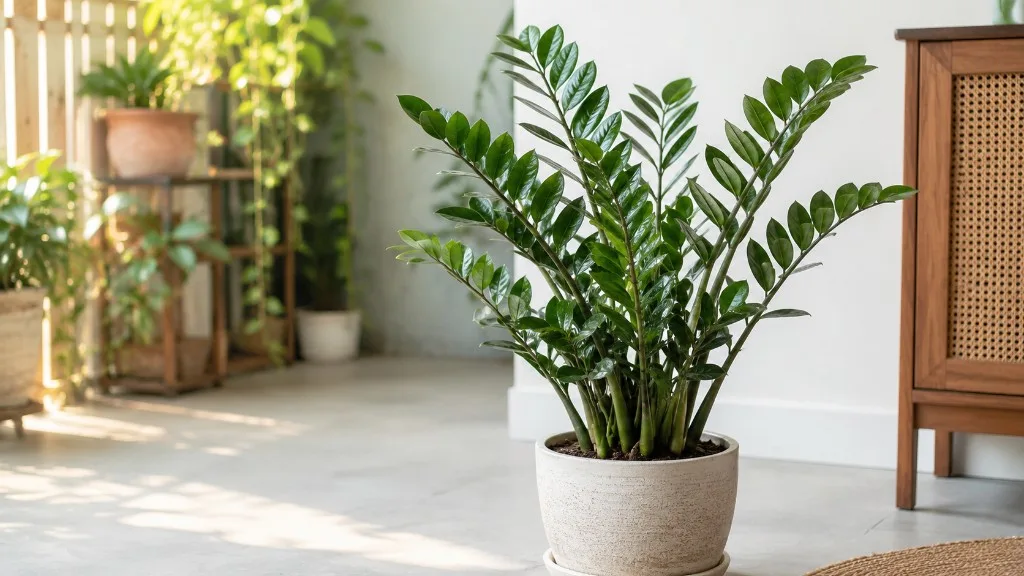
ZZ plant keeps polished leaflets even when neglected. Missouri Botanical Garden notes Zamioculcas zamiifolia tolerates low light and drought - matching the busy-home use case. (Missouri Botanical Garden)
Why it works: Underground rhizomes buffer dry spells; slow growth means less repotting.
Care tip: Lift the pot - a dry ZZ feels much lighter than a wet one.
Watch out for: Yellow mushy stems mean overwatering, not underwatering.
Useful care guides:
3. Pothos
Beginner rating: Easy
Best for: Shelves, hanging baskets, fast visual payoff
Light: Low to bright indirect; variegation needs brighter light
Water: Top half of soil dry, then soak and drain
Main beginner mistake: Keeping soggy soil because pothos “looks tropical”
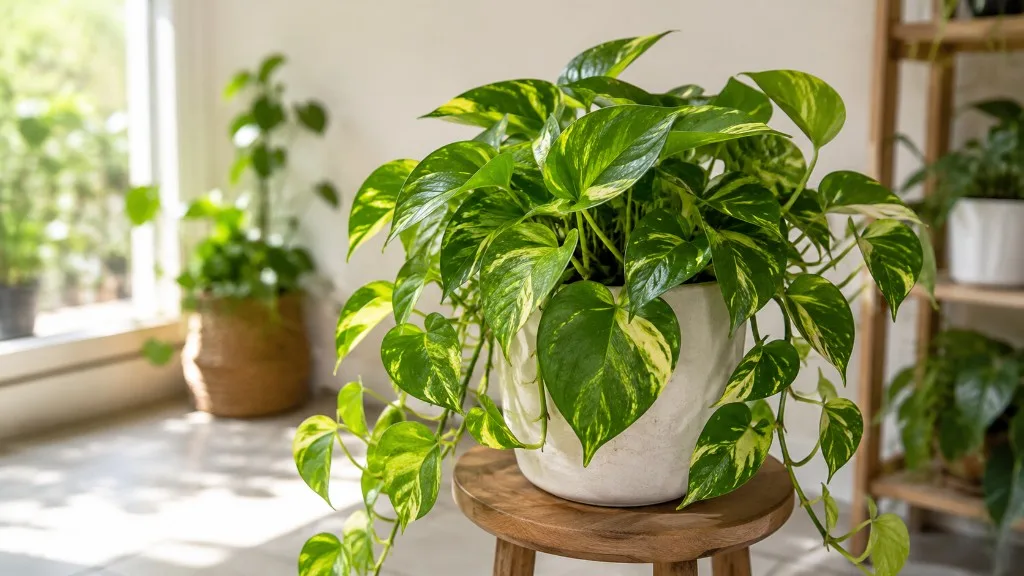
Pothos trails quickly, droops when thirsty, and rebounds after a drink - useful feedback for busy owners. Variegated forms revert toward plain green in very dim corners as the plant maximizes limited light.
Why it works: Adapts to offices and apartments; cuttings root easily in water.
Care tip: Trim long vines to keep fullness; hang out of pet reach.
Watch out for: Toxic to cats and dogs - not a chew-safe trailing plant.
Useful care guides:
4. Spider Plant
Beginner rating: Easy
Best for: Pet-friendlier homes, hanging baskets
Light: Bright indirect preferred; adapts to moderate light
Water: Dry top inch or two between waterings
Main beginner mistake: Confusing brown tips (dry air or minerals) with underwatering and soaking wet soil
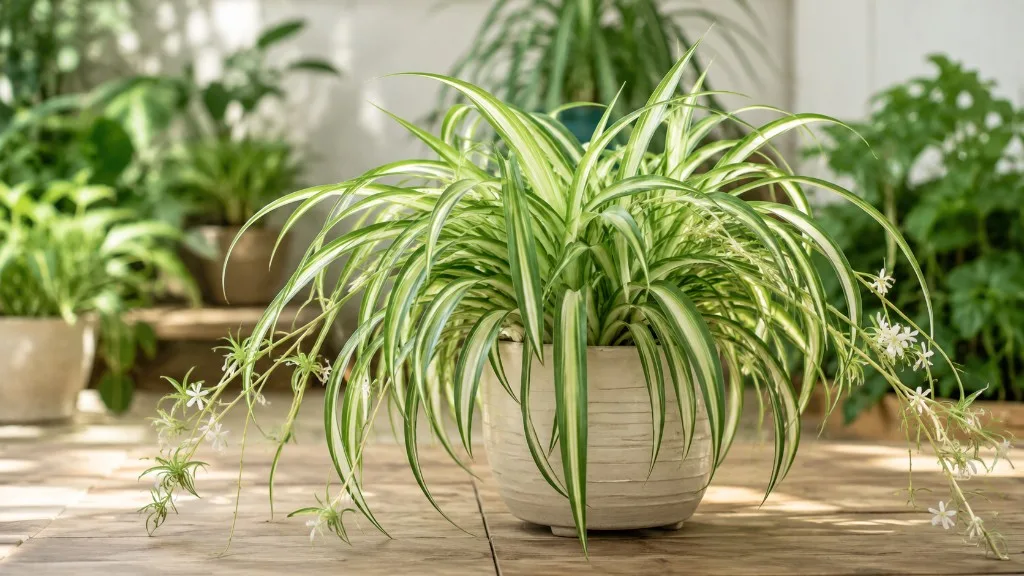
Spider plant grows quickly, produces arching plantlets, and ASPCA lists it as non-toxic to cats and dogs - though chewing can still upset a stomach. (ASPCA) Cats often bat at dangling plantlets, so height helps.
Why it works: Forgiving of missed water once; lively without constant pruning.
Care tip: Flush soil occasionally if tap water is mineral-heavy.
Watch out for: Non-toxic does not mean edible - limit access if pets gorge on leaves.
Useful care guides:
5. Heartleaf Philodendron
Beginner rating: Easy
Best for: Soft trailing greenery on shelves and cabinets
Light: Bright indirect best; tolerates lower light with slower growth
Water: Upper soil dry, then water thoroughly
Main beginner mistake: Placing within pet reach - toxic if chewed
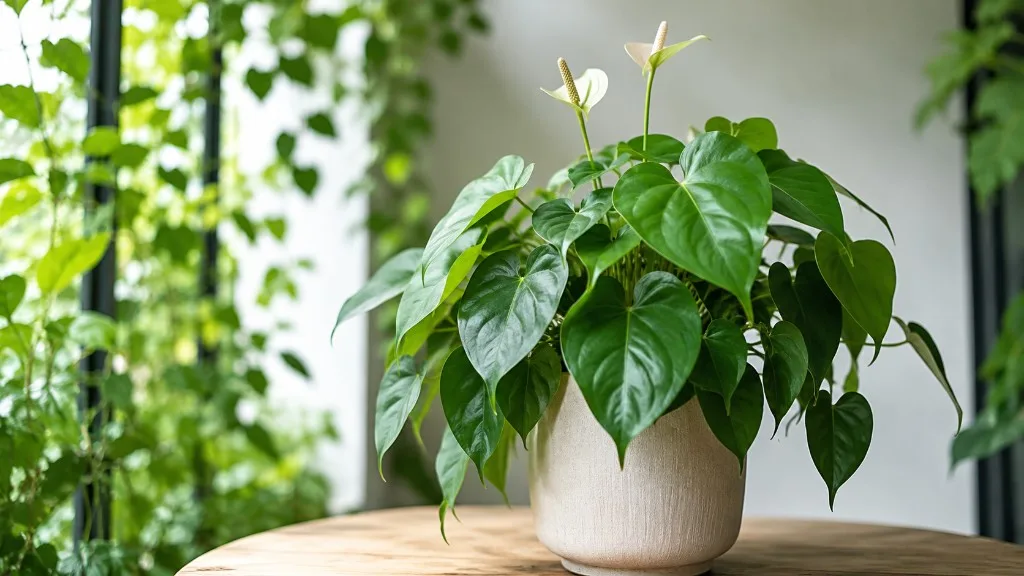
Heartleaf philodendron (Philodendron hederaceum) is a close rival to pothos for easy vines with softer heart-shaped leaves. UF/IFAS heartleaf philodendron guidance applies the same soak-when-top-inch-dries logic many busy growers need. (UF/IFAS Gardening Solutions)
Why it works: Handles average indoor conditions without daily fuss.
Care tip: Yellow leaves with damp soil point to overwatering - see the philodendron problems hub.
Watch out for: Choose spider plant or verified peperomia if pets chew vines.
Useful care guides:
6. Peperomia
Beginner rating: Easy to medium
Best for: Desks, small apartments, compact collections
Light: Medium to bright indirect
Water: Let mix dry partway - semi-succulent leaves store moisture
Main beginner mistake: Treating peperomia like a thirsty fern and keeping soil constantly wet
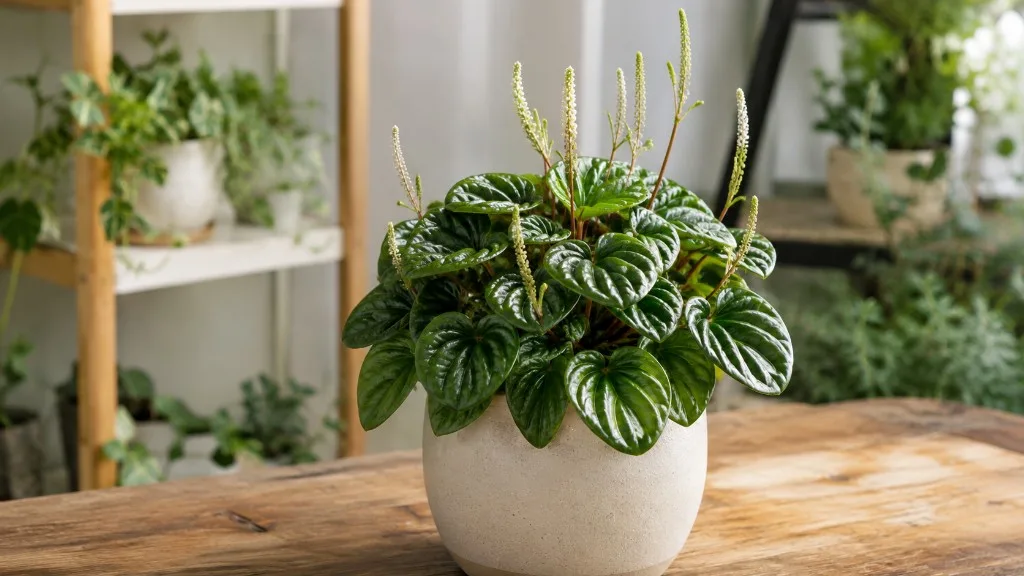
Peperomia stays compact - baby rubber plant, watermelon peperomia, and ripple types add variety without taking over a room. ASPCA lists several peperomia species as non-toxic; confirm the exact plant before relying on a generic “pet friendly” tag.
Why it works: Thick leaves tolerate short dry spells between your busy weeks.
Care tip: Well-draining mix and a pot with drainage prevent stem rot.
Watch out for: Retail mislabeling - verify species for pet safety.
Useful care guides:
7. Cast Iron Plant
Beginner rating: Easy
Best for: Lower-light rooms where you want quiet durability, not fast vines
Light: Low to medium indirect; avoid harsh direct sun
Water: Partly dry soil between drinks
Main beginner mistake: Over-caring - frequent water and fertilizer on a slow grower
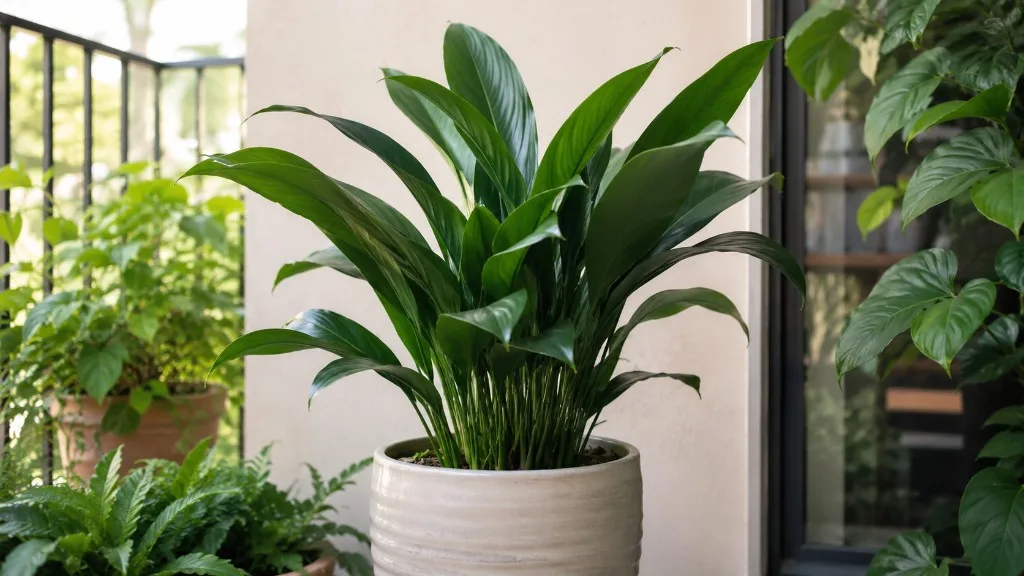
Cast iron plant (Aspidistra elatior) tolerates neglect, inconsistent watering, and dimmer corners better than most tropicals. ASPCA lists Aspidistra elatior as non-toxic to cats and dogs. (ASPCA)
Why it works: Slow growth means less repotting and pruning for busy owners.
Care tip: Buy a fuller plant at purchase - it will not fill out as fast as pothos.
Watch out for: Not instant lushness; patience is part of the trade-off.
Useful care guides:
8. Jade Plant
Beginner rating: Easy in bright homes
Best for: Sunny windows and forgetful waterers who have enough light
Light: Bright light; four or more hours of direct sun helps compact form
Water: Soak, then let mix dry well
Main beginner mistake: Keeping jade in a dim room and watering often - stretch plus rot risk
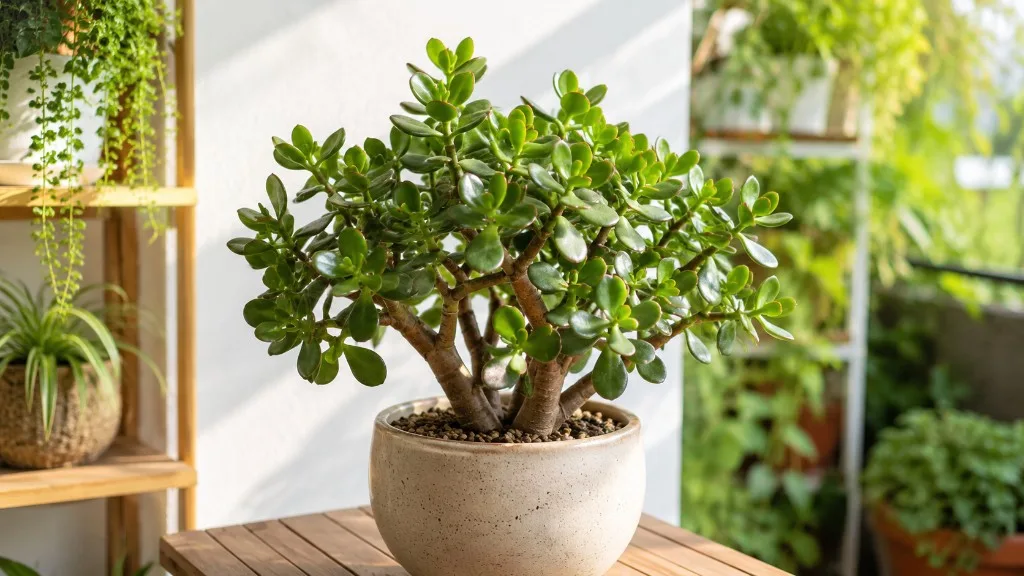
Penn State Extension notes jade plants prefer full to partial sun and do well in south-facing windows. (Penn State Extension)
Why it works: Succulent leaves store water for dry spells.
Care tip: Gritty, fast-draining mix - heavy soil kills more jades than missed water.
Watch out for: Toxic to pets; needs brightness, not shade tolerance.
Useful care guides:
9. Aloe Vera
Beginner rating: Easy in bright homes
Best for: Sunny kitchens and infrequent waterers
Light: Bright light near a window
Water: Deep drink, then long dry-down
Main beginner mistake: Overwatering in winter when growth slows
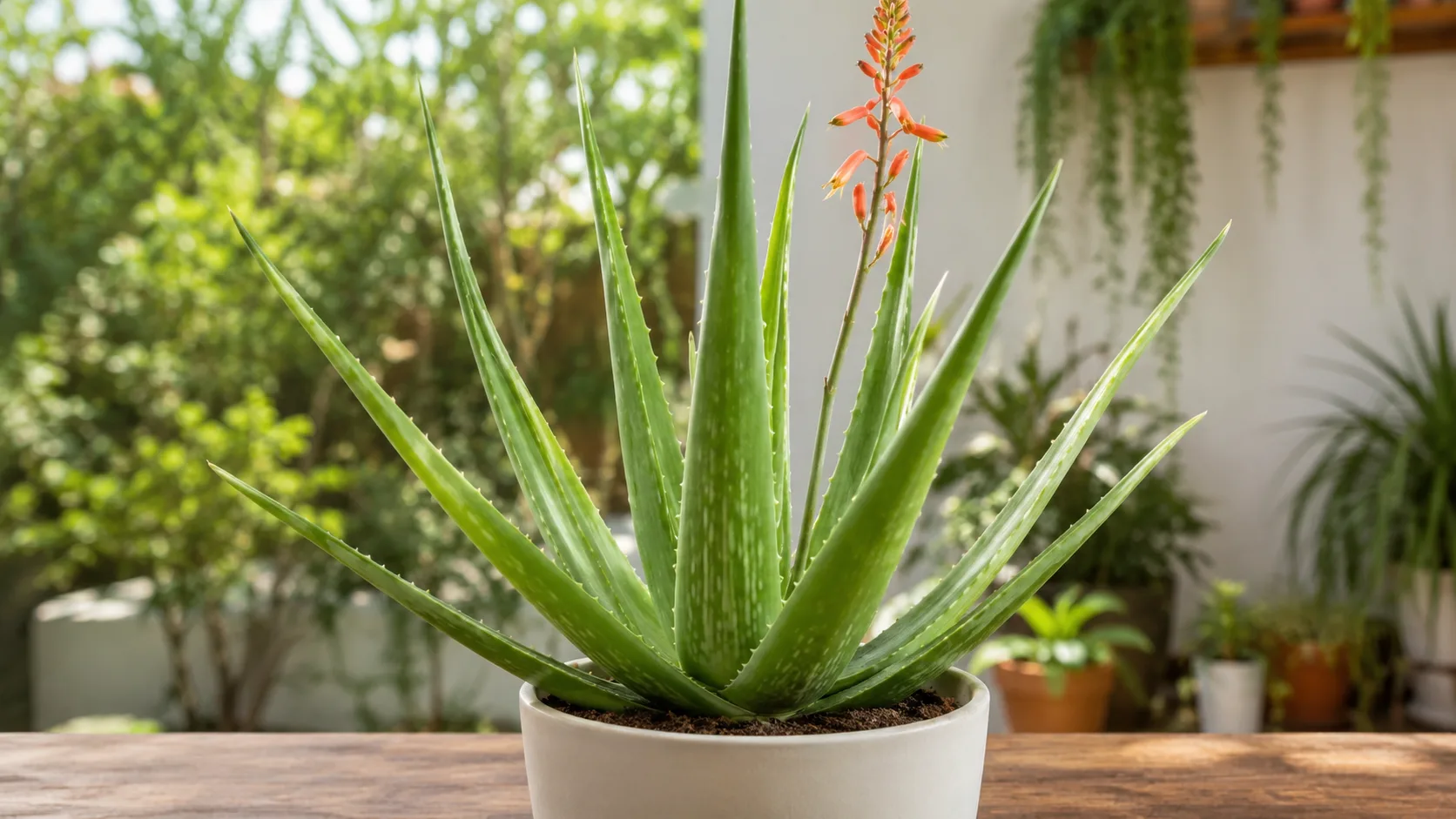
Aloe vera looks clean and modern but is easy only with enough light and restraint. In low light it weakens; in wet soil it rots.
Why it works: Thick leaves store water - ideal when your calendar is packed.
Care tip: Acclimate gradually if moving from dim to intense window sun.
Watch out for: Toxic to pets despite household “medicinal” reputation.
Useful care guides:
10. Peace Lily
Beginner rating: Easy to medium - most care-sensitive on this list
Best for: Owners who want visible wilt feedback and can check soil more often
Light: Low to bright indirect; blooms better with brighter indirect light
Water: Top of soil beginning to dry - before long bone-dry spells
Main beginner mistake: Assuming it is as drought-tolerant as snake plant because it survives lower light
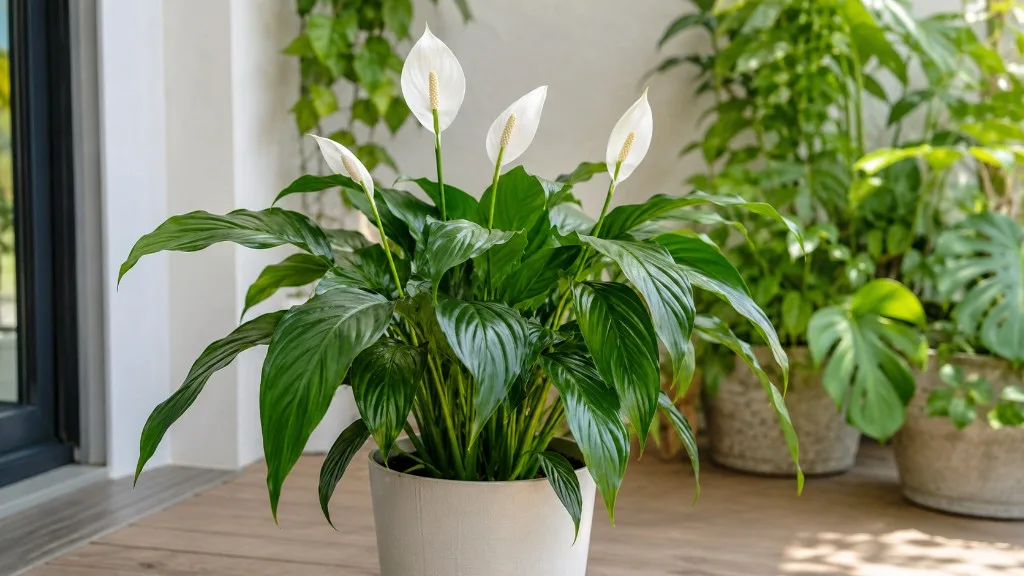
Peace lily wilts dramatically when thirsty, then often perks up after watering - a teaching tool for beginners who forget checks. It is not the best pick for multi-week travel without a sitter.
Why it works: Clear visual signal builds the soil-check habit busy people need.
Care tip: Drain fully; brown tips often mean dry air or minerals, not always thirst.
Watch out for: Toxic/irritating if ingested; needs more consistent moisture than ZZ plant.
Useful care guides:
Before You Travel or Leave Plants Unattended
Two-week trip checklist:
- Water thoroughly only plants that are already due - not every pot on the same day.
- Move plants away from hot south- or west-facing glass that accelerates dry-out.
- Confirm drainage - empty saucers so roots are not sitting in water while you are gone.
- Group plants to raise local humidity slightly; skip this if any pots are already wet.
- For dim rooms, accept slower growth or add a timer on a grow light.
Snake plant, ZZ plant, jade plant, and aloe vera usually handle two to three weeks better than peace lily or spider plant in average light. The Best Low-Maintenance Indoor Plants quick list also notes travel tolerance in its FAQ - compare both before you stock up.
Common Mistakes Busy Plant Owners Make
Watering on autopilot. Easy plants die wet. Use How to Water Indoor Plants the Right Way as your default skill.
Buying for looks before light. A sun-loving jade plant in a dark corner will stretch and suffer no matter how “low maintenance” the label sounds.
Decorative pots without drainage. Use nursery pots inside cachepots; empty outer pots after every watering.
Treating plants as air purifiers. Ventilate, filter, and control moisture - then enjoy plants for beauty and routine. See Top 7 scientifically proven benefits of indoor plants for evidence with limits.
Ignoring pets until after purchase. Check ASPCA first; for pet-focused picks see Best Pet-Safe Indoor Plants.
Conclusion
Pick one or two plants that match your weakest habit, then open that species hub for ongoing care. For most busy North Americans, snake plant and ZZ plant are the strongest starting points; spider plant and peperomia lead for pet-conscious homes; pothos and heartleaf philodendron win for fast trailing growth. Need a faster browse? Use the filterable low-maintenance list. Need bedroom-specific overlap on four of these species? See 7 calming indoor plants to help you sleep better.
Related Guides
- Best Low-Maintenance Indoor Plants - filterable quick list with overlapping easy picks
- How to Water Indoor Plants the Right Way - soil checks that prevent overwatering
- Grow lights complete guide for indoor plants - when low light is really no light
- Top 7 scientifically proven benefits of indoor plants - wellbeing evidence and air-quality limits
- 7 calming indoor plants to help you sleep better - bedroom angle on overlapping species
- Best Pet-Safe Indoor Plants - safety-first shortlist