Peace Lily Light Needs: Windows, Sun, and Signs
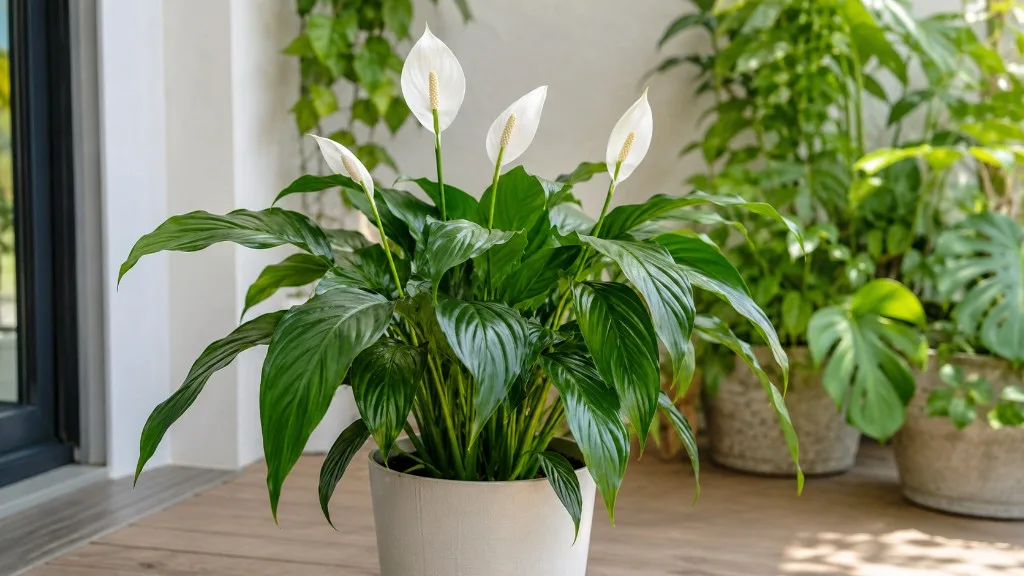
Peace Lily Light Needs: Windows, Sun, and Signs
Peace Lily Light Needs: Windows, Sun, and Signs
Peace lily light requirements sit in a wider band than most flowering houseplants tolerate - from genuinely dim corners where many plants would decline, up to bright filtered light near an east window that supports regular white spathes. Spathiphyllum species evolved as understory plants in the tropical forests of Central America and Colombia, where tree canopy filters harsh midday sun into steady, diffuse illumination. That origin explains both the plant’s famous low-light resilience and its hard limit on direct rays: leaves built for shade bleach, curl, and crisp when sunbeam intensity hits them unprepared.
The practical range for home growers is low to bright indirect light. Peace lilies are one of the few foliage plants that can still produce their signature white spathes in moderate indoor light - a reason they dominate offices, lobbies, and north-facing apartments. But “low-light tolerant” does not mean “low-light optimal.” Surviving at 50 foot-candles and flowering at 50 foot-candles are different outcomes. At the upper end, direct sun causes burn, and in some cultivars excess light stress can reduce flowering even when leaves look superficially healthy. The goal is not maximum brightness - it is the right quality and intensity for your room, your window, and the response you want from the plant.
This guide covers what bright indirect light actually means in a real room, where to place a peace lily by window orientation, how to read too-little versus too-much light on the leaves, and how to adjust care when you move the pot.
What Light Peace Lilies Need
Peace lilies perform best in bright, indirect light - strong ambient illumination that never includes prolonged direct sun on the foliage. Clemson University’s Home & Garden Information Center states that peace lilies tolerate low light but grow best in bright indirect light, and should not be placed in direct sun because heat scorches the foliage (Clemson HGIC - Peace Lily). The Royal Horticultural Society recommends keeping peace lilies near a window but out of direct summer sun to ensure strong growth and flowering, noting that plants in deeper shade survive but rarely flower and grow very slowly (RHS - How to Grow Peace Lilies).
In measurable terms, most home peace lilies do well between roughly 150 and 300 foot-candles for healthy foliage and reliable blooms. They can survive down to about 50 foot-candles - think a spot several metres back from a bright window or a well-lit interior wall - but growth slows and spathe production becomes unpredictable. Above 400–800 foot-candles of unfiltered direct exposure, leaf scorch becomes likely unless the plant was slowly acclimated and the exposure is limited to gentle morning sun. University of Florida IFAS notes that commercial interiorscape production targets 1,500–2,500 foot-candles under shade cloth for consistent flowering - far more than a typical home needs, but useful proof that bloom initiation requires crossing a meaningful energy threshold, not merely staying alive (UF/IFAS EP161).
For most indoor settings, translate that into placement: 30–90 cm (1–3 feet) back from an east-facing window, or 1–2 metres (3–6 feet) from a south or west window filtered by sheer curtain or exterior shade. A north window works for foliage if the room is bright; add supplemental light if you want regular blooms through winter.
Why They’re Among the Best Low-Light Bloomers
Most houseplants that tolerate dim light do so by sacrificing flowers. Snake plants, ZZ plants, and cast iron plants are excellent survivors in 50–100 foot-candles but are not grown for seasonal blooms. Peace lilies occupy a rare middle ground: they belong to the Araceae family alongside anthuriums and are marketed heavily for dim offices, yet unlike many strict shade specialists they can produce spathes in moderate indoor light that would leave a true shade recluse purely vegetative.
Clemson HGIC specifically notes that peace lilies are one of the few foliage plants that will flower in low light - a fair claim when “low light” means a bright north room or a spot within a few feet of a window, not a windowless hallway. That tolerance made Spathiphyllum a staple of interiorscaping decades before LED grow lights were affordable. An office peace lily under overhead fluorescents often holds glossy leaves and occasional white flags while pothos nearby stretches and philodendrons stall.
The distinction worth internalizing is bloom-capable low light versus bloom-reliable low light. A peace lily in a respectable indirect spot may flower once or twice a year. The same cultivar pushed into a darker corner may stay lush and green for years without a single spathe. No fertilizer compensates for light below the flowering threshold; nutrients support processes the plant already has energy to run. Light comes first, then water rhythm, then feed.
Bright Indirect Light Explained
Bright indirect light means the plant receives strong illumination for much of the day, but the sun’s disk never strikes the leaves long enough to heat tissue above what shade-adapted cells tolerate. Imagine the light under a tree at the forest edge: bright enough to read comfortably, soft enough that you could sit there for hours without squinting. In a home, that usually means light reflected off walls and filtered through glass or curtain - not a sunbeam moving across the floor.
Rooms fool growers because human eyes adapt. A space that feels “bright” to you at night with lamps on may deliver under 30 foot-candles to a plant on a shelf across the room. Conversely, a spot that looks dim to you at noon may still exceed a peace lily’s bloom threshold if it sits in the pool of window light. Judge by plant-facing exposure, not room aesthetics.
Foot-Candles and Practical Light Tests
If you want numbers, a light meter app or handheld meter reading foot-candles removes guesswork. Hold the sensor at leaf height, point it toward the window, and take readings at mid-morning and mid-afternoon on a clear day. Target 150–300 fc for a balance of compact growth and blooms. Below 100 fc, expect foliage maintenance mode. Above 500 fc of direct or reflected beam, watch for bleaching within days.
No meter? Use the shadow test. In bright indirect light, your hand cast on the wall near the plant produces a soft, fuzzy shadow with indistinct edges - visible but not sharp. A sharp dark shadow with crisp edges indicates direct sun strong enough to burn peace lily leaves. The read-a-book test works too: if you can read normal print comfortably at leaf height without switching on a lamp at midday, light is likely adequate for foliage; if blooms are the goal, confirm the spot sits closer to the window side of that threshold rather than the dim interior wall.
Best Window Placement
Window orientation sets the daily light curve. Peace lilies prefer steady moderate intensity over a few hours of blazing sun followed by shade. Match the window to whether you prioritize reliable spathes or maximum dim-room tolerance.
| Window exposure | Typical intensity at plant | Peace lily suitability |
|---|---|---|
| East | Gentle morning direct sun; bright indirect rest of day | Ideal for blooms - place 30–60 cm back from glass |
| North | Soft, consistent indirect; weaker in winter | Good for foliage; blooms less frequent without supplemental light |
| West | Strong afternoon sun; heats glass | Use sheer curtain; keep 1–2 m back or filter heavily |
| South | Highest intensity; long duration | Filtered only; 1.5–2.5 m back or behind light curtain |
Rotate the pot a quarter turn every week or two if growth leans toward the glass. Leaning is normal in asymmetric light; chronic lean with long petioles and small new leaves means the plant is searching for more intensity.
East, North, South, and West Windows
An east-facing window is the peace lily sweet spot for most homes. Morning sun is low-angle and brief; by the time rays strengthen, the plant receives bright indirect light for the remainder of the day. Place the pot 30–60 cm (12–24 inches) back from the glass so leaves never sit in the direct beam as the sun rises. Many growers report their most consistent spring and summer spathes from east-window plants at this distance.
A north-facing window suits peace lilies that mainly serve as foliage accents. Light stays indirect all day, which prevents scorch, but winter intensity drops sharply at higher latitudes. If new leaves arrive smaller and darker green with longer petioles, move the plant closer to the glass or add a grow light rather than accepting a permanently bloom-shy specimen.
South and west windows demand distance or diffusion. Unfiltered south glass can exceed 2,000 foot-candles at noon - enough to bleach leaves in an afternoon. Pull the plant at least 1–2 metres back, or hang a sheer white curtain and treat the filtered zone as your target. West windows carry similar afternoon heat; the glass itself can radiate enough warmth to dry leaf margins even when scorch is absent.
Direct Sun and Leaf Scorch
Peace lilies should not receive direct midday or afternoon sun on their leaves. UF/IFAS commercial production guidance is explicit: excessive light bleaches leaves, and the resulting pale color is often mistaken for nutrient deficiency (UF/IFAS EP161). Symptoms of sunburn include bleached or silvery patches on the sun-facing side, brown crisp margins, curled or wilted leaves despite moist soil, and sudden collapse of exposed foliage after a quick move to a brighter sill.
Brief early-morning direct sun through an east window at 30+ cm distance is tolerable for acclimated plants. Harsh south or west sunbeams that track across the pot are not. If you summer the plant outdoors - which can boost vigor when nights stay above 15°C (60°F) - place it in full shade or dappled shade, never open patio sun. Outdoor shade still exceeds many indoor corners; acclimate gradually over one to two weeks.
Recovery from scorch is about stopping further damage, not reversing old tissue. Trim fully dead leaves at the base. Move the plant to filtered bright light. Do not fertilize burned plants until new growth looks normal - salts on stressed roots compound the problem. Old bleached patches remain; judge success by the next leaf emerging green and firm.
When Too Much Light Reduces Flowering
Insufficient light is the number-one reason peace lilies fail to bloom - but too much light is an under-discussed second cause, especially for growers who assume brighter always equals more flowers. Light stress forces the plant into a protective posture: it may produce fewer spathes, abort buds, or channel energy into leaf repair rather than reproduction. Combined with heat near hot glass and ** faster soil drying**, high-light stress mimics drought even when you water on schedule.
Commercial growers hit 1,500–2,500 foot-candles under shade because they control humidity, temperature, and irrigation precisely. Home windows exceeding that effective dose - particularly unfiltered south exposures - push past the optimal curve. The plant stays alive, leaves may look slightly pale or stiff, and spathes become sparse or absent despite otherwise “good” care.
If your peace lily has lush dark green leaves, no lean toward the window, and zero blooms despite years of care, suspect insufficient light first. If it sits within 30 cm of hot south or west glass, leaves show persistent pale chlorosis on the window side, and blooms appeared only in previous dimmer locations, suspect excess light or heat. The fix is counterintuitive: pull it back or filter the window, then wait 8–12 weeks for the plant to reallocate energy toward flowering.
Cultivar and Variegated Leaf Considerations
Not every Spathiphyllum cultivar responds identically. Large hybrids such as ‘Sensation’ and ‘Mauna Loa’ tolerate slightly brighter filtered light before bleaching, but their sheer leaf area loses water faster near hot glass. Variegated forms like ‘Domino’ carry less chlorophyll per leaf and often burn faster in direct sun; they may also need slightly brighter indirect light than solid-green siblings to bloom, because each leaf captures less energy.
Compact tabletop cultivars bred for floristry sometimes flower under lower intensities but fade spathes quickly when light and heat are high. When testing a new cultivar, change light one step at a time and read new leaf color and spathe count over a full season before declaring the spot wrong.
Low-Light Survival Versus Reliable Blooms
Peace lilies can survive in low light - dimmer than most blooming houseplants accept - but survival and performance diverge. In deep shade, the RHS confirms plants rarely flower and grow very slowly. Leaves may stay dark green and large as the plant compensates by expanding chlorophyll capture area, which growers sometimes misread as health while wondering why no spathes appear.
Low-light survival mode looks like this: infrequent new leaves, long thin petioles, slow soil drying, extended gaps between waterings, and no spathes for a year or more. The plant is alive, not thriving. Bloom-reliable mode requires crossing roughly 100–200 foot-candles for 6–8 hours daily at minimum, with brighter indirect exposure producing more consistent results. UF/IFAS home guidance lists bright, indirect light with no direct sun as the baseline (UF/IFAS EP477).
If you need a peace lily purely as a dark-corner green accent, accept reduced blooms and cut watering frequency accordingly - wet soil in low light is a root-rot setup. If you want regular white spathes, prioritize light over pot size, fertilizer, or bloom booster products.
Signs Your Peace Lily Needs More Light
Plants communicate light shortage through growth habit more reliably than through instant leaf color. Watch for these patterns:
- No spathes for 12+ months despite mature size and balanced care
- New leaves smaller than older ones, with longer petioles and wider angles
- Plant leaning strongly toward the window; stems appear stretched
- Very dark green, almost black-green new foliage - a low-light compensation response
- Soil staying wet 10+ days because metabolic activity is low
- Slow recovery from wilt even after thorough watering
The fix is incremental brightening: move 15–30 cm closer to the window or into an east-facing room, then wait two to three months before expecting new buds. Peace lilies rebuild carbohydrate reserves before committing to spathes. Sudden jumps to harsh direct sun cause scorch; aim for brighter indirect exposure, not sunbeams.
Signs Your Peace Lily Is Getting Too Much Sun
Too much light and heat produce distinct symptoms, often on the window-facing leaf side first:
- Bleached, silvery, or yellow-white patches that feel papery dry
- Brown crisp tips and margins spreading from sun-exposed areas
- Leaves curling downward or inward during brightest hours
- Wilting despite moist soil - heat stress decouples water uptake from root moisture
- Spathes shattering or fading within days of opening
- Reduced new spathe count after a move closer to unfiltered south or west glass
UF/IFAS lists curled, pale, chlorotic to necrotic leaves with burned margins and sparse flowering under excess light or temperature (UF/IFAS EP161). If symptoms match, increase distance from glass or add sheer filtration before assuming underwatering or potassium deficiency. Pale leaves from sun look uniformly washed on the exposed face; nutrient deficiencies usually show patterned yellowing between veins or on older leaves first.
Peace Lilies Under Office Fluorescent Lighting
Peace lilies earned their office reputation because they tolerate overhead fluorescent and LED panel lighting better than most flowering plants. Typical open-plan ceilings deliver 50–150 foot-candles at desk height - enough to maintain foliage when the pot sits within 1.5–2 metres (5–7 feet) of the fixture row, not buried under a desk. Closer placement under a single task lamp or brighter troffer zone pushes toward bloom territory.
Fluorescent light lacks the intensity of a good window, so blooms may be seasonal and infrequent unless the plant also receives window spill or supplemental LED. Rotate the pot monthly so one side does not dominate growth toward the brightest panel. Dust leaves gently every few weeks - office grime cuts photosynthesis more than home growers realize. If the building shuts HVAC and lights over weekends, expect slower drying; do not water on a rigid Friday schedule without checking soil.
Using Grow Lights in Dim Rooms
When natural light cannot reach bloom thresholds - basement apartments, interior offices, short winter days - full-spectrum LED grow lights fill the gap efficiently. Peace lilies respond well to moderate-intensity LED banks placed 15–30 cm (6–12 inches) above the foliage for 12–14 hours daily on a timer. Start at the manufacturer’s low to medium setting for foliage plants; increase only if new growth stays pale and elongated after three weeks.
Avoid incandescent bulbs close to leaves - they emit heat that scorches shade-adapted tissue. Compare LED wattage to coverage area: a small desk lamp suits one pot; a multi-plant shelf needs a bar light rated for the full canopy width. Grow lights replace window intensity, not watering judgment; soil still must dry appropriately between drinks.
Grow Light Distance, Timer, and Spectrum
Follow this baseline setup, then adjust by leaf response:
- Mount a full-spectrum LED (4000–6500K white, or labeled “foliage/houseplant”) 15–30 cm above the tallest leaf.
- Run 12–14 hours daily on a timer; peace lilies do not need short-day manipulation to bloom.
- Watch the first two new leaves - pale yellow-green means slightly closer or longer duration; brown tips mean too close or too hot.
- Combine with ambient room light when possible; pure artificial light works but slows compared to window plus supplement.
If spathes appear under grow lights but stay small or green quickly, intensity may still be borderline - raise light slightly or extend duration by one hour, not both at once.
Seasonal Light Changes and Winter Moves
Day length and sun angle shift through the year. A peace lily 1 metre from a south window may receive bloom-quality light in June and sub-threshold light in December at the same physical spot. At latitudes above 45°N, winter south-window intensity can drop 60–70% even with clean glass.
Winter adjustments: move pots closer to the glass without touching cold single-pane surfaces on freezing nights; clean windows to recover 10–15% transmission lost to dust; reduce watering as lower light slows uptake; consider grow-light supplementation if spathes are a priority from November through February. Summer adjustments: watch for new sunbeams as the solar angle changes - a safe March east sill can become a scorch zone by July if shear curtains are removed.
Outdoor summer shade stays optional and climate-dependent. UF/IFAS lists outdoor year-round planting for USDA Zones 10B–12 in shade only (UF/IFAS EP477). Temperate growers should bring plants inside before nights drop below 15°C (60°F).
How Light Shapes Watering and Feeding
Light and water are coupled variables growers too often separate. Higher light increases transpiration and soil drying; lower light slows both. A peace lily moved from a dim hall to an east window may need water twice as often within the same pot and mix. A plant moved brighter to dimmer without watering adjustment sits in waterlogged soil, triggering yellow leaves and root issues that look like mysterious decline.
After any light change, reset your Peace Lily watering guide to finger-test or top-centimetre dryness rather than calendar habit. Fertilizer follows the same logic: feed balanced houseplant fertilizer at half strength during active growth when new leaves appear, typically spring through early fall. Do not push fertilizer on a light-stressed or recently relocated plant. Fix light first, stabilize water, then resume modest feeding if spathe production remains the goal.
Moving and Acclimating Without Shock
Sudden relocation causes leaf drop, curl, scorch, or stalled growth even when the new spot is theoretically correct. Leaves developed in low light lack the photoprotective capacity for bright exposures; high-light leaves moved deep indoors may yellow from shock. Acclimate over 7–14 days: shift the pot 15–30 cm per day toward the target, or filter a bright window with sheer fabric and remove one layer every few days.
Make one variable change at a time. If you move the plant and repot and fertilize the same week, you cannot diagnose which action caused collapse. After relocation, judge success by the newest leaf - firm texture, appropriate color for the cultivar, normal size relative to the one before it. Old damaged leaves do not heal; they persist as history while new tissue tells the truth.
Conclusion
Peace lily light success lives in a band from genuinely low indirect exposure up to bright filtered window light - wider than most bloomers accept, but not unlimited. These plants earned their reputation as among the best low-light flowering houseplants because they can produce spathes at moderate indoor intensities that would silence anthuriums and orchids. That tolerance still has a floor: deep shade sustains foliage, not flags. At the ceiling, direct sun burns leaves, and excess intensity plus heat can suppress blooms in some cultivars even when the plant otherwise looks fine.
Place most specimens 30–60 cm back from an east window, or filtered and farther from south or west glass. Read the plant’s newest growth before reacting to old blemishes. Pair every light decision with an adjusted watering rhythm, acclimate gradually, and give 8–12 weeks after a meaningful upgrade before judging bloom failure. Get the light band right, and the peace lily does what it was built for under a forest canopy - glossy leaves, white spathes, and steady presence without demanding a sun-soaked sill.
When to use this page vs other Peace Lily guides
- Peace Lily overview - Start here for whole-plant context before deep-diving this topic.
- Peace Lily problems hub - Jump to symptom-specific fix guides when this care topic does not resolve the issue.
- Leggy Growth on Peace Lily - Escalate here when light adjustments are not enough.
Related Peace Lily guides
- Peace Lily overview
- Peace Lily watering
- Peace Lily soil
- Peace Lily propagation
- Peace Lily fertilizer
- Peace Lily repotting
- Leggy Growth on Peace Lily
- Peace Lily problems
Related tool
Try the Plant Problem Diagnosis Tool with peace-lily pre-selected to estimate needs for your setup.