Peace Lily Propagation: Division Guide
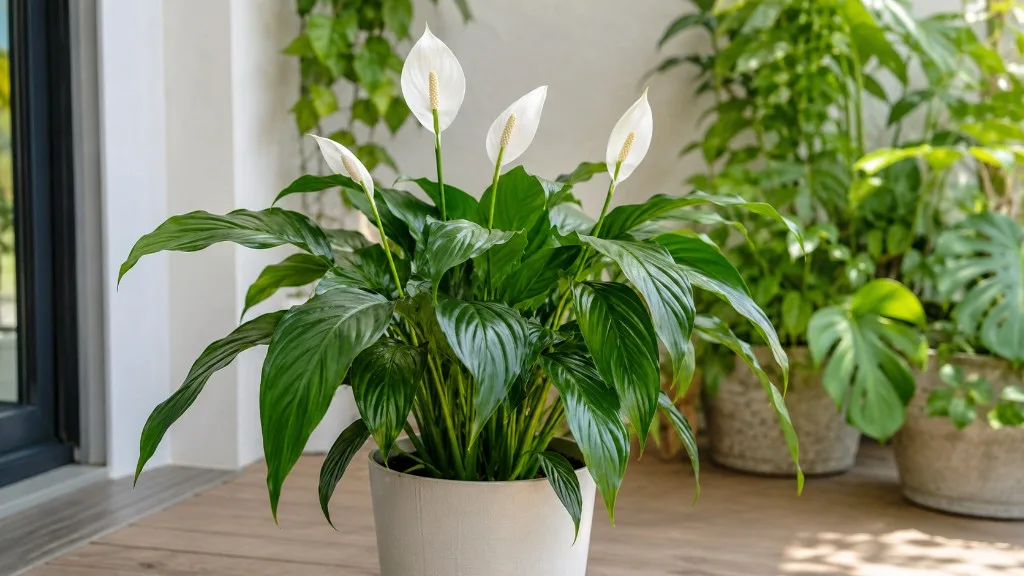
Peace Lily Propagation: Division Guide
Peace Lily Propagation: Division Guide
Peace lily propagation at home means one thing: splitting a mature clump into smaller plants, each with its own crown and attached roots. Spathiphyllum - the genus behind every peace lily sold as a houseplant - grows as a clustered rosette of stems emerging from a shared rhizomatous base, not as a single stem you can slice and root in water. That growth habit is why division during Peace Lily repotting guide is the standard method recommended by institutions like the Royal Horticultural Society, and why the internet’s generic “stick a leaf in water” advice fails here. You are not creating new tissue from a detached fragment; you are separating pieces the plant has already built, complete with the root system each crown needs to survive on its own.
If you have a healthy, rootbound peace lily that has outgrown its pot, propagation is often a natural side effect of repotting rather than a separate project. Remove the root ball, identify natural offsets at the outer edge, and pull or cut between crowns until each section owns several leaves and a visible mass of white, firm roots. Pot each division at the same depth it grew before, water once, and give it Peace Lily light guide while it settles. The sections that succeed look ragged for a week or two - drooping leaves are normal - then push fresh growth from the crown. The sections that fail usually lacked enough root mass, were divided while flowering or stressed, or were planted into oversized pots with soggy compost. This guide walks through every decision so you can multiply your plant without repeating those common failures.
Why Division Is the Only Reliable Peace Lily Propagation Method
Peace lilies belong to Araceae, the arum family, alongside philodendrons, monsteras, and anthuriums - and are not true lilies but members of the same family as caladiums and callas. Like most arums adapted to tropical forest floors, they spread by expanding their underground root-and-stem base into a dense clump rather than by sending out long stolons you can snip freely. Each visible stem rises from a crown - the junction where leaves, roots, and future growth points meet at soil level. Propagation succeeds when you preserve that junction intact and give it enough roots to hydrate the foliage while the division recovers from the split. Anything that separates a leaf or a bare stem from its crown removes the only tissue capable of producing new shoots, which is why alternative methods that work on vining plants simply do not apply here.
Division also respects the plant’s existing energy reserves. A crown with roots attached has been feeding itself for months or years; it does not need to invent a root system from scratch the way a detached cutting would. That is why success rates for well-rooted divisions run high among experienced indoor gardeners, while peace lily leaf experiments almost always end in a rooted leaf that never develops into a full plant. If your goal is one or two new peace lilies to keep or gift, division during spring repotting delivers results faster and with less guesswork than any other approach you will find in generic propagation roundups.
Why Leaf Cuttings and Water Propagation Fail
The most persistent myth in peace lily propagation is that a single leaf placed in water will grow into a new plant. A detached peace lily leaf can sometimes produce water roots from the base of its petiole, especially in warm, bright conditions, but it lacks an active meristem - the growing tip - capable of pushing new leaves and stems. Without crown tissue connected to that leaf, you get a rooted fragment that may survive for weeks and then slowly decline. The same limitation applies to stem sections cut without crown and root mass attached. Peace lilies do not behave like pothos, where a node-bearing stem segment reliably activates adventitious roots and dormant buds.
Water propagation is equally misleading as a primary strategy for peace lilies. You cannot submerge a crownless leaf and expect a clone. Even small offset crowns removed with minimal roots often struggle in water because peace lily roots evolved for aerated, organic soil - not indefinite submersion - and rot develops quickly when crown tissue stays wet without the oxygen exchange a well-drained mix provides. Division directly into fresh compost, with roots already functional, avoids that transition entirely. If someone shows you a “peace lily propagated in water,” look closely: the successful specimen almost always started as a small division with roots and multiple leaves, not a lone leaf floating in a jar.
How Peace Lilies Naturally Form Offsets
Mature Spathiphyllum wallisii and its popular cultivars - including compact forms like ‘Bellini’ and larger selections like ‘Mauna Loa’ - gradually produce offsets at the perimeter of the root ball. These are not separate seedlings; they are daughter crowns sharing the same rhizome network, each with its own fan of leaves and a subset of the communal root mass. Over two or three years in the same pot, the clump tightens until roots circle the container, water runs straight through dry pockets, and growth slows even when you feed and water conscientiously. That crowding is the plant telling you it is ready to be split.
Observing offset structure before you cut makes division easier and safer. Natural separation lines often appear between crowns where the rhizome narrows or where a small clump pulls away with gentle tension. Forcing apart a tightly fused center rarely ends well; working from the outer offsets outward preserves the strongest sections and leaves the densest part of the mother clump intact. Think of propagation as redistributing crowns the plant already grew, not as manufacturing new ones from leaf tissue.
When to Propagate Peace Lily
Timing matters because division is a controlled injury. You are breaking root connections, disturbing rhizome tissue, and asking each section to re-establish in fresh compost. Peace lilies tolerate that stress best when warmth, humidity, and light support active metabolism - conditions that mirror their native Central and South American forest understory during the wet growing season. Dividing during dormant or flowering periods does not always kill the plant, but it slows recovery and increases the odds that a weak section simply fades instead of rebounding.
The calendar alone is not enough. A peace lily shipped in winter, recently treated for root rot on Peace Lily, or sitting in a dim corner may be a poor propagation candidate even if the month is technically spring. Judge the individual plant: firm green leaves, white healthy root tips visible at drainage holes, and no active pest issue on leaf undersides. Propagation rewards patience with healthy stock more than it rewards urgency with a struggling parent.
Best Season for Dividing at Repot
Spring, at the start of the active growing season, is the best time to propagate peace lily by division. Clemson HGIC notes that peace lilies like to be slightly pot-bound but need repotting when roots grow through drainage holes - the same session is the natural window for splitting clumps. In most homes, that aligns with March through May, when longer days and warmer rooms coincide with the period peace lilies prefer regular watering from roughly April through October. Early autumn can work if your plant remains in bright light and stable temperatures above 18°C (65°F), but avoid mid-winter division unless you can supplement light and keep compost from staying cold and wet for weeks.
Combine propagation with repotting rather than treating them as separate events. Removing the root ball once, inspecting it thoroughly, and deciding on the spot how many viable divisions exist reduces handling stress compared with pulling the plant out twice in one month. If the plant is not yet rootbound and shows no offset crowding, leave it alone - peace lilies often stay in the same container for a year or two after purchase before they need more space.
Signs Your Plant Is Ready to Split
Several visible cues suggest your peace lily is ready for division at repot time. Roots emerging from drainage holes or circling the soil surface indicate the pot is too small for the current clump. Slowed growth and reduced flowering despite adequate light and feeding often follow rootbound conditions, because the root system cannot access enough moisture and nutrients to support new spathes. Compost drying out unusually fast after watering - sometimes within a day or two - is another classic sign: water runs through root-packed channels instead of saturating the medium evenly.
Physical crowding at the crown level matters too. Multiple tight offset rosettes pushing against the pot rim, leaves competing for space at different heights, or a plant that has become top-heavy relative to its container all point toward a beneficial split. Yellowing lower leaves unrelated to overwatering can mean the root mass no longer supports the foliage load. If you see two or three of these signs together, plan a spring repot-and-divide session rather than simply moving the entire clump to a slightly larger pot - though upsizing without dividing remains valid when you want one larger specimen instead of several smaller ones.
Tools and Preparation Before You Divide
Gather everything before you unpot so crown tissue does not sit exposed longer than necessary. You will need clean, sharp tools - pruning shears or a knife sterilized with rubbing alcohol or a flame - because rhizome cuts made with dull blades crush tissue and invite infection. Wear gloves when handling peace lilies: sap contains calcium oxalate crystals that irritate skin, and the ASPCA lists Spathiphyllum as toxic to cats and dogs, causing oral irritation and gastrointestinal upset if chewed. Work on a protected surface you can wipe down afterward, and keep divisions away from pets until cleanup is complete.
Prepare one pot per expected division plus fresh peat-free compost amended with perlite at roughly a 3:1 ratio, matching RHS repotting guidance for peace lilies. Pre-moisten the mix lightly so it holds together when you fill around roots without being wet enough to squeeze water out. Have filtered, rainwater, or overnight-settled tap water ready - peace lily foliage is sensitive to fluoride and chlorine in untreated tap water, and freshly divided plants are less forgiving of leaf edge burn while they recover. Label pots if you are creating multiple divisions of different sizes so aftercare notes stay organized. Finally, choose a bright indirect location where divisions will sit undisturbed for several weeks; repeated moving between rooms adds unnecessary stress on top of the split itself.
How to Propagate Peace Lily by Division at Repot Time
The core peace lily propagation workflow integrates cleanly with repotting. Water the parent plant lightly a day before if the mix is bone dry - slightly hydrated roots flex without snapping, though soggy root balls are harder to inspect. Tip the pot on its side, grasp the base of the stems near soil level, and slide the plant out with gentle wiggling. If the root ball sticks, run a butter knife around the inner pot wall or cut away a thin plastic nursery pot as a last resort. Once the mass is free, you can see exactly how many crowns and offsets you are working with and make informed decisions about how many new plants to create.
Aim for quality over quantity. Two or three strong divisions outperform five weak ones that each carry only a single leaf and a handful of roots. Every section must include multiple healthy leaves, firm white roots, and intact crown tissue where future leaves will emerge. When in doubt, make fewer splits and leave a larger mother section - you can always divide again in another year when offsets have matured further.
Removing the Plant and Exposing the Root Ball
Lay the removed plant on its side and brush away loose surface compost with your fingers to reveal rhizome connections between crowns. Do not aggressively wash roots under a tap unless you suspect rot; exposed wet roots dry out and damage more easily during a long division session. Instead, work incrementally, teasing soil from the gaps between offset clumps until natural separation points become visible. Trim away only roots that are clearly brown, mushy, or foul-smelling - healthy peace lily roots should feel firm and appear pale to white.
Note the original planting depth before you disturb crowns. Peace lilies senesce quickly when buried too deep, with lower stems rotting under compost that holds moisture against tissue meant to stay at the surface. Each division should return to the same soil line it occupied on the parent clump. Marking the side of a stem with a small piece of tape before splitting helps if you worry about losing orientation among similar-looking sections.
Separating Crowns With Roots Attached
Start separation where the plant offers the least resistance. Many outer offsets pull apart by hand when you hold two crowns and apply steady, even pressure - never yank a single leaf as leverage. When rhizome tissue resists, use your sterilized knife to slice cleanly between crowns, leaving each piece with its own stem cluster and root bundle rather than cutting through the center of a single crown. If two crowns share a thick rhizome bridge, cut the bridge midway so both sides retain root attachment.
After separation, inspect each division critically before potting. A viable section typically has at least two to three leaves and enough roots to fill a 10–12 cm (4–5 inch) nursery pot without excessive empty compost. Remove broken roots with a clean cut rather than leaving frayed ends that rot back. Divisions that look thin on roots can sometimes be saved by potting slightly deeper into moist - not saturated - mix and maintaining high ambient humidity, but expect slower recovery. Discard sections with mushy crowns; they will not restart and may spread rot to healthy neighbors in shared trays.
Potting Up Each Division Correctly
Potting is where propagation either stabilizes or stalls. Each division needs a container proportional to its root mass, fresh airy compost, and a single thorough watering to settle soil around roots - not a schedule of daily drenching driven by guilt over wilted leaves. Place the crown at the correct depth, backfill gently to eliminate large air pockets, and stop when the soil line matches the pre-division mark. Press the mix lightly with fingertips; heavy compaction reduces the drainage peace lily roots require.
Keep newly potted divisions out of direct sun for the first week even if the parent tolerated brighter exposure. Filtered light reduces transpiration stress while root hairs re-anchor. Grouping pots together slightly raises local humidity, which helps leaves stay turgid without misting that leaves water sitting on foliage overnight. Resist fertilizing until you see unmistakable new growth emerging from the crown - premature feeding on damaged root tips can burn tender tissue.
Choosing Pot Size and Drainage
Select pots only one to two inches (2.5–5 cm) larger in diameter than each division’s root system. Overpotting is one of the fastest ways to kill a freshly divided peace lily: excess compost holds water the small root mass cannot absorb, creating anaerobic zones where root rot develops silently until leaves yellow and collapse. Every container must have drainage holes; decorative cache pots without holes belong outside the functional pot, not as the primary home for new divisions.
Plastic nursery pots work well because they retain moisture slightly longer than terracotta - useful when roots are re-establishing - while still allowing you to lift and assess weight as a watering cue. If a division is small, err toward the smaller pot size and repot again next spring rather than giving it room to “grow into” a large container. The goal is a snug fit that dries on a predictable rhythm, not maximum future capacity on day one.
Best Potting Mix for New Divisions
Peace lilies prefer slightly moisture-retentive but well-draining compost - not cactus mix, not heavy garden soil. A standard peat-free multi-purpose compost with perlite at approximately three parts compost to one part perlite matches institutional guidance and performs reliably indoors. Some growers add a small proportion of orchid bark or coco coir chunks for extra aeration in humid, low-light offices where mixes stay wet longer; adjust based on how quickly your parent plant’s pot dried before division.
Target a near-neutral to slightly acidic pH range around 5.5–7.0, which most commercial indoor mixes already provide. Avoid fresh, hot compost or mixes with large unfinished bark chunks that leave voids around fine roots. Pre-moisten until the blend feels like a wrung-out sponge - damp throughout, not dripping - before you fill pots. Dry mix pulled away from roots creates air gaps that delay water uptake exactly when divisions need steady, moderate moisture at the root zone.
Aftercare for Newly Divided Peace Lilies
The first two to four weeks after peace lily division are a monitoring period, not a performance review you conduct daily by unpotting. Keep compost consistently lightly moist - water when the top 2–3 cm feels dry, using filtered or settled water - and maintain bright indirect light with temperatures between 18–24°C (65–75°F). Avoid cold drafts from air conditioning vents and hot dry air from radiators, both of which accelerate leaf desiccation when roots are temporarily less efficient at water uptake.
Hold fertilizer until new leaves or visible crown growth confirm the root system is functioning again, typically four to six weeks after division in spring conditions. When you resume feeding, use a diluted balanced liquid fertilizer at half the label strength every few weeks through the active season. Wipe dust from leaves occasionally so photosynthesis stays efficient, but skip leaf shine products that clog stomata. If lower leaves yellow one at a time while the crown remains firm and new growth appears, that is often normal senescence of older foliage stressed by the move - remove them at the base with clean shears rather than pulling.
Managing Post-Division Drooping
Wilting after division catches many growers off guard and triggers harmful overwatering. Peace lily leaves droop dramatically when transpiration outpaces root uptake - a common temporary mismatch right after you sever part of the root mass. Unless compost is genuinely dry, do not water again simply because leaves flag; suffocating roots with excess moisture worsens the problem and invites rot. Wait 24 hours, check soil moisture at finger depth, and water only if the mix is approaching dry while leaves remain limp.
Most divisions recover turgor within three to seven days without intervention beyond stable conditions. If drooping persists beyond two weeks with wet compost, suspect rot at the crown and inspect carefully by slipping the plant from its pot. Firm crowns and white root tips mean patience; soft brown base tissue means the division may not be salvageable. Humidity trays or grouping pots help reduce extreme flagging without the fungal risk of nightly misting on crowded foliage.
Common Propagation Mistakes and How to Fix Them
The most frequent error is attempting leaf cuttings after watching social media tutorials meant for vining plants. If you already have a rooted leaf in water, transplant it to moist mix for observation, but manage expectations - without crown tissue, it will not become a full peace lily. Start over with a proper division from a mature plant instead of investing months in a dead-end experiment.
Making too many tiny divisions ranks second. Sections with one leaf and a few centimeters of root look cute in small pots but lack the photosynthetic and root surface area to recover quickly; combine undersized pieces only if you must, and prioritize fewer robust splits. Overpotting and overwatering pair together as the third major failure mode - if leaves yellow while compost stays wet, stop watering, improve light airflow, and repot into a smaller container with fresh mix if roots show early rot.
Other mistakes include dividing during peak flowering, which wastes energy the plant already committed to spathe production and lengthens shock; using harsh tap water that burns leaf margins on stressed plants; and skipping gloves, leading to skin irritation that makes growers rush sloppy cuts. Propagating a sick parent - mealybugs on leaf axils, sour-smelling compost, or widespread crown mush - spreads problems to every new pot. Stabilize or discard affected tissue first, and take divisions only from clean outer offsets.
When Not to Propagate Your Peace Lily
Division is not emergency surgery for every struggling peace lily. If the plant shows active root rot with a foul-smelling base and blackened roots, propagation may salvage outer healthy offsets, but it is not a substitute for correcting chronic overwatering or poor drainage. Do not divide as your first response to spider mites or scale; treat pests on the parent and quarantine before creating multiple infected specimens. Recently purchased plants should acclimate for at least one growing season before splitting - they are adjusting to your home’s light and water already without the added stress of rhizome surgery.
Avoid division when the plant is heavily flowering unless timing constraints force your hand; waiting until spathes fade lets the clump redirect energy to root recovery afterward. Extremely weak, dehydrated plants with brittle leaves need rehydration and stable care before any root disturbance. Finally, do not propagate purely to “save” a plant you have neglected - if environmental conditions caused the decline, new divisions inherit the same room and will fail for the same reasons.
What to Expect in the First Month After Division
Week one is the stress window: expect drooping, possible single-leaf yellowing, and little visible new growth. Your job is consistency - moderate moisture, good light, no fertilizer, no repotting again. Week two often brings the first sign of recovery as outer leaves regain firmness and the crown feels solid at soil level. By week three in spring, many divisions show a new leaf unfurling from the center of the rosette, which is the clearest success signal available without disturbing roots.
Week four and beyond shift into normal peace lily care rhythm. Resume diluted feeding when new growth is established, adjust watering to the division’s own pot size rather than the parent plant’s old schedule, and rotate pots a quarter turn with each watering to prevent lopsided growth toward the window. Smaller divisions may take an additional month before flowering returns; larger sections with more roots may produce spathes the same season if light is adequate. Document how many divisions succeeded - that feedback informs whether you split too aggressively or timed the session well for next year.
Conclusion
Reliable peace lily propagation comes down to division at repot time, separating crowns with roots attached, and rejecting leaf-cuttings folklore that does not match how Spathiphyllum actually grows. Spring repotting of a rootbound clump gives you the clearest view of viable offsets, the best recovery conditions, and the least redundant handling. Make fewer, stronger divisions; pot them snugly in fresh perlite-amended compost; water with care using low-fluoride water; and interpret post-split drooping as stress rather than an automatic call for more moisture.
When each section carries multiple leaves, firm roots, and intact crown tissue, peace lilies reward division with new plants that are genetically identical to the parent - same cultivar habit, same spathe character, same tolerance for the low-to-medium indirect light that made the species a houseplant staple. Keep gloves handy for sap irritation, keep divisions away from chewing pets, and let new growth - not calendar anxiety - tell you when normal feeding and flowering care can resume. Done once with attention to crown anatomy and pot sizing, division becomes a straightforward part of mature peace lily ownership rather than a risky experiment.
When to use this page vs other Peace Lily guides
- Peace Lily overview - Start here for whole-plant context before deep-diving this topic.
- Peace Lily problems hub - Jump to symptom-specific fix guides when this care topic does not resolve the issue.
Related Peace Lily guides
- Peace Lily overview
- Peace Lily watering
- Peace Lily light
- Peace Lily soil
- Peace Lily fertilizer
- Peace Lily repotting
- Peace Lily problems
Related tool
Try the Propagation Success Calculator with peace-lily pre-selected to estimate needs for your setup.