Watering Pothos: Schedule, Soil Checks & Mistakes
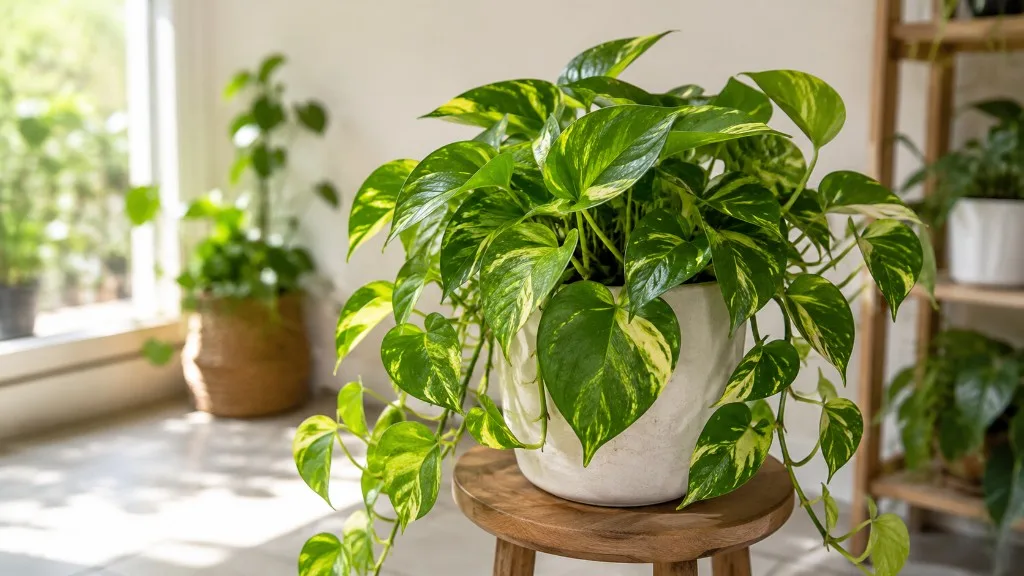
Watering Pothos: Schedule, Soil Checks & Mistakes
Watering Pothos: Schedule, Soil Checks & Mistakes
Pothos watering breaks the calendar habit most new plant owners learn from apps and reminders. Epipremnum aureum is a trailing tropical aroid that stores water in thick stems and heart-shaped leaves. Indoors it tolerates missed drinks better than constant sogginess-but its lush look tricks growers into watering on schedule instead of checking whether the root zone has actually dried.
The non-negotiable rule: water when the top 1 to 2 inches of mix are dry, then soak until excess drains. Not “Tuesday because the app said so.” Not a daily sip because leaves look soft. Dry at depth-then drink, drain, dry again.
This guide covers how often to water, reliable moisture checks, overwatering and underwatering signs, seasonal adjustments, hanging-basket quirks, and how to pull a pothos back when you watered once too often.
Why Pothos Needs Dry-Down Watering More Than Frequent Water
Pothos evolved in warm, humid forest understory where rain drains through airy organic soil within hours. Roots breathe between drinks. When you keep indoor mix continuously moist-especially in low light, oversized pots, or cachepots without drainage-the root zone becomes oxygen-poor.
Clemson HGIC recommends watering pothos when the top 2 inches of soil feel dry and notes that overwatering is a common cause of yellow leaves and root problems. Missouri Botanical Garden lists Epipremnum with a preference for evenly moist but well-drained soil-moist below the surface after a full drink, not wet at all times.
The wilt-on-wet-soil trap separates pothos from many houseplants: limp heart-shaped leaves on heavy damp mix mean failing roots, not thirst. Adding more water accelerates root rot. Underwatered pothos wilts on a light dry pot and usually perks within hours after a thorough soak.
How Often to Water Pothos Indoors
Use these ranges as starting points, then let your pot teach you:
| Season / conditions | Typical interval | Dry-check standard |
|---|---|---|
| Bright warm growth (spring–summer) | Every 7–10 days | Top 2 inches dry |
| Cool dim winter room | Every 14–21 days | Top 2 inches dry |
| Hanging basket in bright window | Every 5–8 days | Top 1–2 inches dry |
| Low-light office shelf | Every 14–28 days | Top 2 inches dry |
A pothos in strong bright filtered light uses water faster than the same cultivar in a dim corner. A small pot dries faster than a recently repotted oversized one. Check every time-the calendar is only a reminder to look.
Best Moisture Checks Before You Water
Finger or skewer test
Push your finger or a dry bamboo skewer 2 inches into the mix near the pot edge-not only the surface crust. If soil clings and feels cool, wait. If it is crumbly and dry, water.
Pot weight
Lift the nursery pot an hour after a known full watering-that is your “wet” baseline. A noticeably lighter pot means dry-down is complete. Weight beats guessing on trailing baskets where foliage hides the soil.
Moisture meter (optional)
Meters help in deep pots if you read at multiple depths. Treat them as one input alongside finger and weight checks-not the only signal.
Signs You Are Watering Too Much
Overwatering is the leading indoor pothos killer. Watch for these together:
- Yellow lower leaves while mix stays damp-not a single old leaf aging out
- Limp vines on wet heavy soil with no perk-up after watering
- Sour or rotten smell when you lift the pot
- Fungus gnats hovering over a surface that never dries-see fungus gnats
- Soft stems at or above the soil line
- Slowed new growth at nodes despite “regular” watering
If several signs appear, pause watering and inspect roots before feeding. Full workflow: overwatering on pothos.
Signs You Waited Too Long
Underwatering is less common but recoverable:
- Wilting on a light dry pot
- Thin, soft green leaves that recover after a full soak
- Dry mix pulled away from pot walls; water runs down the gap
- Crisp brown edges on some leaves after repeated dry cycles
One deep correction beats daily shallow sips that never reach the root ball. See underwatering and wilting for the full dry-pot workflow.
Seasonal Watering Changes
Spring and summer: Active growth in bright light increases water use. Check more often; do not assume last winter’s three-week interval still applies.
Fall and winter: Shorter days and cooler rooms slow growth. The same pot holds moisture longer-overwatering in winter can rot roots even when you watered less often than in summer. Extend intervals and rely on the dry-check, not habit.
After moving light: A pothos moved from shade to a sunny window may need water twice as often. Re-learn dry-down speed after any placement change.
How to Water Pothos Cleanly
- Water evenly across the soil surface until excess runs from drain holes.
- Let the pot drain 10–15 minutes; never leave the root ball sitting in a full saucer.
- Empty cachepots and decorative outer pots within 30 minutes-especially on hanging setups.
- Use room-temperature water to avoid shocking roots.
- Avoid splashing if your tap is high in minerals; see brown tips if edges crisp on new growth.
Wisconsin Extension notes pothos needs excess to drain freely-the goal is a full drink followed by appropriate dry-down, not permanently damp soil.
Hanging Baskets and Trailing Growth
Trailing pothos creates two watering quirks:
Shaded soil surface. Long vines cover the pot; the top inch may look dry while the center stays wet-or stay damp while you assume the whole ball is fine. Always probe 2 inches down.
Double-pot traps. Hanging baskets inside decorative cachepots hold runoff. Lift the inner basket to drain after every watering.
Weight is harder to judge. Compare to a “just watered” lift once so you learn the wet baseline for that specific basket.
Pothos Watering and Light Together
Watering and light are linked. A pothos in dim light uses less water per week; watering on a sunny-window schedule in shade keeps mix wet for weeks. A pothos moved to brighter exposure may need more frequent checks within days.
If soil stays damp more than 7 to 10 days after one drink, investigate low light before adding more water-or less.
Soil and Pot Size Matter
Use light, well-draining potting mix with perlite. Dense peat-heavy soil in an oversized pot stays wet around a small root ball-the classic overwatering setup even when you “wait until dry” at the surface.
Repot into a container only one size up when roots circle. Match pot volume to root mass, not wishful trailing length. Soil guide: /plants/pothos/soil/.
Recovery From Watering Mistakes
Overwatered: Stop watering until the top 2 inches dry. If stems soften or mix smells sour, unpot, trim mushy roots, repot into fresh airy mix. Propagate firm vine cuttings with nodes as backup.
Underwatered: Soak until runoff; repeat once if mix was hydrophobic. Trim fully crisp leaves; wait for turgor return before returning to normal rhythm.
Chronic swing between extremes: Pick one dry-check standard and stick to it for six weeks before changing anything else.
Common Watering Mistakes
- Calendar watering without checking moisture
- Small daily sips that never saturate the root ball
- Leaving saucers full after bottom-watering
- Watering because leaves droop on already-wet soil
- Oversized pots “for growth” that stay wet for weeks
- Fertilizing stressed wet-root plants-fix water first
Practical Weekly Routine
- Day 1: Lift pot; probe top 2 inches.
- If dry: Water thoroughly; drain; log date.
- If damp: Wait; recheck in 3–4 days.
- Monthly: Inspect drain holes, leaf undersides, and new node growth.
- Season change: Reset expectations-winter intervals are longer.
Temperature and Humidity Notes
Pothos prefers 18–29°C (65–85°F) for active growth. Cool rooms below 15°C (59°F) slow water use. Average home humidity (40–60%) is fine; misting does not replace proper dry-down watering.
Conclusion
Pothos is forgiving, but that forgiveness hides watering errors for months. Build a habit of checking the top 2 inches and pot weight before every drink. Water deeply, drain completely, and let the mix dry again. Judge success by firm new leaves at nodes and stable vine color-not by keeping soil constantly dark and cool. When in doubt, wait one more day in a heavy pot rather than adding water to limp leaves on wet mix.
For problem-specific help, see overwatering, root rot, and the pothos overview.
When to use this page vs other Pothos guides
- Pothos overview - Start here for whole-plant context before deep-diving this topic.
- Pothos problems hub - Jump to symptom-specific fix guides when this care topic does not resolve the issue.
- Root Rot on Pothos - Escalate here when watering adjustments are not enough.
- Wilting on Pothos - Escalate here when watering adjustments are not enough.
- Mold on Soil on Pothos - Escalate here when watering adjustments are not enough.