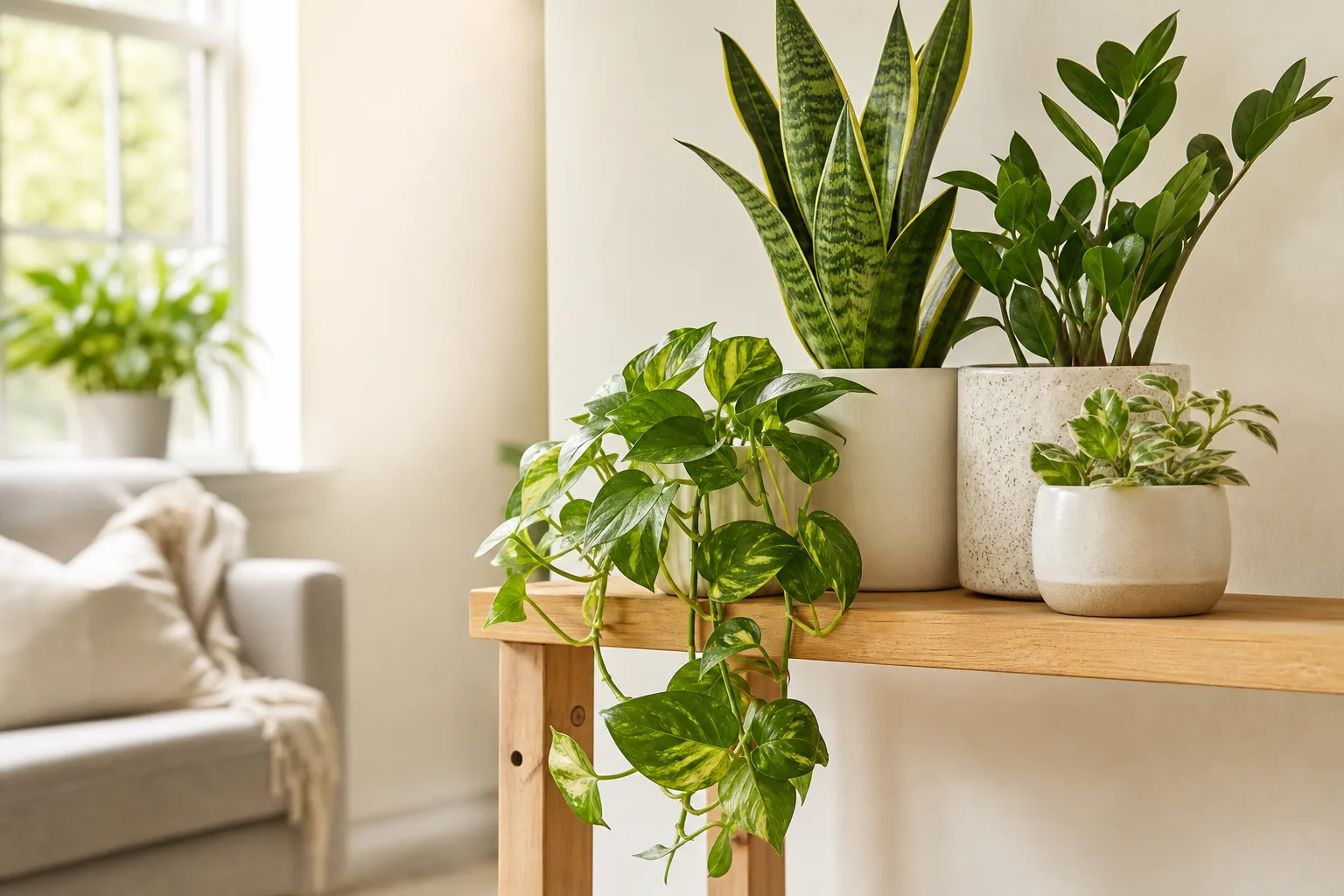
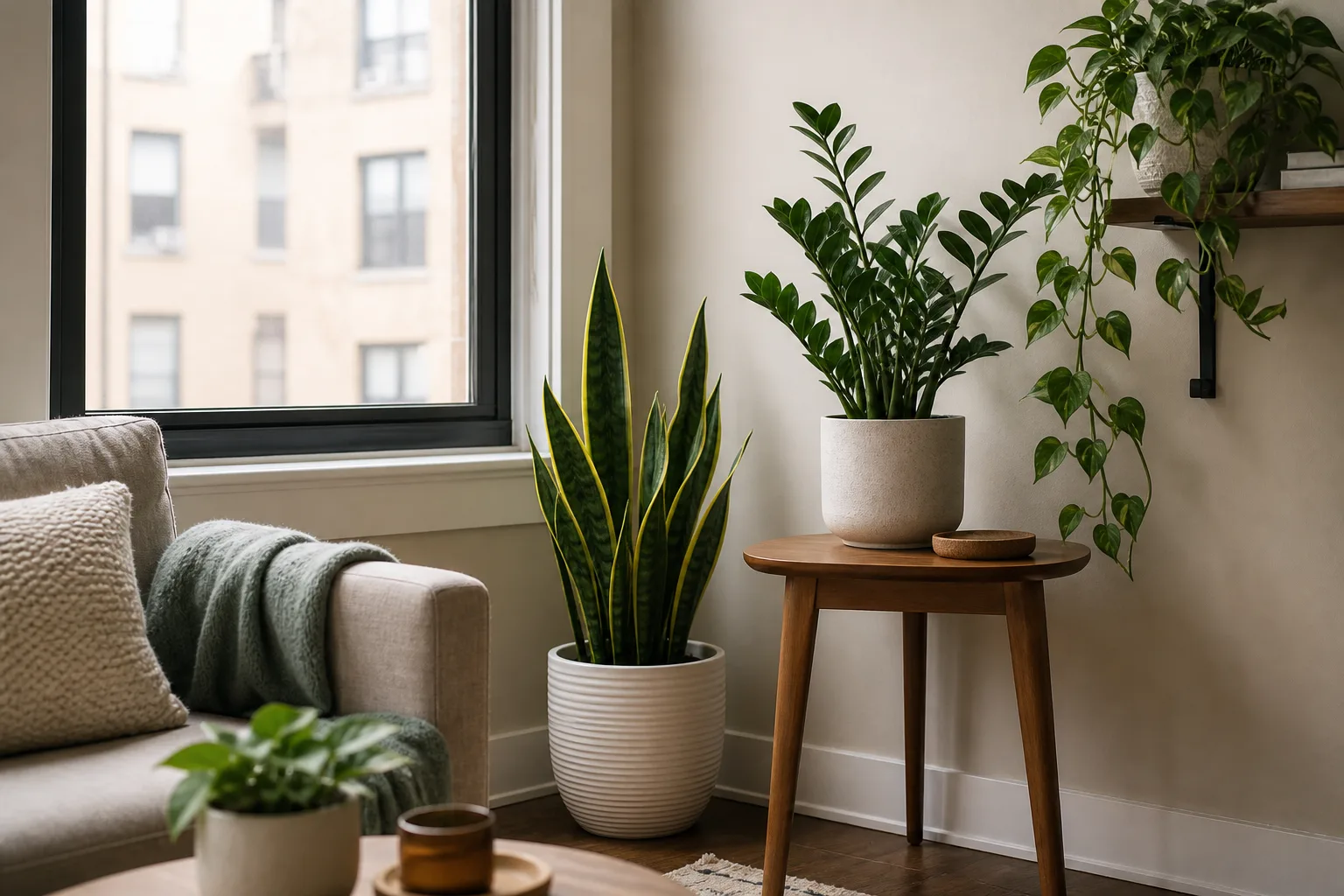
7 Best Bedroom Plants for Better Sleep and a Calmer Room
Discover calming indoor plants for bedrooms, with care tips, placement ideas and realistic sleep-friendly benefits.
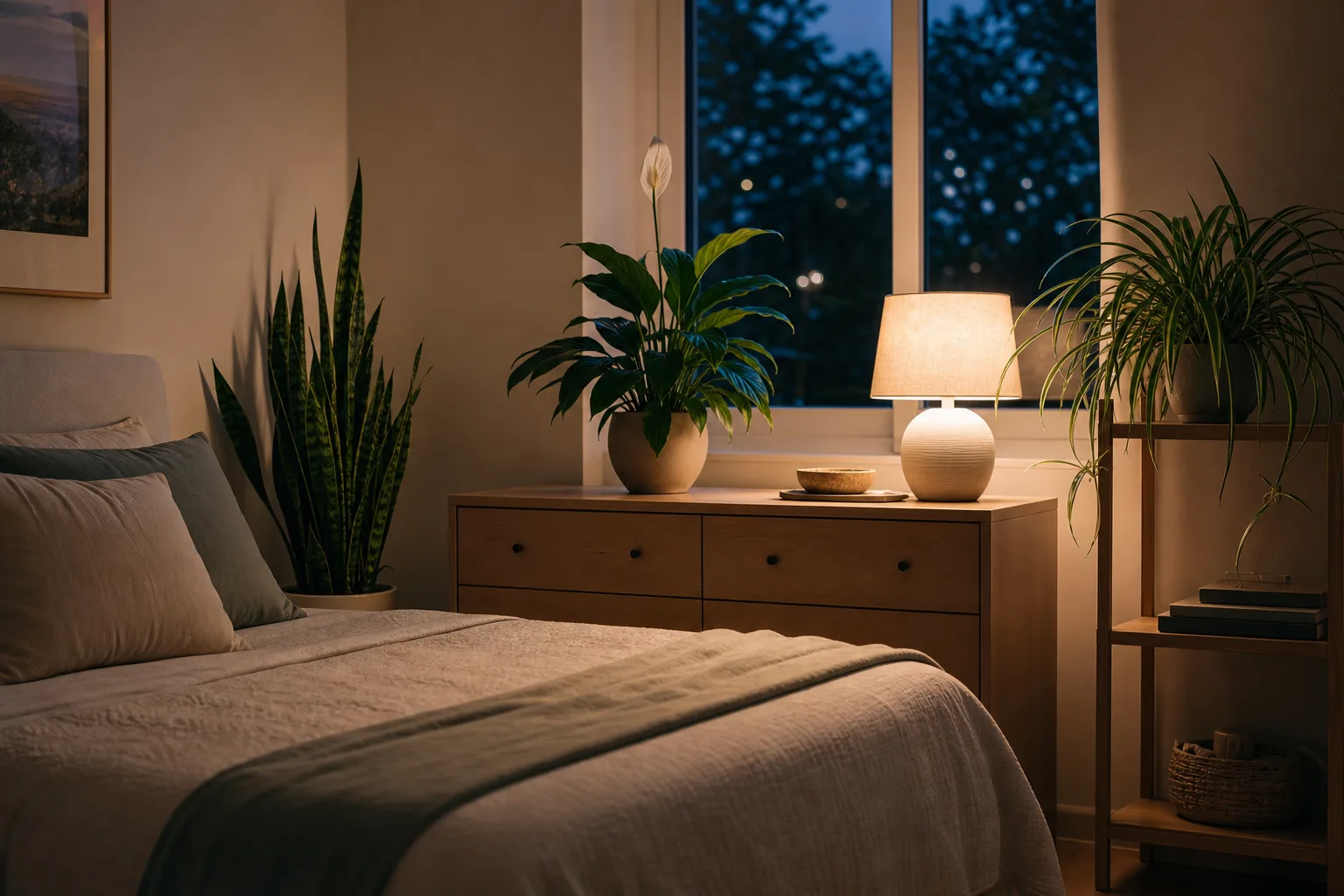
A calming bedroom does not need to look like a spa or smell like a perfume counter. In most homes, one to three well-chosen plants make the room feel softer and easier to settle into at night. If you want the fastest starting point without fragrance drama, begin with spider plant (pet-friendlier) or snake plant (lowest maintenance). The key is matching light, scent tolerance, pets, and how much care you will actually give.
The best calming indoor plants help in three realistic ways: they add a visual nature cue, a few scented picks may support relaxation for people who enjoy gentle fragrance, and plant care can become a small grounding ritual before bed. That is environmental support, not a cure for insomnia. Sleep still depends on timing, darkness, temperature, noise, and habits more than any pot on a dresser. (National Sleep Foundation)
What Bedroom Plants Can and Cannot Do for Sleep
Indoor plants can shape how a room feels, but they should not be treated as medical treatment. Poor sleep can come from stress, caffeine, irregular schedules, pain, sleep apnea, light exposure, or untreated anxiety. A plant cannot solve those alone. What it can do is help you build a room that signals recovery: less visual clutter, a cared-for space, and a brief evening ritual away from screens.
The National Sleep Foundation emphasizes bedroom setup as part of sleep hygiene - reducing light and noise, keeping the room comfortable, and creating a relaxing sleep space. (National Sleep Foundation) Plants fit that idea because they influence how the room feels, not because they override stronger basics like a dark room, comfortable bedding, and good ventilation.
The evidence for stress reduction
Indoor plants can lower short-term stress when people interact with them—transplanting work in one trial reduced diastolic blood pressure versus computer tasks (PMC), and a 2022 systematic review found generally positive effects on human functions with variable strength by outcome (PMC). The bedroom takeaway is nature contact, sensory softness, and routine—not a specific species acting like medicine on contact. For the full evidence-graded breakdown (stress tiers, NASA chamber limits, and air-quality caveats), read top 7 scientifically proven benefits of indoor plants; this page focuses on placement and species fit for sleep spaces.
The limits of sleep and air-quality claims
Houseplants do not meaningfully purify bedroom air in ordinary homes—NASA’s sealed-chamber results and EPA ventilation guidance both point to ventilation and source control, not decorative pots, as what actually moves indoor air quality (NASA Technical Reports Server, US EPA, American Lung Association). Choose a snake plant, peace lily, or spider plant because it looks calming and fits your routine—not because it replaces an air purifier. If the room feels stuffy, address ventilation and moisture before adding another pot.
Sleep claims need the same caution. The Sleep Foundation lists bedroom temperature, light, noise, and comfort as key elements, with many experts pointing to a cool room around 65°F (18.3°C) as a useful reference. (Sleep Foundation) Plants complement that environment; they cannot override late caffeine, bright screens, or untreated snoring. If insomnia persists for weeks, talk with a healthcare provider - plants support the room; they do not diagnose sleep disorders.
How to Choose a Calming Bedroom Plant
The best calming plant is the one that survives your room without creating new problems. A lavender plant declines in a dark bedroom. A peace lily is a poor match if a curious cat chews leaves. Calm is personal, so start with four filters: natural light, fragrance preference, pets or children, and realistic watering time.
Match light, scent, pets, and care time
Light first. South- and west-facing windows suit lavender and aloe vera; north-facing or shaded rooms favor snake plant, peace lily, or spider plant. Flowering jasmine usually needs brighter conditions than tolerant foliage plants.
Scent second. Lavender and jasmine help some people relax but can irritate headaches, asthma, or scent sensitivity. Place fragrant plants a few feet from the bed, not beside your pillow. Prefer scent-free calm? Snake plant, spider plant, aloe vera, peace lily, or areca palm are better fits.
Pet safety third. Check the ASPCA toxic and non-toxic plants list before buying. Spider plant is generally considered non-toxic to cats and dogs; snake plant, peace lily, and aloe vera are toxic or irritating if chewed. (ASPCA) Persistent chewers need safer picks or completely inaccessible placement.
Quick comparison table
| Plant | Best for | Light | Scent | Care | Pet note |
|---|---|---|---|---|---|
| Lavender | Herbal scent, sunny bedrooms | Bright/direct | Strong | Moderate indoors | Toxic to pets if ingested |
| Jasmine | Soft evening fragrance | Bright indirect | Sweet floral | Moderate | Check species; keep out of reach |
| Snake plant | Beginners, low light | Low to bright indirect | None | Very easy | Toxic if eaten |
| Peace lily | Soft low-light calm | Low to medium indirect | Mild when flowering | Easy-moderate | Toxic/irritating to pets |
| Aloe vera | Sunny windows, low water | Bright light | None | Easy | Toxic to pets if eaten |
| Spider plant | Pet-friendlier beginner | Bright indirect; tolerates lower | None | Easy | Generally non-toxic; chewing may upset stomach |
| Areca palm | Lush corner statement | Bright indirect | None | Moderate | Generally pet-friendlier than many palms |
This list differs from our low-maintenance indoor plants for busy homes guide, which prioritizes forget-to-water resilience across the whole home - here the filter is bedroom fit: scent at night, placement, and wind-down ritual. For deeper fragrance culture on lavender and jasmine, see top 5 most fragrant indoor plants.
The 7 Best Calming Indoor Plants for a Restful Bedroom
1. Lavender
Best for: Relaxing herbal scent near a bright window
Difficulty: Medium indoors
Light: Bright light, direct sun often OK
Water: Let top layer dry; excellent drainage
Best placement: Sunny windowsill or side table several feet from bed
Pet safety: Toxic to cats and dogs if ingested (ASPCA)
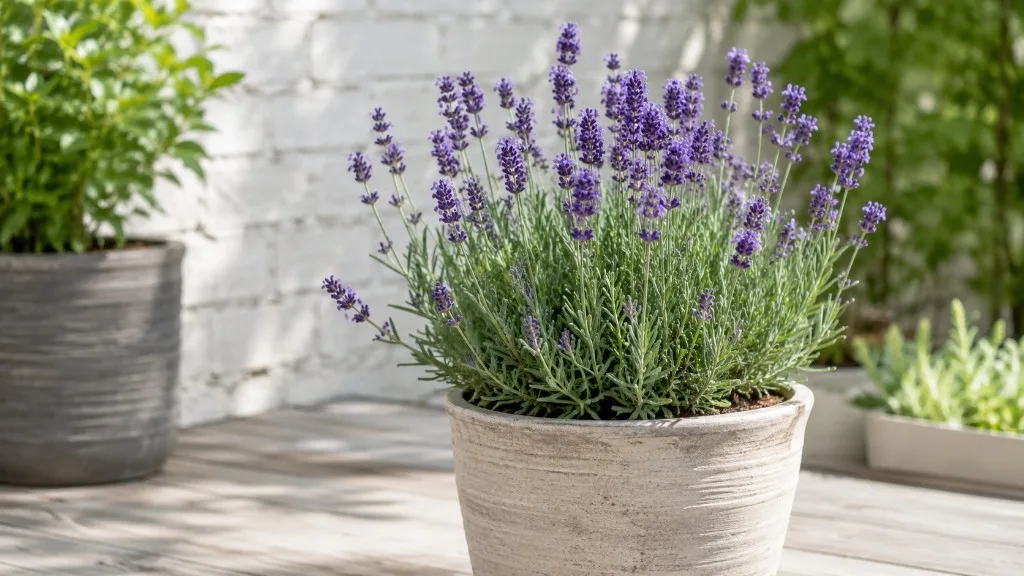
Lavender is the obvious calming pick because its scent is strongly associated with relaxation. Most sleep-related lavender research involves essential oil or aromatherapy inhalation, not a potted plant on a shelf—a 2021 systematic review found aroma inhalation helpful for insomnia with lavender among the strongest single-scent options, but that evidence does not automatically transfer to a live pot at bedside distance. (PMC) Treat a live plant as a gentle scent source, not a proven sleep drug.
Indoors, lavender wants bright light, drainage, and air movement. A dark bedroom is a poor match. Place it on the brightest windowsill, use a pot with drainage, and avoid heavy wet soil. If scent feels sharp, move the pot farther from the bed.
Why it works: Herbal fragrance cues wind-down for scent-tolerant sleepers with adequate light.
Care tip: Rotate weekly so all sides get light; leggy growth means the window is too dim.
Common mistake: Keeping lavender in a humid, low-light bedroom - it declines and stops feeling calming.
Avoid this plant if: Your room is dim, you dislike fragrance, or pets can reach the pot.
Useful care guides:
2. Jasmine
Best for: Soft floral evening fragrance
Difficulty: Medium
Light: Bright indirect; morning sun helps bloom
Water: Consistent; do not let soil go bone dry for long
Best placement: Bright window area, not on the nightstand
Pet safety: Verify species; keep out of pet reach (ASPCA)
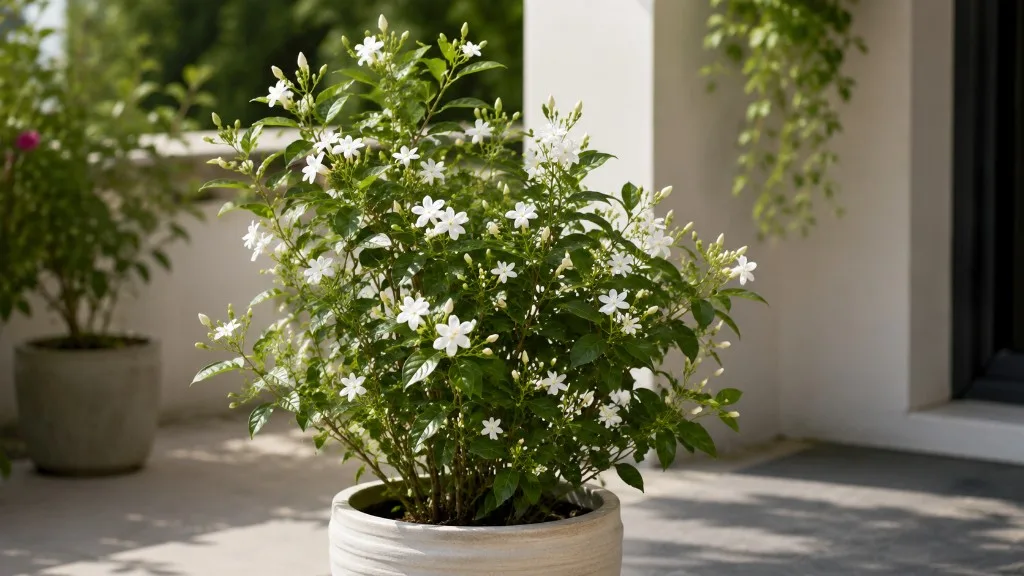
Jasmine - especially Jasminum sambac (Arabian jasmine) indoors - offers a warmer floral scent than lavender. Some odor-and-sleep research exists, but claims for ordinary potted plants are often stronger than evidence supports; treat jasmine as a relaxing fragrance option. (PMC)
Indoors, jasmine needs bright indirect light and steady care. Without flowers in a dark room, you lose much of the reason to choose it. Dark bedrooms wanting bloom may need a grow light - fragrance plants are not low-light plants.
Why it works: Evening bloom and scent support a transition ritual when light is adequate.
Care tip: Prune after flowering to keep a neat bedroom silhouette.
Common mistake: Expecting strong scent from a non-flowering plant in dim light.
Avoid this plant if: You dislike fragrance, share the room with a scent-sensitive partner, or want the easiest pick.
Useful care guides:
3. Snake Plant
Best for: Beginners, low-light bedrooms, scent-free calm
Difficulty: Very easy
Light: Low to bright indirect
Water: Dry thoroughly between waterings
Best placement: Floor corner, dresser side, or narrow space beside wardrobe
Pet safety: Toxic to cats and dogs if ingested (ASPCA)
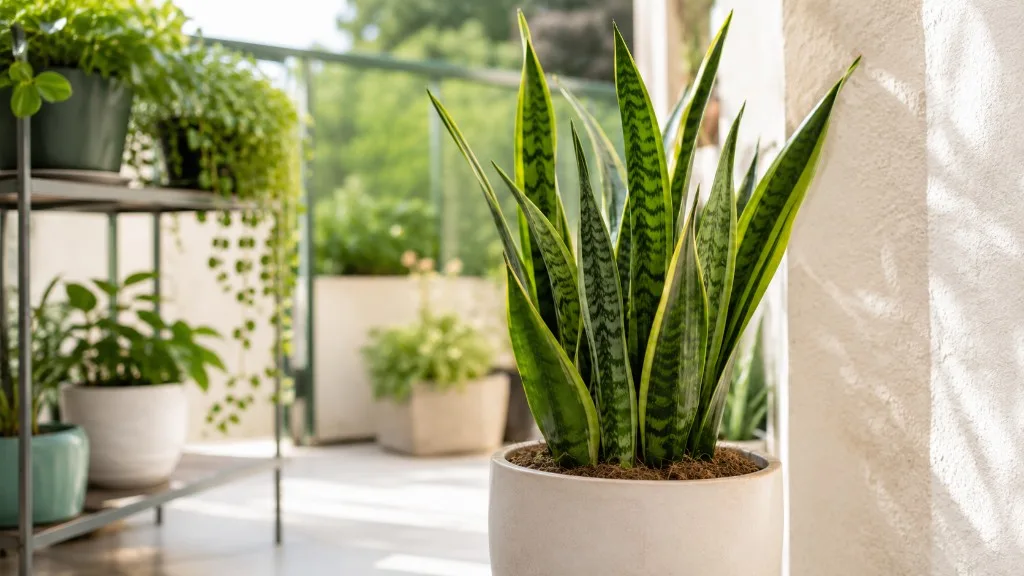
Snake plant adds upright structure without trailing leaves or fragrance. It tolerates lower light better than most houseplants and prefers drying out - ideal if you do not want a demanding bedtime chore. Overwatering is the main killer; use drainage and check soil before watering.
Its bedroom value is low maintenance, sculptural calm, and survival in imperfect light—not sealed-chamber air-cleaning claims debunked in our benefits of indoor plants guide.
Why it works: Visual order and resilience suit busy sleepers who want zero scent.
Care tip: Wipe dust from leaves monthly so the plant stays a clean visual anchor.
Common mistake: Watering on a calendar instead of when soil is dry.
Avoid this plant if: Pets chew plants and you cannot place pots fully out of reach.
Useful care guides:
4. Peace Lily
Best for: Soft, elegant look in lower-light bedrooms
Difficulty: Easy to moderate
Light: Low to medium indirect
Water: Water when slightly dry; avoid soggy soil
Best placement: Dresser, plant stand, or shaded window area
Pet safety: Toxic/irritating to pets if chewed (ASPCA)
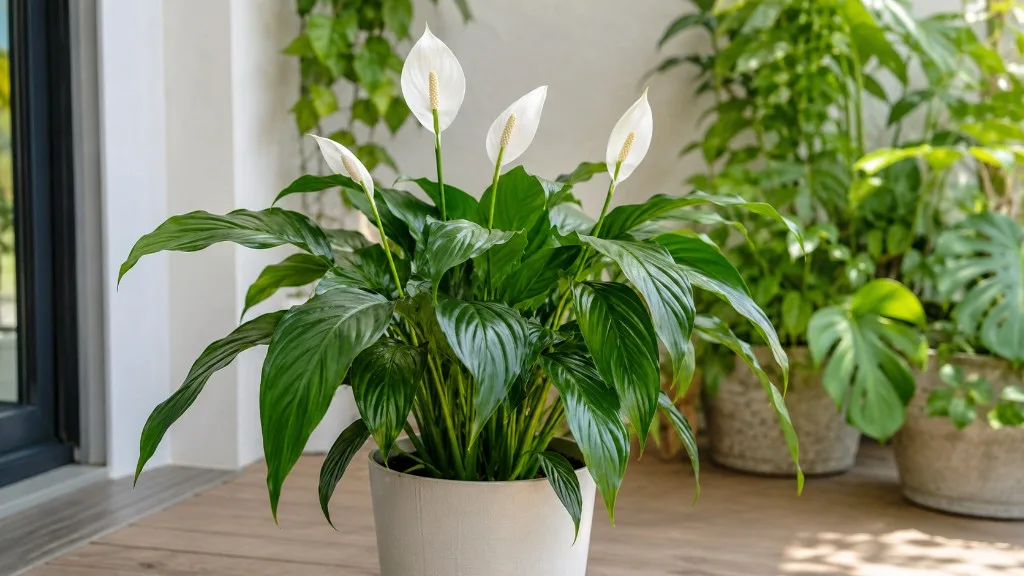
Peace lily looks serene before any wellness claim enters the picture - glossy leaves and white spathes suit bedrooms that want a cleaner, softer aesthetic. The RHS describes peace lilies as popular houseplants with elegant spathes and relatively easy care in indirect light. (RHS)
Peace lilies droop when thirsty, then recover after watering - beginner-friendly feedback, but still vulnerable to root rot if overpotted or kept wet. They may appreciate moderate humidity; see the houseplant humidity guide if leaf tips brown in dry heated bedrooms.
Why it works: Decorative calm in rooms too dim for lavender or jasmine bloom.
Care tip: Use a pot only slightly larger than the root ball to reduce wet-soil risk.
Common mistake: Misting constantly instead of fixing watering rhythm and airflow.
Avoid this plant if: Cats, dogs, or toddlers can reach leaves.
Useful care guides:
5. Aloe Vera
Best for: Bright windows, scent-free minimalism
Difficulty: Easy
Light: Bright light
Water: Succulent rhythm - dry between waterings
Best placement: Sunny windowsill with space for upright leaves
Pet safety: Toxic to cats and dogs if ingested (ASPCA)
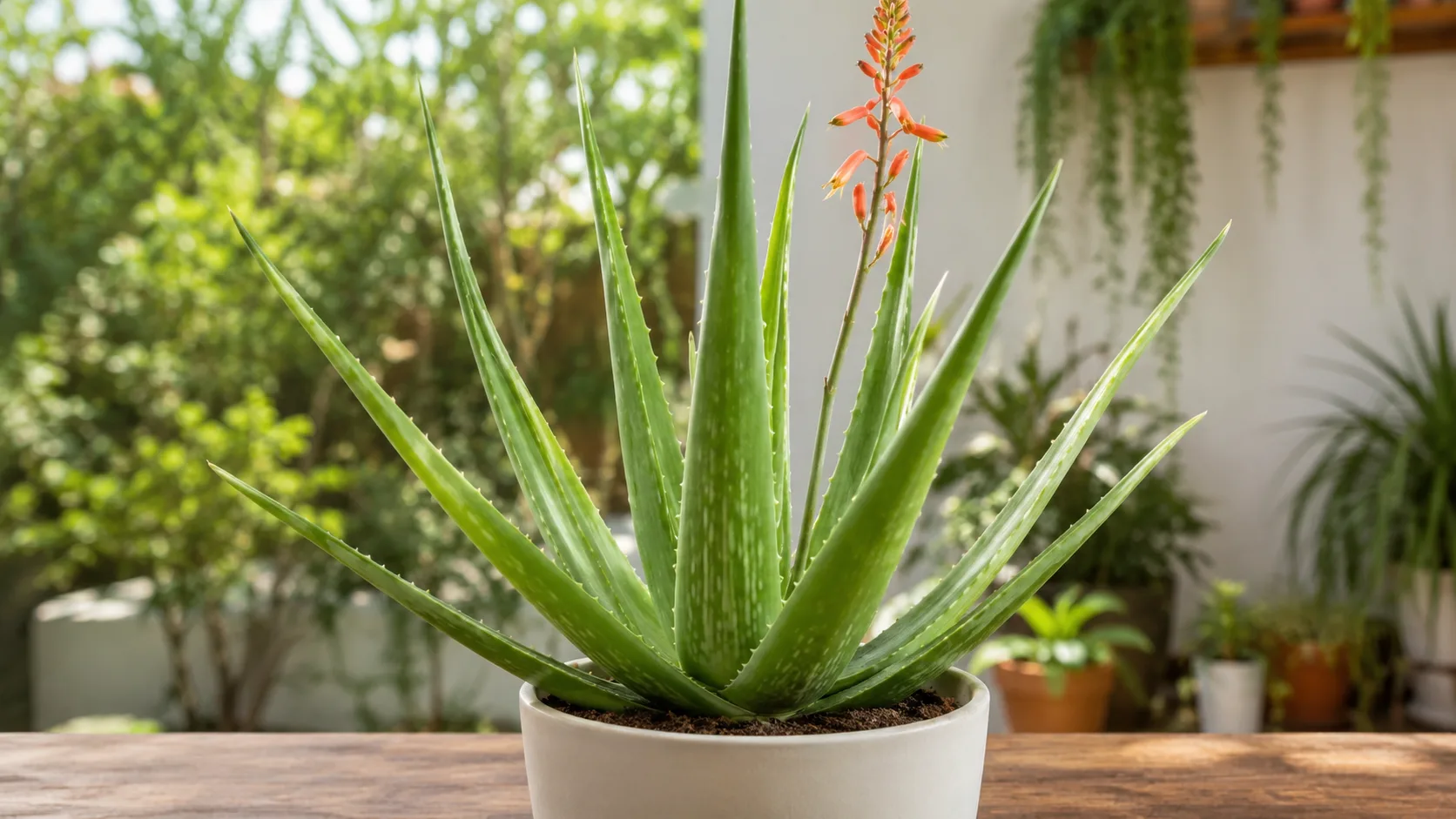
Aloe vera suits modern bedrooms with clean lines and good window light. No fragrance, thick water-storing leaves, and a tidy footprint work well on a bright bedside table - if the sun is strong enough. In dim rooms, aloe stretches and weakens; snake plant or spider plant are easier.
Nighttime oxygen-release claims are overstated for normal bedrooms. Choose aloe because it is low-maintenance and visually quiet.
Why it works: Scent-free greenery for bright bedrooms and infrequent waterers.
Care tip: Use gritty, well-draining mix and a pot with drainage holes.
Common mistake: Treating aloe like a tropical foliage plant that wants constant moisture.
Avoid this plant if: The room has little natural light or pets treat plants as snacks.
Useful care guides:
6. Spider Plant
Best for: Pet-friendlier beginner pick, hanging or shelf softness
Difficulty: Easy
Light: Bright indirect; tolerates lower light
Water: Dry slightly between waterings
Best placement: Hanging basket, high shelf, or bright corner
Pet safety: Generally non-toxic; chewing may cause mild stomach upset (ASPCA)
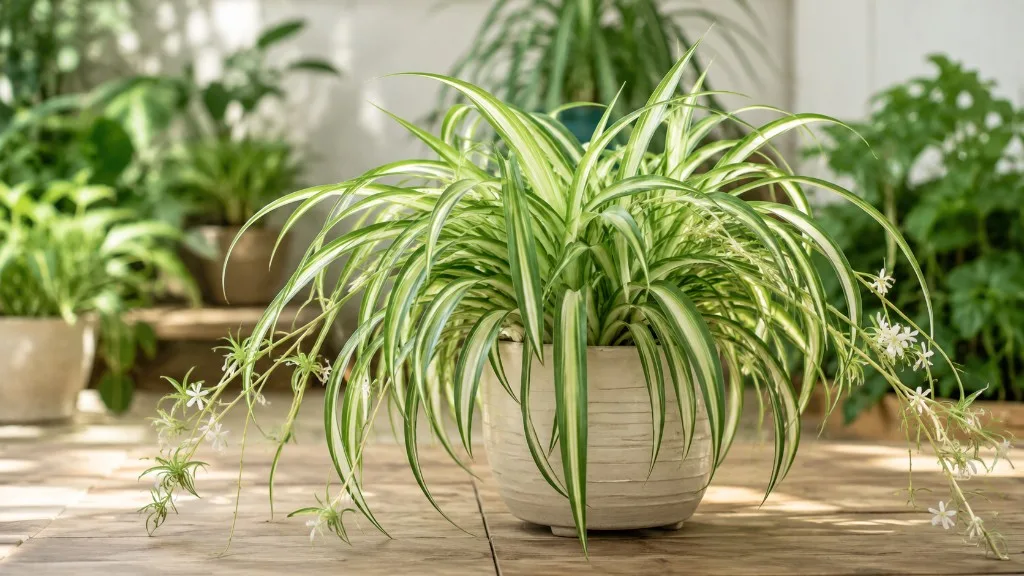
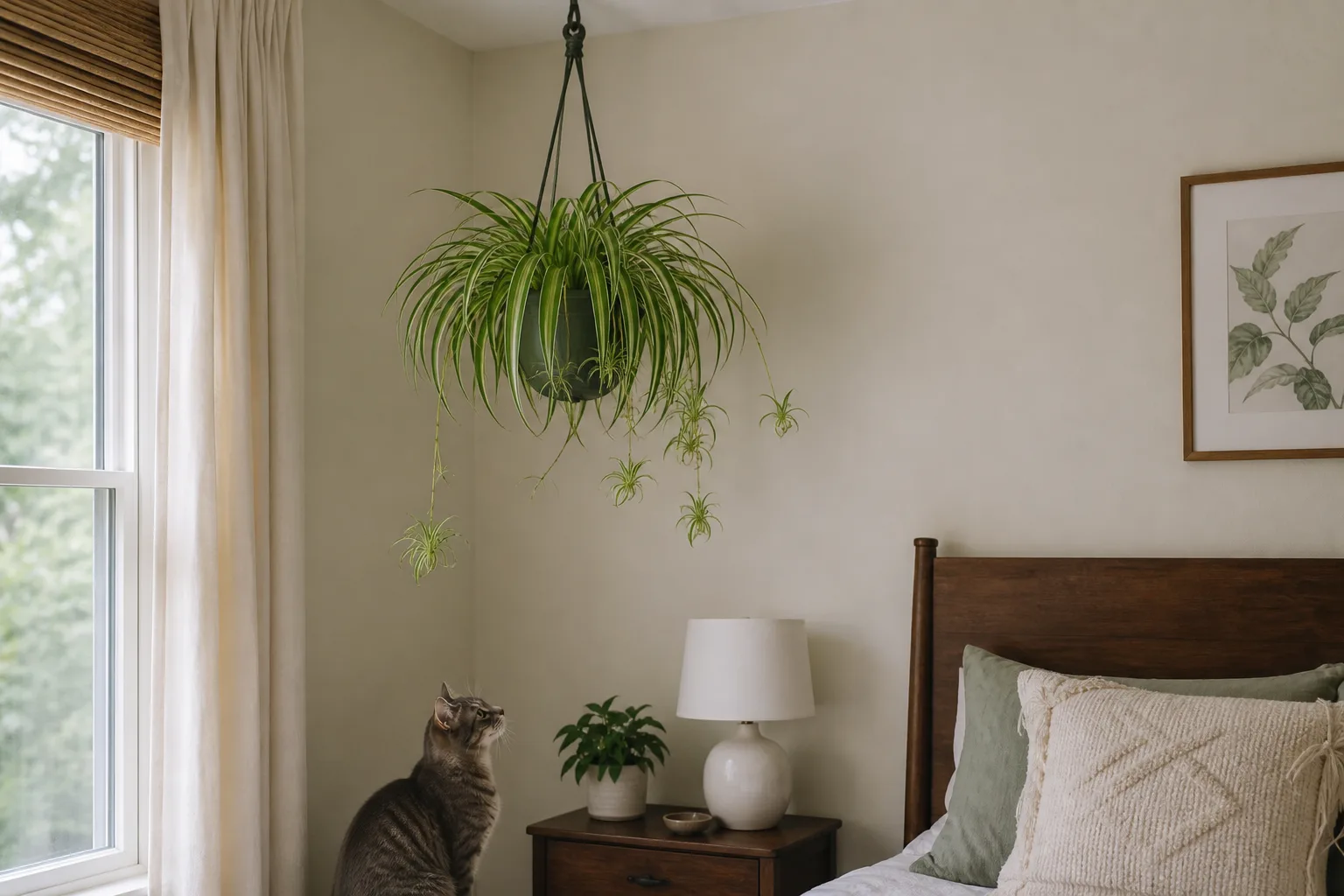
Spider plant is the most livable calming pick for many homes: arching leaves soften shelves, propagation is easy, and ASPCA lists it as non-toxic to cats and dogs - though eating any plant material can still upset a pet’s stomach. (ASPCA) Cats often bat at dangling plantlets, so hanging placement protects both plant and sleepers.
It is not the most dramatic bedroom plant, but it survives imperfect care better than fragrant bloomers - exactly what many first-time bedroom plant owners need.
Why it works: Low scent, forgiving care, and better pet suitability than most popular bedroom picks.
Care tip: Trim brown tips and flush soil occasionally if tap water is mineral-heavy.
Common mistake: Leaving a pot on the nightstand where cats can reach trailing leaves.
Avoid this plant if: You want strong fragrance or a large corner statement plant.
Useful care guides:
7. Areca Palm
Best for: Lush corner retreat in bright bedrooms
Difficulty: Moderate
Light: Bright indirect
Water: Even moisture; avoid bone-dry spells and standing water
Best placement: Empty corner with airflow - needs roughly 2–3 ft of spread at maturity
Pet safety: Generally considered non-toxic to cats and dogs (ASPCA)
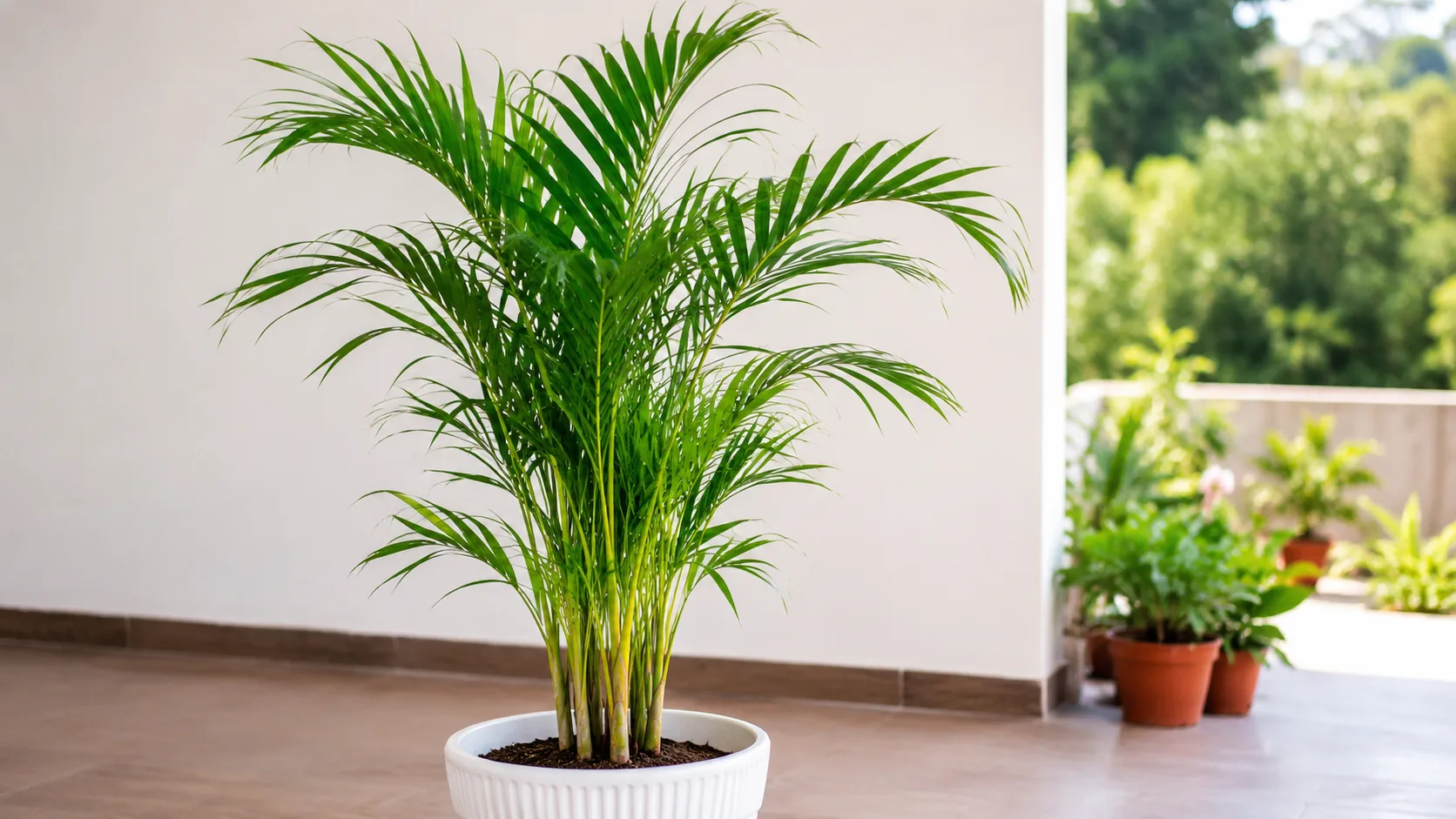
Areca palm transforms a bare, angular bedroom with feathery movement. It wants more consistent moisture and space than snake plant or spider plant. A cramped room where fronds brush the bed will feel cluttered, not calm.
Dry air from heating or AC can brown leaf tips; wiping dust and keeping the pot away from vents helps. For humidity context on palms and peace lilies, pair with the houseplant humidity guide.
Why it works: One large plant can replace several small pots for a cleaner visual.
Care tip: Rotate the pot monthly so fronds grow evenly toward the window.
Common mistake: Squeezing a mature palm into a narrow walkway beside the bed.
Avoid this plant if: The room is small, dark, or you want a tiny bedside plant.
Useful care guides:
Where to Place Plants for a Calmer Sleep Space
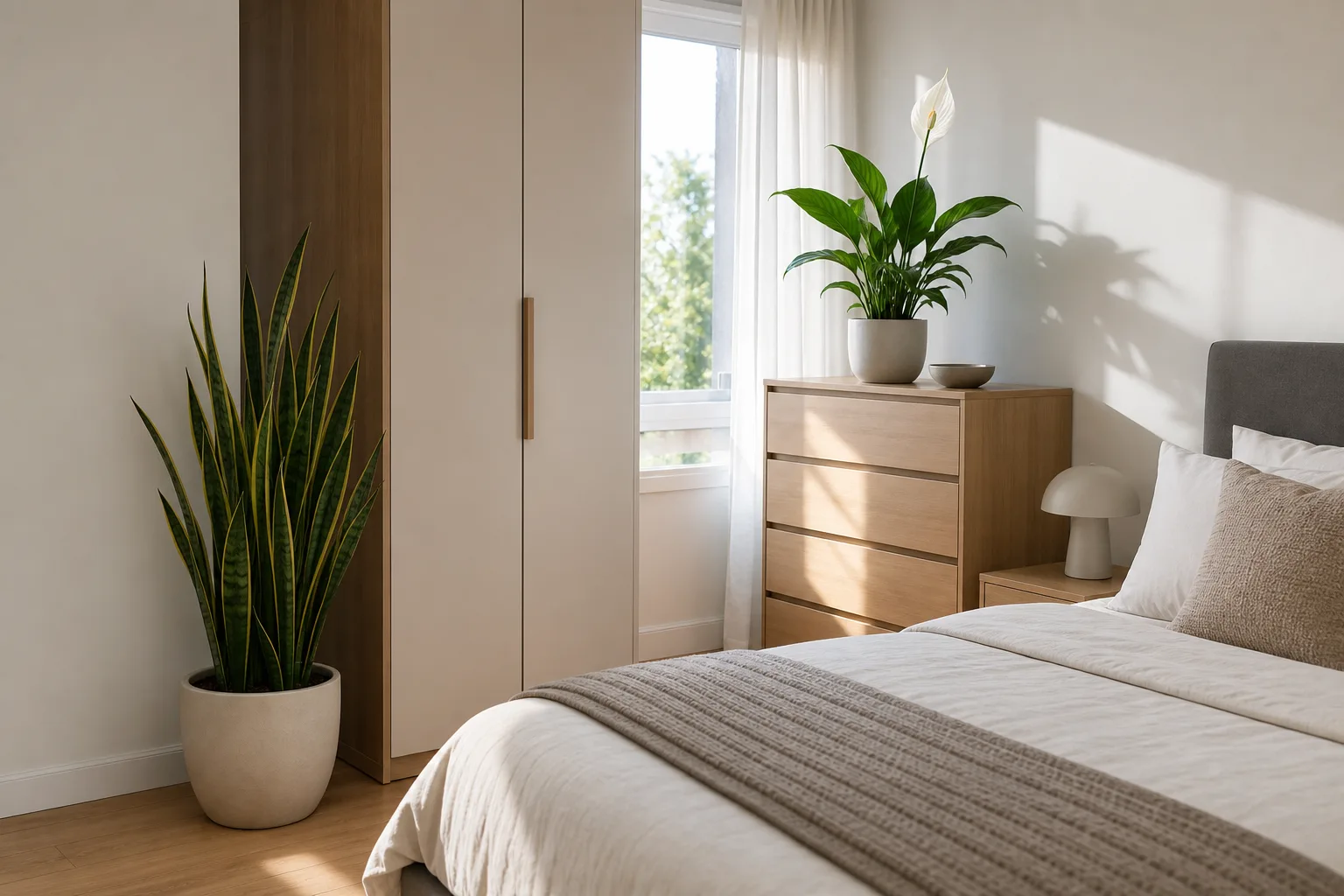
Plant placement matters more than plant count. One healthy plant in the right spot feels intentional; five crowded pots on a nightstand feel like clutter. Keep one to three plants visible during your wind-down but out of the way while you sleep.
Best bedroom spots
Windowsills suit lavender, aloe vera, and jasmine when glass does not scorch leaves or chill roots at night. Dressers and plant stands work for peace lily and spider plant - visible but not beside your face. Corners fit snake plant and areca palm for height without crowding the bed.
Empty saucer water after watering. Hang baskets so they do not drip on bedding. Leave breathing room around each pot for airflow.
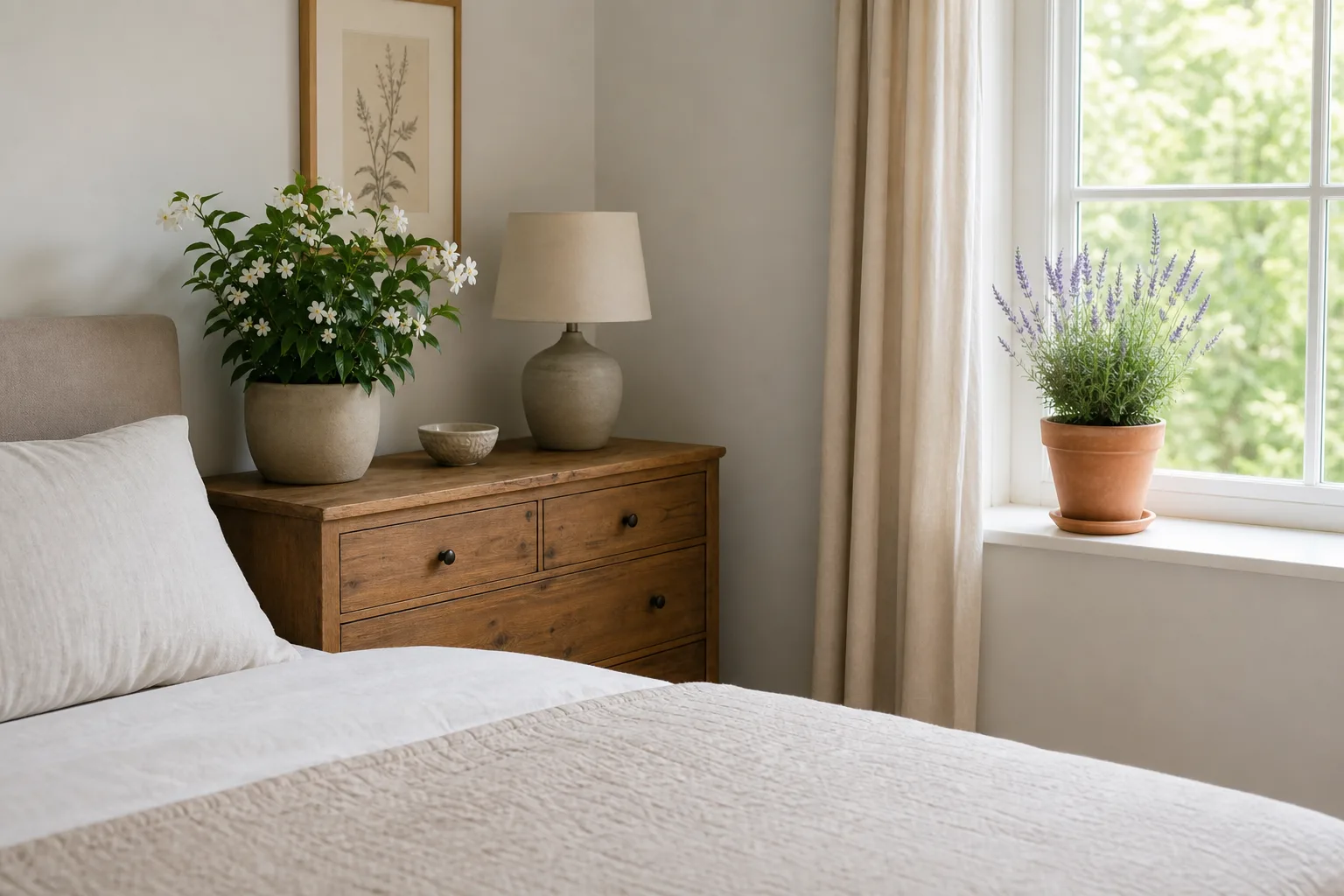
Editor note (scent distance): In a typical 10×12 ft bedroom, we kept potted lavender on a sunny windowsill about 6 ft from the pillow and jasmine on a dresser about 4 ft away. At that distance, scent was noticeable when settling in but faint by morning. With lavender beside the pillow in the same closed room, fragrance felt sharp within 20 minutes. Start fragrant plants 3–5 ft from the bed and move farther if scent builds overnight.
Places to avoid
Avoid strongly scented plants on the nightstand. Lavender and jasmine belong a few feet away so fragrance stays subtle in a closed room. Avoid vents, radiators, and drafty windows that stress plants quickly. More plants do not mean more calm - excess pots raise dust, moisture, and maintenance.
Common Bedroom Plant Mistakes
Most mistakes come from good intentions: too many plants at once, buying for online claims, overwatering to “care,” or ignoring light and pets. A declining plant becomes another worry - the opposite of a calming bedroom.
Overwatering, strong scents, and poor airflow
Wet soil causes root rot, fungus gnats, and musty smells in a room where you breathe for hours. Check soil before watering; most bedroom plants want a wet-dry rhythm, not constant dampness.
Mixing scented candles, essential oils, room sprays, and fragrant plants in one small bedroom can overwhelm scent-sensitive sleepers. Choose one scent layer.
Poor airflow plus several watered plants can encourage mold. Plants do not replace ventilation - if you see condensation or musty odor, reduce moisture sources and address the room directly.
Ignoring pets, allergies, and mold risk
Decide pet safety before purchase using the ASPCA plant list. Peace lily, snake plant, and aloe vera are common toxic bedroom picks; hanging baskets and closed doors help only if pets cannot reach them. For ingestion concerns, contact your veterinarian or ASPCA Animal Poison Control at (888) 426-4435 (fee may apply). (ASPCA)
Allergies to pollen, moldy soil, dust on leaves, or fragrance can disrupt sleep. Choose low-fragrance plants, wipe leaves, and remove dead material promptly.
A Simple Plant-Based Night Routine
The real benefit often comes from the routine plants support. Use them as a cue to start winding down: lights lower, phone away, one minute checking the plant instead of a feed.
A practical 10-minute wind-down setup
Lower harsh overhead light to a warm lamp. Spend one minute observing your plant - is soil dry? Is there standing water in the saucer? Are leaves dusty? That small task pulls attention into the room.
Ventilate briefly when outdoor air is safe; airflow matters more for air quality than pots. Clear the nightstand so one plant is not buried in clutter. Place the plant where you can see it from bed without it blocking movement.
Pair the visual cue with one repeatable habit: paper book, gentle stretch, five minutes of journaling, or breathing exercises. Over time, the room associates with slowing down - not scrolling.
Related Guides
- Top 7 scientifically proven benefits of indoor plants - stress, mood, and air-quality evidence with honest limits
- Low-maintenance indoor plants for busy homes - forget-to-water picks that overlap four species here but without bedroom placement focus
- Top 5 most fragrant indoor plants for your home - deeper lavender and jasmine fragrance culture
- Grow lights complete guide for indoor plants - when a dark bedroom still wants flowering scent plants
- Houseplant humidity guide - dry-air context for peace lily and areca palm in heated bedrooms
- How to water indoor plants the right way - soil-check habits that prevent bedroom overwatering
Conclusion
Start with one plant that matches your light, scent tolerance, and household safety needs - usually spider plant or snake plant for beginners, lavender or jasmine only if you have bright light and enjoy fragrance. Use plants honestly: they can make a bedroom feel calmer and support a wind-down ritual; they cannot cure insomnia, replace ventilation, or fix poor sleep habits. When you choose a species, open its LeafyPixels care hub for watering, light, and problem-specific depth beyond this bedroom shortlist.