Winter Monstera Care: Light, Water, Humidity and Growth Tips
Adjust Monstera care in winter with smarter watering, better light, humidity checks and cold-draft protection.
Why Winter Changes Everything for Monstera
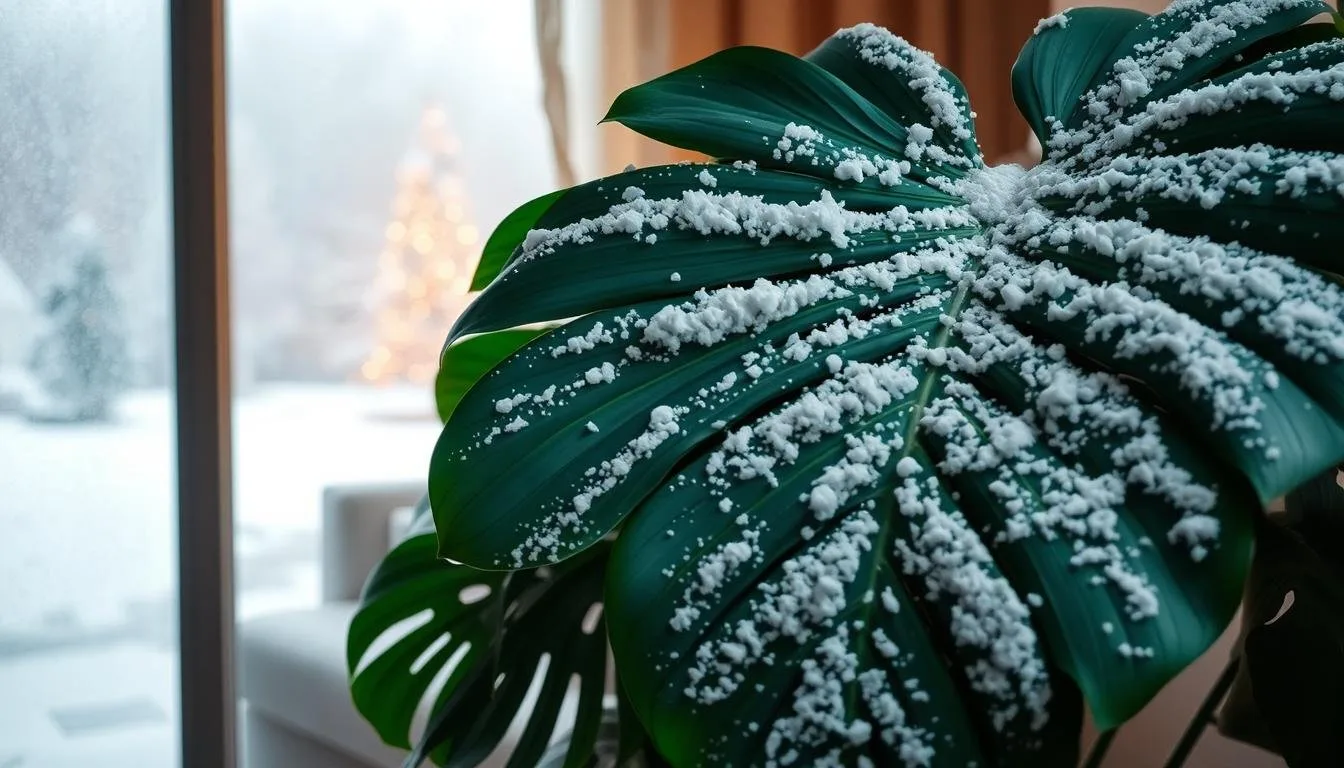
Winter Monstera care is not about doing more. It is about doing less, but doing it more precisely. Your Monstera deliciosa is a tropical climbing vine from Mexico to Panama that expects filtered light, steady warmth, and humid air. Indoors in winter, that environment gets replaced by shorter days, colder glass, dry forced-air heat, and potting mix that stays wet longer than it did in summer. (NC State Extension)
Picture a common failure mode: a healthy Monstera sat six feet from a north window all summer, watered every ten days, looking great. In January the same schedule leaves the soil soggy for two weeks, lower leaves yellow, and new growth stops entirely. Nothing changed in your habits. The season changed the plant’s math.
If you remember one principle, make it this: winter lowers your Monstera’s margin for error. Lower light means slower growth. Slower growth means slower water use. Dry air stresses leaf edges. Cold drafts compound both problems. A stable winter routine keeps the plant warm, bright enough, lightly moist, and out of blast zones from heaters and windows. (RHS)
For year-round watering depth, light placement, and repotting mechanics, use the Monstera deliciosa care hub. This guide is the seasonal overlay only.
Light Comes First in Winter
Light is the first thing to fix because it drives nearly everything else. When light drops, photosynthesis drops with it. Your Monstera has less energy for growth, uses water more slowly, and has less resilience against stress. University of Minnesota Extension notes that supplemental lighting may be necessary for houseplants in winter and suggests roughly 12 to 14 hours of light per day when natural light is not enough. (University of Minnesota Extension)
For most homes, the best winter move is simple: put your Monstera in the brightest spot with indirect light. In summer, that may be several feet back from a window. In winter, it often needs to move closer because the sun is weaker and days are shorter. The goal is stronger usable light without pressing leaves against freezing glass or blasting them with direct midday sun through cold panes. RHS guidance for Swiss cheese plants stays consistent: bright but indirect light, warm conditions, and protection from cold drafts and radiators. (RHS)
A grow light is not overkill in a dim room. It is a practical correction when the plant stretches toward the window, new leaves shrink, or fenestrations on fresh growth disappear. In very low light, RHS notes that Monstera leaves tend to have fewer holes - a winter-specific clue that light, not fertilizer, is the missing piece. (RHS)
Signs Your Monstera Needs More Light
A Monstera short on light usually tells you before it collapses. You may see longer gaps between leaves, smaller new foliage, weaker fenestrations, or a plant that leans hard toward the nearest window. In more serious cases, soil stays wet too long because the plant is not using water efficiently, and yellowing can follow even if your watering habits have not changed. (University of Minnesota Extension)
The trap is assuming a droopy plant needs more water when it really needs more light. That is how winter overwatering starts. When in doubt, improve light first, then reassess moisture and growth over the next two weeks. Light is upstream of most winter symptoms. (University of Minnesota Extension)
Grow-Light Basics for Monstera
You do not need a commercial grow room. A basic full-spectrum LED placed above the canopy, running on a timer for 12 to 14 hours daily, matches what University of Minnesota Extension recommends for winter houseplants. Position the fixture close enough that leaves look evenly lit, but far enough that heat does not bake the foliage. (University of Minnesota Extension)
Rotate the pot every few weeks so each side gets equal access to the light source. For fixture selection and placement math, see the complete grow lights guide. If you add a grow light and the plant resumes steady new growth, you can keep winter watering conservative - more light does not mean more water on the same calendar.
Watering: The Biggest Winter Make-or-Break Factor
If light is the first lever, watering is the biggest risk. In winter, Monsteras usually need less frequent watering, not because they dislike water, but because they are using it more slowly. RHS recommends watering slightly less often over winter and letting the compost become almost dry before watering thoroughly. (RHS)
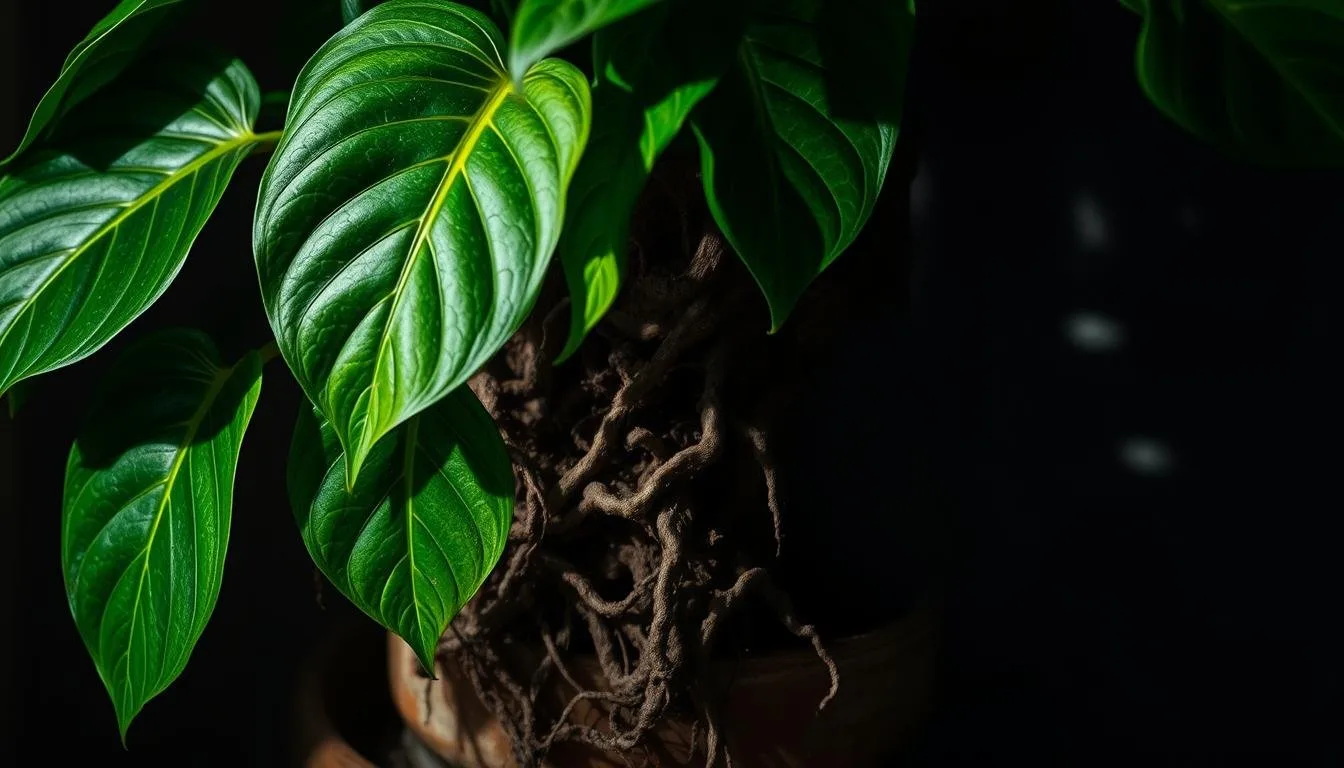
The right winter rhythm is based on soil dryness, not the calendar. NC State Extension advises watering thoroughly, then allowing the top quarter to one-third of the mix to dry before the next round - language that maps well to the finger-test many growers use on the Monstera watering page. Water deeply when needed, let excess drain out, and never let the pot sit in standing water. (NC State Extension)
The most common winter mistake is emotional watering. Leaves droop a little. The room feels dry. The plant has not grown in weeks. So you water again, hoping to restart it. Winter slowdown is normal. More water does not create more light. It creates wet soil, and wet soil in low light is where root problems start. For full watering mechanics year-round, see watering Monstera deliciosa.
How to Avoid Root Rot When Growth Slows
Root rot prevention in winter comes down to four things: lighter watering frequency, free drainage, enough light, and no standing water. A Monstera in dim conditions with dense soil is far more vulnerable than the same plant in bright light with airy mix. That is why people sometimes blame winter itself when the real issue is a summer-style watering routine that no longer fits winter conditions. (RHS)
Watch for the pattern, not one symptom. Overwatered winter Monsteras often show yellowing leaves, lingering droop despite wet soil, musty-smelling mix, or dark mushy roots if you inspect them. Fungus gnats can also appear because persistently damp soil helps them breed. When those signals stack together, reduce watering, improve light, and confirm the pot drains freely. Do not balance overwatering by watering smaller amounts on the same schedule. Fix the cycle. (NC State Extension)
Humidity Without Creating a Mold Problem
Monsteras like moderate to high humidity, but winter indoor air is often much drier than their preferred range. Penn State Extension notes that indoor relative humidity can easily fall below 30% during the heating season, while ASHRAE guidance cited there recommends maintaining indoor RH between 30% and 60% for human comfort. Your Monstera may want more humidity than your whole house should be pushed to. (Penn State Extension)
That is the useful middle ground. Do not try to turn your whole home into a greenhouse. Build a microclimate around the plant instead. A humidifier nearby is the most effective option. Grouping plants together helps modestly. Penn State Extension is skeptical that pebble trays or misting raise room humidity meaningfully - misting’s effect lasts only minutes - so treat those as minor supplements, not primary fixes. (Penn State Extension)
Dry air shows up fastest at the leaf margins. Crispy tips, curling edges, and dull foliage are early signs. Humidity is rarely the only factor, though. Brown tips can also come from inconsistent watering, salt buildup, or cold stress. For Monstera-specific humidity targets, see Monstera humidity needs and the hub’s low humidity problem page.
Temperature, Drafts, and Heater Damage
Monsteras want stable warmth. RHS recommends keeping Swiss cheese plants around 18–25°C (65–77°F) and away from cold draughts and direct heat such as radiators. NC State Extension lists a similar indoor range of 60 to 85°F. That single line explains a huge share of winter damage. (RHS)
A bright window can be ideal by day and hostile at night if leaves press against cold glass. Keep foliage at least a few inches back from the pane on freezing nights, or pull the pot inward after sunset if the sill gets cold. Likewise, a warm room can still be hostile if a heating vent dries one side of the plant every few minutes. Winter Monstera care is about micro-zones inside the room, not just the thermostat reading. (RHS)
Cold stress often shows up as droop, blackened spots, limp tissue, or sudden decline after exposure to a draft. Dry heat stress looks different: curling, crisp edges, and fast moisture loss. Move the plant out of blast zones, keep it warm, and stop forcing brightness at the cost of temperature stability.
Should You Fertilize a Monstera in Winter?
Usually, pause fertilizer or reduce it sharply. RHS recommends a balanced liquid fertilizer monthly when in growth, from April to September, and keeping the plant just moist in winter. Feeding makes sense when the plant is actively building new tissue. In winter, many indoor Monsteras slow down enough that fertilizer is unnecessary, especially in low light. (RHS)
This is where people get impatient. The plant looks stalled, so they feed it to wake it up. Nutrients do not replace sunlight. Excess fertilizer in winter can contribute to salt buildup and leaf-tip burn, especially if watering is light and the soil is not flushed thoroughly. If your Monstera is clearly still growing in a warm, bright setup with a grow light, a weak feeding may be reasonable. If it is mostly holding steady, waiting until late winter or early spring is safer. See fertilizing Monstera deliciosa for year-round schedules. (RHS)
A clean rule: feed growth, not hope. New leaves, active extension, and brighter days justify cautious feeding. Stalled growth in a dim room does not.
Soil, Drainage, and Pot Size Still Matter
Winter care is often framed as light and water, but the potting setup underneath both matters just as much. A Monstera in dense, slow-drying mix is harder to water correctly in winter than one in chunky, breathable media. NC State Extension notes that roots can rot when they remain waterlogged, and RHS advises an open, well-drained compost. (NC State Extension)
Pot size matters because excess soil holds excess moisture. A pot that is too large creates a long dry-down cycle, which raises the odds of winter overwatering. University of Minnesota Extension warns that repotting into a container more than 2 to 3 inches larger in diameter can increase root rot risk because the extra mix stays wet too long. That does not mean Monsteras must be rootbound - the container should match the root mass closely enough that the plant can use water at a sensible pace. (University of Minnesota Extension)
Drainage holes are non-negotiable. Decorative cachepots are fine only if you remove excess water after watering. For mix recipes and drainage checks, see the Monstera soil topic page.
Leaf Cleaning, Airflow, and Everyday Maintenance
Dust matters more in winter than people think. Less daylight means every bit of usable light counts, and dusty leaves capture less of it. University of Minnesota Extension notes that winter dust can settle on leaves and block light absorption, and that wiping leaves helps plants take in more light. RHS makes the same point for Swiss cheese plants. (University of Minnesota Extension)
A simple wipe with a damp cloth every couple of weeks keeps leaves efficient and makes it easier to notice pests early. You will spot stippling from mites, sticky residue, or early yellowing faster when you are already handling the leaves gently. For technique, see how to clean Monstera leaves.
Airflow matters too, but airflow is not the same as drafts. You want the room to avoid feeling stale, not a cold current blowing across the plant. That balance reduces some pest pressure and helps moisture behave more predictably around foliage and soil surface.
Moss Poles, Aerial Roots, and Structural Support
Monsteras are climbers. Missouri Botanical Garden describes them as woody perennial vines that climb impressively in native habitat and remain vining indoors. A supported Monstera often holds its form better and can position leaves for light more effectively. (Missouri Botanical Garden)
A moss pole or sturdy support is useful if the plant is top-heavy or producing aerial roots searching for structure. Those aerial roots are normal - not a crisis signal. In dry heated rooms, aerial roots and moss poles can dry out faster than the potting mix; a quick check during your weekly routine prevents brittle, desiccated roots that cannot attach. You can guide aerial roots toward moist support, leave them alone, or tuck some into the pot if practical.
Winter is not the best season to aggressively restyle a large Monstera unless you need to. Gentle repositioning onto support is fine. Major root disruption plus hard pruning plus weak winter light is a rough combination. For aerial root behavior year-round, see the Monstera aerial roots guide.
Repotting, Pruning, and Propagation in Winter
For most Monsteras, winter is not prime repotting season. Reduced light and slower growth increase stress and the risk of overwatering after a repot. University of Minnesota Extension notes repotting can happen any time of year, but also flags that oversized pots and cold-season slowdown make winter repots harder to manage. (University of Minnesota Extension)
Repot in winter only if there is a real reason: root rot, severe compaction, pests in the mix, broken pot, or a plant so rootbound that water management is impossible. If the reason is convenience, wait. Spring gives more light, more energy, and better recovery odds. See when and how to repot Monstera for step-by-step timing.
Pruning is different. Removing a yellowing or clearly spent leaf is fine. Heavy propagation or hard pruning is better saved for active growth unless you have warmth, strong light, and healthy roots. Winter propagation can work, but it is slower and less forgiving.
Winter Pests and Disease Pressure
Winter does not always reduce pest problems. In many homes it increases them. University of Minnesota Extension lists spider mites, mealybugs, scale, fungus gnats, and whiteflies as common indoor pests, and notes that indoor plants lack natural predators to keep populations in check. Spider mites love dry indoor air. Fungus gnats thrive when soil stays wet too long. Mealybugs hide where stems meet leaves. (University of Minnesota Extension)
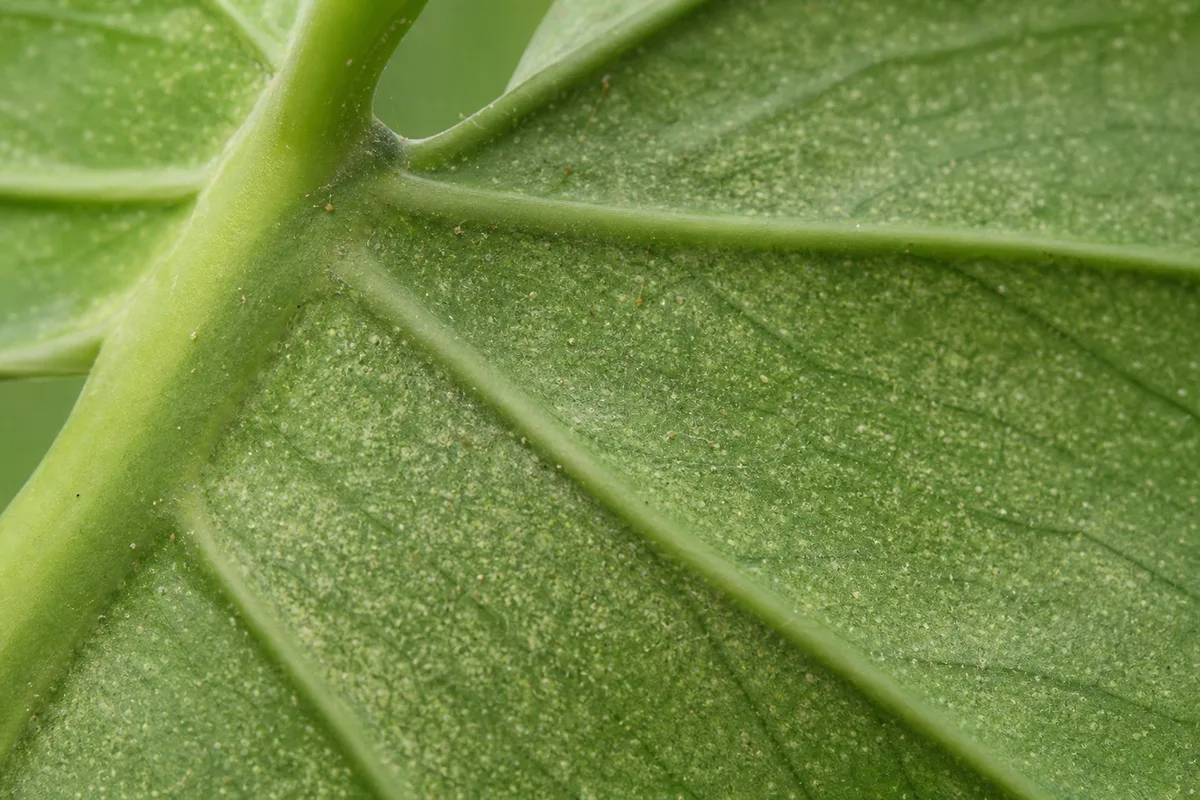
The real defense is plant stability: enough light, sensible humidity, cleaner leaves, and regular inspection. Once pests are established, they are always more annoying than prevention. Inspect undersides of leaves, stem joints, and the top layer of soil. If you find webbing or stippling, see the Monstera spider mites page. Isolate affected plants before treatment.
How to Fix Yellow Leaves in Winter
Yellow leaves are a symptom, not a diagnosis. In winter, the most common causes are overwatering, insufficient light, cold stress, natural aging, nutrient imbalance, or pests. Start with the simplest question: is the soil staying wet too long? If yes, reduce watering frequency, increase light, and confirm the mix drains well. (RHS)
If the yellow leaf is one old lower leaf and the rest of the plant looks fine, that may be natural turnover. If several leaves yellow at once and the pot feels heavy for days, treat that as a watering and root-zone issue until proven otherwise. For deeper triage, see not enough light and why Monstera leaves turn yellow.
Then check location. A Monstera near a cold window, door draft, or heater may yellow from environmental stress even if watering is okay. Finally, inspect for pests. Winter yellowing often looks mysterious until you combine the clues: dim light, wet soil, cool stress, and no growth.
Normal Winter Slowdown vs. Real Decline
| Signal | Normal winter slowdown | Decline - act now |
|---|---|---|
| New growth | Paused or very slow; existing leaves firm | No new growth plus widespread yellowing or soft stems |
| Soil dry-down | Slower than summer but still cycles dry | Stays wet 10+ days; musty smell |
| Leaf color | Older lower leaf may yellow once | Multiple leaves yellowing at once |
| Roots | White tips when checked; firm stem | Mushy roots, black base, foul odor |
| Pests | None seen on weekly wipe | Webbing, stippling, sticky residue |
How to Fix Brown Tips, Black Spots, and Curling
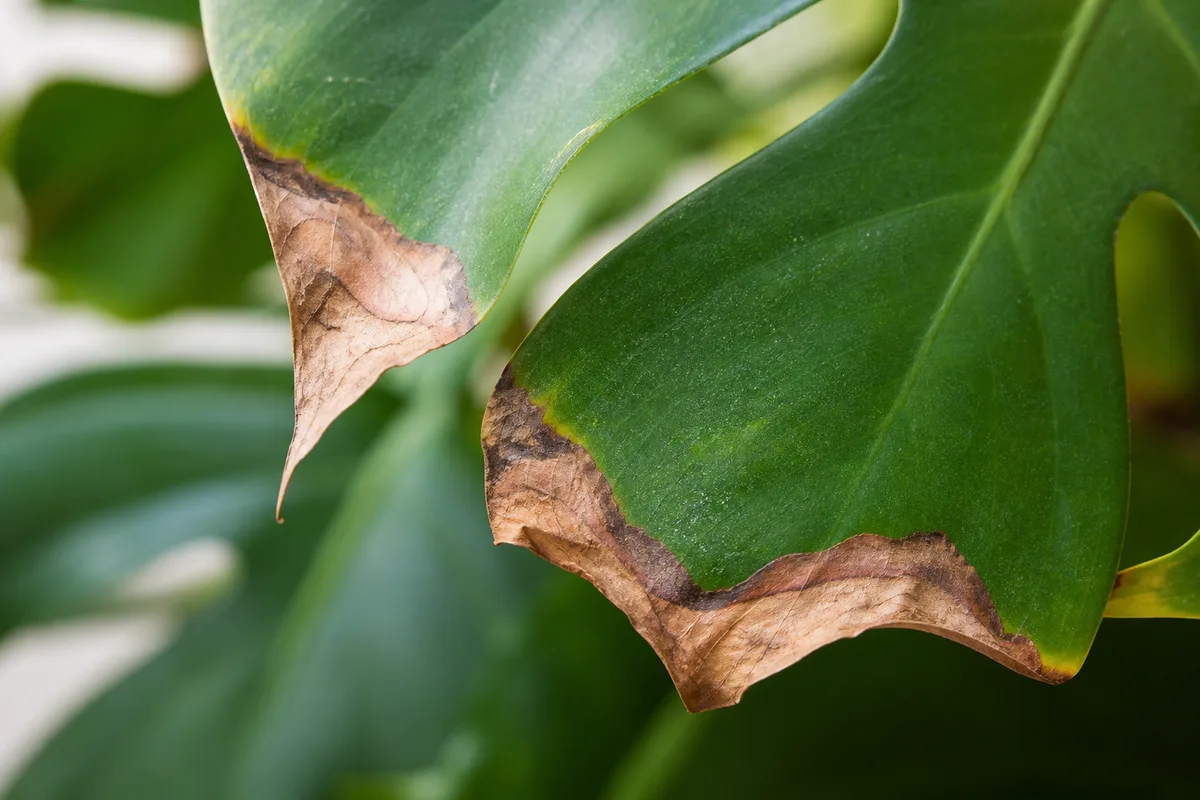
These symptoms look similar from across the room, but they do not mean the same thing. Brown tips usually point to dry air, inconsistent watering, salt buildup, or general stress. Black spots can suggest cold damage, overwatering-related tissue issues, or disease pressure. Curling often signals moisture stress, low humidity, or temperature stress. Treating them all as needs more water is where people go wrong.
| Symptom | Most likely winter causes | First fix |
|---|---|---|
| Brown tips | Dry air, inconsistent watering, salt buildup | Improve local humidity, water thoroughly but less often, flush salts if needed |
| Black spots | Cold exposure, wet soil stress, possible disease | Move from drafts, correct watering, inspect roots and tissue |
| Curling leaves | Low humidity, thirst stress, heat or cold stress | Stabilize temperature, raise local humidity, reassess soil moisture |
A fast texture check helps. Crispy edges plus dry room air suggest humidity and watering consistency. Soft dark tissue after a cold night near the window suggests chill damage. Blackened areas on a plant with soggy mix suggest root trouble. Fix the environment and the next leaves will tell you whether you got it right. For brown-tip depth, see Monstera brown tips and the brown tips problem page.
Caring for Variegated, Juvenile, or Recovering Monsteras
Not all Monsteras behave the same in winter. Variegated forms have less chlorophyll in pale sections, which means a lower margin for low-light mistakes. NC State Extension notes that variegated cultivars such as ‘Albo Variegata’ and ‘Thai Constellation’ need more sunlight than darker green forms to stay stable. That does not mean harsh direct sun. It means stronger support conditions overall - often a grow light in winter. (NC State Extension)
Juvenile Monsteras may not show classic splits yet, so plain new leaves plus winter slowdown can look alarming when nothing is wrong. Focus on health markers: firm stems, stable color, roots using water at a steady pace, and leaves emerging without major deformity. Fenestrations are not the first winter metric that matters. Plant stability is.
A recovering Monstera needs the most restraint. If it recently dealt with rot, shipping stress, or pest damage, winter is the time to simplify. Warmth, steady indirect light, careful watering, and patience beat constant interventions. People lose recovering plants by trying five fixes in ten days.
Monstera deliciosa is toxic to cats and dogs because of insoluble calcium oxalates. The ASPCA lists oral irritation, drooling, vomiting, and difficulty swallowing among possible signs. If you move your Monstera to brighter winter positions, keep those spots pet-safe. For ingestion concerns, contact ASPCA Animal Poison Control at (888) 426-4435. (ASPCA)
A Simple Weekly Winter Monstera Care Routine
A good winter routine should be boring. Boring means the plant is stable and you are not reacting to every cosmetic change. Here is the rhythm that works for most indoor Monsteras:
First, check light. Confirm the plant still gets the brightest indirect light available and rotate occasionally if it leans. University of Minnesota Extension recommends rotating houseplants every few weeks in winter. (University of Minnesota Extension)
Second, check soil before watering. Lift the pot. Touch the mix. Ask whether it actually needs water or whether you are worried because growth slowed. If dry enough, water thoroughly and drain completely. If not, leave it alone.
Third, check the room. Is the plant in a draft? Is a heater vent hitting it? Has local humidity dropped? Penn State notes winter indoor RH often falls below 30%, so local humidity support helps without over-humidifying the whole home. (Penn State Extension)
Fourth, wipe leaves and inspect for pests. Fifth, leave the plant alone unless you see a real issue. Winter rewards calm observation more than constant tinkering.
Related guides
- Monstera deliciosa care hub - year-round watering, light, soil, and problem guides
- Winter houseplant care - generic seasonal checklist for all indoor plants
- Monstera light deficiency - when dim rooms are the root cause
- Watering Monstera deliciosa - dry-down mechanics beyond winter
- Monstera humidity needs - target ranges and humidifier setup
Conclusion
Good winter Monstera care comes down to one disciplined shift: stop treating winter like summer. Give the plant more usable light, less frequent watering, steadier warmth, and enough local humidity to reduce stress without turning the room into a mold risk. Most winter problems trace back to slower seasonal growth meeting an unchanged care routine.
Use three decision rules: light before water, feed growth not hope, and stability over intervention. Move the plant closer to bright indirect light or add a grow light. Check soil before watering. Keep it away from cold glass and hot vents. Pause fertilizer unless new growth is obvious. Inspect for pests on your weekly wipe. Those moves cover what your Monstera actually needs in the cold months - and the Monstera hub covers everything else.