Mint Problems: Causes & Quick Fixes
Quick answer
Mint is prone to 41 common issues - each link below is a plant-specific fix guide.
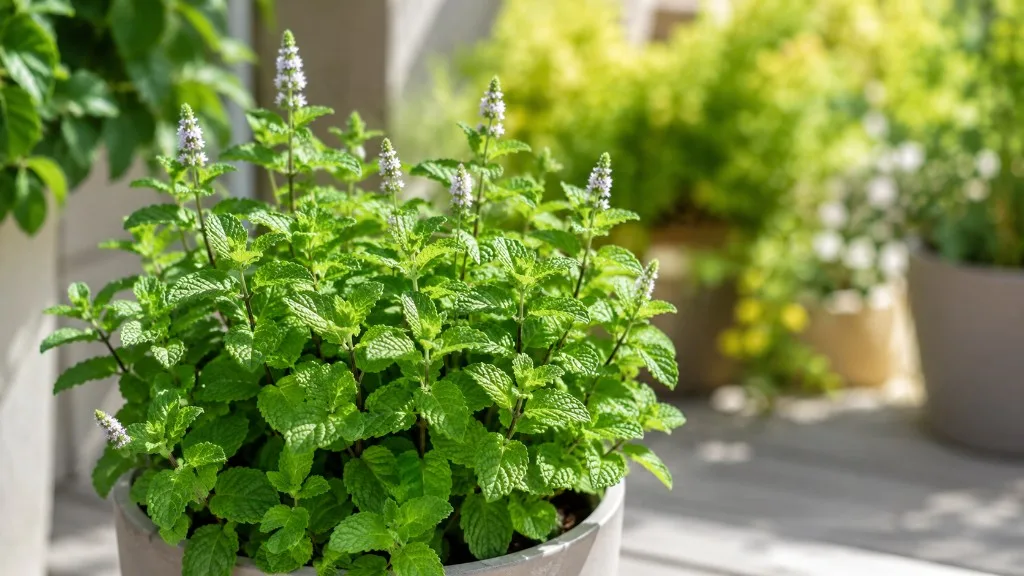
Mint problems
Use the guides below to diagnose and fix common issues on Mint. Each problem page explains why it happens on this species and what to do first.
Or use our problem diagnosis tool to narrow down symptoms.
Common problems on Mint
Root Rot
HighLikely cause: Waterlogged container soil displaces root oxygen; Pythium, Phytophthora, and Rhizoctonia colonize mint rhizomes in soggy compost.
Quick fix: Unpot, trim brown mushy roots, repot in fresh perlite-amended mix with clear drainage; let top inch dry before watering again.
Full fix guide →Yellow Leaves
MediumLikely cause: Lower leaves yellow first from overwatering/root stress, nitrogen deficiency, or mint rust (Puccinia menthae) defoliation.
Quick fix: Check roots and drainage first; if oldest leaves only, feed diluted balanced fertiliser; if orange pustules present, treat as rust.
Full fix guide →Leggy Growth
MediumLikely cause: Fewer than 4–6 hours direct light triggers etiolation—long internodes, pale small leaves, weak flavour in spearmint.
Quick fix: Move to brightest south/west window or add 12–16 h grow light; cut stems back hard to 5 cm to force bushy regrowth.
Full fix guide →Slow Growth
LowLikely cause: Insufficient light, inconsistent moisture, root-bound rhizomes, or nutrient shortage stall mint's normally fast regrowth.
Quick fix: Ensure 6+ hours sun, steady moisture with good drainage, and repot or divide if roots circle the pot.
Full fix guide →Brown Tips
MediumLikely cause: Dry soil edges, intense afternoon sun scorch, or salt/fertilizer stress brown mint leaf margins in containers.
Quick fix: Water when top inch dries; give morning sun with afternoon shade; flush pot if over-fertilised.
Full fix guide →Overwatering
HighLikely cause: Mint needs moist but not soggy soil; constant wetness in containers causes mushy stems, sour smell, and root rot.
Quick fix: Stop watering until top 2 cm is dry; improve perlite drainage and ensure saucers are emptied within 15 minutes.
Full fix guide →Underwatering
MediumLikely cause: Mint root ball must not dry out; drought causes wilting, crispy leaves, and loss of fragrance in spearmint.
Quick fix: Soak until water drains freely when top 1–2 cm is dry; bottom-water if surface dries too fast in hot weather.
Full fix guide →Spider Mites
MediumLikely cause: Two-spotted spider mite (Tetranychus urticae) causes pale stippling and fine webbing on mint in hot, dry indoor conditions.
Quick fix: Rinse leaf undersides; spray insecticidal soap or neem every 3–5 days for two weeks; raise humidity above 50%.
Full fix guide →Mealybugs
MediumLikely cause: Mealybugs colonise soft mint stems and leaf axils indoors, stunting growth and excreting honeydew.
Quick fix: Dab clusters with 70% alcohol; spray insecticidal soap weekly on edible mint; isolate from other herbs.
Full fix guide →Aphids
MediumLikely cause: Mint aphid (Ovatus crataegarius) and green peach aphid cluster on new mint tips, curling leaves and coating them with sticky honeydew.
Quick fix: Blast undersides with water; apply insecticidal soap or neem; pinch out heavily infested shoot tips.
Full fix guide →Wilting
MediumLikely cause: Mint wilts from underwatering or paradoxically from root rot when wet soil prevents water uptake.
Quick fix: Feel top soil: if dry, soak thoroughly; if wet and mushy, stop watering and inspect roots for rot.
Full fix guide →Drooping Leaves
MediumLikely cause: Drooping mint leaves signal drought stress, heat stress, or waterlogged roots failing to transport moisture.
Quick fix: Match watering to pot dryness; move out of hot afternoon sun; repot if soil stays soggy more than 48 hours.
Full fix guide →Not Enough Light
MediumLikely cause: Deep shade or dim windows cause mint to stretch with pale, weak-flavoured leaves and long internodes.
Quick fix: Provide 4–6 hours direct sun or 12–16 hours under a full-spectrum grow light; rotate pot weekly.
Full fix guide →Fungus Gnats
LowLikely cause: Consistently moist, organic-rich mint compost attracts fungus gnat larvae that feed on roots in indoor pots.
Quick fix: Let top 2 cm soil dry between waterings; use yellow sticky traps; bottom-water to keep surface dry.
Full fix guide →Mold on Soil
LowLikely cause: White or green mold on mint pot surface signals chronic overwatering and poor airflow above wet compost.
Quick fix: Scrape surface mold; reduce watering frequency; improve light and air circulation around the pot.
Full fix guide →Rust Disease
HighLikely cause: Puccinia menthae produces orange-yellow-black pustules on spearmint and peppermint, overwintering in rhizomes.
Quick fix: Remove infected shoots before black spores form; divide and replant clean stock in fresh compost away from old beds.
Full fix guide →Powdery Mildew
MediumLikely cause: Golovinomyces biocellatus causes gray-white powder on mint leaves, especially Scotch spearmint in humid crowded pots.
Quick fix: Thin crowded stems for airflow; avoid wetting foliage; remove affected leaves and apply potassium bicarbonate if needed.
Full fix guide →Slugs and Snails
MediumLikely cause: Slugs and snails rasp irregular holes in mint leaves overnight, leaving slime trails on container herbs.
Quick fix: Handpick at dusk; remove mulch and debris; use copper tape on pot rims in outdoor mint.
Full fix guide →Holes in Leaves
MediumLikely cause: Mint flea beetle, loopers, slugs, and caterpillars chew shot-holes or ragged gaps in mint foliage.
Quick fix: Identify culprit (slime = slugs; shot-holes = flea beetle); handpick or use row covers; spray neem on caterpillars.
Full fix guide →Caterpillars
MediumLikely cause: Alfalfa and cabbage loopers feed on mint leaves in spring, leaving ragged holes and black frass on stems.
Quick fix: Inspect undersides at night and handpick; apply Bacillus thuringiensis (Bt) to foliage for larger infestations.
Full fix guide →Leaf Spot Disease
MediumLikely cause: Anthracnose and related fungi cause water-soaked yellow-brown spots on mint leaves spread by splashing water.
Quick fix: Remove infected leaves; switch to base watering; rotate pots and improve spacing for airflow.
Full fix guide →Root Bound
MediumLikely cause: Aggressive mint rhizomes circle pots within 6–12 months, killing centre growth and slowing harvest.
Quick fix: Divide rootball into sections; repot into fresh compost one size up with drainage holes.
Full fix guide →Pot Too Small
MediumLikely cause: Mint outgrows small pots quickly; cramped rhizomes produce only edge growth and need daily watering.
Quick fix: Repot into at least 20–25 cm wide container with drainage; divide if root mass is dense.
Full fix guide →Likely cause: Moving mint divisions or store-bought pots damages fine roots, limiting water uptake for 1–2 weeks.
Quick fix: Keep soil evenly moist not soggy; provide partial shade; avoid fertilizing until recovery.
Full fix guide →Likely cause: All-day hot sun scorches mint leaves to brown crispy edges, especially in hot-climate afternoon exposure.
Quick fix: Move to morning sun with afternoon shade; trim scorched leaves; keep soil moist during heat.
Full fix guide →Heat Stress
MediumLikely cause: Temperatures above 30°C with dry soil cause mint wilting and brown leaf margins in exposed containers.
Quick fix: Water early morning; shade during peak heat; use light-colored pots to reduce root-zone heat.
Full fix guide →Cold Damage
MediumLikely cause: Hard frost blackens mint foliage; potted mint roots freeze more easily than in-ground rhizomes.
Quick fix: Cut back blackened stems after frost; mulch in-ground plants; move pots to sheltered unheated space.
Full fix guide →Nitrogen Deficiency
MediumLikely cause: Oldest mint leaves yellow first as mobile nitrogen is redirected to new shoots during heavy harvesting.
Quick fix: Apply half-strength balanced liquid feed every 3–4 weeks in spring–summer; avoid high-nitrogen granular on edible mint.
Full fix guide →Sticky Leaves
MediumLikely cause: Aphid and mealybug honeydew coats mint leaves, attracting ants and sooty mold on kitchen herbs.
Quick fix: Rinse leaves; treat underlying sap-sucking pests with insecticidal soap; prune sticky shoot tips.
Full fix guide →Whiteflies
MediumLikely cause: Whiteflies stipple mint leaf undersides and fly up when disturbed, common on outdoor and indoor herbs.
Quick fix: Spray insecticidal soap on undersides; use yellow sticky traps; cover young plants with row cover early season.
Full fix guide →Poor Drainage
HighLikely cause: Heavy compost or blocked holes keep mint roots waterlogged, the primary driver of container root rot.
Quick fix: Repot with 15–20% perlite; clear drainage holes; never let pot sit in standing water.
Full fix guide →No Drainage Hole
MediumLikely cause: Mint in sealed decorative pots accumulates water at the base, quickly rotting rhizomes.
Quick fix: Drill drainage holes or repot into a container with free-draining base; empty saucers after every watering.
Full fix guide →Overfertilization
MediumLikely cause: Excess nitrogen produces lush but tasteless mint leaves and can burn roots in small pots.
Quick fix: Flush pot with clean water; resume half-strength feed only when growth is healthy; pinch tips instead of heavy feeding.
Full fix guide →Curling Leaves
MediumLikely cause: Aphid feeding on new mint shoots causes puckered, curled leaf tips and stunted regrowth.
Quick fix: Inspect undersides of new growth; spray insecticidal soap; pinch out heavily curled tips.
Full fix guide →Wrong Soil Mix
MediumLikely cause: Heavy garden soil or pure cocopeat compacts in mint pots, causing waterlogging or drought swings.
Quick fix: Use 60% potting soil, 20% cocopeat, 20% compost with 15% perlite for drainage at pH 6.0–7.0.
Full fix guide →Water Stress
MediumLikely cause: Both drought and chronic wetness disrupt mint water uptake, causing wilt and leaf drop.
Quick fix: Use finger-test watering; ensure drainage; adjust frequency to season and pot size.
Full fix guide →Brown Leaves
MediumLikely cause: Brown mint leaves follow underwatering, root rot, sun scorch, or advanced rust defoliation.
Quick fix: Diagnose moisture and roots first; move out of harsh sun; remove rust-infected foliage.
Full fix guide →Leaf Drop
MediumLikely cause: Overwatered mint sheds lower yellow leaves; rust and spider mites also cause premature drop.
Quick fix: Fix watering rhythm; inspect for rust pustules or mite webbing; remove fallen leaves from soil surface.
Full fix guide →No New Growth
MediumLikely cause: Root-bound, light-starved, or rotting mint stops producing harvestable shoots despite watering.
Quick fix: Check roots and repot or divide; increase light; cut back dead centre to stimulate rhizome buds.
Full fix guide →Stunted Growth
MediumLikely cause: Mint flea beetle larvae on rhizomes, verticillium wilt, or nutrient stress stunt regrowth in pots and fields.
Quick fix: Inspect roots and rhizomes for larval damage; ensure sun and feed; discard plants with vascular wilt symptoms.
Full fix guide →Low Humidity
MediumLikely cause: Dry indoor air crisps mint leaf margins first-especially spearmint and peppermint on a windowsill above a radiator or in AC blast. First step: move the pot out of direct vent or radiator drafts, then
Quick fix: See plant-specific guide for step-by-step fixes.
Full fix guide →