Slow Growth on Mint: Causes, Checks & Fixes
Quick answer
Slow growth on Mint is unusual because spearmint normally regrows fast-so a stalled pot usually means weak light, root-bound rhizomes, or uneven moisture. First step: move the plant to at least six hours of direct sun and check whether roots are circling the pot before you fertilize or repot again.
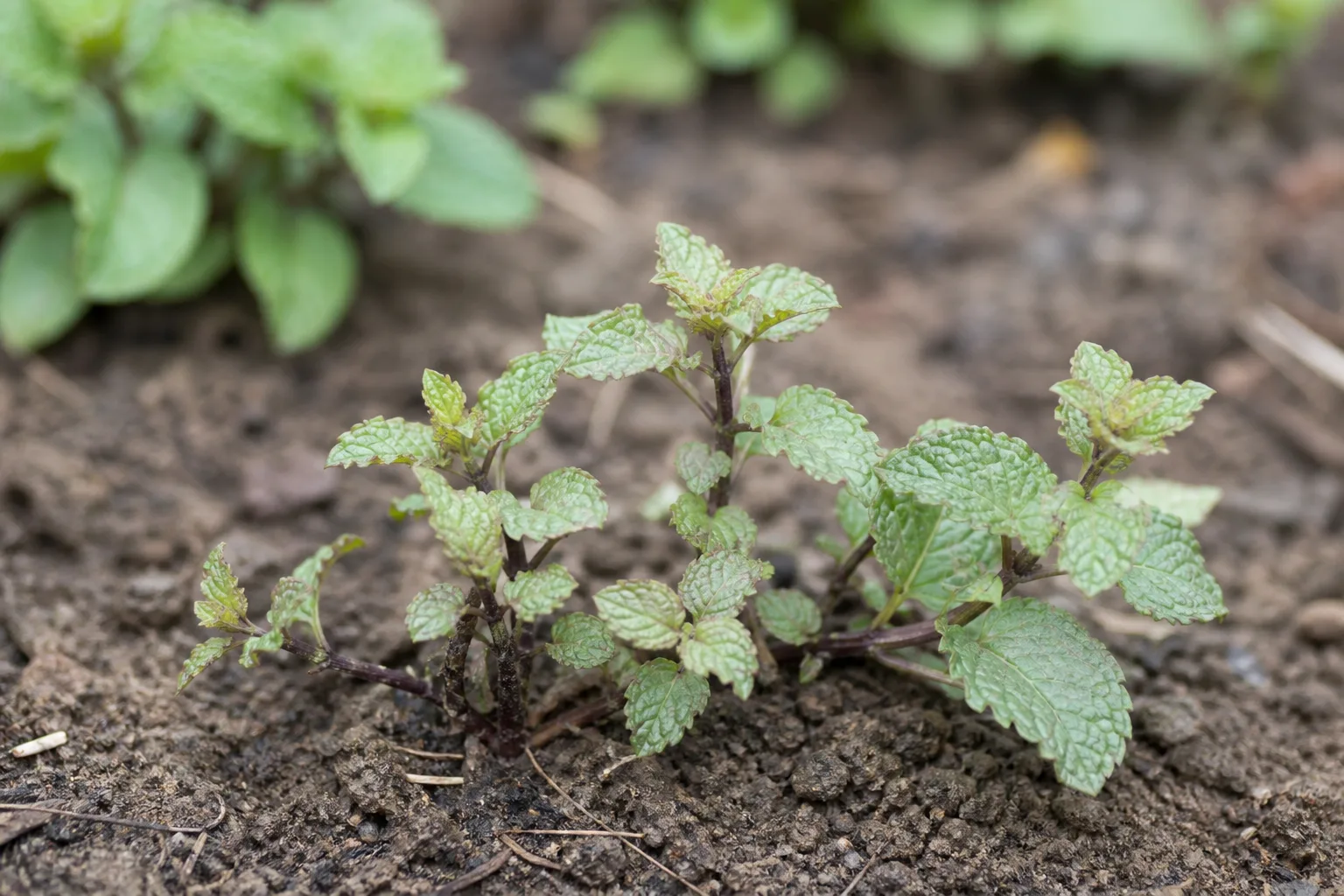
Slow Growth on Mint: Causes, Checks & Fixes
This guide covers slow growth on Mint. See also the general Slow Growth guide, watering, and light pages for this plant.
Slow Growth on Mint: Causes, Checks & Fixes
Quick answer
Slow growth on Mint (Mentha spicata, spearmint) is not normal during warm active growth. This herb is built to spread quickly by rhizomes and should produce harvestable shoot tips every one to two weeks when light, moisture, and root room align. A pot that sits visually static for three or more weeks in spring or summer almost always has a fixable bottleneck-not a mystery disease.
First step: Move the pot to your brightest stable location with at least six hours of direct sun on warm days, and look through the drainage holes to see whether white roots are circling tightly. Do that before you add fertilizer, repot again, or increase watering.
Judge progress by new node frequency and leaf size, not by hoping old stems suddenly lengthen. Mint recovers from cultural stalls quickly when roots are healthy; a plant that keeps declining after light and water corrections may need division or replacement.
What slow growth looks like on Mint
On spearmint, “slow” means the plant survives but stops producing usable new growth-different from the fast, spreading habit mint is known for.
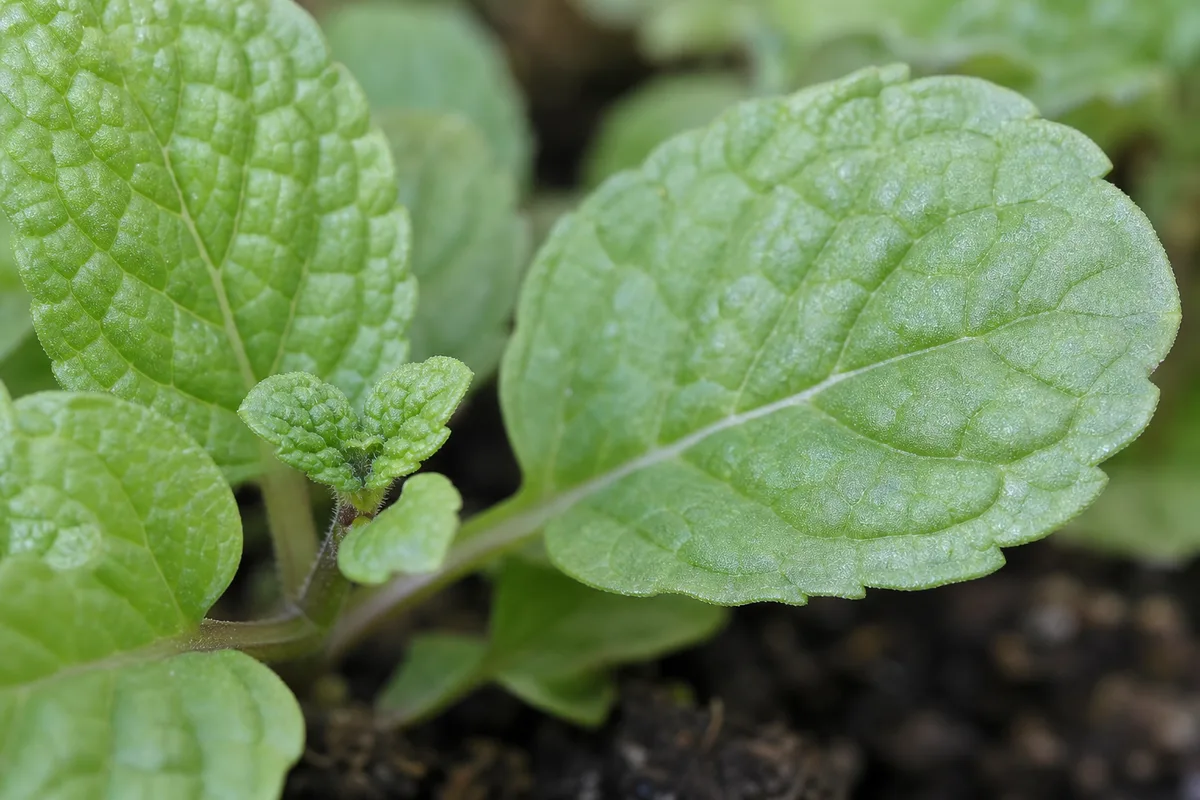
Slow Growth symptoms on Mint - compare with healthy tissue on the same plant.
Typical patterns:
- No fresh shoot tips for three or more weeks during warm weather, even though you water on schedule
- Smaller, paler new leaves at stem ends while older foliage looks unchanged
- Growth only at the pot rim with a bare, woody centre-the classic sign of a root-bound clump
- Long gaps between leaf pairs on new stems without the plant actually gaining height (etiolation from weak light)
- Weak fragrance when you crush a leaf-mint often loses scent before it stops growing entirely
- Daily wilting that resolves after watering but never leads to new shoots-roots may be damaged or cramped
Normal slow periods you should not panic over:
- Cool winter rest-mint is a herbaceous perennial that dies back partially and regrows in spring
- One to two weeks after Mint repotting guide or division-fine root hairs need time to re-establish
- Immediately after hard pruning-new buds break within days if conditions are right
- Flowering phase-mint can pause leaf production while energy goes to flower spikes; pinch flowers if you grow it for leaves
Compare with leggy growth: long thin stems reaching toward a window mean the plant is growing, just badly. True slow growth means little or no new tissue anywhere for weeks.
Why Mint gets slow growth
Spearmint evolved as a vigorous, spreading perennial that colonises moist soil in full sun or partial shade. In a container, that same vigour becomes a liability when rhizomes run out of room or light drops below what the plant needs to fuel rapid regrowth.
Insufficient light (most common indoors)
Mint needs substantially more light than many “easy herb” labels suggest. Fewer than four to six hours of direct sun triggers etiolation-pale, small leaves and weak flavour-before growth stalls completely. Most herbs require at least six hours of direct sunlight to grow well indoors or out. A north-facing windowsill or dim kitchen counter often looks bright to you but delivers too little energy for the fast regrowth mint is capable of.
Root-bound rhizomes
Mint spreads by aggressive underground stems. Container plants can become root-bound within six to twelve months, with rhizomes circling the pot and the centre dying out. Mint should be repotted regularly-typically every few years depending on container size-to prevent cramped rhizomes from killing centre growth. When roots have no fresh soil to occupy, top growth stops even if you water and feed perfectly. Runners may escape through drainage holes searching for new territory.
Inconsistent moisture
Mint wants evenly moist compost-not bone dry and not constantly soggy. Drought stalls new leaves and reduces fragrance. Chronic wetness damages roots and limits uptake, producing the paradox of a wet pot with no new shoots. Small pots in hot sun dry out in hours; large wet pots in dim corners stagnate.
Nutrient drain from heavy harvesting
Regular picking removes nitrogen and other mobile nutrients from a finite container. If you harvest heavily through summer without light feeding, oldest leaves may yellow and new tips stay small. Fertilizer alone will not fix this when light or roots are the real limit.
Cool temperatures and seasonal rest
Mint slows sharply below about 15°C and may die back in hard frost. Growth in an unheated room through winter is naturally minimal. Expecting summer harvest rates in December sets up false alarms.
Sap-sucking pests
Mint aphid, spider mites, and mealybugs drain vigour from tender shoot tips. Growth slows on new growth while older leaves look fine. Sticky residue, curled tips, or fine webbing point to pests-not generic “bad luck.”
Recent repotting shock
Division and repotting disturb fine roots. Mint often pauses for seven to fourteen days after a rootball split even when the new mix is perfect. This is temporary if stems stay firm and soil moisture stays steady.
What usually is not the cause
Mint tolerates average home humidity and does not need misting to grow. Low humidity alone rarely stalls a well-lit, well-watered pot. Oversized decorative pots without drainage are a problem-but a slightly small pot with healthy circling roots is normal mint behaviour until division is overdue.
How to confirm the cause
Work through these checks in order before stacking fixes:
- Season and temperature - Is the plant in active warm growth, or cool winter rest? Stalled mint in a cold room may simply be dormant.
- Direct sun hours - Count hours of sun on the plant, not ambient room brightness. Fewer than six hours during warm months strongly implicates light.
- Soil moisture rhythm - Water indoor herbs when the soil feels dry a half inch below the surface. Press a finger 2 cm deep. Dust-dry every day points to underwatering on Mint; wet and cold for days points to root stress.
- Root inspection - Tilt the pot and look through drainage holes. White firm tips with room to spread differ from a solid mat of circling rhizomes.
- Centre versus edge growth - Live shoots only at the rim with a dead woody middle confirms root-bound decline.
- Pot weight and drainage - A pot that stays heavy for days after watering, or a saucer holding water, slows growth by keeping roots oxygen-starved.
- Recent changes - Repot, move, or store-bought transplant within the last two weeks explains a short pause.
- Pest check - Examine newest shoot tips and leaf undersides for aphids, stippling, webbing, or sticky coating.
- Harvest history - Heavy picking without feed in a small pot suggests nutrient drain; yellow oldest leaves support this.
If warm weather, wet soil, and mushy stem bases appear together, treat as root rot on Mint risk before assuming the plant needs more sun or fertilizer.
First fix for Mint
Move the pot to the brightest location available-at least six hours of direct sun on warm days-and keep the mix evenly moist but never soggy.
- Dim indoor spot during warm months: Shift to a south- or west-facing window, or outdoors in morning sun after a few days of acclimation.
- Root-bound signs at the drainage holes: Bright sun first, then plan division or repot within the week-do not repot on the same day you move if the plant is already stressed.
- Dry mix with wilted leaves: Water thoroughly once after the sun move, then return to watering when the top 2 cm dries.
- Wet mix with no new tips but firm stems: Move to sun and airflow; let the top 2 cm dry before the next drink-do not add water to force growth.
Do not stack repotting, heavy pruning, fertilizer, and pesticide on the same day. Mint responds best to one correction, then a two-week watch on new shoot tips.
Step-by-step recovery
Once the first fix matches what you confirmed:
- Hold placement stable - Pick the sunniest spot and leave the pot there through the next growth flush. Repeated moves abort fresh buds.
- Match watering to pot size and season - Water when the top 2 cm feels dry; soak until water runs free from drainage holes. Empty saucers within fifteen minutes.
- Divide or repot if root-bound - Split the rootball into sections, discard woody dead centre material, and replant one healthy clump in fresh mix with perlite for drainage. Leave two inches of headroom below the rim for watering.
- Pinch to restart bushy growth - Cut the plant down to about 5 cm from the base on leggy stems to force new side shoots once light improves.
- Feed only after new tips appear - Half-strength liquid fertilizer every three to four weeks during active harvest season-not on a stressed or newly repotted root zone.
- Treat pests if confirmed - Rinse shoot tips, then insecticidal soap at label intervals on edible mint until new growth stays clean for two weeks.
- Track node count weekly - Count new pairs of leaves on two marked stems; improvement shows within two weeks when the bottleneck is removed.
Recovery timeline
Light correction in warm weather often produces the first fresh shoot tips within seven to ten days; bushy regrowth after a hard pinch may take two to three weeks.
Post-repotting pause usually breaks within one to two weeks if stems stay firm and moisture stays even.
Root-bound division can look rough for ten to fourteen days, then surge once rhizomes find fresh soil.
Nutrient-related stall after light feeding often shows larger new leaves within three to four weeks during active season.
Advanced root rot or rust may never restore a woody dead centre-replace with a clean division if no live buds remain after four weeks of corrected care.
Signs you are on track: fragrant new leaves, shorter gaps between nodes, and harvestable tips you can cut every week or two-not just unchanged old stems.
Lookalike symptoms
Slow growth on mint overlaps with other problems:
- Leggy growth on Mint - Long stems with wide internodes mean too little light but the plant is still elongating; true slow growth means minimal new tissue.
- No new growth - Often the severe end of the same root-bound or light-starved pattern; check roots and sun hours first.
- Wilting or drooping - Drought wilts on dry mix; root rot wilts on wet mix. Slow growth can coexist but soil feel separates causes.
- Yellow leaves on Mint - Oldest leaves yellow first with nitrogen drain or overwatering on Mint; slow growth may accompany both.
- Stunted new shoots - Aphid curling and rust pustules deform tips; inspect closely if leaves emerge twisted, not merely sparse.
Always pair growth rate with sun hours, root room, and soil moisture-reading leaf colour alone misleads on mint.
What not to do
Do not fertilize heavily to “force” growth on a plant in weak light or wet soil-salts stress cramped roots further. Do not repot into a much larger pot hoping for a growth spurt; excess wet soil around a small rootball invites rot. Do not keep a stalled plant in a dim corner while only adjusting water. Do not expect summer regrowth rates through cool winter rest. Do not harvest continuously from a plant that has not produced new tips in weeks-it has no reserves to give.
How to prevent slow growth on Mint
Grow mint in full sun to partial shade with at least six hours of direct light during the growing season. Repot or divide every six to twelve months before the centre dies out. Keep container compost evenly moist in summer and water when the top 2 cm dries. Feed lightly during heavy harvest months, pinch shoot tips regularly to stay bushy, and inspect new growth weekly for aphids and mites. Start fresh divisions from healthy edge rhizomes rather than nursing a woody, hollow centre indefinitely.
When to use this page vs other Mint guides
- Mint watering guide - Use for routine moisture checks before assuming slow growth is the main issue.
- Mint problems hub - Browse all 40 common issues on this species.
- Not Enough Light on Mint - Different entry point when symptoms overlap with slow growth.
- Leggy Growth on Mint - Different entry point when symptoms overlap with slow growth.
- Yellow Leaves on Mint - Different entry point when symptoms overlap with slow growth.